The Meek-Eaton Black Archives Military Collection honors the legacy and service of African American veterans and ROTC cadets who have bravely served the United States. Featuring uniforms, photographs, medals, and documents, the collection highlights the pivotal role of FAMU students, alumni, and faculty in major conflicts throughout history. As part of an HBCU with a strong tradition of leadership and civic duty, this collection stands as a powerful testament to Black excellence, sacrifice, and patriotism, inspiring future generations to serve with pride and purpose.
Curated By
Barbara A. Twyman
Contributing Institution
Florida A&M University
About This Record
The HCAC public history focused digital archive cataloging is an ongoing process, and we may update this record as we conduct additional research and review. We welcome your comments and feedback if you have more information to share about an item featured on the site, please contact us at: HCAC-DigiTeam@si.edu
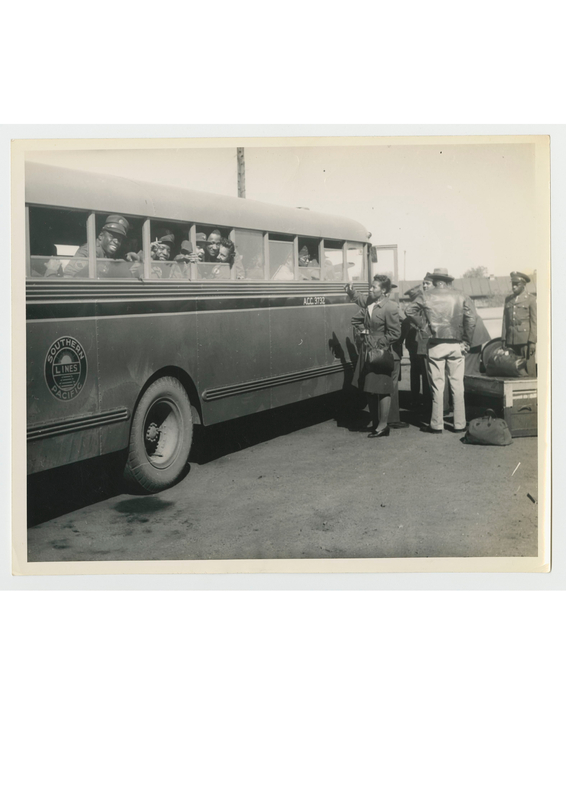
In this photograph, beaming Black soldiers smile and wave out the windows of a bus with the Southern Pacific Lines insignia on the side. Others stand around bags of luggage waiting to enter the transport. While Southern Pacific Lines was known as a locomotive company, this vehicle appeared to be a bus rather than a train car.
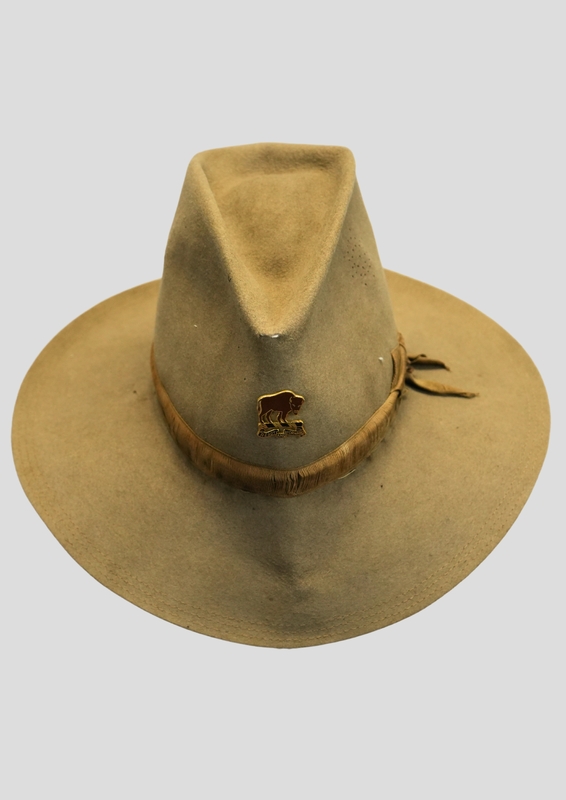
The Buffalo Soldier Stratton hat is a distinctive military headgear associated with the African American cavalry regiments known as Buffalo Soldiers, and belonged to Benjamin French. Crafted from durable materials, it features a wide brim and a high crown, symbolizing pride and resilience.
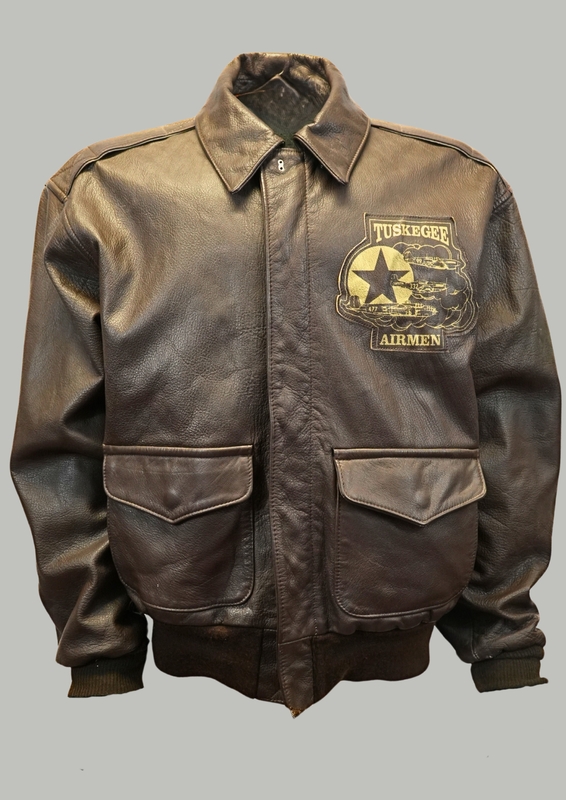
The Tuskegee Airman Cockpit USA jacket, crafted in 1987, honors the legendary African American pilots who served during World War II. This leather bomber jacket features insignias and patches reflecting the legacy of the Tuskegee Airmen. Donated by former Tuskegee airman and FAMU alumnus Major Roy Spencer.
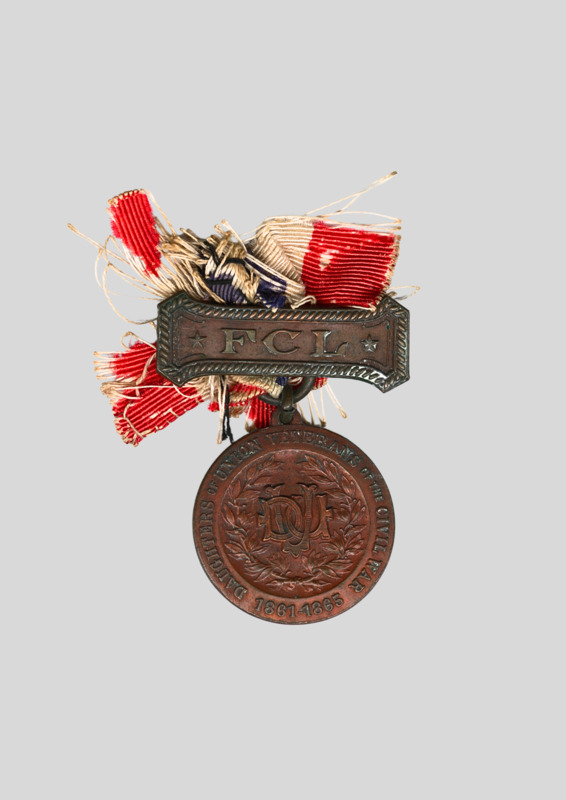
The Daughters of Union Veterans of the Civil War medal (1861-1865) honors female descendants of Union soldiers. This FCL (Fraternity, Charity, Loyalty) medal features symbolic imagery from the Civil War era, representing service and sacrifice.
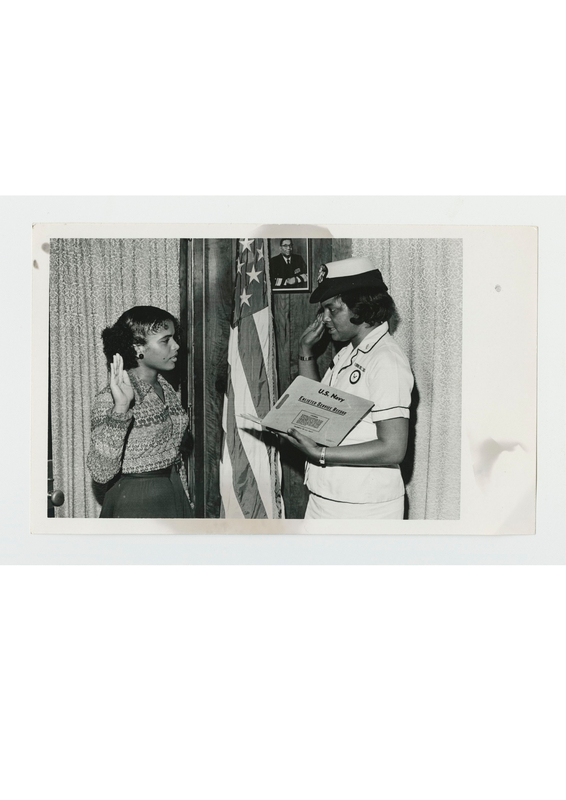
This black and white photograph shows a Black female U.S. Naval Officer swearing in another Black female. The officer holds a book titled “U.S. Navy Enlisted Service Record.”
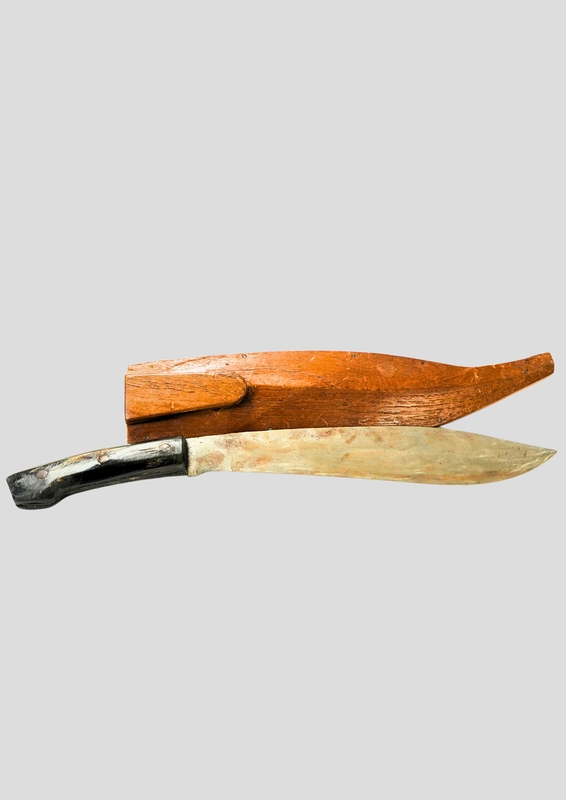
A bolo knife is a traditional cutting tool with a curved blade, commonly used in agricultural and domestic tasks across various cultures, especially in the Philippines and parts of Africa. Its design allows for efficient cutting and slicing, making it ideal for clearing vegetation and harvesting crops. This knife was used by Benjamin French.
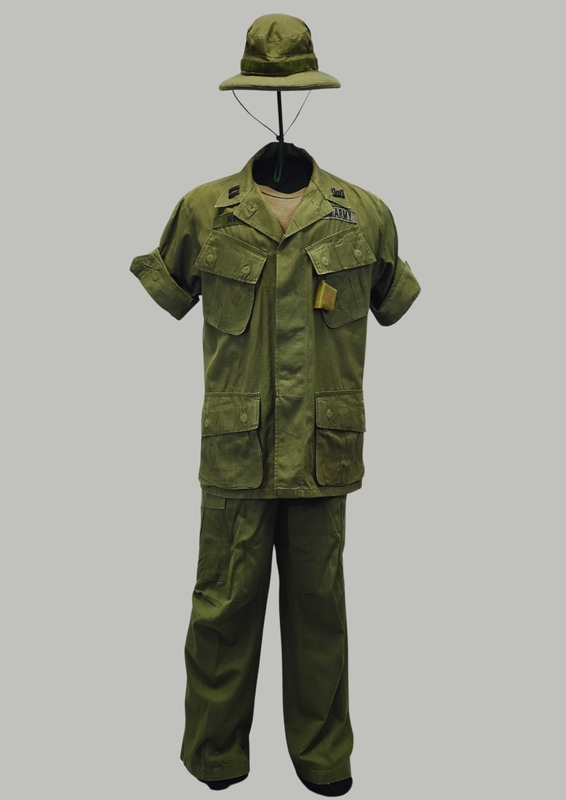
Clothing worn by FAMU alumnus, Captain James L. Moran when deployed to Honduras, Central America. The mission was called in Spanish, "Ahaus Tara Dos" (Big Pine Two). Captain Moran was tasked with the construction of housing for military personnel and a temporary C 130 Aircraft Runway to deliver supplies and transporting of military personnel.
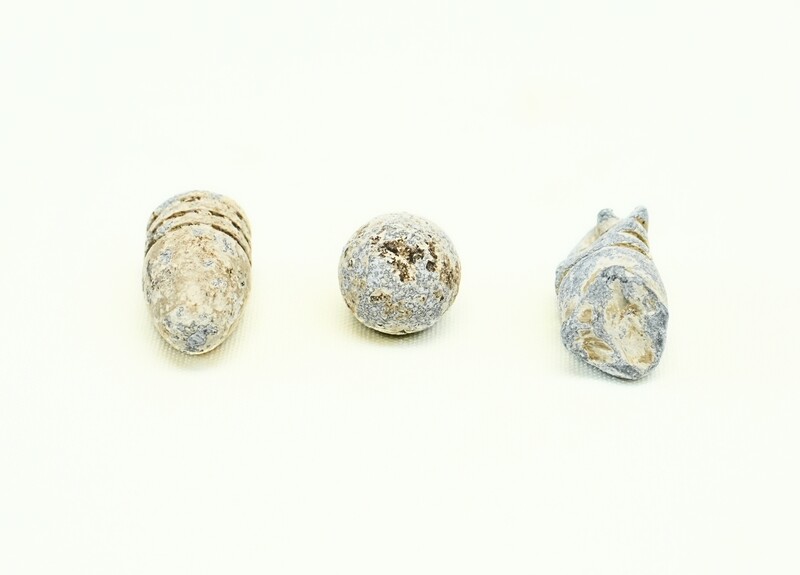
These original Civil War bullets serve as tangible reminders of the intense conflict that defined a nation divided. Each bullet reflects the technology of the era and the harsh realities faced by soldiers on the battlefield. Collected from various historic sites, they illustrate the significant role of firearms in shaping military strategies.
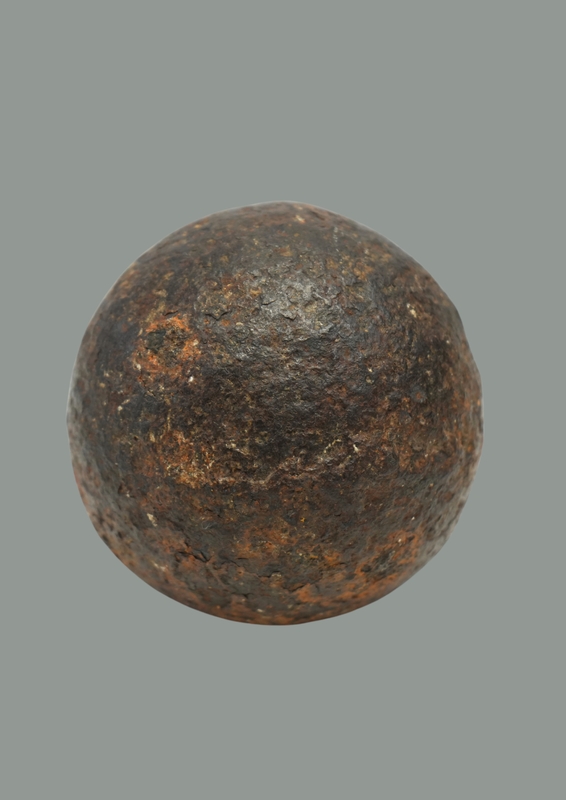
These original Civil War cannonballs exemplify the artillery used during one of America’s most tumultuous periods. Crafted from iron, they were designed for devastating impact in battles, symbolizing the intensity and destruction of war.
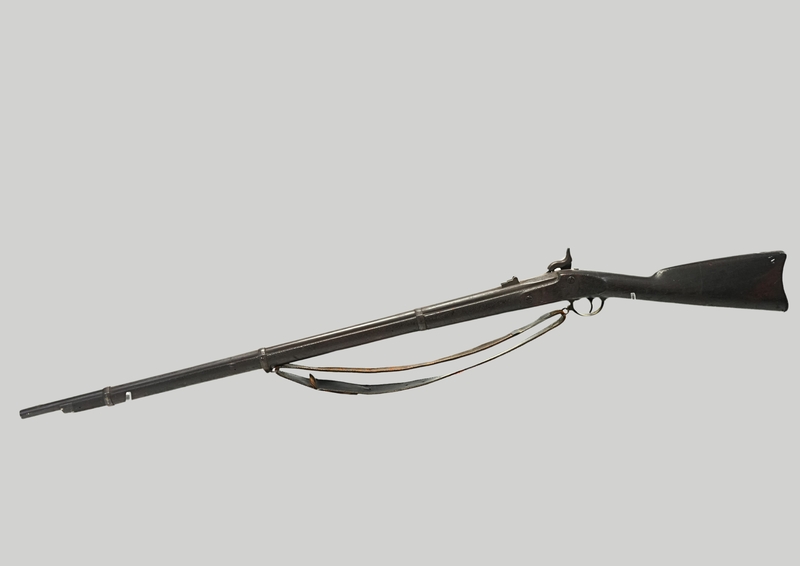
This original Civil War musket, complete with a strap, represents the military history and conflicts that shaped America during the 19th century. Crafted for accuracy and durability, the musket served soldiers on both sides of the war, symbolizing the struggle for freedom and unity.
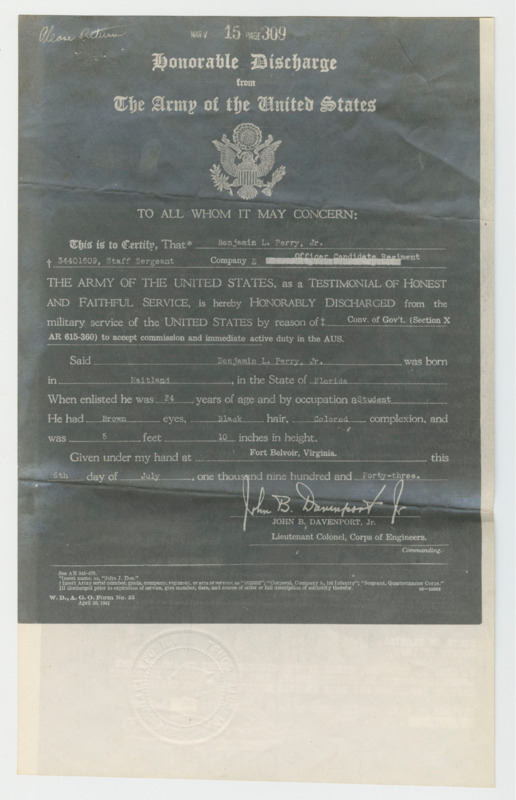
An official enlistment record of Benjamin L. Perry, Jr., a staff sergeant who served for nine months and 26 days under the Corps of Engineers in the 1940s. This document shows the well-rounded experience of the future president of Florida A&M University, clarifying his vaccinations, “excellent” character, marital status, and honorable discharge.
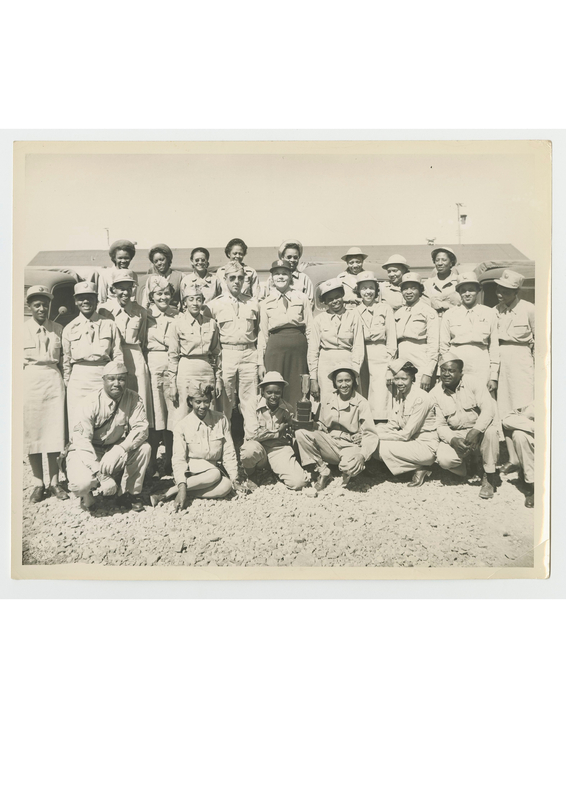
This photograph belongs to the Signal Corps, U.S. Army. Within this picture, two Black female soldiers squat and kneel with a trophy while others smile and pose for the camera. This interracial, intergender photograph shows the inclusivity of the U.S. military.
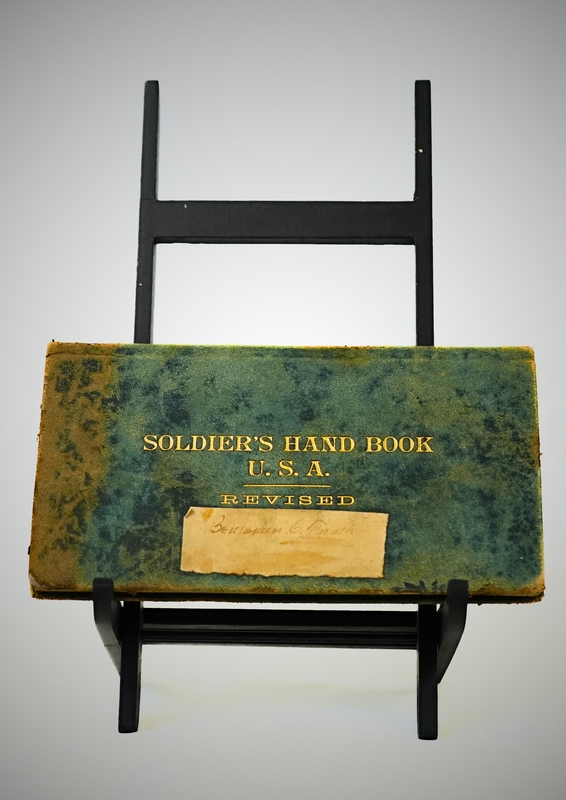
The Soldier's Handbook, U.S.A., revised in 1898, is a vital historical document designed to guide soldiers in military conduct, tactics, and survival techniques during the Spanish-American War. Featuring practical advice and regulations, it reflects the military culture of the era.
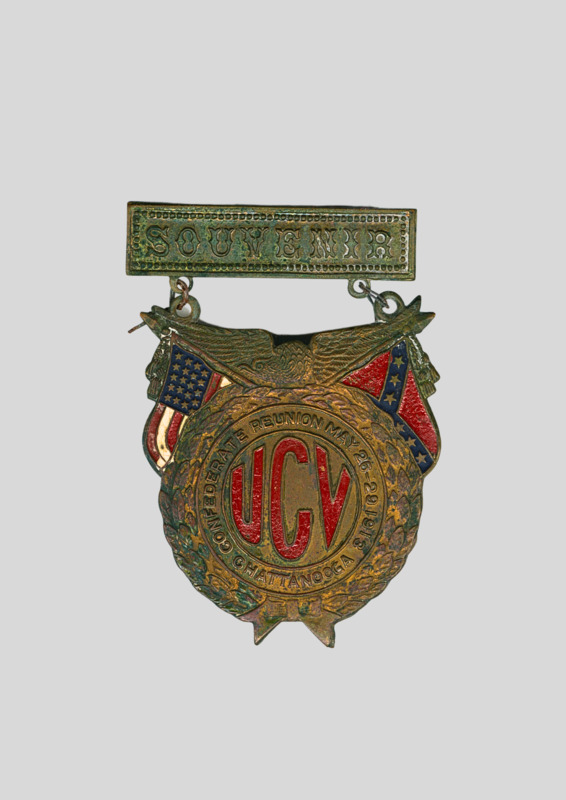
This 1913 Confederate Reunion medal, a souvenir from the United Confederate Veterans (UCV) gathering in Chattanooga, commemorates veterans of the Civil War. The medal features Confederate symbols and celebrates the reunion of former soldiers.