The HCAC public history focused digital archive cataloging is an ongoing process, and we may update this record as we conduct additional research and review. We welcome your comments and feedback if you have more information to share about an item featured on the site, please contact us at: HCAC-DigiTeam@si.edu
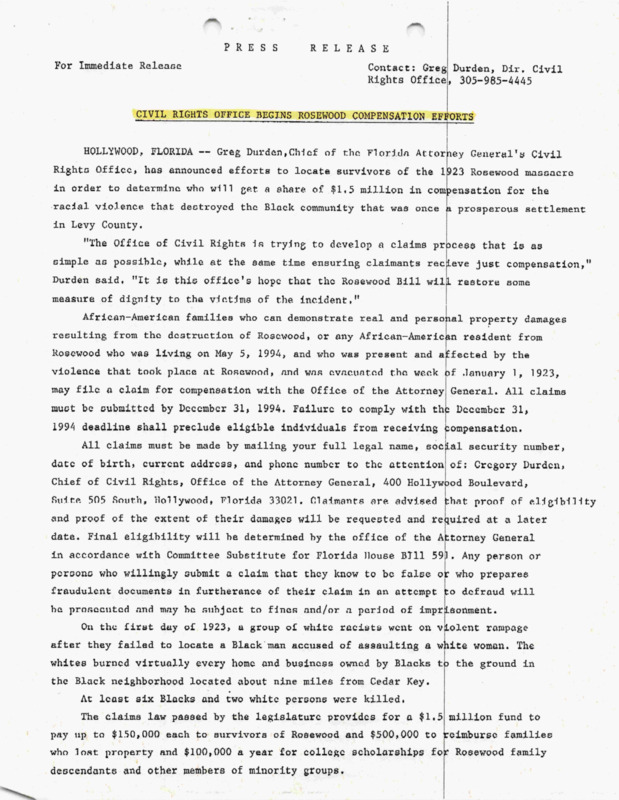
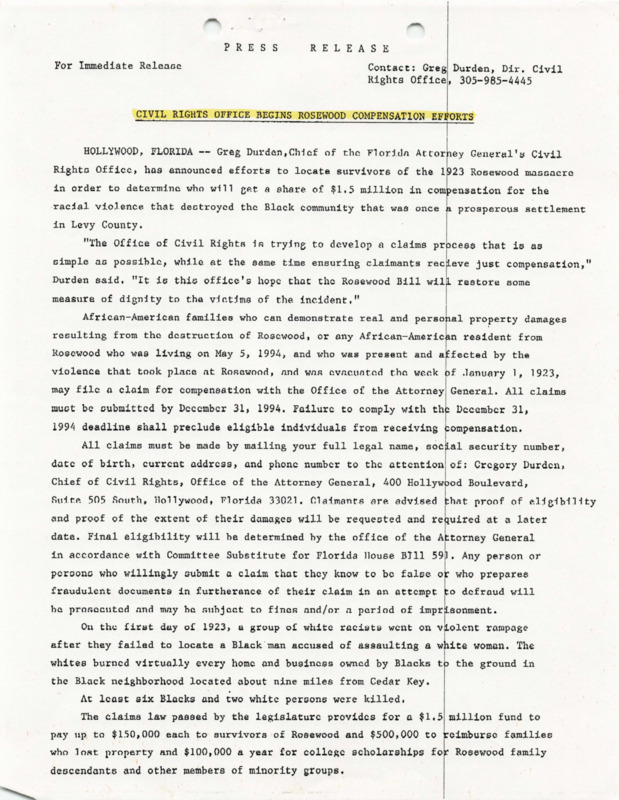
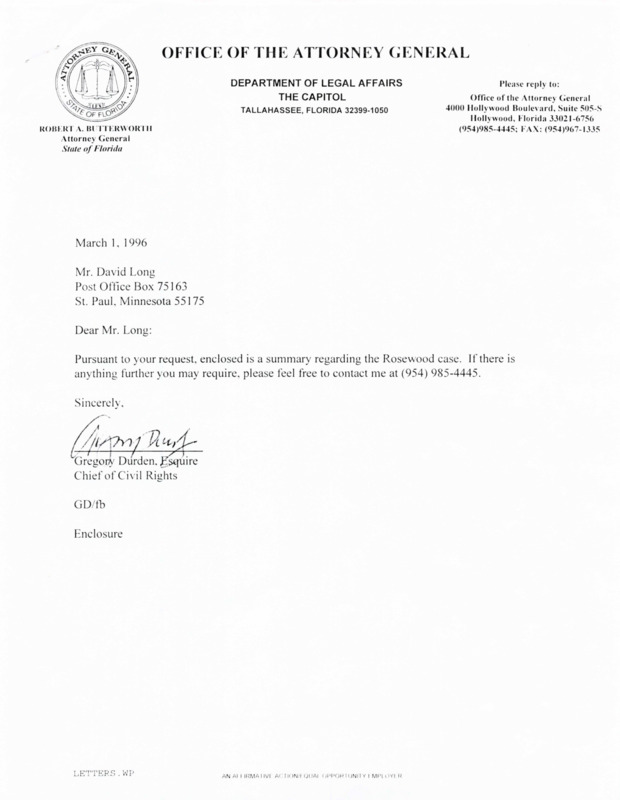
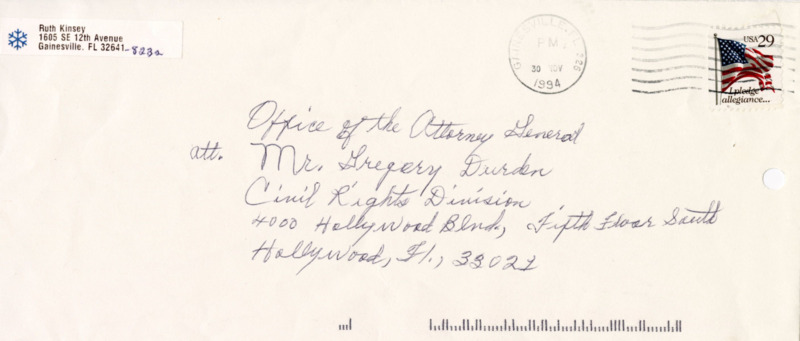
In 1993, the Office of the Attorney General released press releases and facsimile cover sheets instructing communication to gather information regarding the 1923 Rosewood Massacre. Civil rights advocates pushed for compensation for those affected and for the Department of Education to issue scholarships to descendants of the victims.
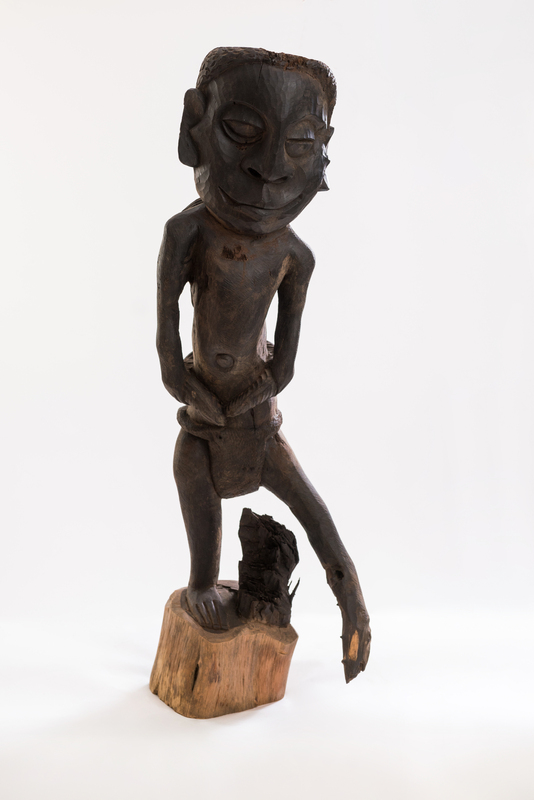
Entrusted to FAMU based on the university's study in agriculture, the Protector of the crops is a spirit deity carved and placed on a farmer's land in Africa as a threat to anyone attempting to trespass. This spirit holds a coiled serpent while protecting a plantain between its feet.
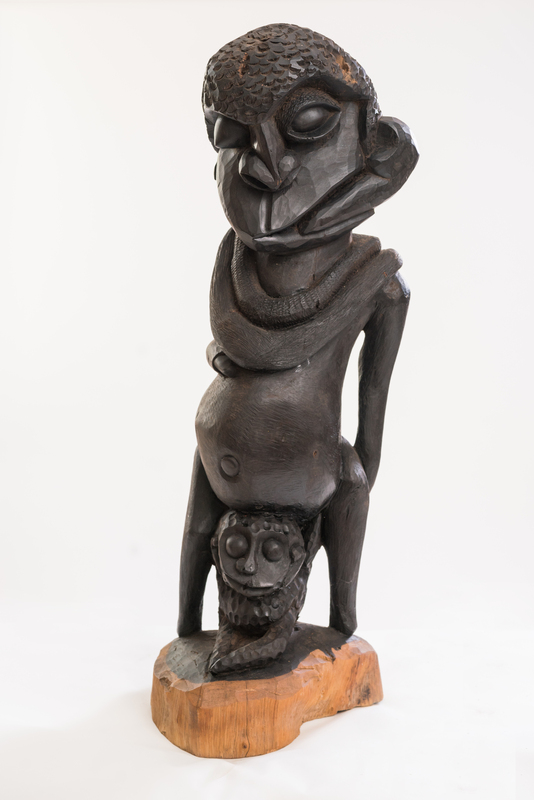
The Protector of the Flocks safeguards sheep from malevolent spirits and trespassers. The spirit is being bitten by the serpent that is wrapped around its neck. This demonstrates its willingness to accept pain and suffering in order to defend and protect. It highlights the resilience of African American agricultural heritage.
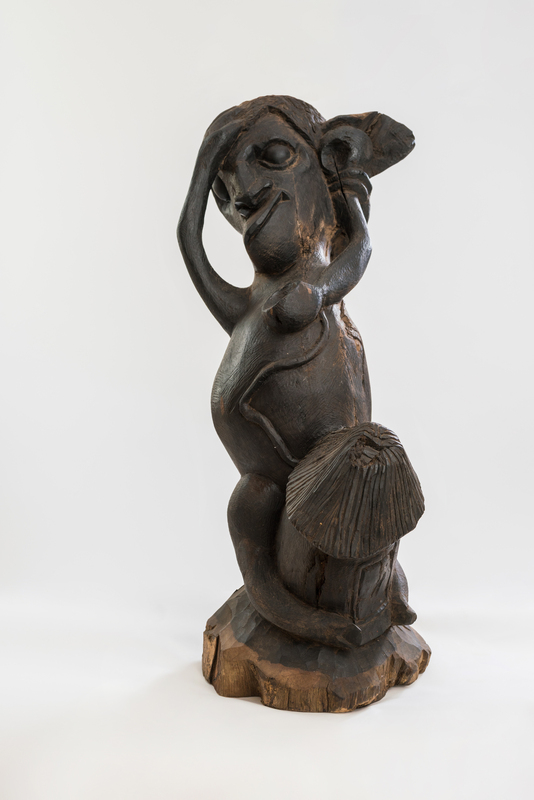
Protector of the home is one of the oldest pieces in the collection. This spirit protects a specific domain which is the home. The early pieces demonstrates a willingness to suffer and to accept pain rather subject trespassers to it. It holds cultural significance at the FAMU as it honors the legacy of agriculture in African American history.
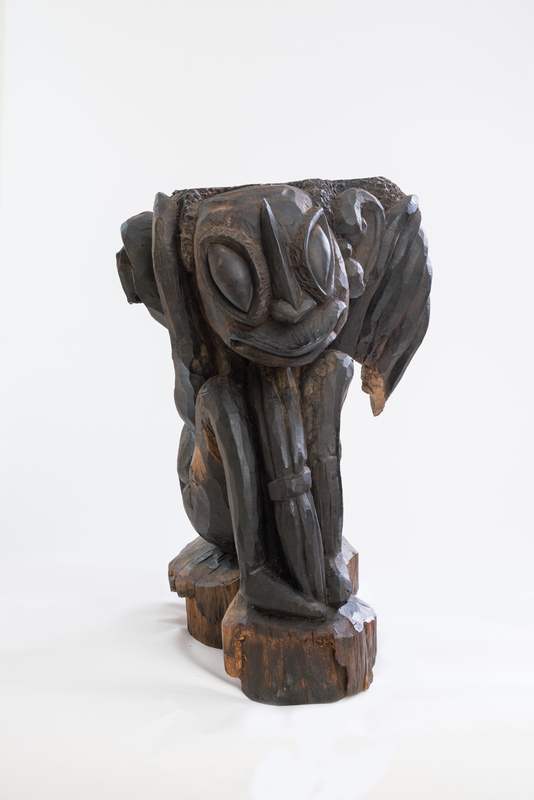
Entrusted to Florida A&M because of the university’s studies in agriculture, the Protector of the Providers demonstrates the artisan’s craftsmanship by allowing the figure to rest on a single leg without falling over. These sculptures were placed on farmland in Ghana, Africa, to detour those who trespass.
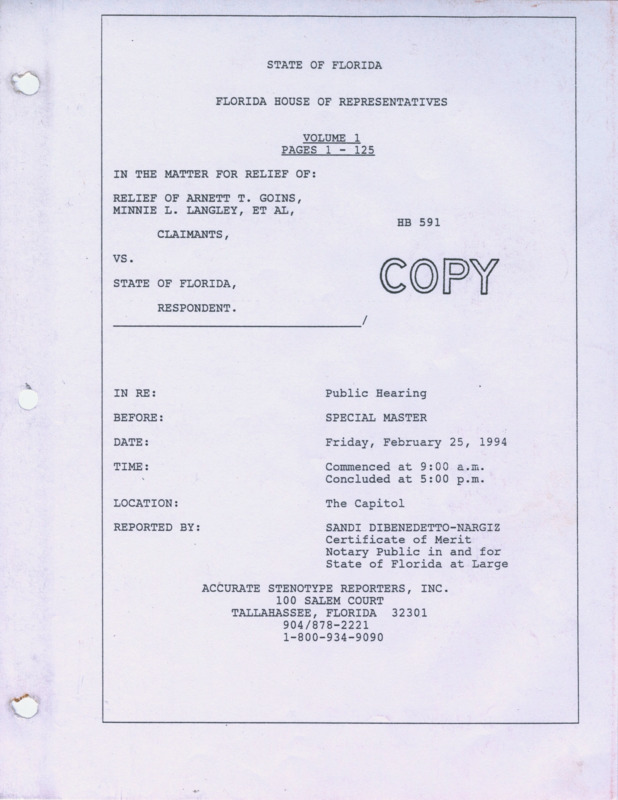
Public hearing transcripts that recount the brutal events of the Rosewood Massacre, detailing murders, rapes, and violent acts committed by white mobs, town officials, and deputies. They also capture the defiance of Black residents, who fought back to protect their families despite the overwhelming threat to their lives.
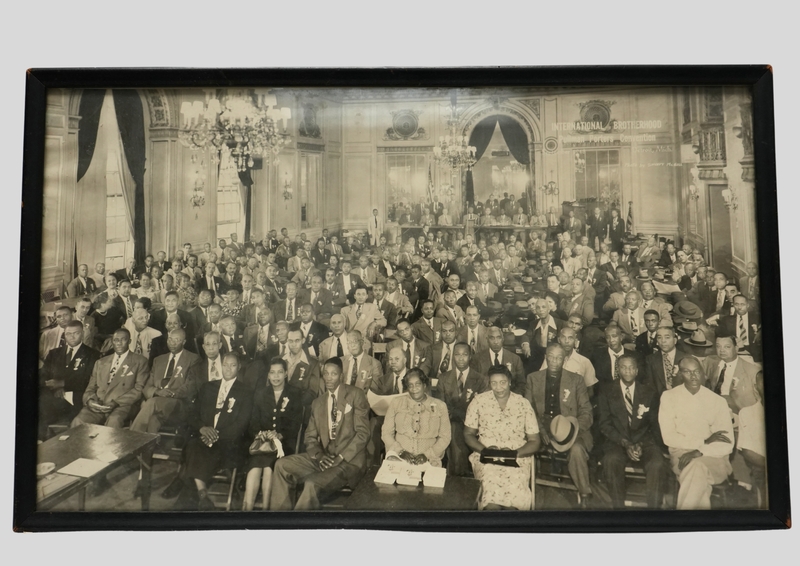
The Brotherhood of Sleeping Car Porters was the first Black-led labor union. It was headed by A. Phillip Randolph, who created the organization to protect the African American men who worked for the Pullman railroad company. Photographer Snuffy McGill snapped this photograph at the union’s September 1948 convention in Detroit, Michigan.
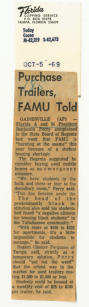
After Florida A&M President Benjamin Perry told the State Board of Regents about FAMU’s overflow due to a housing shortage, the Board suggested he consider buying used mobile homes. Though it was a “strictly temporary” solution, this response to Perry bringing up a “negative climate for housing black students” was interesting, to say the least.
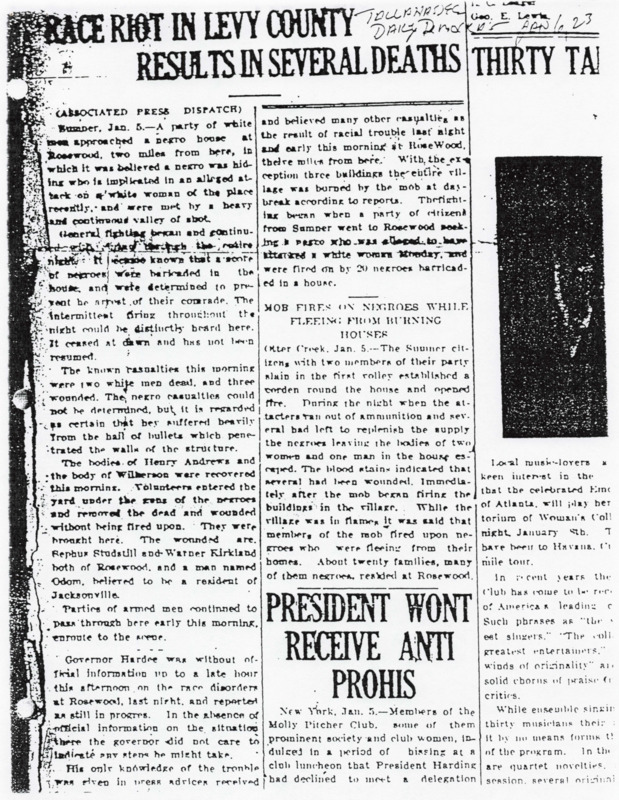
This newspaper article, dispatched from the Associated Press, was featured in the January 1923 issue of the Tallahassee Daily Democrat. It details the background of the massacre, the death toll, and the lack of information from the governor at the time, Cary Hardee, and other local officials.
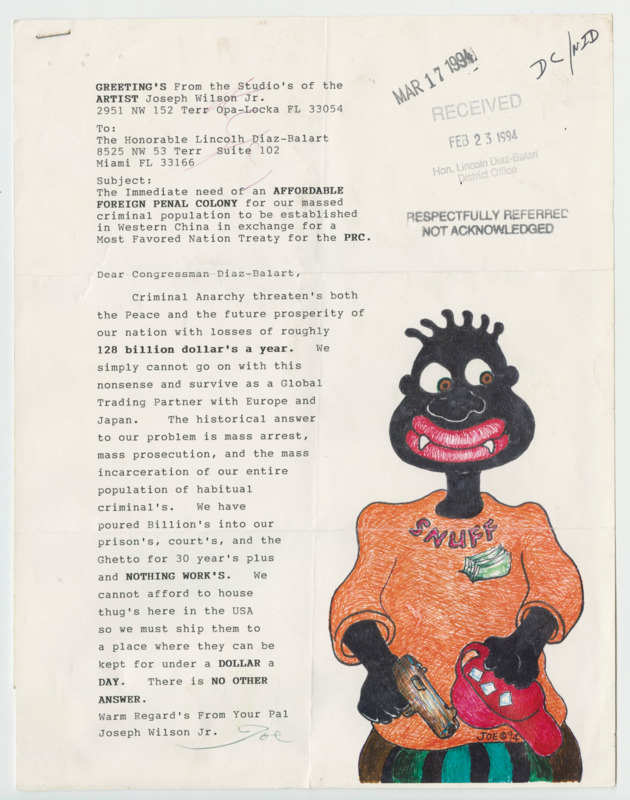
A 1994 hate mail letter from Joseph Wilson, Jr. sent to Lincoln Diaz-Balart, a Cuban-American U.S. House Rep representing Florida. The letter recommended shipping all of America’s “thugs” to a penal colony as an economic solution to crime; it also featured hand-drawn art – a racist caricature of a Black man with a gun and dollar bills.
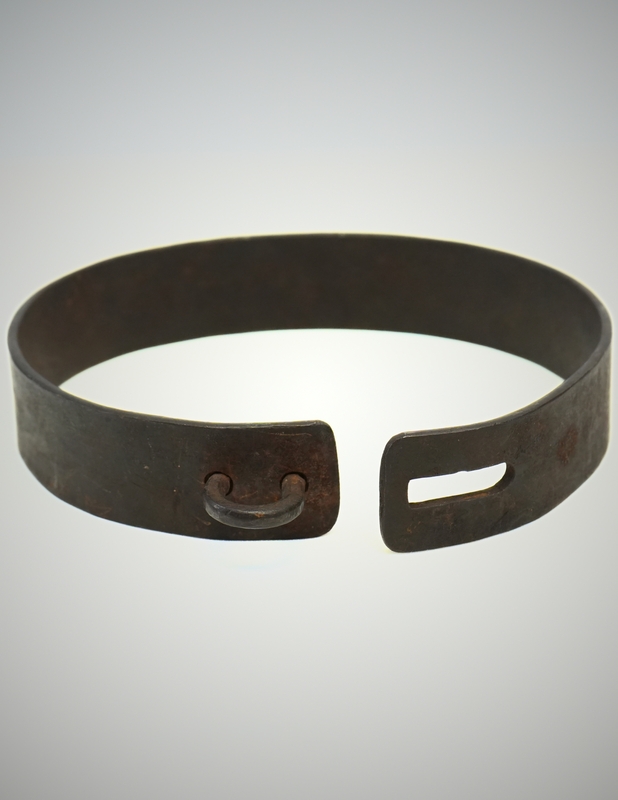
This rare cast iron collar, used to enslave individuals, symbolizes the severe oppression and dehumanization during the enslavement period. Designed to restrain and control, it reflects the brutality faced by those who were enslaved.
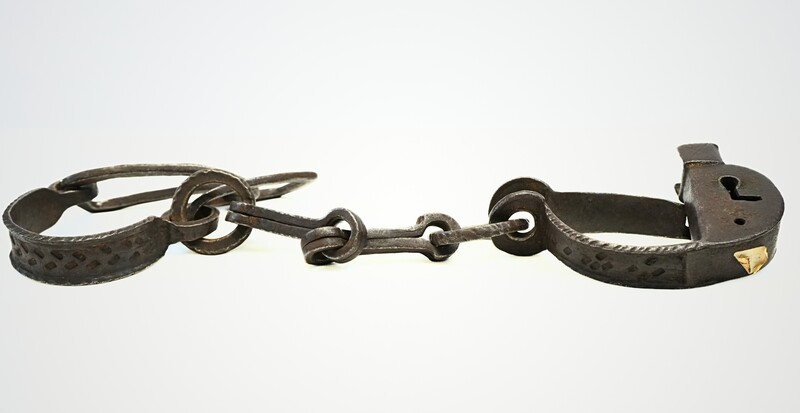
These rare cast iron shackles, used during the enslavement period, serve as haunting artifacts that symbolize the brutal reality of slavery. Designed to restrain and control, they reflect the dehumanization and suffering endured by enslaved individuals.
This legal document depicts a Decatur County, Georgia, civil lawsuit presided over by the Honorable Judge Carleton B. Cole and dated October 31, 1836. The writ requests Thomas Bishop’s presence at a meeting on the second Monday in December.
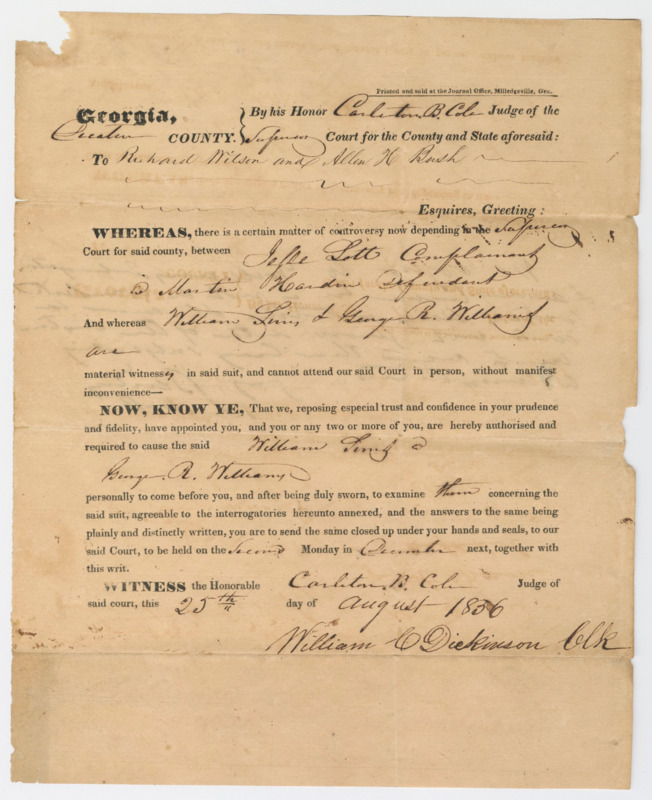
This legal document depicts a Decatur County civil lawsuit between complainant Mr. Lott and defendant Martin Hardin with the Honorable Judge Carleton B. Cole presiding. It is dated August 25, 1836.
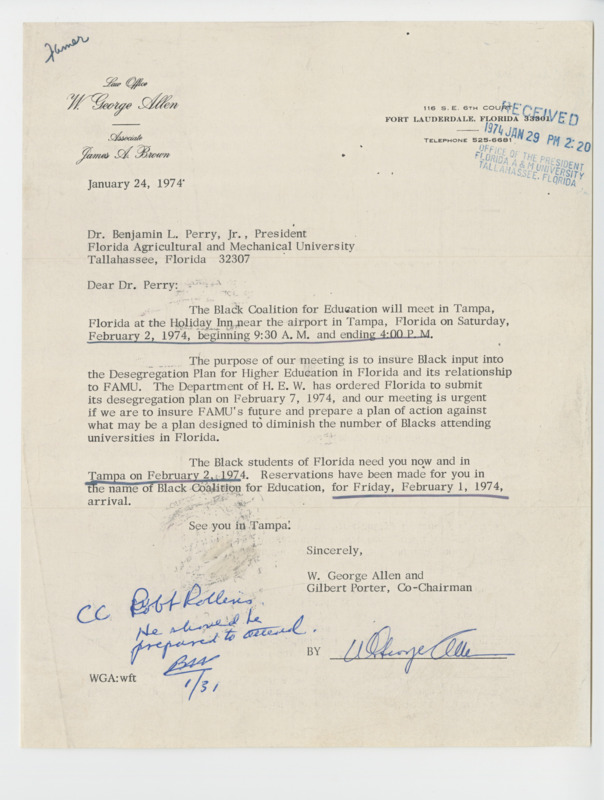
After the Department of H.E.W. ordered Florida to submit its desegregation plan by early February 1974, Chairmans of the Black Coalition for Education, W. George Allen and Gilbert Porter, gathered B. L. Perry and other HBCU leaders to develop a plan. Perry mentions potentially filing ‘a minority report’ and clarifies ‘opinionated’ misinformation.
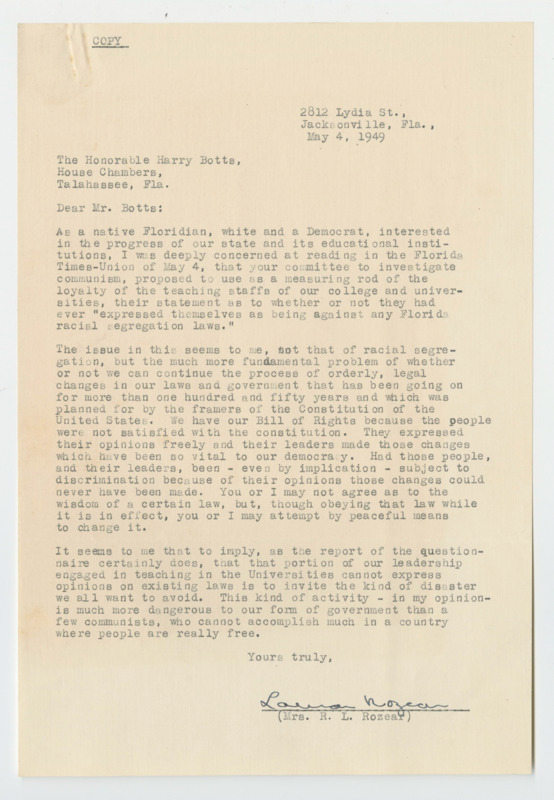
This collection contains correspondences sent in response to a Florida Times-Union article stating that the Florida legislative committee was to investigate communistic activities in higher education and a subsequent questionnaire sent out to Florida A&M faculty and leadership.
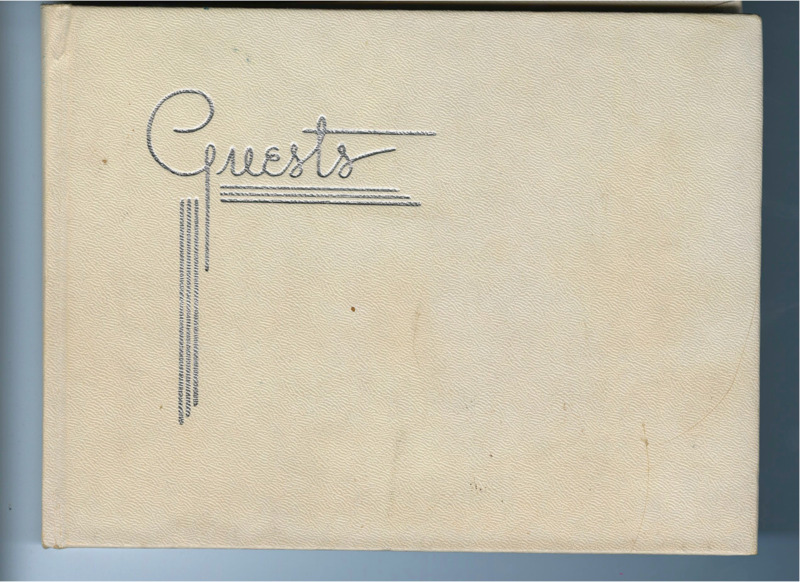
Reception lists from 1964-67 document the first and last names of guests attending official events at Florida A&M University. These records highlight the diverse attendees, including faculty, students, and distinguished visitors, reflecting the university's commitment to community engagement and institutional representation during this era.
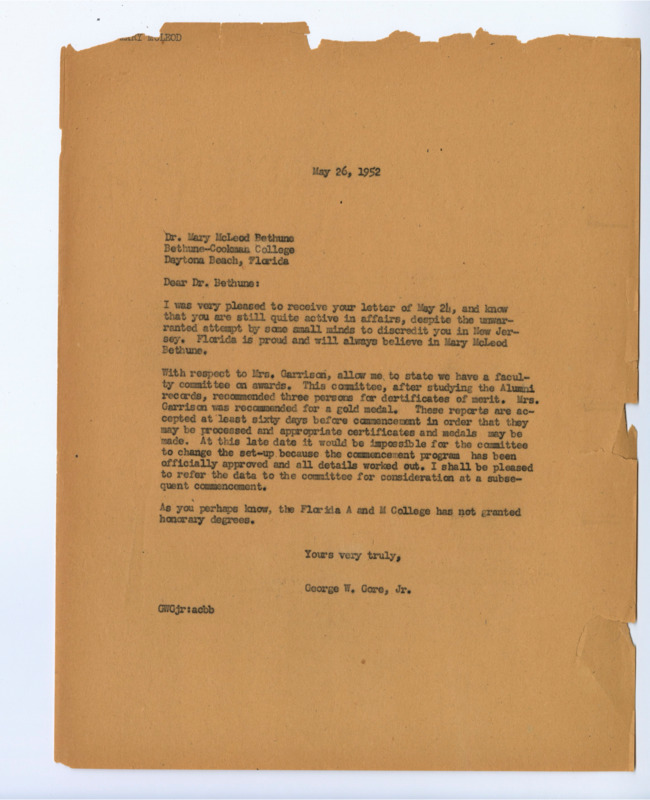
Through correspondence and faculty recommendations, President Gore and Dr. Mary McLeod Bethune worked together to strengthen their respective institutions. Their collaboration focused on exchanging ideas and fostering support, driven by a mutual commitment to educational advancement and the empowerment of their communities.
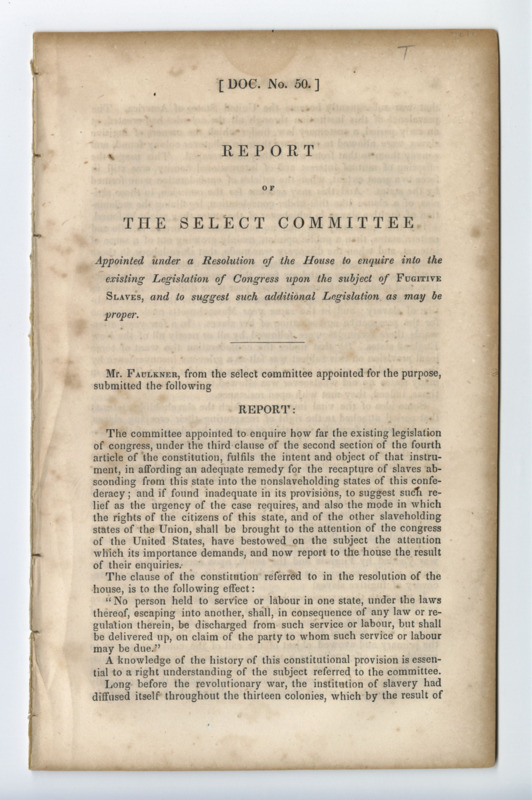
This document is a report of the findings of a committee appointed to interrogate existing legislation regarding the recapture of enslaved persons who would escape from slave states to non-slaveholding states. One of the conclusions of this report was to amend the law “to secure to the slave owners in the south the rights guaranteed to them.”
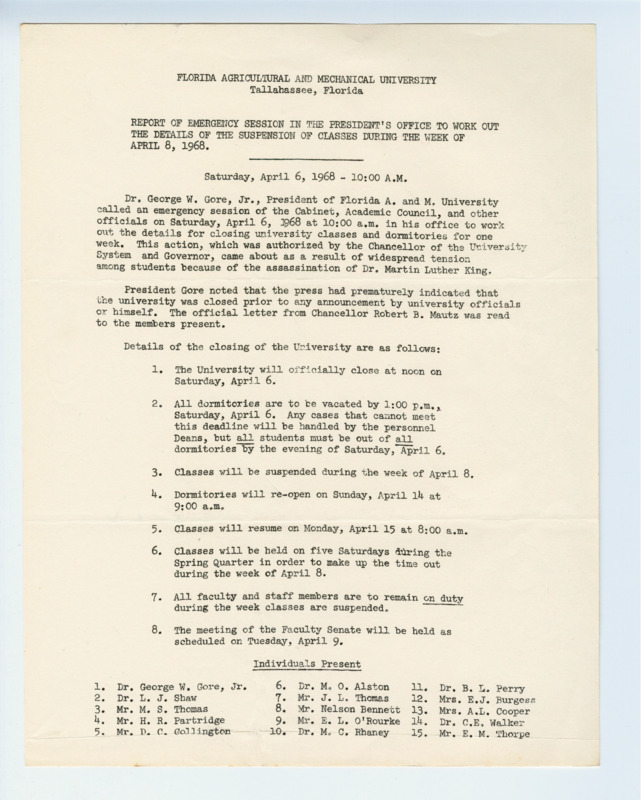
A report outlines an emergency session in the FAMU President’s Office regarding the suspension of classes during the week of April 8, 1968. University officials coordinated the details, ensuring support for students and faculty. Two photographs feature the session's speakers, and another shows the MLK Center for Social Change.
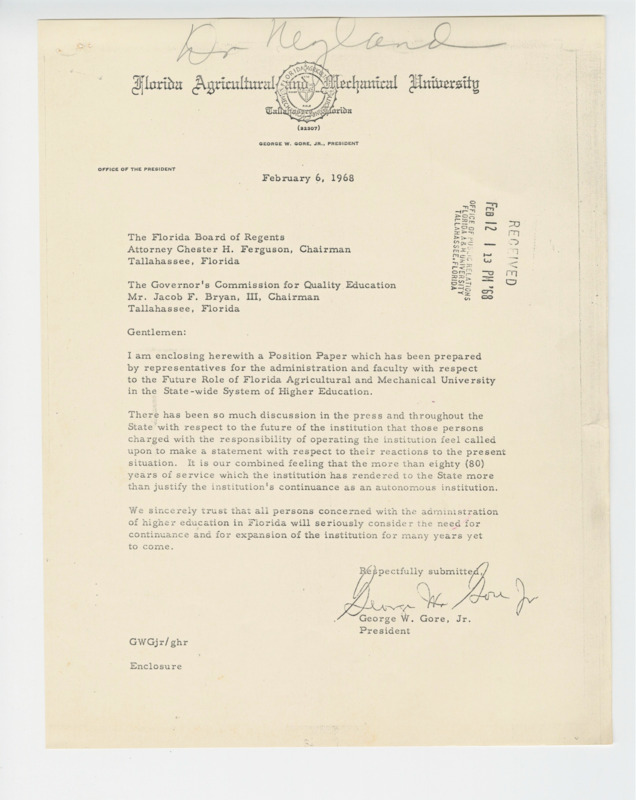
Packet from President Gore to the Commission for Quality Education and the Board of Regents outlining his vision for the university’s future. He emphasizes the importance of both academic excellence and campus life, stressing that the university's reputation depends on the collective efforts of the administration, students, and sports programs.
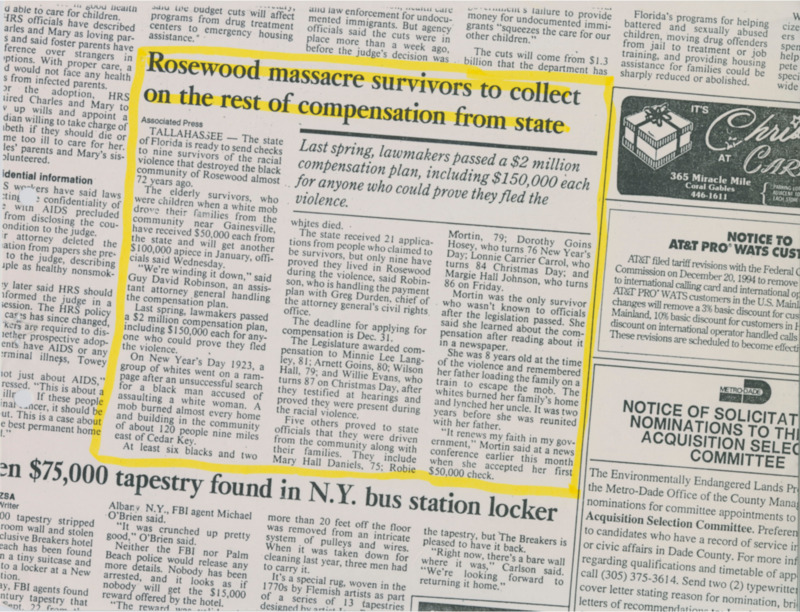
A 1995 newspaper clipping highlighting Minnie Lee Langley’s written plea for compensation tied to the 1923 Rosewood Massacre. A survivor of the event, Langley recounts the devastating events, the personal losses she endured, and her pursuit of justice decades after the destruction of the all-Black community.
Newspaper clippings from 1995 document Minnie Lee Langley’s efforts to secure compensation for the 1923 Rosewood Massacre. Through her written statements, Langley shares vivid accounts of the tragedy, reflecting on the losses endured and her pursuit of justice for her community.
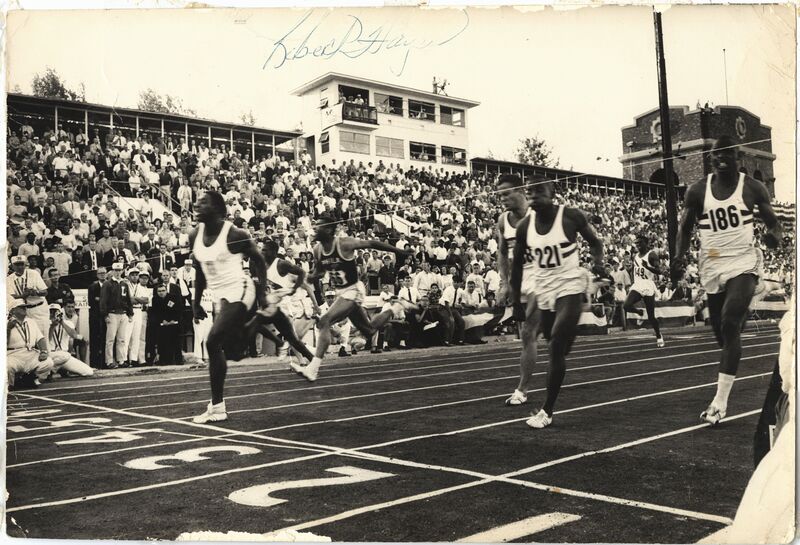
In this electric black-and-white photograph, track star and Florida Agricultural and Mechanical student Robert “Bullet Bob” Hayes is seen in Lane 4 crossing the finish line seconds away from his competitors. An integrated crowd looks on gleefully in anticipation. The image has “Robert Hayes” inscribed on the top in blue ink.
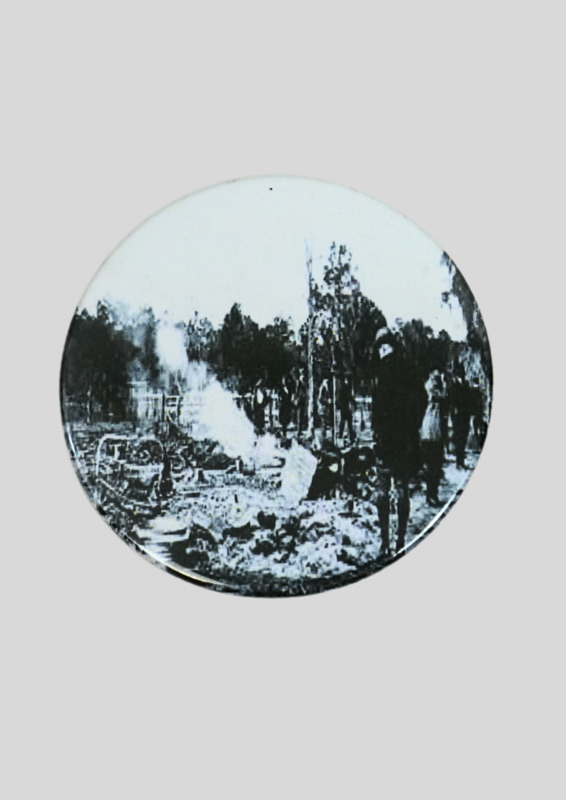
This button was one of three designs in a VisitGainesville bag from the Rosewood Museum. It depicts a downtrodden man looking down at the burned remains of what could be his home or business. The community is also looking onward at the rubble in the background.
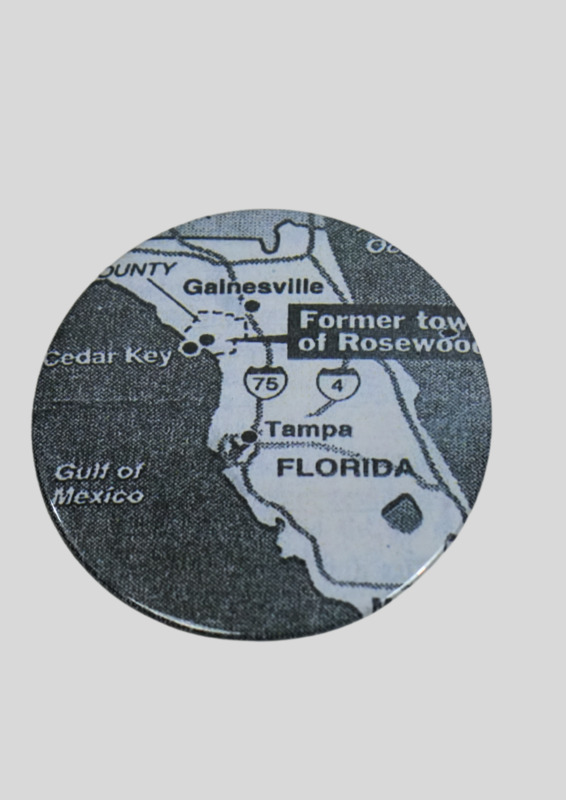
This button was one of three designs in a VisitGainesville bag from the Rosewood Museum. It depicts a map of Florida (except for the uppermost part of the panhandle and the lowermost tip of the southern region), pointing out where the town of Rosewood used to stand before it was subjected to racial violence.
A collection of Rosewood Claims Bill checklists, affidavits, and claims used to verify descendant ties. These documents capture the meticulous process of proving lineage through stories of approved and denied claims, altered narratives, and the struggles faced by families seeking justice and compensation.
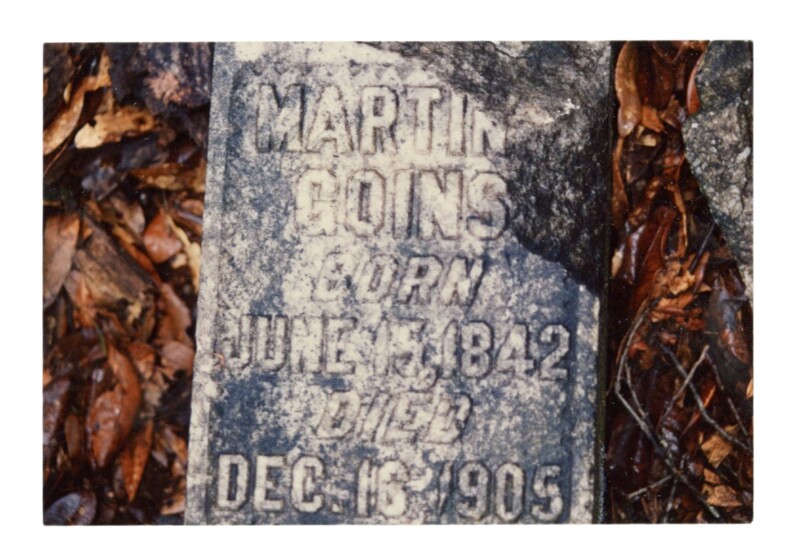
This image was taken at the burial site of Martin Goins in Rosewood, FL. Goins, a part of a family subjected to the racial attack at Rosewood by white townsfolk, was born on June 15, 1842, and died on December 16, 1905.
Property affidavits from the Rosewood Massacre, documenting both approved and denied claims, personal testimonies, and harrowing accounts of the tragedy. These affidavits also capture the strong community ties of the all-Black town before its devastating destruction.
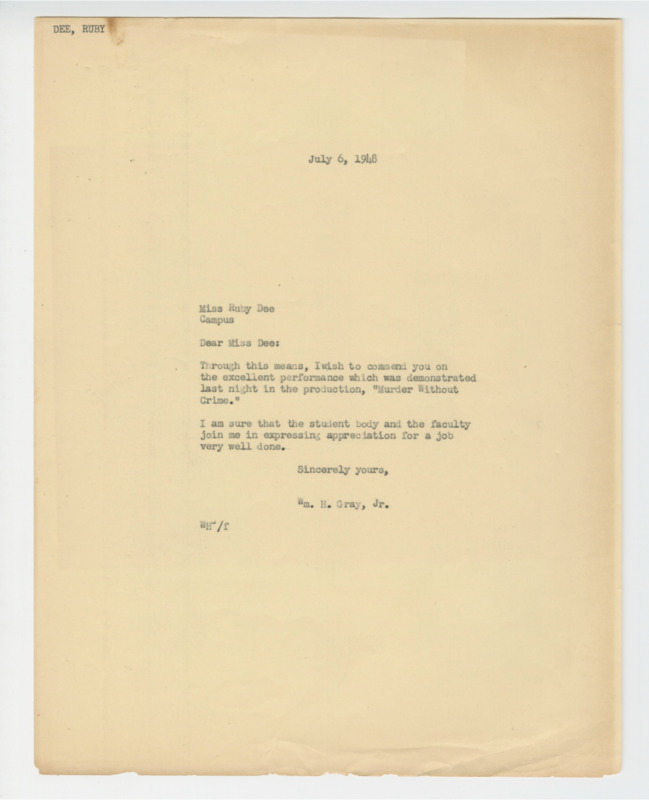
Actress Ruby Dee’s correspondence with President W. H. Gray revealed frustration over delayed payment after her FAMC appearance. Five letters over three months highlighted the issue, with Mr. Wiggins' absence causing delays. Miss Dee expressed disappointment but still hoped to serve FAMC in the future.