The HCAC public history focused digital archive cataloging is an ongoing process, and we may update this record as we conduct additional research and review. We welcome your comments and feedback if you have more information to share about an item featured on the site, please contact us at: HCAC-DigiTeam@si.edu
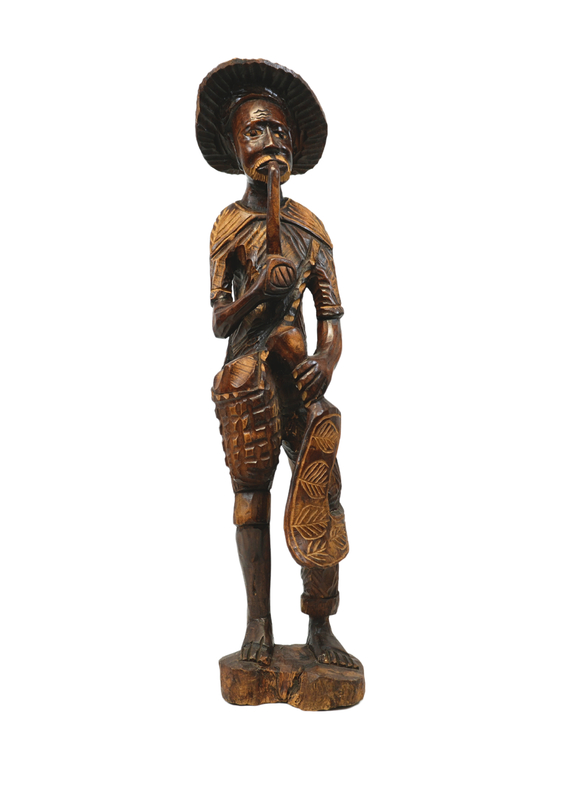
This hand-carved, wooden sculpture depicts a Caribbean or African man holding what appears to be a pipe and sheathed weapon, possibly a machete, ax, or knife. The object he is holding could also be a musical instrument, but similar statues can attribute him to a farmer or worker.
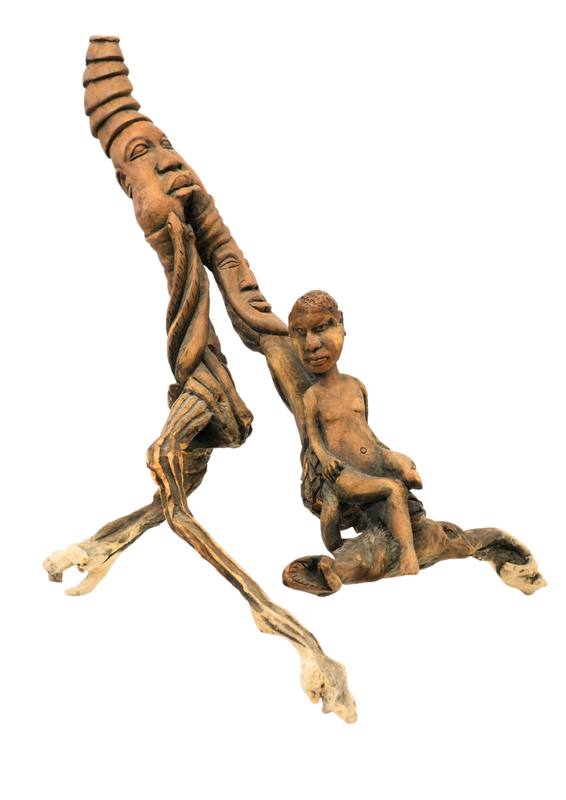
There is limited information on this vintage African artifact, but it is confirmed to be a hand-carved wooden sculpture in fair condition due to a crack on the back leg of the piece. The piece features a small boy sitting on what appears to be a tree branch (or bone marrow) with two human faces on it while a snake wraps around the tree.
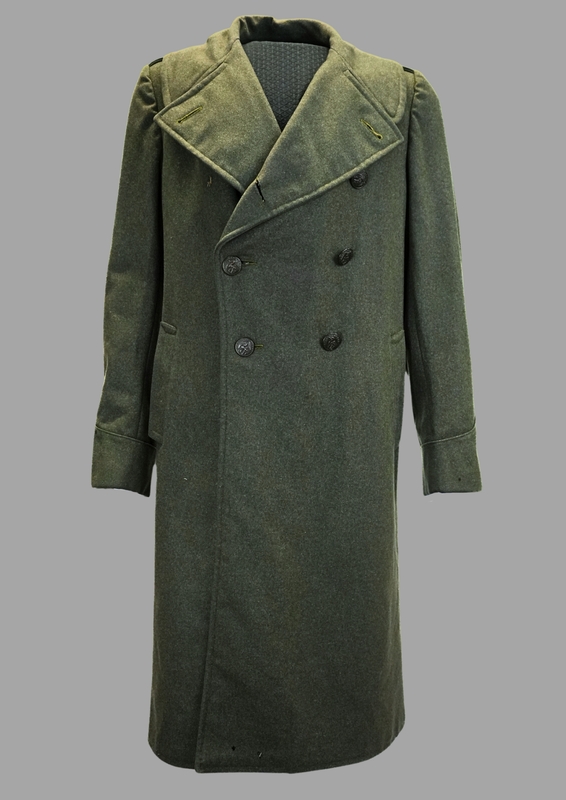
This World War II Marine overcoat issued to J. W. Cooley was donated by Alma McMillian, and owned by George Richardson of Tampa, FL. The garment was used to provide protection to soldiers against rain and cold weather conditions they faced during grueling warfare.
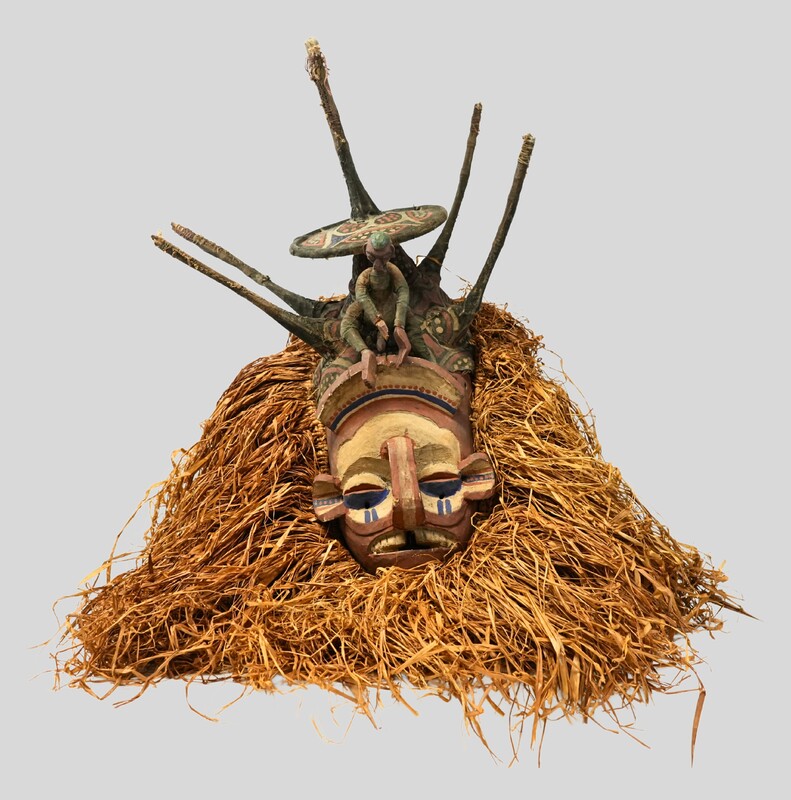
The Yaka mask, traditionally crafted by the Yaka people of the Democratic Republic of Congo, is known for its striking design and vibrant colors. Often used in initiation ceremonies and cultural performances, the mask features exaggerated facial features that convey power and spiritual significance.
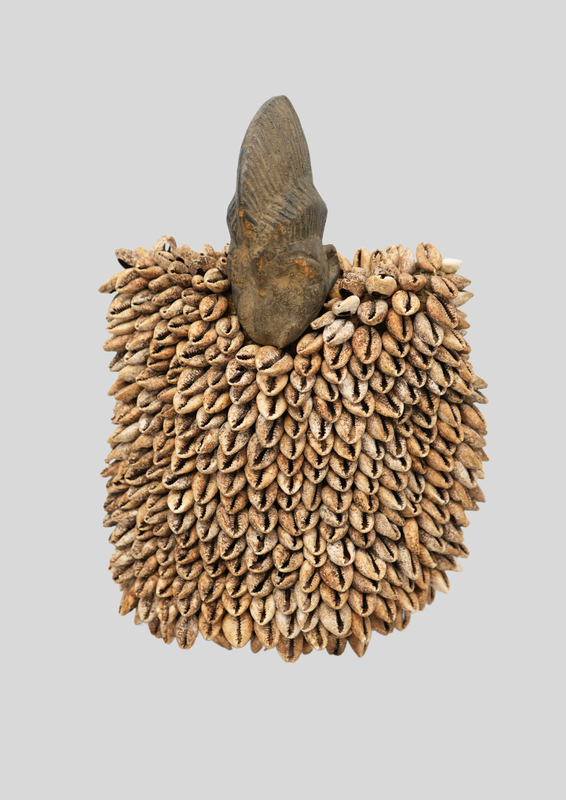
This sculpture is reminiscent of the twin commemorative figure, but its facial features have faded. This figure is cared for as if it were a child; in Yoruba culture, twins are considered powerful spirits who bring riches to the family. The cowrie shell top it wears serves as an offering to Sango, the deity who rules over the twins’ health.
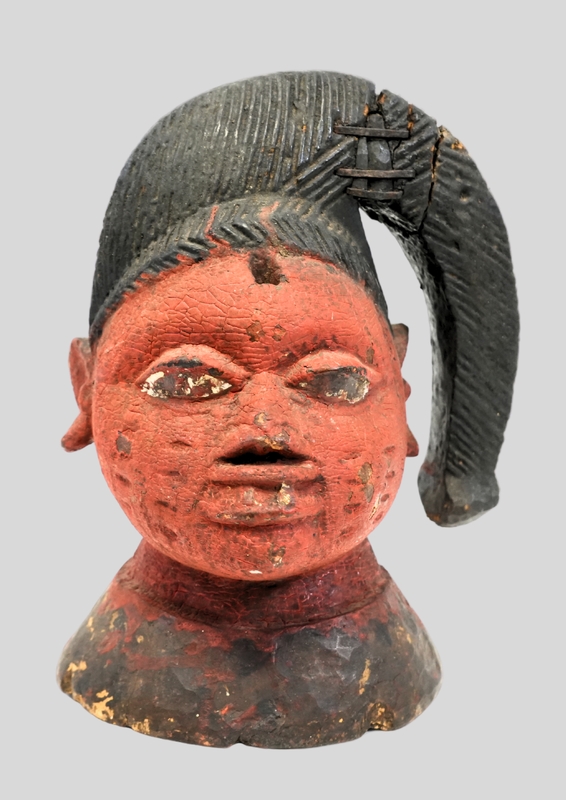
This wooden sculpture has faded paint, but the features – including scarification marks and large ears – are still prominent. The Yoruba people of Nigeria made this mask to honor their ancestors in masquerade ceremonies, known as Odun Egungun (egungun meaning “power concealed”), meant to maintain the spiritual morality of previous generations.
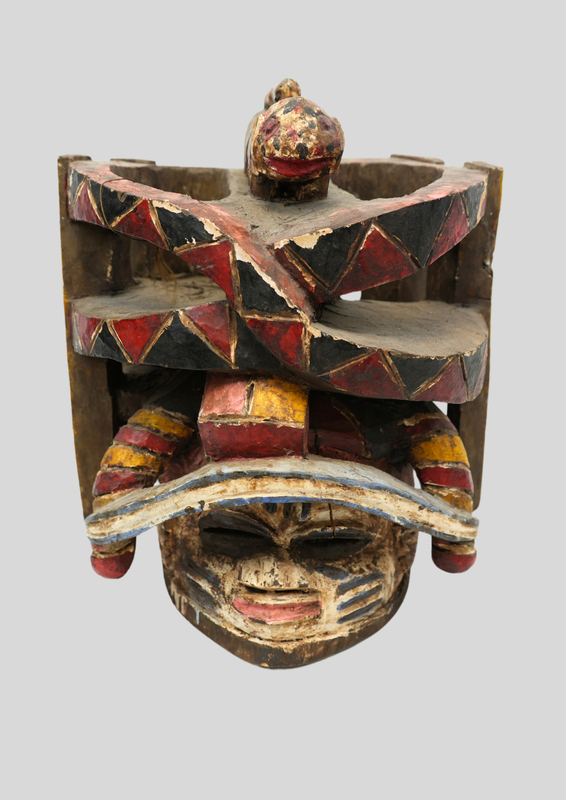
In Nigeria, the Yoruba Gelede performance celebrates women (awon iya wa; “our mothers”), including mothers, grandmothers, living and dead female ancestors, and elderly women. Performers wear the headdress like the one here and have their faces covered by a cloth veil. Each wooden mask is repainted in vibrant colors for each performance.
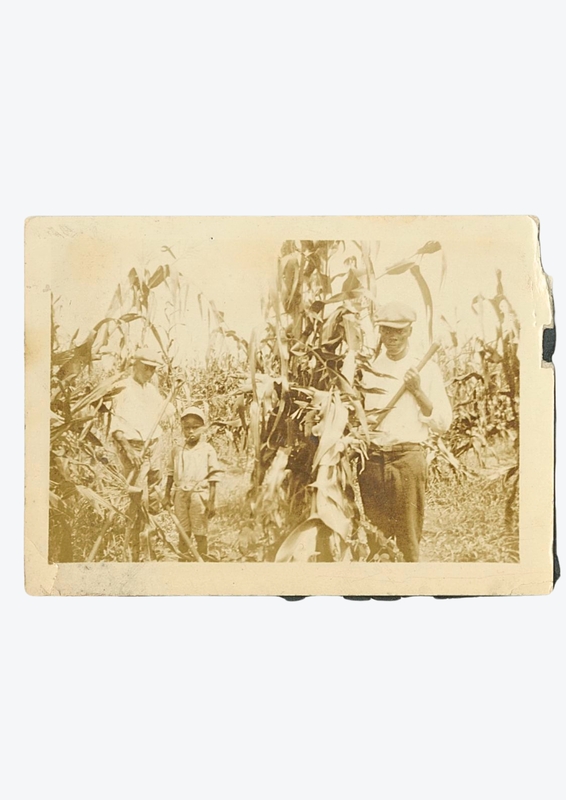
In this rare, yellowing photograph, former FAMU President Benjamin L. Perry, Jr. is seen as a young boy in fields with older relatives. While we cannot confirm if they were sharecroppers, Perry’s father was heavily involved in agriculture; when Perry was an undergrad, his father brought him a farm to operate (though this photo is before that time).