The HCAC public history focused digital archive cataloging is an ongoing process, and we may update this record as we conduct additional research and review. We welcome your comments and feedback if you have more information to share about an item featured on the site, please contact us at: HCAC-DigiTeam@si.edu
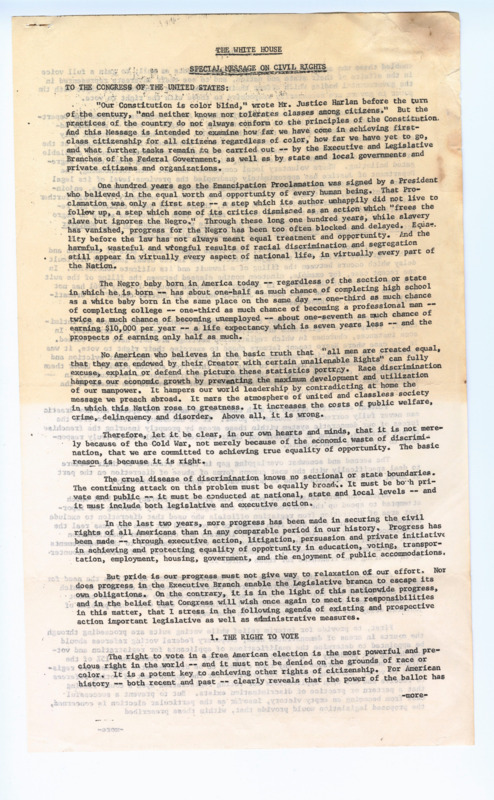
Under President Gore's administration, a White House message tackled harmful statistical stereotypes and societal biases. It condemned discrimination, emphasized voting and education rights, and advocated for the extension and expansion of the Commission on Civil Rights to promote equality and protect civil liberties for all.
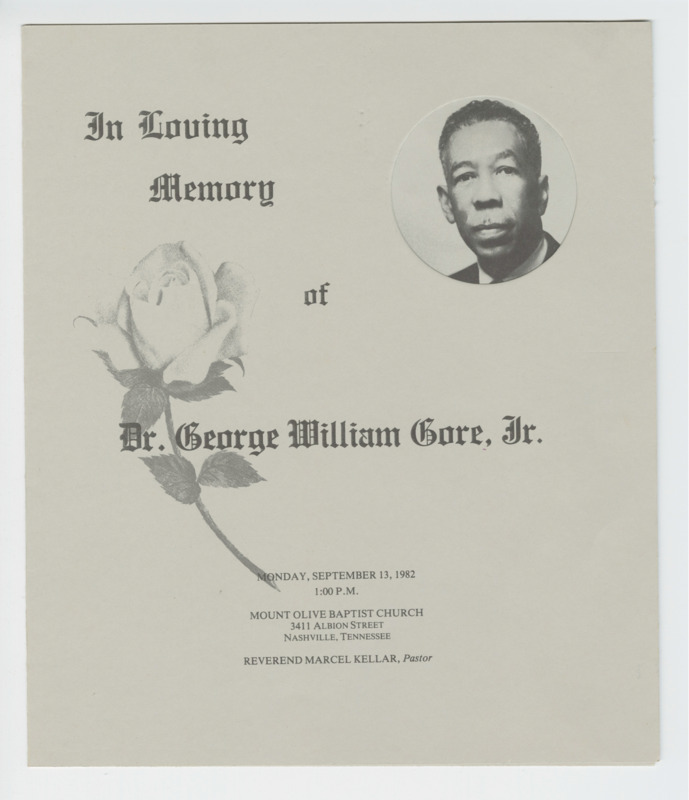
An obituary honoring President Gore, a visionary leader of FAMC and FAMU, pays tribute to his lifelong dedication to education and service. In loving memory, his funeral was held in Nashville, Tennessee in 1982, celebrating his legacy and the profound impact he left on both the university and community.
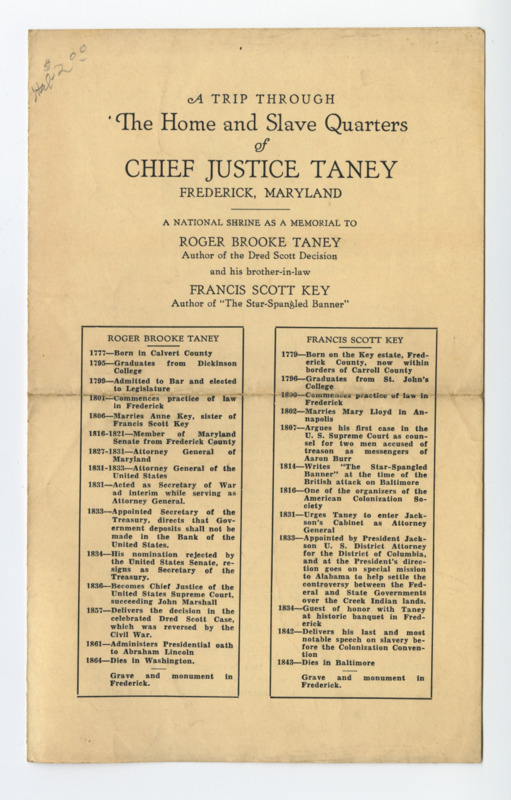
This document provides a glimpse into the Taney estate, showcasing its stairways, drawing room, and slave quarters. Special recognition was given to the Francis Scott Key Room, commemorating his legacy as the writer of the Star-Spangled Banner.
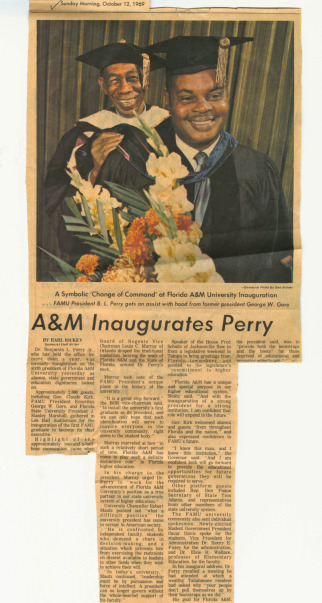
This news article features a rare photograph of the peaceful presidential transition of power at the formal inauguration of Florida A&M President Benjamin L. Perry. In the picture, a smiling B. L. Perry gets assistance with his hood from a beaming former president, George W. Gore.
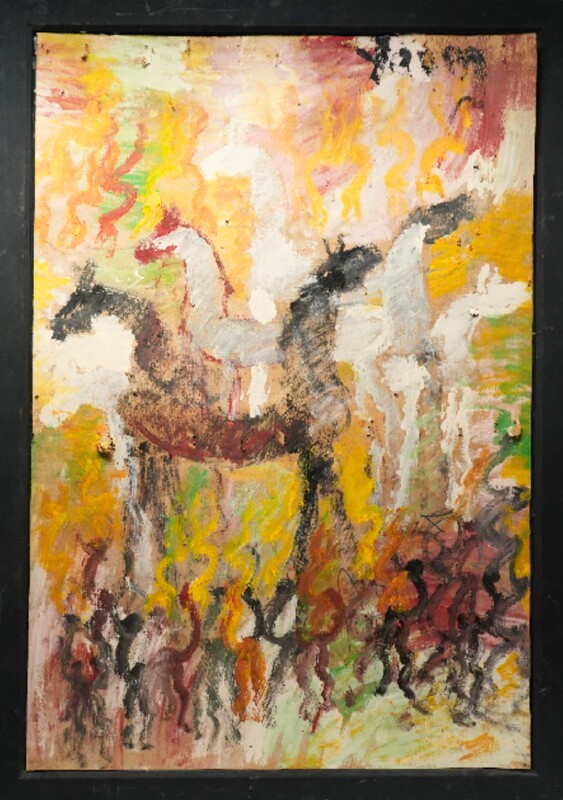
Signature fusion of urban expressionism and folk art. The horses, are a recurring symbol in his work, represent freedom, movement, and resistance. Created with bold, layered brushstrokes on reclaimed wood, the piece embodies themes of liberation and struggle, often inspired by the energy and challenges of inner-city life.
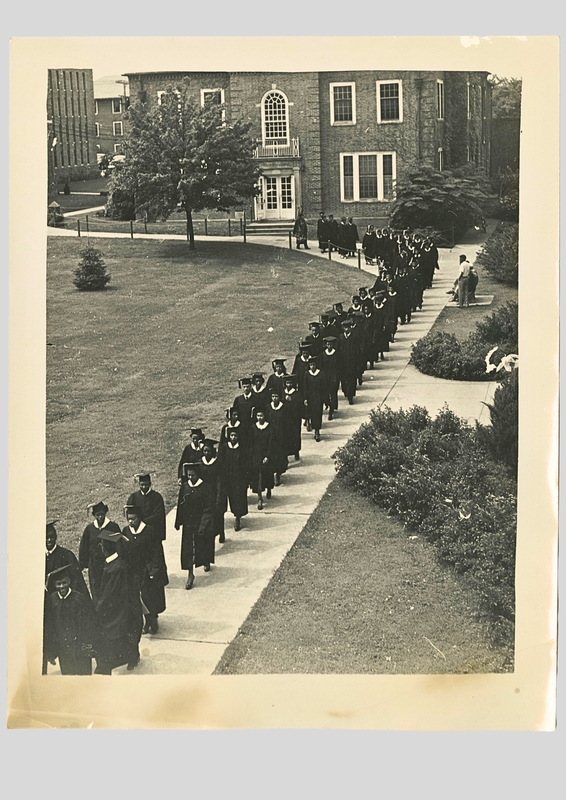
This photograph shows a glimpse into Florida A&M campus life in its early days. Graduating students in a double file line march through campus in graduation memorabilia while others look on. It is unclear when this photograph was taken as no significant identifying information exists.
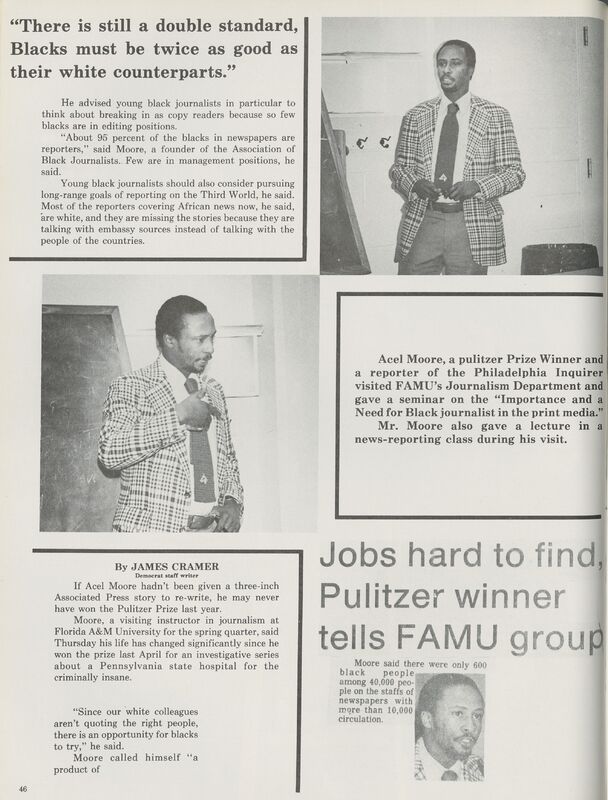
In this page from the 1978 Rattler Yearbook, Acel Moore, a Black Pulitzer Prize Winner and reporter for the Philadelphia Inquirer, visited Florida A&M’s Journalism department and news-reporting class to give a seminar and lecture on the increased need for Black journalists in print media.
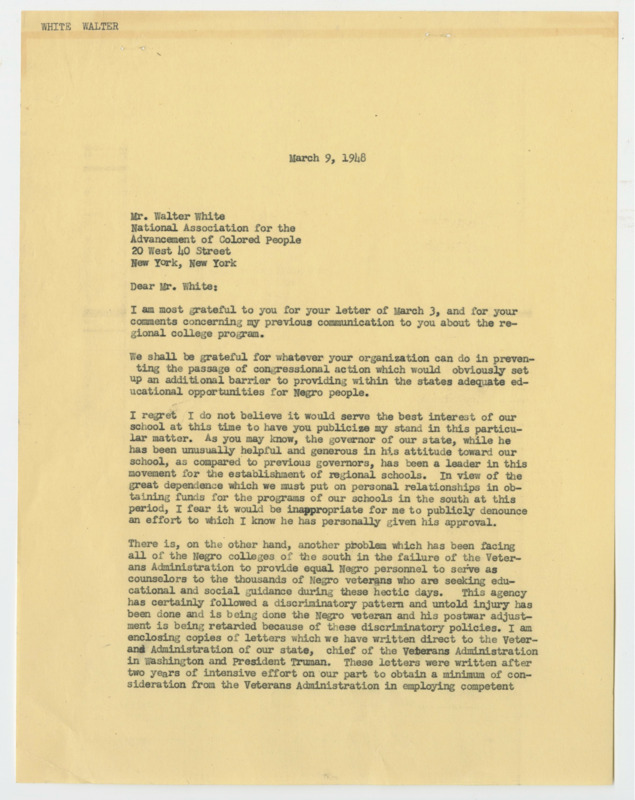
This letter between former Florida A&M president William H. Gray, Jr. and Walter White of the National Association for the Advancement of Colored People (NAACP) discusses the Southern Regional College Plan. Gray wished to stray from the publicity of the controversy; thus, he addressed issues of the Veterans Administration.
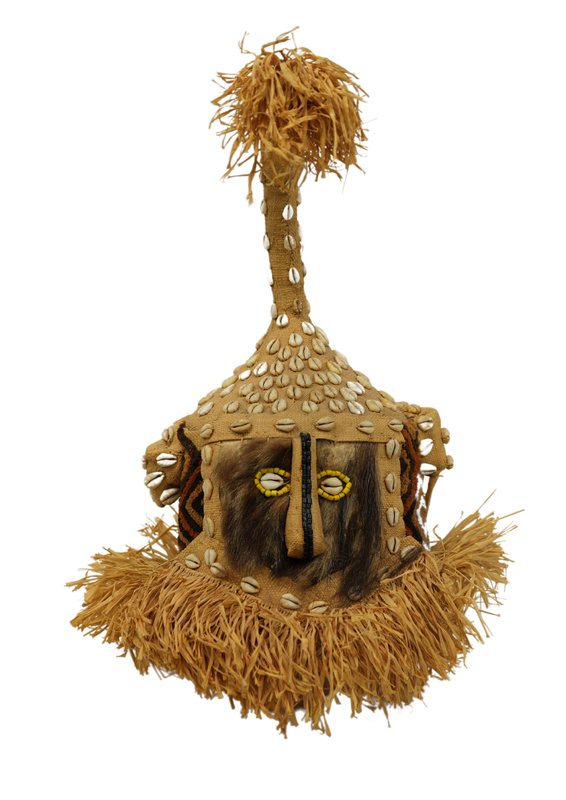
This rare, highly revered royal mask originates from the Kuba tribe in the Kasai region of the Democratic Republic of the Congo. Because the Kuba saw the elephant as a symbol of wealth and leadership, the mask is modeled after an elephant’s trunk and embellished with cowrie beads (which only royalty could handle in exchange for valuable ivory).
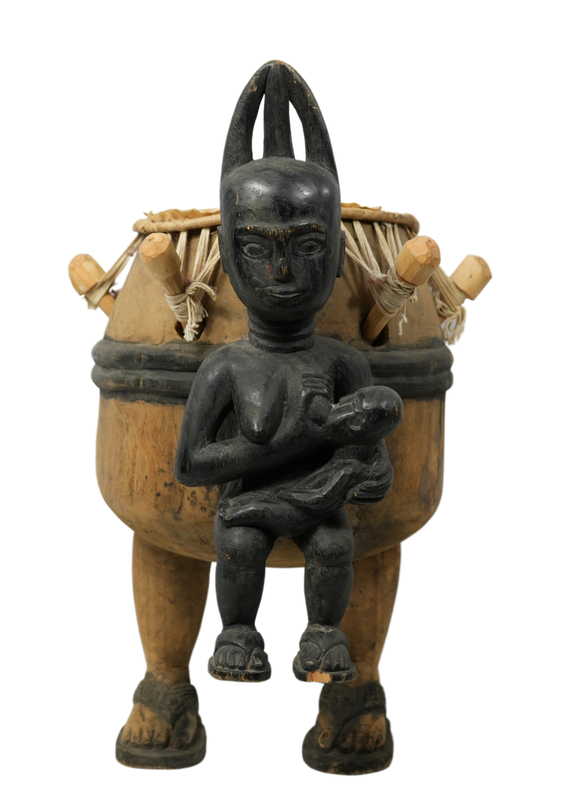
This drum, fastened from wood and animal hide, is reminiscent of an Akan Kettle Drum from Ghana. The Akan are an ethnic group that includes the Fante, Asante, and Akuapem cultures; their culture is most prevalent in present-day Ghana. This type of drum was used for any event that required entertainment (except for court-reserved performances).
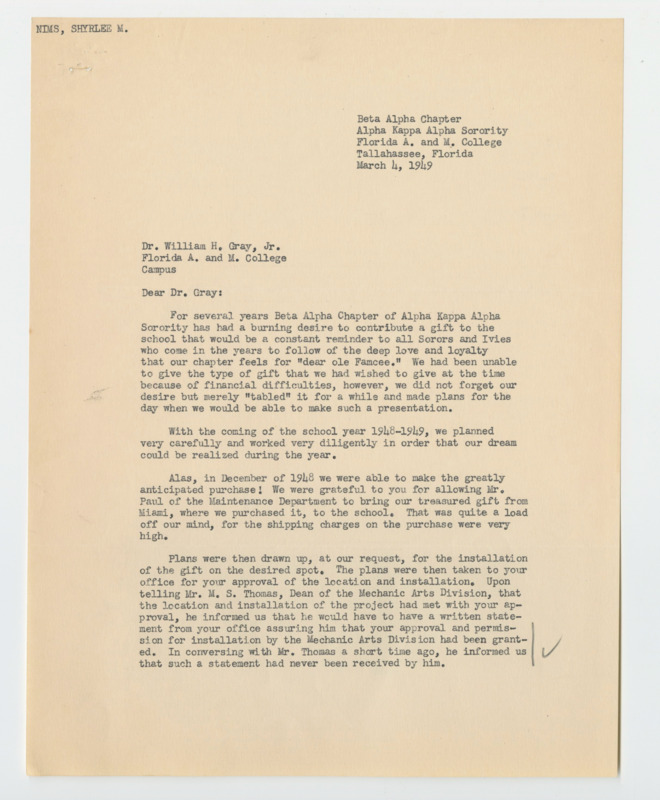
A symbol of Florida A&M, straight down from the Eternal Flame, is the fountain installation before the steps of Coleman Library. In 1949, the Beta Alpha Chapter of Alpha Kappa Alpha Sorority, Inc. was the reason for that gift; these correspondences detail the process behind that.
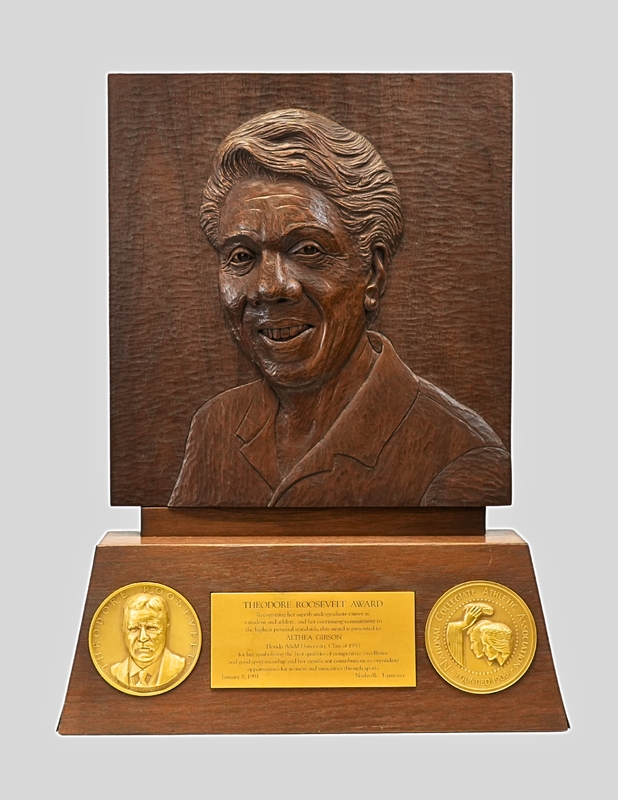
The 1991 Theodore Roosevelt Award, presented to Althea Gibson, honors her groundbreaking achievements in sports and her role as a trailblazer for African Americans in athletics. Recognized for her resilience and excellence, Gibson shattered racial barriers, becoming the first Black player to compete at Wimbledon and the U.S. Nationals.
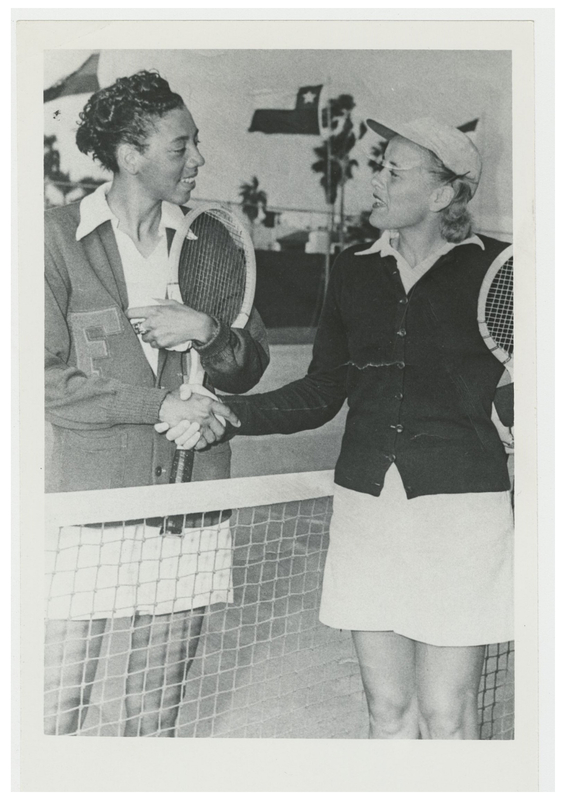
In this rare photograph, Althea Gibson is wearing a Florida A&M cardigan and shaking Alice Marble’s hand as they stand over the net conversing. Marble was a heavily decorated tennis player, and her American Tennis Magazine editorial on segregation in tennis paved the way for Gibson’s entry in the 1950 U.S. National Championship (which she won).
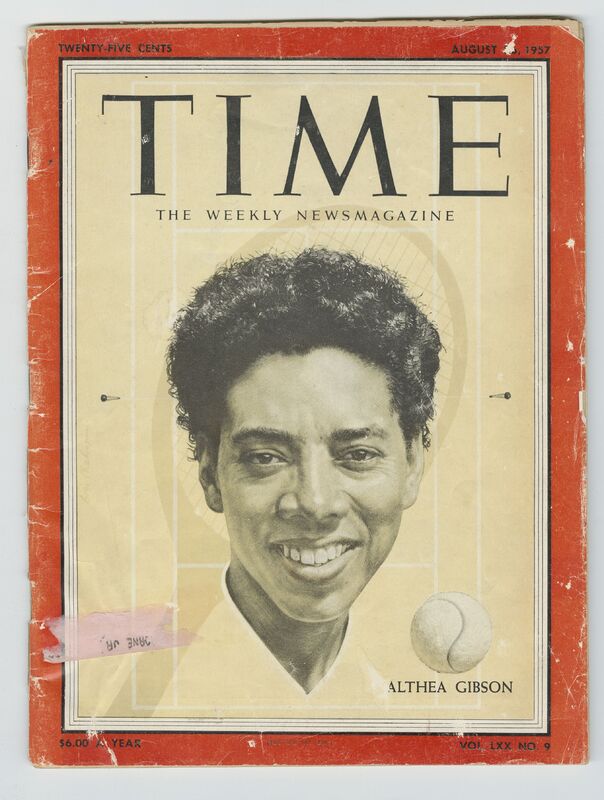
Florida Agricultural and Mechanical University alumna and Black tennis star Althea Gibson graces the cover of this rare, original 1957 TIME magazine. Just the year prior, in 1956, Gibson became the first African American to win a Grand Slam event. She also was the first to play in the U.S. and French Opens and Wimbledon.
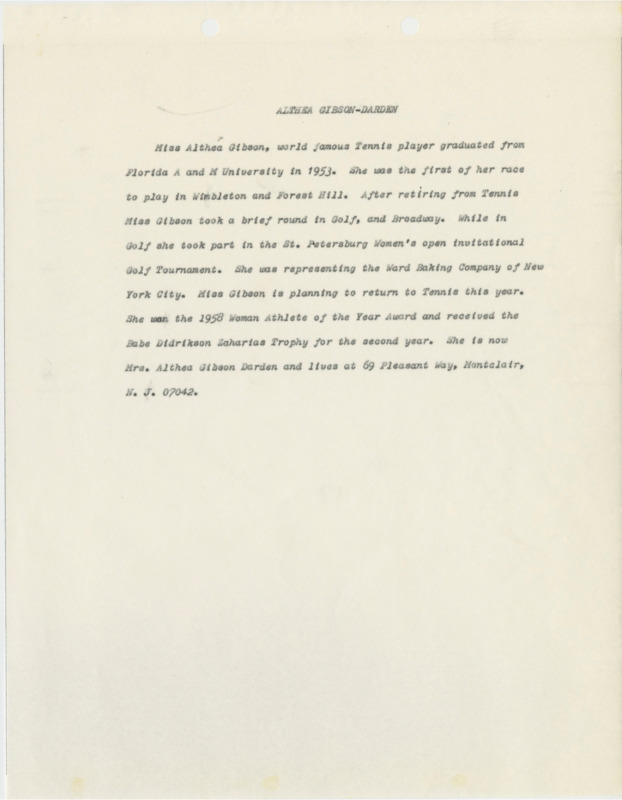
President B. L. Perry gathered records of celebrated alumni and contributors, including Joseph Kershaw, LaSalle D. LeFall Jr., Robert Hayes, Althea Gibson, and Julian and Nat Adderley, reflecting their legacies, notable achievements, and the enduring imprint they left on FAMU’s history.
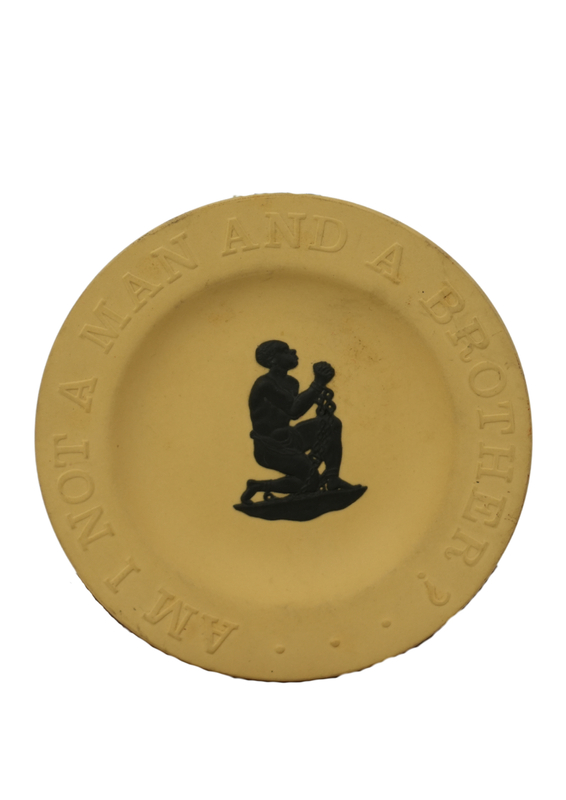
In 1787, Josiah Wedgwood’s London-based ceramics company created a medallion depicting a kneeling, shackled Black man with the engraved inscription “Am I Not A Man And A Brother?”. This symbol quickly spread across antislavery movements in Britain, France, and the United States and was used on many consumer goods, including this pin dish.
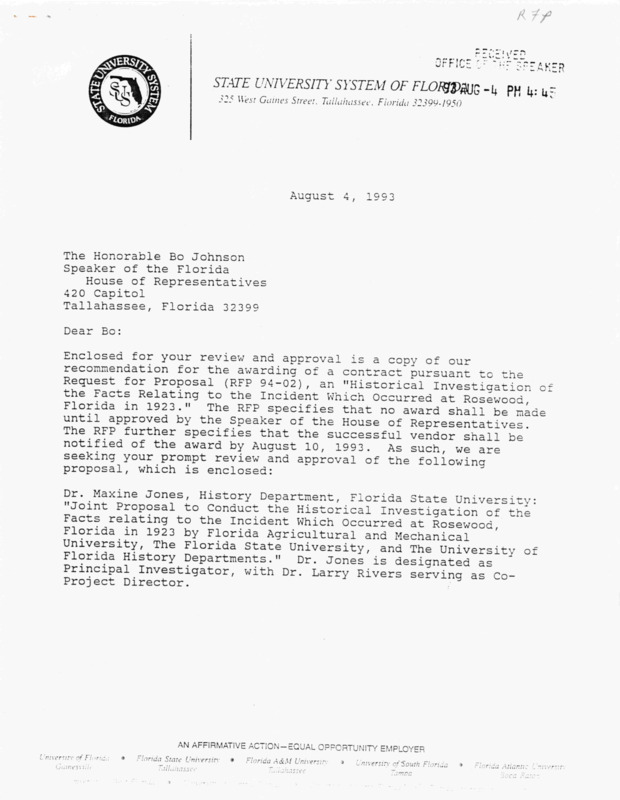
An amendment received by the Florida Board of Regents in 1993 proposing joint research between Florida A&M, FSU, FAU, and the University of Florida history departments. The proposal requested a $50,000 budget to document and investigate the 1923 Rosewood incident, aiding the state of Florida in the research and documentation process.
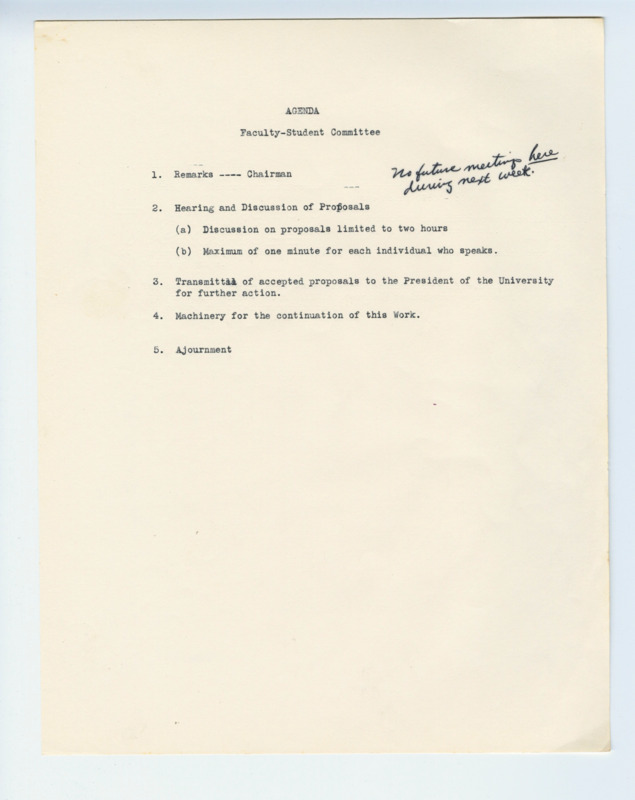
The Faculty-Student Committee agenda begins with remarks from the chairman, followed by a discussion on redefining its role to emphasize Afro-American studies. Proposed enhancements aim to strengthen the committee’s influence on academic progress and campus dialogue, with all proposals awaiting approval from President Gore.
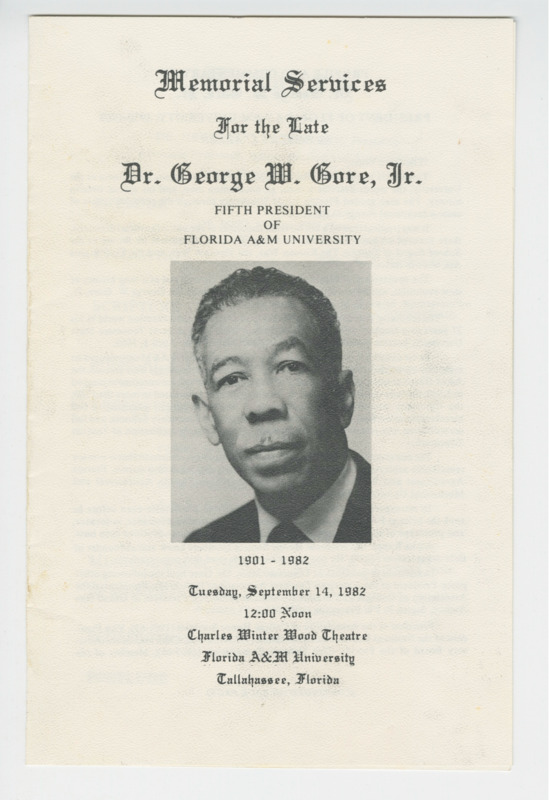
An obituary honoring President Gore, a Tennessean and visionary leader of FAMC and FAMU, remembers his lifelong dedication to education and service. In loving memory, a service was held in Tallahassee, Florida in 1982, celebrating his legacy and the profound impact he left on the university and community.
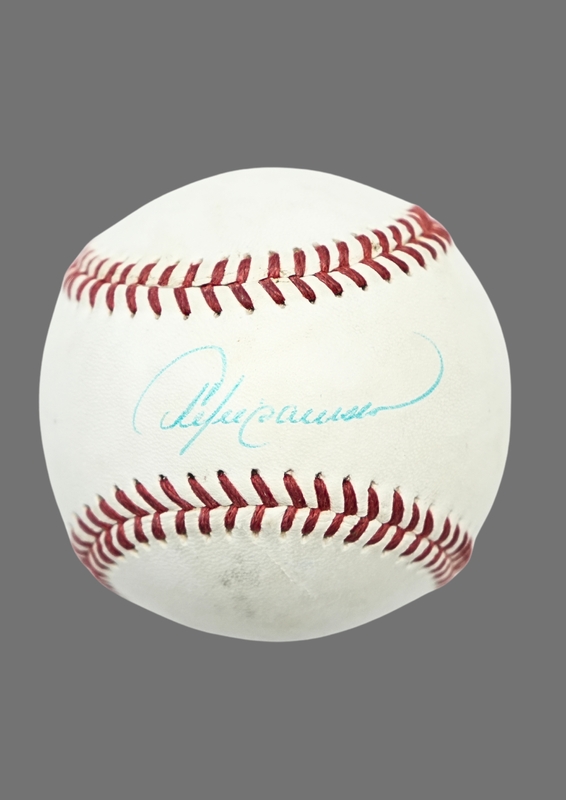
The autographed baseball belonging to Andre Dawson, an alumnus of FAMU and hall of famer. The baseball is s a tangible piece of history, imbued with the memories and moments of Dawson’s journey from college baseball at FAMU to major league baseball's Hall of Fame.
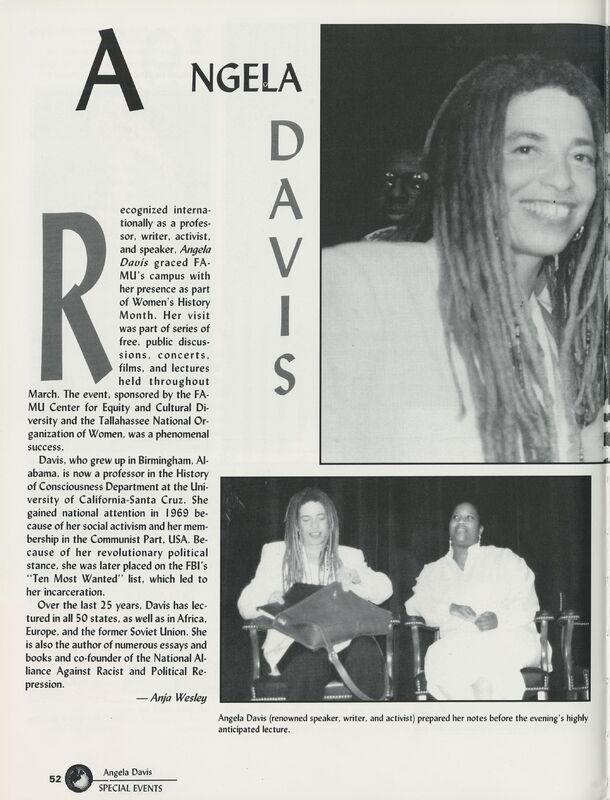
As a part of a Woman’s History Month event in the early 1990s, Angela Davis lectured at Florida A&M’s campus. In rare photographs of Davis in dreadlocks, the international civil rights activist and writer spoke for the event sponsored by the Tallahassee National Organization of Women and the FAMU Center for Equity and Cultural Diversity.
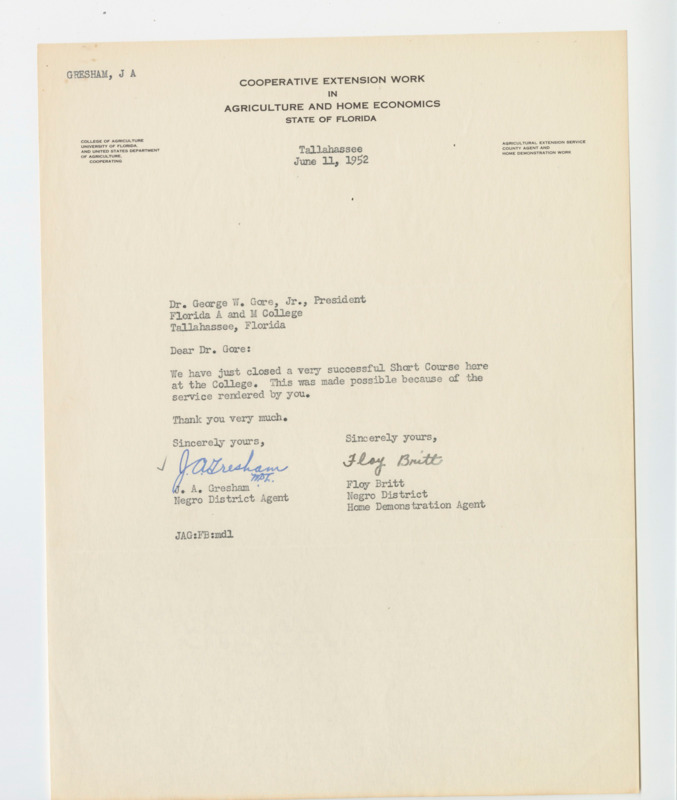
Annual letters between President Gore and Negro District Agents include invitations to the 4-H Annual Short Course, detailed program statistics, and personal information of agents. The correspondences focused on initiatives to improve educational standards in agricultural and home demonstration programs throughout Florida.
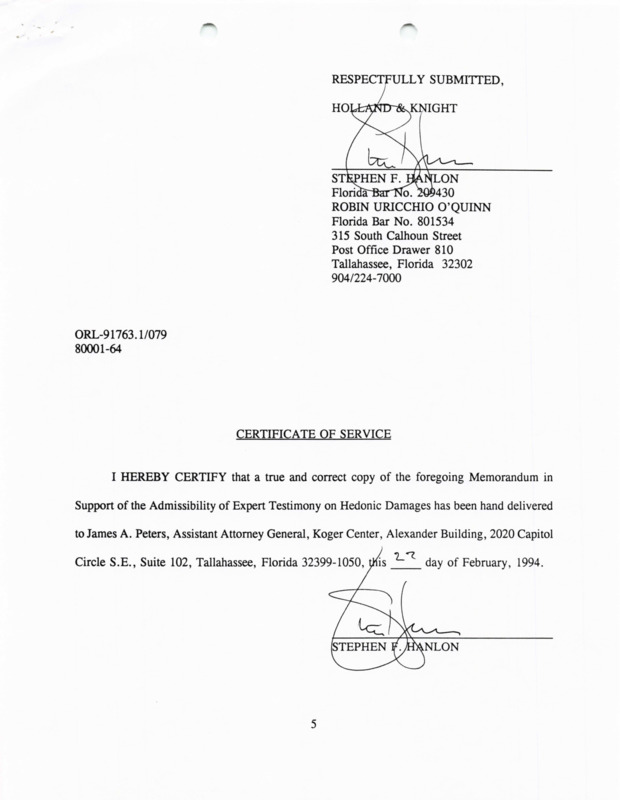
Summary reports to and from the Florida House of Representatives regarding the 1923 Rosewood massacre. Details include key facts, survivor accounts of racial violence, and a memorandum proposing compensation for victims and their descendants in an effort to address the tragedy’s lasting impact.
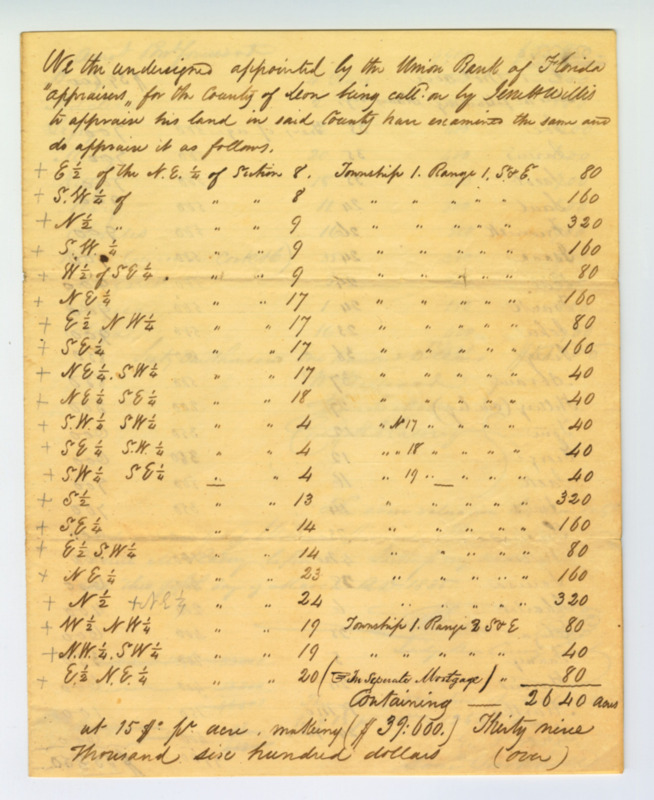
In this financial document, Union Bank of Florida hired three people for the appraisement of Jefse H Millis estate with the addition of a list of slaves. The listed names have ages, prices, and total sums.
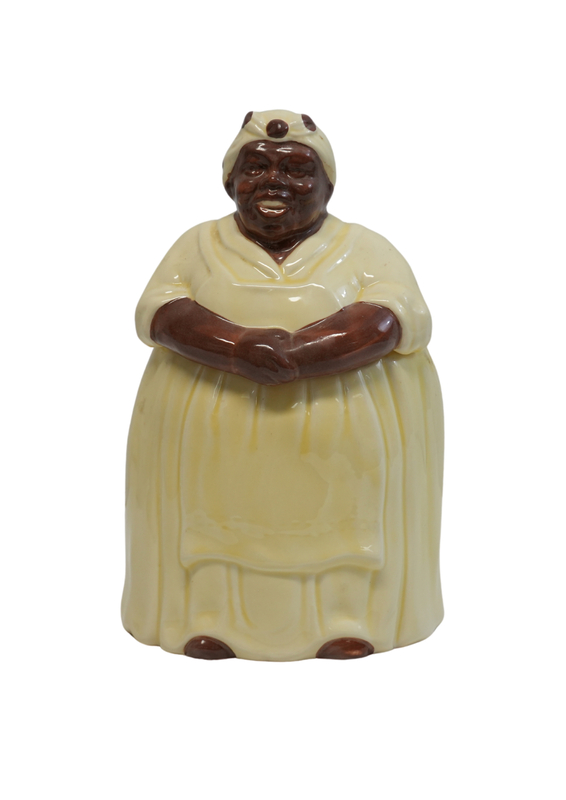
This ceramic cookie jar was part of a collection released by Ohio-based company Mosaic Tile. Albeit rare, the original and most common reproduction is the version depicted here, standing around 13 inches tall with a yellow dress and yellow headwrap. However, the dress can show up in a variety of rarer colors such as blue, peach, and green.
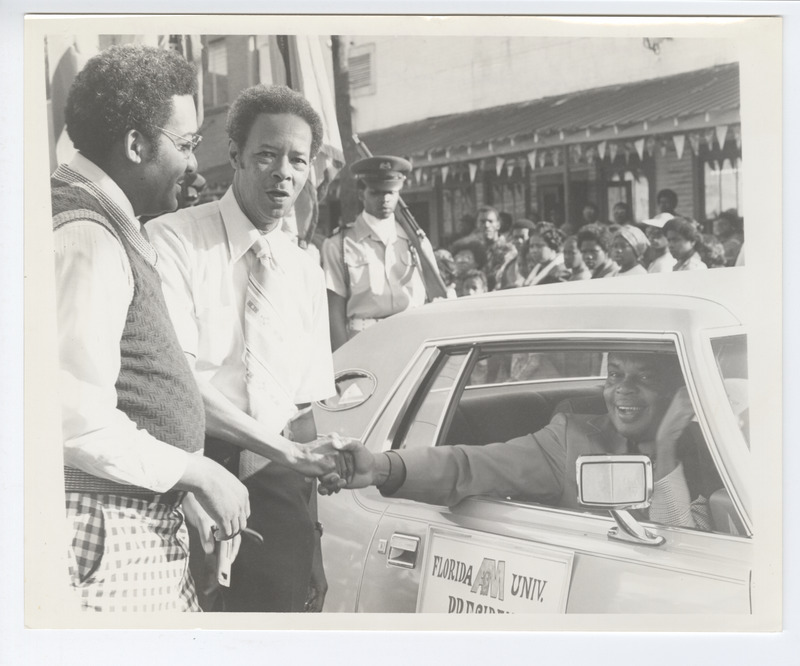
This photograph was taken at Florida A&M University’s annual Homecoming Parade on October 18, 1975. As the procession strolled through Frenchtown, a historic Black, middle-class Tallahassee neighborhood, someone shot University President B. L. Perry shaking hands with Mr. Roberts of Economy Drugstore, a Black-owned pharmacy vital to the community.
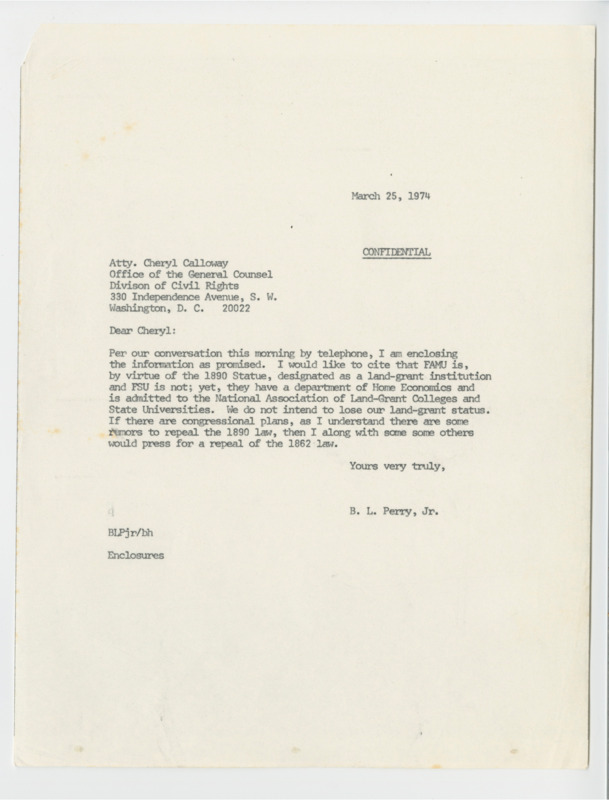
In a letter from B. L. Perry, Jr. to Attorney Cheryl Calloway of the Office of the General Counsel under the Division of Civil Rights, Perry threatens legal action against the federal government for threats to Florida A&M’s land-grant status and access given to non-land-grant institutions, like Florida State University.
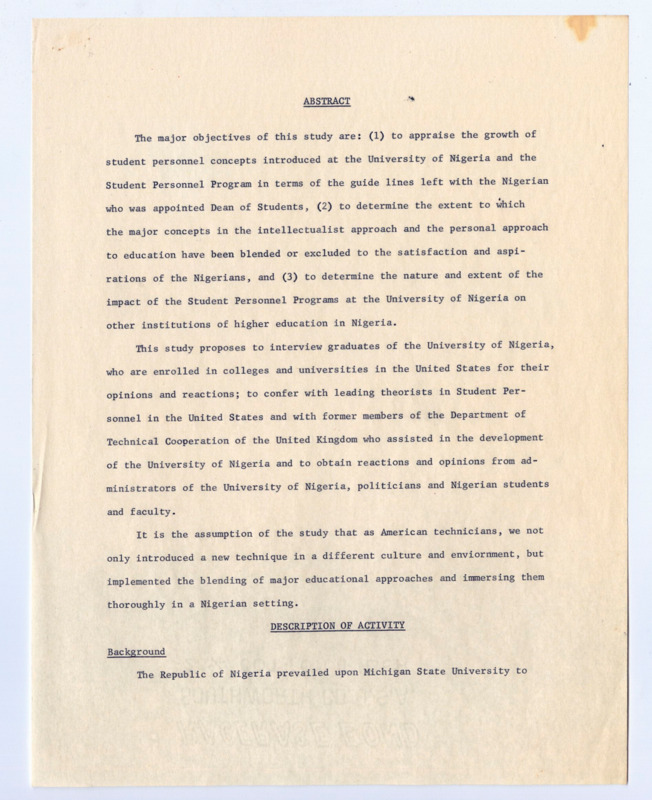
This abstract presents a detailed analysis of the logistics needed to successfully achieve the collaboration between Michigan State University, the University of Nigeria, and other higher education institutions. It details the securement of proper documentation, professional contacts, and the extent of the curricula of this unique venture.
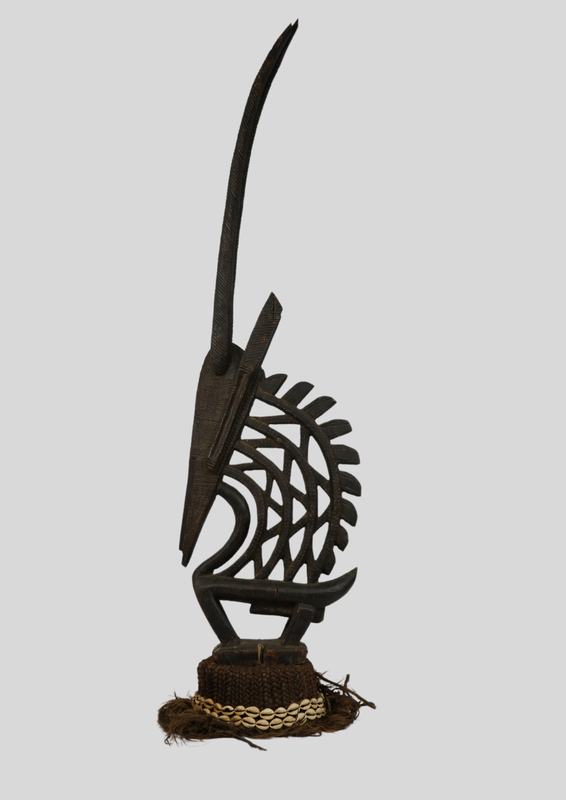
The agricultural society of the Bamana people in West Africa (mainly Mali), also known as Bambara, honors Ci Wara, the mythical being they believe granted them the gift of farming, through wooden carved headdresses. This sculpture combines the features of humans, antelopes, and other native animals for performances celebrating successful farmers.
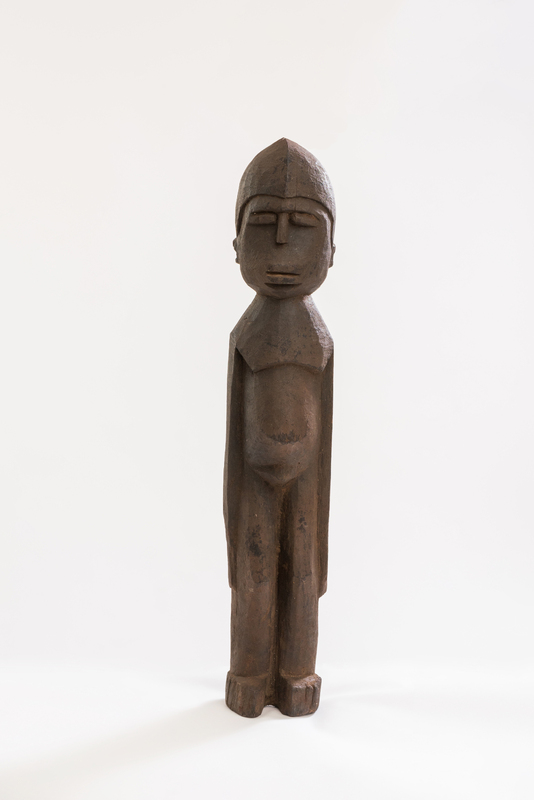
The Bateba, in Fante culture, is a guardian spirit that protects women and children from harmful field spirits. It symbolizes nurturing, protection, and resilience. At FAMU, the Bateba represents a cultural link to African heritage, emphasizing the protective role of spiritual figures in the lives of families and communities throughout history.