The HCAC public history focused digital archive cataloging is an ongoing process, and we may update this record as we conduct additional research and review. We welcome your comments and feedback if you have more information to share about an item featured on the site, please contact us at: HCAC-DigiTeam@si.edu
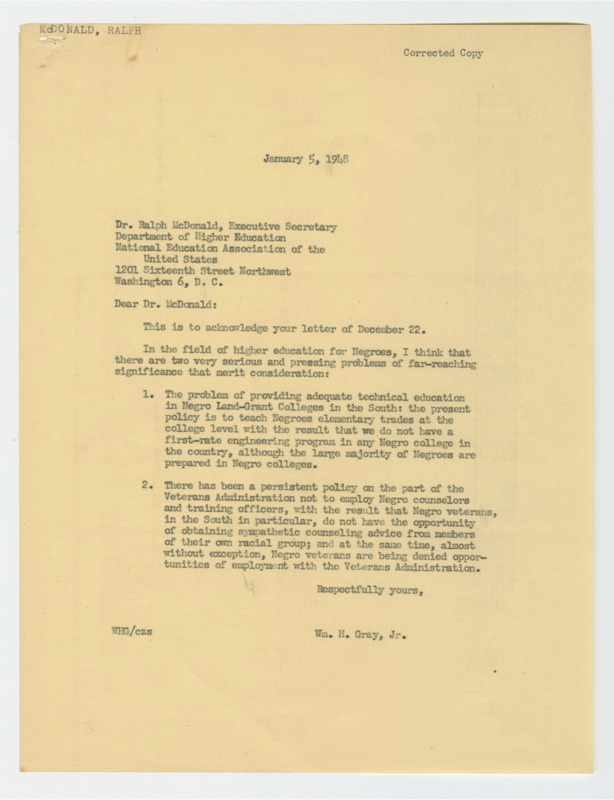
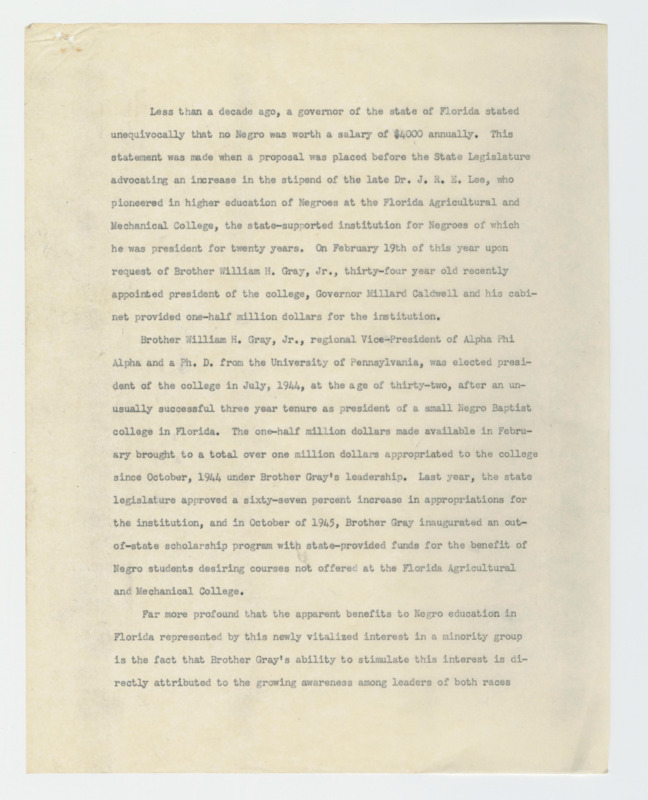
In response to a letter from Ralph McDonald, the executive secretary at the Department of Higher Education, William H. Gray, Jr. offered his thoughts on problems affecting Black students in higher education in the South. He highlighted two: inadequate technical education and discriminatory Veterans Administration hiring practices.
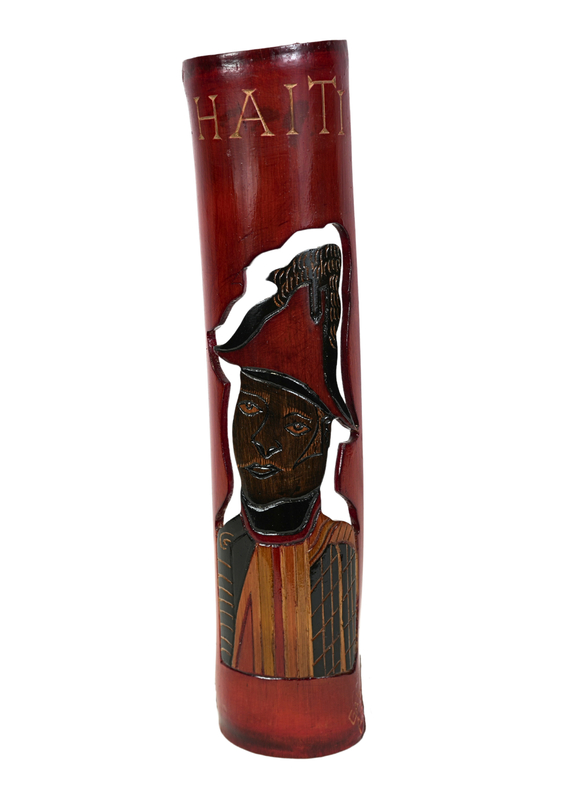
This red plank is made of wood and painted over to give a shiny luster. The artwork features a soldier, possibly Toussaint Louverture, with the word “Haiti” carved above it. On the back of the piece, an inscription says “Ayiti Cheri ZP”, Haitian Creole for “Haiti my dear/my baby” (it’s unclear what the ZP could stand for).
This painting from the Leo Psam Collection is a textbook example of the colorfully vibrant scenes artists create when depicting Caribbean art. The Haitian art showcases a busy market scene with people selling fruit and customers inquiring and purchasing them.
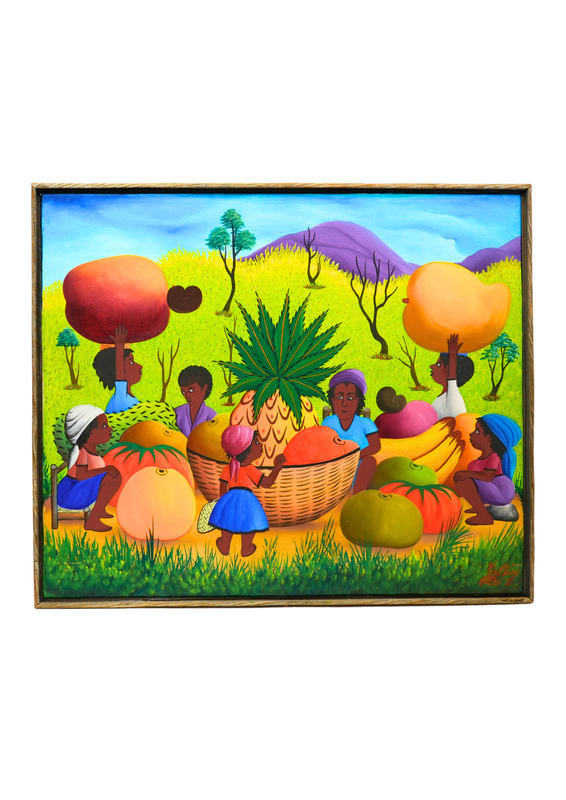
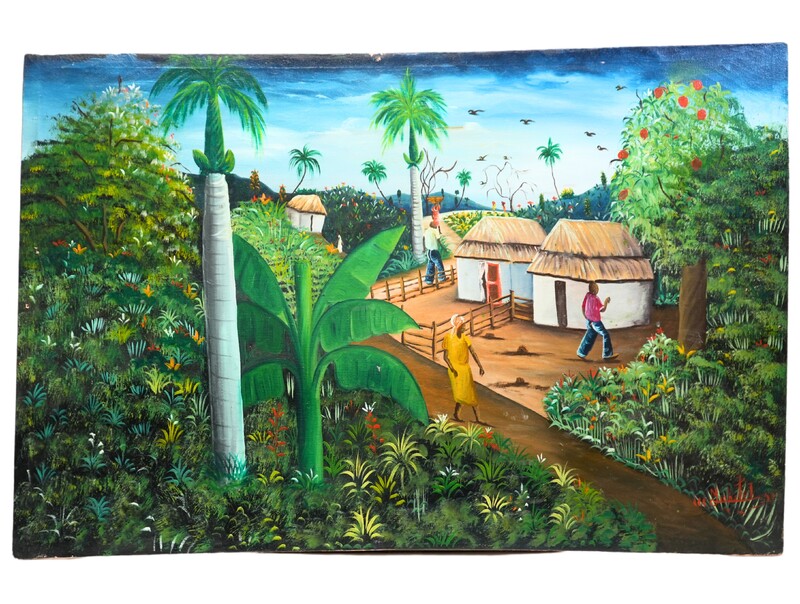
This painting from the FAMU Black Archives/Caribbean Art Collection has limited identification for precise attribution. The vibrantly-painted piece depicts a Haitian village scene and features an unclear inscription in red, cursive font on the lower right corner that could be the artist’s signature.
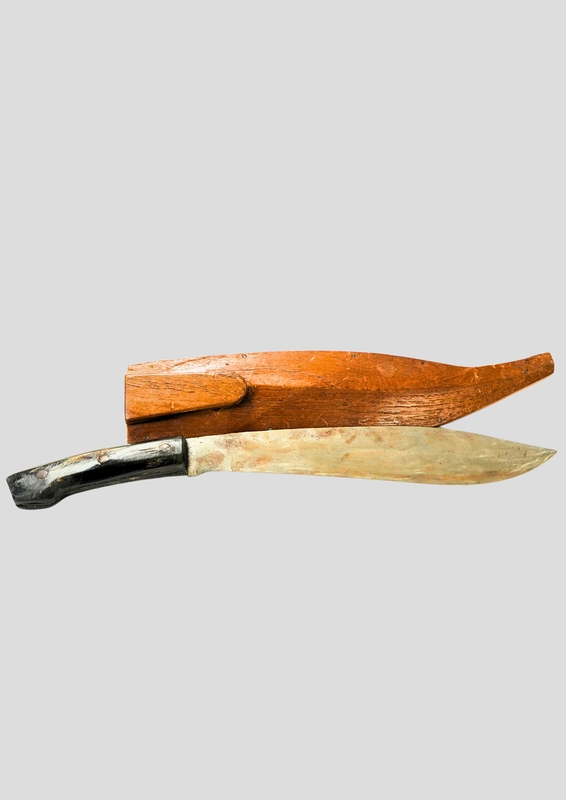
A bolo knife is a traditional cutting tool with a curved blade, commonly used in agricultural and domestic tasks across various cultures, especially in the Philippines and parts of Africa. Its design allows for efficient cutting and slicing, making it ideal for clearing vegetation and harvesting crops. This knife was used by Benjamin French.
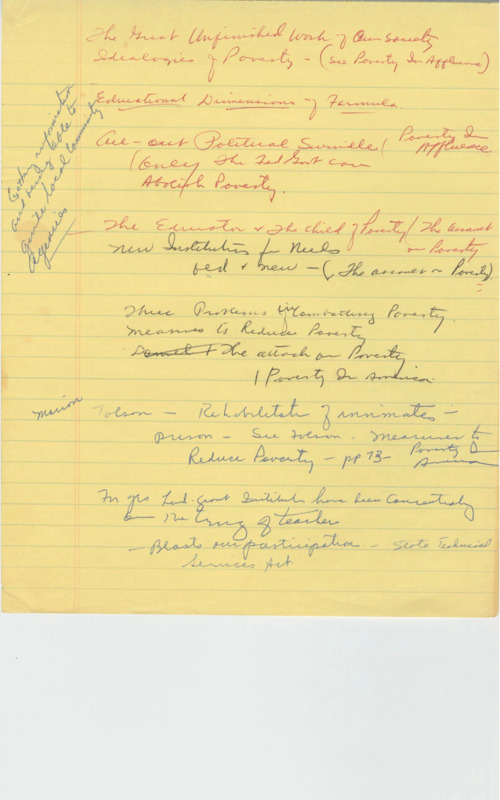
These undated handwritten notes, spanning several sheets, contain President Gore's remarks for various meetings and convocations. The notes also include an excerpt on structural unemployment and general unemployment, offering insights into the challenges of the time and Gore's reflections on economic issues.
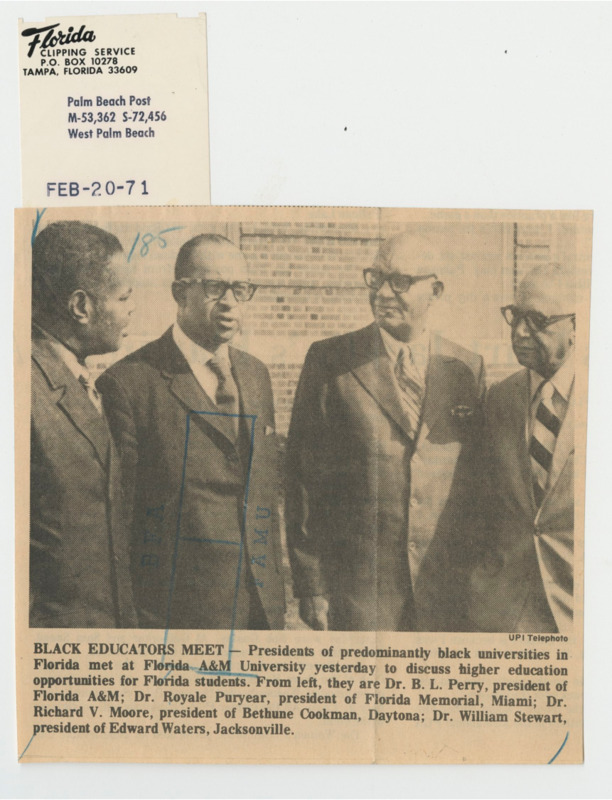
Sourced from the Palm Beach Post, this newspaper clipping is a literal snapshot of the state of Black higher education in the early 1970s. The photograph depicts four HBCU presidents, Dr. B. L. Perry, Dr. Royale Puryear, Dr. William Stewart and Richard V. Moore, meeting at Florida A&M University to discuss Florida student opportunities.
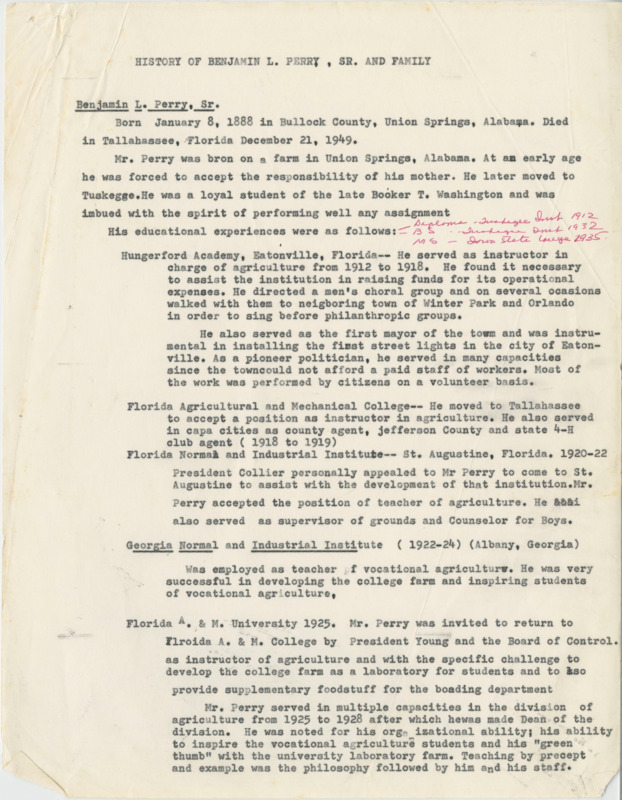
A detailed account of Benjamin L. Perry Sr.’s life, covering his educational pursuits, influential publications, and key accomplishments. The narrative extends to his son, Benjamin L. Perry Jr., reflecting on his academic journey, early career, and dedication to continuing his father’s legacy as a professor and leader.
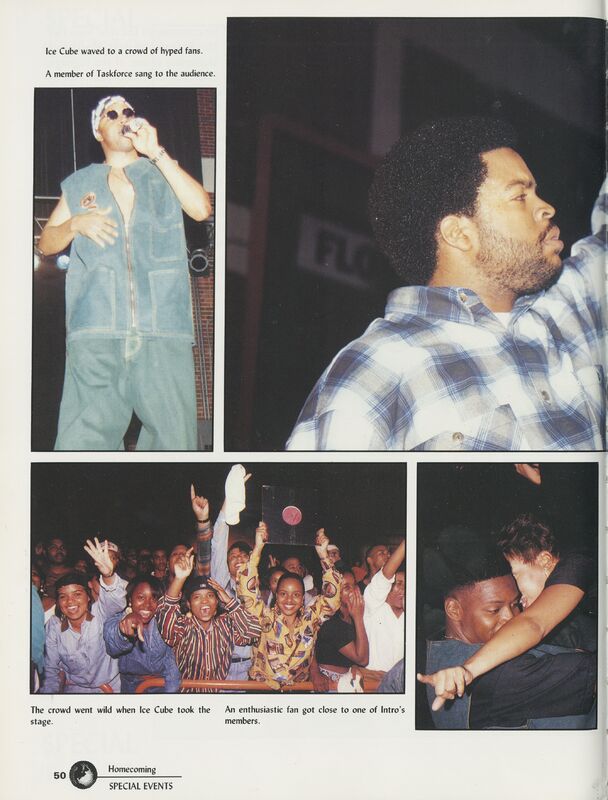
Homecoming is an event most historically Black institutions participate in as an annual celebration of their alums, rich history, and current student bodies. One of the main events besides the football game is the Homecoming concert. For Florida A&M’s in 1993, the Student Government Association got rapper Ice Cube and R&B group Intro to attend.
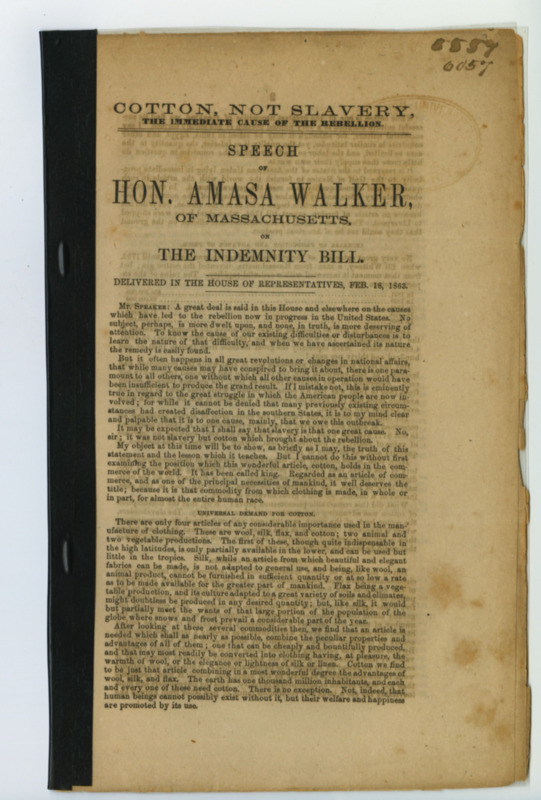
Hon. Amasa Walker’s speech addressed the universal demand for cotton in manufacturing, noting its rising value and production. He argued for keeping the slave trade open to sustain labor demands, highlighting Northern opposition to Africanization and the South’s reliance on enslaved labor, deeming secession inevitable.
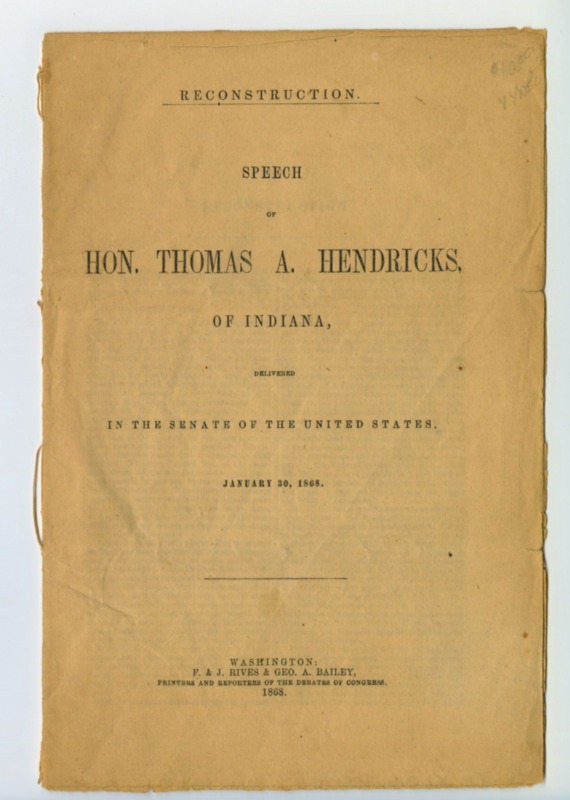
A notable speech given by Thomas A. Hendricks, a U.S. Senator from Indiana, during the post-Civil War era. This speech was delivered as part of the ongoing national debate over Reconstruction policies aimed at reintegrating the Southern states that had seceded during the Civil War and addressing the rights of freed African Americans.
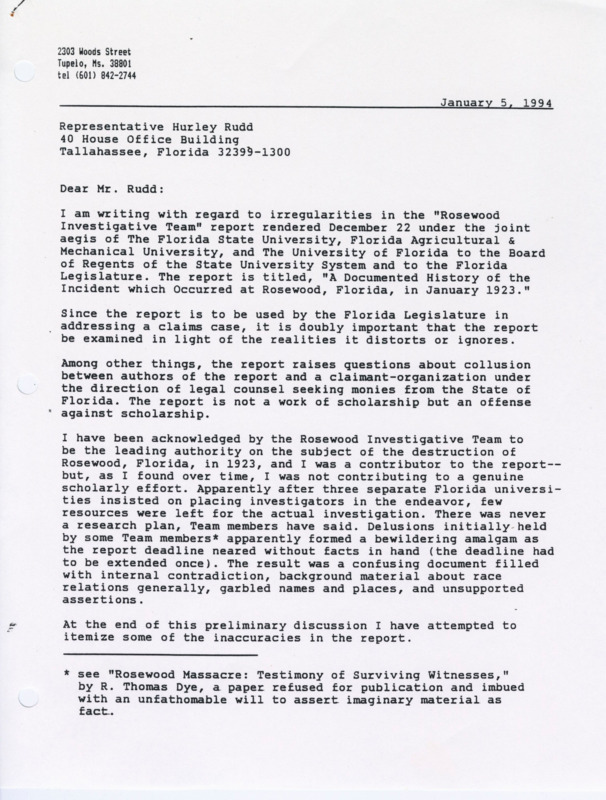
House bills introduced during the Rosewood investigation specifying sections for various committees to review and address. These bills focused on documenting the events of the 1923 Rosewood Massacre and included provisions for compensation and the establishment of processes to support ongoing research and investigation into the tragedy.
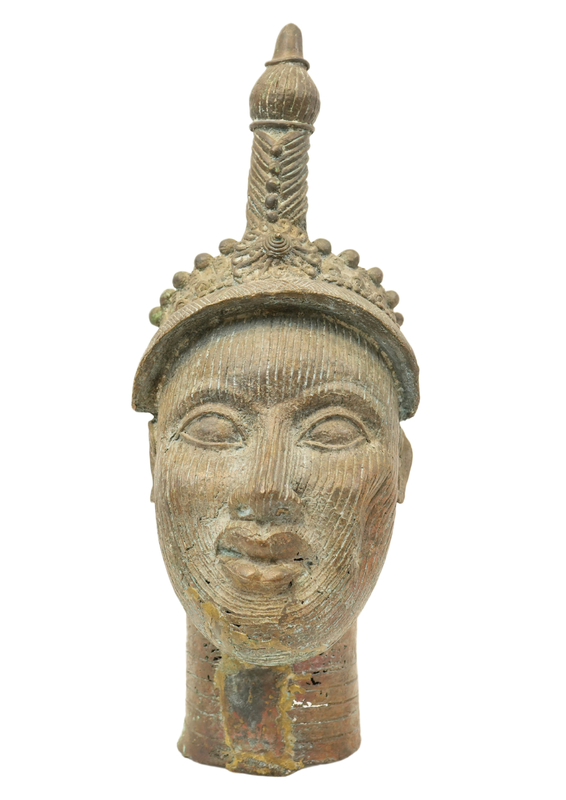
This rare sculpture unearthed in Nigeria belongs to the Yoruba people of that region. It is believed that a single individual or workshop created this copper alloy sculpture between the 12th and 15th centuries to represent a king or highly respected warrior figure.
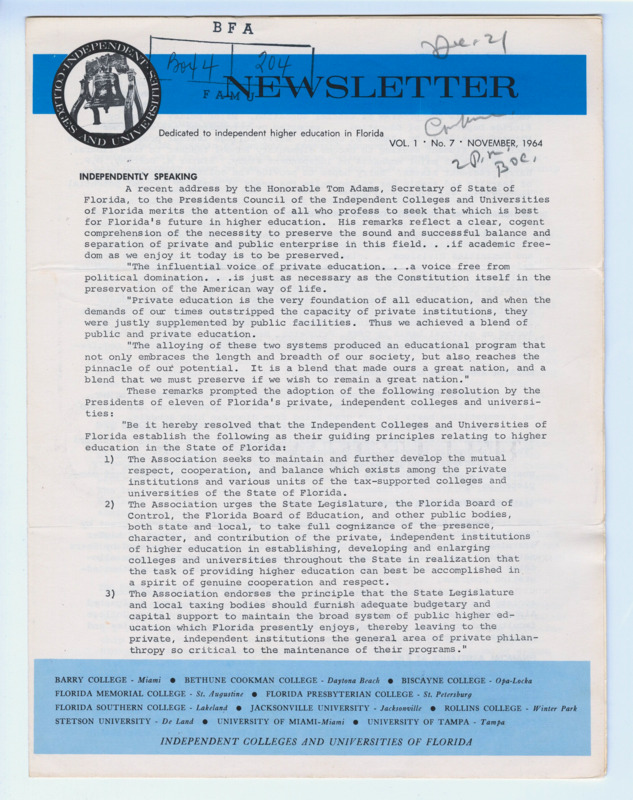
The 1964 Vol. 1 and 1965 Vol. 2 editions of this newsletter promoted Florida's higher education, showcasing institutions like Bethune-Cookman, Stetson, and Florida Memorial. These editions highlighted the historical contributions and values of public and private colleges across the state.
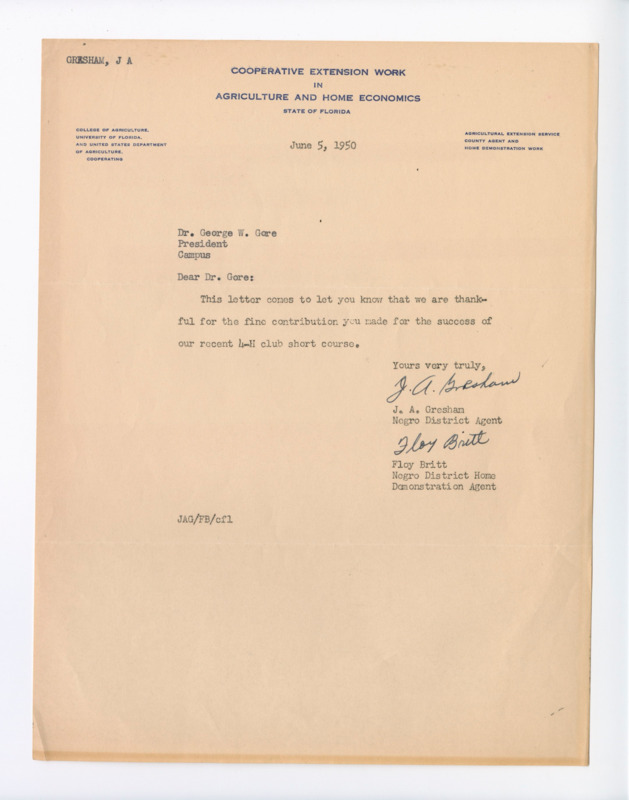
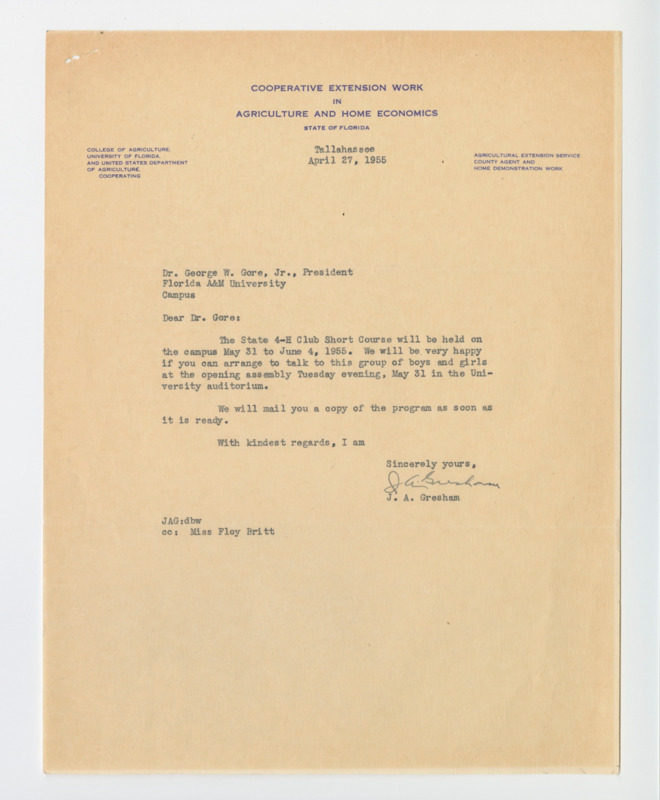
Initial letters between President Gore and Negro District Agents regarding the 4-H Club, the Annual Agricultural & Home Demonstration Agents Conference, and efforts to enhance educational standards in Florida. These exchanges include invitations, detailed program statistics, and agents' personal information.
A specialized team formed to investigate the 1923 Rosewood Massacre, collaborating closely with the Civil Rights Office. Through extensive research, interviews with survivors, and cross-referencing historical records, they sought to uncover the truth, hold the state accountable, and document the community’s painful history.
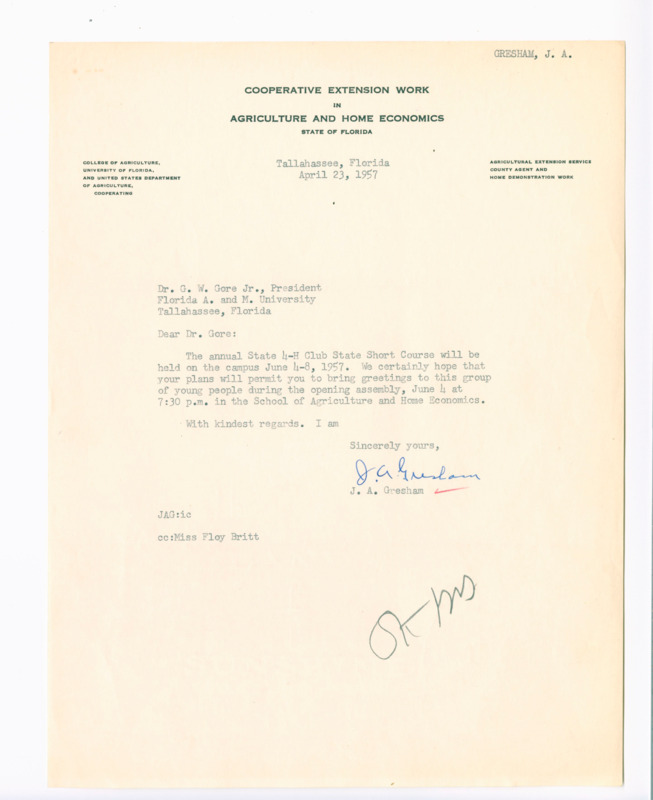
Recurring letters between President Gore and Negro District Agents consistently include the agents' thanks and hopes for more events, along with invitations to the 4-H Annual Short Course and program statistics. These letters underscore ongoing efforts to elevate educational standards in Florida's agricultural and home demonstration programs.
Recurring correspondence between President Gore and Negro District Agents regularly includes agents' gratitude and anticipation for future events, as well as invitations to the 4-H Annual Short Course and program statistics, highlighting continued efforts to enhance educational standards in Florida's agricultural and home economics programs.
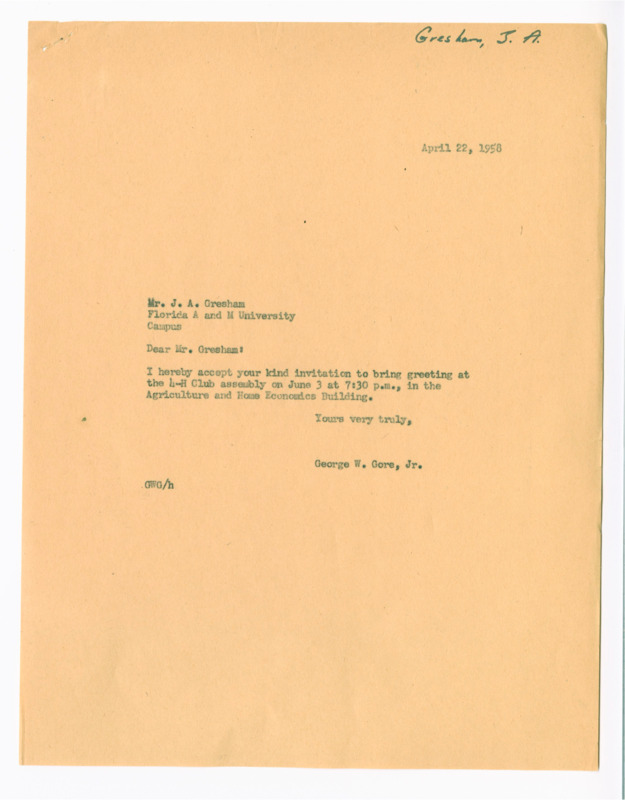
Recurring letters between President Gore and Negro District Agents feature agents' thanks and invitations to the 4-H Annual Short Course with program statistics, underscoring efforts to elevate educational standards in Florida’s agricultural and home economics programs. Gore, however, was unable to speak at the annual conference.
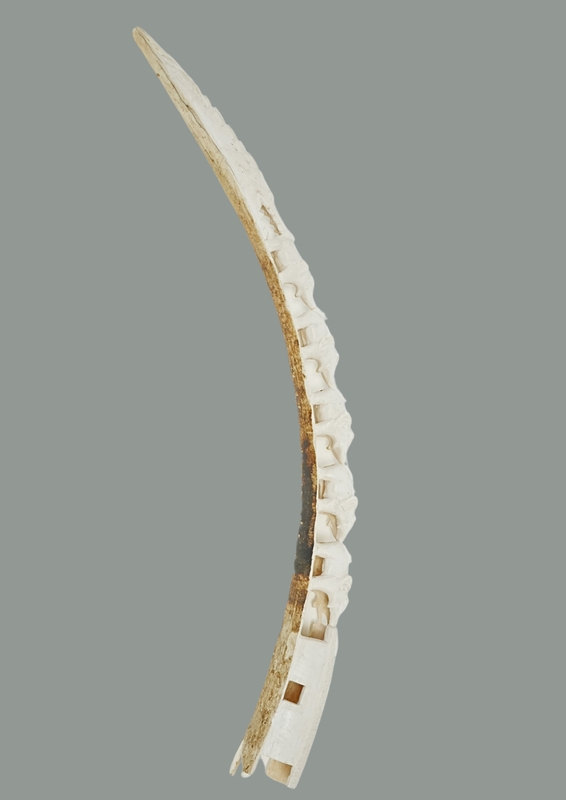
Ivory tusk carvings are exquisite representations of artistry and craftsmanship, often depicting intricate scenes, figures, and cultural symbols. These carvings have deep cultural significance, reflecting social, spiritual, and historical narratives within African societies.
In this speech delivered by James D. Brown, Jr. to the Gamma Mu Lambda Chapter of Alpha Phi Alpha Fraternity, Brown praises Florida A&M University President William H. Gray, Jr. He discusses the trailblazing path Gray has been on, from securing substantial funds for his HBCU to providing it the buildings, care, and equipment it needed.
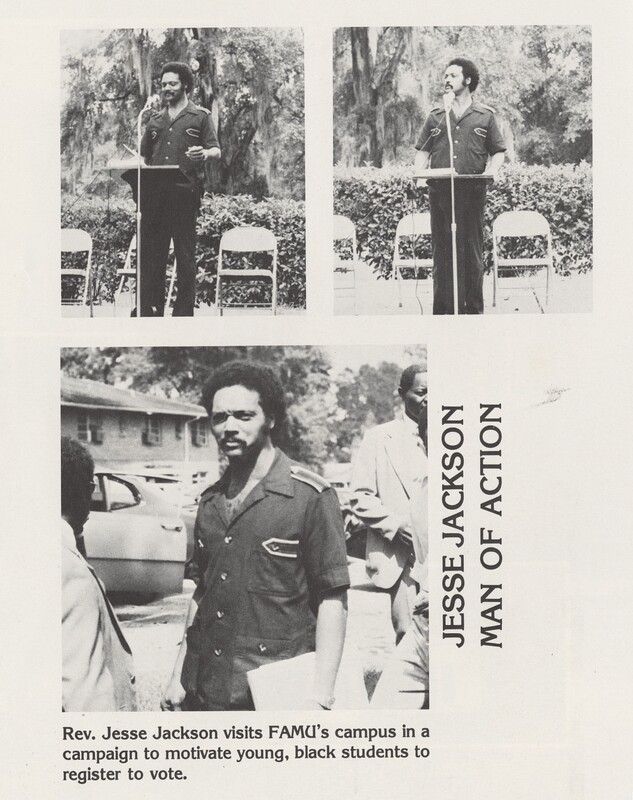
Reverend Jesse Louis Jackson was a civil rights leader who began activism in the 1960s. In the 1980s, he launched two presidential campaigns, ultimately losing the Democratic nomination, but not by expected large margins. In 1981, Jackson visited Florida A&M University to encourage students to register to vote.
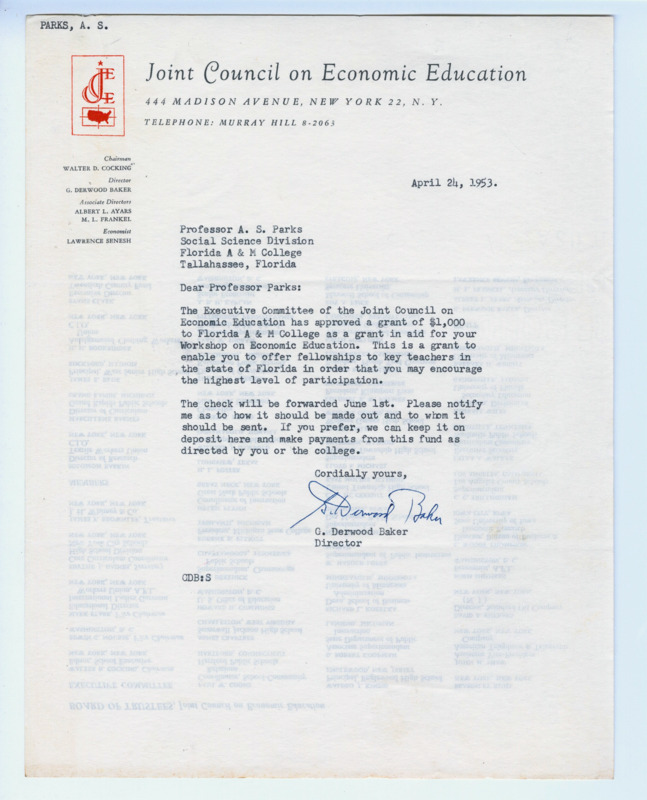
This collection is a series of correspondences between Florida A&M leadership and G. Derwood Baker, the director of the Executive Committee of the Joint Council on Economic Education. What was meant to be a one-time, one-year grant awarded to Florida A&M College became a full-length educational program due to George W. Gore’s help and insistence.
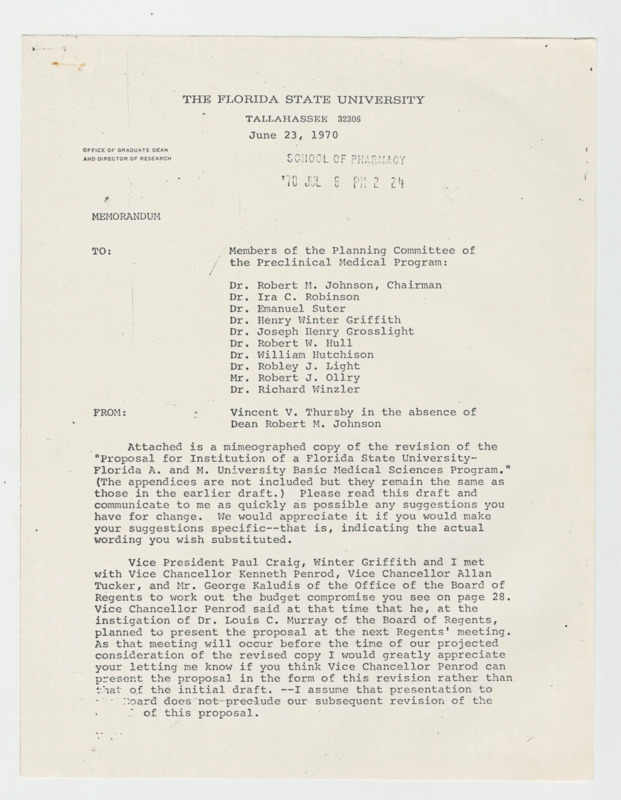
This document is a revised, detailed abstract of the “Proposal for Institution of a Florida State University- Florida A&M University Basic Medical Sciences Program,” sent to members of the Planning Committee of the Preclinical Medical Program. It detailed the addition of a joint medical program between FAMU and FSU.
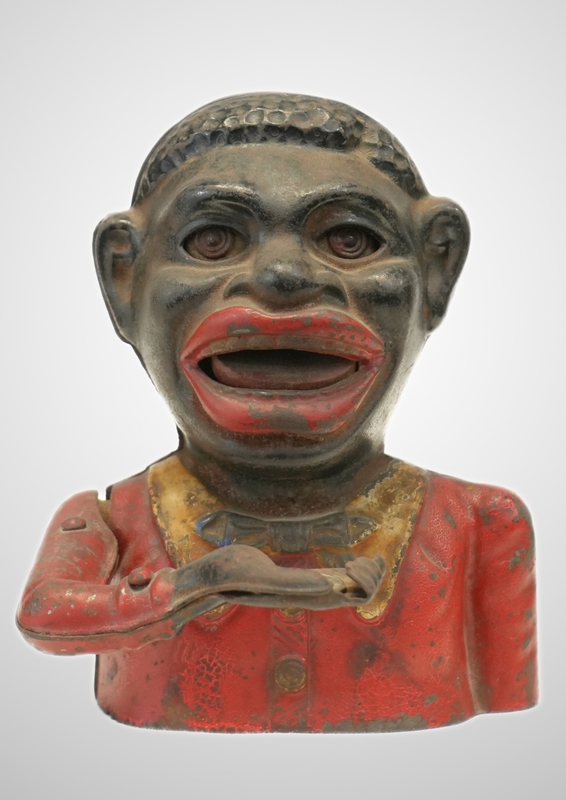
The red and yellow vintage Jolly Negro bank features a caricature of a smiling Black man, embodying the racially insensitive stereotypes prevalent in early 20th-century America. Designed as a coin bank, it reflects the era's problematic representation of African Americans in popular culture.
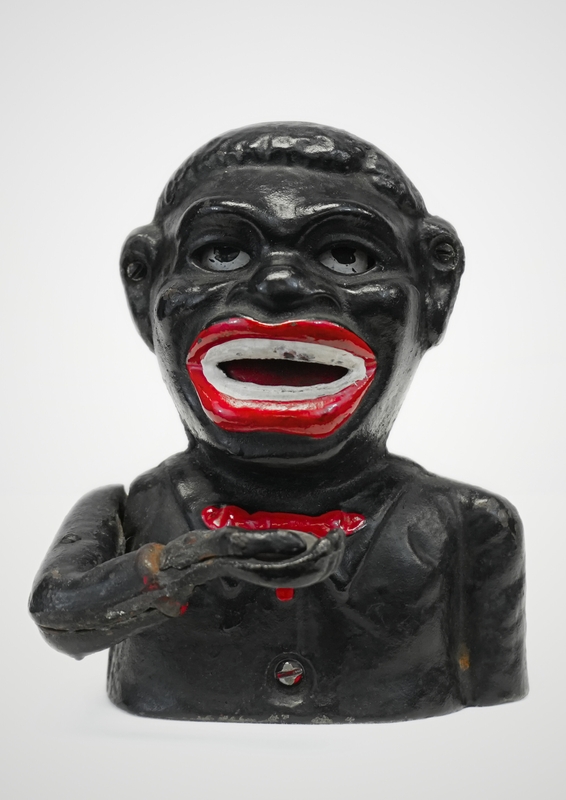
The vintage black and red Jolly Negro bank depicts a smiling Black figure, exemplifying the racially insensitive stereotypes common in early 20th-century America. This ceramic bank was designed to encourage saving while reflecting a troubling portrayal of African Americans in popular culture.
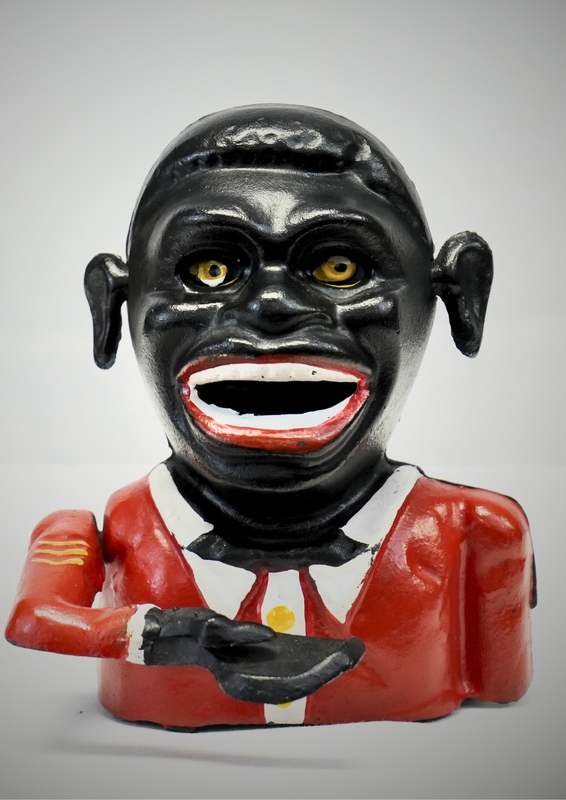
The vintage red and white Jolly Negro bank features a cheerful caricature of a Black man, reflecting the racial stereotypes common in early 20th-century American culture. This coin bank, characterized by its bright colors and playful design, embodies the problematic portrayals of African Americans during that time
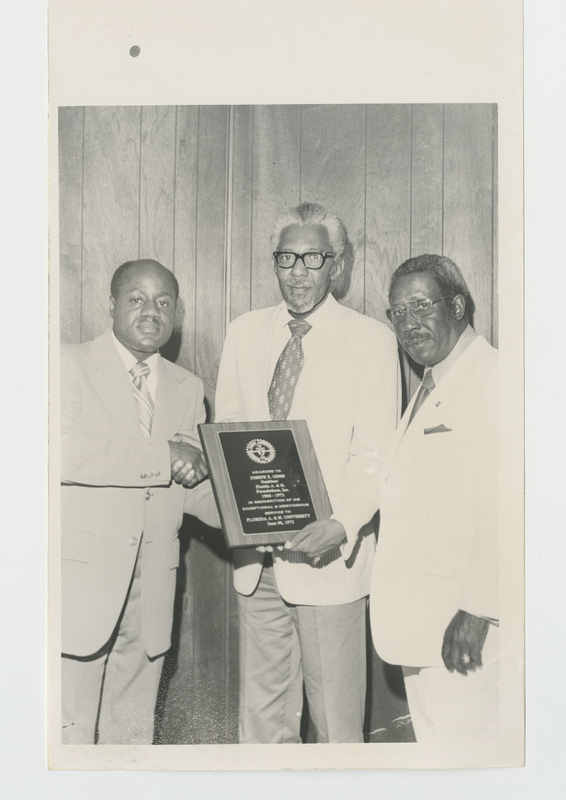
This photograph depicts two unidentified men with Joseph E. Gibbs, a faculty member at Florida A&M University’s original College of Law, World War II veteran, and YMCA executive director. The Florida A&M Foundation awarded Gibbs a plaque on June 30, 1972, for “His Exceptional & Meritorious Service to Florida A. & M. University.”
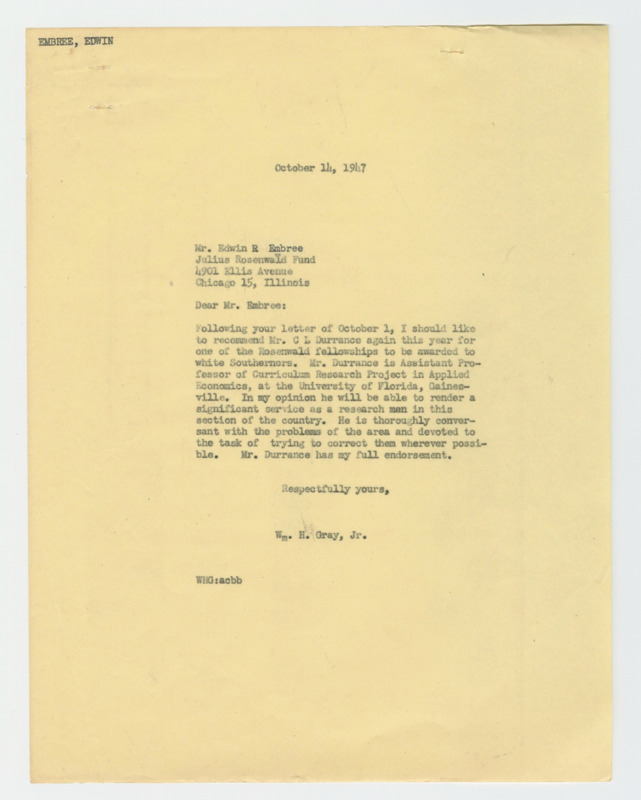
Julius Rosenwald was the part-owner of Sears, Roebuck and Company and the creator of the Rosenwald Fund, which donated millions in matching funds for vocational and technical education specifically for Negroes or white Southerners specialized to the South. Under William H. Gray, Jr.’s leadership. Florida A&M received scholarships from them.
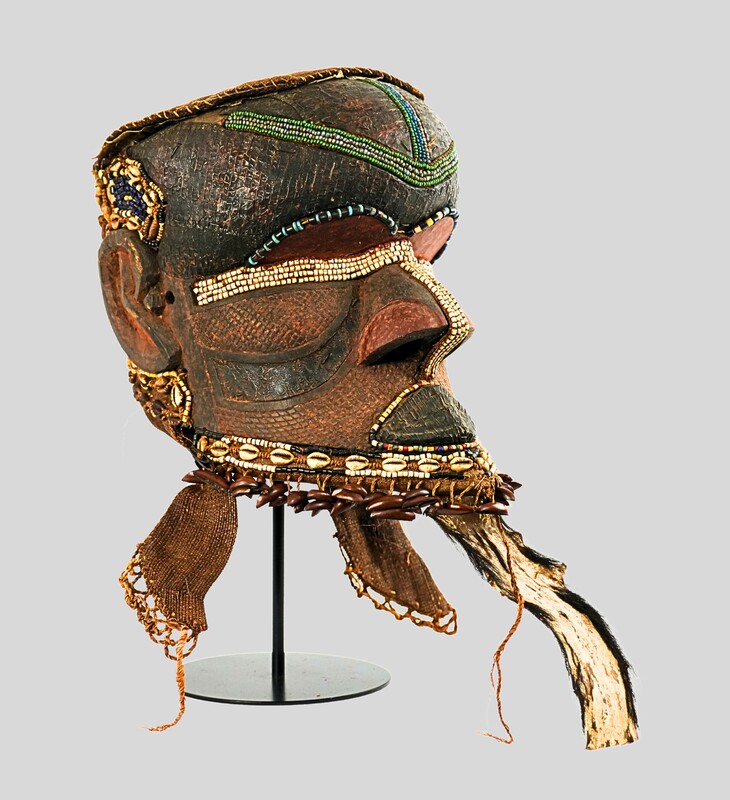
The Kouba masks showcase the rich artistic heritage of the African Kouba culture. Each mask features unique carvings and vibrant colors, reflecting the community's spiritual beliefs and social values. One mask may represent ancestral spirits, while the other might embody specific cultural ceremonies.