The HCAC public history focused digital archive cataloging is an ongoing process, and we may update this record as we conduct additional research and review. We welcome your comments and feedback if you have more information to share about an item featured on the site, please contact us at: HCAC-DigiTeam@si.edu
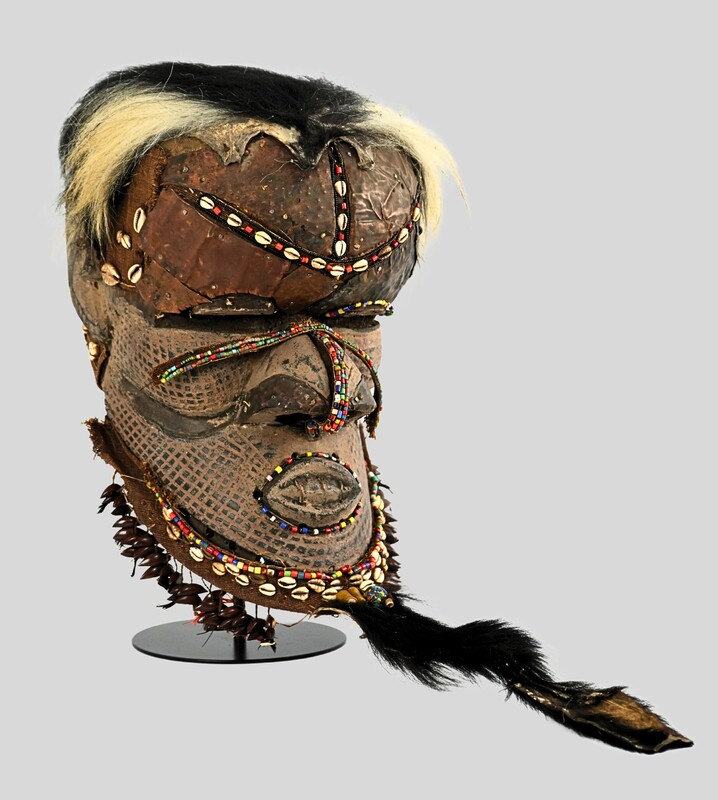
The Kouba mask, originating from the Congo, is a striking cultural artifact known for its intricate carvings and vibrant colors. It was traditionally used in rituals and ceremonies and represents ancestral spirits.
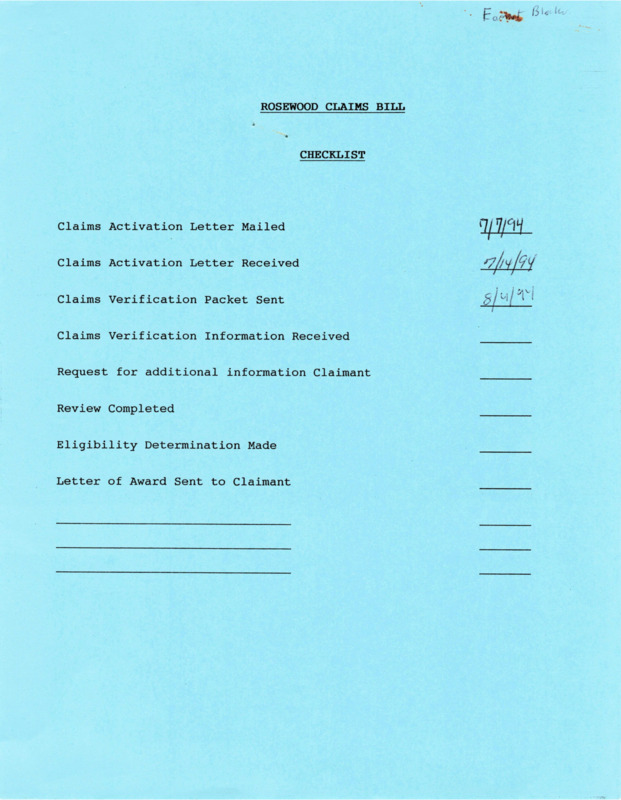
Land deeds, marriage licenses, and delayed birth certificates used to establish and verify the lineage of Rosewood descendants. These documents were essential in tracing family histories, providing proof of connection to Rosewood, and supporting claims for recognition and compensation for future generations.
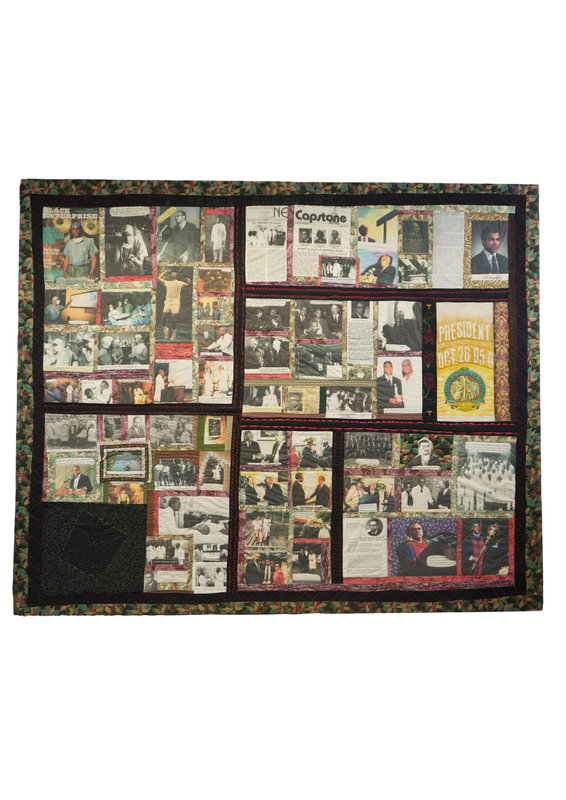
This quilted textile by Debra Hanes is an homage to Dr. LaSalle D. Leffall, Jr., showing the highlights of his career and life. Prevalent in African American culture, this piece is a type of “life quilt”, as this colorful tapestry gives the viewer a glimpse into the doctor’s life with sewn-on prints of letters, magazine covers, and photographs.
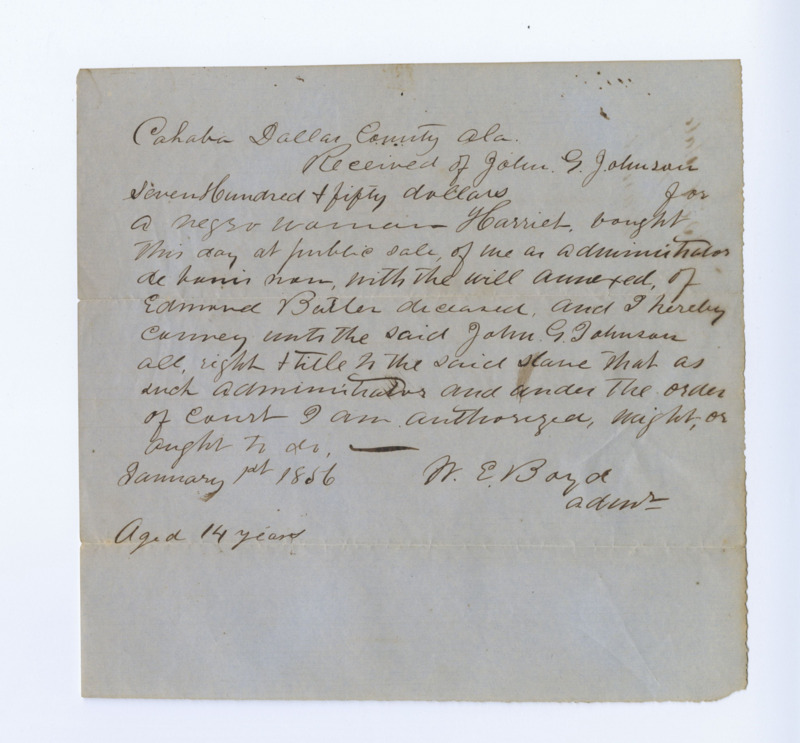
A rare 1856 letter from W. E. Boyd to John G. Johnson regarding the seven hundred and fifty dollar ($750) purchase of a fourteen-year-old negro girl named Harriet.
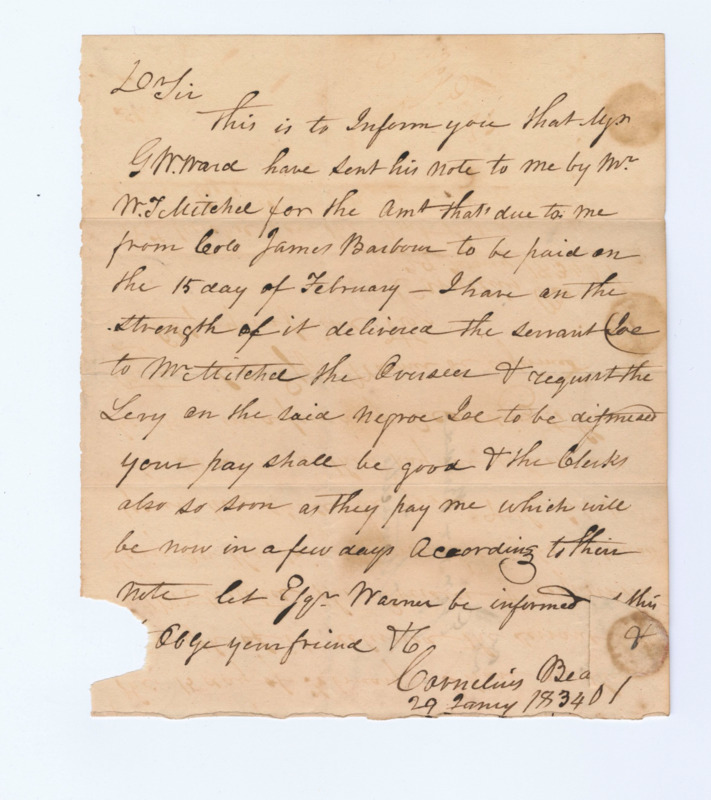
This rare slavery document is a letter from 1834 between W. Ward and Cornelius Beazley regarding the debt due in return for the lending of their slaves' labor.
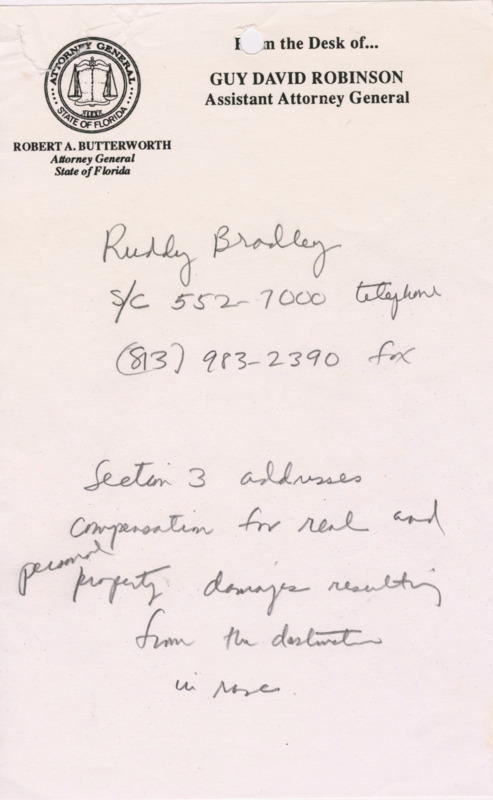
Legislative acts in Florida addressing the Rosewood Massacre and setting the legal framework for compensation and historical investigation. These acts were designed to ensure the state recognized the tragedy, supported the documentation of its impact, and provided a pathway for descendants to seek justice and reparations.
These letters discuss key financial strategies, budgeting, and administrative decisions that shaped university operations. FAMC effectively managed its financial challenges, allocating resources to promote academic advancement and infrastructure development while addressing the changing needs of students and faculty.
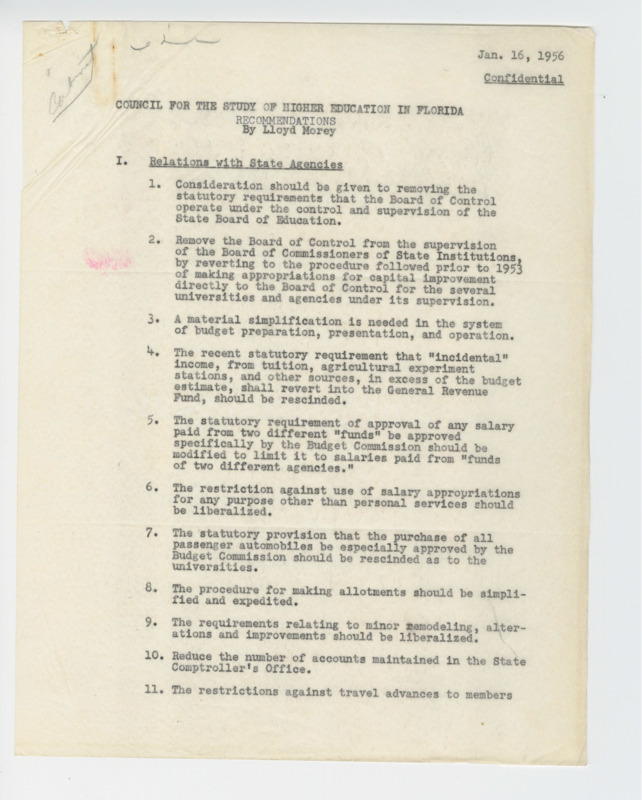
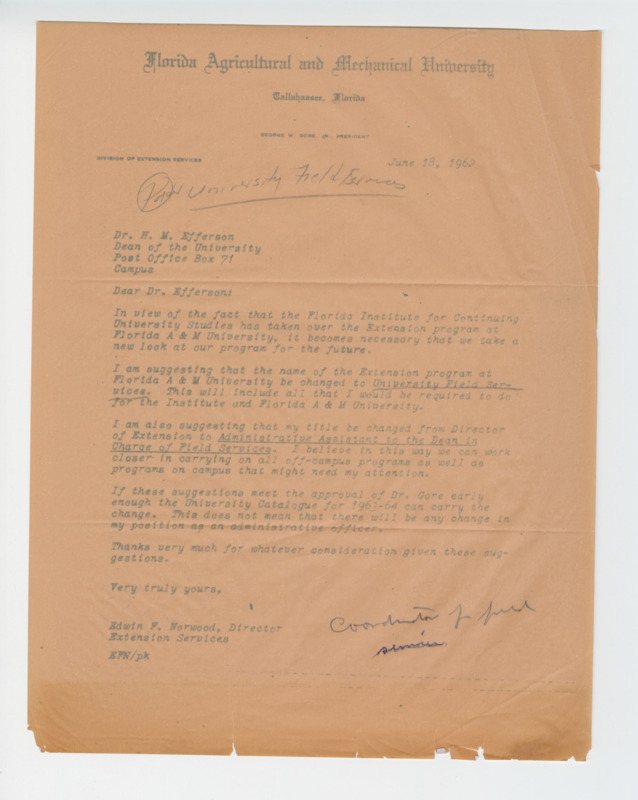
Letters detailing the responsibilities and designated duties of the Vice President of the University were included first, followed by confidential business operation packets outlining the general organizational structure of the university's identified 'weaknesses' and proposed options for improvement.
This correspondence collection highlights discussions on critical financial strategies, budgeting challenges, and administrative decisions that directly affected university operations. The letters exemplify how FAMU navigated complex financial landscapes, ensuring that resources were allocated to strengthen both academic and infrastructural growth while responding to the evolving needs of students, faculty, and the broader FAMU community.
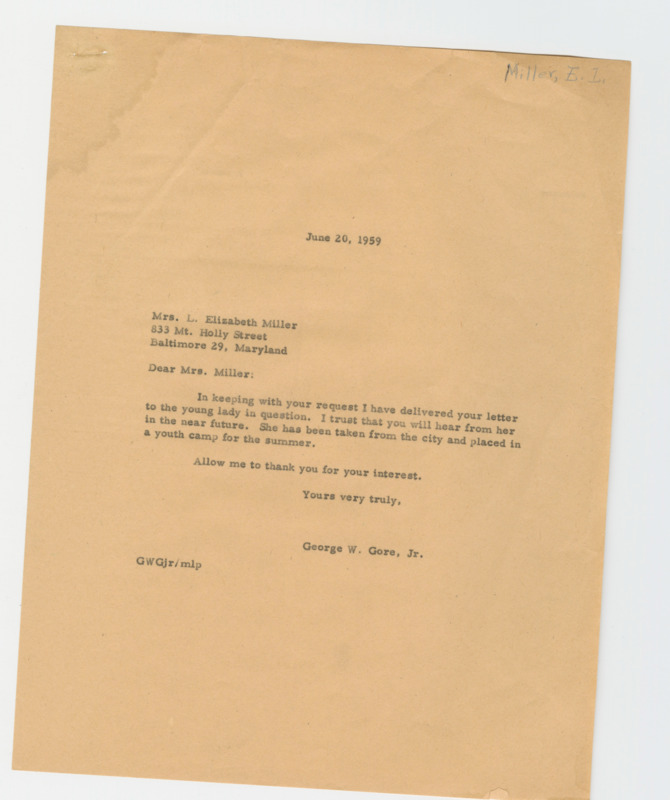
In his correspondence with Mrs. L. Elisabeth Miller, President George W. Gore confirmed the student victim’s relocation for safety and promised prompt communication, demonstrating his commitment to resolving the issue and ensuring her security.
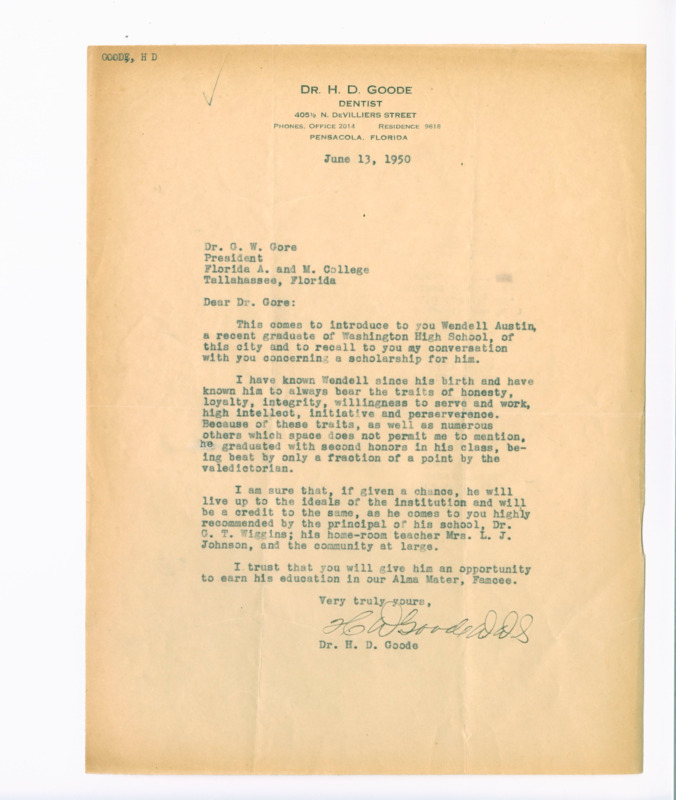
Letters between President George W. Gore and Dr. H. D. Goode discuss the financial details of FAMC’s building costs, including budgeting and expenses, as well as the university's administrative structure. Gore formally invites Dr. Goode to lead the FAMC Alumni Chapter, emphasizing the importance of alumni leadership in university growth.
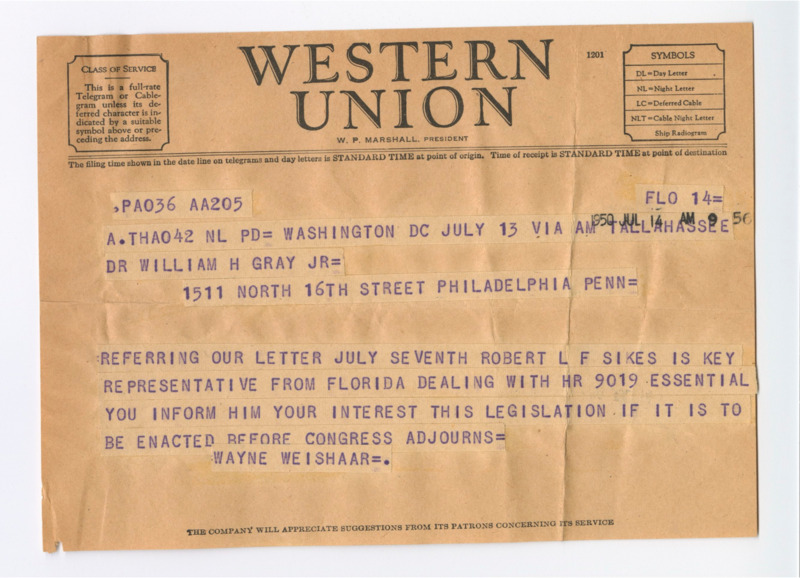
The Philadelphia Afro-American Newspaper mistakenly sent letters addressed to current President George W. Gore to former President William H. Gray. This mix-up caused brief confusion, as both leaders had been instrumental in the advancement and shaping of Florida A&M University’s legacy.
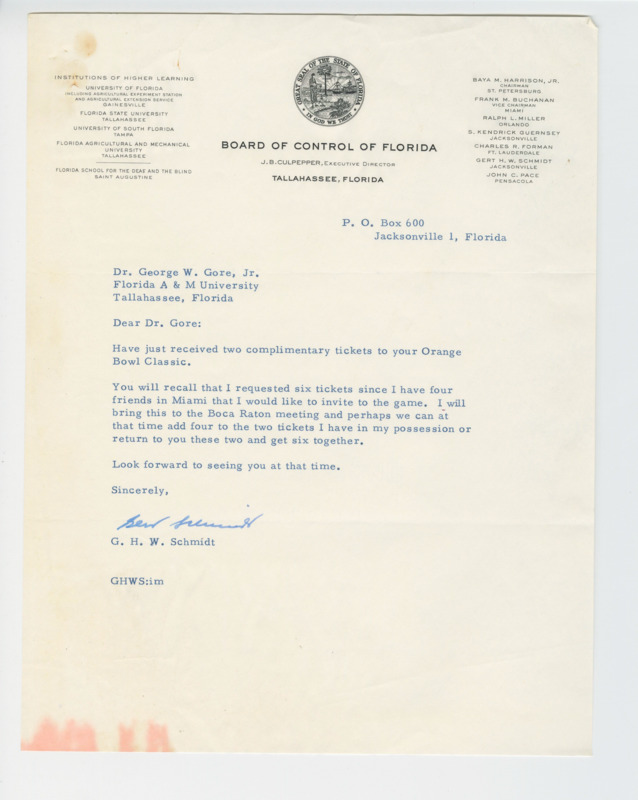
In 1954, letters captured exchanges between FAMU President Gore and leaders of UF and FSU about ticket distributions for university presidents. Additional correspondence outlines Gore’s 25-year plan with FAMU’s Law Dean, focusing on student enrichment and graduation growth in Home Economics and Agriculture.
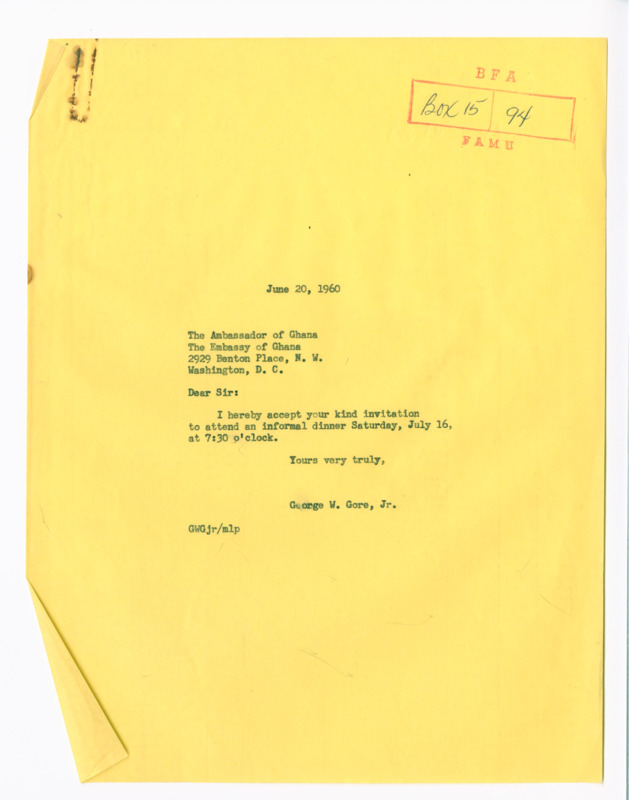
Letters between President George W. Gore and the Embassy of Ghana outline plans for a visit to FAMU in order to build educational ties and expand opportunities for Ghanaian students. Discussions include academic exchanges, scholarship options, and initiatives to further support Ghanaian students at FAMU.
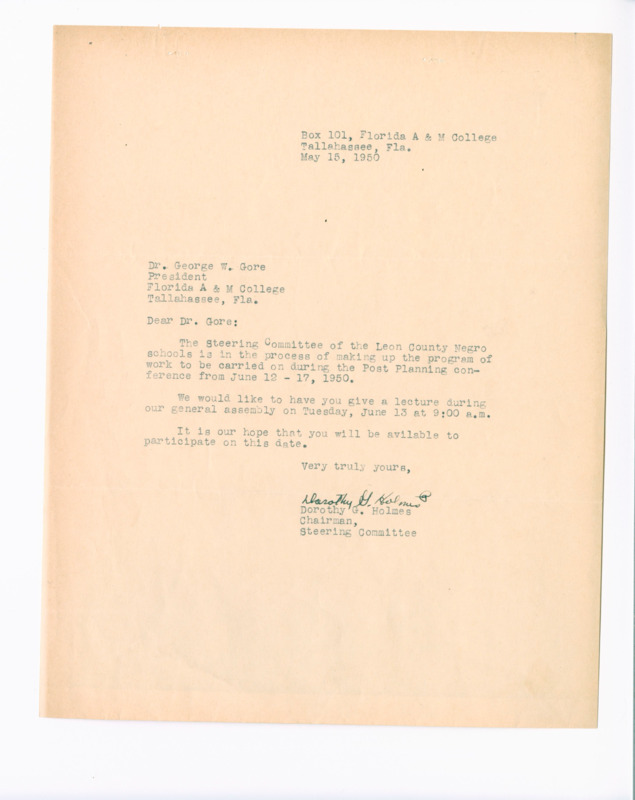
Letters between President George W. Gore and Supervisor Dorothy G. Holmes of Leon County discuss meetings and the urgency of enrolling students in summer classes at FAMC. The exchanges reflect Gore's commitment to ensuring access to education and promoting teacher involvement in summer school programs.
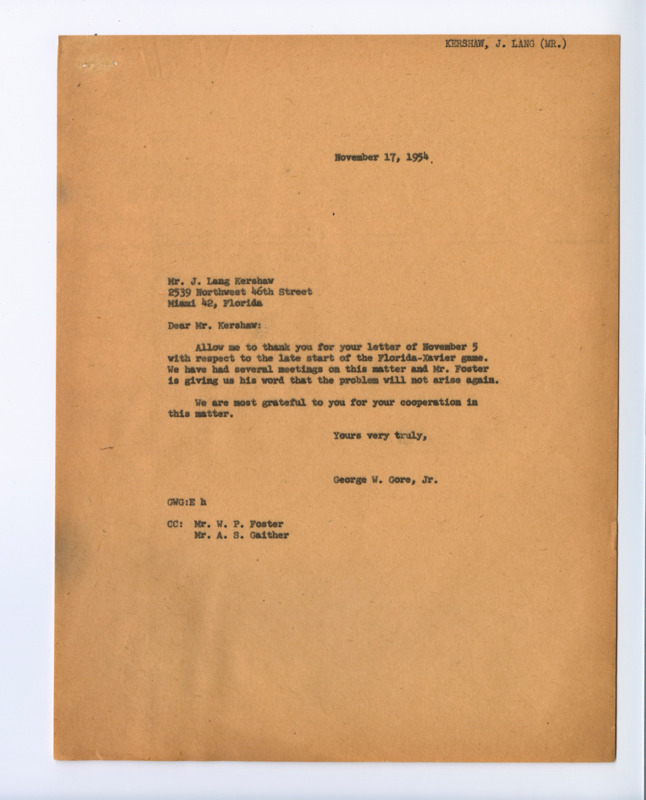
President Gore of Florida A&M College wrote to former student Joe Kershaw, a referee, to apologize for the delay in a recent football game caused by the university’s marching band. The exchange turned somewhat passive-aggressive, with both Kershaw and Gore exchanging letters before ultimately reaching a mutual understanding about the situation.
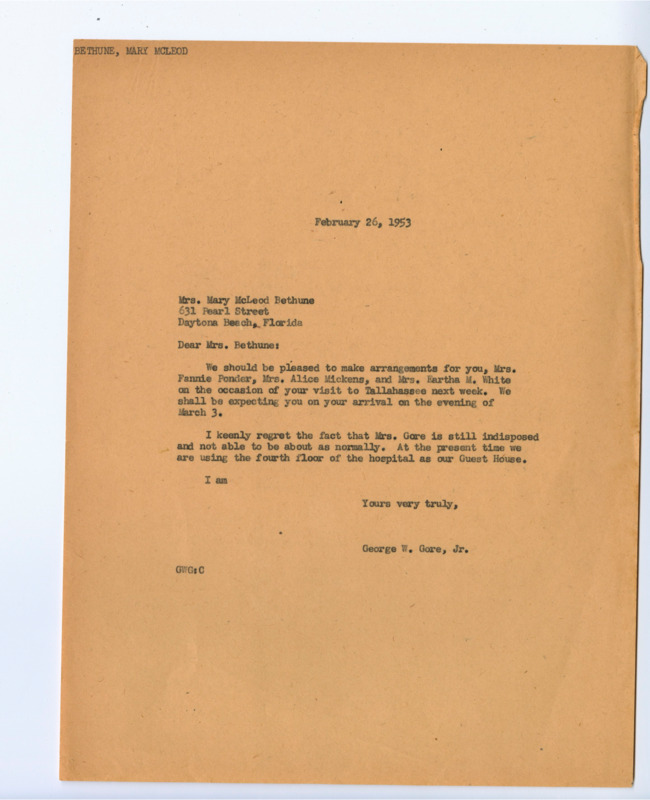
In telegrams exchanged during the months before her passing in 1955, Dr. Mary McLeod Bethune conveyed her plans to visit Tallahassee, despite the personal challenges President Gore was facing with his wife’s illness. Her dedication to the cause and support for the community remained steadfast.
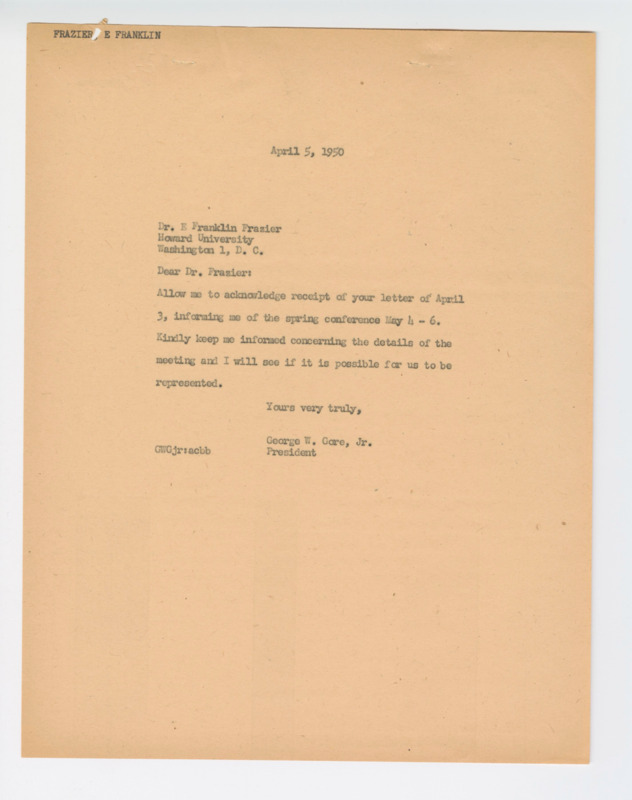
This collection of letters to and from President Gore reflects his vital collaboration with Dr. E. Franklin Frazier and leaders of Negro Land Grant Colleges. Together, they shared statistics, leadership insights, and event invitations to drive the Cooperative Social Studies Project and expand educational access.
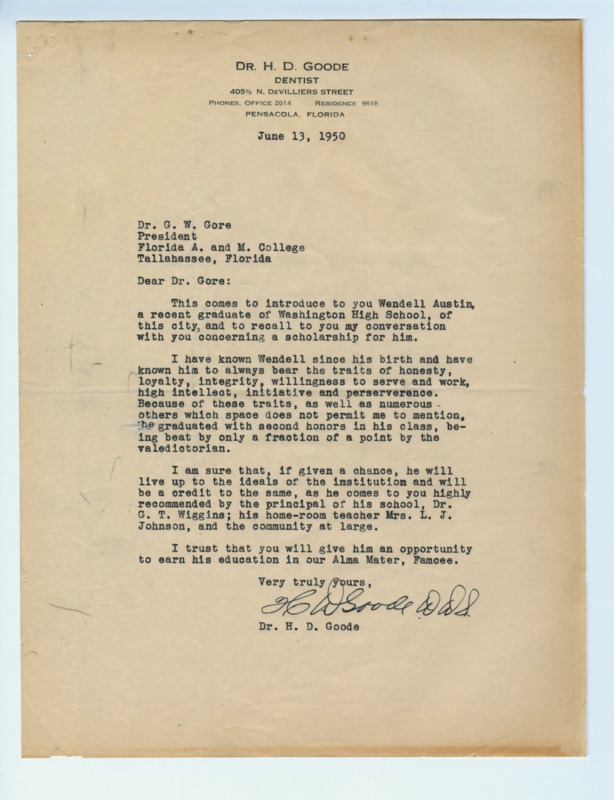
A series of letters chronicles Wendell Austin’s journey, beginning with his interest in attending Florida A&M College and securing a scholarship. The correspondence includes registration details and his campus accomplishments, culminating in his election as Student Government President in 1953.
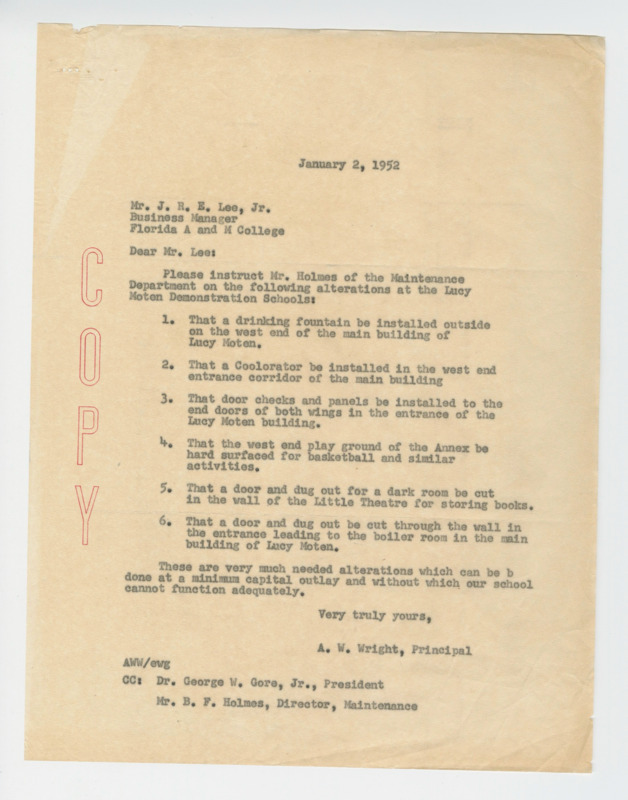
Letters regarding university renovations and a student-faculty relationship survey outlined FAMU's planned improvements, funding strategies, and renovation timelines. The communications emphasized the university's commitment to enhancing campus facilities and fostering a modern, functional environment for students and faculty.
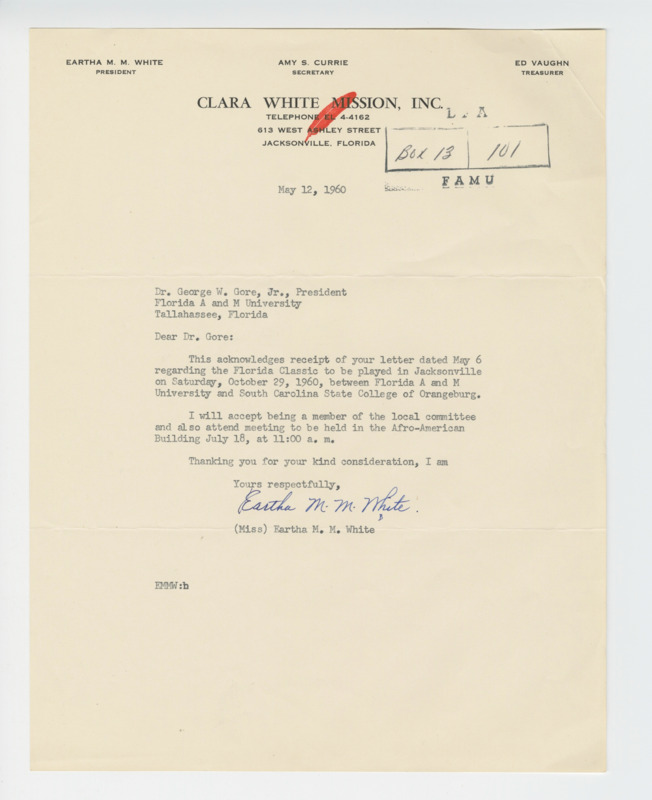
Ms. Eartha White sent a letter expressing her appreciation for joining the local committee and confirming receipt of President Gore's previous correspondence about the Florida Classic. In a separate letter, Mr. Edward Jones from the Department of Painting and Decorating highlighted the significance of African history in Florida.
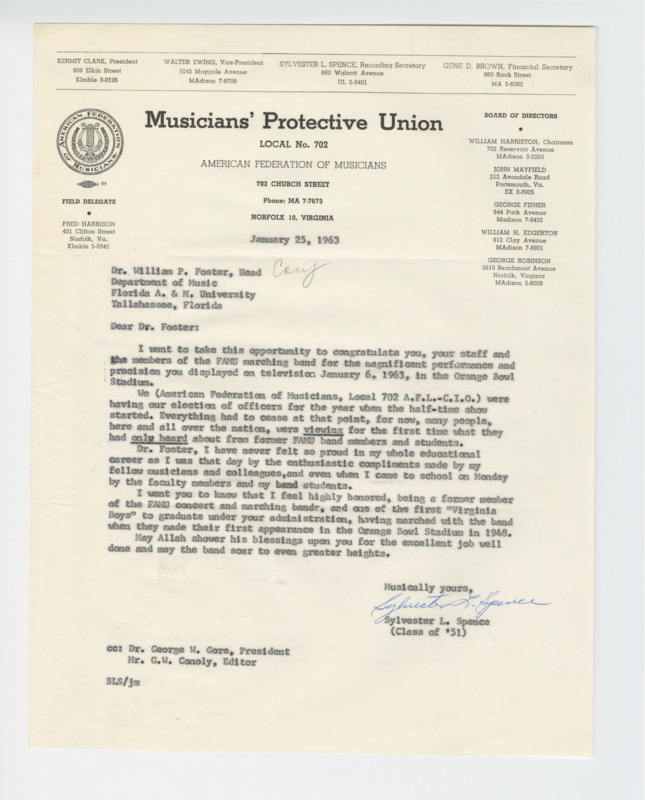
A collection of letters celebrating the accomplishments of FAMU’s Jazz Ensemble, Concert Choir, and Marching Band, all under the direction of Dr. William P. Foster from John Hopkins, founder of Hopkins University. These letters offer praise for the ensembles' performances.
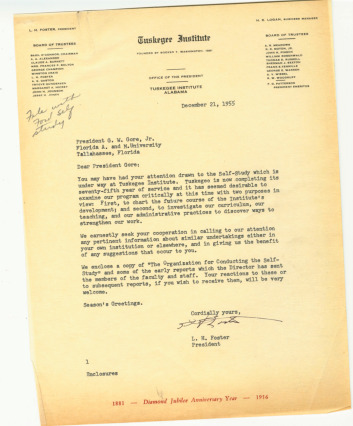
Letters exchanged with President L. H. Foster of Tuskegee University highlighted the organization of the self-study and initial reports from the director, emphasizing the steering committee’s essential role in preparing for the milestone anniversary.
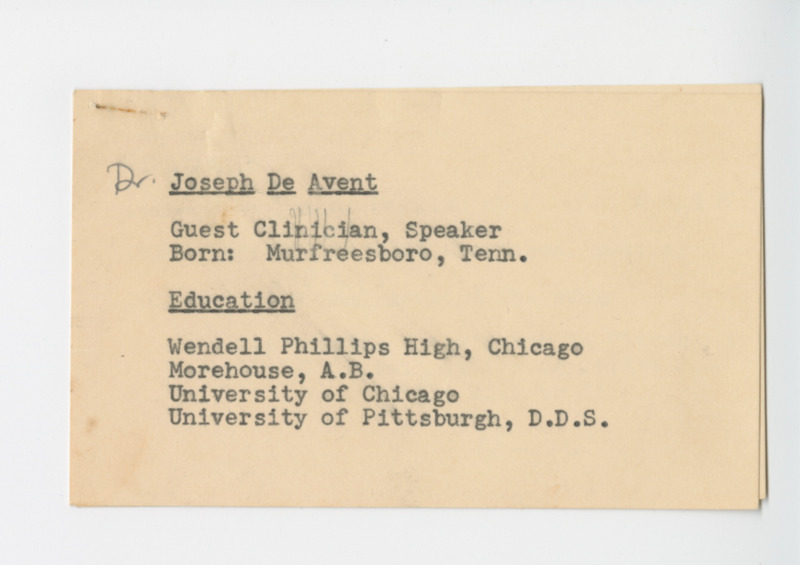
These heartfelt letters from Dr. Joseph De Avent, esteemed FAMC professor, reflect his gratitude and commitment to students and fellow educators. Filled with wisdom and encouragement, they show his enduring impact on the FAMC community and his dedication to fostering growth and excellence.
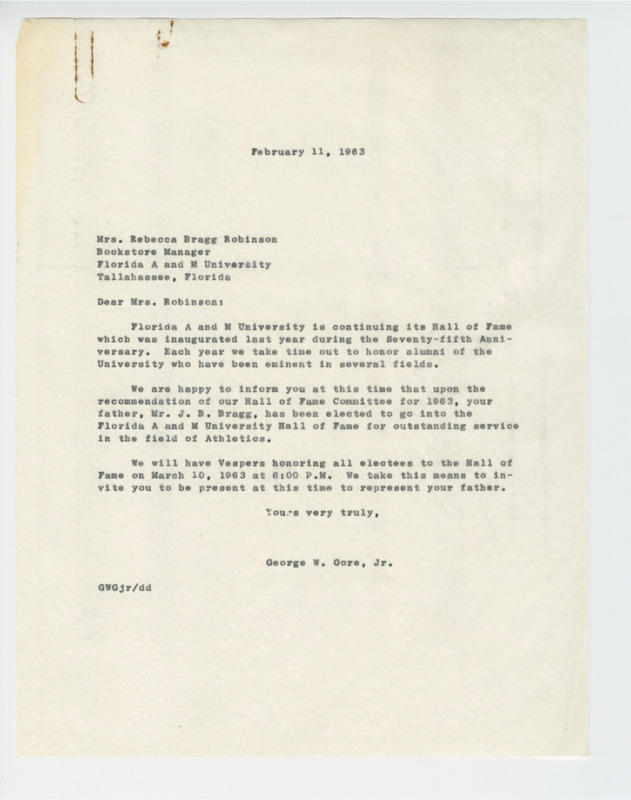
Recommendation letters from President Gore regarding FAMU's Second Annual Hall of Fame, a celebration of the university's 75th anniversary, highlight the election of Mr. David Bryant and Mr. Rufus J. Hawkins. Both accepted the invitation, while Mr. Robert Bacon regretted he could not attend due to scheduling conflicts.
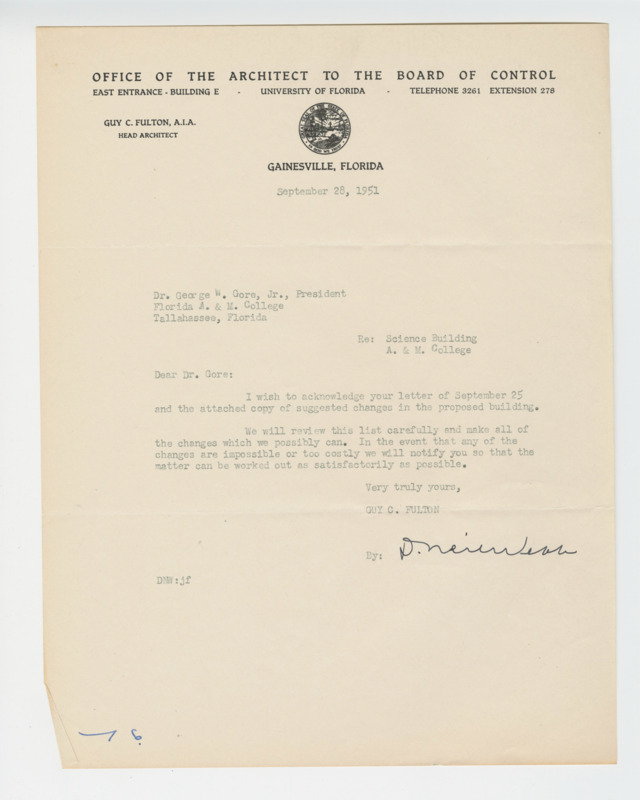
These letters concern President Gore's institutional expansion projects. The correspondences detail Mr. Guy Fulton's attempts to contact the Federal Security Agency regarding delays in the approval of critical materials needed for FAMC's Law building and the creation of the Geology and Demonstration buildings.
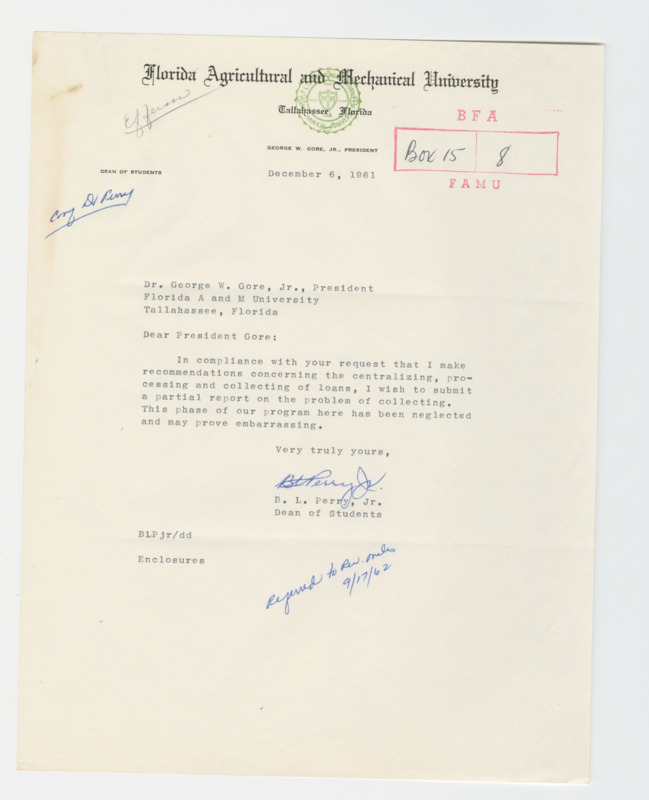
Letters between B.L. Perry, then Dean of Students, and President Gore outline Perry's two-year leave of absence from FAMU to pursue his passion for education at Michigan State University, where he served as a member of its Advisory Team at the University of Nigeria.
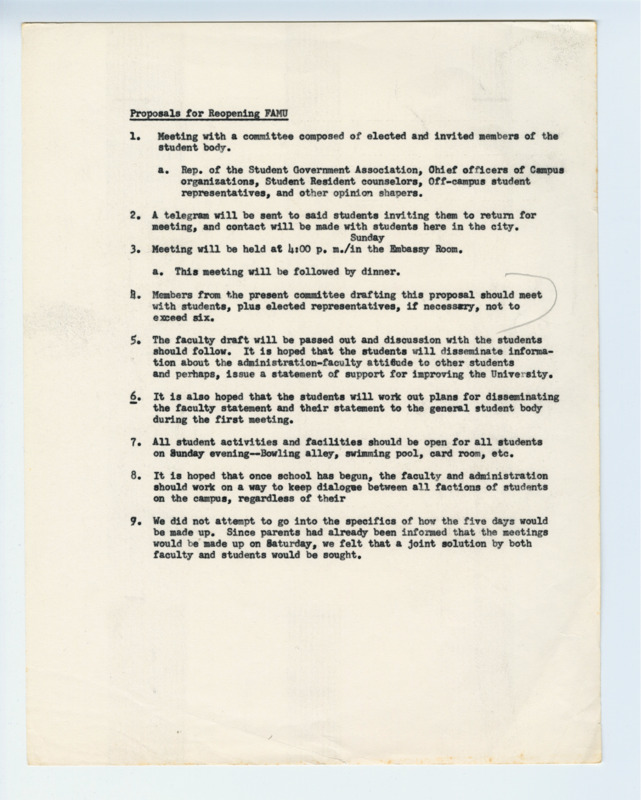
Two letters address FAMU's response to post-reform challenges. The first proposes reopening the university, calling for open dialogue among all student factions to foster unity and understanding. The second notifies students about reimbursements for unused meal tickets and laundry services and includes details on collection procedures.