The HCAC public history focused digital archive cataloging is an ongoing process, and we may update this record as we conduct additional research and review. We welcome your comments and feedback if you have more information to share about an item featured on the site, please contact us at: HCAC-DigiTeam@si.edu
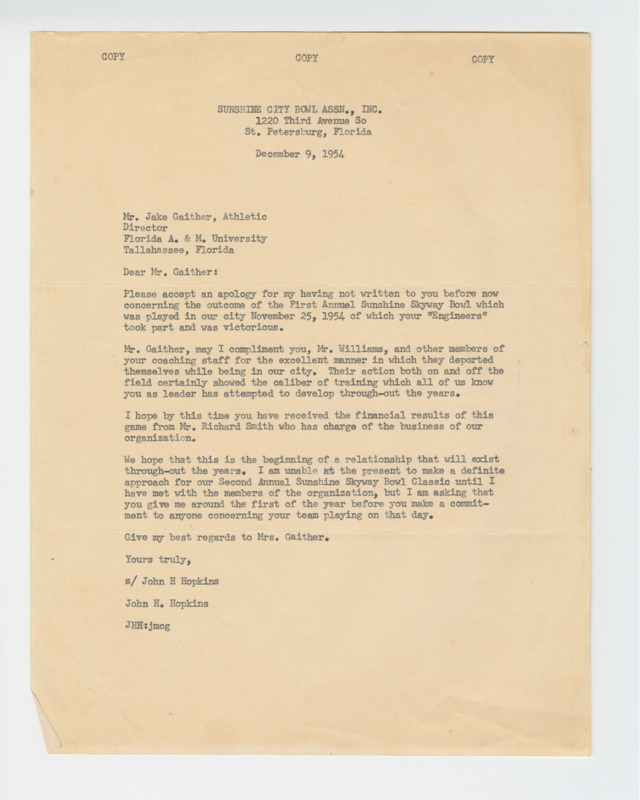
Letters recognizing Coach Alonzo "Jake" Gaither’s leadership in the athletics program at FAMU. These letters highlight achievements within the program and discuss the administration of summer school courses for student-athletes, emphasizing the importance of academic support when balancing education and athletics.
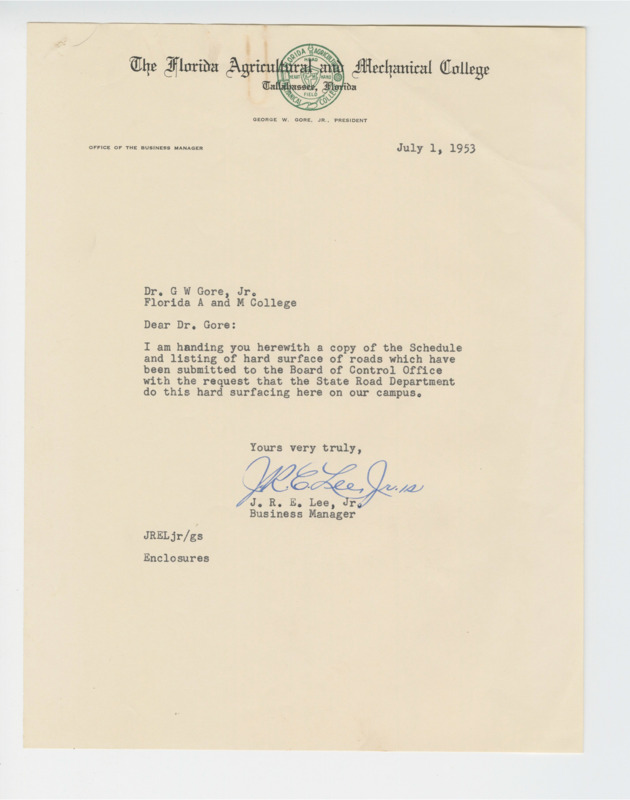
A collection of letters and documents between FAMU officials and former president Dr. J.R.E. Lee Jr. covers key operational matters, financial considerations, and administrative decisions regarding the university's budget, resources, and strategic planning.
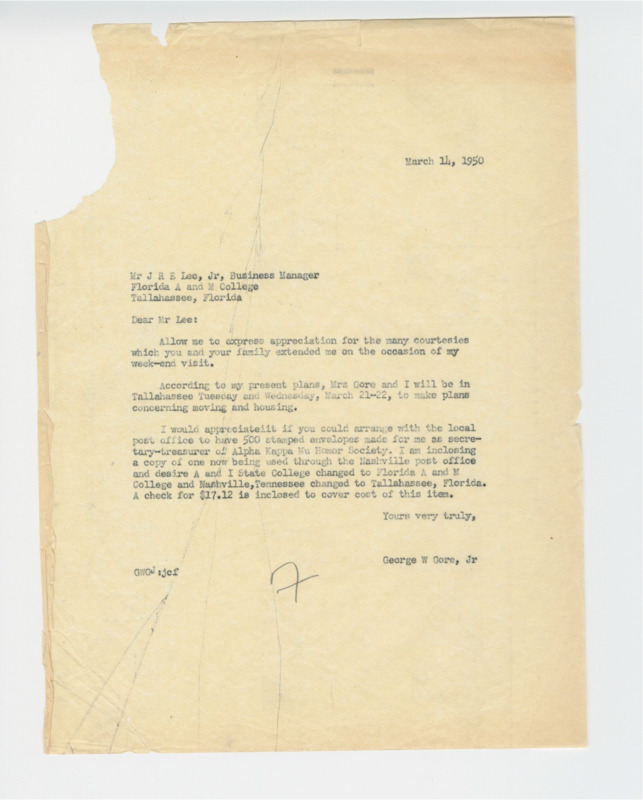
These letters provide insights into the challenges faced by FAMC in maintaining and upgrading its facilities, curriculum, and campus services. Despite evolving institutional needs, FAMC maintained a focus on improving the student experience and physical environment.
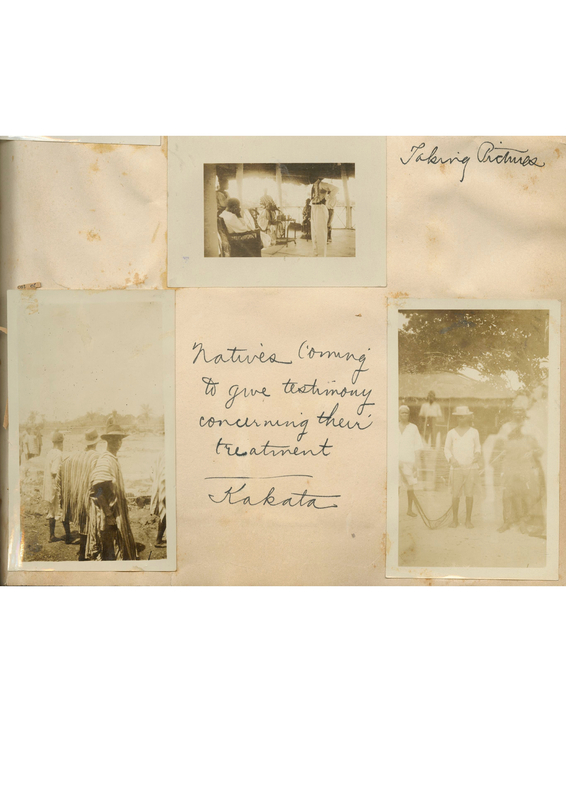
These three images, albeit faded and discolored due to being taken in the 1930s, were taken by John Frederick Matheus on a visit to Liberia for the International Commission of Inquiry. Matheus, a Florida A&M University faculty member, spent extensive time in Liberia and Haiti to contribute to research on the regions, highlighting Black voices.
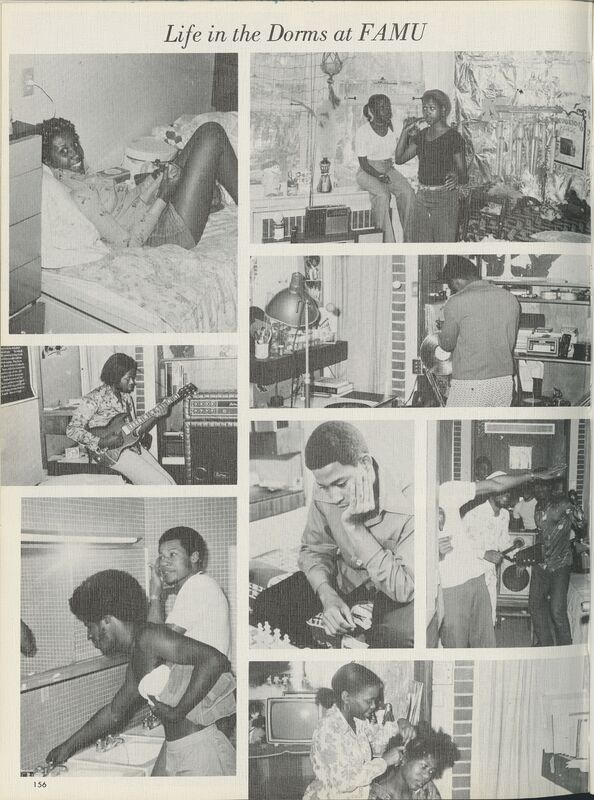
This black-and-white full-page spread featured in the 1975 Rattler Yearbook gives viewers a rare glimpse into the inner lives of Florida A&M University students. In dorm life, regular aspects of Black culture appear like braiding hair with roommates or playing chess. The next page also shows the inclusivity brought by the accessible cafeteria.
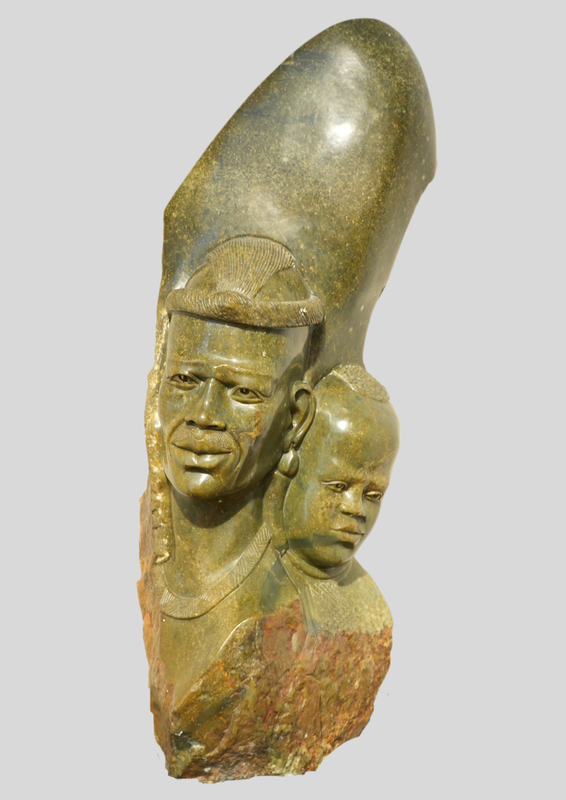
Second-generation sculptor, Joseph Mutasa, made this highly detailed, 220-pound Zimbabwean sculpture from an 800-pound block of opal stone. Showing two male figures, a father and a son, protruding from stone allows the viewer to witness the similarities between them – almost as if to say they are two sides of the same coin or, in this case, stone.
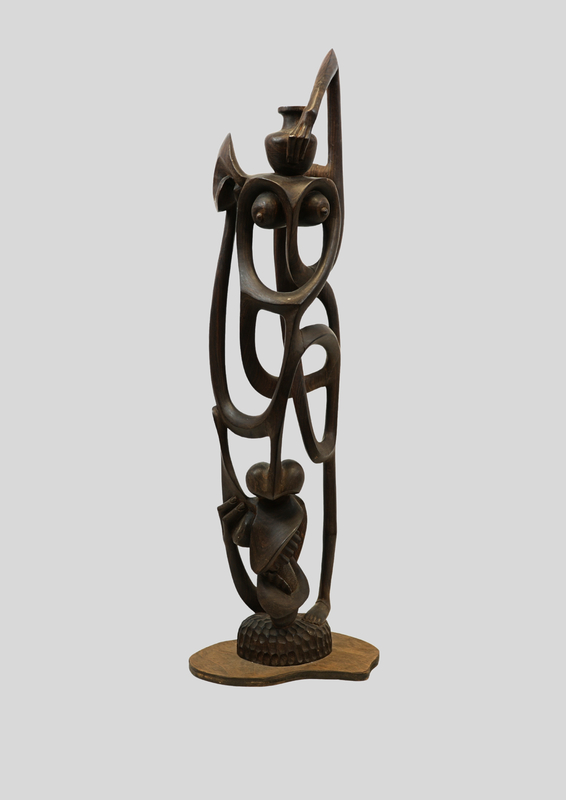
A hand-carved, wooden African Makonde Shetani sculpture likely originating from the Makonde people in Tanzania, northern Mozambique, or Kenya. The Shetani are East African Islamic spirits who are depicted in varying forms, mostly abstract and distorted, and seen as malevolent beings. The word, “shetani” itself is Swahili for “little devil.”
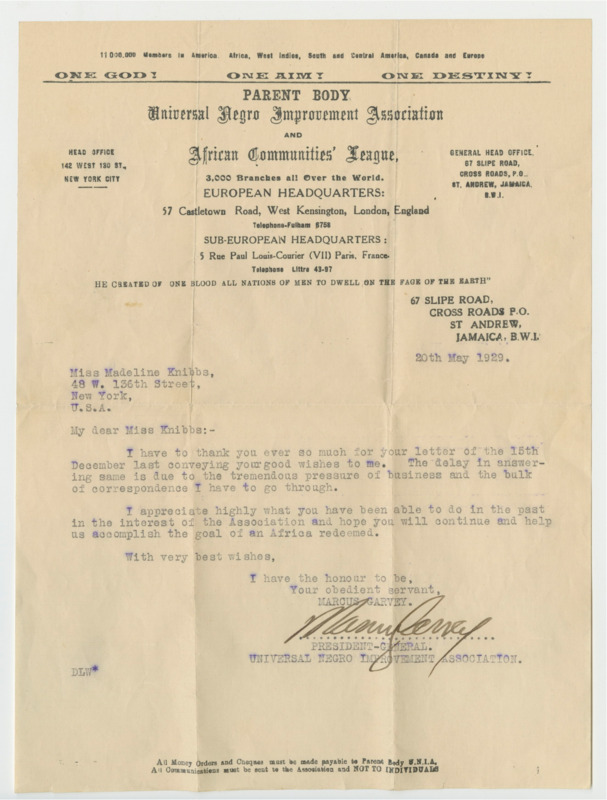
In this 1929 correspondence, Marcus Garvey, the Jamaican-born radical civil rights leader, responded to Madeline Kibbs, a little girl who joined the Universal Negro Improvement Association and African Communities League (the organization he founded). Garvey himself signed this rare, original letter.
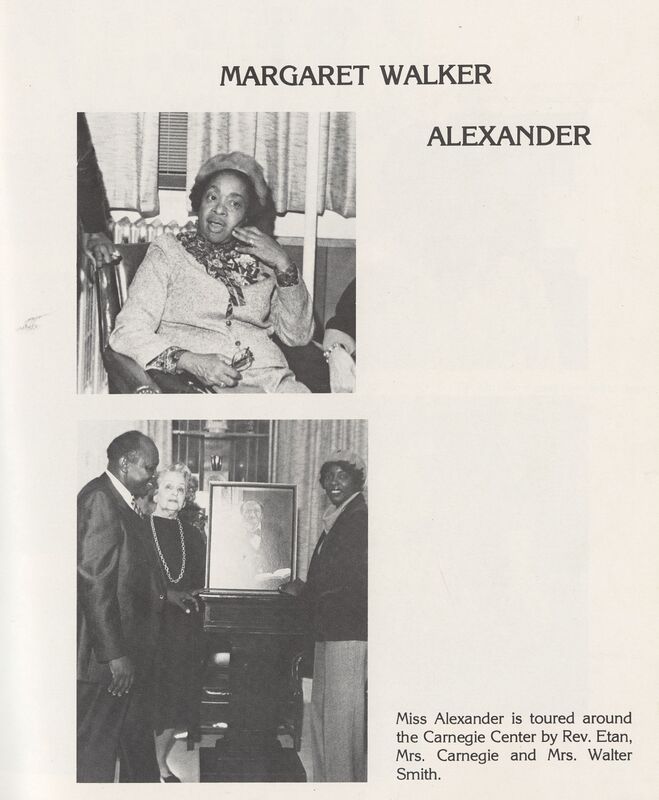
Margaret Walker was a poet best known for her role in the Chicago Black Renaissance, a Black literary movement. Her first poetry collection, For My People, won the Yale Series of Younger Poets Award, making her the first Black woman to do so. 1981, she visited the Carnegia Center, a.k.a Carnegie Library, at the Meek-Eaton Black Archives.
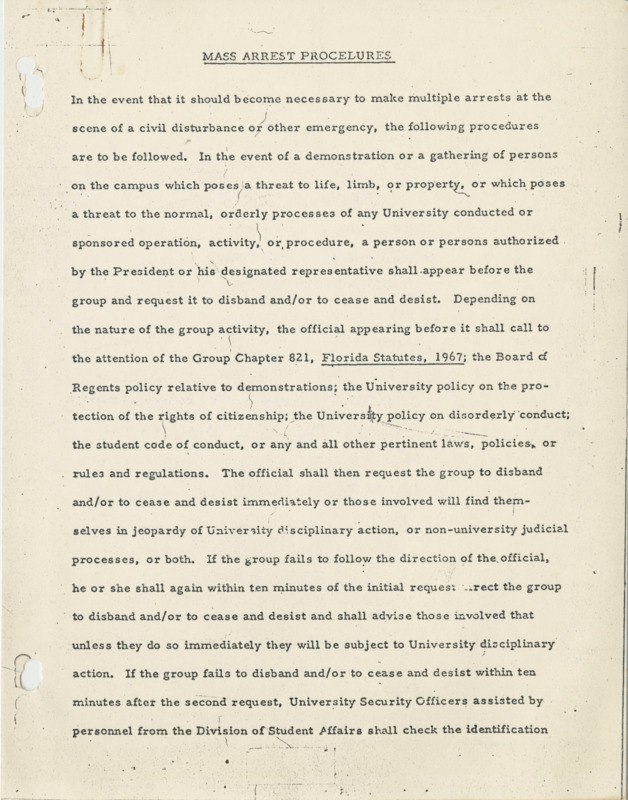
A document outlining mass arrest procedures for situations requiring multiple detentions due to disorderly conduct. It includes a detainee arrest form to ensure proper documentation and consistent handling of suspects during large-scale events, emphasizing the need for efficiency and adherence to legal protocols from the Florida Statutes of 1967.
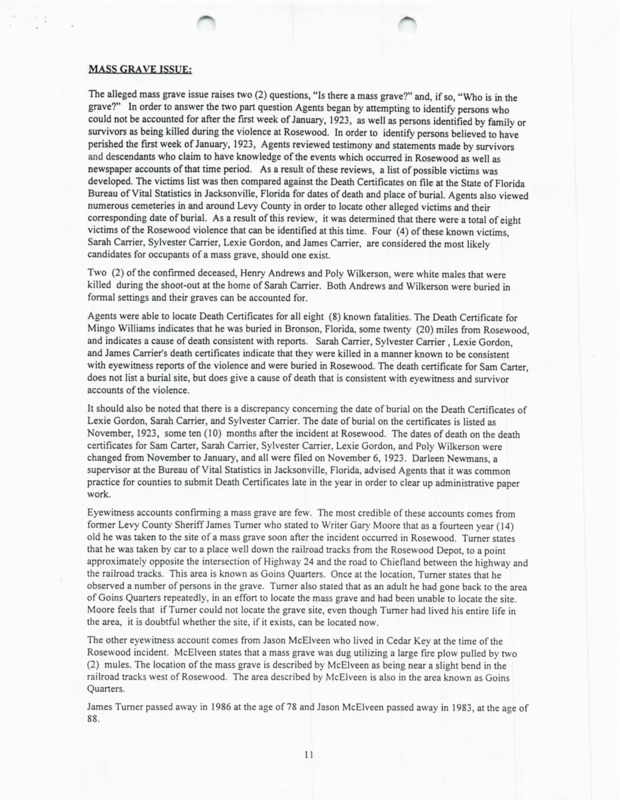
This document is an excerpt from a larger report. It focuses on the “alleged mass grave issue,” where investigators of the 1923 Rosewood Massacre tried to determine the location and names of unaccounted-for unidentified persons after the first week of the massacre, where burning, looting, and killing were at their peak.
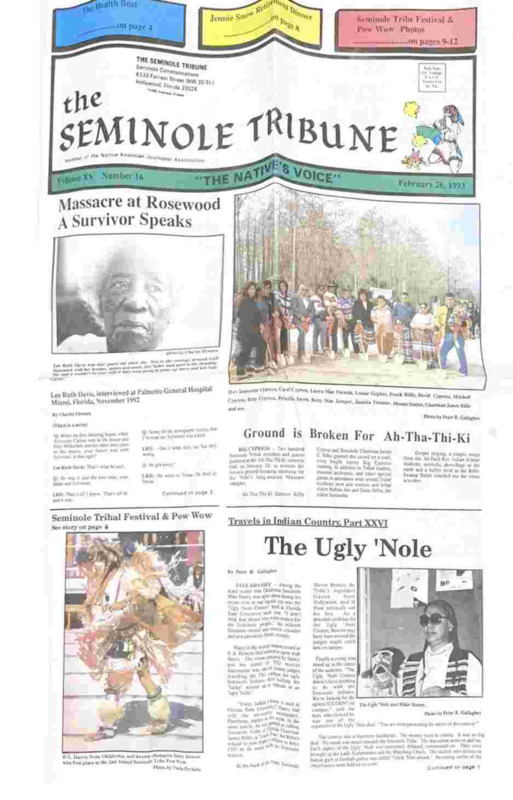
This newspaper clipping from the February 1993 issue of the Seminole Tribune features testimony from the 1923 Rosewood Massacre. Lee Ruth Davis was interviewed by one of their journalists at Palmetto General Hospital in Miami, Florida in November 1992.
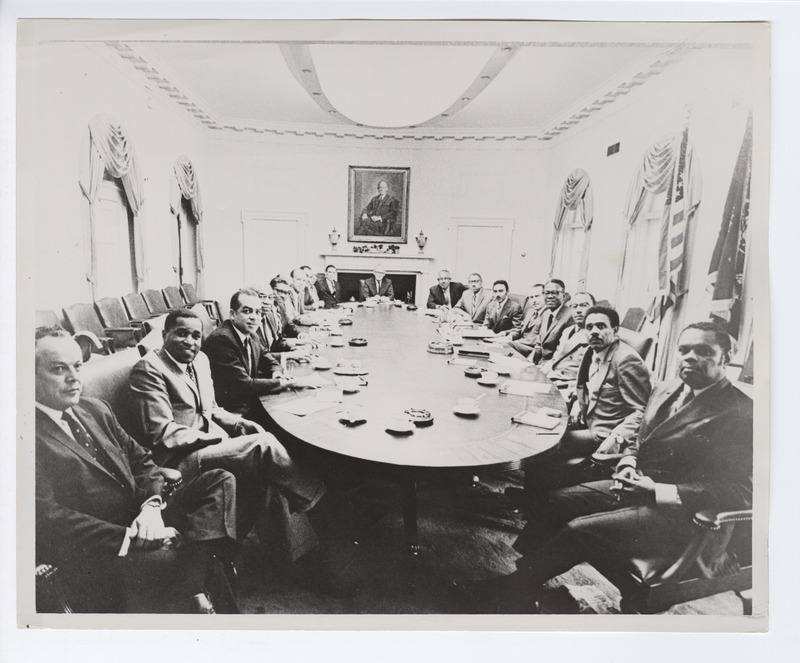
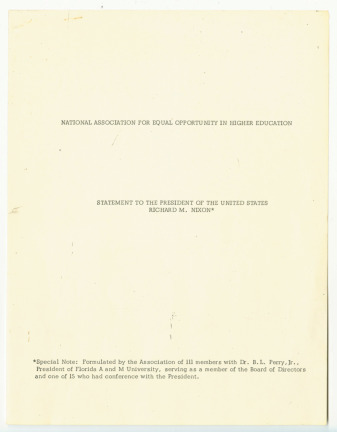
On May 20, 1970, various Historically Black Colleges/Universities presidents met with President Richard Nixon to represent their schools for the National Association of Equal Opportunity in Higher Education. Those included were Florida A&M President Benjamin L. Perry, Jr., Meharry Medical College leader Lloyd C. Elam, and many more.
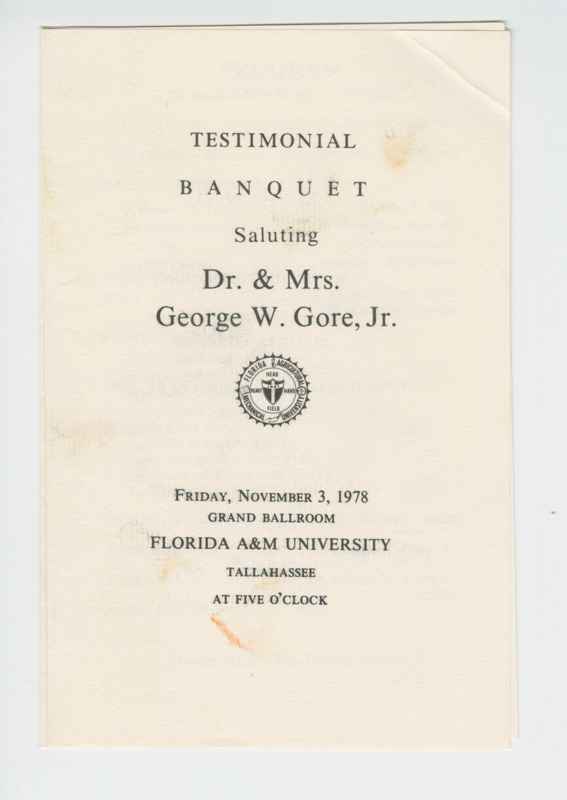
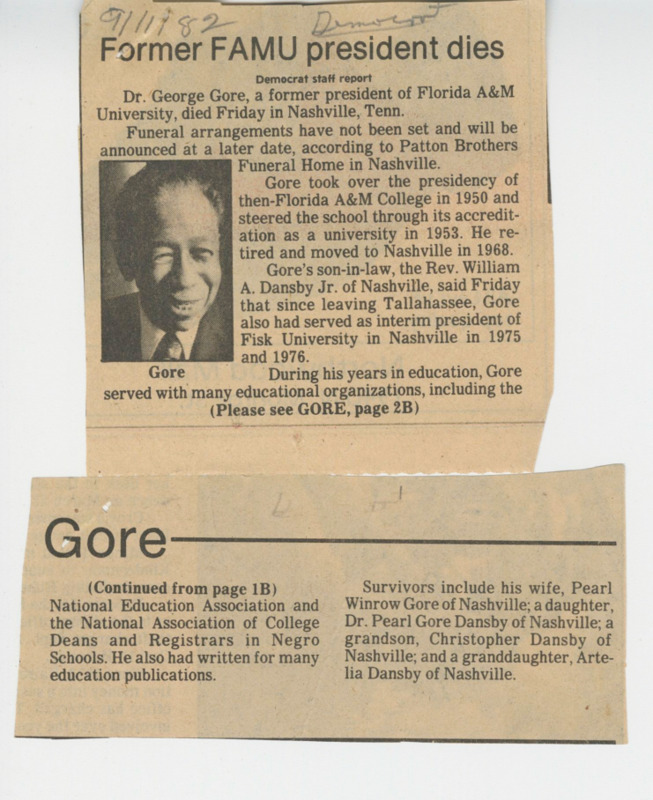
Memorabilia from President Gore's tenure at FAMC and FAMU include newspaper clippings, door plaques, and a special ten-year celebration schedule. These items mark the milestones of his leadership, serving as a testament to his enduring legacy and impact on the institution.
Memorabilia from President Gore’s 1982 Alpha Kappa Mu fraternity includes letters of condolence and recognition of his achievements. The collection also features invitations to dinner parties and luncheons honoring both Dr. Gore and his wife, Mrs. Pearl Gore, to celebrate their lasting contributions to the university and community.
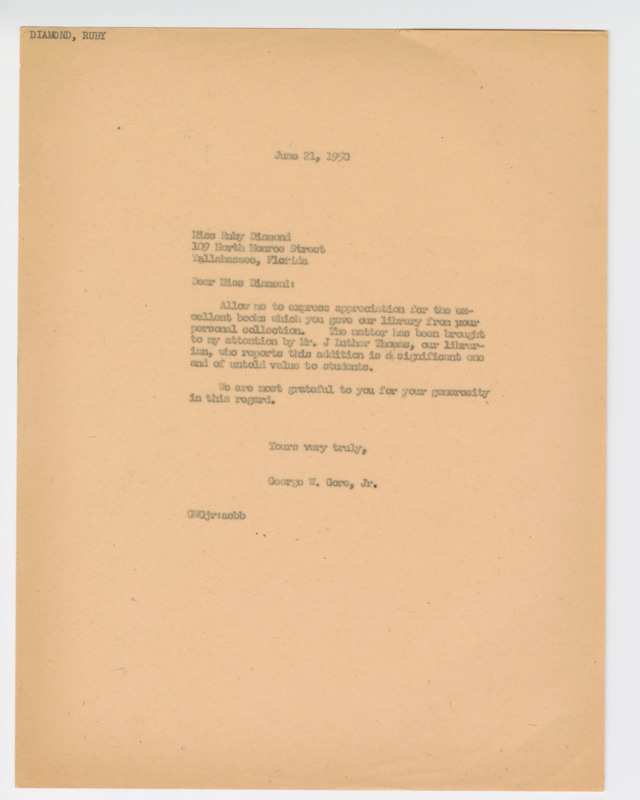
Devoted to expanding educational access, FSU alumnae Ms. Ruby Pearl Diamond corresponded with President George W. Gore to establish FAMU’s first scholarship of $200.00. Aimed at supporting a Black woman in Leon County, this scholarship marked a milestone for academic opportunity and empowerment at FAMU.
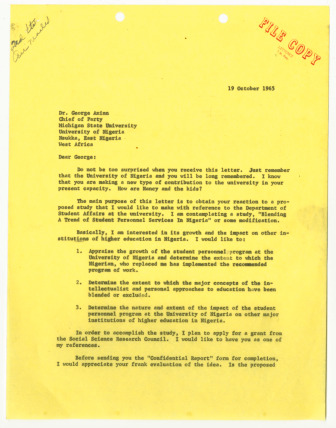
These letters detail the story of Florida A&M’s collaboration with Michigan State University to develop a Nigeria-based outreach program at B. L. Perry, Jr.’s behest. They provide a glimpse into his interest, the successes of the program, especially from a student’s perspective, and the abrupt interruption of it due to geopolitical upheaval.
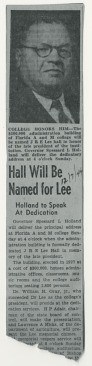
One of the most prominent symbols of Florida A&M includes Lee Hall, north of the Eternal Flame, which sits squarely in the middle of the campus quad. This newspaper clipping describes the $300,000 administrative building and how its namesake, former FAMU president J. R. E. Lee.
This statement to the President of the United States, Richard M. Nixon, was created by the association of 111 members with Florida A&M President Dr. Benjamin L. Perry, Jr., serving as a member of the Board of Directors and one of 15 members who had a conference with the former. It discusses equal opportunity and race relations in education.
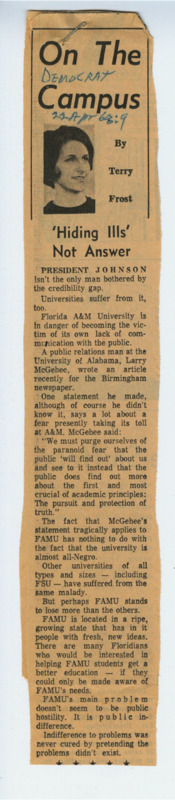
Newspaper clippings and an article from The FAMUAN honor President Gore’s remarkable legacy with heartfelt expressions of respect, fidelity, and admiration. The pieces celebrate his transformative leadership, unwavering dedication to FAMC and FAMU, and his lasting impact on education, students, and the broader university community.
Newspaper clippings from 1968 detail FAMU students' civil rights reform efforts after several arrests. President Gore sought to calm tensions, discouraging protests to preserve stability and FAMU’s reputation. Despite his stance, the movement continued, and his resignation later followed these events.
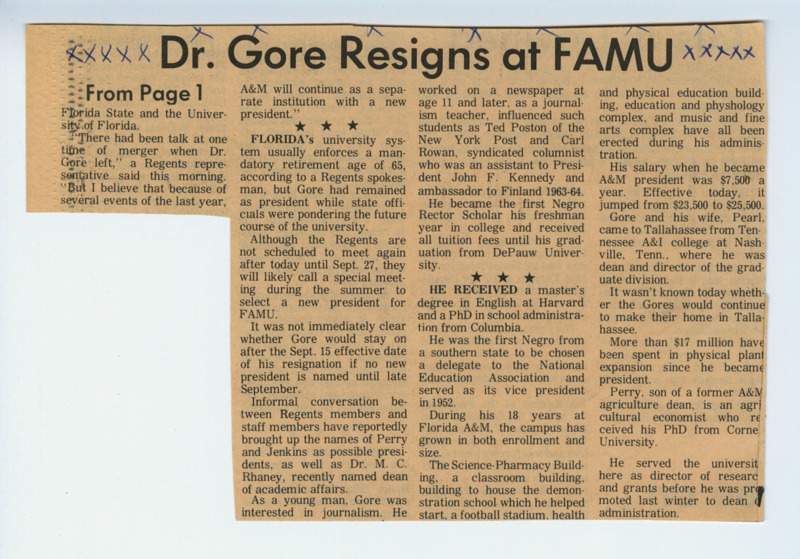
Newspaper clippings and an article from *The FAMUAN* reflect on President Gore’s resignation in 1968, marking the end of a distinguished era of leadership. The pieces highlight his transformative contributions to FAMC and FAMU, his dedication to education, and the enduring legacy he left on the university and its community.
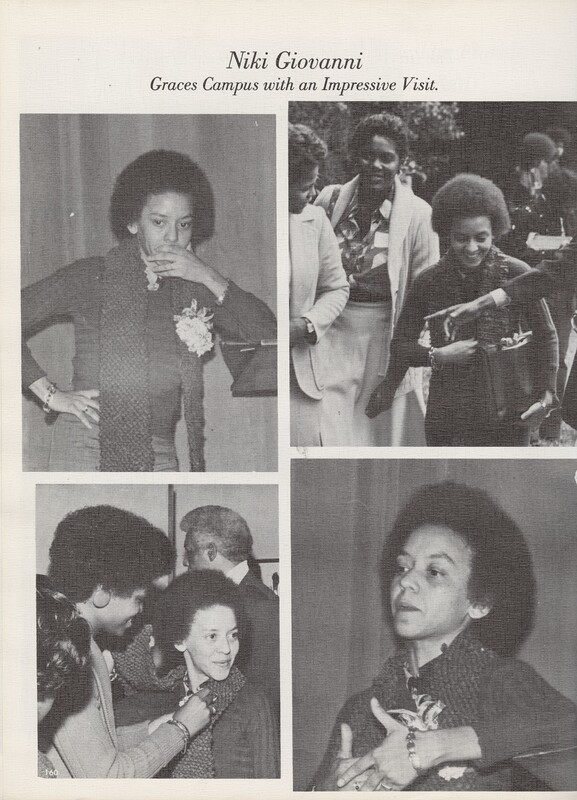
Nikki Giovanni, a highly awarded African American poet, visited the campus of Florida A&M University in 1975. In these images, Giovanni is seen being gifted a corsage by students, walking around campus, and speaking on a stage.
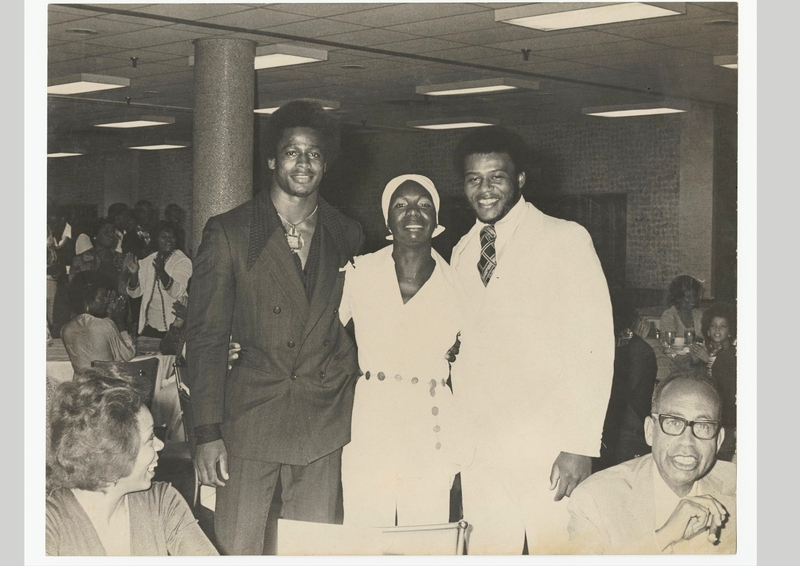
In this rare photograph, Nina Simone stands with A. Poole (as inscribed on the back of the photo) and another unidentified Black male. The trio is posing in the middle of what appears to be a Florida A&M event banquet, as people eat around them while others dance in the background. It’s unclear when this was taken.
The 1994 Notice of Hearings from the state of Florida proposed $7.2 million in compensation for the destruction of Rosewood, a Black community subjected to a violent, racial attack. The hearings aimed to address the lasting impact of the massacre and sought justice and acknowledgment for the survivors and their families.
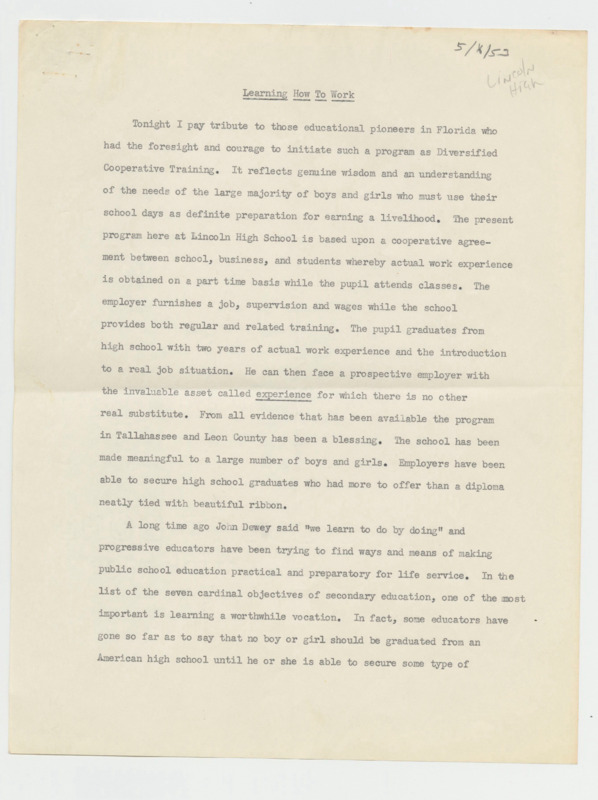
President Gore’s speech at Lincoln High School outlined his vision for a Diversified Cooperative Training (DCT) program. He detailed plans to expand practical education for young workers statewide, emphasizing innovation, opportunity, and the power of education to transform Florida’s workforce.
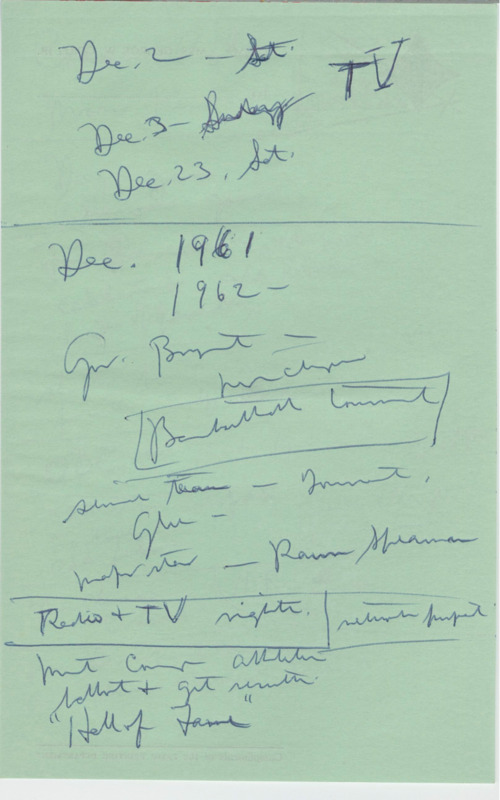
President Gore’s handwritten speeches from 1961 to 1963 encompass remarks delivered at various meetings and convocations. These speeches reflect his vision for Florida A&M University, emphasizing academic growth, community involvement, and the university’s ongoing commitment to excellence during a pivotal period in its history.
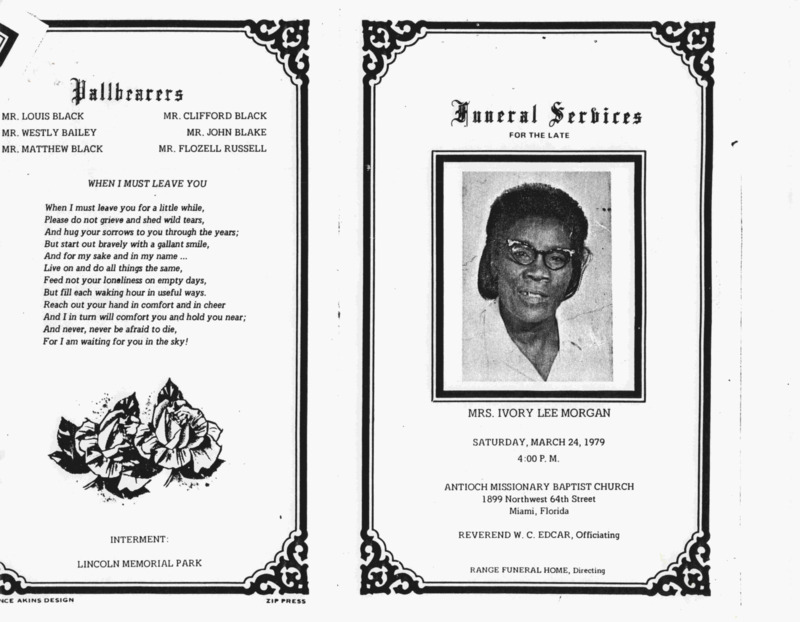
Obituaries from descendants of Rosewood used to verify the death of family members and prevent false claims. These obituaries honor those who survived the massacre by detailing their contributions to the community and preserving the legacy of resilience and strength endured through generations.
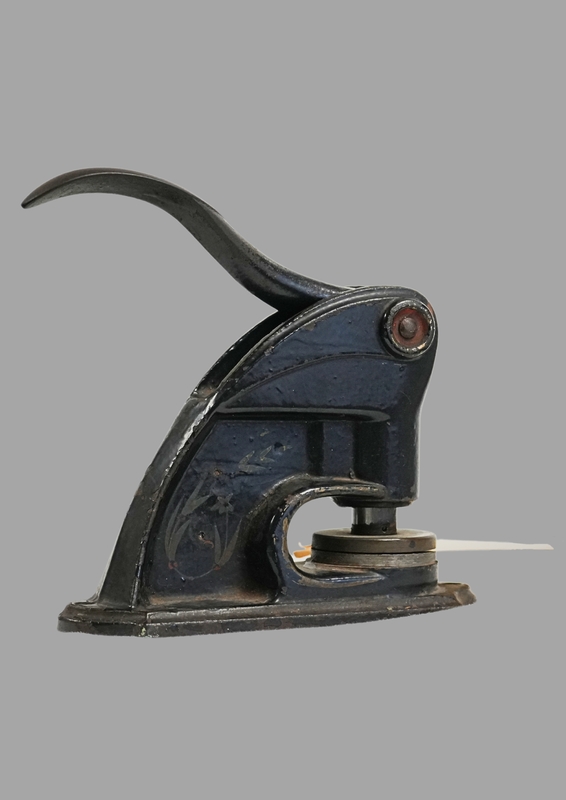
Florida A&M School for Negroes embossing stamp is a significant artifact from the institution's early history, representing the legacy of African American education in Florida. This brass stamp, used for official documentation, embodies the resilience and determination of the community in pursuit of educational opportunities.
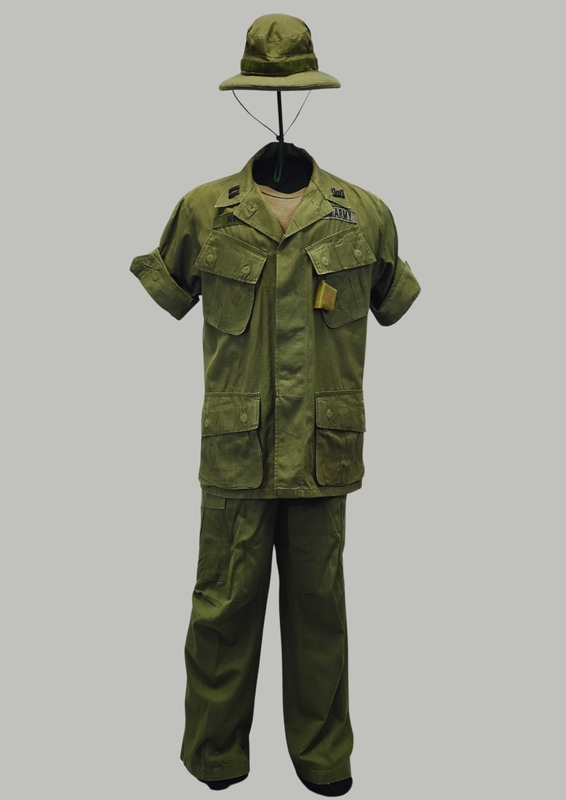
Clothing worn by FAMU alumnus, Captain James L. Moran when deployed to Honduras, Central America. The mission was called in Spanish, "Ahaus Tara Dos" (Big Pine Two). Captain Moran was tasked with the construction of housing for military personnel and a temporary C 130 Aircraft Runway to deliver supplies and transporting of military personnel.