The Margaret Walker Center is an archive and museum dedicated to the preservation, interpretation, and dissemination of African American history and culture. Founded as the Institute for the Study of the History, Life, and Culture of Black People by Margaret Walker in 1968, the Center seeks to honor her academic, artistic, and activist legacy through its archival collections, exhibits, and public programs. Open to the public, the Center houses significant records like the papers of the late Margaret Walker; those of the former U.S. Secretary of Education, Roderick Paige; and an oral history department that includes nearly 1000 interviews. It also offers museum and exhibit spaces that highlight the Center’s collections and the history of Jackson State University.
Curated By
Garrad Lee
Date Modified
2025-12-12
Rights
All rights held by the Margaret Walker Center. For permission to publish, distribute, or use this image for any other purpose, please contact Margaret Walker Center, Jackson State University, 601-979-3935 Attn: Center Director
About This Record
The HCAC public history focused digital archive cataloging is an ongoing process, and we may update this record as we conduct additional research and review. We welcome your comments and feedback if you have more information to share about an item featured on the site, please contact us at: HCAC-DigiTeam@si.edu
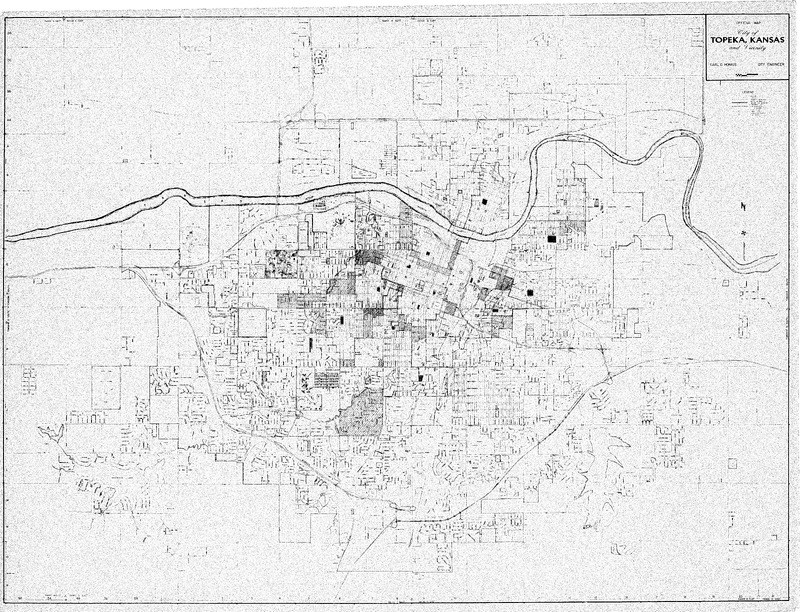
Case Data and Exhibits for Brown III, a relitigation of Brown v. Topeka Board of Education (1954) that corrected resegregation issues caused by open enrollment school choice in 1992. The map includes hand drawn markings by William Lamson that mark different schools, homes, and sections of neighborhoods.
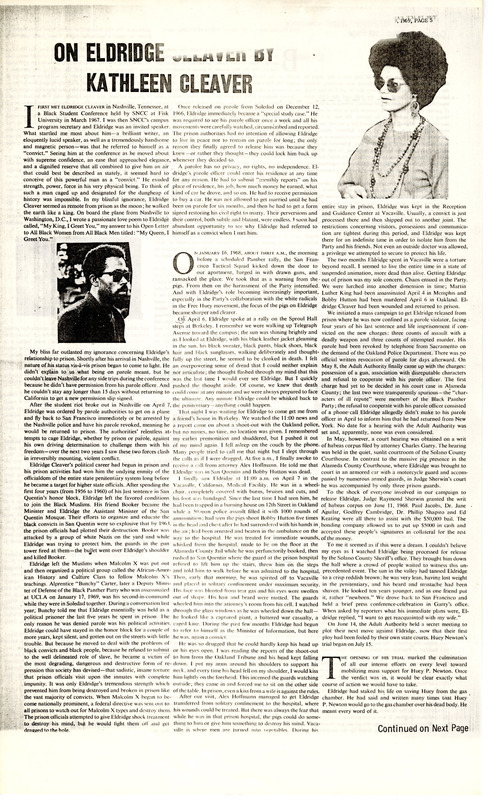
A newspaper article from The Black Panther by Kathleen Cleaver about her relationship with her then-husband Eldridge Cleaver and the legal issues he faced after an April 6, 1968, shootout with the police in Oakland, California. It is noted at the end of the article that it was reprinted from Ramparts Magazine.
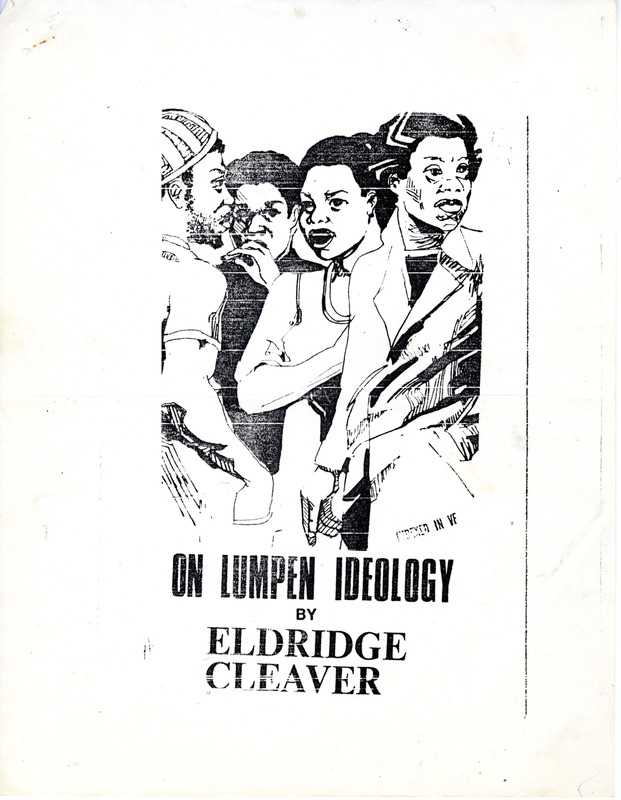
A journal article originally published in The Black Scholar in 1972. In the article, former Black Panther Eldridge Cleaver writes about Black liberation and the lumpenproletariat. Marx and Engels identified the lumpen as the underclass devoid of class consciousness. Cleaver, however, argues that the class can be organized and used in the movement.
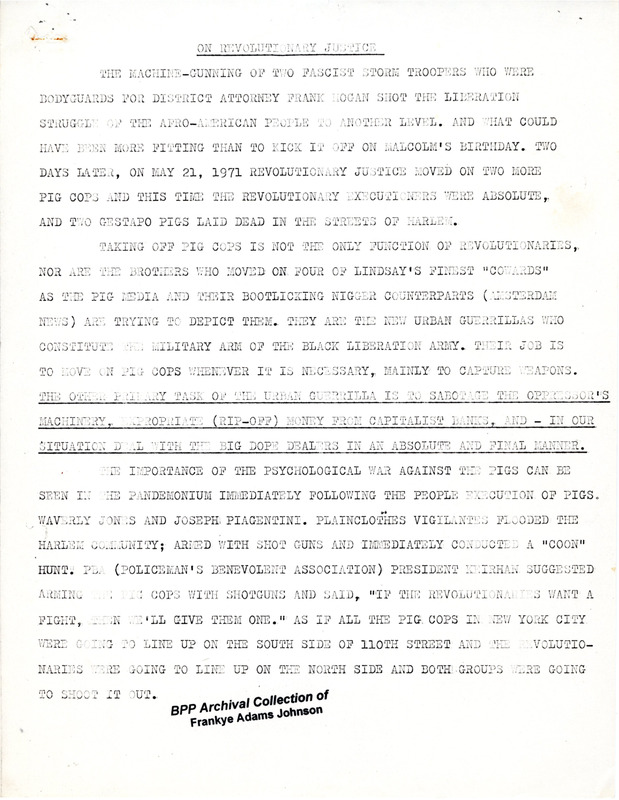
A short essay about the revolutionary killing of cops. The author gives two recent examples of revolutionaries killing cops, saying the killers are urban guerillas who constitute the military arm of the Black Liberation Army (BLA). The tagline of the essay is “All Power to the New Urban Guerilla, War to the End.”
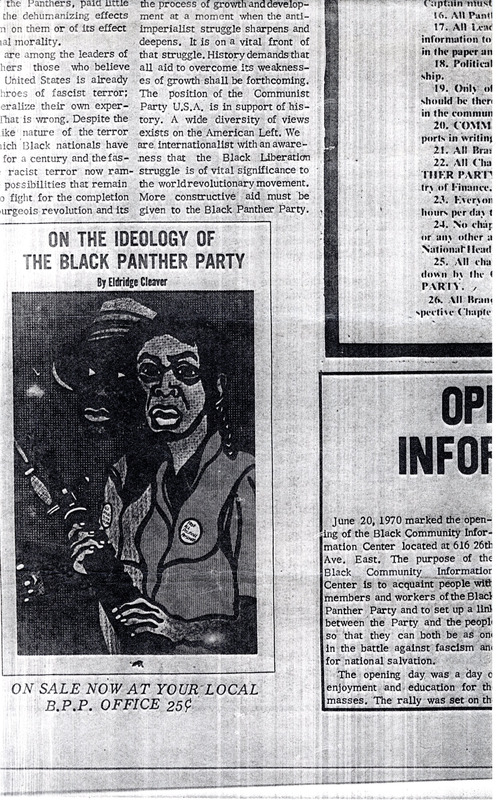
The artwork and advertisement in the newspaper The Black Panther for a series of articles titled “On the Ideology of the Black Panther Party” by Eldridge Cleaver. At the time, Cleaver was serving as Minister of Information for the Black Panther Party in Oakland, California.
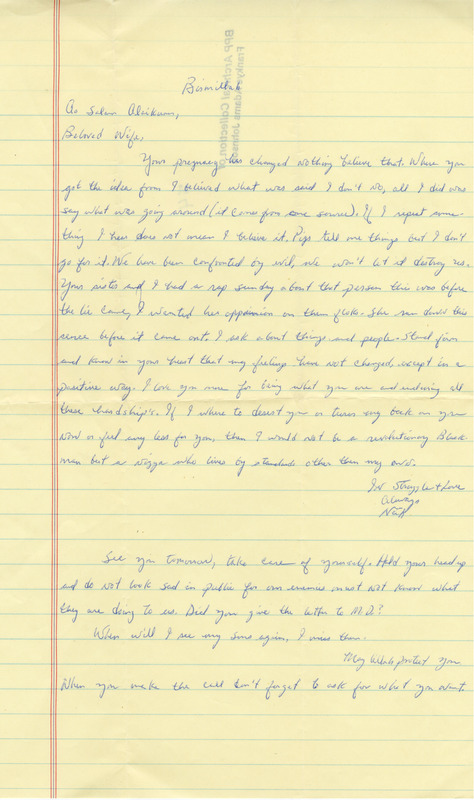
Nuh Abdul Qaiyum, who is imprisoned, is writing to reassure Frankye Adams-Johnson (Malika) of his love for her regardless of her pregnancy. He goes on to explain the things people tell him and the evil that comes for them. He tells her that they will remain strong in faith and in public.
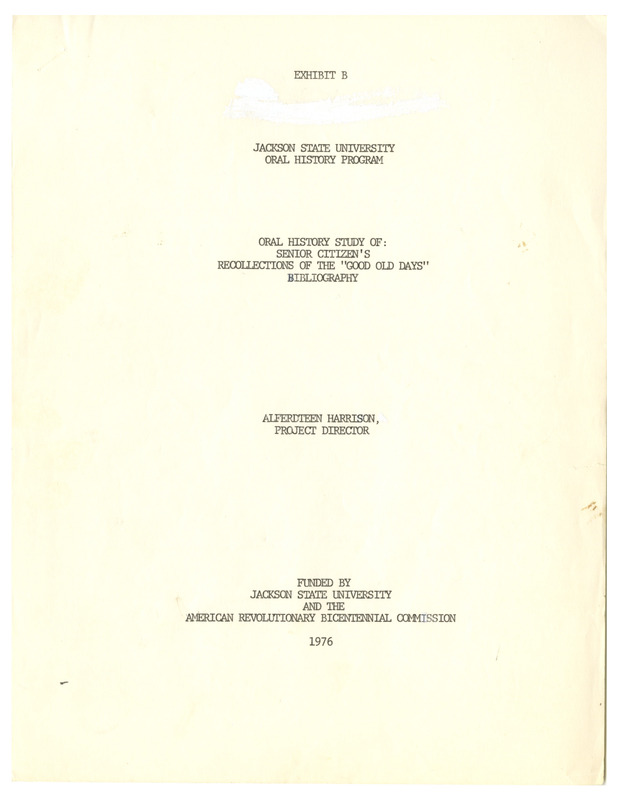
A List of interviews conducted as part of the "Good Old Days" Oral History Project. Each entry in the bibliography includes the name of the interviewee as well as biographical information, interview date, interviewer name, length of interview, and catalog number.
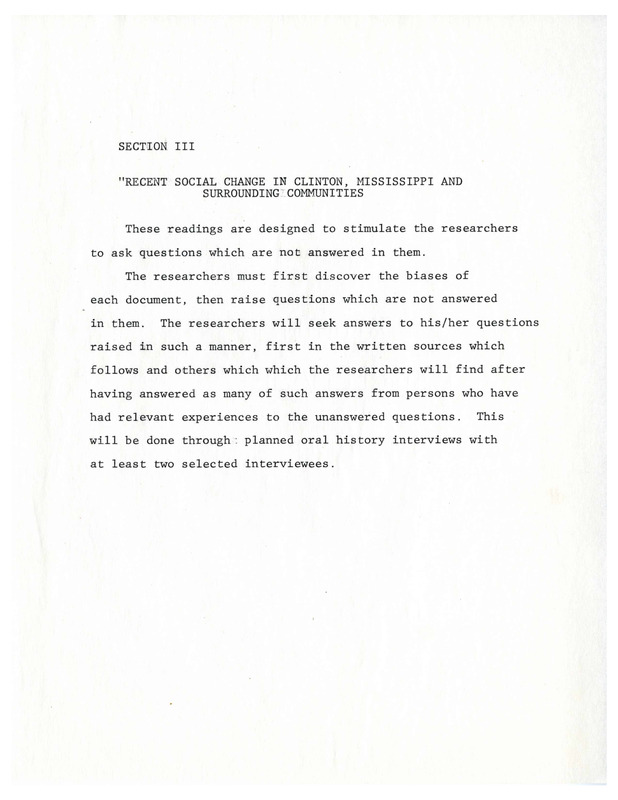
Materials from an oral history workshop held at Jackson State University in conjunction with the Clinton Project Oral History Collection. Includes staff handbook, reading assignments, and schedules.
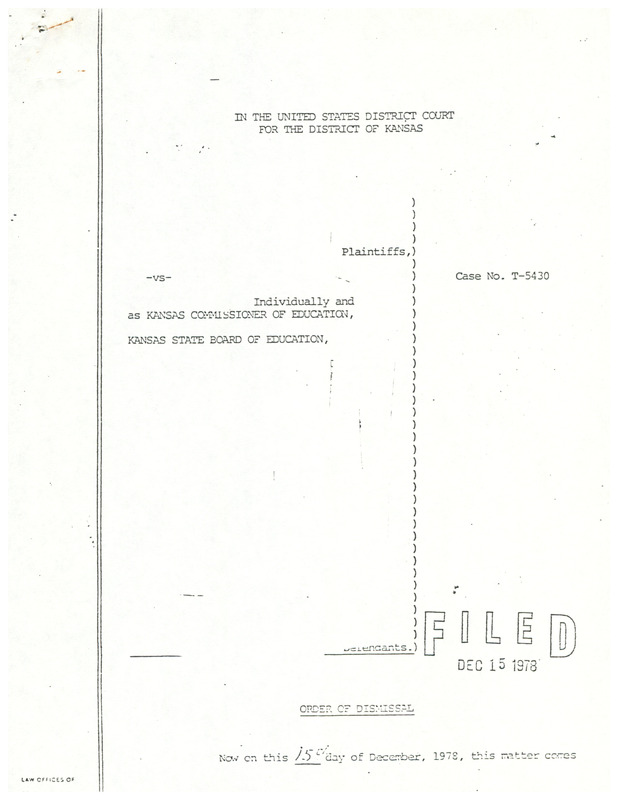
Case Data and Exhibits for Brown III, a relitigation of Brown v. Topeka Board of Education (1954) that corrected resegregation issues caused by open enrollment school choice in 1992. A court order dismissing a plaintiff (name is redacted because they are a minor) and affirming a $19,500 plus costs settlement for the plaintiff.
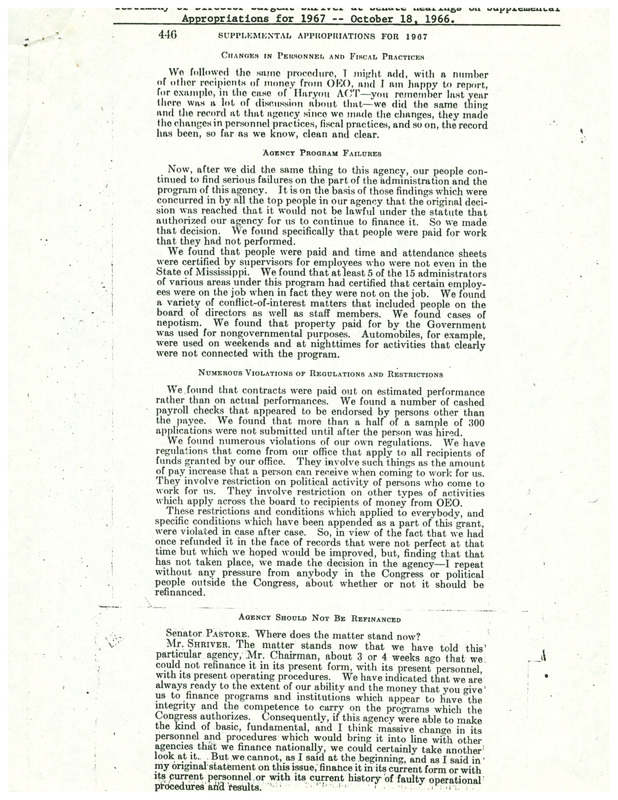
In this report on supplemental appropriations by the Office of Economic Opportunity (OEO) for Child Development Group of Mississippi (CDGM), the OEO outlines the decision not to fund CDGM because an investigation showed discrepancies in finances and operating procedures. OEO suggests funding can be regained if CDGM makes operational changes.
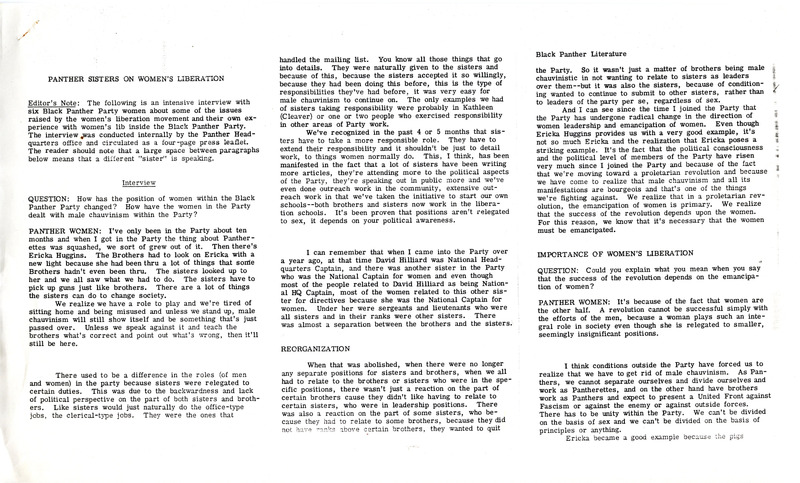
An interview with six unnamed Black Panther Women about the women's liberation movement and their experience with women's liberation within the Black Panther Party itself. The interviews were conducted at the Black Panther Party Headquarters on September 17, 1969 and circulated as a 4 page leaflet.
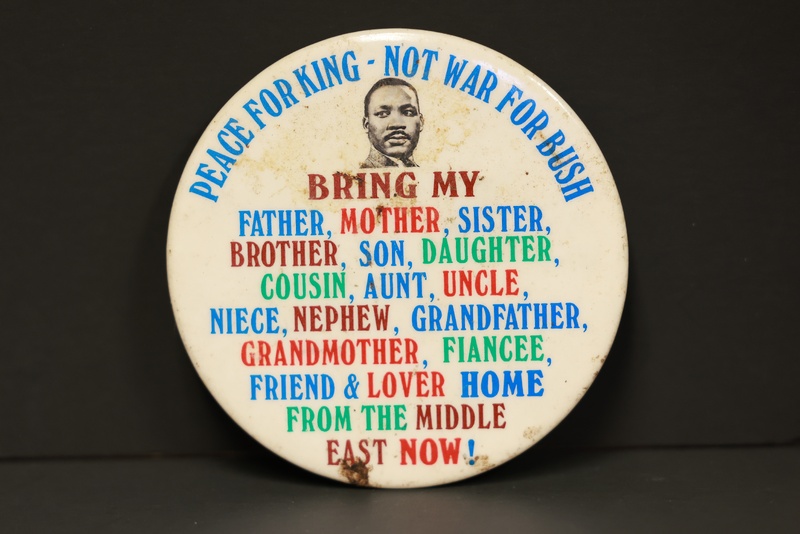
A white button with a picture of Dr. Martin Luther King. The text says "Peace for King-Not War for Bush: Bring my father, mother, sister, brother, daughter, cousin, aunt, uncle, niece, nephew, grandfather, grandmother, fiancee, friend & lover home from the Middle East now!"
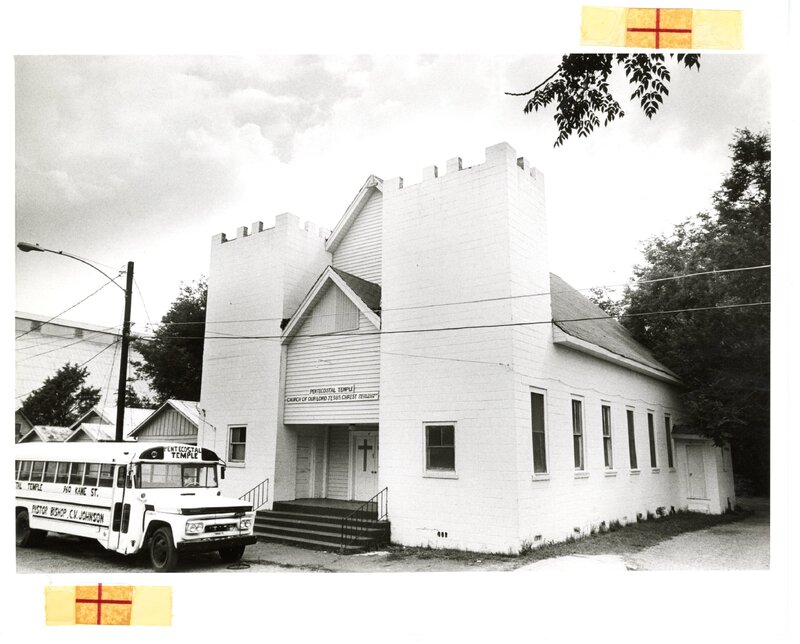
A photograph of the Pentecostal Temple Church of Our Lord Jesus Christ on Kane St. in the Historic Farish Street District. The church bus is parked in front of the entrance. Notation on the photograph indicates the church was built ca. 1935.
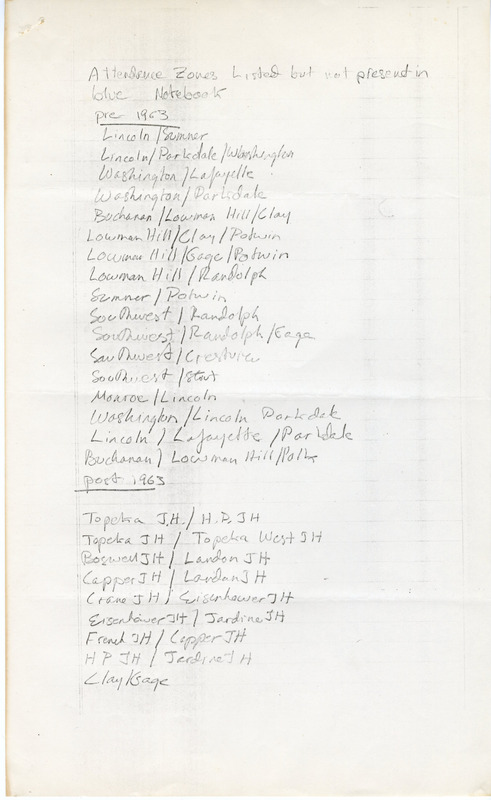
Case Data and Exhibits for Brown III, a relitigation of Brown v. Topeka Board of Education (1954) that corrected resegregation issues caused by open enrollment school choice in 1992. Photocopy of "Attendance Boundaries Listed but not Present in Blue Notebooks" for Topeka, Kansas, by William Lamson with headings for pre-1963 and post-1963.
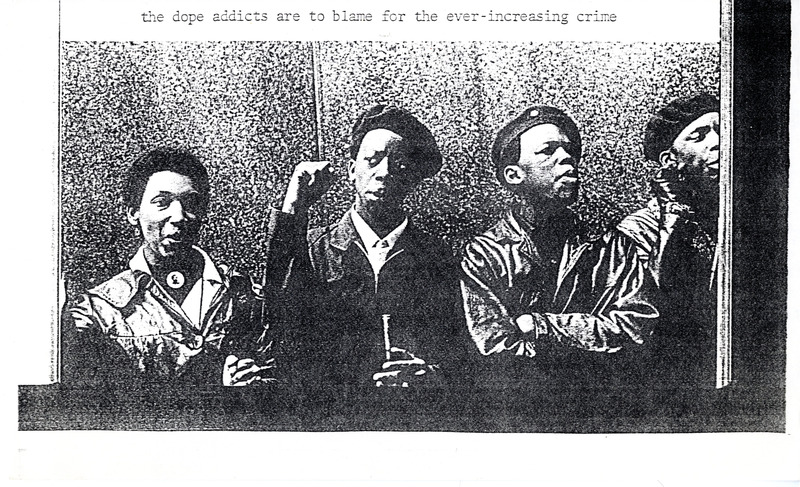
A photocopy of a picture from an unknown publication of four Black Panthers. The text above the picture reads "The dope addicts are to blame for the ever-increasing crime."
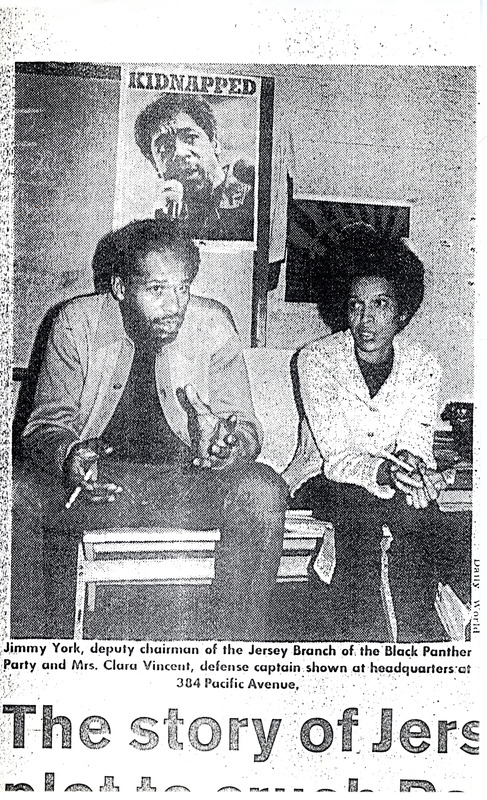
A photocopy of a picture from an issue of Jersey City, New Jersey, newspaper Daily World of Jimmy York, deputy chairman of the Jersey branch of the Black Panther Party, and Clara Vincent, defense captain.
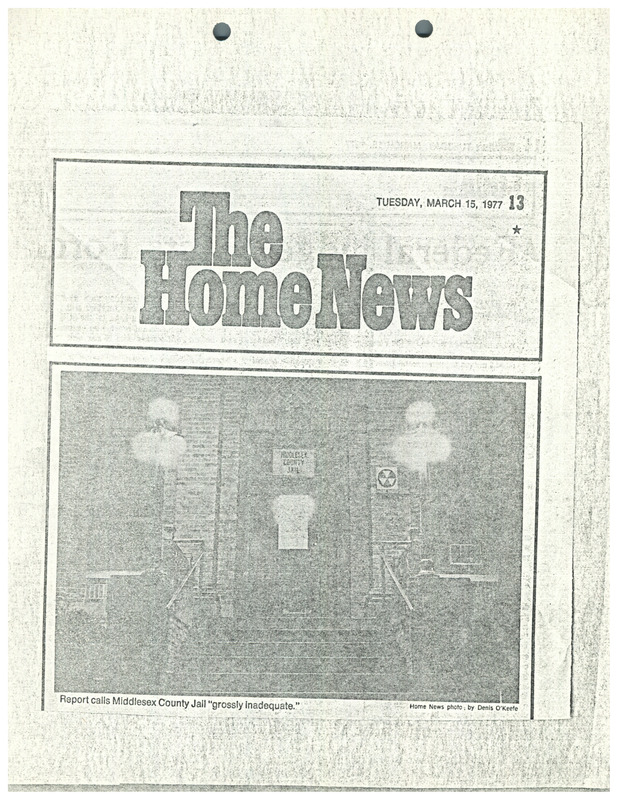
A photograph from the newspaper The Home News of Middlesex County Jail. The jail, where Assata Shakur (JoAnne Chesimard) was staying for her New Jersey trial for the 1973 killing of a state trooper, had been found "grossly inadequate" in a comprehensive report. Shakur was attempting to get transferred from the jail.
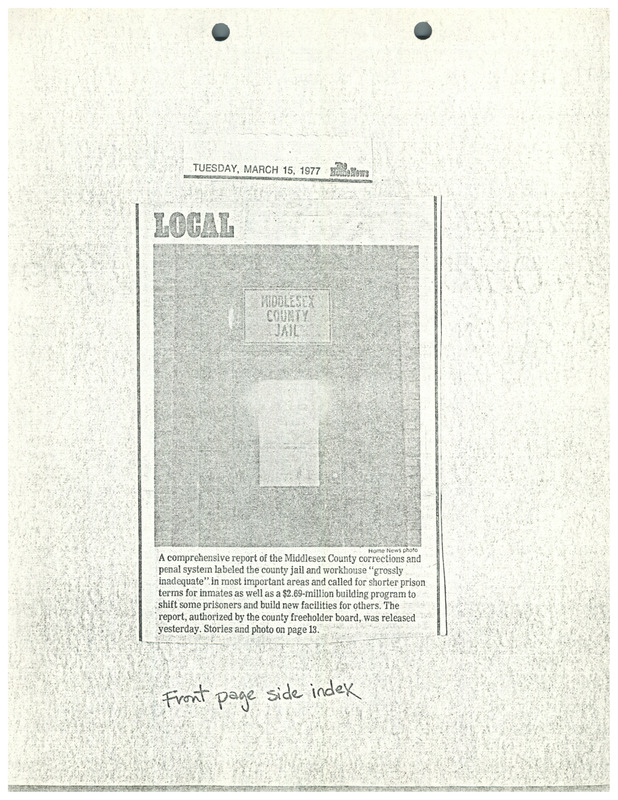
A photograph from the newspaper The Home News of Middlesex County Jail. The jail, where Assata Shakur (JoAnne Chesimard) was staying for her New Jersey trial for the 1973 killing of a state trooper, had been found "grossly inadequate" in a comprehensive report. The report called for shorter terms and millions of dollars in upgrades.
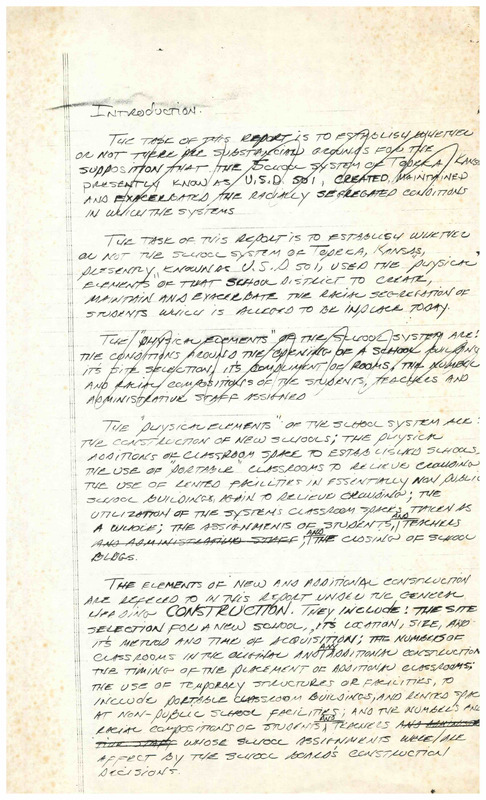
Case Data and Exhibits for Brown III, a relitigation of Brown v. Topeka Board of Education (1954) that corrected resegregation issues caused by open enrollment school choice in 1992. Photocopy of handwritten notes and charts by William Lamson concerning the history of racial segregation in the Topeka Public School District.
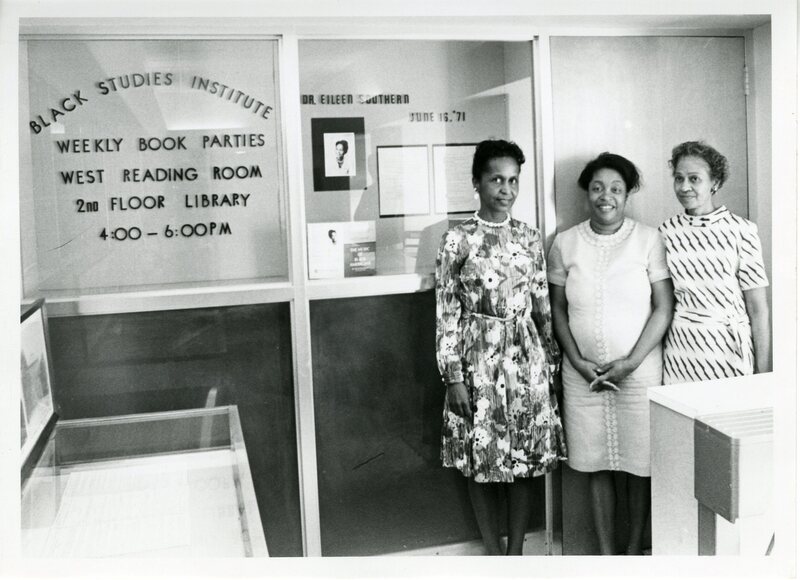
Pictured here with Margaret Walker (middle) and J.S.U. librarian Ernestine Lipscomb (right) is Dr. Eileen Southern (left) who was visiting Jackson State University to do a talk about her new book, “The Music of Black Americans” at the Institute for the Study of the History, Life, and Culture of Black People (now Margaret Walker Center).
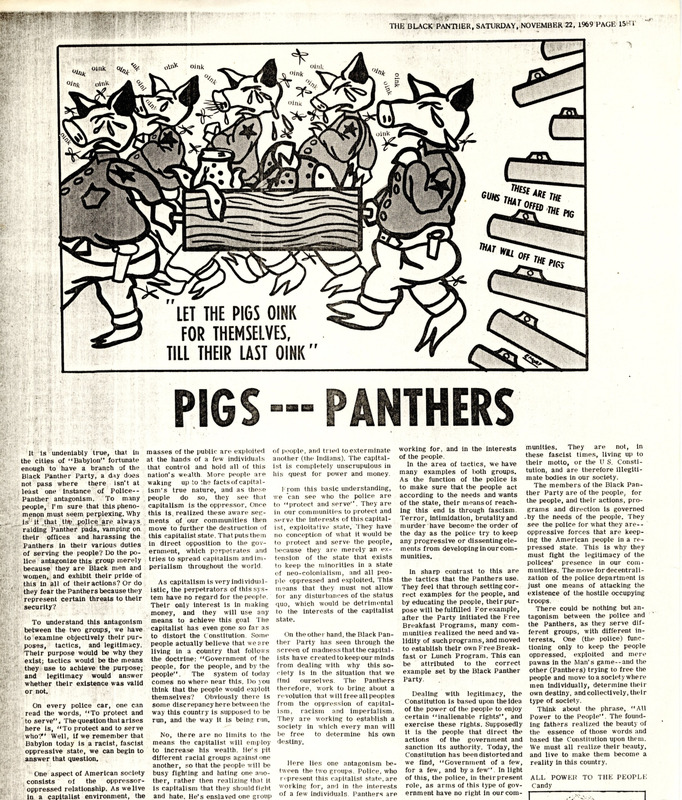
A newspaper article from The Black Panther that examines the relationship between the police and the Black Panther Party through the lens of capitalism. The author, Candy (no last name listed), writes that capitalism in the oppressor and those who fight against capitalism are fighting against the government and the police force that protects it.
Pinkie Johnson was a Head Start student in Hazelhurst, Mississippi, at Parish Elementary School. She recounts her time as a student, including her memories of teachers and activities the students would do. She also talks about her family's involvement in fundraising for Head Start, including cooking items for bake sales.
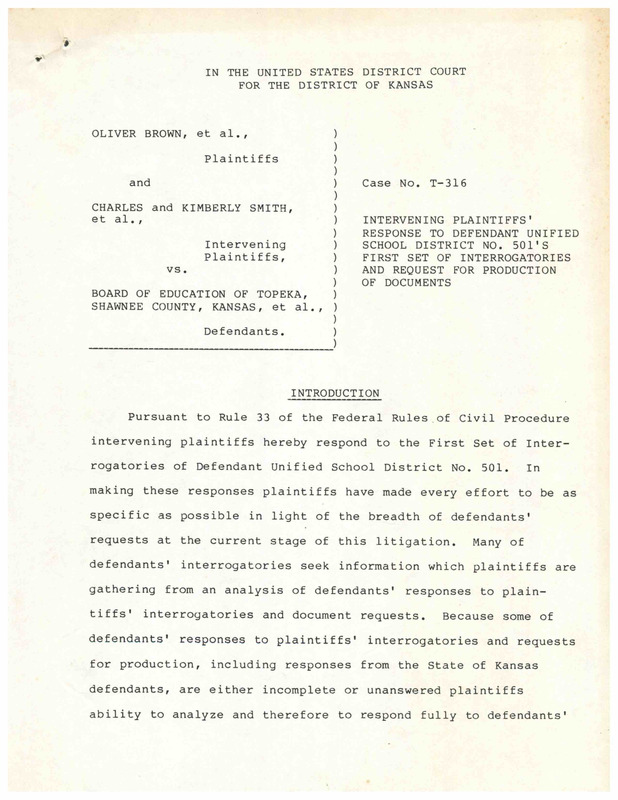
Case Data and Exhibits for Brown III, a relitigation of Brown v. Topeka Board of Education (1954) that corrected resegregation issues caused by open enrollment school choice in 1992. Plaintiff attorney’s response to the defense team’s first set of questions, many of which will need supplemental answers because some answers will be incomplete.
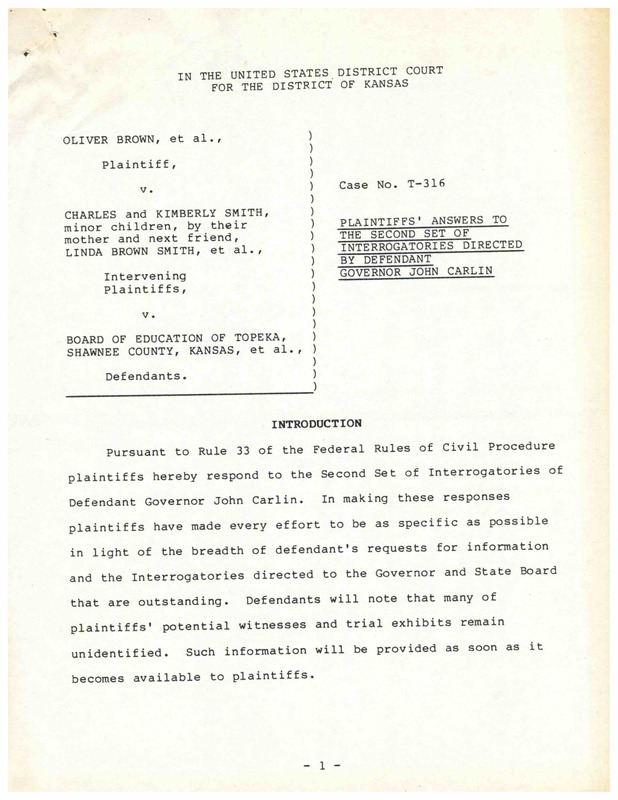
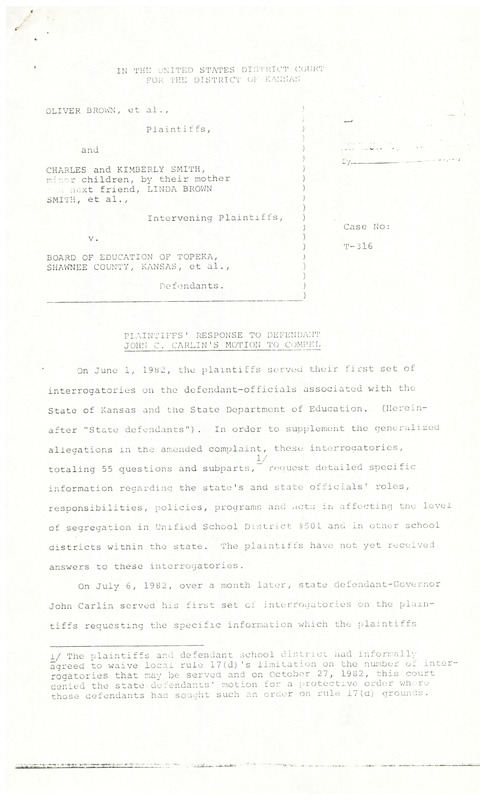
Case Data and Exhibits for Brown III, a relitigation of Brown v. Topeka Board of Education (1954) that corrected resegregation issues caused by open enrollment school choice in 1992. Plaintiff attorney’s response to the defense team’s first set of questions directed by defendant Kansas Governor John Carlin.
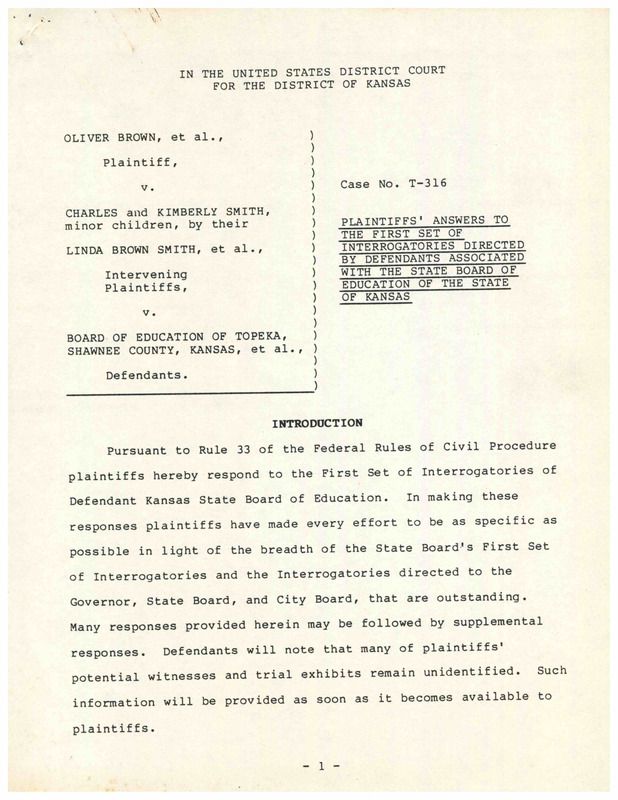
Case Data and Exhibits for Brown III, a relitigation of Brown v. Topeka Board of Education (1954) that corrected resegregation issues caused by open enrollment school choice in 1992. Plaintiff attorney’s response to the defense team’s first set of questions directed from the defendants associated with the Kansas State Board of Education.
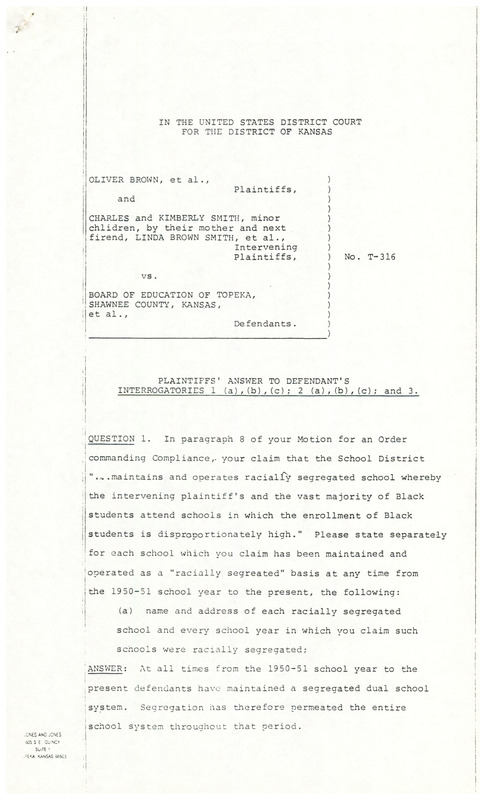
Case Data and Exhibits for Brown III, a relitigation of Brown v. Topeka Board of Education (1954) that corrected resegregation issues caused by open enrollment school choice in 1992. Document from the plaintiff attorneys to the defense in response to questions from the defense about which Topeka schools were segregated since 1950.
Case Data and Exhibits for Brown III, a relitigation of Brown v. Topeka Board of Education (1954) that corrected resegregation issues caused by open enrollment school choice in 1992. Request from the Plaintiff Attorneys to the Topeka Board of Education for documents to be produced for the discovery phase of the case.
Case Data and Exhibits for Brown III, a relitigation of Brown v. Topeka Board of Education (1954) that corrected resegregation issues caused by open enrollment school choice in 1992. Document from the plaintiff attorneys to the defense in response to questions from the defense, which the plaintiffs can’t fully answer because of missing documents.
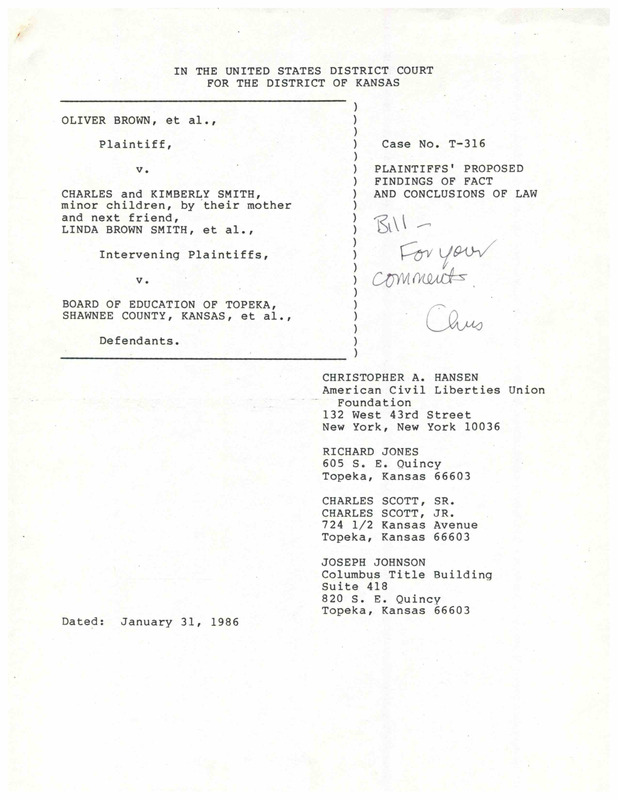
Case Data and Exhibits for Brown III, a relitigation of Brown v. Topeka Board of Education (1954) that corrected resegregation issues caused by open enrollment school choice in 1992. Document containing the plaintiff team’s complete finding of facts. Note on the first page from Chris Hansen of the ACLU requesting comments from William Lamson.
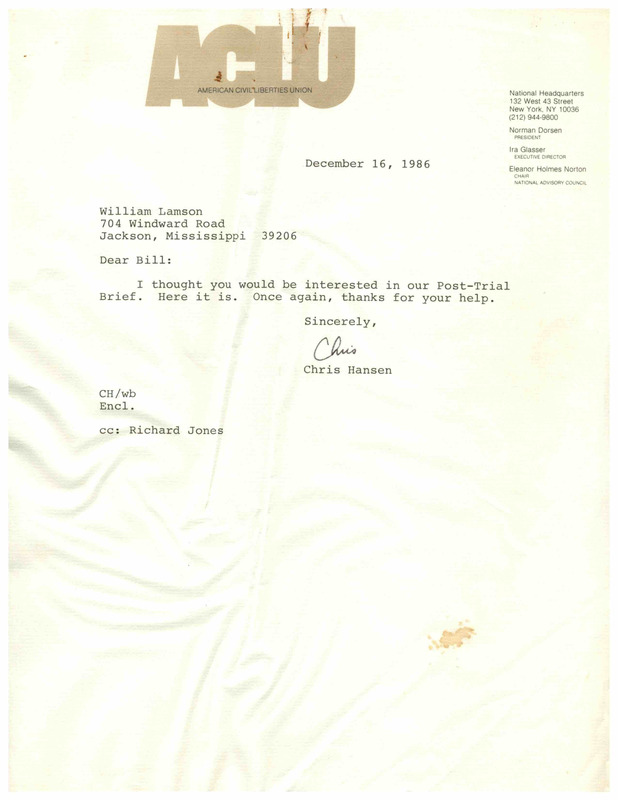
Case Data and Exhibits for Brown III, a relitigation of Brown v. Topeka Board of Education (1954) that corrected resegregation issues caused by open enrollment school choice in 1992. The Plaintiff’s post-trial brief. The plaintiff attorneys conclude that the Topeka schools are still segregated and the school board must submit a desegregation plan.