The HCAC public history focused digital archive cataloging is an ongoing process, and we may update this record as we conduct additional research and review. We welcome your comments and feedback if you have more information to share about an item featured on the site, please contact us at: HCAC-DigiTeam@si.edu
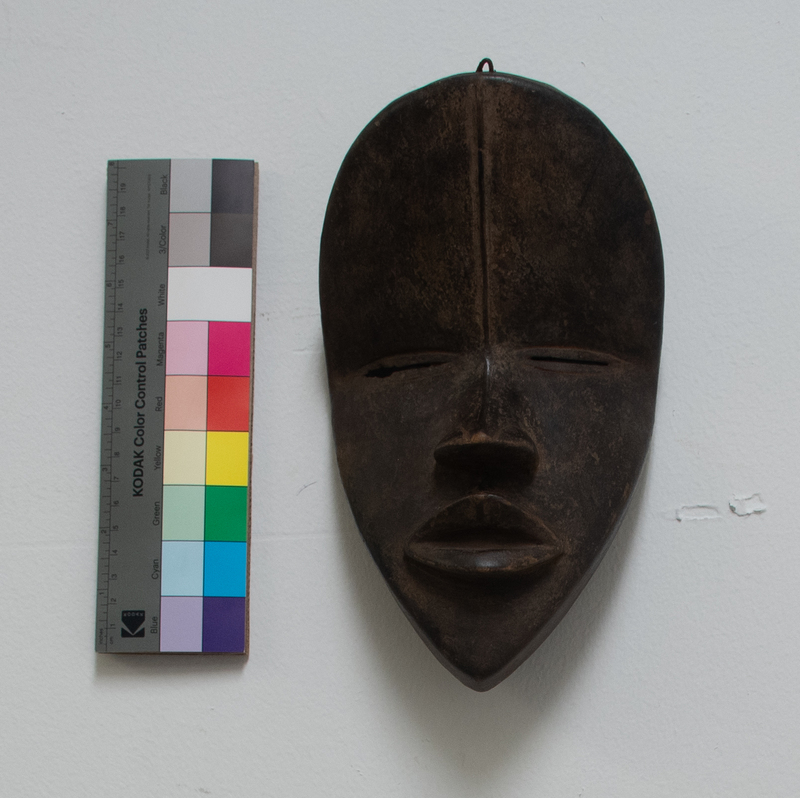
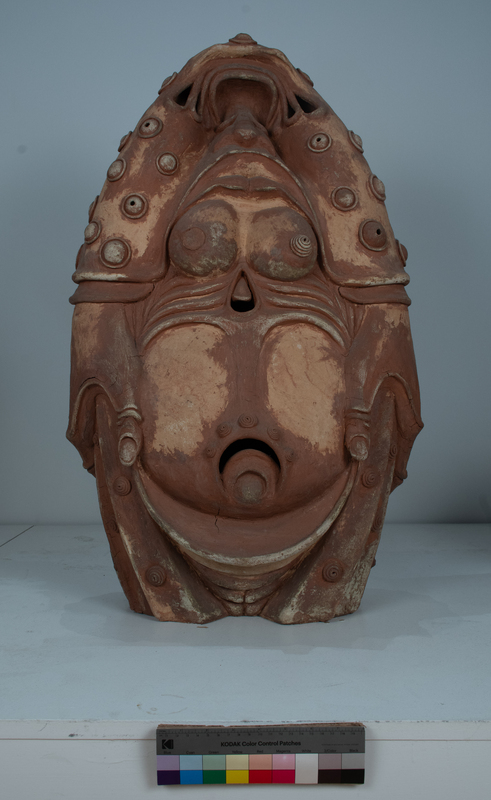
The face mask is from the Dan (Yacouba) ethnic group of Cote D'Ivoire and Liberia and is spiritually meaningful. The mask has simple facial features with small slits for eyes, a broad nose, and protruding lips and may be worn by dancers, athletes, and warriors.
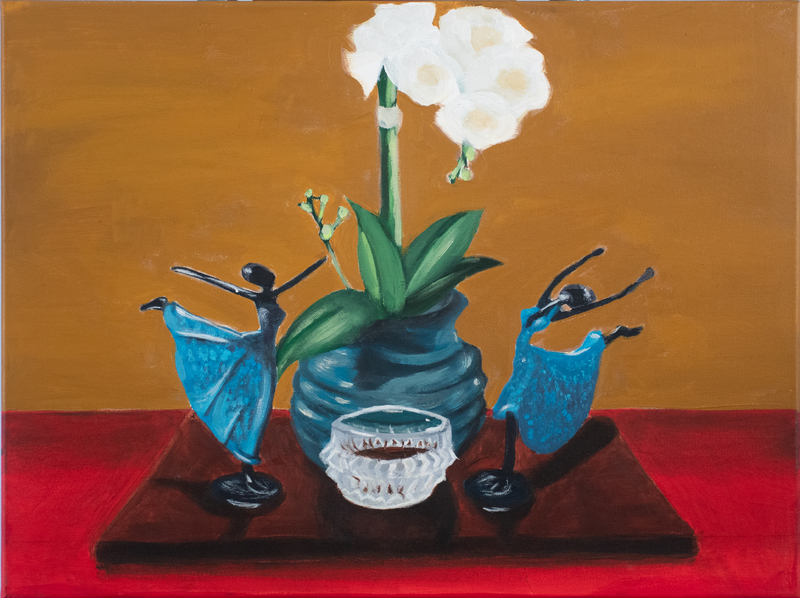
Etienne created her painting, “Dancing Still Life,” as part of a class assignment based on objects within her home. Etienne selected these figures, which her mother collected from the National Museum of African American History & Culture, white orchids in a blue pot, and a glass dish from her grandmother's home. A graduate from Texas Southern University, Etienne emphasizes femininity, movement, and flowers in her art.
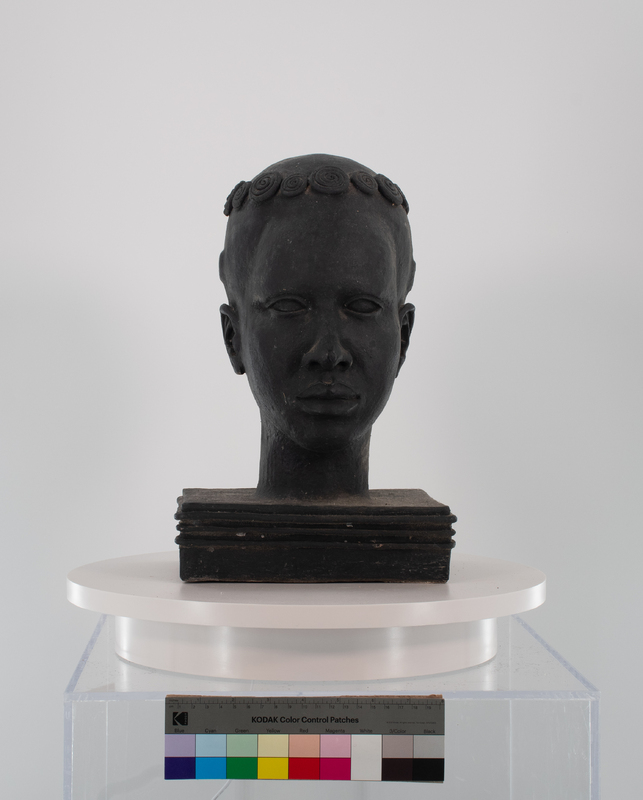
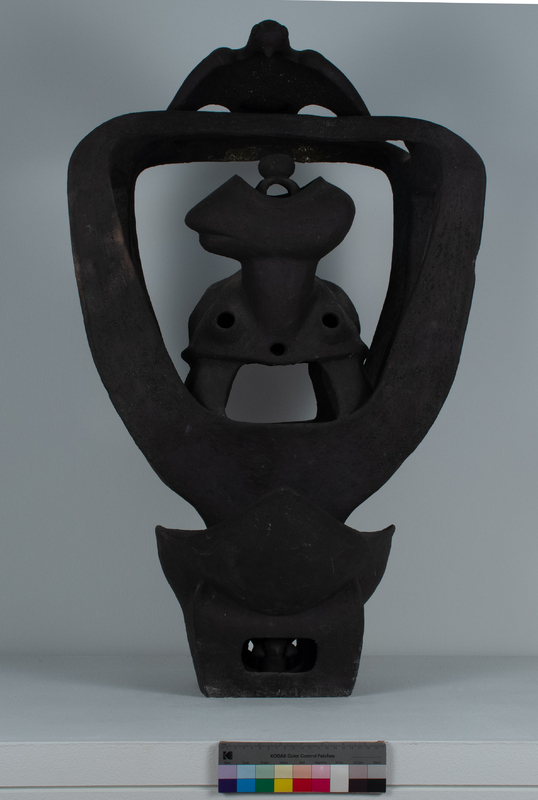
This unknown student’s bust was created during their time as an art student at TSU. Under the instruction of Professor Carroll Harris Simms, artists would create self-portraits embellished with decorations like spirals and accentuated crown pieces, like in this sculpture. These busts are inspired by Nok terracotta sculptures and Ife busts, which Simms saw during his travels to Western Africa. This bust is different from others due to its black ceramic and large rectangular base.
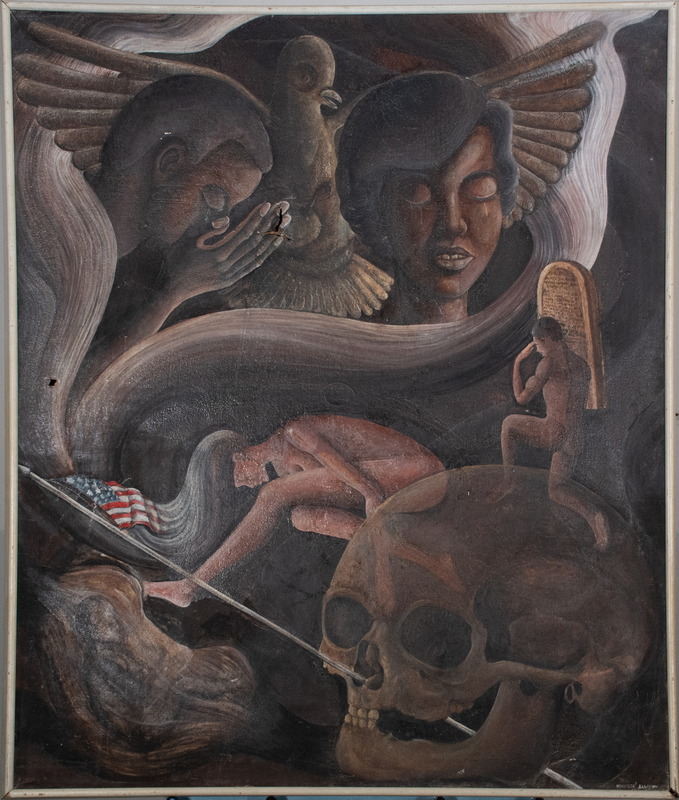
Ellison’s painting reflects the brutality and grief experienced by the Black community. In the foreground, a skull is pierced by the American flag. On the right side, a headstone honoring Martin Luther King, Jr. is surrounded by nude mourners. In the background, a shadowy dove spreads its wings, perhaps representing MLK’s dream of peace being obscured by white supremacist violence.
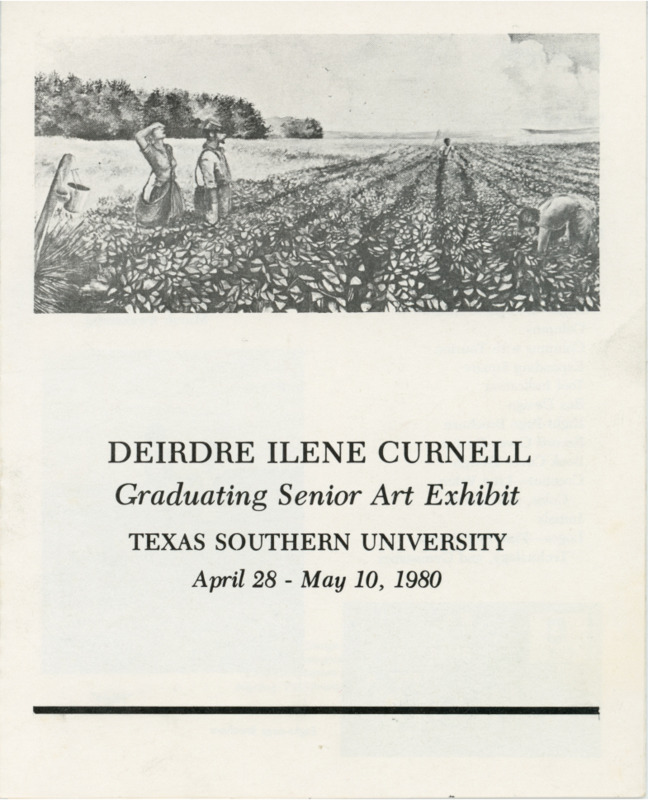
This is a brochure for Curnell’s senior art exhibition. The culmination of the Texas Southern art curriculum is a senior exhibition where students showcase artwork created over the course of their undergraduate studies. The brochure features a photo of Curnell, a brief biography, a catalog of the artwork featured in the exhibition, and photos of several of her artworks and designs.
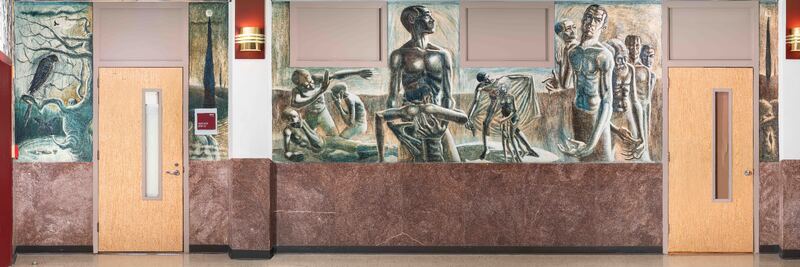
This is a universal scene of the despair and struggle facing a group determined to survive. The lone tree in the moonlight starkly symbolizes the darkness surrounding the scene (center left panel), while the tree rising from a swamp (leftmost panel) suggests hope with the bird, butterfly, and waterlily indicating transformative beauty.
Sandifer’s senior notebook includes his written philosophy of art, photographs of the artist’s works, and several of his poems. As a part of the Texas Southern art curriculum under Dr. John T. Biggers and Professor Carroll Harris Simms, students would create these notebooks to explain their artistry and showcase the works they created as students.
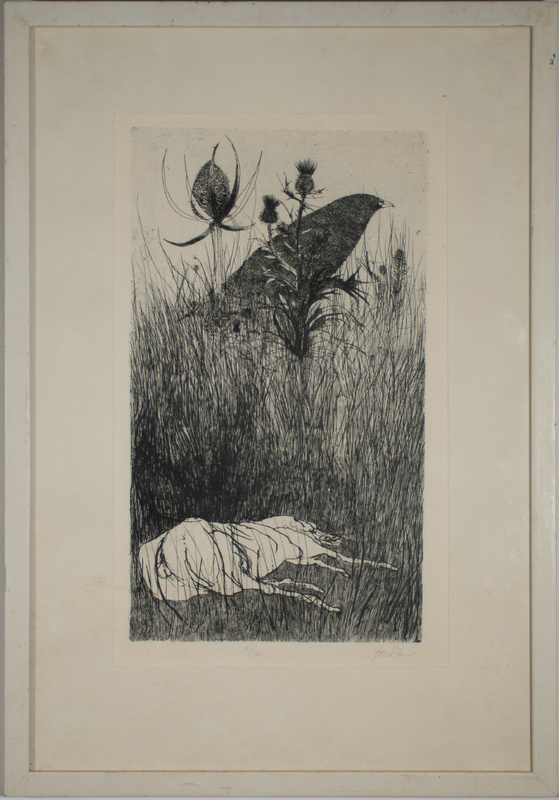
This etching by American artist Leonard Baskin shows a dog dozing in a meadow. A crow rests on a plant above the dog. Unlike most works held by the University Museum, the artist is not an alumnus of Texas Southern, nor tied to the university in any way. Instead, this piece was donated to the museum by a benefactor.
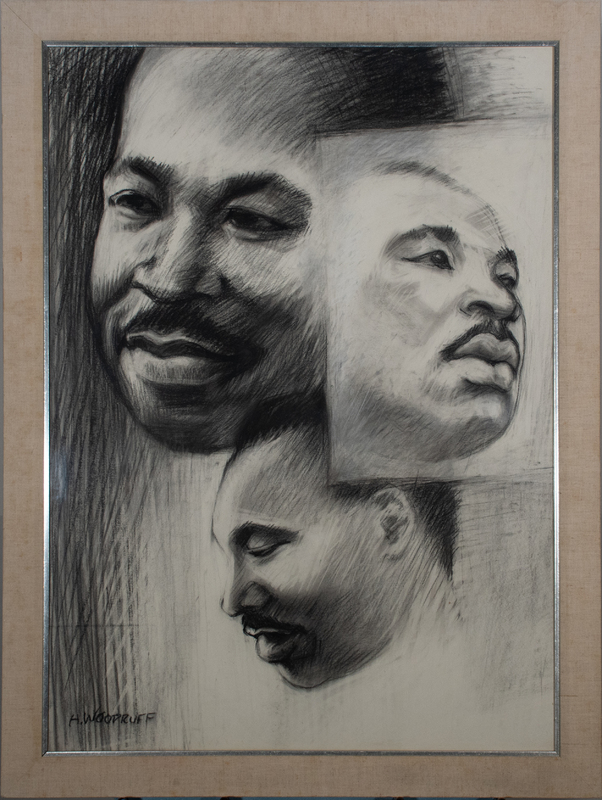
Woodruff’s portrait depicts Martin Luther King Jr., the iconic civil rights leader who was assassinated in 1968. Woodruff taught art at Atlanta University for 15 years and perhaps came into contact with MLK during this time. Two of these three side profiles appear to show King smiling, while in the third he is looking away with a serious expression. Woodruff's Art of the Negro murals at Clark Atlanta University are one of his crowning achievements.
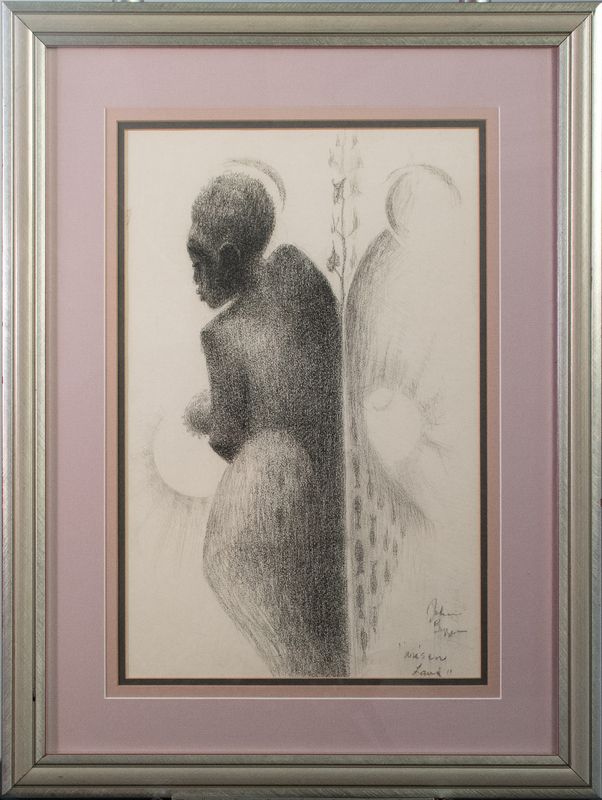
Biggers’ drawing shows a woman and her reflection. The woman, positioned on the left side of the composition, looks slightly back over her left shoulder, while the sun creeps out from around her midsection. The woman is cradling a baby in her arms. Her reflection is drawn loosely with minimal details, and the two are separated by a line of plant and fish shapes.
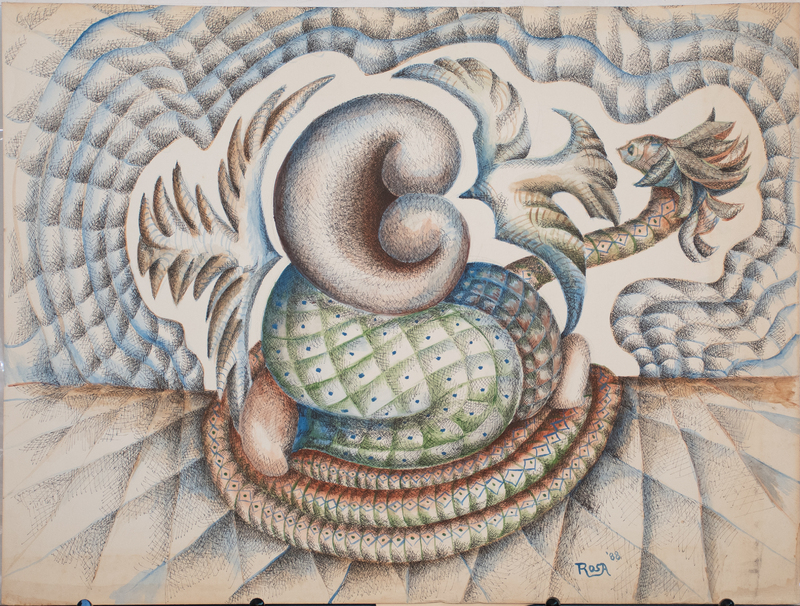
Mendoza’s drawing shows two doves and a serpent protecting an abstract, embryo-like figure. A geometric aura emanates from the bundle of creatures, perhaps alluding to the way parents protect their children. The drawing is created using crosshatching and heavy use of geometric shapes; both of these techniques are characteristic of the work of Dr. John T. Biggers and his students.
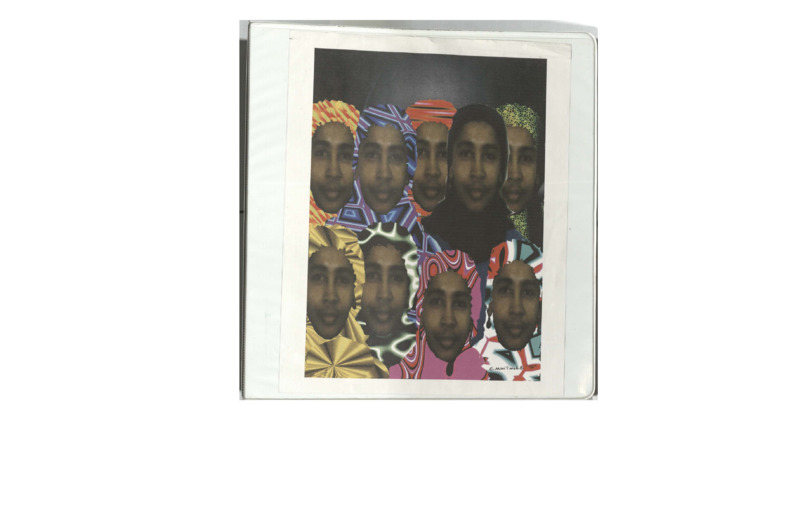
Charoennimuang's senior notebook includes her written philosophy of art, photographs of the artist’s works and her process, and a copy of her senior exhibition brochure. As a part of the Texas Southern art curriculum under Dr. John T. Biggers and Professor Carroll Harris Simms, students would create these notebooks to explain their artistry and showcase the works they created as students.
In this interview, Texas Southern art alumnus Earl Jones, Jr. discusses his experience as a student who graduated in 1996. During his first period of study at TSU, Jones painted a mural reflecting on environmentalism and racism—these themes continue into his current works. Nowadays, Jones primarily creates intricate wood carvings.
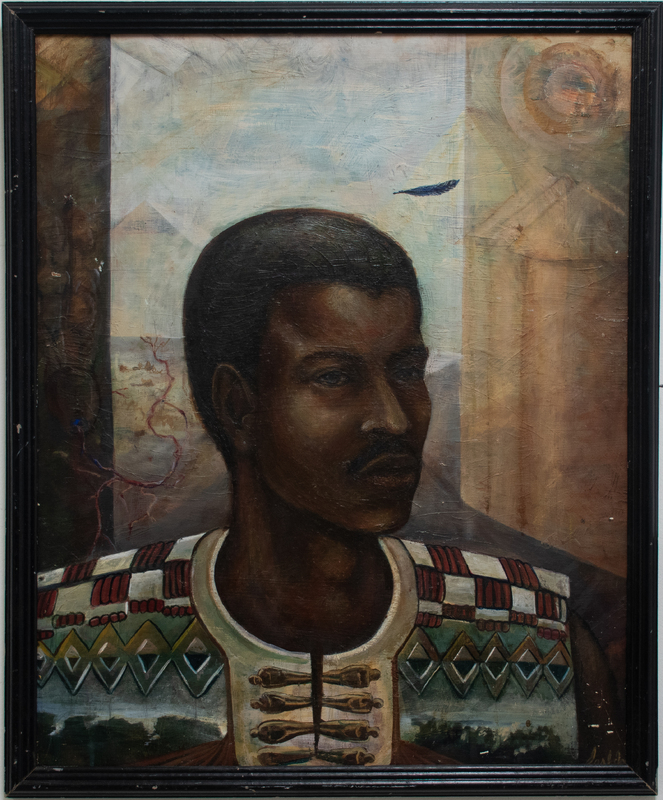
This painting is an Afrocentric self-portrait of Earl Jones, who attended Texas Southern University in the mid-1970s. Jones painted himself wearing a detailed shirt with various patterns reminiscent of African textiles. The background includes round homes with conical roofs. The buttons of Jones' shirt are in the form of humans and the shirt bears the design of a plowed field.
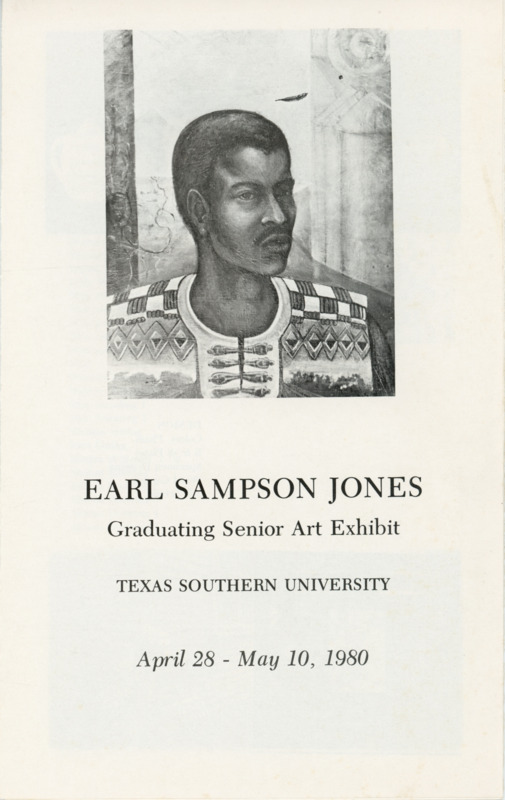
This is a brochure for Jones’ senior art exhibition. The culmination of the Texas Southern art curriculum is a senior exhibition where students showcase artwork created over the course of their undergraduate studies. The brochure features a portrait of Jones, a brief biography, a catalog of the artwork featured in the exhibition, and several photos of his paintings, designs, weavings, and sculptures.
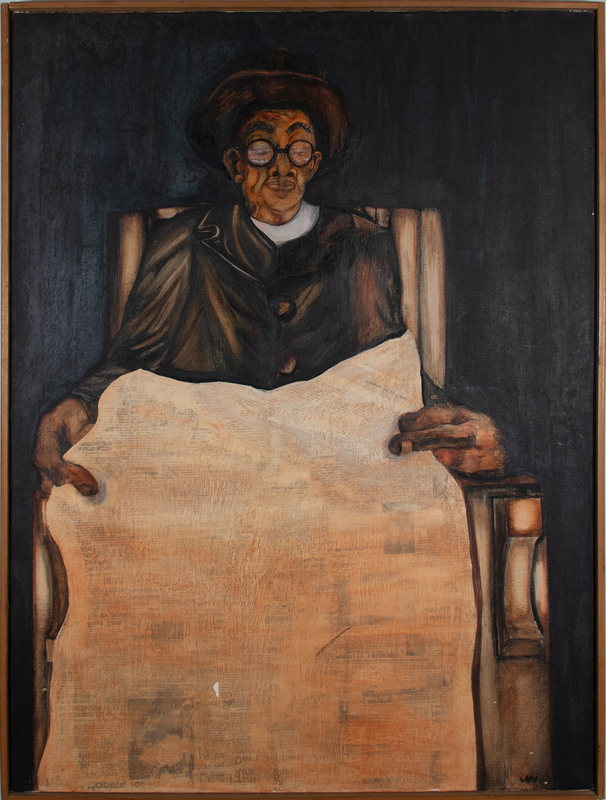
This painting depicts an older Black man sitting and reading a newspaper. The dimly lit scene is minimal and the man, his chair, and the paper are the only aspects visible, highlighting the focus of the painting. The artist cleverly incorporates real newspapers into the piece's media.
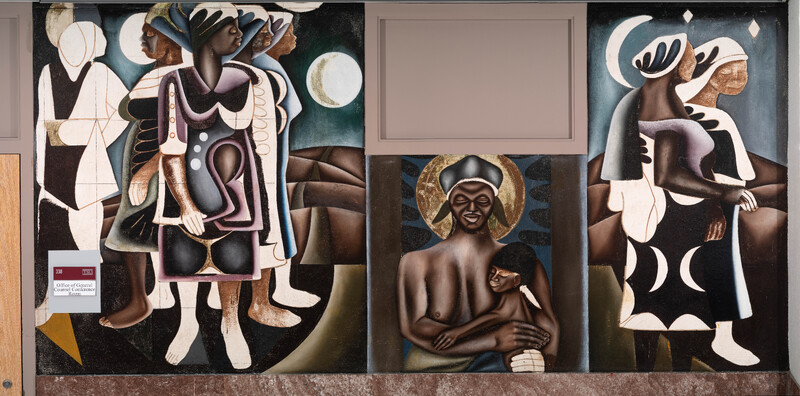
Cleinmann’s mural displays multiple generations of Black women, a manifestation of Biggers’ teachings about their importance. The mural is one of the few unfinished murals in Hannah Hall. Typically, unfinished murals were painted over. The mural was recently restored by conservators.
In this interview, Texas Southern art alumnus Elizabeth Montgomery Shelton discusses her experiences as a student in the class of 1971. She was a disciple of Professor Carroll Harris Simms and discusses learning to create clay sculptures from him. She went on to teach in Houston public schools for 37 years after her graduation from Texas Southern.
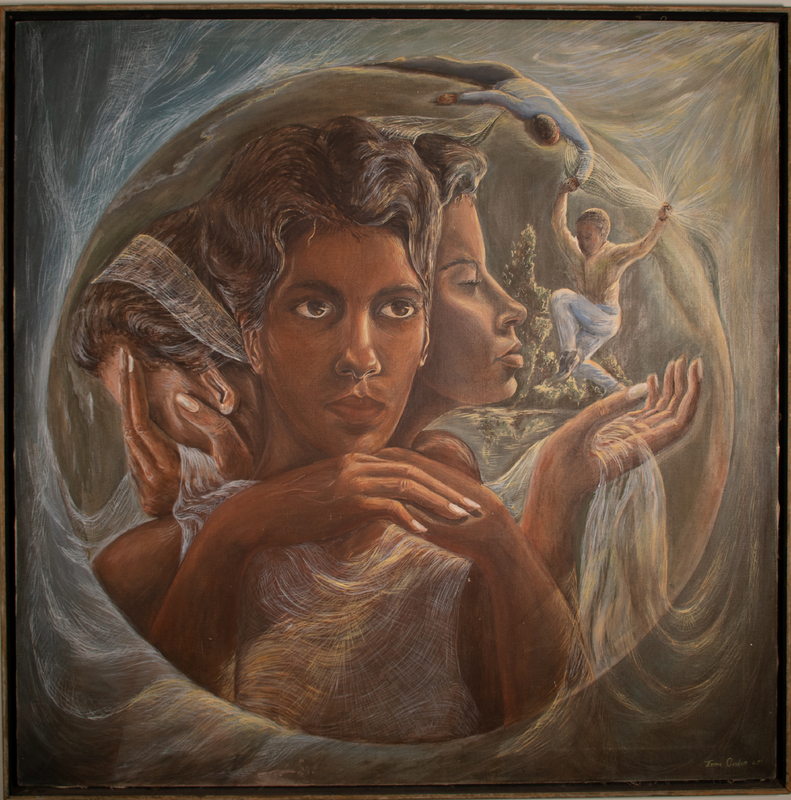
Erma Gordon's self-portrait shows the artist from three different angles. The three profiles are tied together by a light, almost translucent fabric that is worn by the frontmost figure and held by the others. This motif is used repeatedly by the artist, including in her mural. Two boys move fluidly and playfully through the background.
Bilal’s senior notebook includes her written philosophy of art, photographs of the artist’s works, and a copy of her senior exhibition brochure. As a part of the Texas Southern art curriculum under Dr. John T. Biggers and Professor Carroll Harris Simms, students would create these notebooks to explain their artistry and showcase the works they created as students.
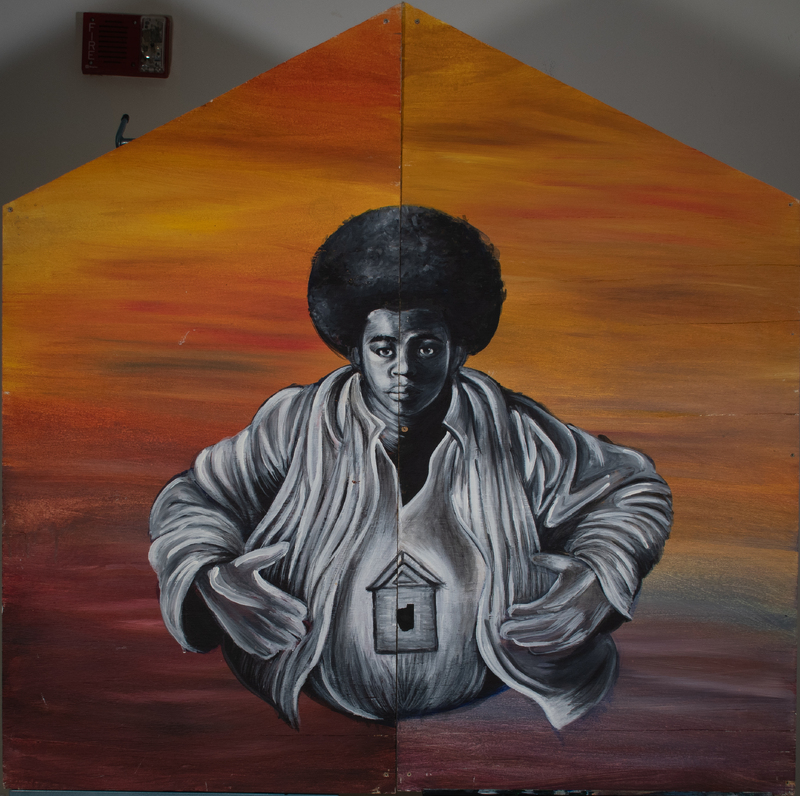
Foster’s painting is inspired by Charles White’s Sound of Silence. Third Ward is the historically Black neighborhood of Houston that Texas Southern calls home. Where White’s original features a seashell, Foster substitutes a rowhouse, the style of homes that are the heart of Third Ward. Dr. John T. Biggers, founder of Texas Southern's art department, studied under White at Hampton University.
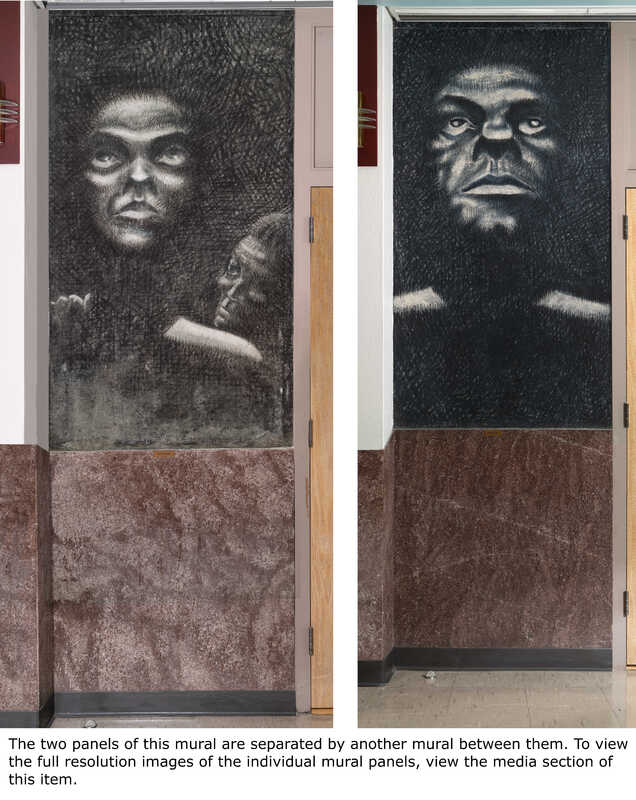
The graphic strength of Oliver's portraits is clearly evident in these two panels. By limiting his palette to black and white, the artist underscores the powerful gazes of the figures. Because of his enthusiasm and talent, Oliver was allowed to create additional murals when empty spaces were available.
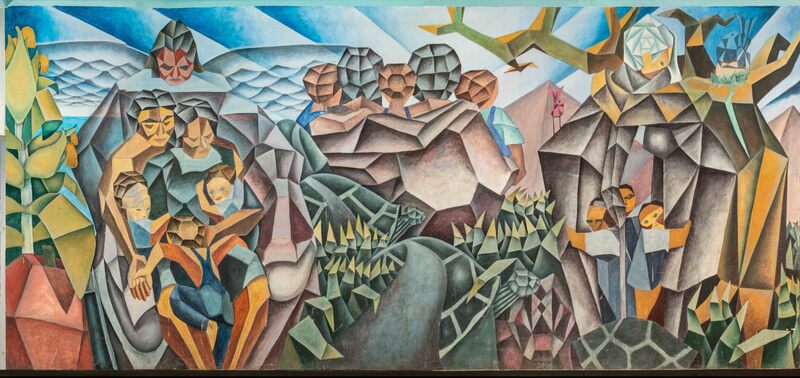
Sifuentes shows multiple generations of a family, painted in a geometric style. Sifuentes borrows visual symbols from his teacher, Dr. Biggers, including the tortoise (longevity) and the serpent (danger and rebirth). Guardian ancestors are represented by figures with angel wings.
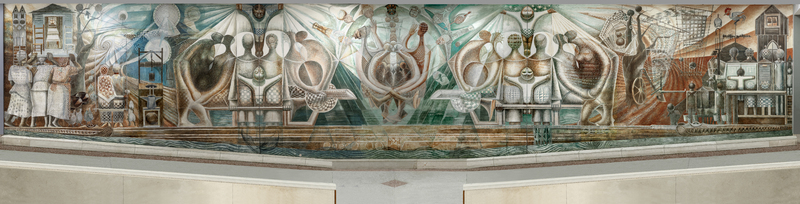
Texas Southern University students commissioned Biggers to paint this mural in the cafeteria of the student center. Composed of several distinct but interrelated images, Family Unity features several Afrocentric motifs that Biggers developed, including sacred geometry (checkerboards and spirals), shotgun houses, and husband-and-wife pairs. At the center is what Biggers called the “morning star,” which shows a couple embracing with their form suggesting a womb.
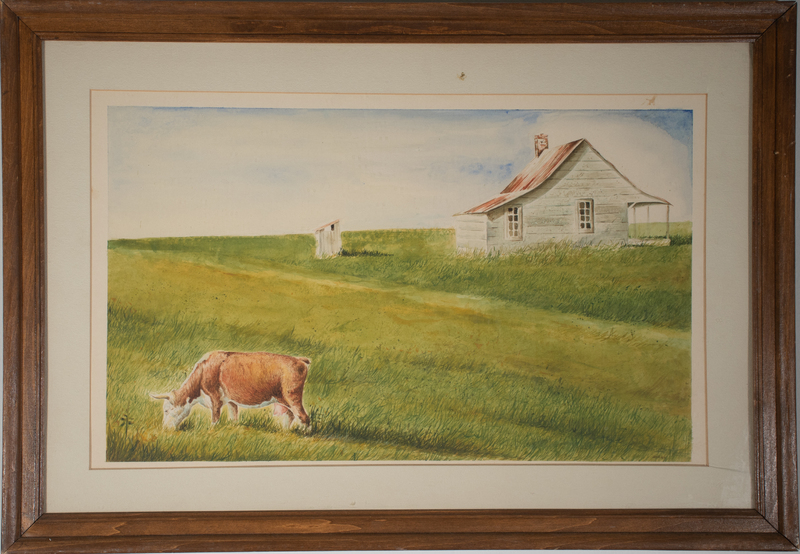
This watercolor painting by Joseph A. Moran features a grazing cow in the foreground and an outhouse and farmhouse in the background. Dr. Biggers encouraged students to create based on what they saw, which may have been this rural scene for this artist.
“Fertility” shows an abstract female figure with breasts, an enlarged belly, and oversized hands. Like nearly all students of Professor Simms, Thomas covered his piece in various embellishments, particularly spirals. Oversized hands are also a characteristic of John Biggers’ artwork. The piece has discolored over the years since its creation.
Hubbard, a student of Carroll Harris Simms, created “Figure With Turtle and Bird” in 1966. This terracotta depicts a bird, atop an abstract tree, surrounding a tortoise. These animals are often paired in folktales, including an Igbo tale where a tortoise fools birds and is punished by having his shell broken. The fable says this is the cause of the irregular shape of tortoise shells.
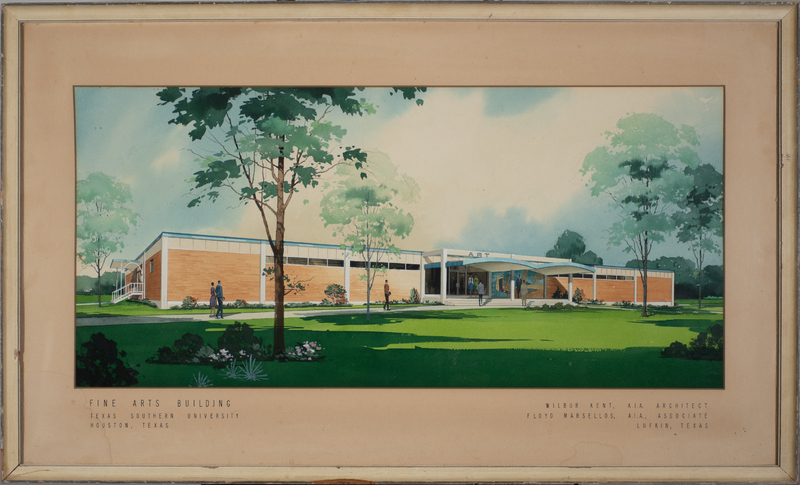
This is an architectural rendering for the Fine Arts Building on Texas Southern’s campus. The building was dedicated as the John T. Biggers Art Center in 1995 to honor the art department’s founder. The building largely retains its original character as depicted in this image.
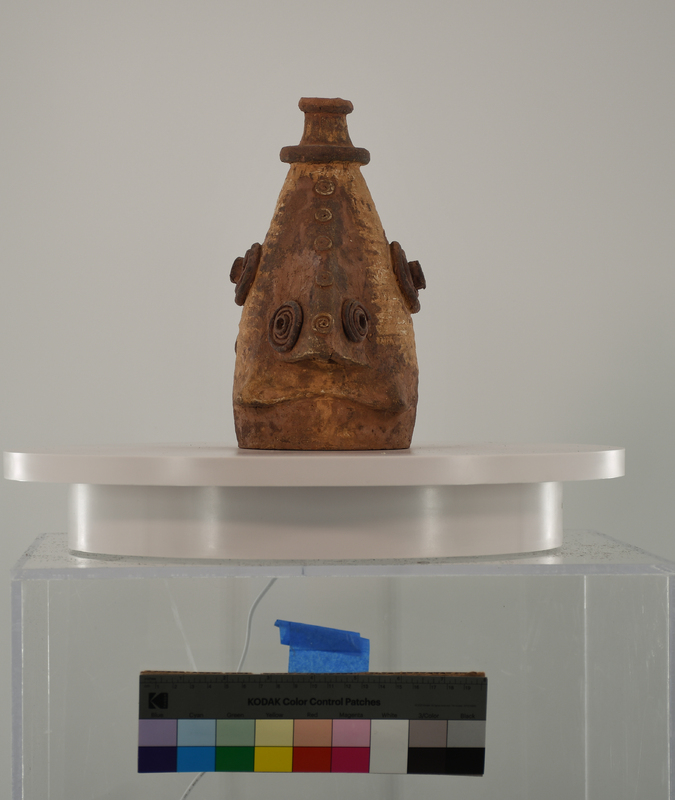
Green’s sculpture is a maquette for his terracotta, which depicts the head and upper fins of a fish. The fish is decorated with ornamental swirls, holes, and ridges. Professor Carroll Harris Simms required his students to add these additional embellishments to their sculptures.
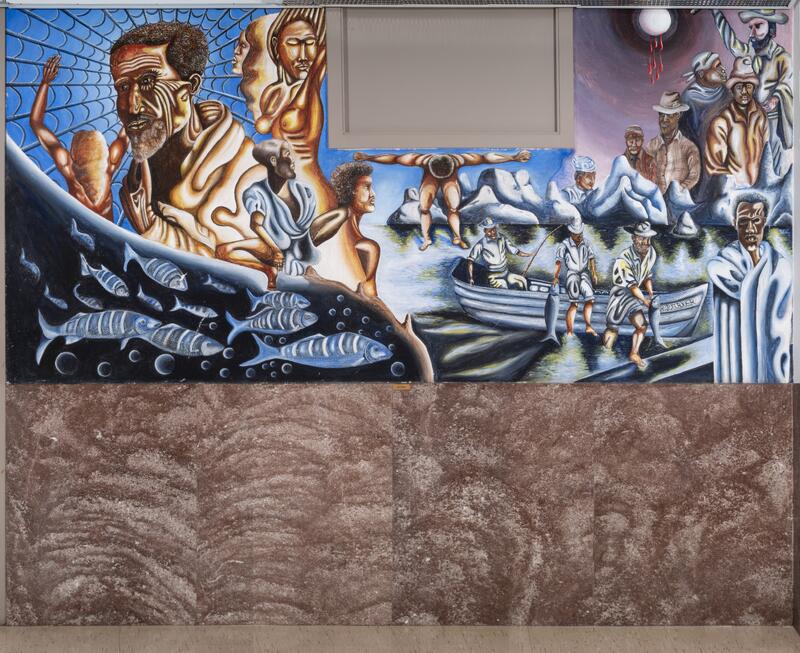
The mural shows fishing life along the water. In the middle and on the right, a man is doubled over from his burden, while a group of fishermen brings their catch to shore. On the left, an elderly man and other figures suggest the trials and challenges of the ancestors.