This collection showcases the rich legacies of HBCUs through the medium of text. It includes both published and unpublished items such as reports, correspondence, legal documents, books, letters, essays, government publications, and journals.
Date Modified
2025-12-17
About This Record
The HCAC public history focused digital archive cataloging is an ongoing process, and we may update this record as we conduct additional research and review. We welcome your comments and feedback if you have more information to share about an item featured on the site, please contact us at: HCAC-DigiTeam@si.edu
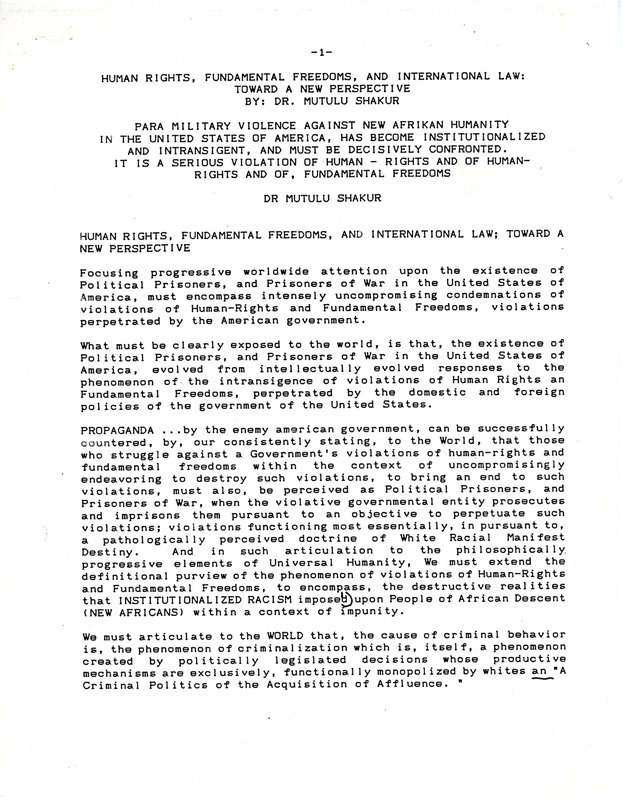
A paper by Dr. Mutulu Shakur that argues the existence of political prisoners reveals the violations of human rights perpetuated by the United States government against Black people. Dr. Shakur wrote this from prison, where he was serving a 60 year sentence for his role in a Black Liberation Army (BLA) led robbery in 1981.
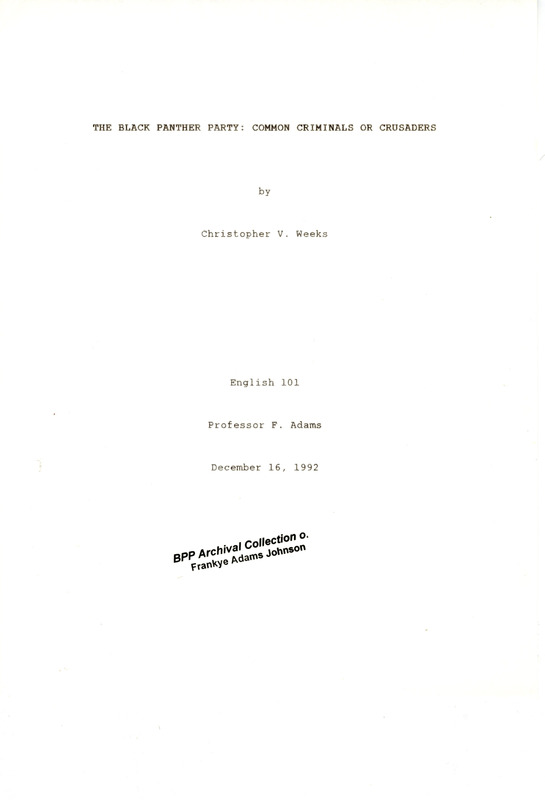
A paper by a student in Frankye Adams-Johnson (Malika)'s English 101 class about the history of the Black Panther Party. The author argues that the members of the Black Panther Party were not born revolutionaries, but were forced into this mind set by the oppressive ways of American society and deemed all of their actions necessary for liberation.
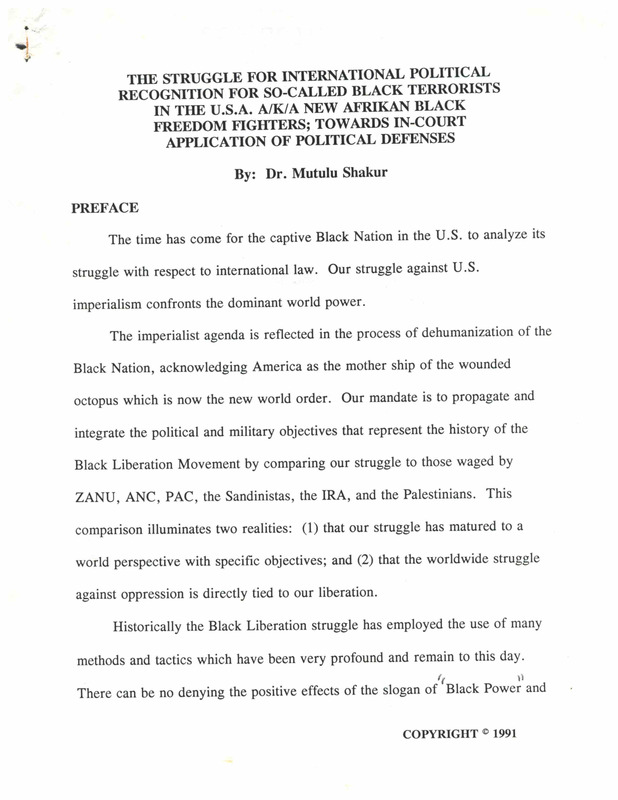
A paper by Dr. Mutulu Shakur arguing that the Black nation in the imperialistic United States is a captive nation and thus must look at the situation and solutions through the lens of international law. Dr. Shakur wrote this from prison, where he was serving a 60 year sentence for his role in a Black Liberation Army (BLA) led robbery in 1981.
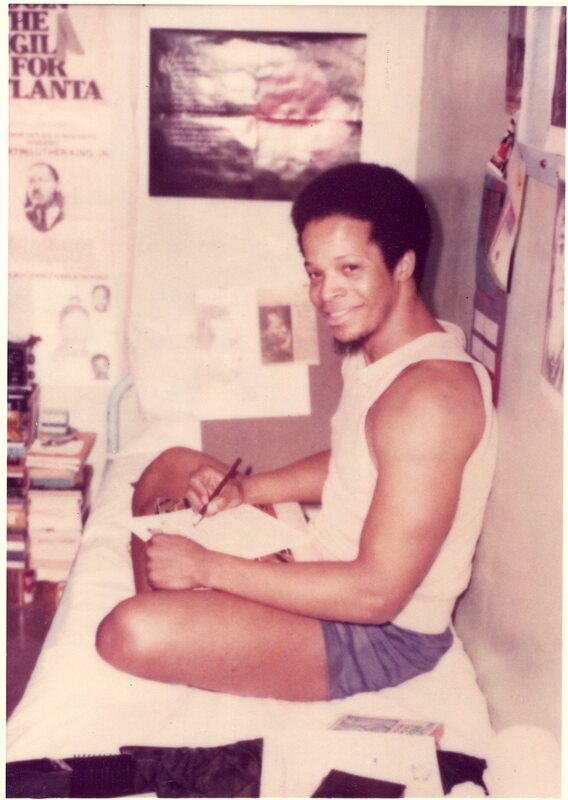
Ashanti Alston, a Black Liberation Army (BLA) member who was imprisoned for 11 years for a robbery to raise money for the BLA, says that he is getting big and his beard is too. He mentions his attempt to draw Nina Simone and says that the photo is two years old. The note is dated September 17th with no year listed.
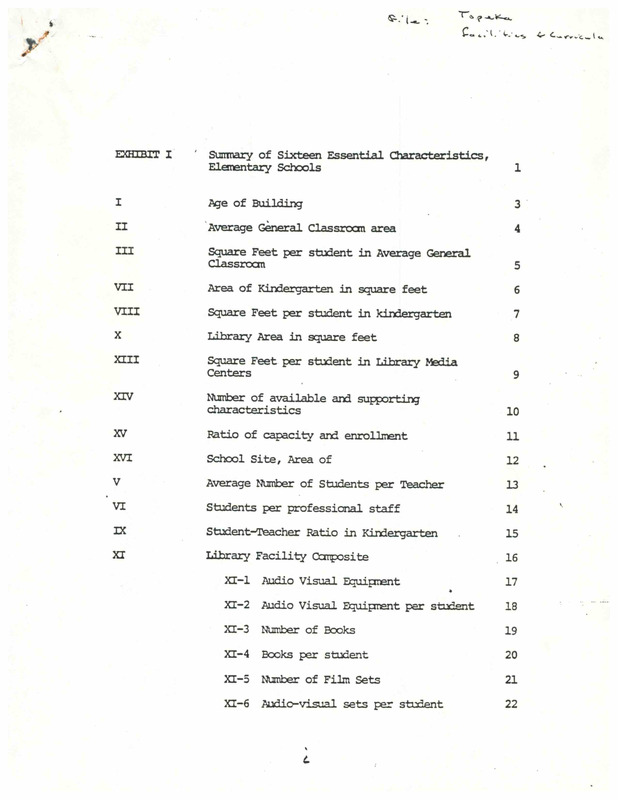
Case Data and Exhibits for Brown III, a relitigation of Brown v. Topeka Board of Education (1954) that corrected resegregation issues caused by open enrollment school choice in 1992. The report breaks down a study of all facilities, infrastructure, materials, and teaching resources for Topeka Public School for the history of the district.
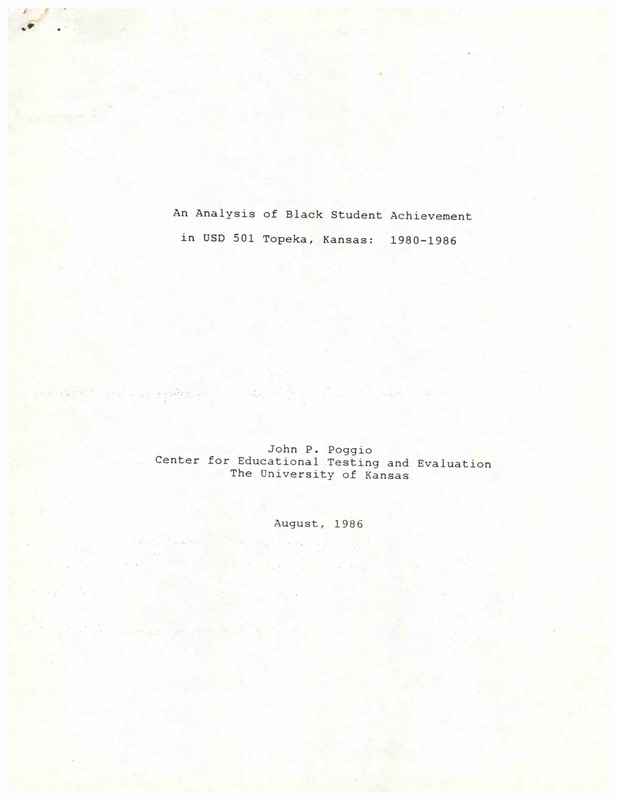
Case Data and Exhibits for Brown III, a relitigation of Brown v. Topeka Board of Education (1954) that corrected resegregation issues caused by open enrollment school choice in 1992. A report analyzing Black student achievement in Topeka, Kansas, schools from 1980-1986 that found the racial composition of schools had no effect on student learning.
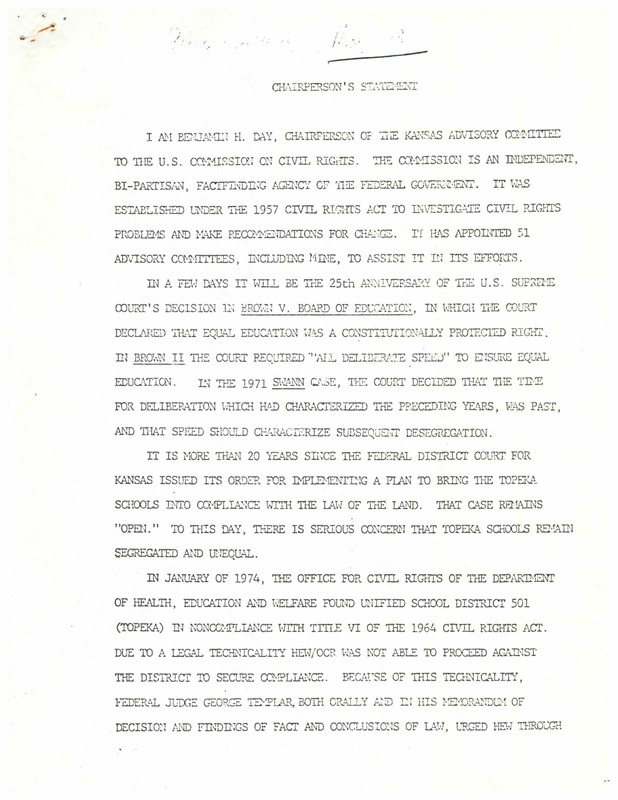
Case Data and Exhibits for Brown III, a relitigation of Brown v. Topeka Board of Education (1954) that corrected resegregation issues caused by open enrollment school choice in 1992. The report encourages the U.S. Justice Department and United States Department of Health, Education, and Welfare to conduct an investigation into Topeka Schools.
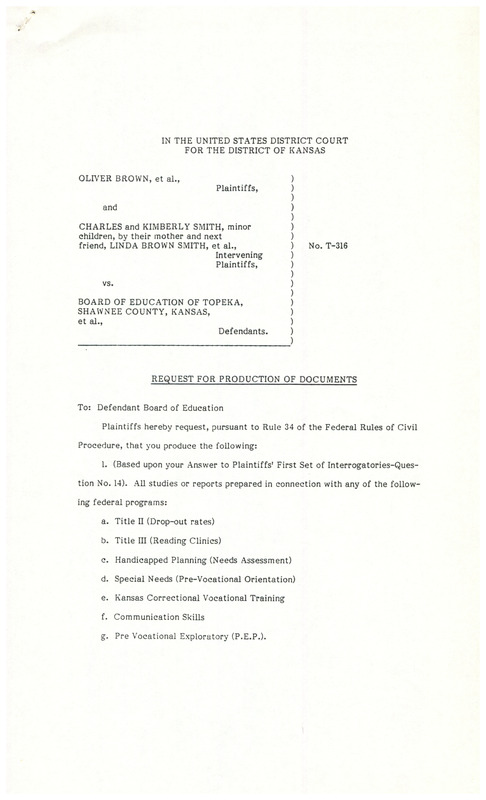
Case Data and Exhibits for Brown III, a relitigation of Brown v. Topeka Board of Education (1954) that corrected resegregation issues caused by open enrollment school choice in 1992. A list of documents the plaintiff attorneys request to be produced for evidence by the defense team.
Report on a telephone survey conducted with 400 Topekans selected randomly from the phone directory, conducted by Central Surveys Inc. of Shenandoah, Iowa. In general, the respondents believed the schools were performing well, but they also recognized patterns of segregation with the schools.
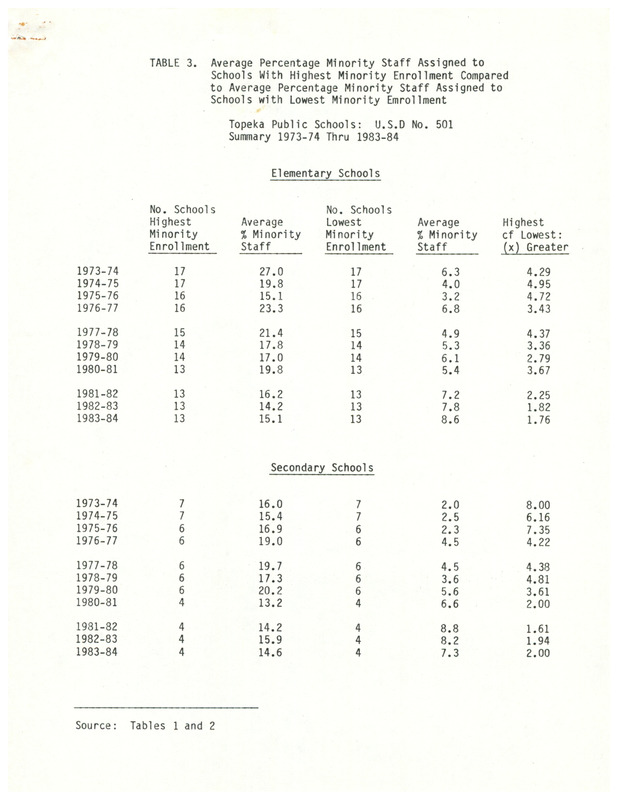
Case Data and Exhibits for Brown III, a relitigation of Brown v. Topeka Board of Education (1954) that corrected resegregation issues caused by open enrollment school choice in 1992. Charts comparing percentages of minority staff assigned to schools with highest minority enrollment to schools with the lowest in Topeka Schools from 1973 to 1984.
Case Data and Exhibits for Brown III, a relitigation of Brown v. Topeka Board of Education (1954) that corrected resegregation issues caused by open enrollment school choice in 1992. Charts comparing percentages of minority and white enrollment to minority and white staff members in Topeka, Kansas, schools from the 1973 to 1984 school years.
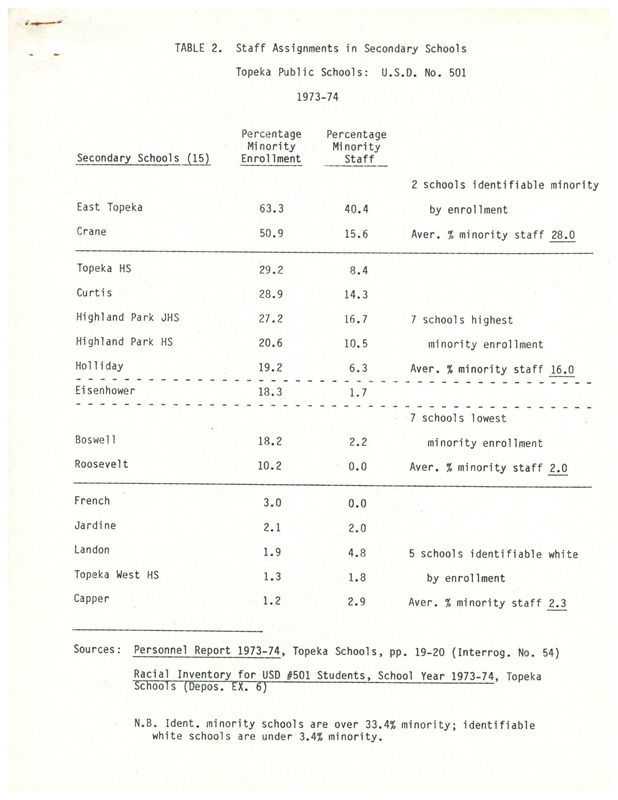
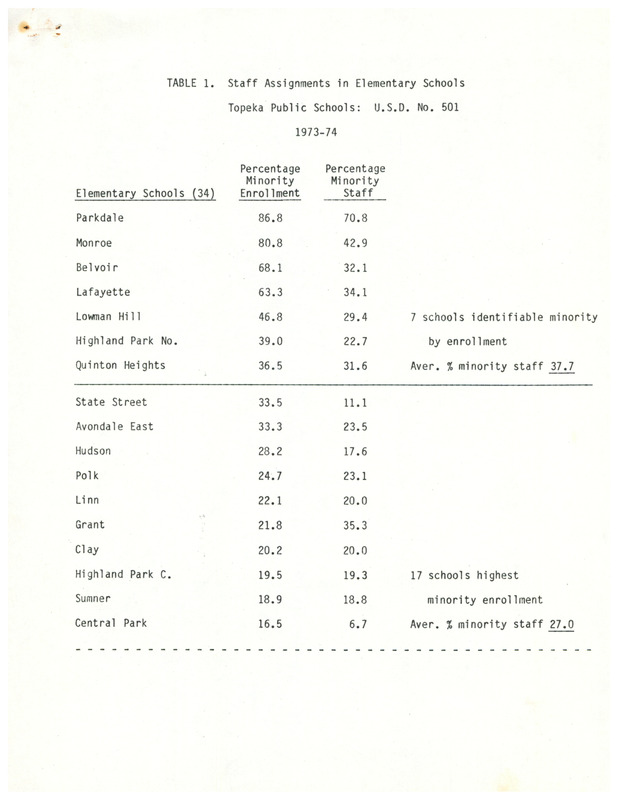
Case Data and Exhibits for Brown III, a relitigation of Brown v. Topeka Board of Education (1954) that corrected resegregation issues caused by open enrollment school choice in 1992. Charts comparing percentages of minority students to minority staff members in Topeka, Kansas, schools from the 1973 to 1984 school years.
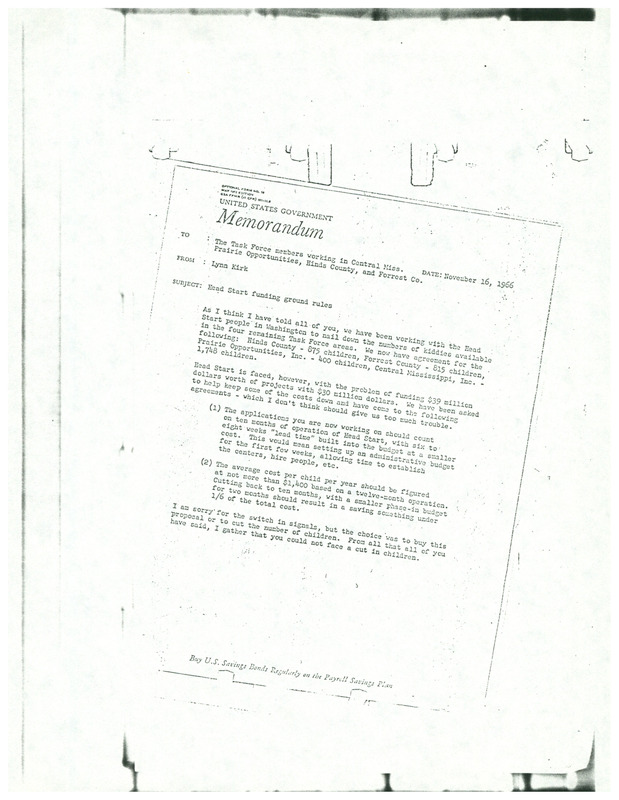
A United States Government Memorandum from Lynn Kirk to The Task Force members working in four different areas of Mississippi with the subject “Head Start funding ground rules.” The memo details how to save money so Head Start can operate with $30 million of a needed $39 million in funding without having to reduce the number of children served.
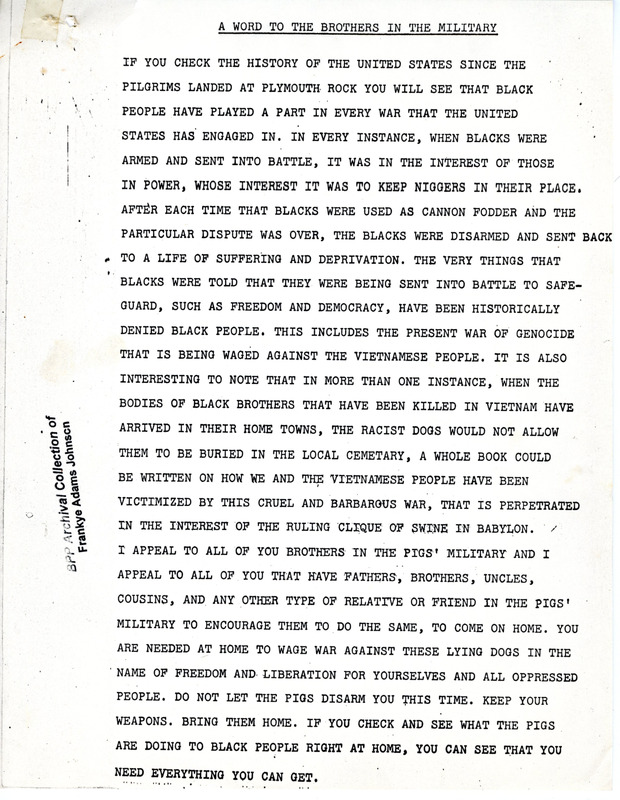
An essay encouraging Black members of the military to turn their weapons on their racist officers and come home with as many weapons as possible, like machine guns and grenades, for the liberation struggle. The author also suggests that the Black military members destroy machinery such as planes, tanks, helicopters, and ammunition dumps.
Case Data and Exhibits for Brown III, a relitigation of Brown v. Topeka Board of Education (1954) that corrected resegregation issues caused by open enrollment school choice in 1992. A document defining the regulation and accreditation of Kansas public schools as relating to administration, courses of study, and instruction.
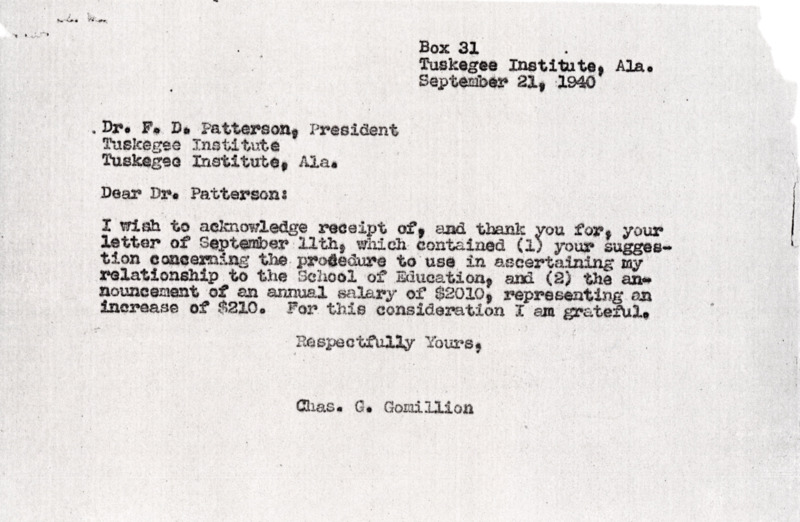
A letter from Charles G. Gomillion to President Frederick D. Patterson acknowledging his receipt of the 09/11/1940 letter and accepting increase in pay to continue working at Tuskegee.
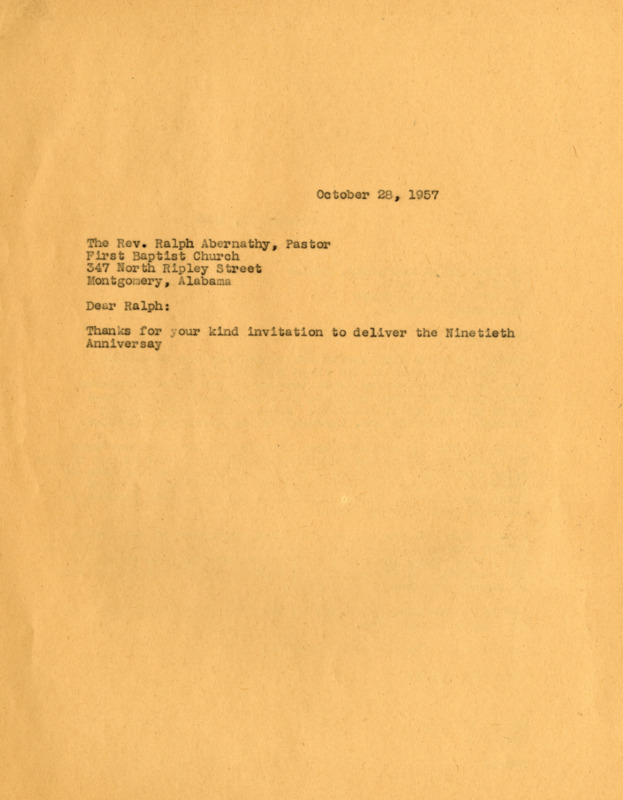
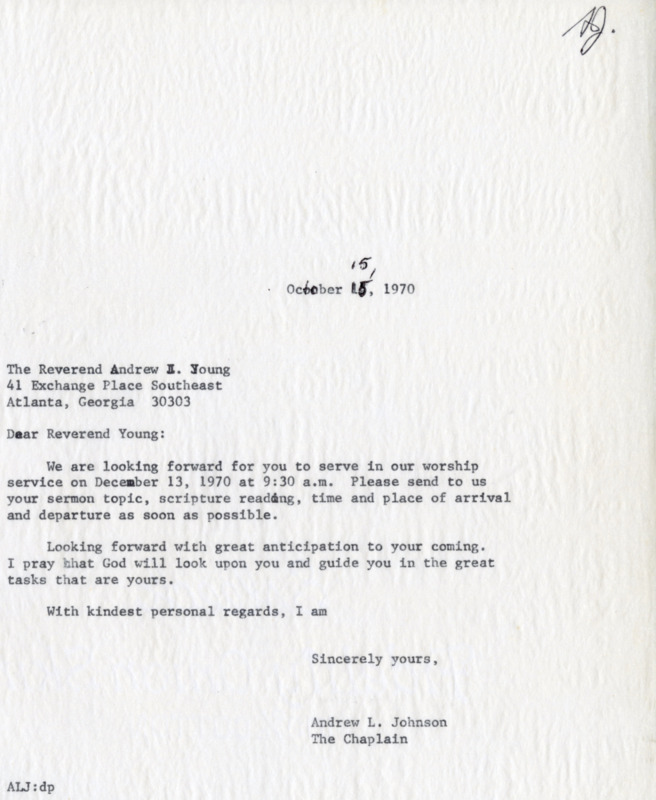
A thank you letter from Chaplain Wynn to Rev. Ralph Abernathy expressing gratitude for the invitation to be guest speaker for First Baptist Church celebration.
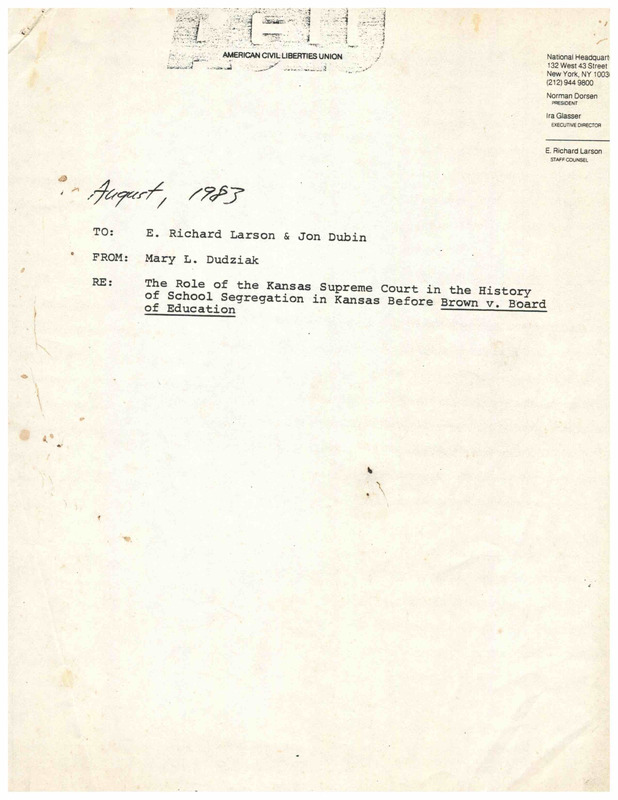
Case Data and Exhibits for Brown III, a relitigation of Brown v. Topeka Board of Education (1954) that corrected resegregation issues caused by open enrollment school choice in 1992. This essay from an unnamed author examines thirteen court cases that predated the first Brown case taken on by the Kansas Supreme Court that dealt with segregation.
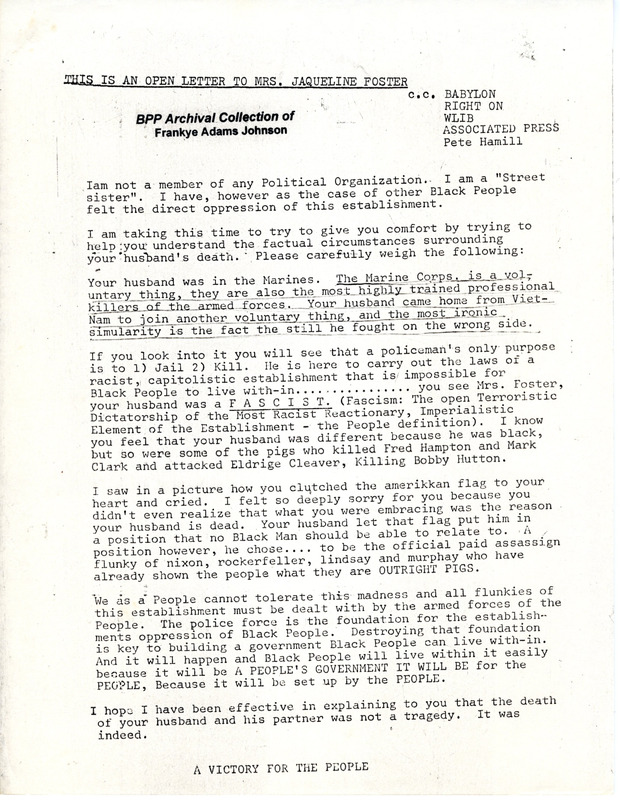
A letter to Jacqueline Foster, whose husband was recently killed in the line of duty as a police officer. The author writes that the officer, even though he was Black, was fighting on the side of the “racist, capitolistic (sic) establishment” and therefore his death was not a tragedy but “it was indeed a victory for the people.”
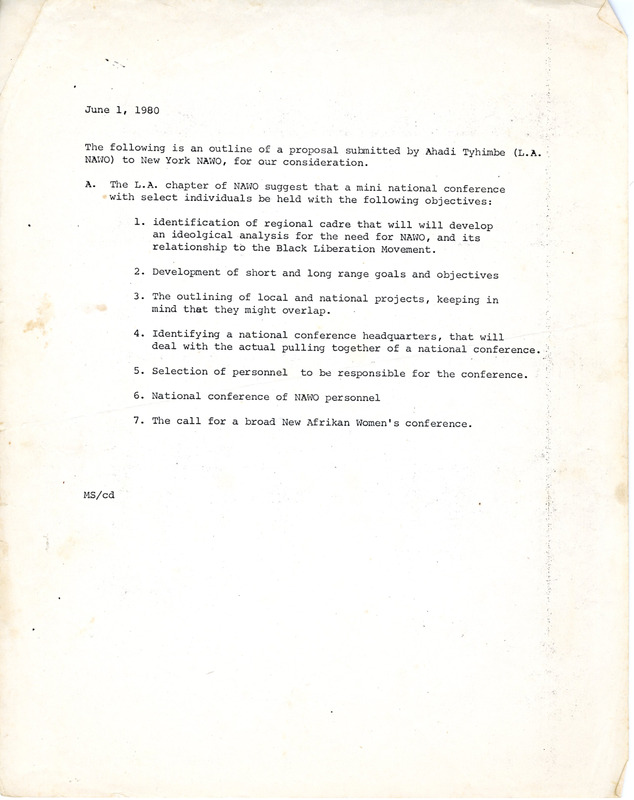
An outline of a proposal of objectives for a national conference submitted by Ahadi Tyhimbe of the Los Angeles New Afrikan Women’s Organization for the consideration of the New York New Afrikan Women’s Organization. Objectives include development of goals and objectives, outlining of projects, and selecting a city to host a national conference.
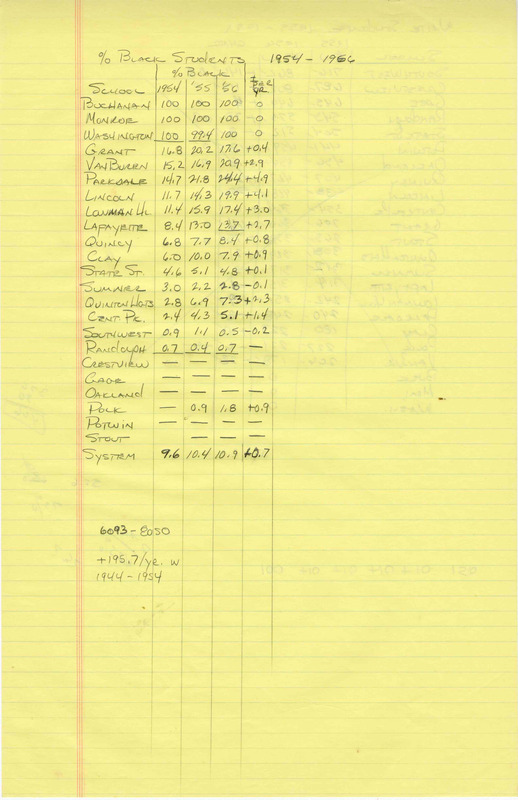
Case Data and Exhibits for Brown III, a relitigation of Brown v. Topeka Board of Education (1954) that corrected resegregation issues caused by open enrollment school choice in 1992. Analysis (handwritten notes and spreadsheets by William Lamson) of numbers and percentages of Black students in Topeka Public Schools from 1950-1983.
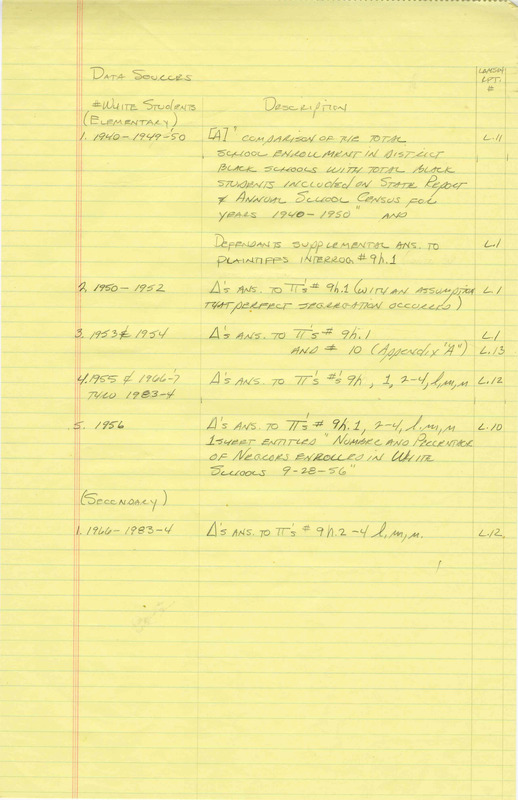
Case Data and Exhibits for Brown III, a relitigation of Brown v. Topeka Board of Education (1954) that corrected resegregation issues caused by open enrollment school choice in 1992. Spreadsheets calculating percentages of white students in Topeka Public Schools plus a handwritten page listing data sources, all by William Lamson.
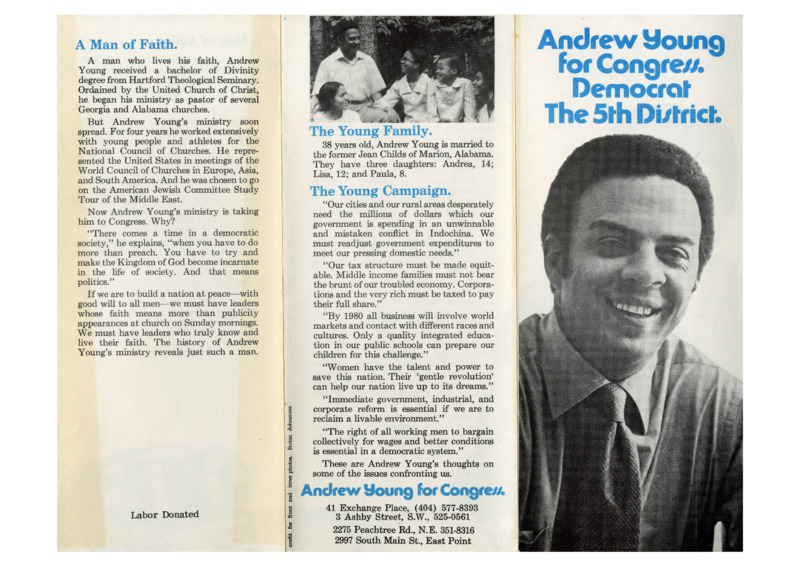
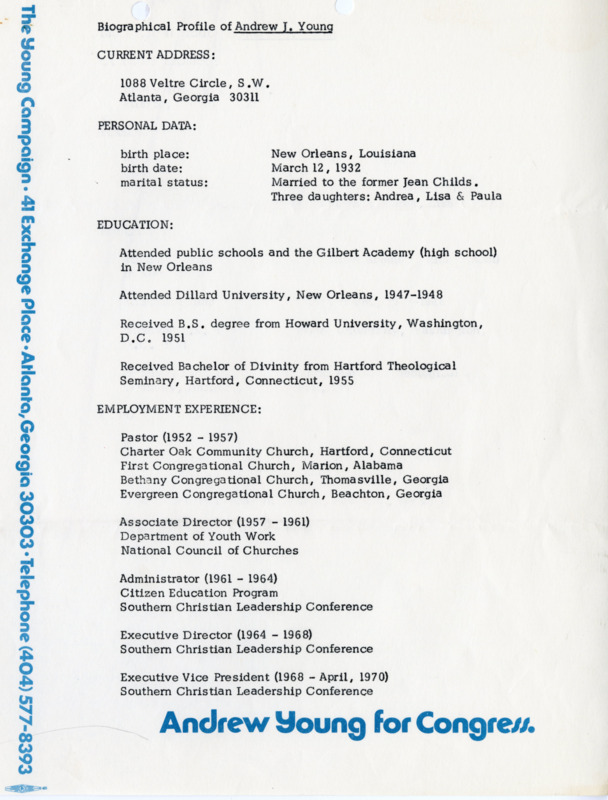
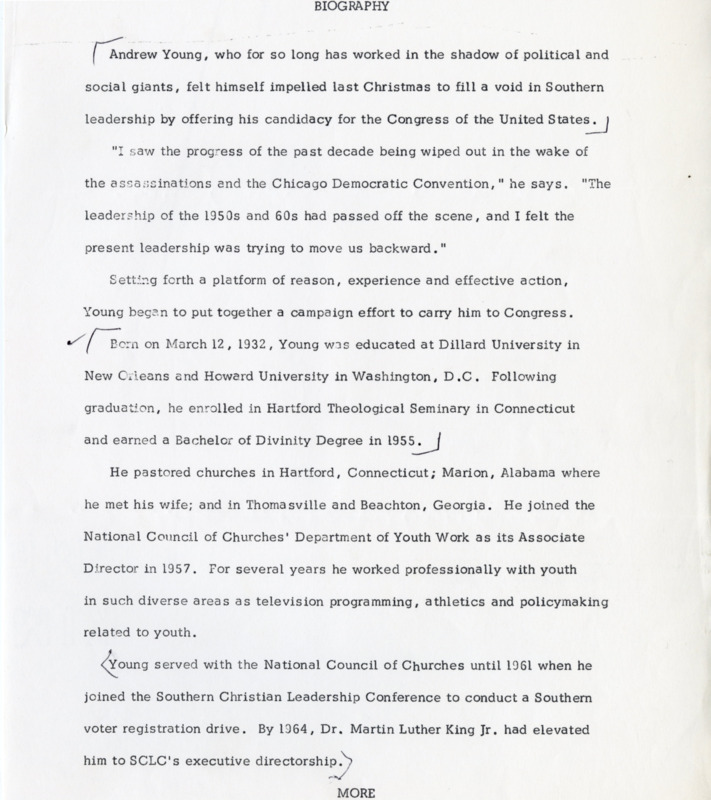
A biography of congressional candidate Andrew Young. This document explains his education and experience and why he is qualified to run for political office.
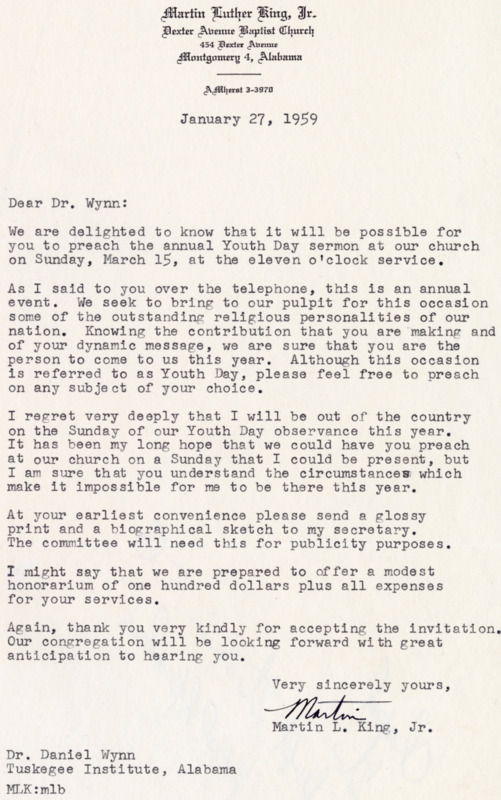
A letter from Dr. Martin Luther King Jr. to Chaplain Wynn thanking him accepting to speak at the Annual Youth Day on March 15, 1959. Unfortunately, Dr. King will not be present to listen to Chaplain Wynn’s sermon due to prior engagements out of the country.
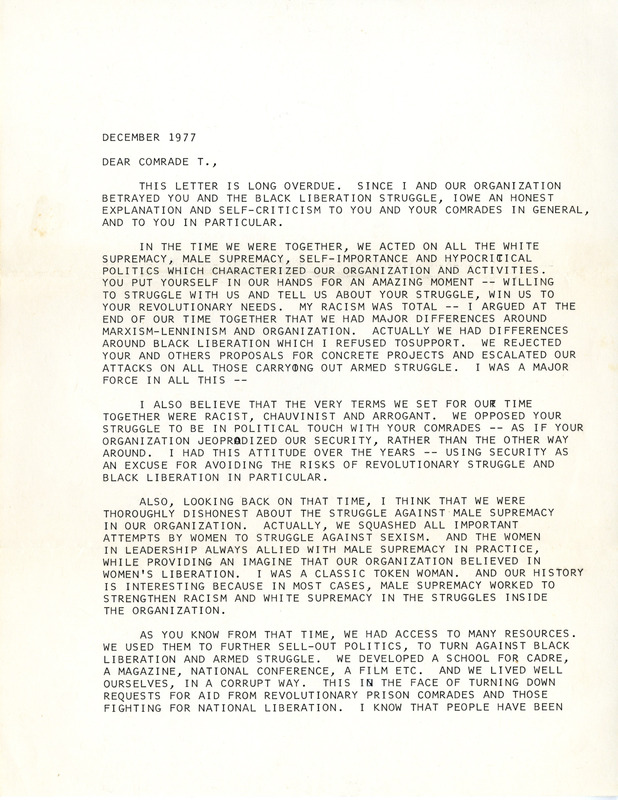
“J”, a White movement leader, writes to “T” to apologize, explain, and take responsibility for past behavior that was in retaliation to the Black Liberation struggle. “J” explains the connection between sexism and racism. “J” acknowledges that Comrade “T” always understood the organization was wrong.
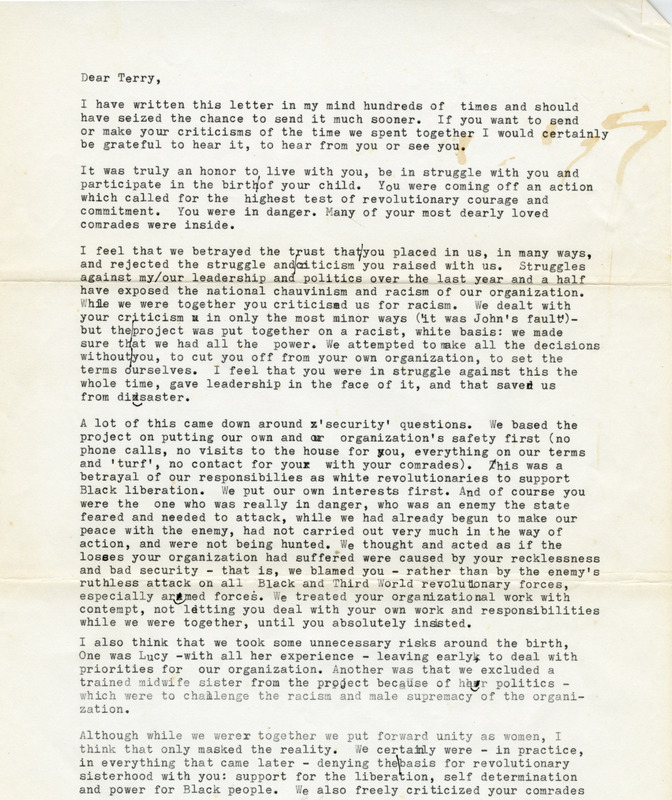
Maggie/Jean, a White revolutionary, writes to an unknown Black Liberation movement leader. The author is apologizing for the way White revolutionaries dealt with the struggle for Black liberation during the time they worked together. The writer says that the criticisms of their group exposed the national chauvinism and racism of their organization.