This collection showcases the rich legacies of HBCUs through ephemera and material objects, including maps, blueprints, audiovisual materials, newspaper articles, buttons, collectibles, memorabilia, clothing and accessories, scrapbooks, speeches, photographs, brochures, and posters.
Date Modified
2025-12-17
About This Record
The HCAC public history focused digital archive cataloging is an ongoing process, and we may update this record as we conduct additional research and review. We welcome your comments and feedback if you have more information to share about an item featured on the site, please contact us at: HCAC-DigiTeam@si.edu
Mathew Thomas worked for Mississippi Action for Progress (MAP) as an accountant for the Head Start programs in Mississippi. He discusses some of the racial dynamics in MAP and Head Start. He also talks about the current state of young people and his ideas on re-focusing what Head Start should look like in the future.
Mattie Bell began working at Head Start in 1965 recruiting students for the program and working as a teacher's aid. She talks about her time as a Head Start Area Teacher Guide in Sharkey County and Issaquena County in Mississippi. She worked the same job for 20 years (even though the title changed a couple of times).
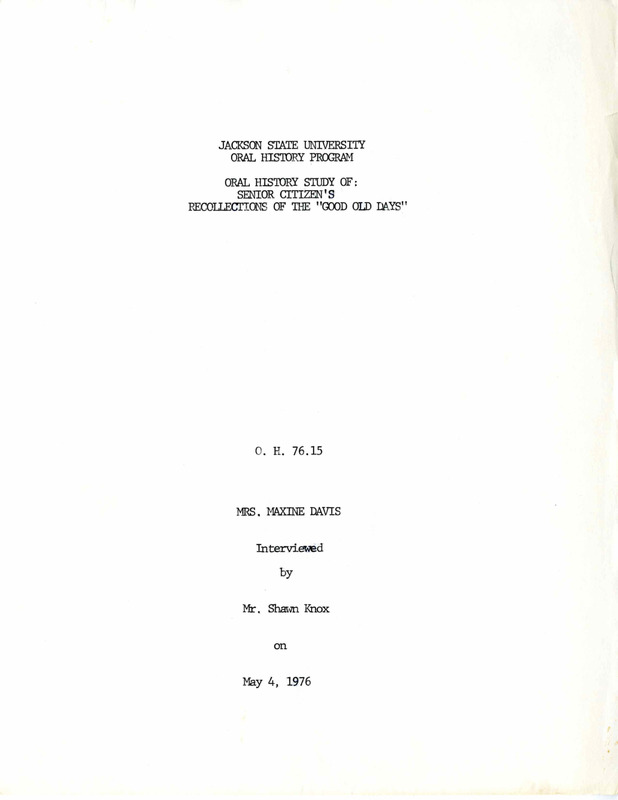
Maxine Davis was born in Forrest, Mississippi, in 1907 and came to Jackson around 1934. She believes the “Good Old Days” are in the present because race relations are better now. She talks about experiencing the Civil Rights Movement. She remembers the use of coal and wood stoves, kerosene lamps, and people growing their food when she was younger.
Maxine Hudson began her education at a Head Start program in a church in Louisville, Mississippi, and she discusses the good it did for her in her educational life and career. She became a teacher herself at Eiland Middle School in Louisville, Mississippi.
Mayor Phillip Curtis West returned to Mississippi from Chicago in 1964 to become involved in the Civil Rights Movement. Becoming involved with the NAACP at Alcorn State University led him to eventually end up in Mississippi politics, being elected to the Mississippi House of Representatives in 1997 and Mayor of Natchez, Mississippi in 2004.
Melba Smith heard about Head Start for the first time in 1968 and after attending a community meeting, she started working for Head Start with the title of Head Teacher. She went on to work as an internal auditor with Head Start. She discusses her roles in those positions as well as other community service oriented jobs she worked over the years.
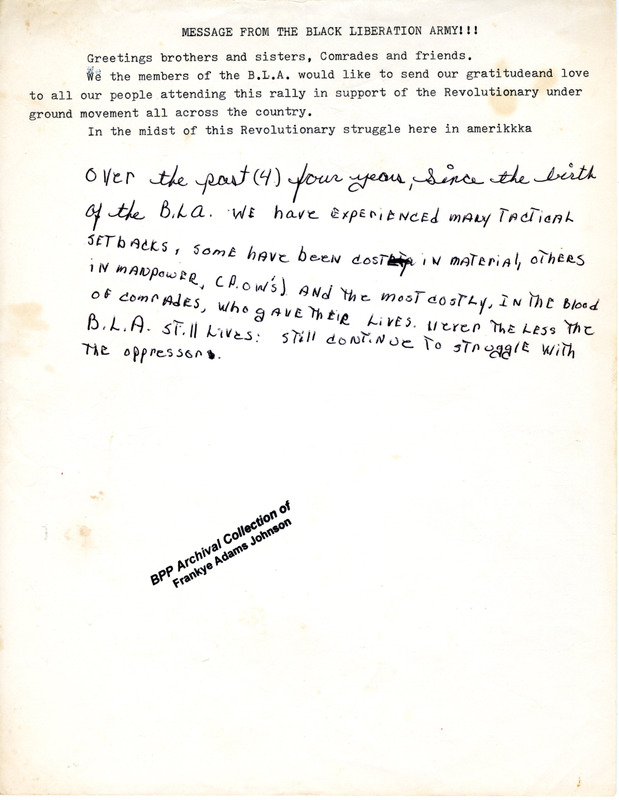
Brief greetings given on behalf of the Black Liberation Army (BLA) to people attending a rally in support of revolution. With handwritten notes by Frankye Adams-Johnson (Malika) about some of the tactical setbacks the BLA has experienced, the most costly of which being the loss of people who gave their lives to the struggle.
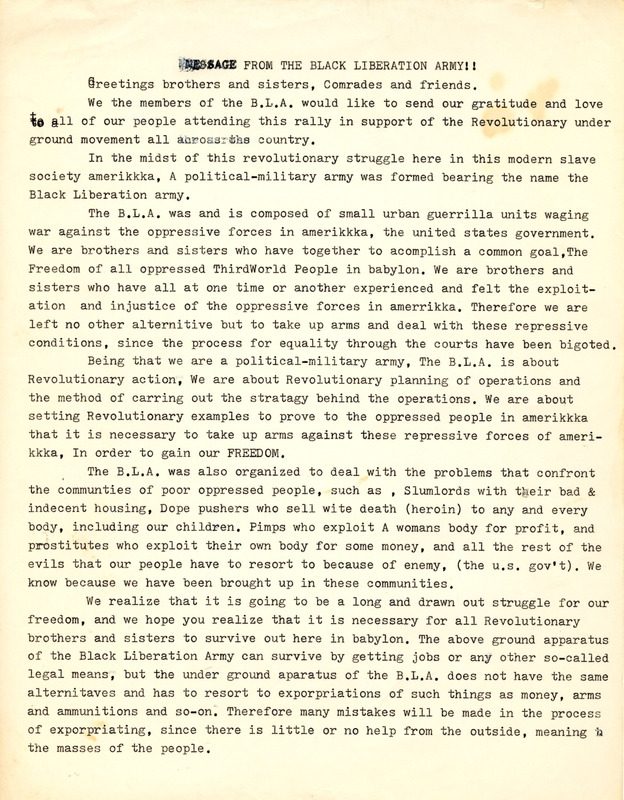
A message from the Black Liberation Army (BLA) to brothers and sisters, comrades and friends attending a rally. The message briefly outlines the history and tenets of the organization, including taking up arms against the oppressive government as well as combatting ills in the community such as slumlords, drug pushers, and pimps.
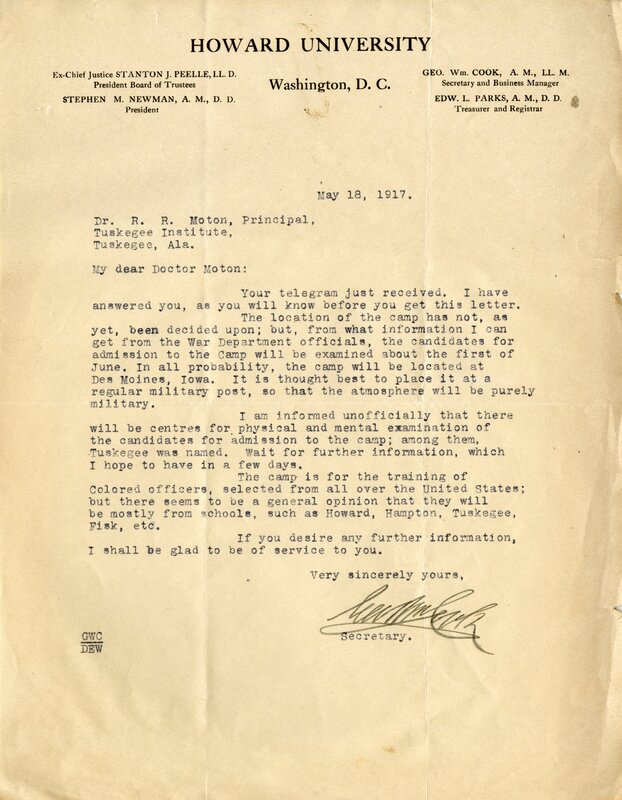
A letter written to Dr. Moton, the Principle of Tuskegee University, then Tuskegee Normal and Industrial Institute that no official decision on the location for the military training camp has been decided. Mr. Parks also notes that the camp will be a center to test the physical and mental capacities of the negro recruits.
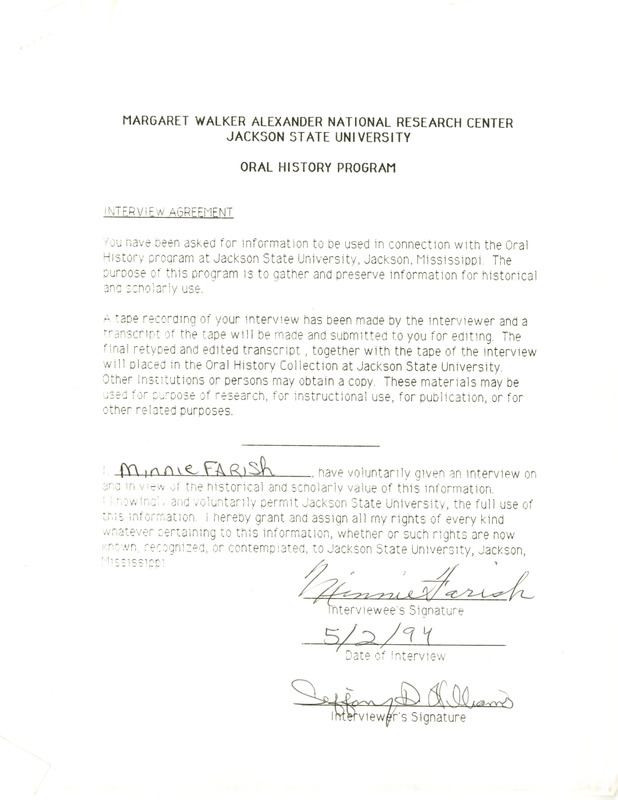
Minnie Farish was born on Farish Street and lived her life there. Ms. Farish talks about her childhood on Farish Street and her time at Smith Robertson School and Lanier High School. She recounts the homes and businesses on Farish Street and talks extensively about her family. She also talks about what it was like living in the Jim Crow Era.
Minnie Ripley helped bring Head Start to Mayersville, Mississippi. She talks about her experiences in the Civil Rights Movement, including her story of registering to vote and being put in jail. She also recounts her position as chairwoman of the board of the Mayersville Head Start program, one of the earliest in Mississippi.
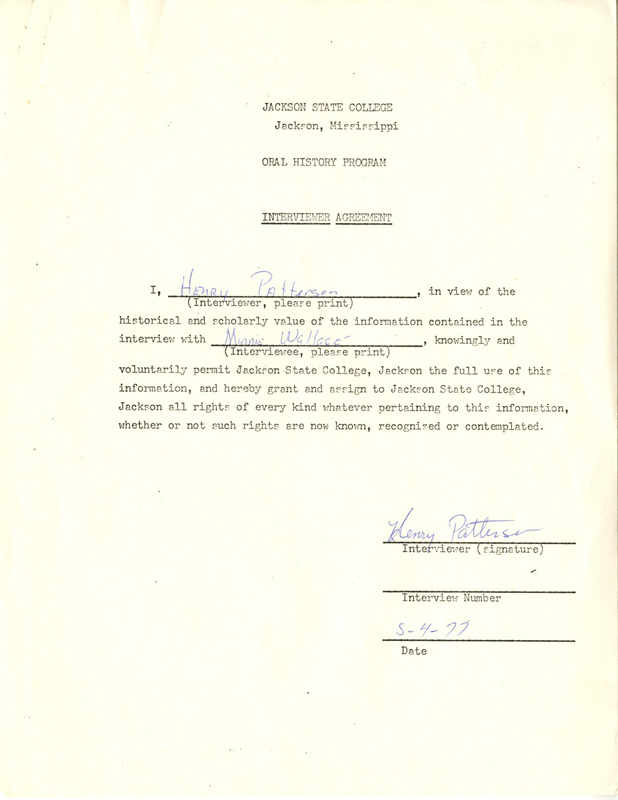
Minnie Wallace was born in Winston County, Mississippi, in 1910 and moved with her preacher father to Yazoo City, Mississippi, in 1929. She talks about her childhood, saying it was difficult because the family worked as sharecroppers. She also discusses her education through graduating from Jackson State College in 1943. Transcript is handwritten.
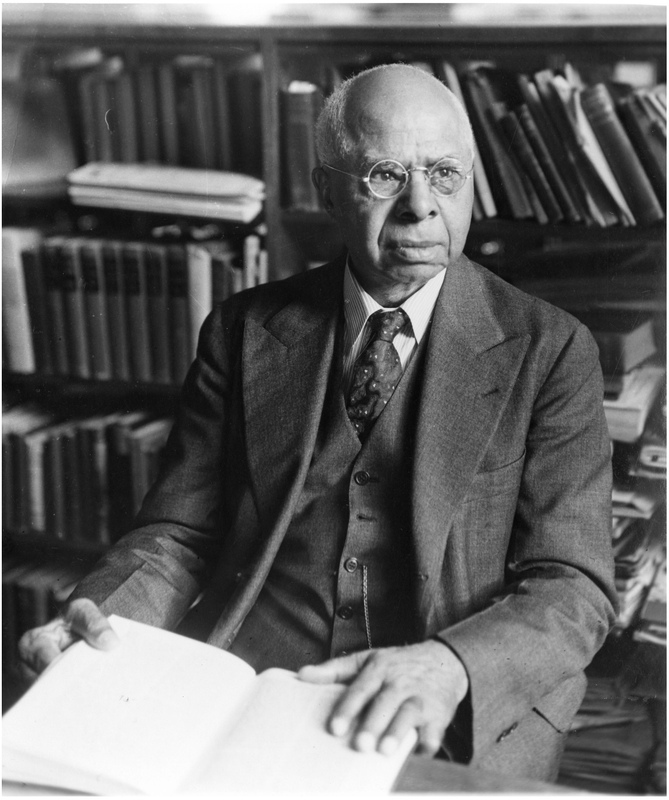
Black and white image of an older Monroe N. Work. Mr. Work was an African American sociologist and founder of the Department of Records and Research at Tuskegee University, formerly known as Tuskegee Institute.
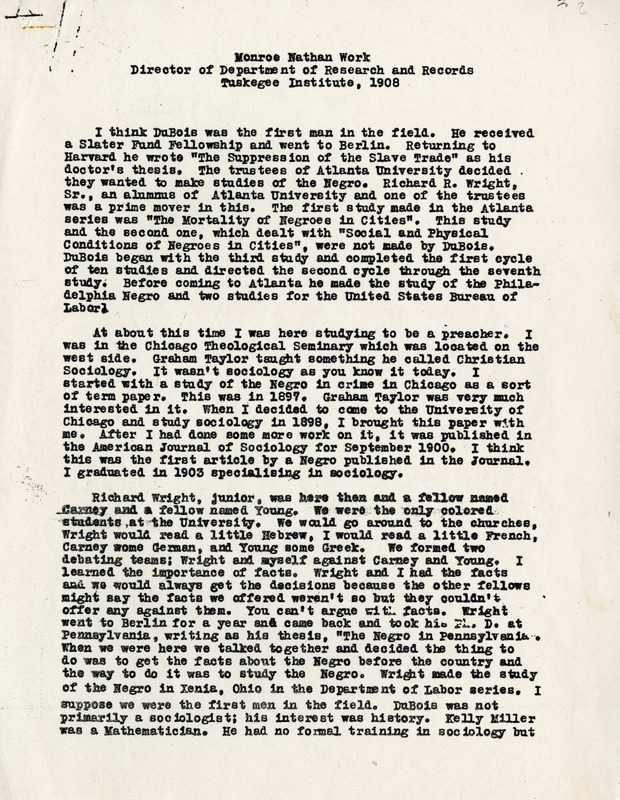
A four-page statement by Monroe N. Work to Lewis A. Jones about the origins of the field of Black studies, Work's initial involvement with the field, his activities at Tuskegee, and Work's sociological influences.
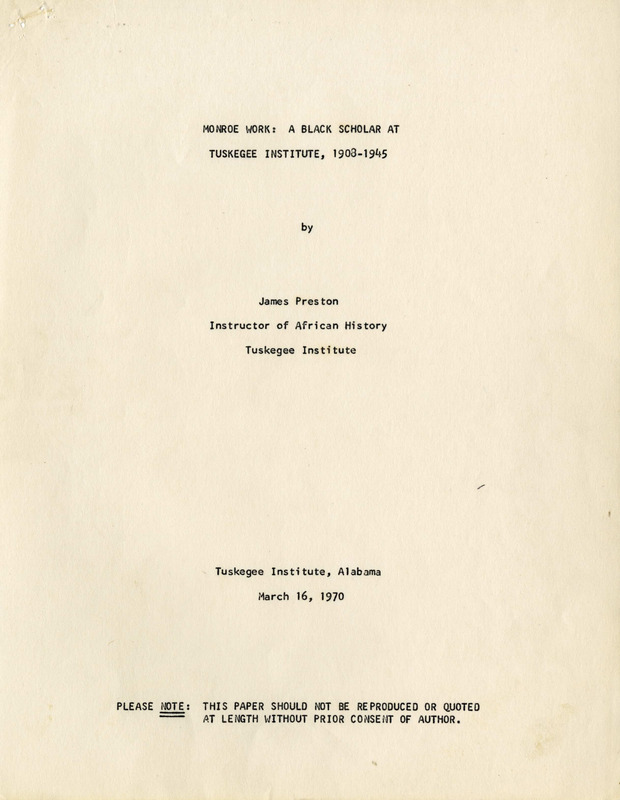
A 25-page academic paper about Monroe N. Work's activities as an African scholar over the course of his career. Contains direct quotes from Work's papers. At the time of writing, James Preston was an instructor of African history at Tuskegee.
In this interview, Texas Southern art alumnus Moses Adams, Jr. discusses his experiences as a student in the class of 1969. He found his undergraduate courses challenging because he lacked a deep background in art, and the TSU faculty had high standards. Adams created a sprawling, abstract mural reflecting on drug addiction and urban decay.
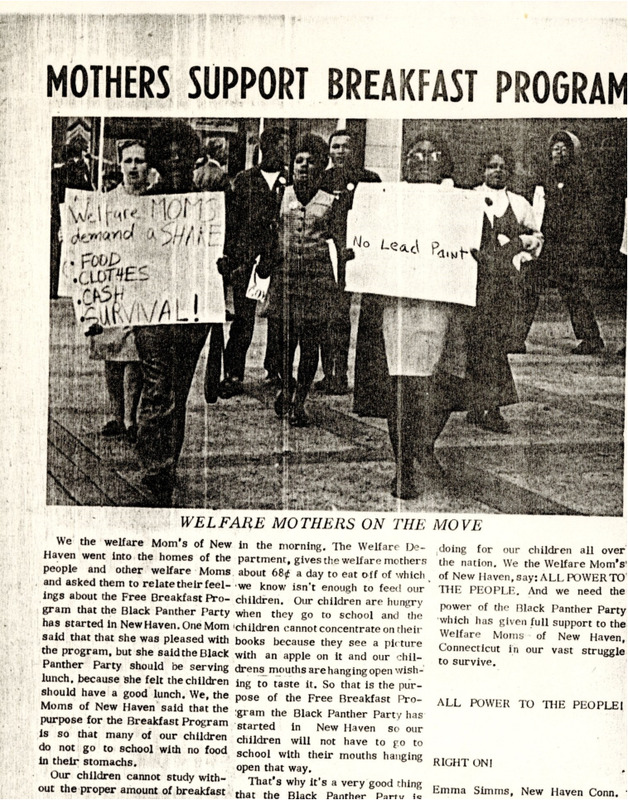
A newspaper article by Emma Simms of New Haven, Connecticut, in The Black Panther about the free breakfast program in New Haven. She writes on behalf of “the welfare moms of New Haven,” saying that welfare money doesn’t provide enough money for adequate food for children and the Black Panthers are filling that void in the community.
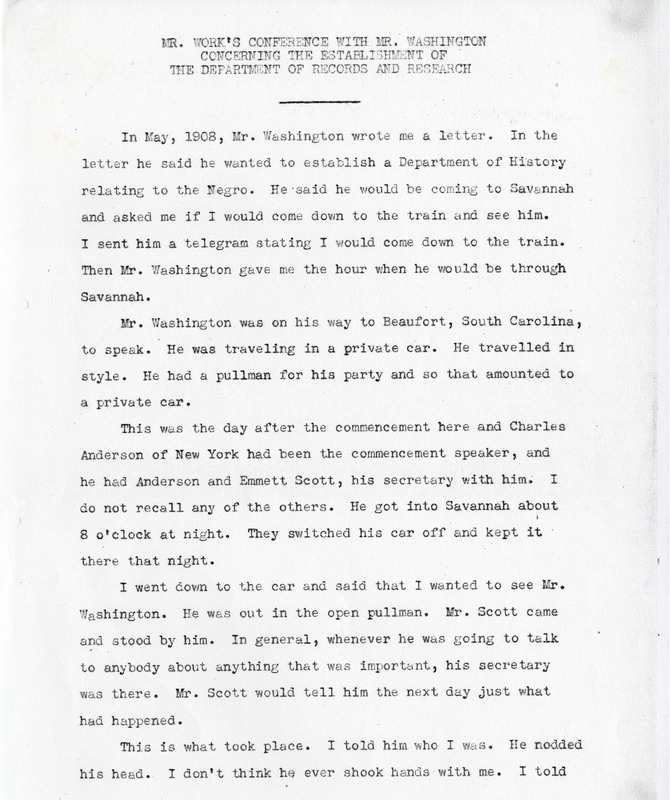
Four-page document summarizing Monroe N. Work's May 1908 meeting with Booker T. Washington in Savannah, Georgia as well the origins of the Records and Research Department at Tuskegee.
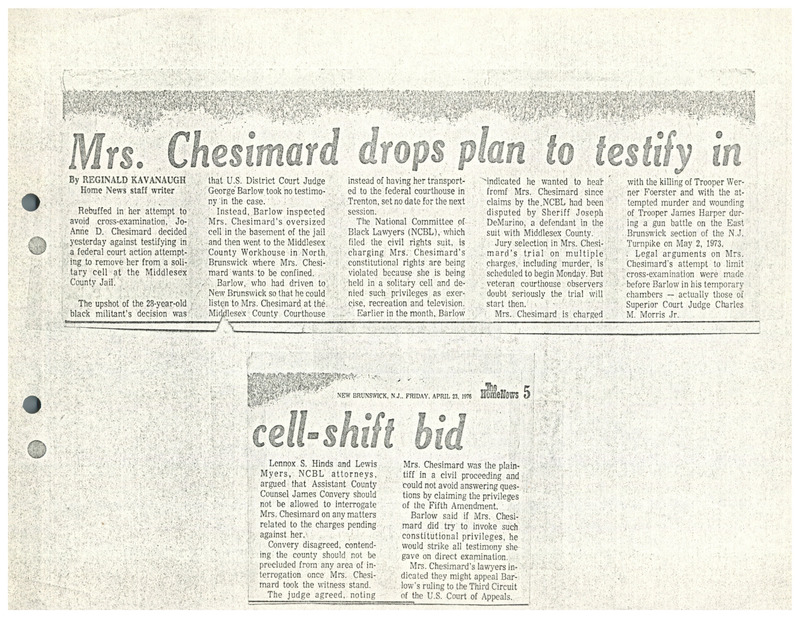
A newspaper article from The Home News about Assata Shakur (JoAnne Chesimard) dropping her plan to testify in her attempt to get moved to a larger cell while in Middlesex County to stand trial for the May 1973 killing of a state trooper. Shakur was convicted in 1977 of the killing and escaped prison in 1979.
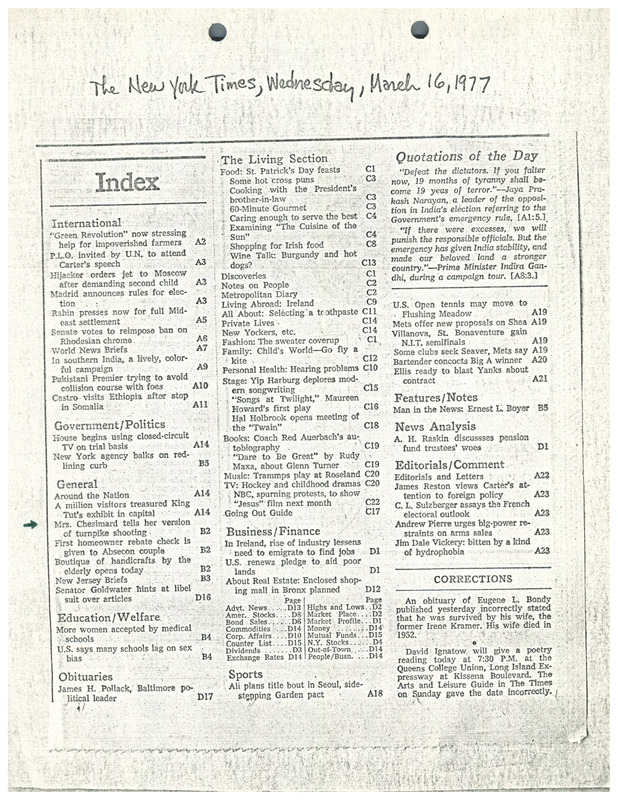
A newspaper article from The New York Times detailing the testimony Assata Shakur (JoAnne Chesimard) gave during her trial for the 1973 killing of a state trooper. In her testimony, she denied shooting anyone, or possessing a firearm, and gave her account of what happened that day.
Willie Payton began with Head Start holding meetings at churches to encourage people in the community to get involved. She ultimately helped with the opening of the first Head Start Center in the Pearson Community in Rankin County, Mississippi. She discusses her experiences with voter registration work in Mississippi in the 1960s.
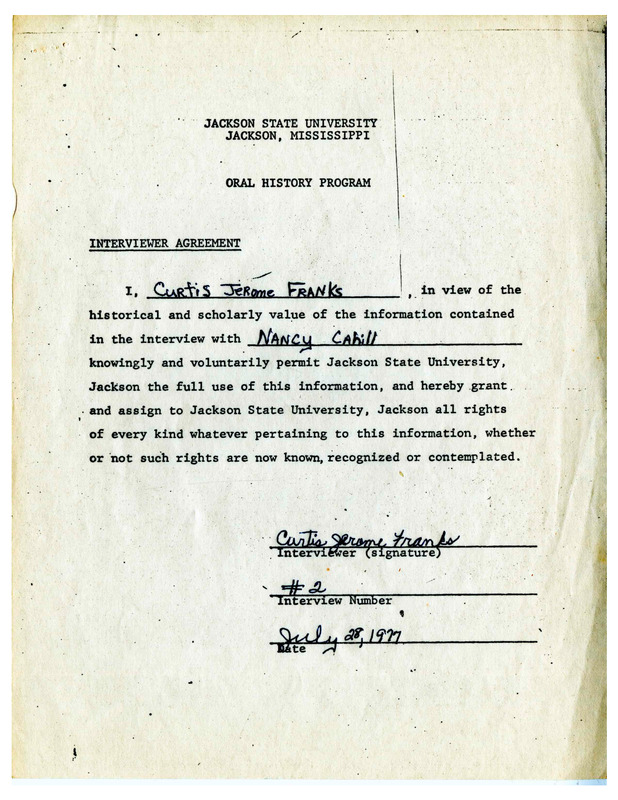
Nancy Cahill moved from Washington D.C., with her parents in 1948 when she was six years old and had lived in Clinton most of her life. In the interview she talks about her family's history in Clinton, MS, dating back to the 19th century; the town's rapid growth; her education; how Clinton compares and contrasts with Jackson; and racism in Clinton.
Nancy Stewart worked in the central office of the Child Development Group of Mississippi (CDGM) in Jackson, Mississippi, from 1967 until 1970. She talks about growing up during segregation in Gulfport, Mississippi, and the views that many people had about Head Start serving Black children. Interview is incomplete. Recording cuts short at the end.
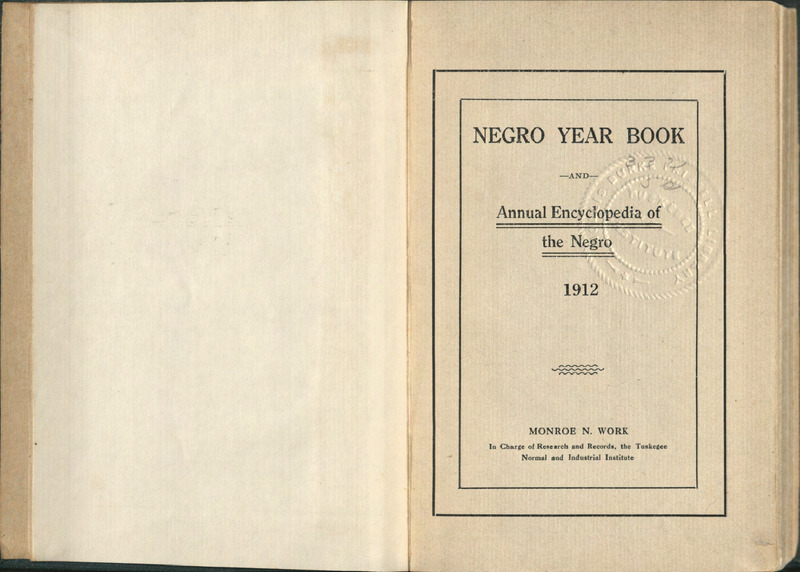
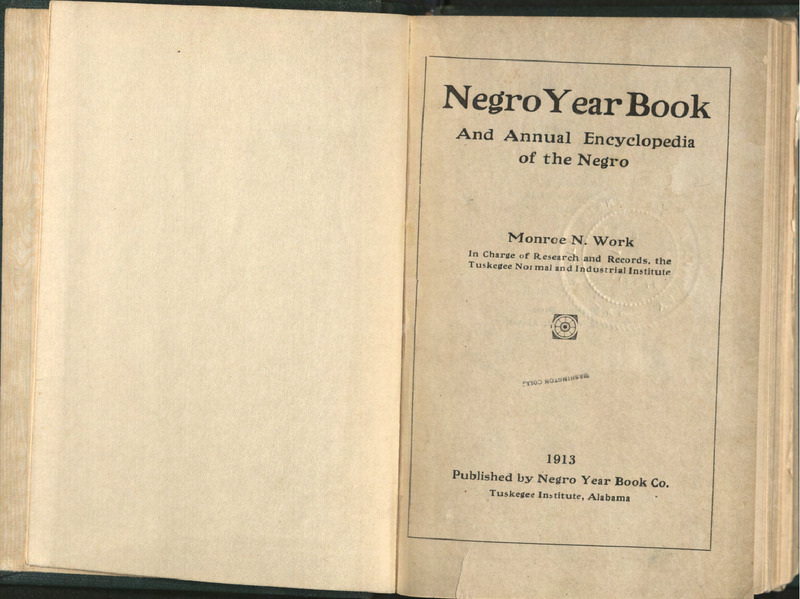
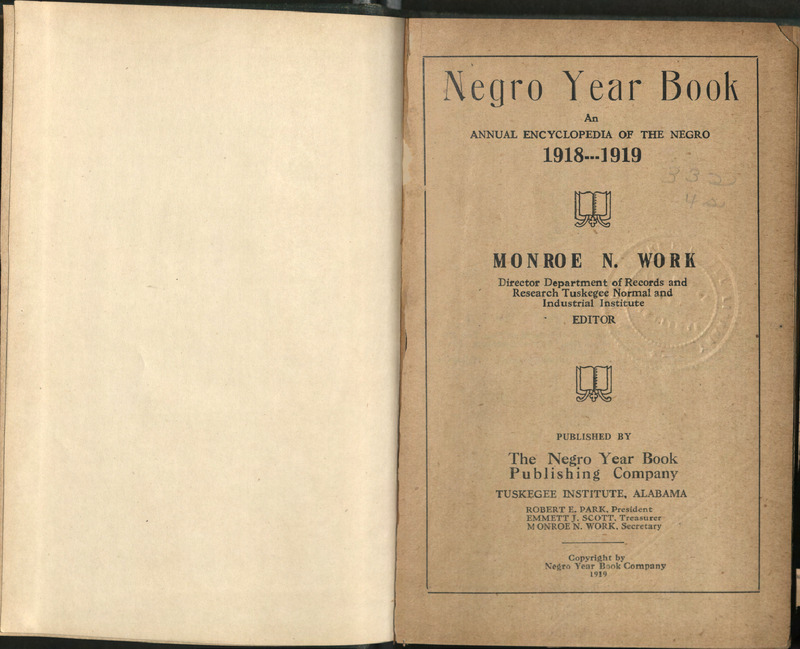
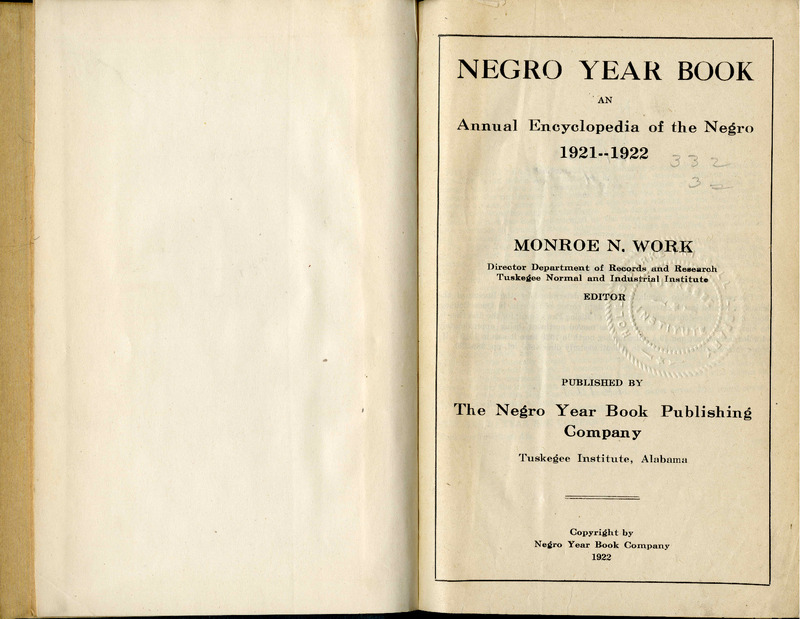
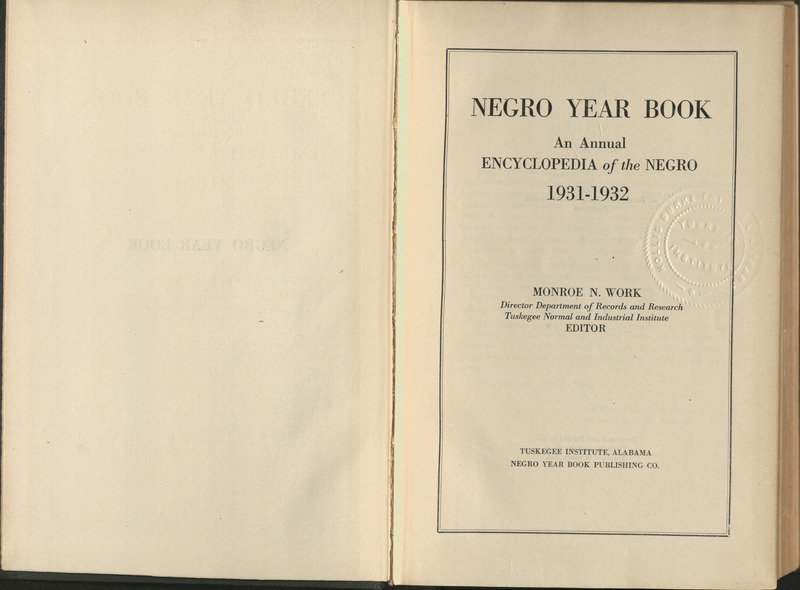
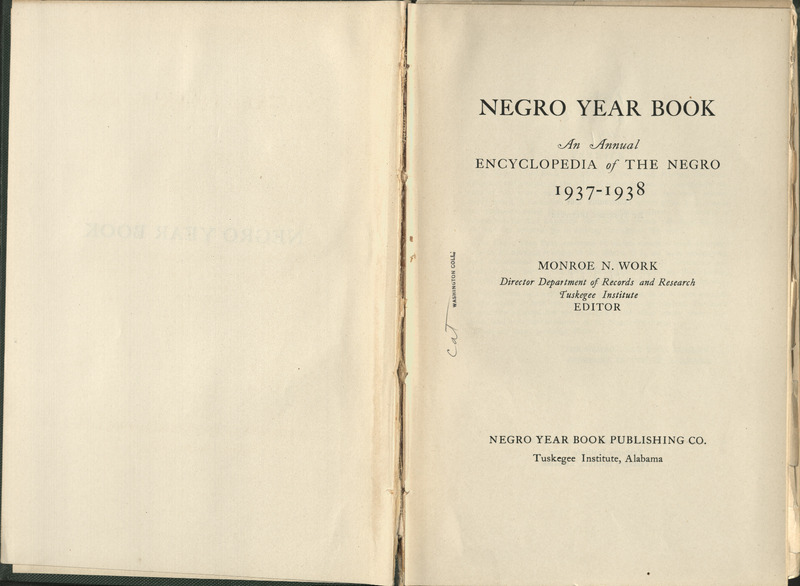
The Negro Yearbooks was an annual encyclopedia of the Negro published at Tuskegee University from 1912-1952. This chapter describes the history of slavery, abolition and freedom in the United States from 1645 to 1865.
The Negro Yearbook was an annual encyclopedia of the Negro published at Tuskegee University from 1912-1952. This chapter details the civil and political status of the Negro before 1865 to the early twentieth century.
The Negro Yearbook was an annual encyclopedia about African Americans, published at Tuskegee University from 1912 to 1952. This chapter focuses on the future of African American music.
The Negro Yearbook was an annual encyclopedia about African Americans, published at Tuskegee University from 1912 to 1952. This chapter details the growth of African American businesses since 1865.
The Negro Yearbook was an annual encyclopedia about African Americans, published at Tuskegee University from 1912 to 1952. This chapter details African Americans in politics since the end of the Civil War.
The Negro Yearbook was an annual encyclopedia of the negro published at Tuskegee University from 1912-1952. This chapter describes the importance of church to the African American community.