This collection showcases the rich legacies of HBCUs through ephemera and material objects, including maps, blueprints, audiovisual materials, newspaper articles, buttons, collectibles, memorabilia, clothing and accessories, scrapbooks, speeches, photographs, brochures, and posters.
Date Modified
2025-12-17
About This Record
The HCAC public history focused digital archive cataloging is an ongoing process, and we may update this record as we conduct additional research and review. We welcome your comments and feedback if you have more information to share about an item featured on the site, please contact us at: HCAC-DigiTeam@si.edu
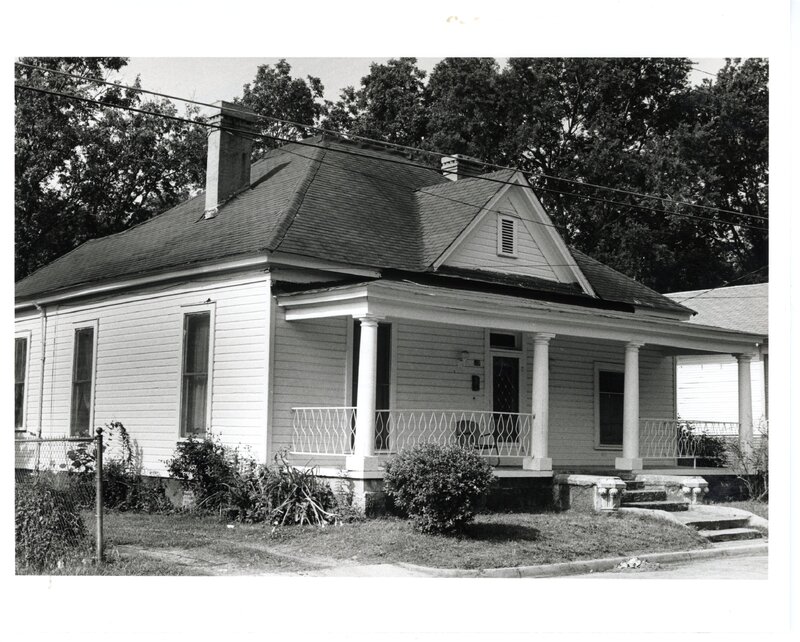
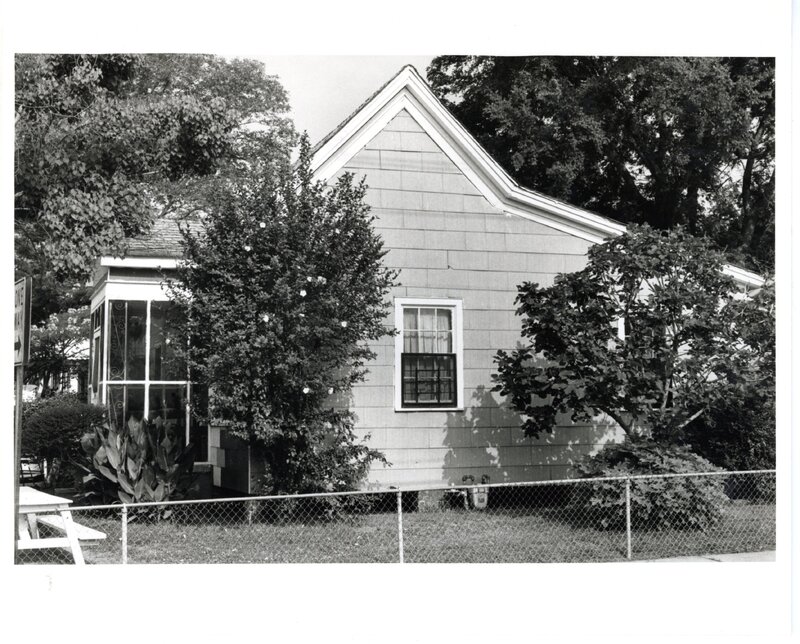
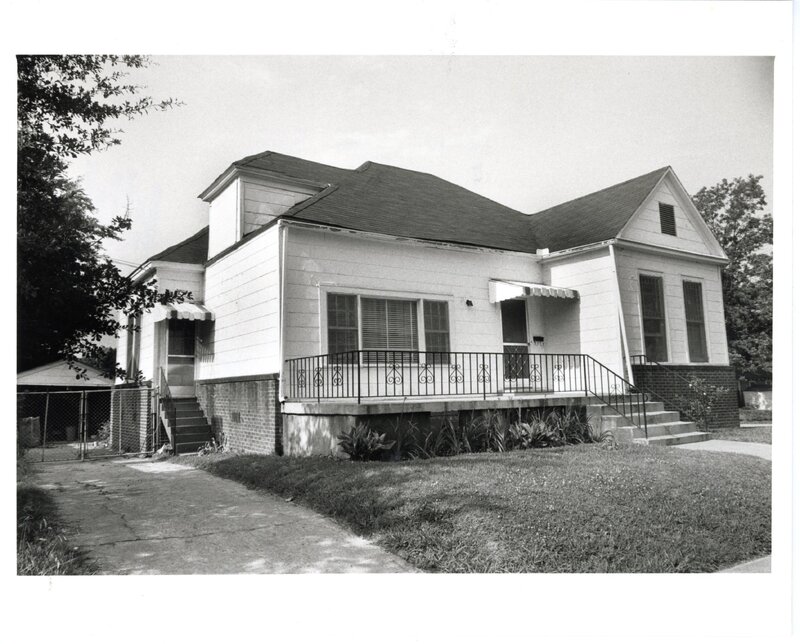
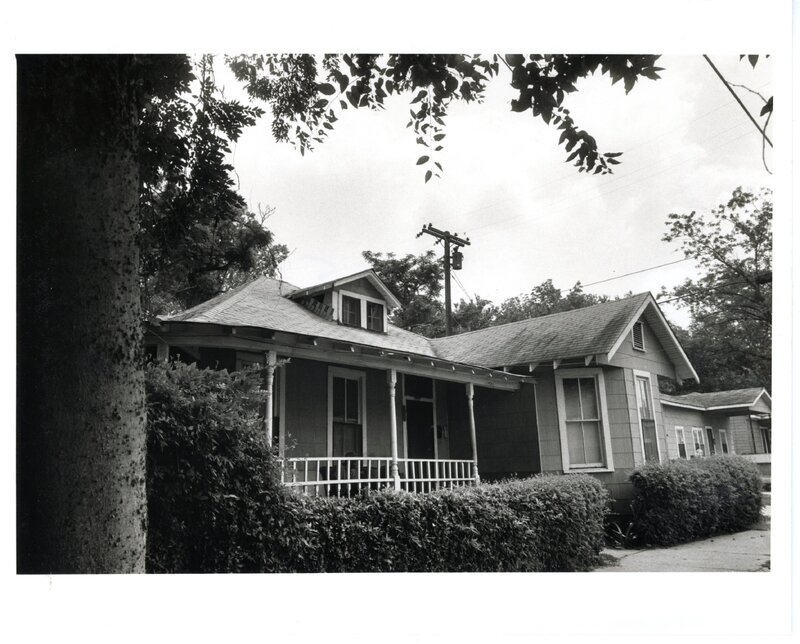
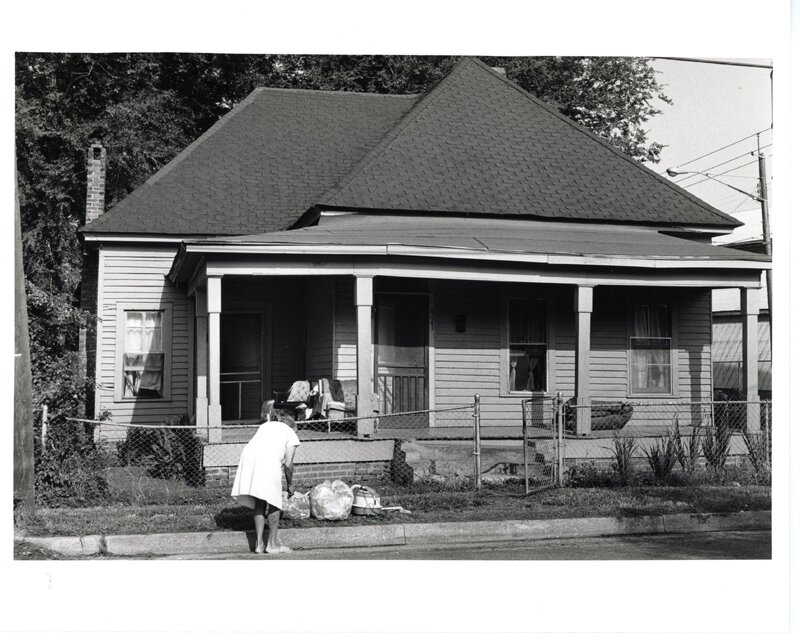
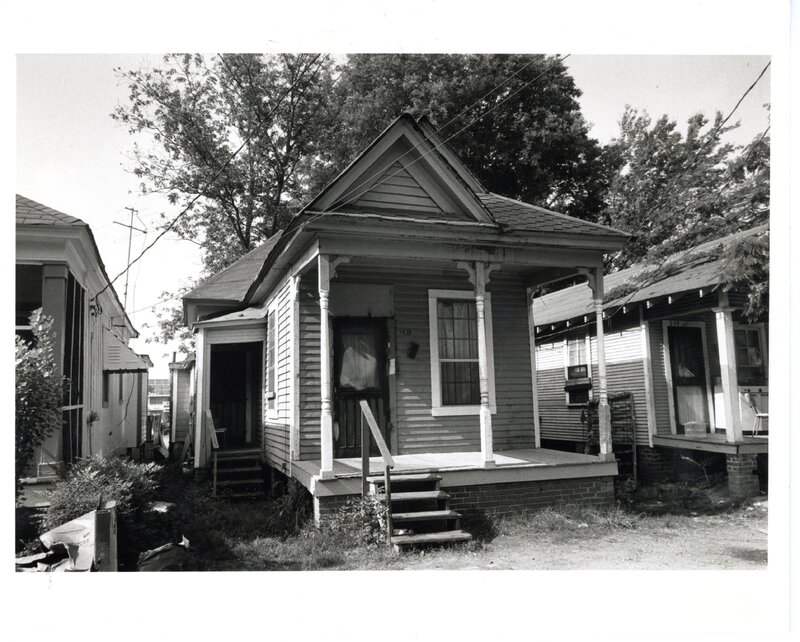
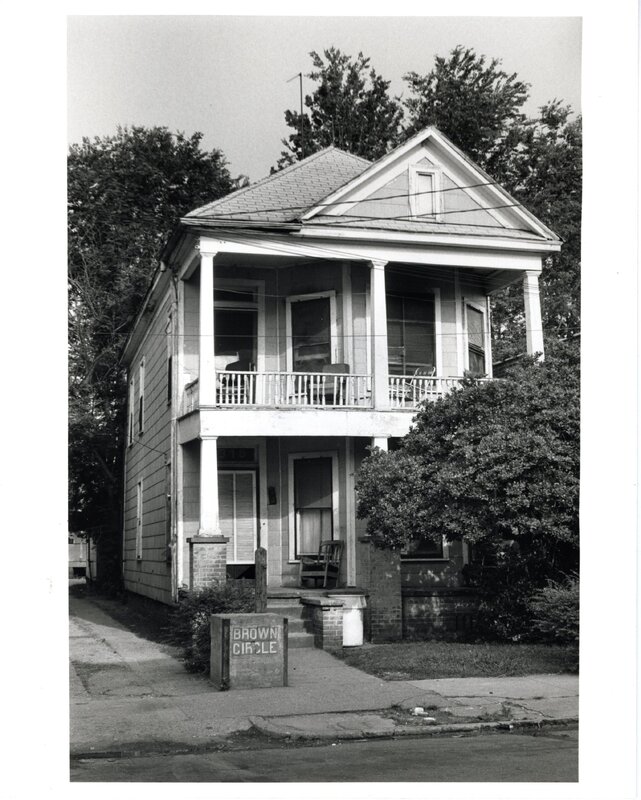
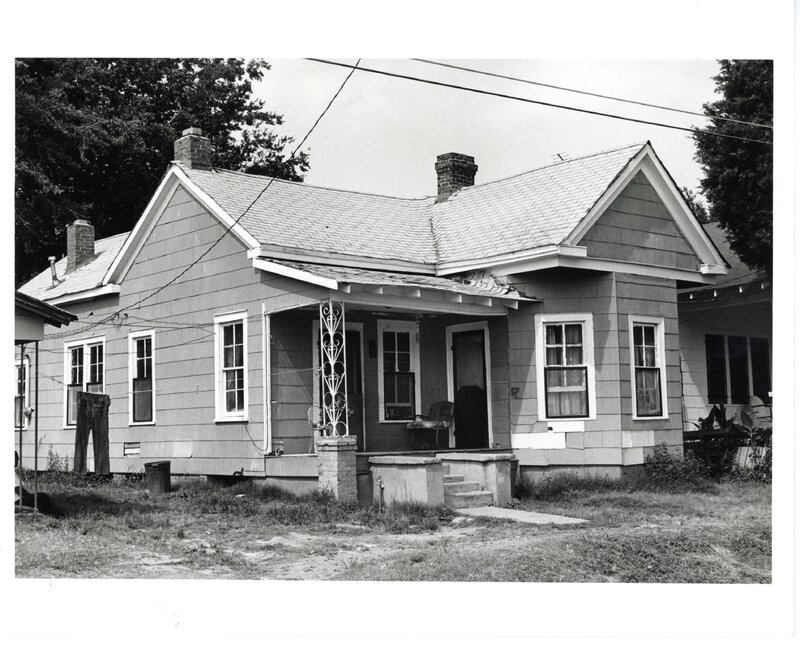
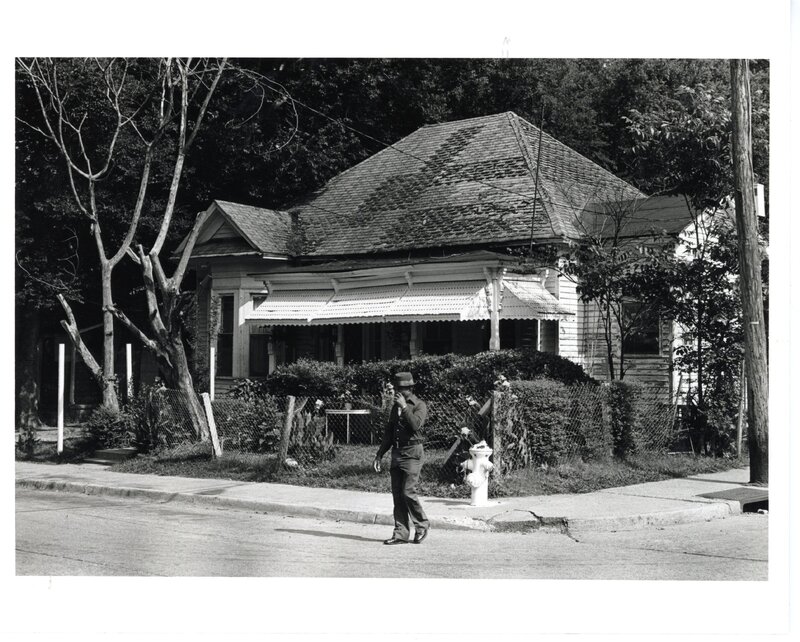
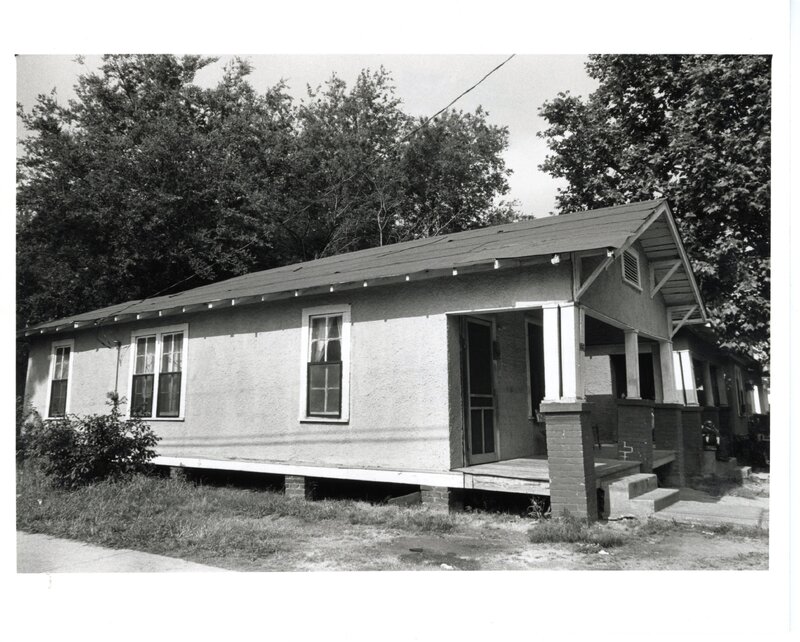
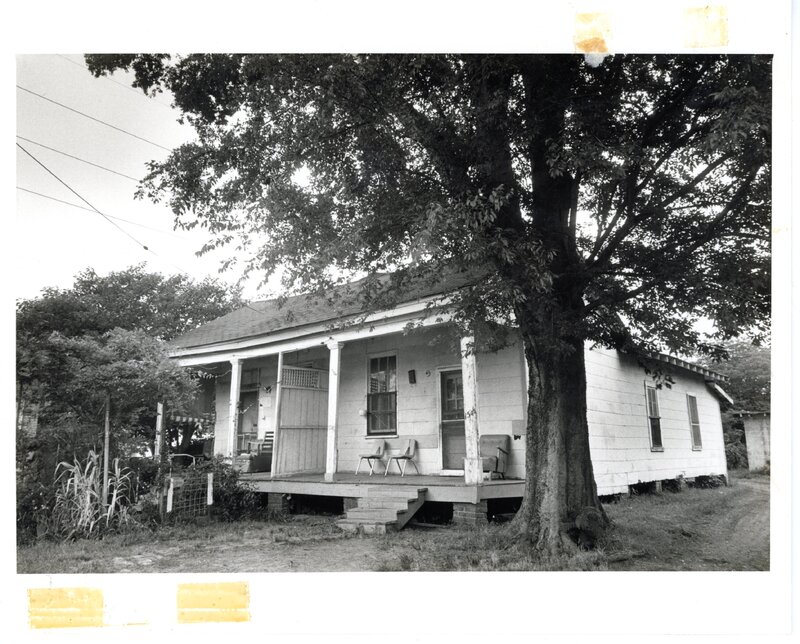
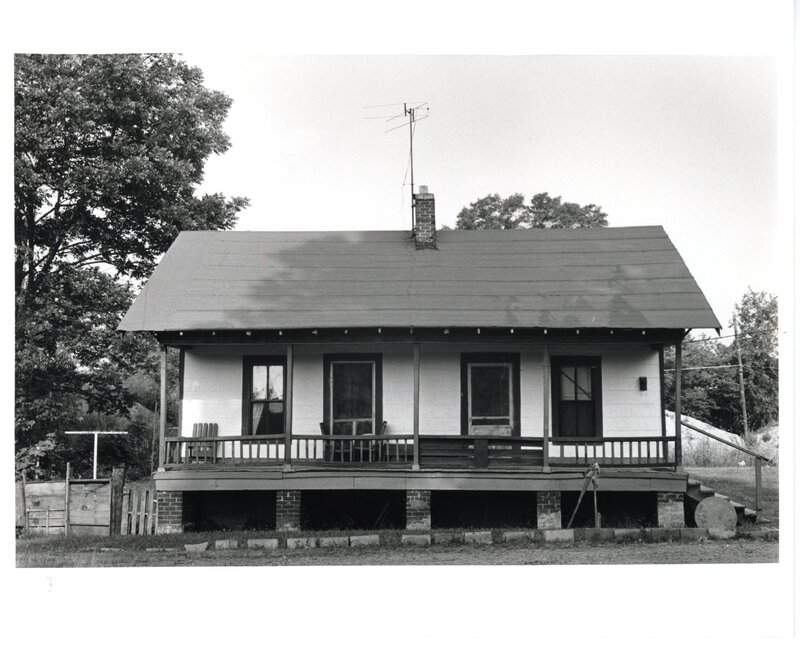
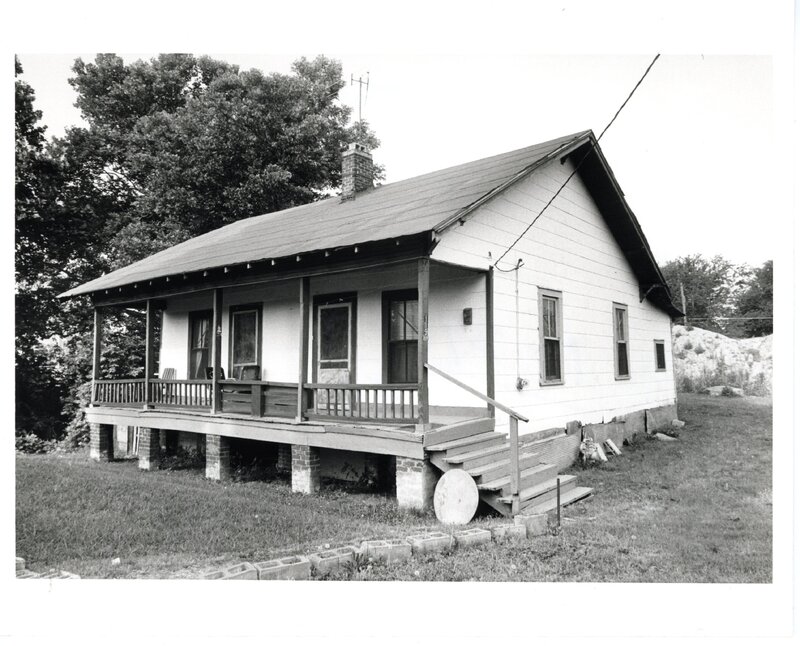
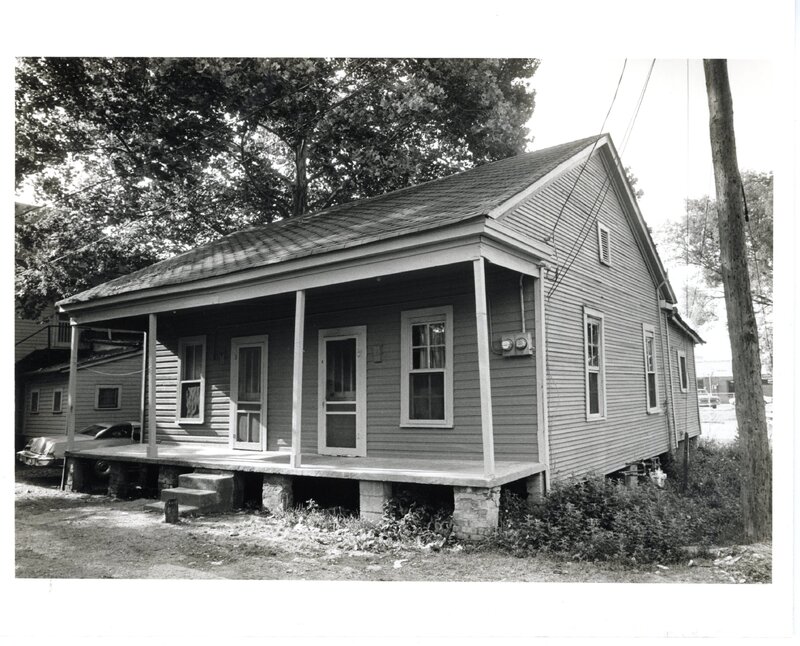
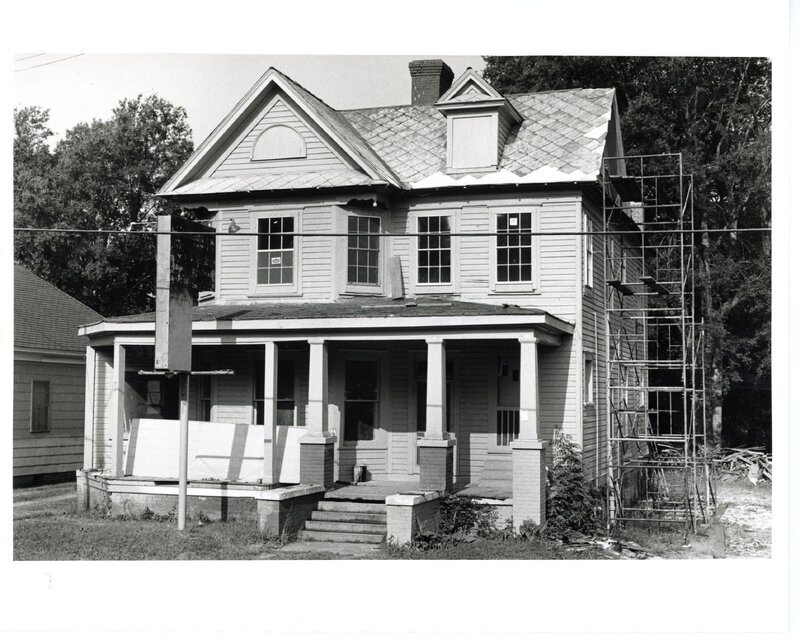
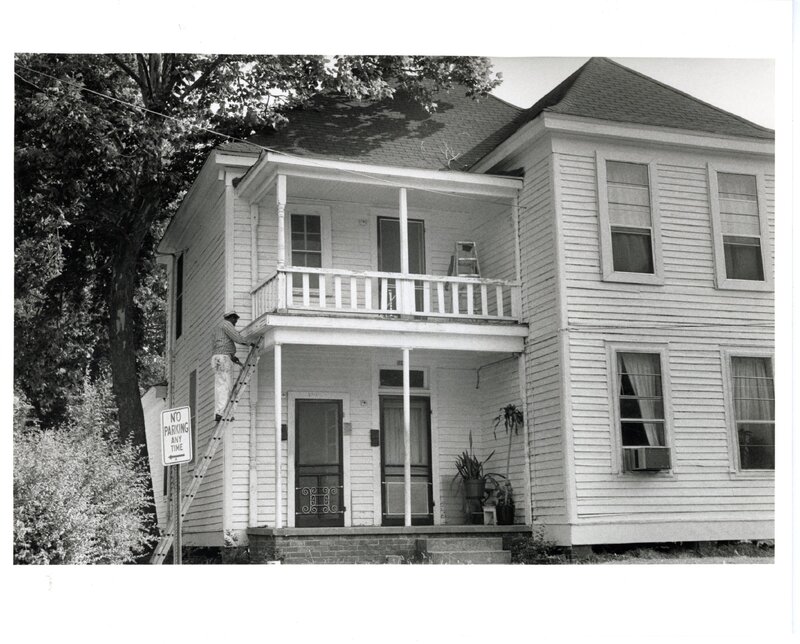
A photograph of a house on E. Hamilton St. in the Farish Street Historic District. Notation on the photograph indicates the architecture is Queen Anne Style.
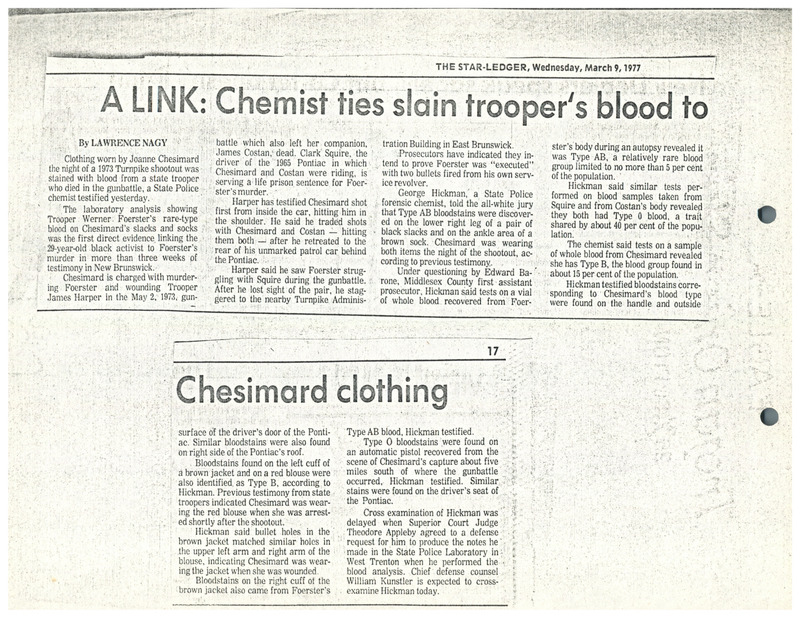
A newspaper article from The Star Ledger about evidence in the trial of Assata Shakur (JoAnne Chesimard) for the 1973 killing of a state trooper. Prosecution witnesses showed that blood found on the clothes of Assata Shakur (JoAnne Chesimard) matched the rare AB blood type of the slain state trooper.
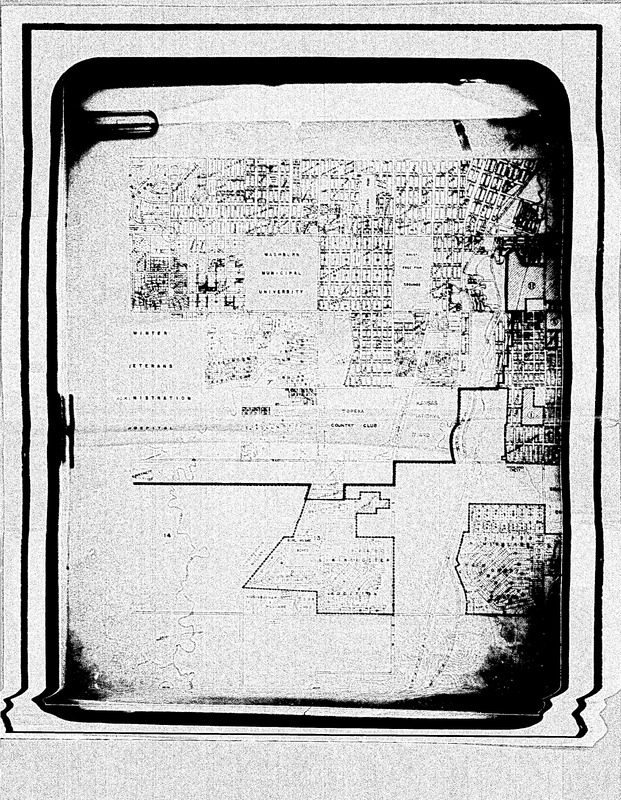
Case Data and Exhibits for Brown III, a relitigation of Brown v. Topeka Board of Education (1954) that corrected resegregation issues caused by open enrollment school choice in 1992. The map shows landmarks and points of interest, such as Washburn Municipal University; Central Park; the Topeka Country Club; and the Kansas National Guard base.
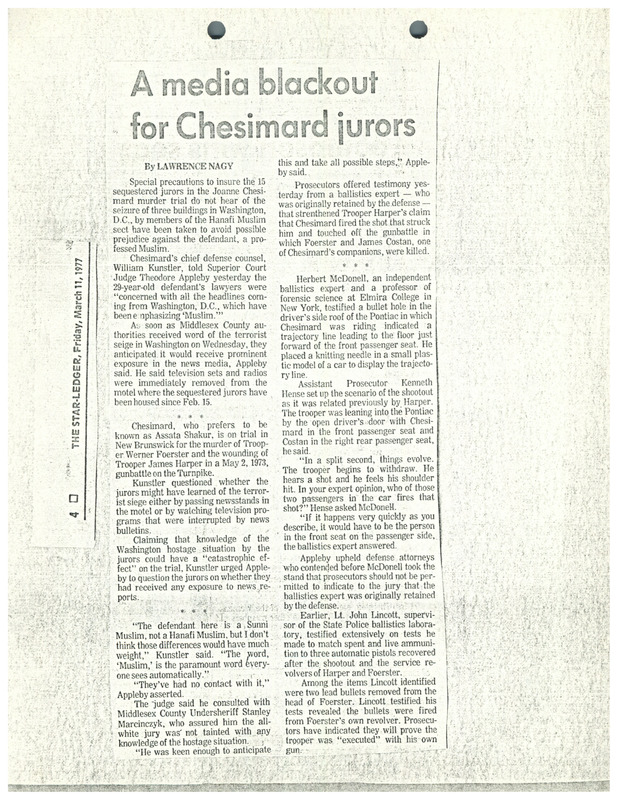
A newspaper article from The Star Ledger about the 15 sequestered jurors in the Assata Shakur (JoAnne Chesimard) trial for the 1973 killing of a state trooper being given a media blackout after the seizure of three buildings in Washington, D.C. by the Hanafi Muslim sect to avoid possible prejudice against Shakur, a professed Muslim.
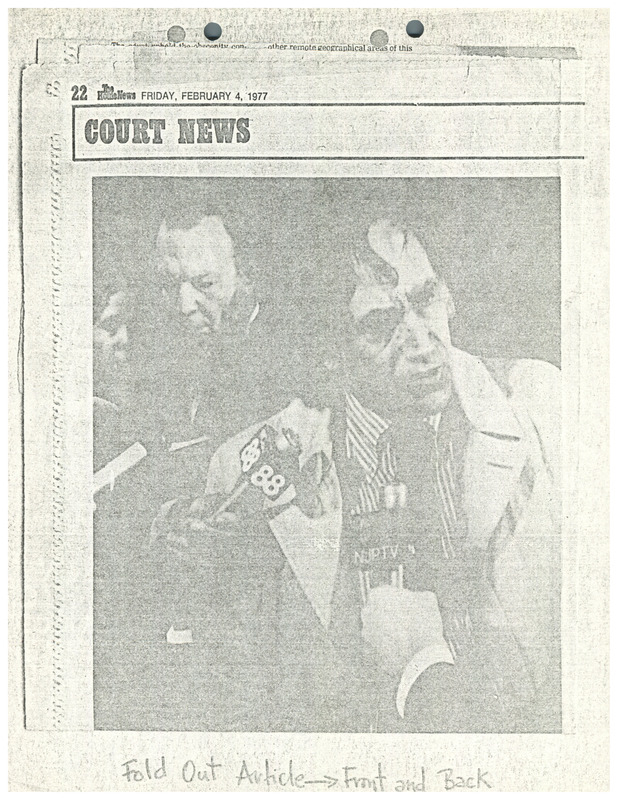
A cover photograph from the Court News Section of the newspaper The Home News featuring members of the defense team for Assata Shakur (JoAnne Chesimard) who was on trial for the 1973 killing of a state trooper. Shakur was convicted in 1977 of killing the state trooper during a shootout, escaped prison in 1979, and is still wanted by the FBI.
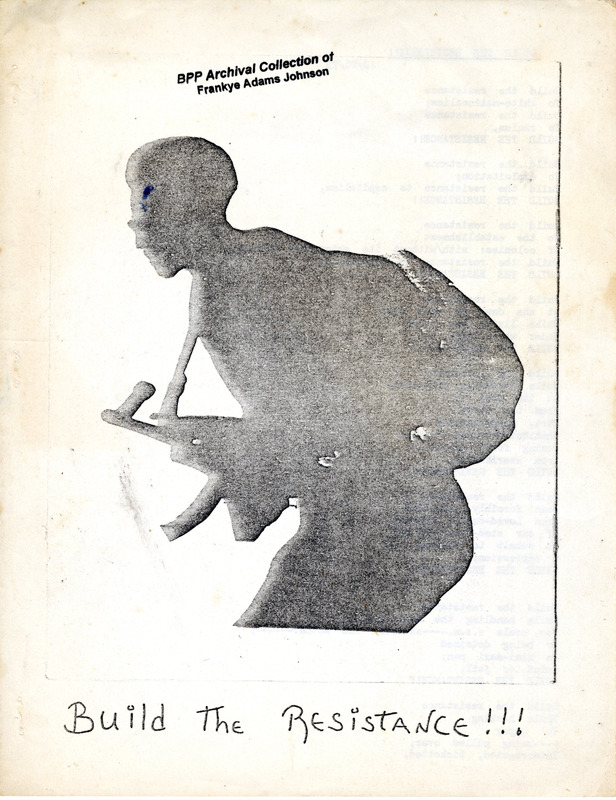
A poem by Ndugu Al-Jamil titled “Build the Resistance!!!” The cover page features the silhouette of an armed man appearing ready for combat. The poem is a call to arms for revolutionaries that outlines the problems facing the community such as police brutality, taxes, eviction, health care, education, and more.
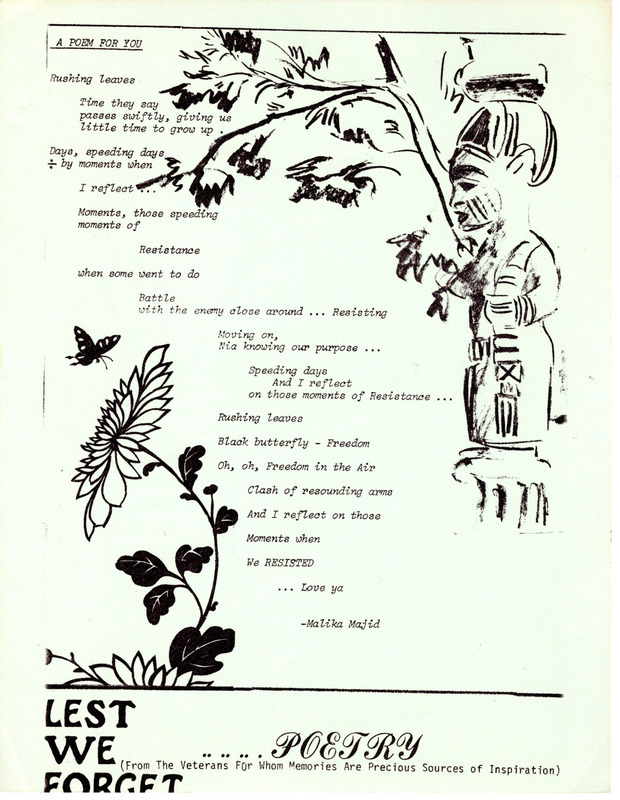
An original poem by Malika Majid (Frankye Adams-Johnson) titled “A Poem for You.” In the poem, she reflects on the idea of resistance. The bottom of the page says “Lest We Forget: Poetry. From The Veterans For Whom Memories Are Precious Sources of Inspiration.”
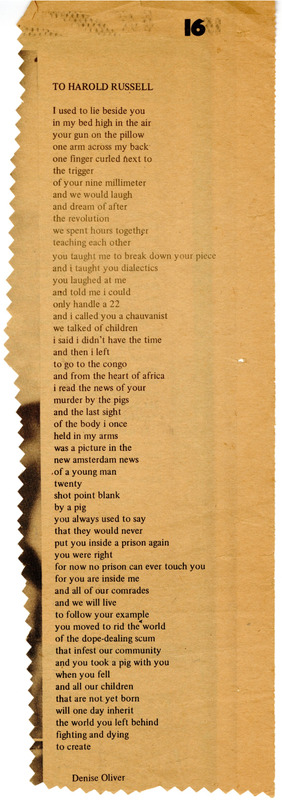
A poem written by Denise Oliver to Harold Russell after his death from a shootout with the Harlem police in April 1971. Harold Russell was a Black Liberation Army (BLA) member and one of many members who lost their lives in police killings.
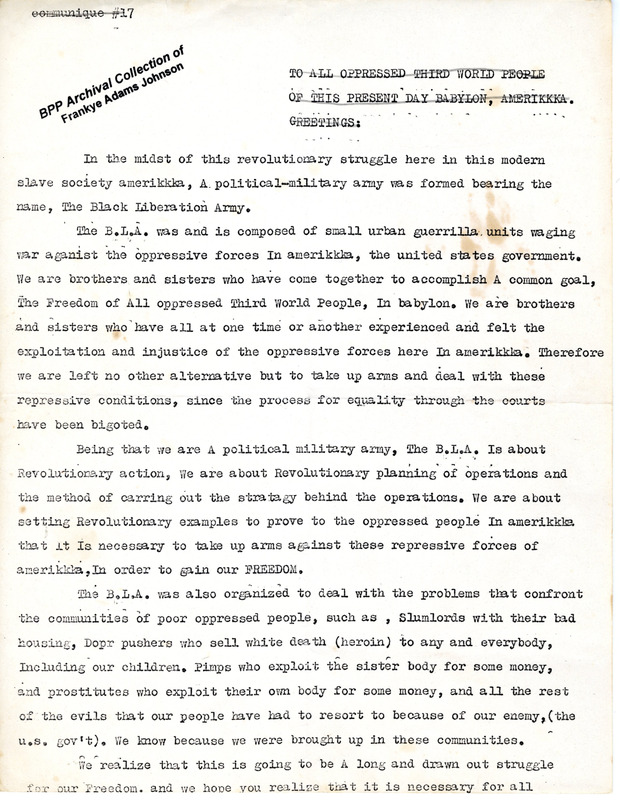
A rough draft of greetings to be given to people attending a Black Liberation Army (BLA) rally, with edits by an unknown person. The greetings outline the history and tenets of the BLA. “Communique #17” and “To All Oppressed Third World People of This Present Day Babylon, Amerikka. Greetings” on the top of page 1 were both crossed out.
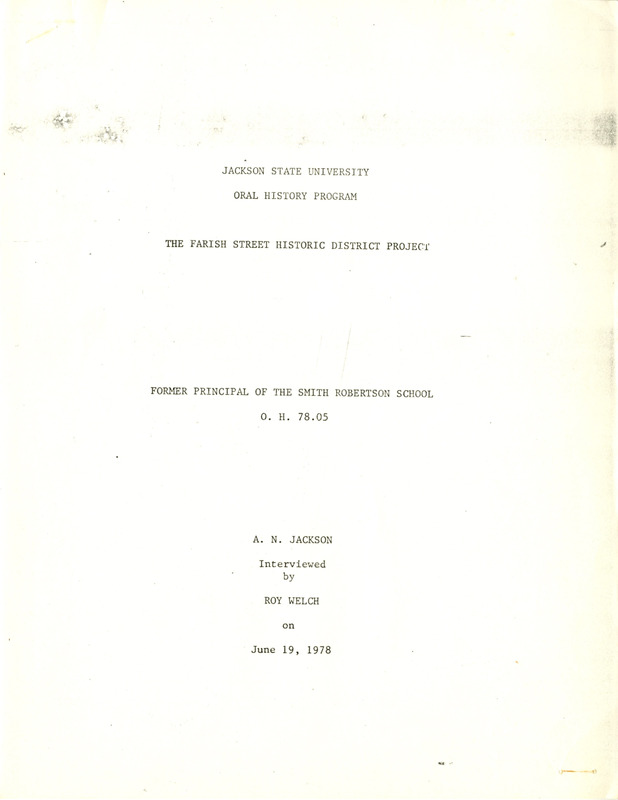
A.N. Jackson moved to Jackson, MS in the 1920s as a teenager. He discusses his grandparents and their lives as slaves; his grandfather fought for the Union Army in the Civil War. He also talks about his teaching career which encompassed the Jackson schools Lanier High School and Smith Robertson School, where he became principal in 1950.
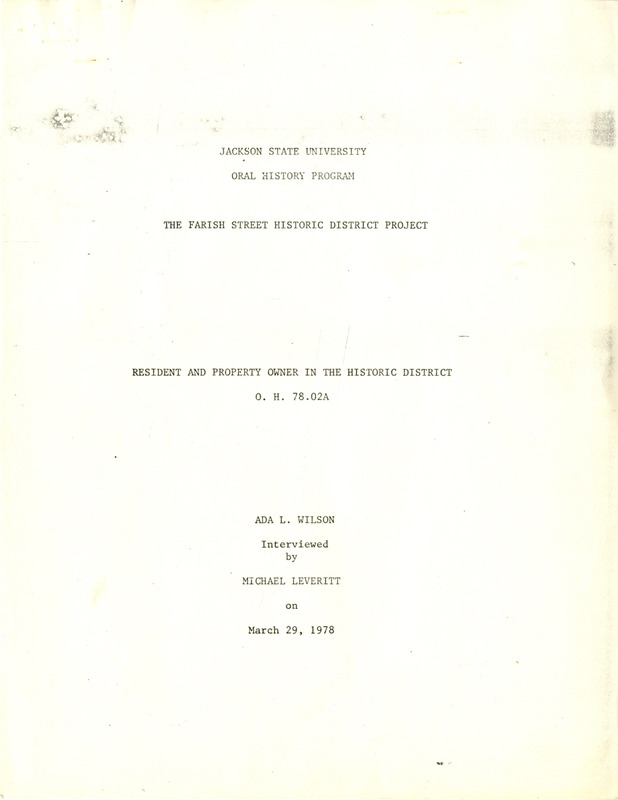
Ada L. Wilson moved to the Farish Street District in 1945 after graduating college and went on to work as a teacher in Jackson Public Schools and Jackson State. She discusses Wilson's Grocery Store, her family’s business in the district. She also talks about her efforts to stop the city from demolishing Smith Robertson School after its closing.
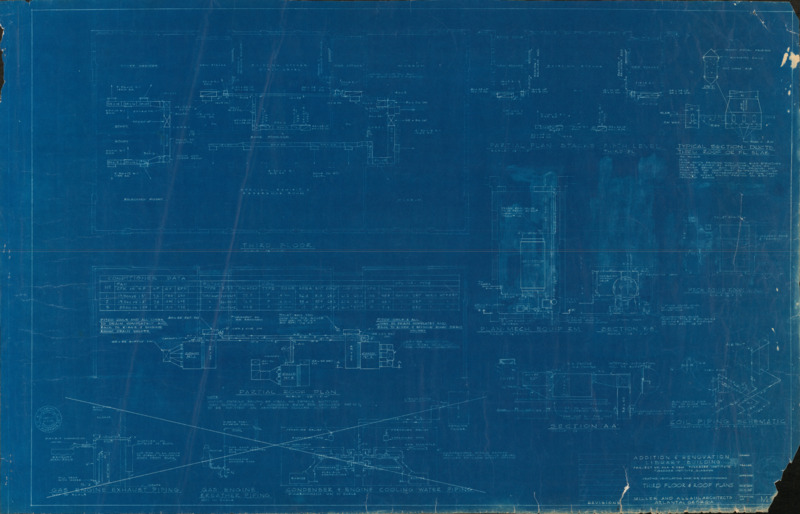
A mechancial HVAC drawing blueprint of the additions and renovations for the Library Building regarding the 3rd Floor and Roof Plans at Tuskegee Institute located in Tuskegee, Alabama.