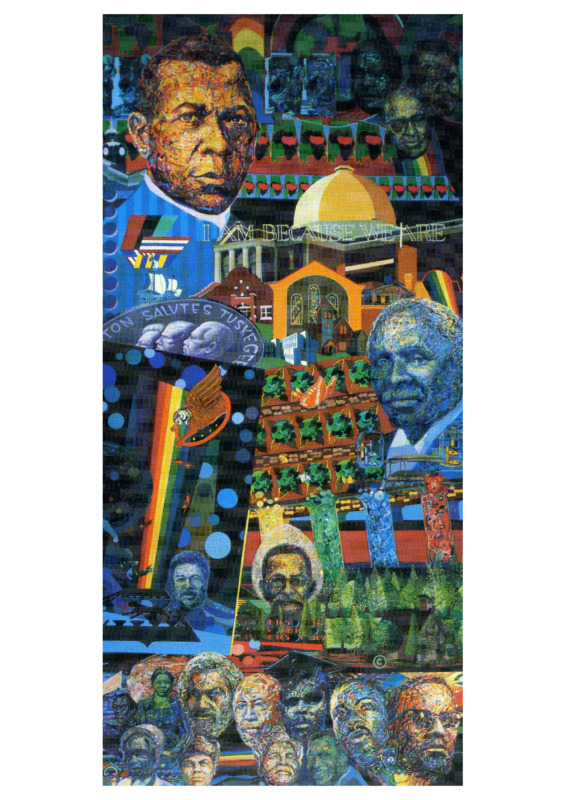
This collection showcases the diverse ways that African Americans have expressed their creativity. It includes a small selection of art works featured on the HCAC Archives.
African American contributions to the arts have been historically undervalued in the American arts canon. In mounting their own exhibitions, providing venues for authors and performing artists, and hosting educational programs, HBCU museums and archives asserted the worth and significance of Black cultural production.
Date Modified
2025-12-17
About This Record
The HCAC public history focused digital archive cataloging is an ongoing process, and we may update this record as we conduct additional research and review. We welcome your comments and feedback if you have more information to share about an item featured on the site, please contact us at: HCAC-DigiTeam@si.edu
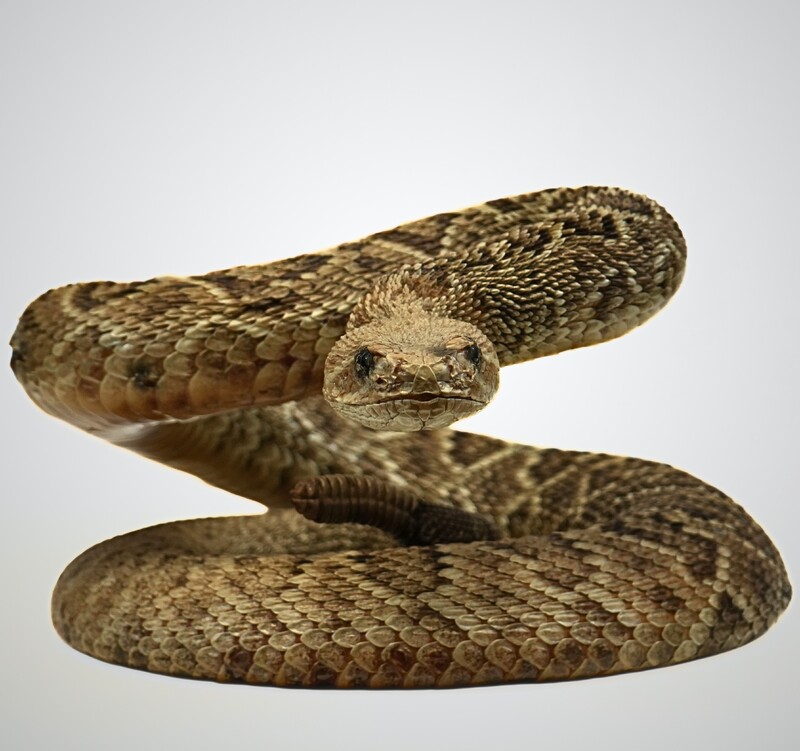
Donated by former university President Elmira Mangum, Rudy the Rattler was a taxidermy-coiled rattlesnake that served as the Florida A&M mascot. A small sculpture, the taxidermy process involves preserving the animal’s body using various techniques to maintain its lifelike appearance and mounting it for display.
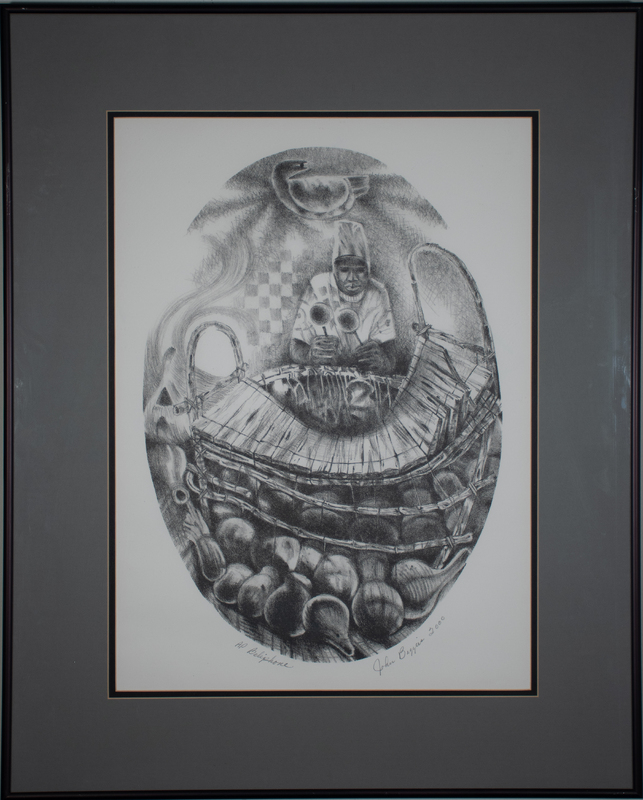
This Biggers print shows a figure playing a balafon, with a sankofa bird overhead. The balafon is a West African percussion and the sankofa bird signifies the importance of the past in improving the future. Taken together, they show the importance of music in preserving culture.
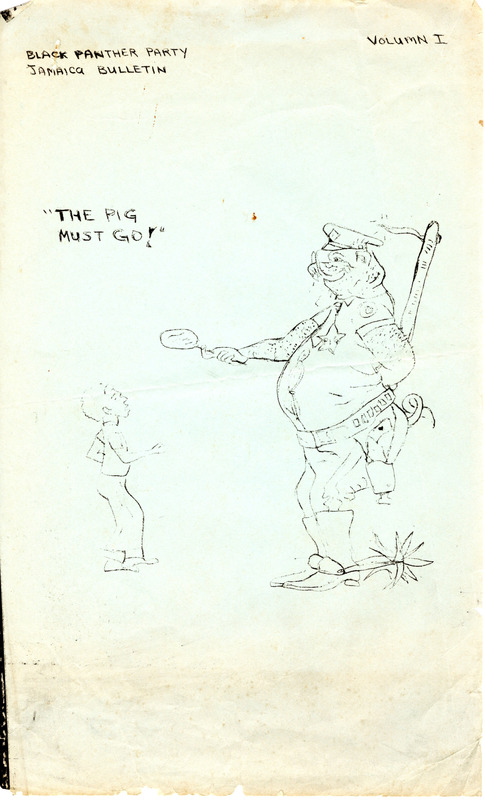
Volume 1 of The Black Panther Party Jamaica Bulletin from Jamaica Queens, NY, February 28, 1969. Included in the bulletin are a political cartoon titled "The Pig Must Go"; an article titled "Panthers Harassed by F.B.I."; and an abridged version of Black Panther Party Ten Point Program.
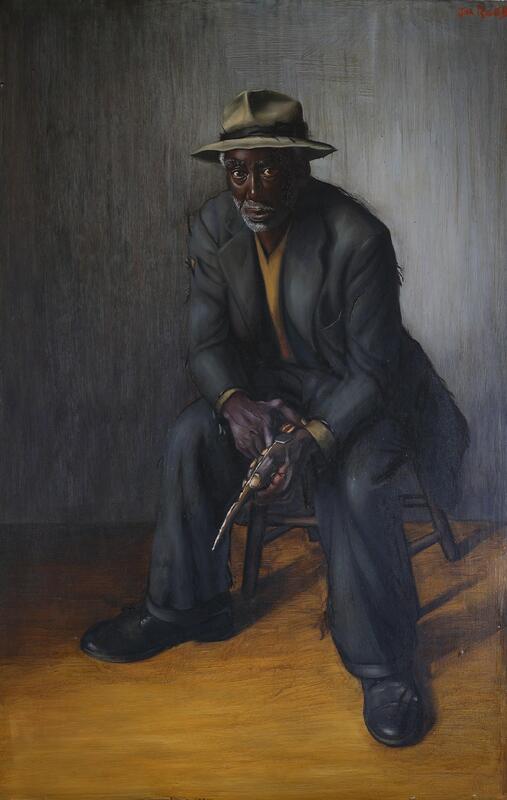
James Reuben Reed was a painter born in Kansas City, MO. "Depressed" is an oil painting of a seated man wearing a tattered gray suit, a hat, and black shoes. He is leaning forward, whiting a piece of wood and looking toward the viewer.
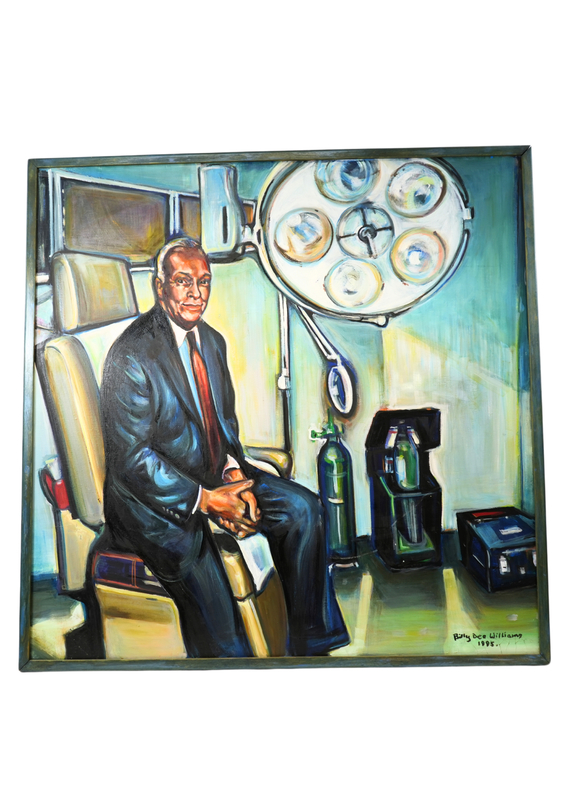
This rare painting created by Billy Dee Williams, the renowned actor best known for Lady Sings the Blues, Star Wars: The Empire Strikes Back, and Mahogany, is a portrait of Dr. LaSalle Leffall. A FAMU alum and the first Black president of the American College of Surgeons, Dr. Leffall is brought to life by Williams through rich, colorful oil paints.
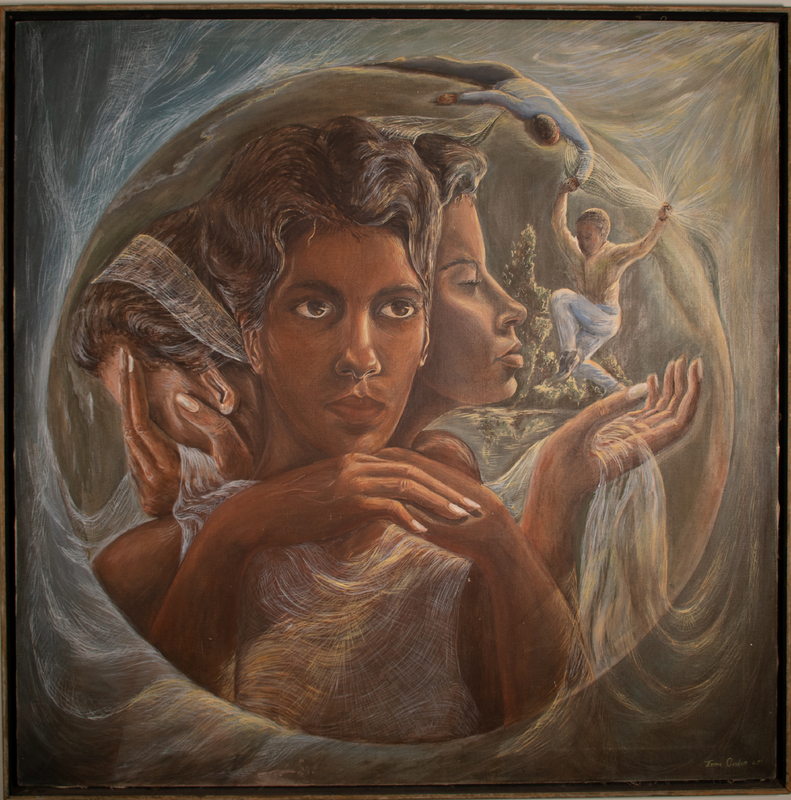
Erma Gordon's self-portrait shows the artist from three different angles. The three profiles are tied together by a light, almost translucent fabric that is worn by the frontmost figure and held by the others. This motif is used repeatedly by the artist, including in her mural. Two boys move fluidly and playfully through the background.
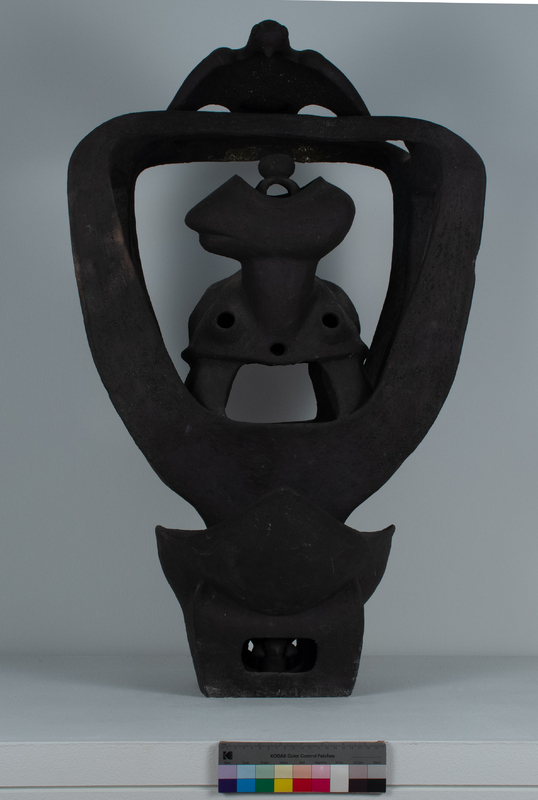
Hubbard, a student of Carroll Harris Simms, created “Figure With Turtle and Bird” in 1966. This terracotta depicts a bird, atop an abstract tree, surrounding a tortoise. These animals are often paired in folktales, including an Igbo tale where a tortoise fools birds and is punished by having his shell broken. The fable says this is the cause of the irregular shape of tortoise shells.
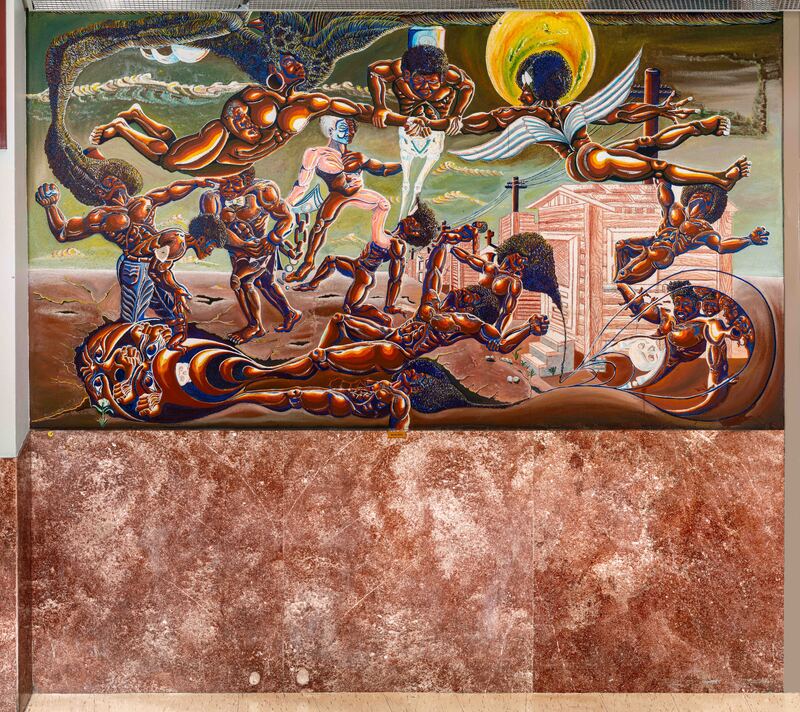
Set against a background of shotgun houses, Black people engage in a struggle to break free from chains and physical limitations. Extreme musculature and angel wings suggest supernatural strengths. A motif in Settles’ work is the power and beauty of Black hair.
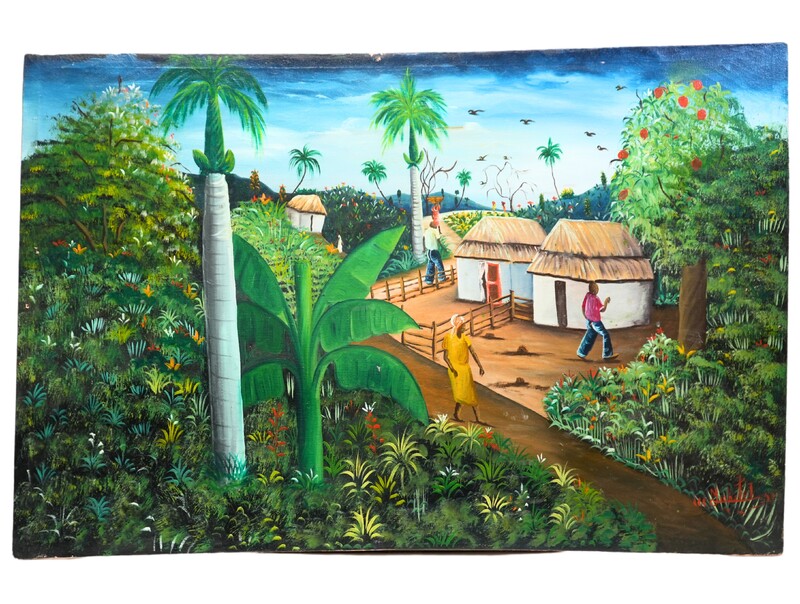
This painting from the FAMU Black Archives/Caribbean Art Collection has limited identification for precise attribution. The vibrantly-painted piece depicts a Haitian village scene and features an unclear inscription in red, cursive font on the lower right corner that could be the artist’s signature.
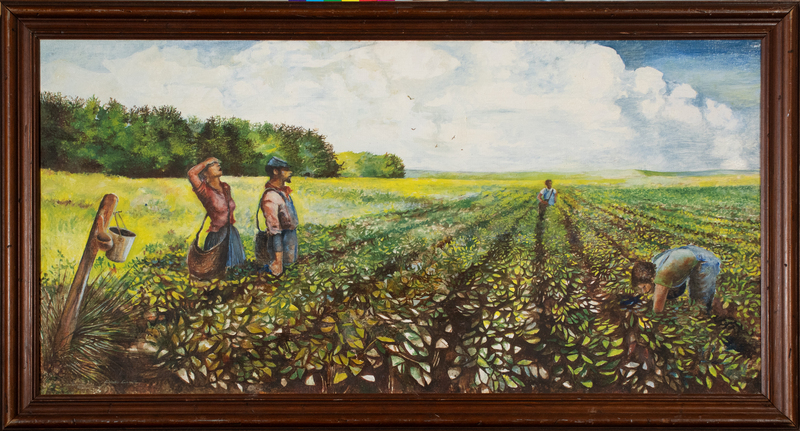
Curnell's painting shows a field of crops stretching into a cloudy horizon, with four people working the field. Two men are actively picking, while a man and woman stand to the side, resting next to a water pail. The figures’ dress and posture seem to suggest that this may be a family farm, rather than a plantation scene depicting slavery.
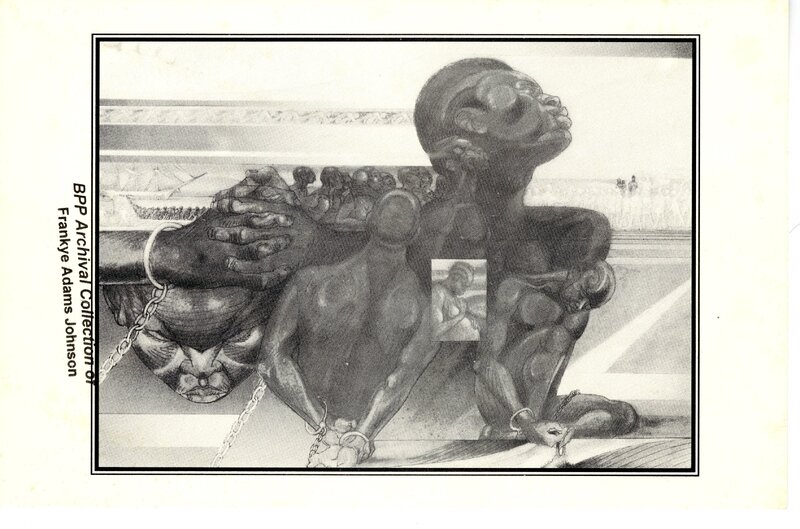
Postcard serving as an invitation for an event at the Schomburg Center for Research in Black Culture in the Harlem neighborhood of New York City. The event is a members preview exhibition opening and book signing on November 9, 1995, at 7:00pm for Tom Feelings' "Middle Passage," which would go on to be the author and cartoonist’s most famous work.
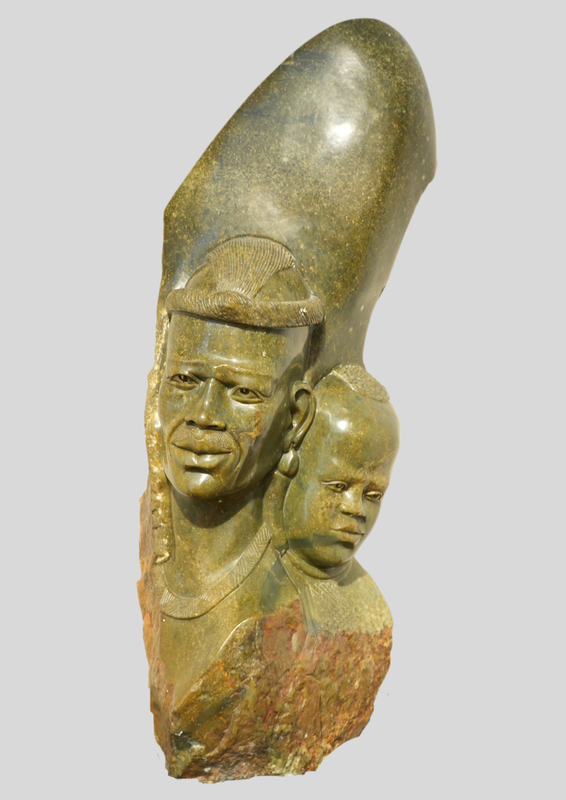
Second-generation sculptor, Joseph Mutasa, made this highly detailed, 220-pound Zimbabwean sculpture from an 800-pound block of opal stone. Showing two male figures, a father and a son, protruding from stone allows the viewer to witness the similarities between them – almost as if to say they are two sides of the same coin or, in this case, stone.
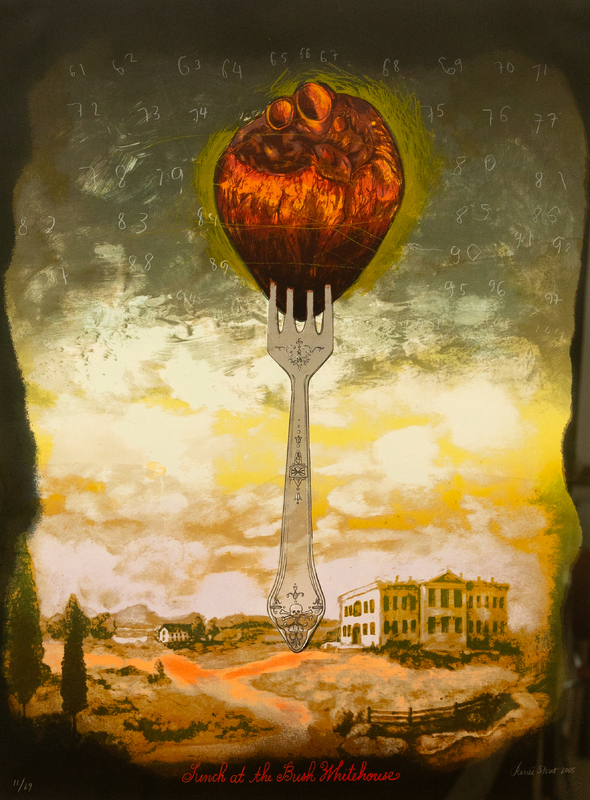
Renee Stout is an artist and sculptor from Junction City, KS. Lunch at the Bush White House is a conceptual gothic painting that explores the intersection of Stout's critique of the Bush administration and numerology from an atmospheric perspective. Above a plantation-like landscape, Stout depicts a heart impaled by an ornate fork.
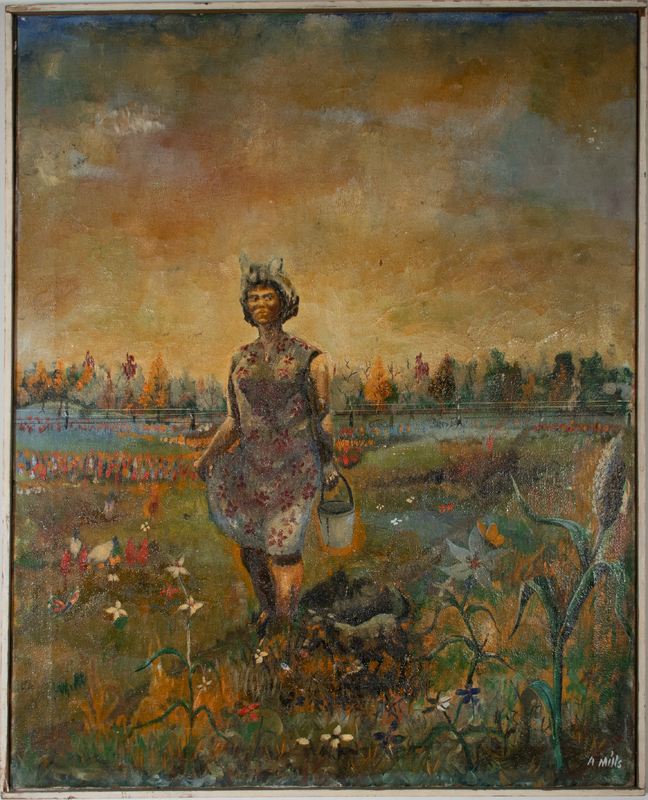
Armstead Mills' painting shows a woman holding a bucket and striding through a field of flowers, with a small dog at her ankles. Malindy, wearing a dress and carrying a bucket, is portrayed tenderly and beautifully in this colorful nature scene. Mills' brother, Edward, also attended Texas Southern as an art student.
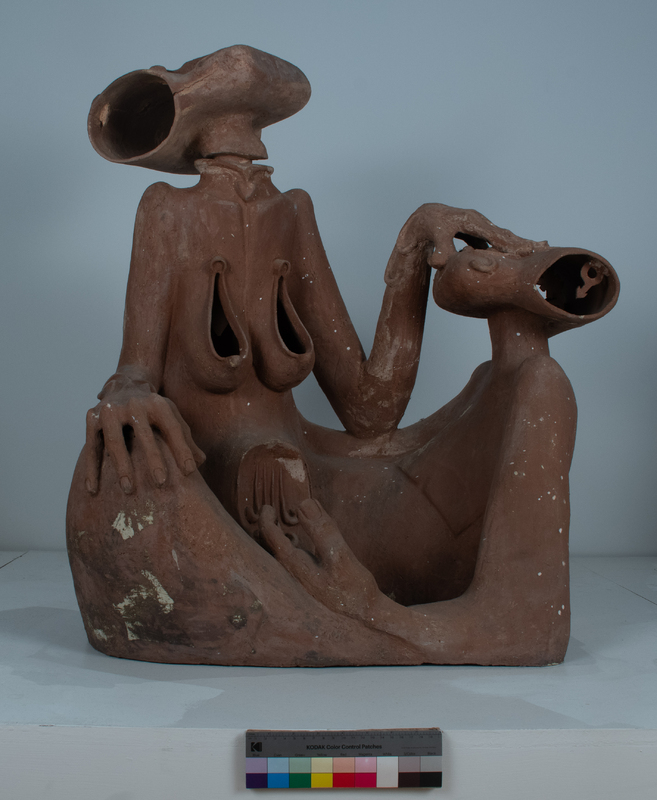
This terracotta was created by an unknown Texas Southern art student. The form suggests a surreal male and female pair warmly embracing each other. The artist employs negative space uniquely in this sculpture; additional gendered embellishments can be seen within the open heads. These exterior decorations were required by Professor Carroll Harris Simms.
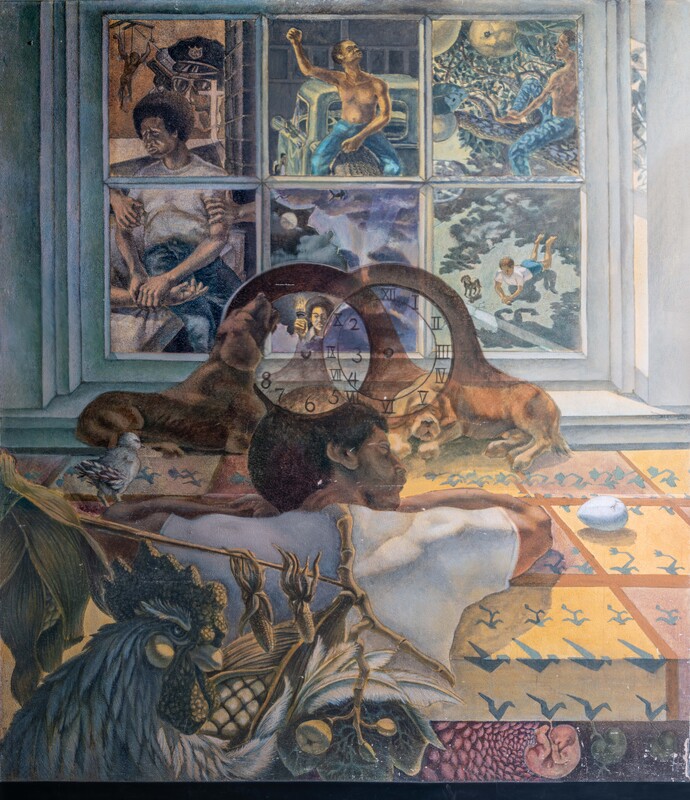
Samples’ mural unfolds like a dream, with each panel above the sleeping artist revealing a constellation of scenes from the artist’s youth. Lower window panels evoke a harmonious existence with nature and animals, while upper panels reveal struggles with racism in the South and his mother’s death.
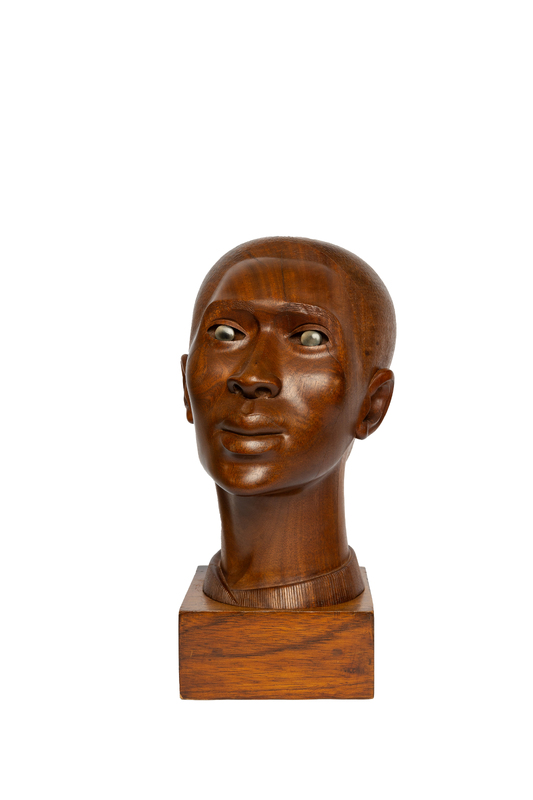
Elizabeth Catlett was an artist and educator from Washington, D.C., who repatriated to Mexico. Negro Woman is a wooden sculpture of a Black woman. Catlett crafts the woman with an intense stare through careful sculpting and inlaid onyx eyes.
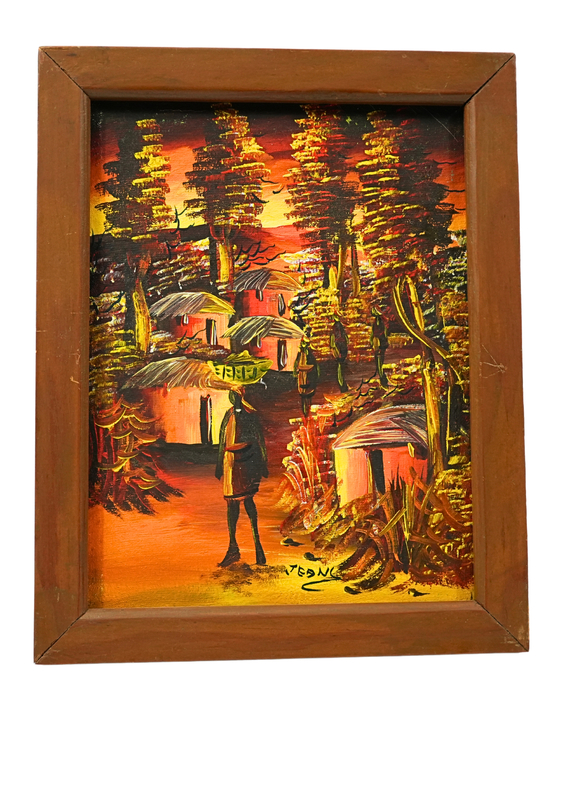
This untitled painting from the FAMU Black Archives/Caribbean Art Collection has limited identification for proper attribution. While it appears to be the same artist from the collection, this piece depicts a village scene with bright orange lighting basking from a setting, or rising, sun – a contrast from the blue paintings seen earlier.
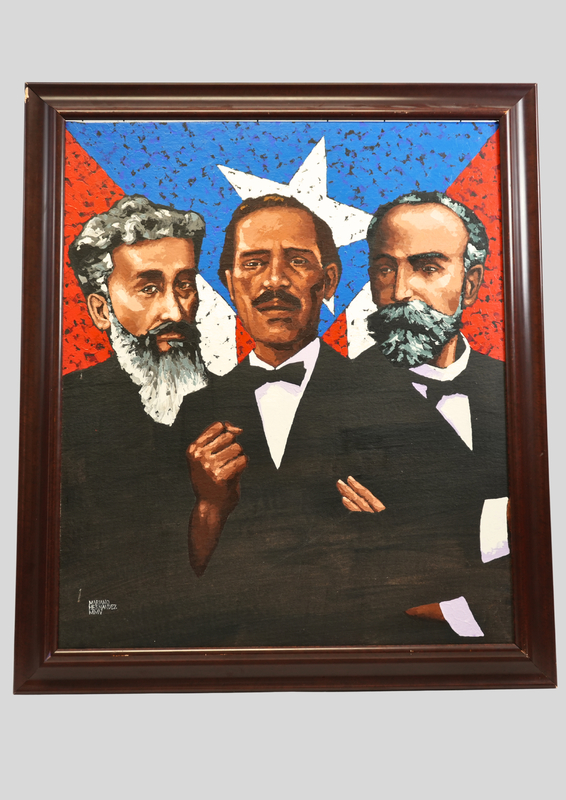
In this original 2005 piece by Mariano Hernandez, physician Ramon Emetrio Betances and attorneys Pedro Albizo Campos and Eugenio Maria de Hostos are honored as instrumental leaders in the Puerto Rican independence movement. FAMU alum and former assistant director for the Meek-Eaton Black Archives Dr. Will Guzman donated this artwork.
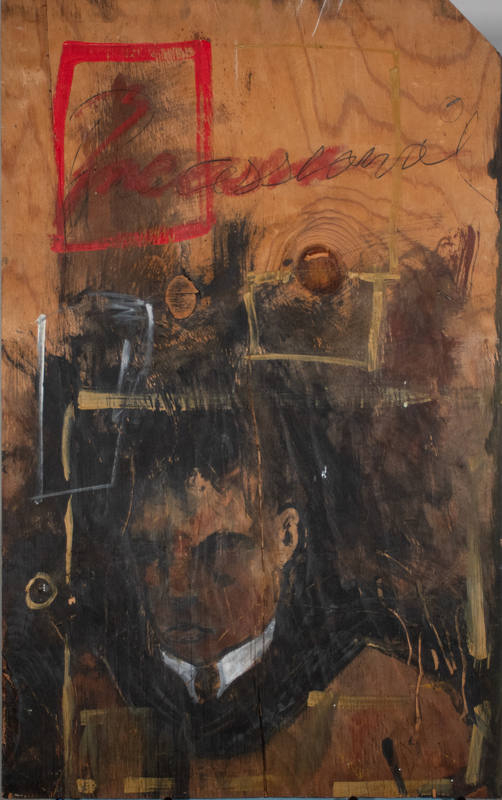
Pruitt’s painting is based on a photo he took of the preacher of his childhood church. At the time this piece was painted, the artist was exploring different faiths and struggling with his religious beliefs. Pruitt cites Basquiat and Rauschenberg as stylistic inspirations that influenced this painting. The muddied brushstrokes used to create this piece reflect the internal struggle of the artist.
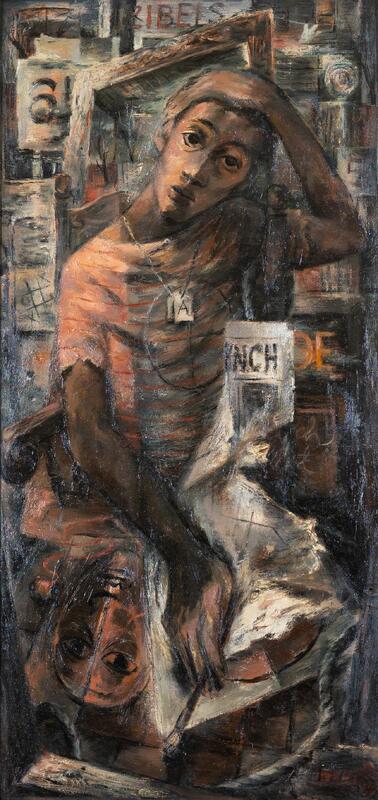
Cecil D Nelson Jr. was a painter born in Champaign, IL. Self Portrait - Confronted Age, 16 depicts a Black male teenager haunted by racial violence. He sits in a chair holding a paintbrush with his hand on his head, wearing a shirt with a target symbol. There is also a rope, mask, and torn newspaper with the headline “lynch.”
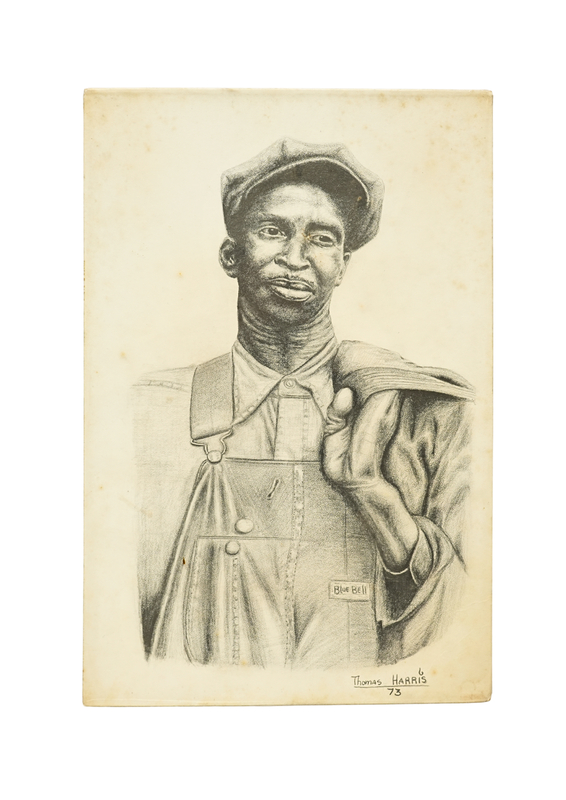
A 1973 pencil sketch of an African American Blue Bell man by Thomas Harris. The hat-wearing man is looking off to the side with his jacket draping his shoulder, showing off his “Blue Bell”-tagged apron (or overalls) and collared shirt.
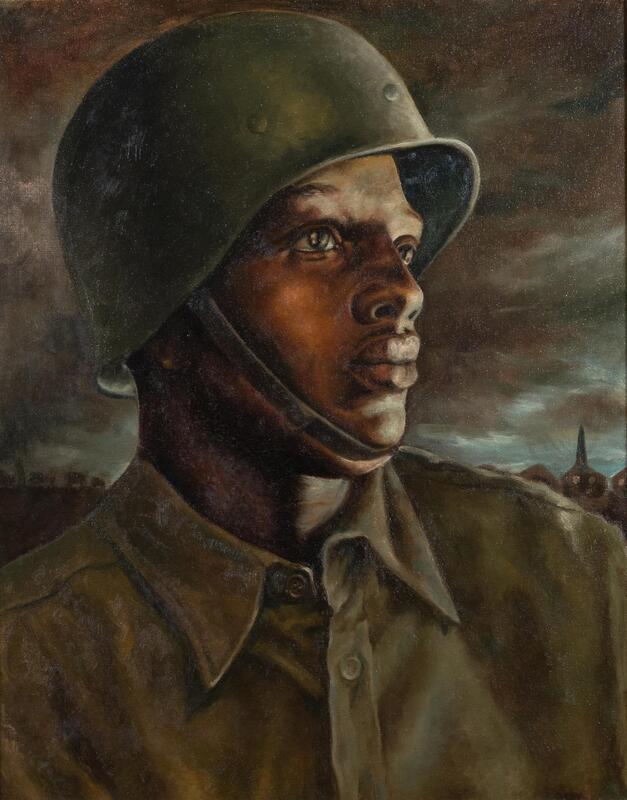
Mark Hewitt was an artist from Boston, MA. Spirit of 366th depicts a portrait of a young Black man from the 366th infantry in an Army uniform. The soldier looks into the distance of a shining light while dark-hued clouds of brown, black, and purple gather overhead.
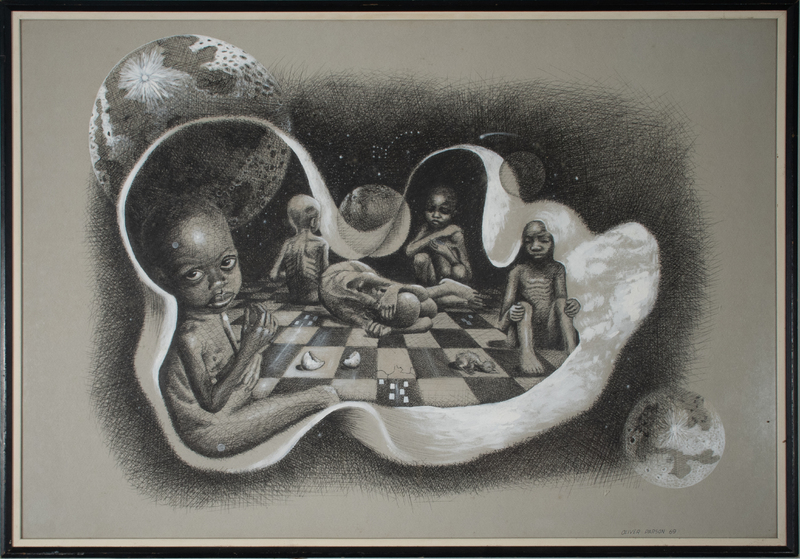
This drawing by Oliver Parson shows a group of emaciated children seated on a checkerboard patterned floor. There is also a chick, just hatched from its egg, that seems to be struggling to survive. Parson has an incredible talent for conveying powerful emotions in his works. The checkerboard and other sacred geometry imagery appear frequently in the works of Dr. Biggers's students.
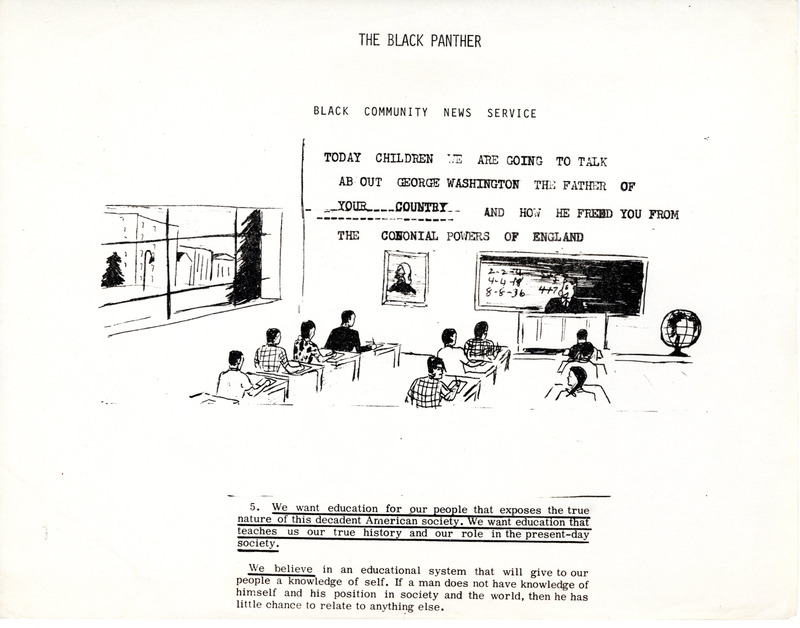
A political cartoon featuring a pig teaching a classroom of children with the quote “Today children we are going to talk about George Washington the father of your country and how he freed you from the colonial powers of England.” The 5th point from the Black Panther Party’s Ten-Point program is printed at the bottom of the page.
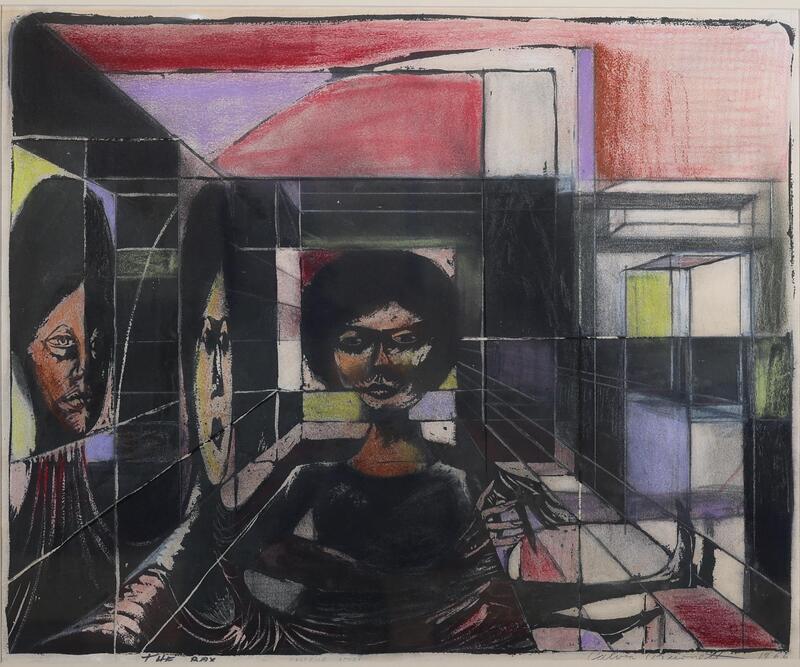
Calvin Burnett was a graphic artist, illustrator, painter, designer, and art teacher from Cambridge, MA. The Box is a surrealist drawing of a Black woman seated in a box. The drawing's geometric complexity and the woman's reflections evoke an uncanny feeling.
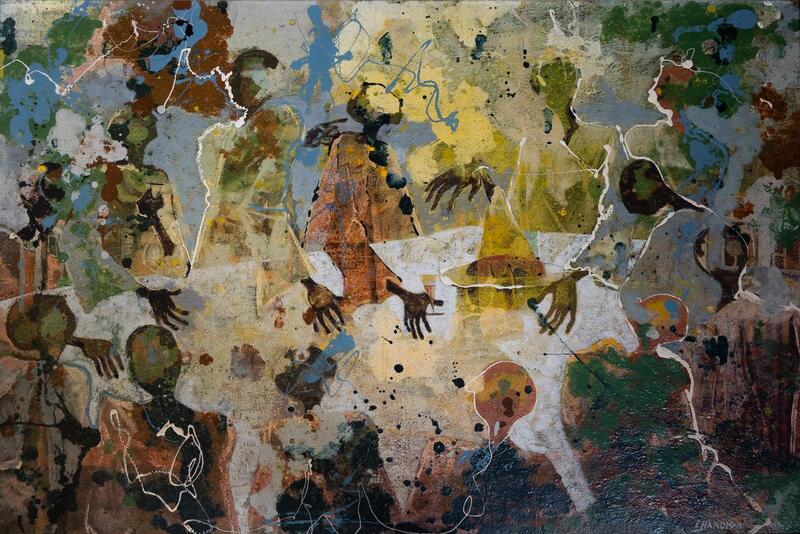
Ernest Hardman was a painter from Detroit, MI. The Last Supper #2 is an abstract depiction of Jesus and His disciples sitting around a table. Unlike The Last Supper, Hardman decenters Jesus and creates a euphony of shape and color that resembles men debating around a table.