This collection showcases the myriad ways that African Americans have engaged in activism on and off HBCU campuses through a selection of items such as oral histories, visual artworks, and written works.
Description
Since the early 20th century, HBCU students, faculty and their communities have demonstrated a spirit of activism to catalyze change within or on behalf of their own institutions to improve campus accommodations, strengthen the level of instruction, and explicitly connect the mission of their HBCUs to the project of Black liberation.
Date Modified
2025-12-17
About This Record
The HCAC public history focused digital archive cataloging is an ongoing process, and we may update this record as we conduct additional research and review. We welcome your comments and feedback if you have more information to share about an item featured on the site, please contact us at: HCAC-DigiTeam@si.edu
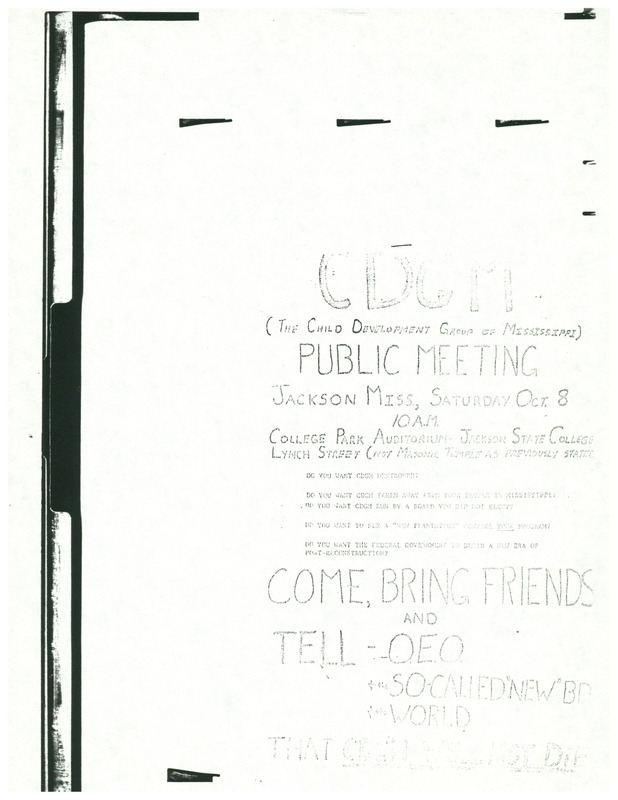
This flier announces a Child Development Group of Mississippi (CDGM) public meeting at the College Park Auditorium at Jackson State College on Saturday Oct. 8, 1966, at 10am. The purpose of the meeting was to bring the community together to discuss ways to save CDGM from being overtaken by the state and federal governments.
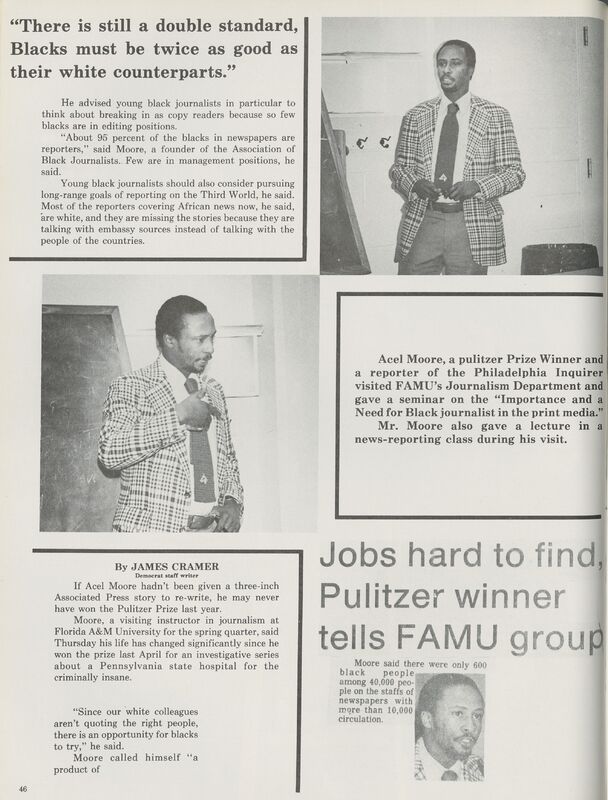
In this page from the 1978 Rattler Yearbook, Acel Moore, a Black Pulitzer Prize Winner and reporter for the Philadelphia Inquirer, visited Florida A&M’s Journalism department and news-reporting class to give a seminar and lecture on the increased need for Black journalists in print media.
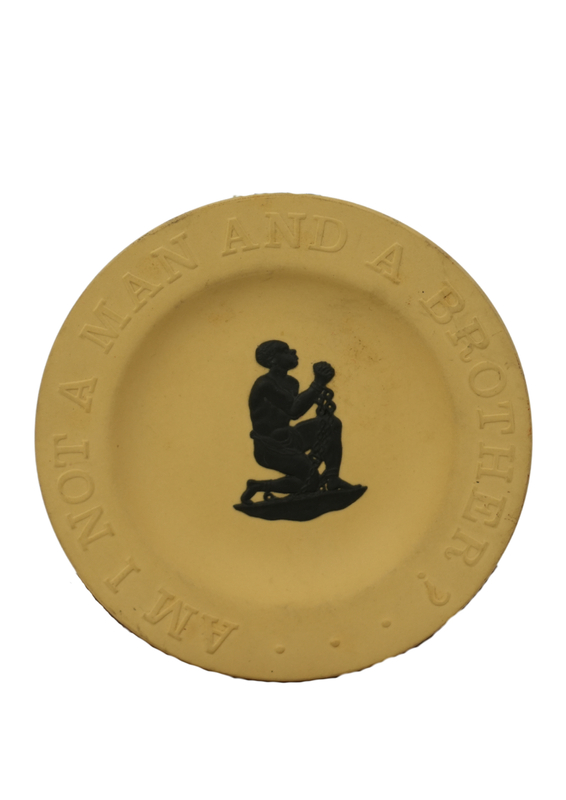
In 1787, Josiah Wedgwood’s London-based ceramics company created a medallion depicting a kneeling, shackled Black man with the engraved inscription “Am I Not A Man And A Brother?”. This symbol quickly spread across antislavery movements in Britain, France, and the United States and was used on many consumer goods, including this pin dish.
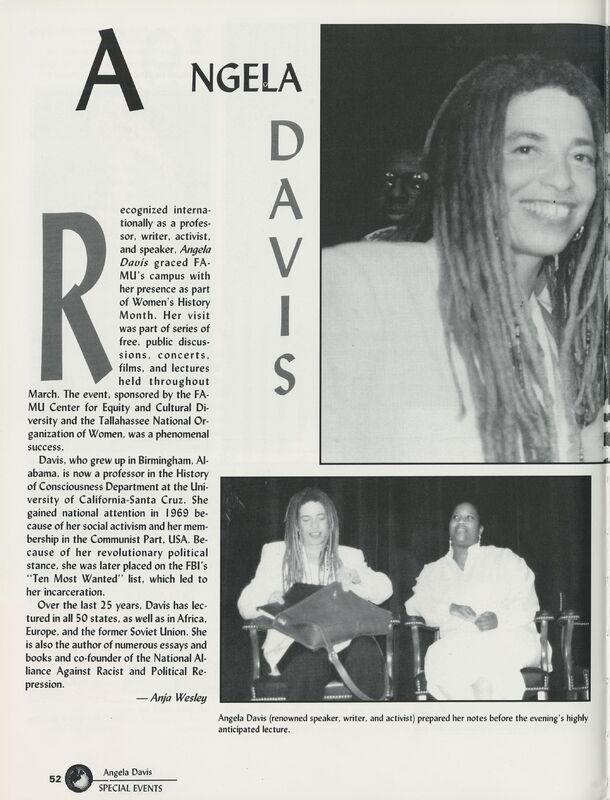
As a part of a Woman’s History Month event in the early 1990s, Angela Davis lectured at Florida A&M’s campus. In rare photographs of Davis in dreadlocks, the international civil rights activist and writer spoke for the event sponsored by the Tallahassee National Organization of Women and the FAMU Center for Equity and Cultural Diversity.
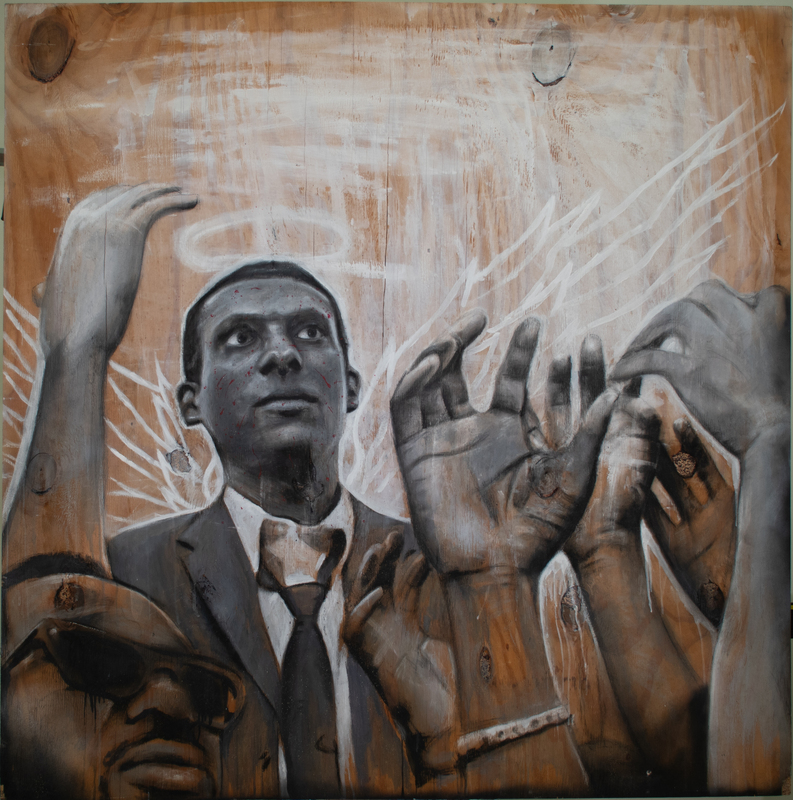
Cornett's work shows Stokely Carmichael with angelic features amidst raised hands. He was a key civil rights activist, a leader of the SNCC, and popularized the term "Black Power." He spoke at Texas Southern one month prior to the TSU Invasion, when Houston police invaded the campus, fired 5,000 rounds into dormitories, and arrested 488 students.
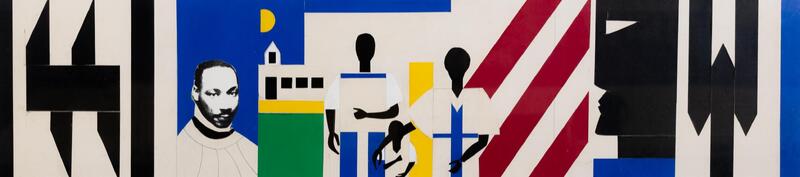
Romare Bearden was an artist, author, and songwriter from Charlotte, NC. "Atlanta Mural" is a maquette of a mural created for City Scenes '76-'77, the National Paint and Coatings Association bicentennial. Bearden includes the Kente symbol, Dr. Martin Luther King Jr's head, the silhouette of a Black family, a church, and a plot of land to represent the African American influence in the city.
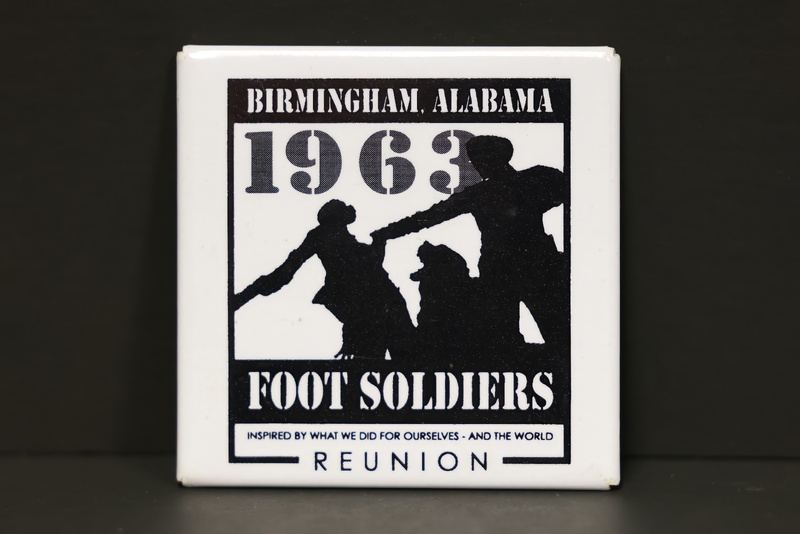
White square button for the Birmingham, Alabama, 1963 Foot Soldiers Reunion. There is also text on the button that says: "Inspired by what we did for ourselves-and the world." The 1963 Foot Soldiers were children marchers in Birmingham who encountered police resistance in the form of water hoses, attack dogs, and arrests.
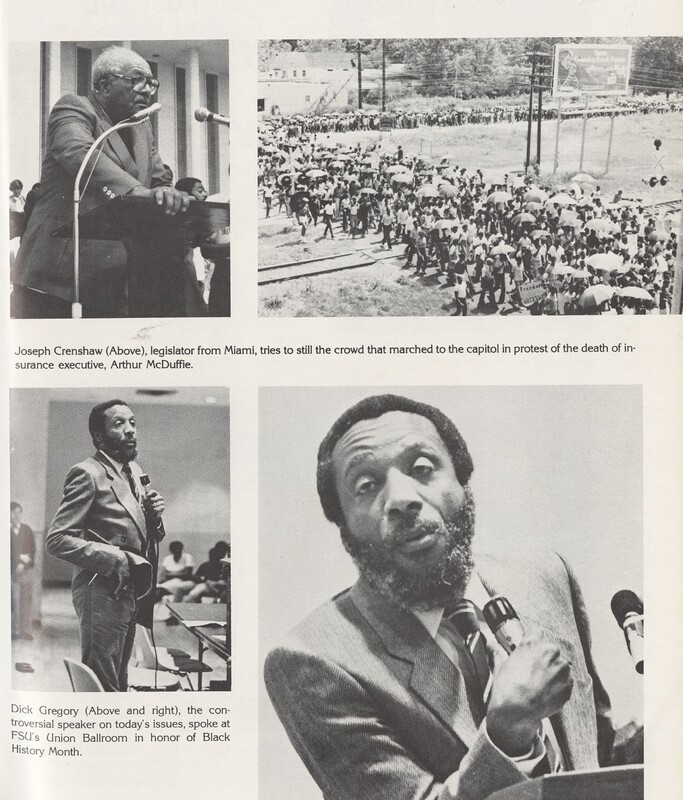
This two-page spread comes from the 1981 Rattler Yearbook and features images from Black History Month events at both Florida A&M University and Florida State University. Prominent figures like Dr. Larry Rivers, Joseph “Joe” Lang Kershaw, and Dick Gregory were highlighted for significant events or visited the campuses’ to speak to students.
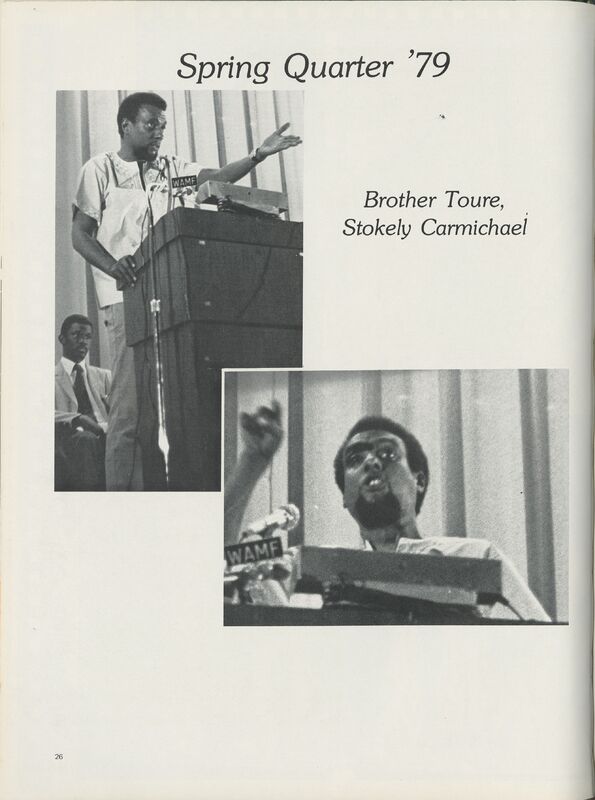
These images are from the spring of 1979 when Kwame Ture, formerly known as Stokely Carmichael, visited Florida A&M University to speak to students. Ture was a field organizer with the Student Nonviolent Coordinating Committee (SNCC) and coined the “Black Power” slogan, making him a key figure during the Civil Rights Movement.
Dr. Albert Briton was the medical director for Child Development Group of Mississippi (CDGM) and Head Start from the start of the program, brought in by director John Mudd because white physicians in the state were refusing to work in the program. Dr. Briton talks about his involvement with the Civil Rights Movement leading him to work with CDGM.
Dr. Robert Smith was founder of the Medical Committee for Human Rights, a Civil Rights Movement organization that fought for better treatment of African Americans in the 1960s. Dr. Smith continued this work as the Head Start medical director in the early days of the program. He talks about his responsibilities and experiences in that position.
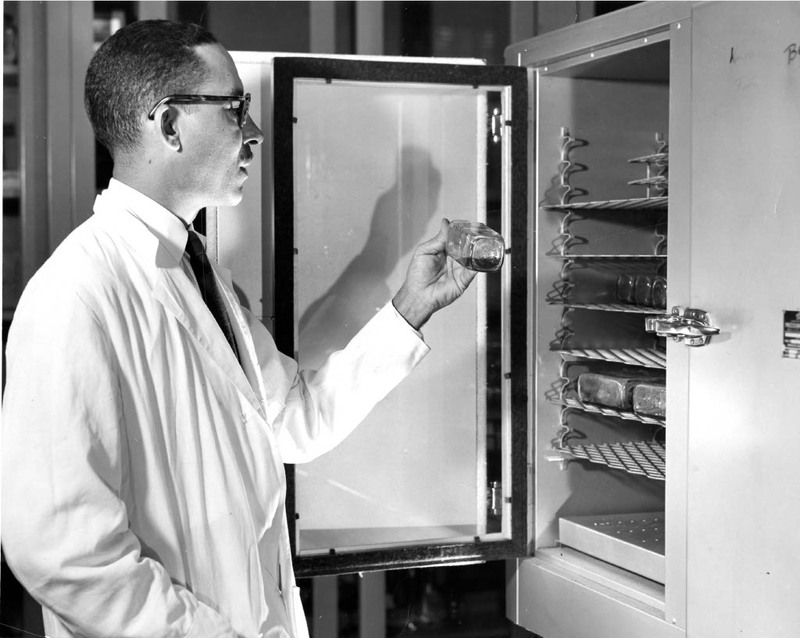
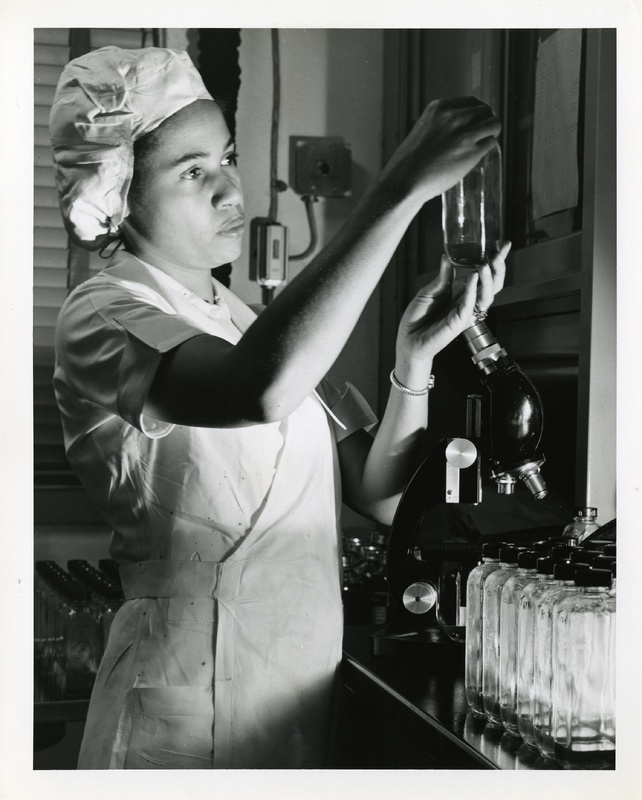
A black-and-white photo of Dr. Russell W. Brown working in a lab. Dr. Brown worked in a variety of roles in Tuskegee's administration, serving twice as Director of the Carver Research Foundation. During his career, Brown worked extensively in research on bacteriology, immunology, and HeLa cells.
Myrlie Evers, later Myrlie Evers-Williams, is a Civil Rights activist and journalist, who served as chairwoman of the NAACP and wrote several books on Civil Rights and her husband Medgar Evers, who was killed in 1963.
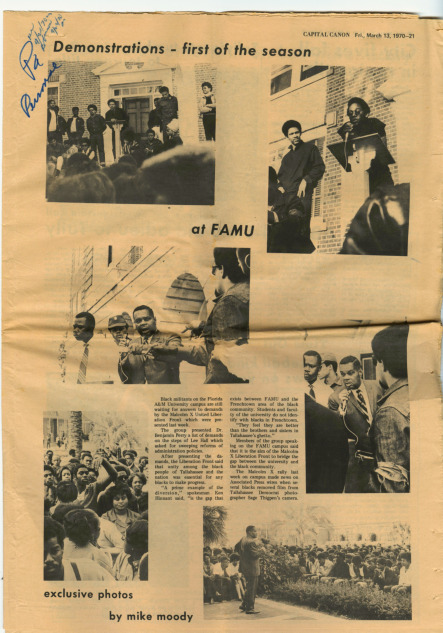
With photographs captured by Mike Moody for the Capitol Canon, this newspaper highlights the student activism prevalent not just in the 1970s but on Florida’s campuses. At Lee Hall, the Malcolm X United Liberation Front, a non-campus affiliated student organization, called for Black unity between students and the greater Tallahassee community.
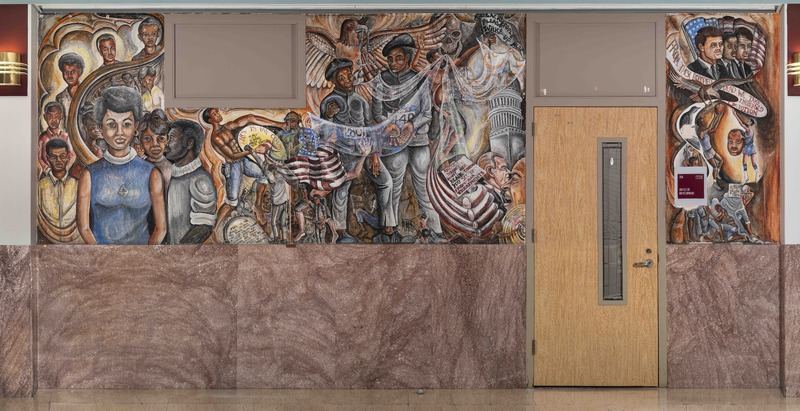
Ellison’s pair of murals speaks to political and social issues of the 1960s and 1970s. The murals express hope through resistance, in spite of the challenges facing Black America. In the middle, a bald eagle holds a broken lynch rope in its beak and “the law” in its talons.
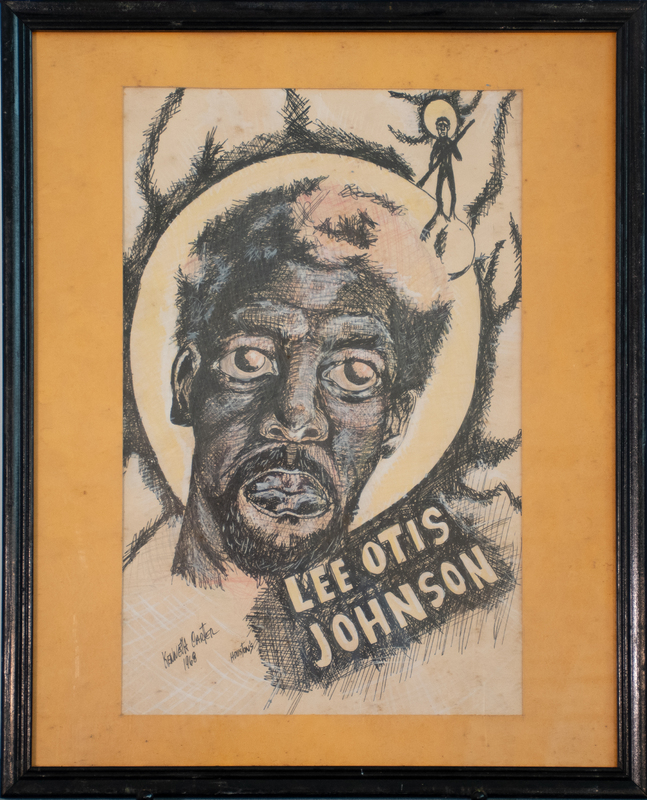
Carter’s drawing is of Lee Otis Johnson, a former TSU student, organizer, and leader of the Houston Student Non-Violent Coordinating Committee. Houston police repeatedly targeted Johnson, and in 1968 they arrested him for passing marijuana to an undercover officer, and a judge sentenced him to 30 years in prison. This injustice gained widespread notoriety, and “Free Lee Otis” became a rallying cry.
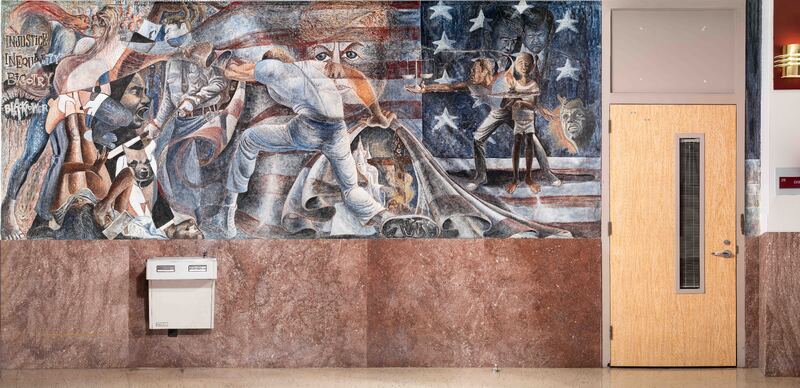
Mills’s mural depicts a nation in turmoil, with scenes of racial violence, and pushback by Black protestors. A figure lifts the American flag to reveal white supremacy. On the right side, Stokely Carmichael’s face bursts through the flag, alluding to the 1967 TSU Invasion. During the invasion, 488 TSU students were arrested and Houston Police fired almost 5000 bullets into the men's dormitory.
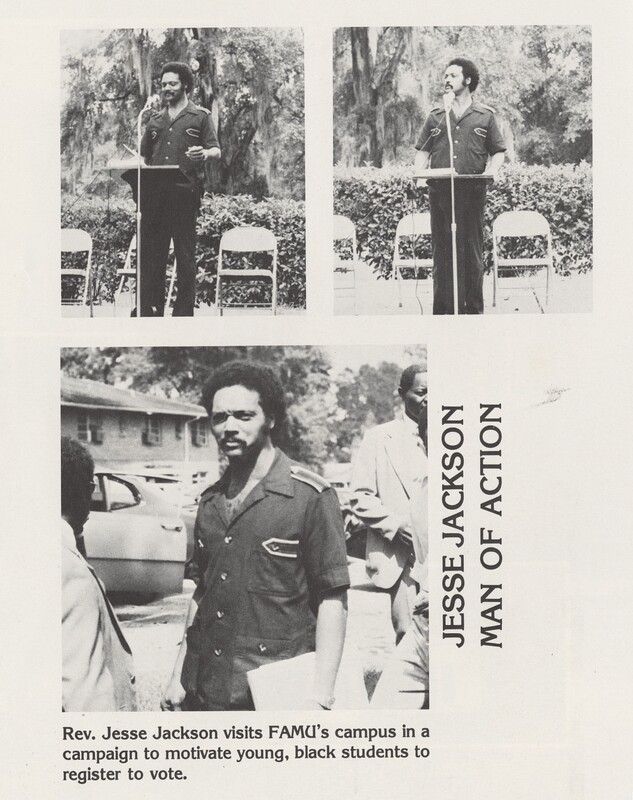
Reverend Jesse Louis Jackson was a civil rights leader who began activism in the 1960s. In the 1980s, he launched two presidential campaigns, ultimately losing the Democratic nomination, but not by expected large margins. In 1981, Jackson visited Florida A&M University to encourage students to register to vote.
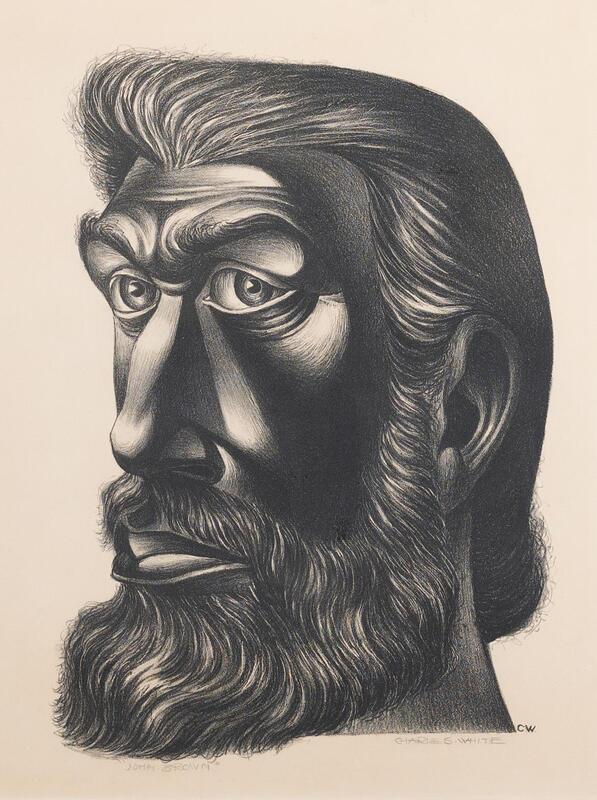
Charles White was a painter, printmaker, muralist, and educator known for his stylistic approach to African American subjects from Chicago, IL. John Brown is a print portrait of its namesake. He was a prominent member of the American abolitionist movement. The print portrays Brown in dark hues as he stares off into the distance.
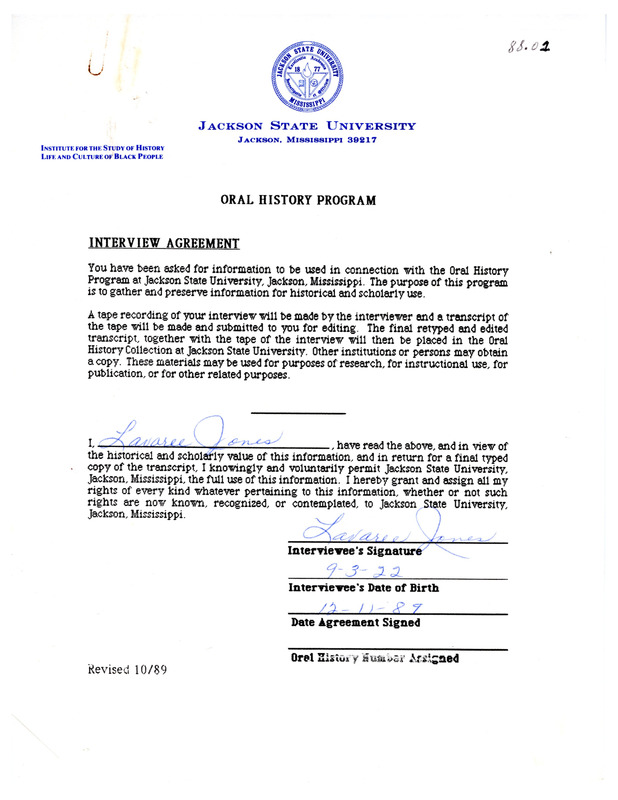
Lavaree Jones interviewed by Major O'Neal; both are students in Dr. Alferdteen Harrison’s Oral History class at Jackson State University. He asks her 3 questions about the origins of the Head Start program in Mississippi and the role Head Start plays in the Black community.
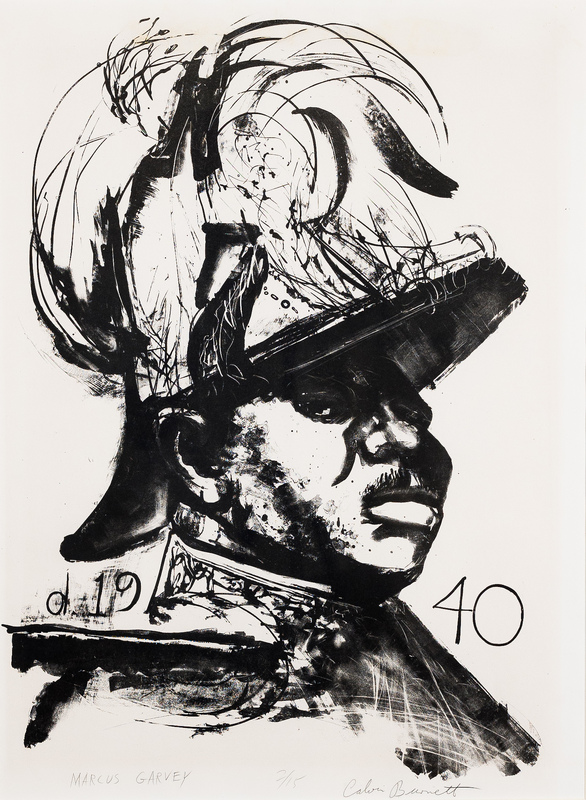
Calvin Burnett was a graphic artist, illustrator, painter, designer, and art teacher from Cambridge, MA. Marcus Garvey is a portrait of its namesake, a Jamaican political activist. Marcus Garvey was a renowned Black nationalist and Pan-Africanist.
Mayor Phillip Curtis West returned to Mississippi from Chicago in 1964 to become involved in the Civil Rights Movement. Becoming involved with the NAACP at Alcorn State University led him to eventually end up in Mississippi politics, being elected to the Mississippi House of Representatives in 1997 and Mayor of Natchez, Mississippi in 2004.
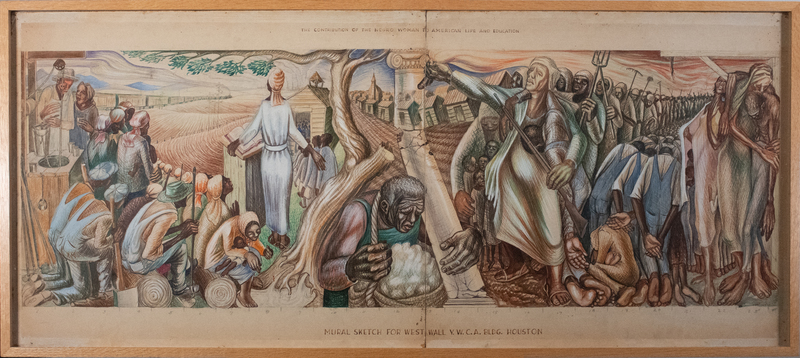
Biggers created this sketch while working on his mural, “The Contributions of the Negro Woman to American Life and Education,” for the Blue Triangle Branch of the YWCA. This mural was the culmination of his research for his doctoral dissertation at Penn State University. It features Harriet Tubman and Sojourner Truth leading enslaved people to freedom and educating African Americans, respectively.
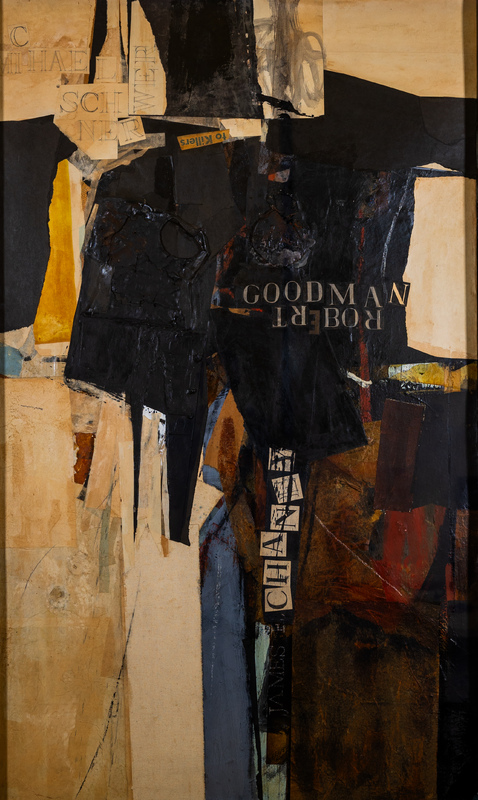
Alvin Smith was an artist from Brooklyn, NY. Neshoba Spectre is a collage that memorializes the Freedom Summer murders in Neshoba County, Mississippi. The piece displays the names of the victims: James Chaney, Andrew Goodman, and Michael Schwerner.
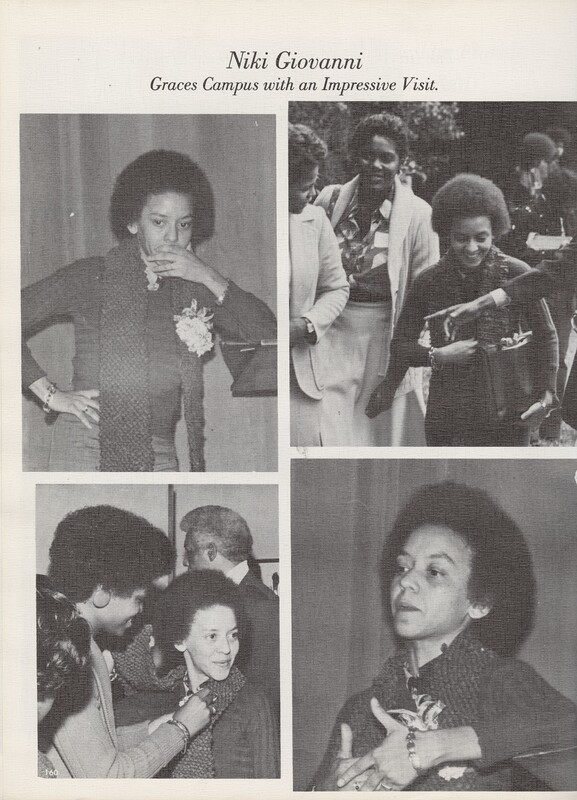
Nikki Giovanni, a highly awarded African American poet, visited the campus of Florida A&M University in 1975. In these images, Giovanni is seen being gifted a corsage by students, walking around campus, and speaking on a stage.
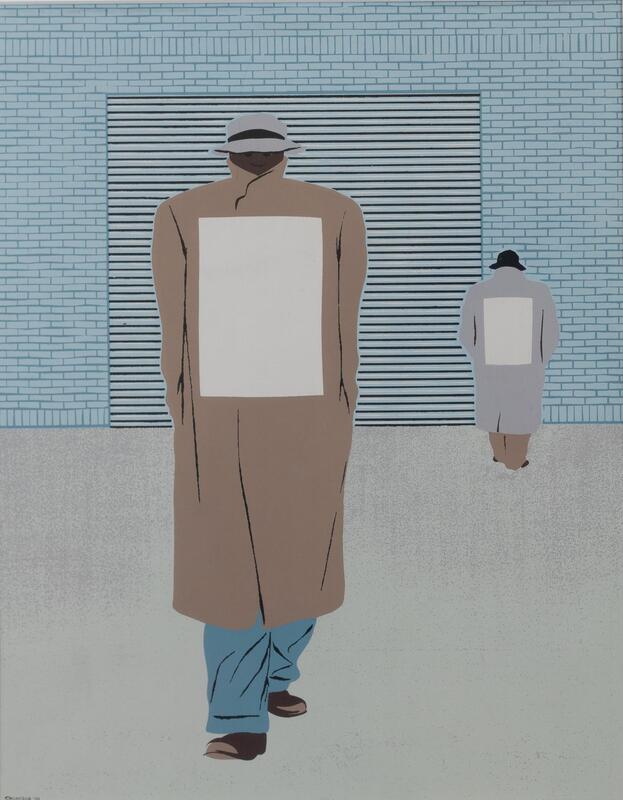
Roy DeCarava was a painter and printmaker before becoming known as a Harlem Renaissance photographer. Pickets depicts two men in winter wear standing in a picket line; they both wear sandwich boards. This lithograph was created in response to the frustration with wages and working conditions after the end of the wartime no-strike pledge.