The Culture of FAMU Collection preserves the university’s legacy as a leading HBCU since 1887. It showcases artifacts, documents, and memorabilia highlighting FAMU’s impact on education, civil rights, and community empowerment. The collection emphasizes the university’s agricultural roots and academic excellence, especially in agriculture and the sciences. It also reflects FAMU's vibrant student life, including the Marching 100 and diverse extracurriculars. This collection honors FAMU’s role in shaping African American history and inspiring future generations.
Curated By
Barbara A. Twyman
Contributing Institution
Florida A&M University
About This Record
The HCAC public history focused digital archive cataloging is an ongoing process, and we may update this record as we conduct additional research and review. We welcome your comments and feedback if you have more information to share about an item featured on the site, please contact us at: HCAC-DigiTeam@si.edu
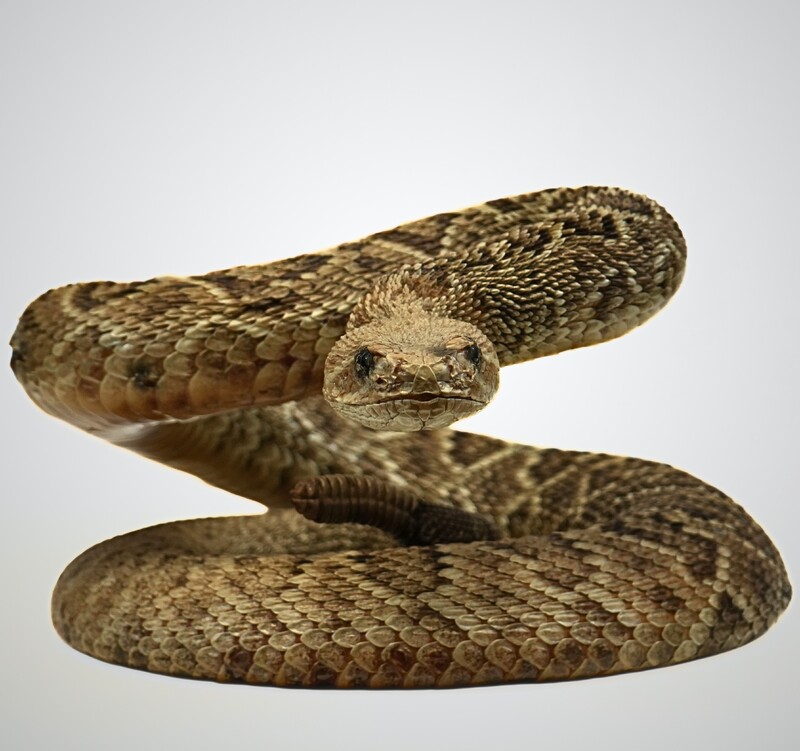
Donated by former university President Elmira Mangum, Rudy the Rattler was a taxidermy-coiled rattlesnake that served as the Florida A&M mascot. A small sculpture, the taxidermy process involves preserving the animal’s body using various techniques to maintain its lifelike appearance and mounting it for display.
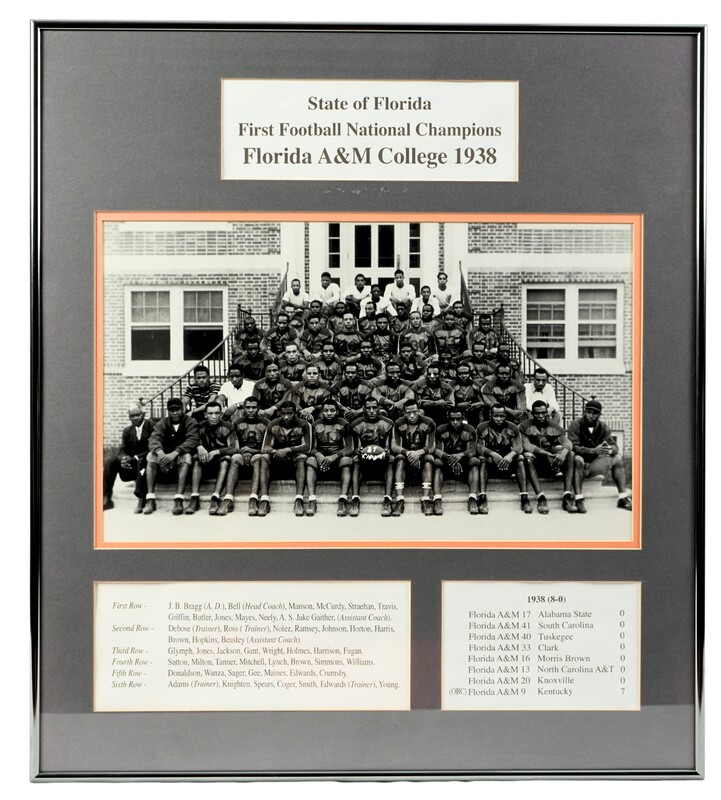
The Florida A&M College (FAMC) Champions Football Team of 1938 embodied the epitome of athletic excellence and teamwork, forging a legacy of triumph that endures to this day. FAMC Coach Alonzo "Jake" Gaither donated it to the Meek-Eaton Black Archives.
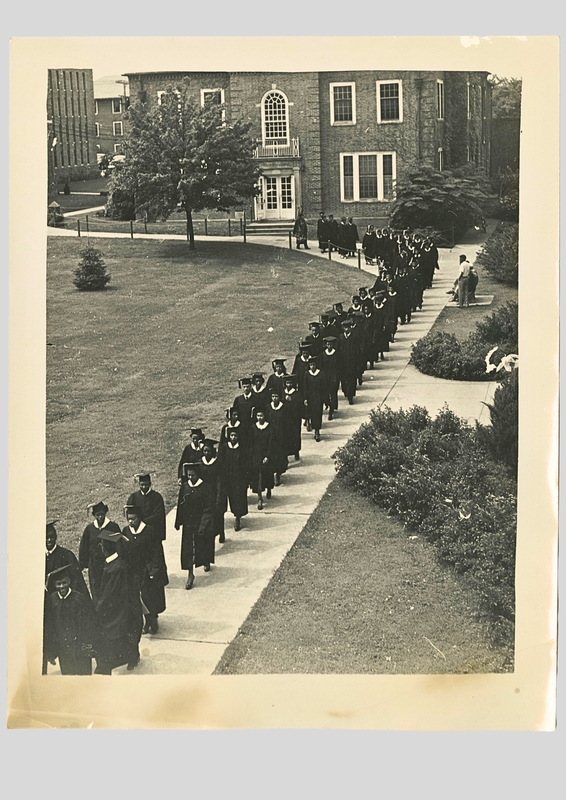
This photograph shows a glimpse into Florida A&M campus life in its early days. Graduating students in a double file line march through campus in graduation memorabilia while others look on. It is unclear when this photograph was taken as no significant identifying information exists.
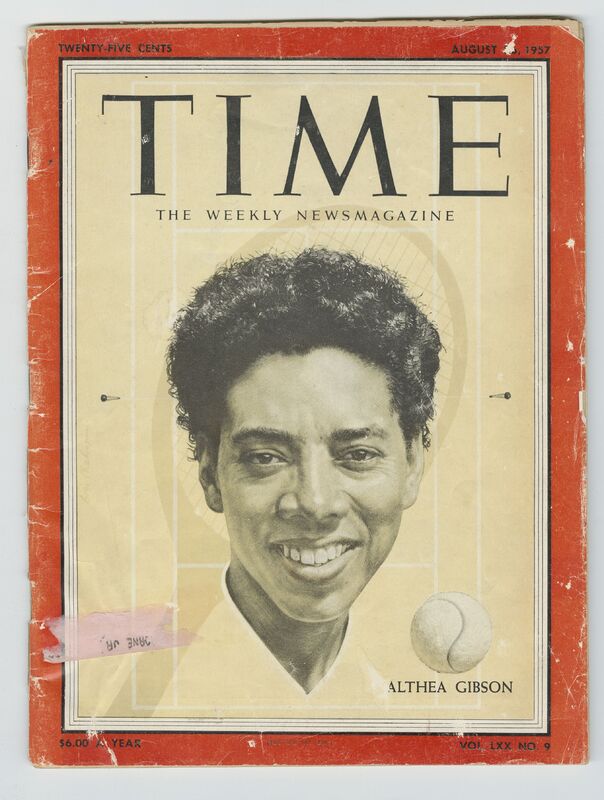
Florida Agricultural and Mechanical University alumna and Black tennis star Althea Gibson graces the cover of this rare, original 1957 TIME magazine. Just the year prior, in 1956, Gibson became the first African American to win a Grand Slam event. She also was the first to play in the U.S. and French Opens and Wimbledon.
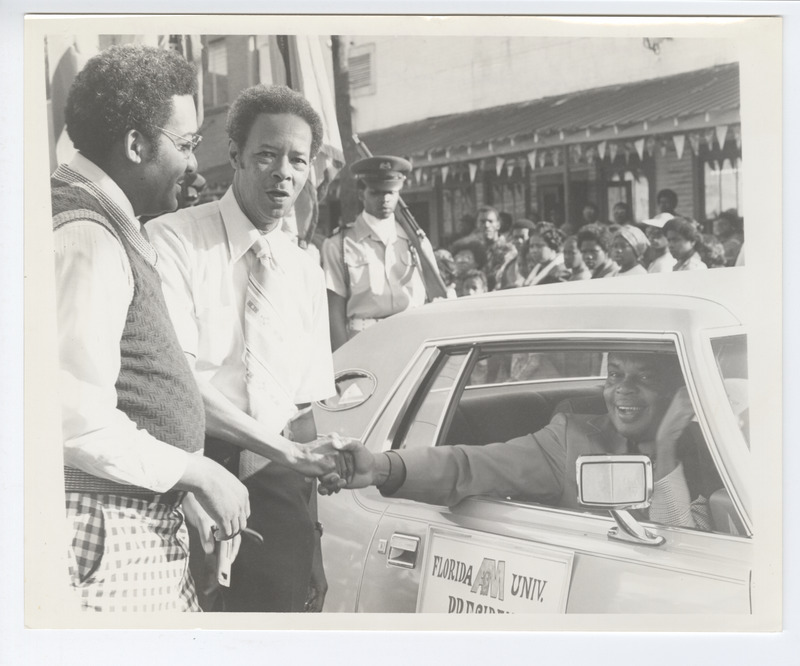
This photograph was taken at Florida A&M University’s annual Homecoming Parade on October 18, 1975. As the procession strolled through Frenchtown, a historic Black, middle-class Tallahassee neighborhood, someone shot University President B. L. Perry shaking hands with Mr. Roberts of Economy Drugstore, a Black-owned pharmacy vital to the community.
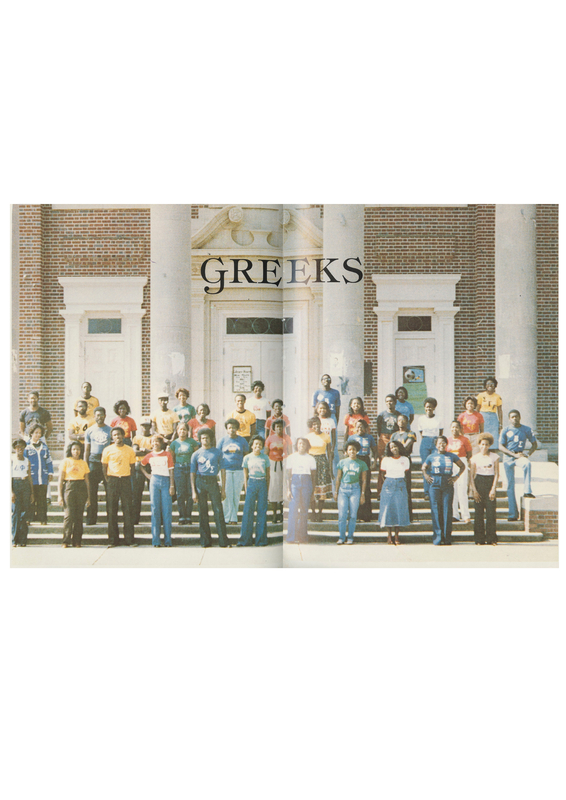
This two-page spread in the 1979 Florida A&M Rattler Yearbook features members from the chapters of FAMU’s Divine Nine fraternerities and sororities. In their organization’s t-shirts and jeans, these Greeks stand on the steps of Coleman Library.
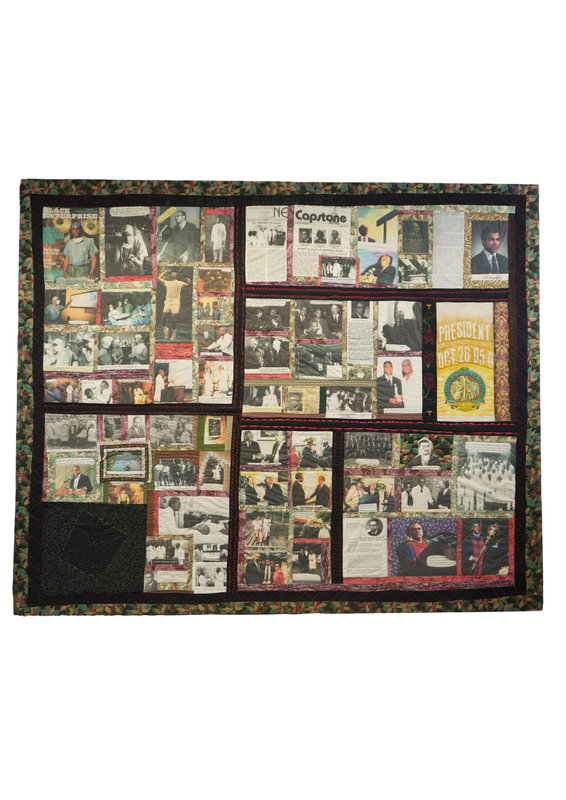
This quilted textile by Debra Hanes is an homage to Dr. LaSalle D. Leffall, Jr., showing the highlights of his career and life. Prevalent in African American culture, this piece is a type of “life quilt”, as this colorful tapestry gives the viewer a glimpse into the doctor’s life with sewn-on prints of letters, magazine covers, and photographs.
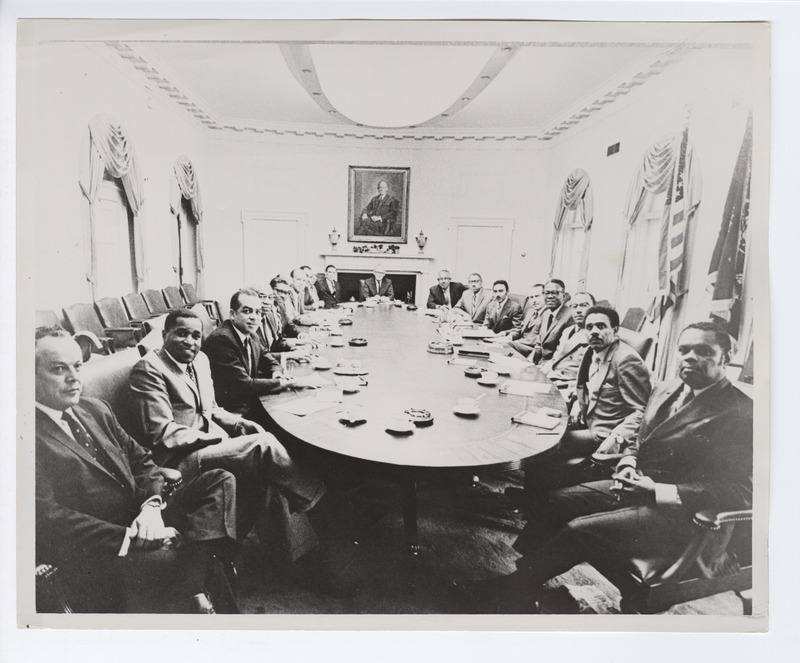
On May 20, 1970, various Historically Black Colleges/Universities presidents met with President Richard Nixon to represent their schools for the National Association of Equal Opportunity in Higher Education. Those included were Florida A&M President Benjamin L. Perry, Jr., Meharry Medical College leader Lloyd C. Elam, and many more.
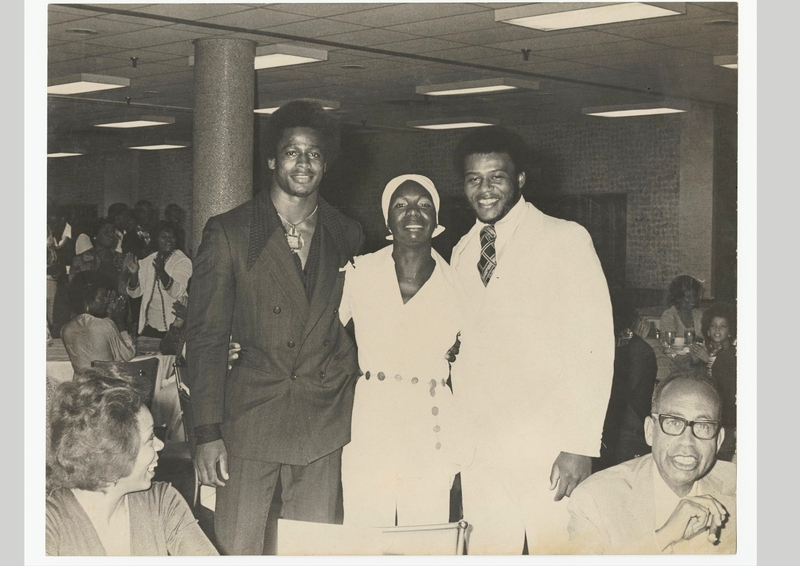
In this rare photograph, Nina Simone stands with A. Poole (as inscribed on the back of the photo) and another unidentified Black male. The trio is posing in the middle of what appears to be a Florida A&M event banquet, as people eat around them while others dance in the background. It’s unclear when this was taken.
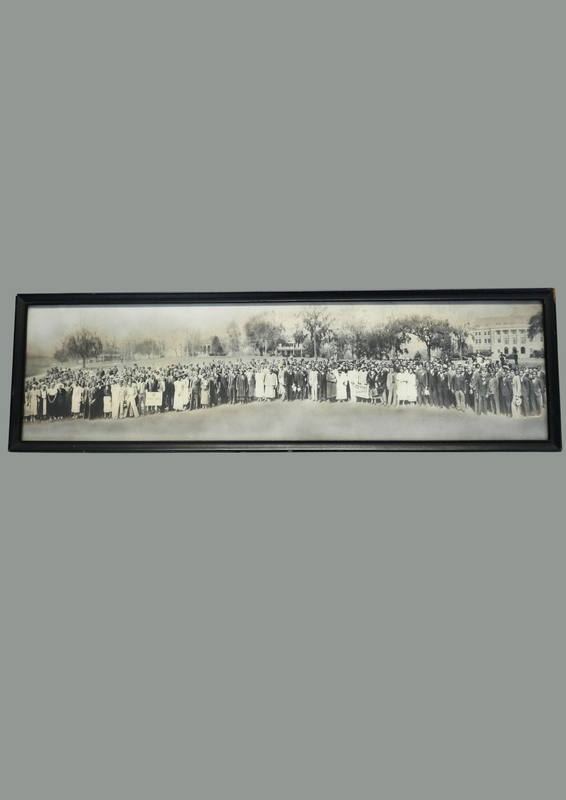
A 1934 panoramic group picture on the campus of Florida A&M University. The picture was taken in the midst of the Great Depression. It captures members of the Fourth State Basketball Tournament, and members of the 42nd Annual Florida State Teachers Association (FSTA), including Dr. Mary McLeod Bethune, founder of Bethune Cookman College.
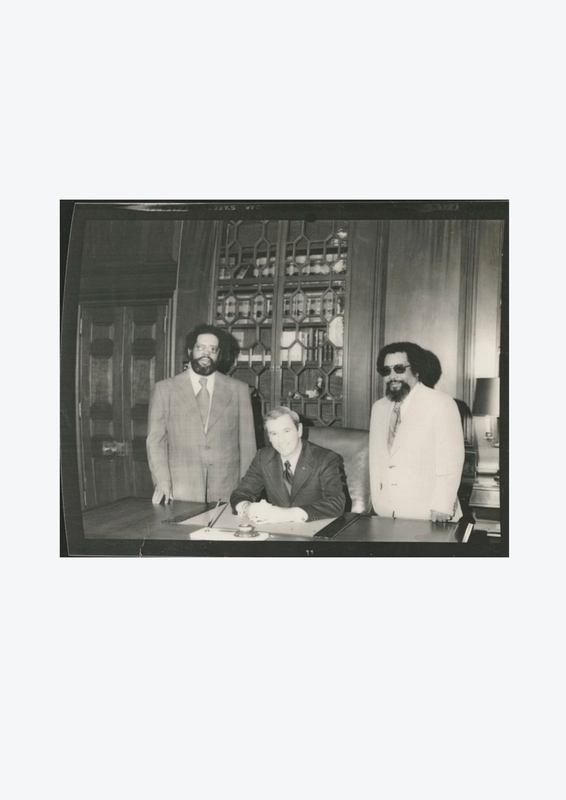
This undated, black-and-white photograph features Julian “Cannonball” and Nathaniel “Nat” Adderley, jazz and blues musicians, and Reubin O’Donovan Askew, the governor of Florida in the 1970s. The Adderley brothers were Florida A&M students and Tallahassee jazz legends, playing saxophone (Cannonball) and cornet (Nat) with Ray Charles and others.
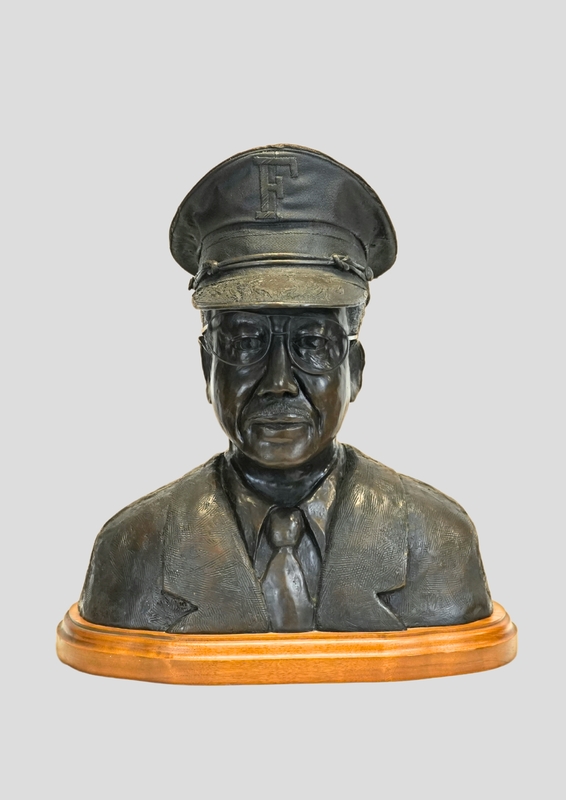
The bronze life-size bust of Dr. William Patrick Foster honors his legacy as a prominent music educator and advocate for African American students at FAMU. Renowned for his commitment to academic excellence, and an innovator of marching bands around the world. Foster is the creator of the FAMU Marching 100.