The Silent Chains: Exploitation of African Americans Collection offers a powerful narrative of African Americans' suffering and resilience. It features artifacts from the slavery and Jim Crow eras, as well as items highlighting systemic racism throughout U.S. history. Curated through the lens of Florida A&M University—founded in 1887 on the grounds of a former plantation in Tallahassee—the collection confronts local and national legacies of injustice. It reflects how FAMU emerged as a beacon of hope amid oppression. While honoring the progress made, the collection compels ongoing reflection on the unfinished pursuit of equity and justice.
Curated By
Barbara A. Twyman
Contributing Institution
Florida A&M University
About This Record
The HCAC public history focused digital archive cataloging is an ongoing process, and we may update this record as we conduct additional research and review. We welcome your comments and feedback if you have more information to share about an item featured on the site, please contact us at: HCAC-DigiTeam@si.edu
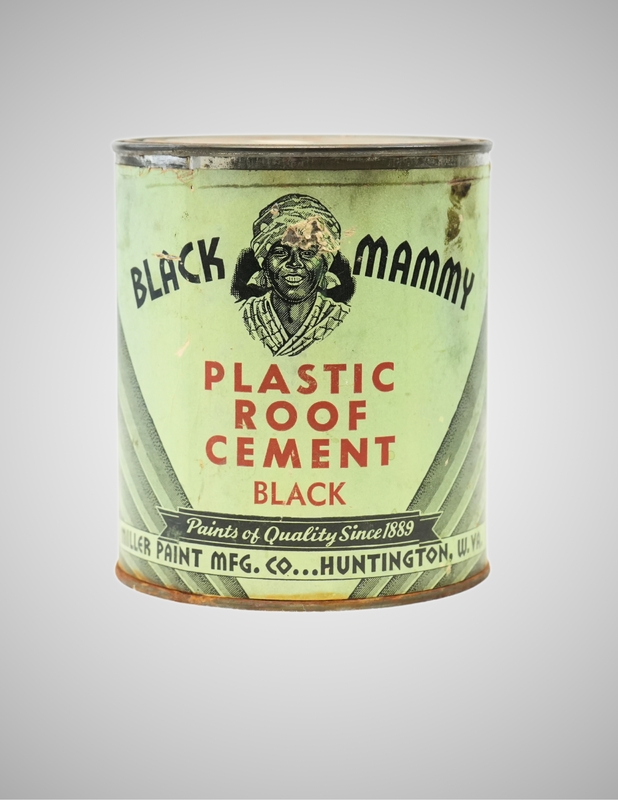
The vintage can of Black Mammy Plastic Roof Cement features a depiction of a Black female figure, reflecting the problematic stereotypes prevalent in mid-20th-century advertising. Often portrayed as a caretaker or domestic figure, this imagery reveals the complexities of racial representation and the commodification of Black identity.
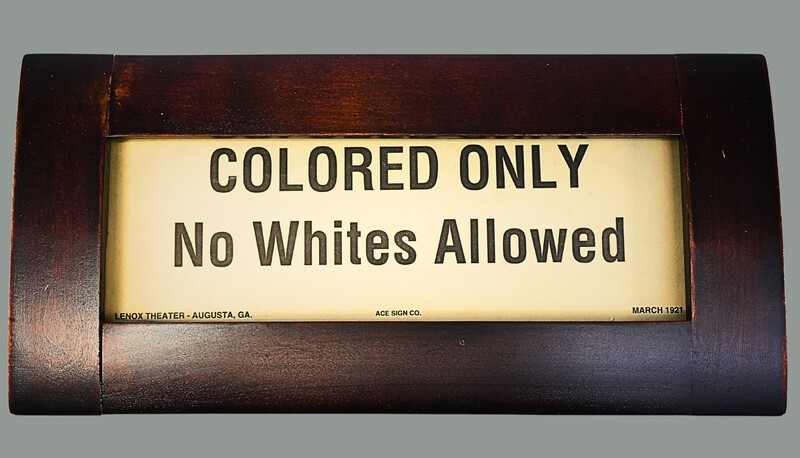
A "colored only" sign was a segregation-era sign typically found in the United States during the Jim Crow era, which enforced racial segregation in public places. These signs were used to designate areas, facilities, or services that were reserved for people of color and donated by Dr. James Eaton.
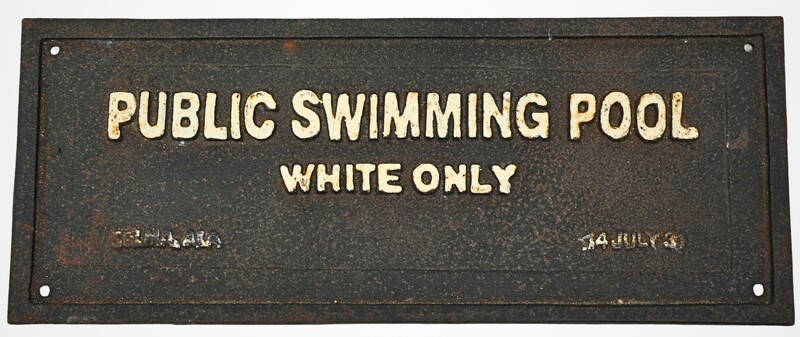
The iron "Whites Only" swimming pool sign from Selma, Alabama, dating back to 1931, starkly illustrates the era's racial segregation and discrimination. This historical artifact symbolizes the oppressive Jim Crow laws that enforced racial barriers in public spaces.
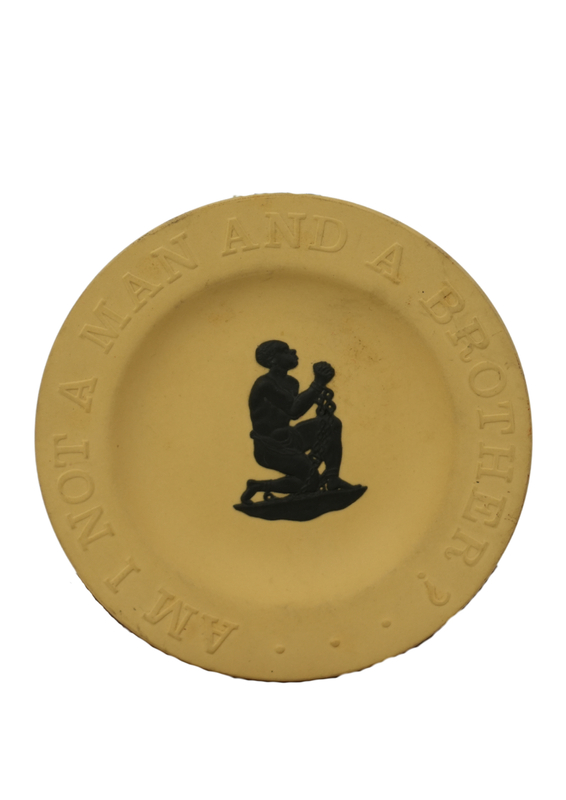
In 1787, Josiah Wedgwood’s London-based ceramics company created a medallion depicting a kneeling, shackled Black man with the engraved inscription “Am I Not A Man And A Brother?”. This symbol quickly spread across antislavery movements in Britain, France, and the United States and was used on many consumer goods, including this pin dish.
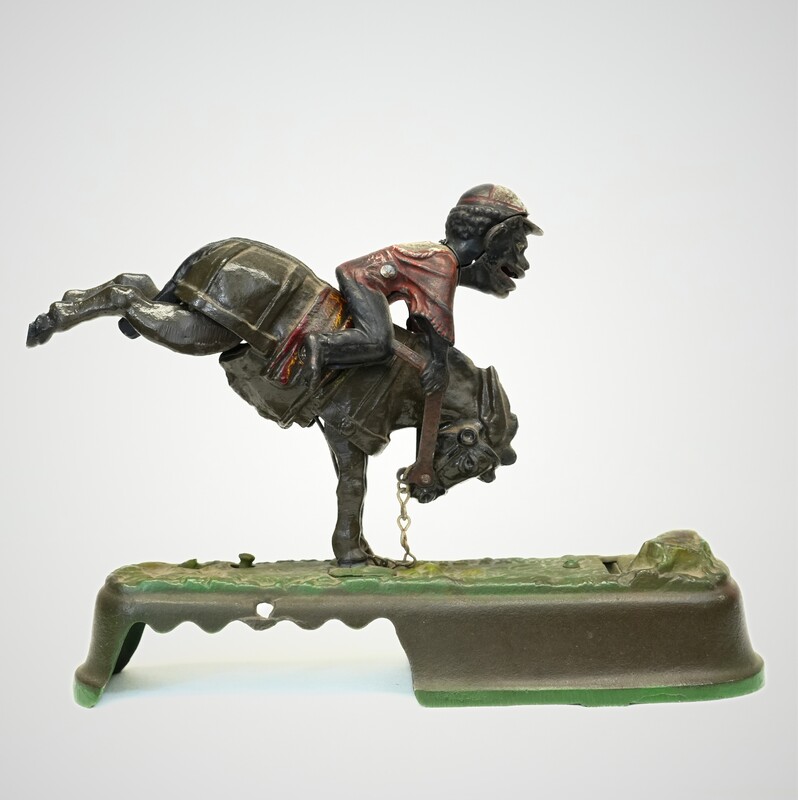
The vintage "Black Jockey Boys" bank is a collectible item depicting a stereotype of African American jockeys, often characterized by exaggerated features and playful expressions. While intended as a whimsical decoration, it reflects the racial caricatures prevalent in the early 20th century.
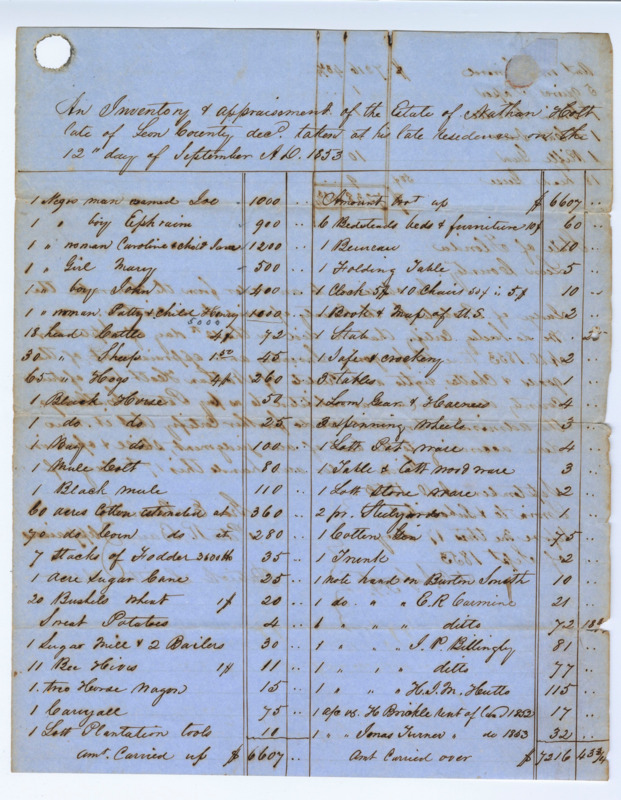
These rare 1853 slavery documents from the estate of Nathan Holt in Leon County detail the inventory, valuation, and transfer of enslaved individuals. These records offer crucial insights into the management and distribution of enslaved labor within an estate, reflecting the economic and social structures of slavery in mid-19th century Florida.
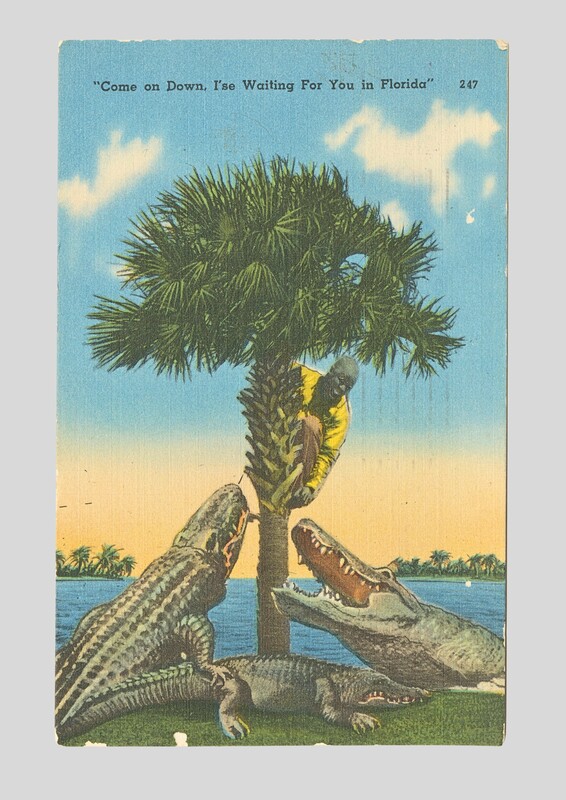
This 1954 Florida postcard shows a striking image of an alligator circling a palm tree, with a Black man seemingly holding on for dear life, his expression filled with fear. The alligators in this serve as a symbolic representation of the dangers and challenges faced by Black men in society, reflecting the racial tensions and struggles of the time.
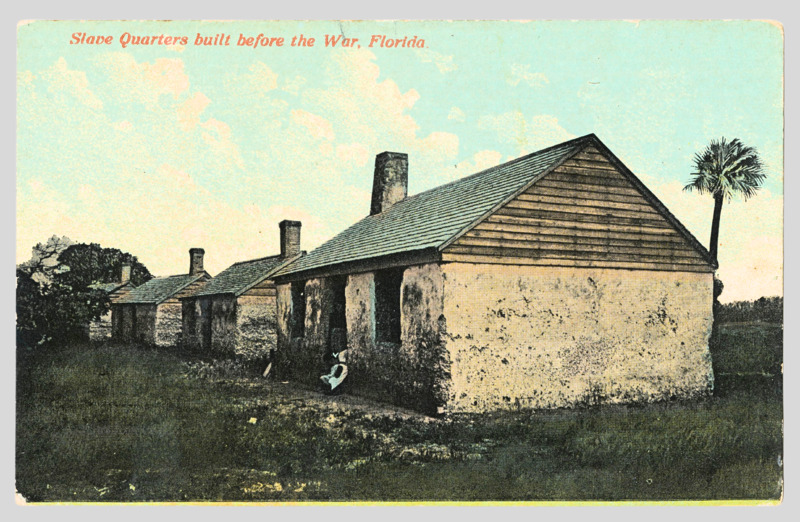
This vintage Florida souvenir postcard depicts slave quarters built before the Civil War. The image captures small, weathered structures used to house enslaved people on plantations. Such postcards often romanticized the antebellum South, overlooking the harsh realities of slavery while promoting Florida’s historic landscape to tourists.
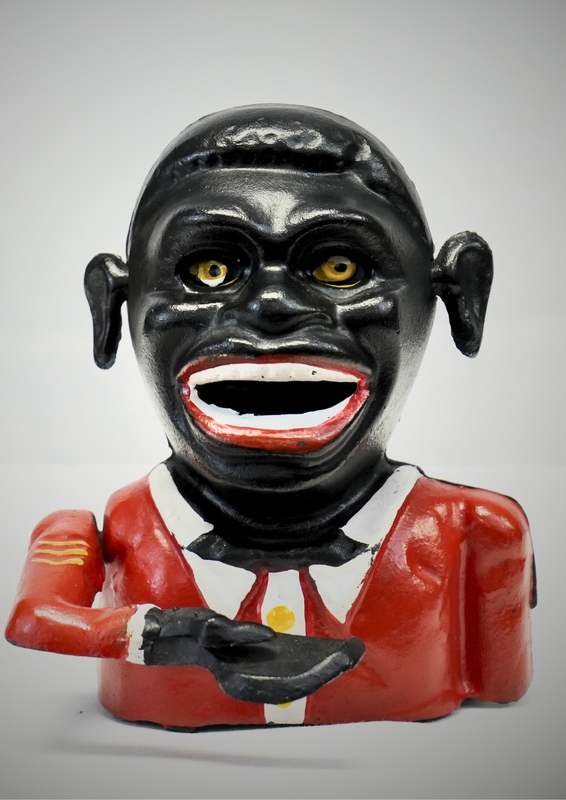
The vintage red and white Jolly Negro bank features a cheerful caricature of a Black man, reflecting the racial stereotypes common in early 20th-century American culture. This coin bank, characterized by its bright colors and playful design, embodies the problematic portrayals of African Americans during that time
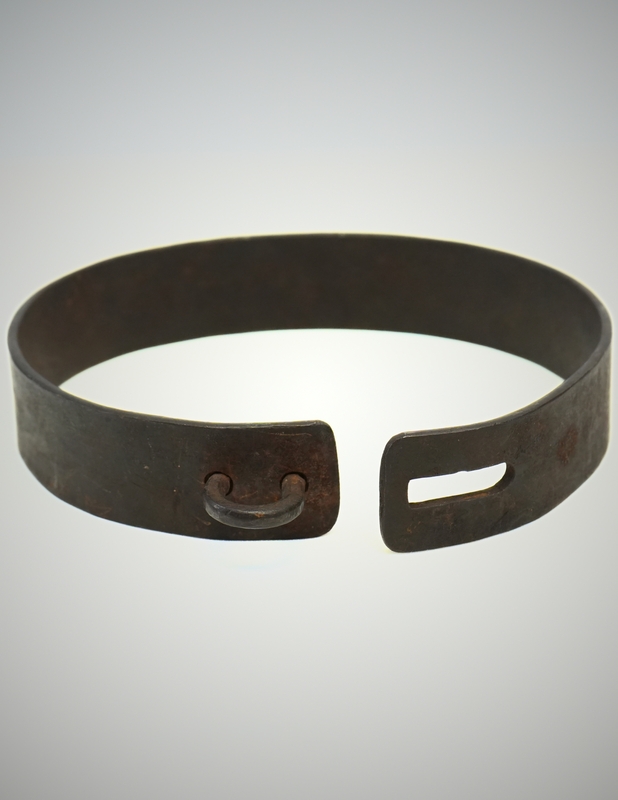
This rare cast iron collar, used to enslave individuals, symbolizes the severe oppression and dehumanization during the enslavement period. Designed to restrain and control, it reflects the brutality faced by those who were enslaved.
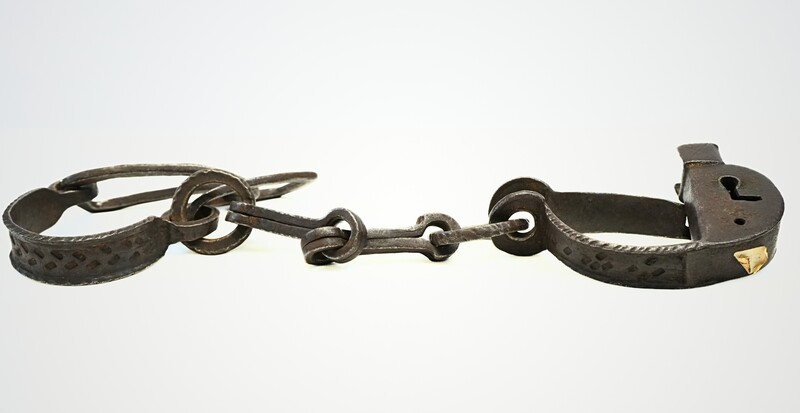
These rare cast iron shackles, used during the enslavement period, serve as haunting artifacts that symbolize the brutal reality of slavery. Designed to restrain and control, they reflect the dehumanization and suffering endured by enslaved individuals.
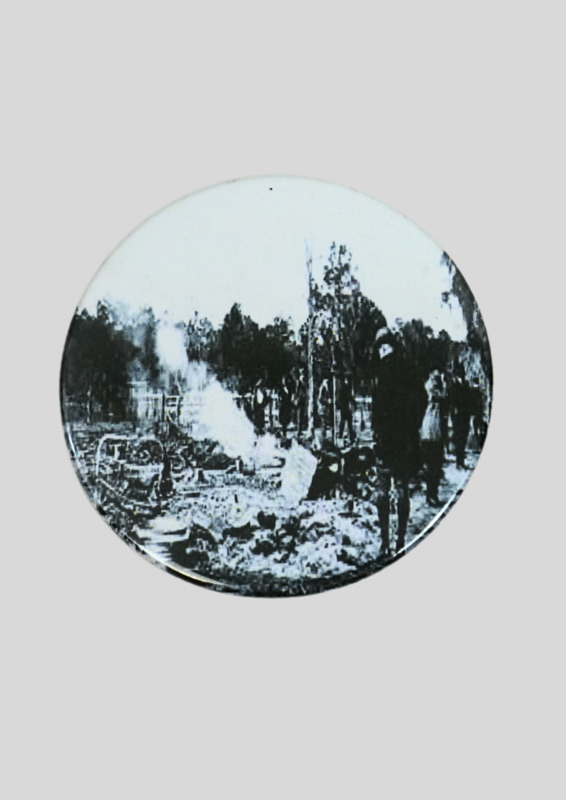
This button was one of three designs in a VisitGainesville bag from the Rosewood Museum. It depicts a downtrodden man looking down at the burned remains of what could be his home or business. The community is also looking onward at the rubble in the background.
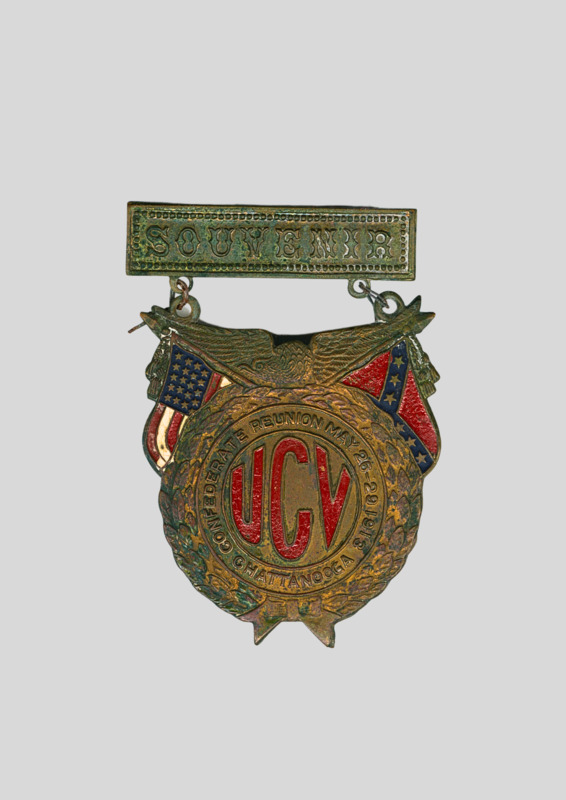
This 1913 Confederate Reunion medal, a souvenir from the United Confederate Veterans (UCV) gathering in Chattanooga, commemorates veterans of the Civil War. The medal features Confederate symbols and celebrates the reunion of former soldiers.