The African Diaspora Collection celebrates the global breadth and cultural richness of the African diaspora. Through artifacts, textiles, art, literature, and historical documents, it reflects the lived experiences, traditions, and resilience of African-descended peoples worldwide. Curated to resonate with the university’s diverse student and faculty community, the collection explores connections between Africa and its diasporic communities, fostering cultural pride and historical understanding. As a leading HBCU, FAMU affirms the importance of global Black identity, scholarship, and heritage through this vital collection.
Curated By
Barbara A. Twyman
Contributing Institution
Florida A&M University
About This Record
The HCAC public history focused digital archive cataloging is an ongoing process, and we may update this record as we conduct additional research and review. We welcome your comments and feedback if you have more information to share about an item featured on the site, please contact us at: HCAC-DigiTeam@si.edu
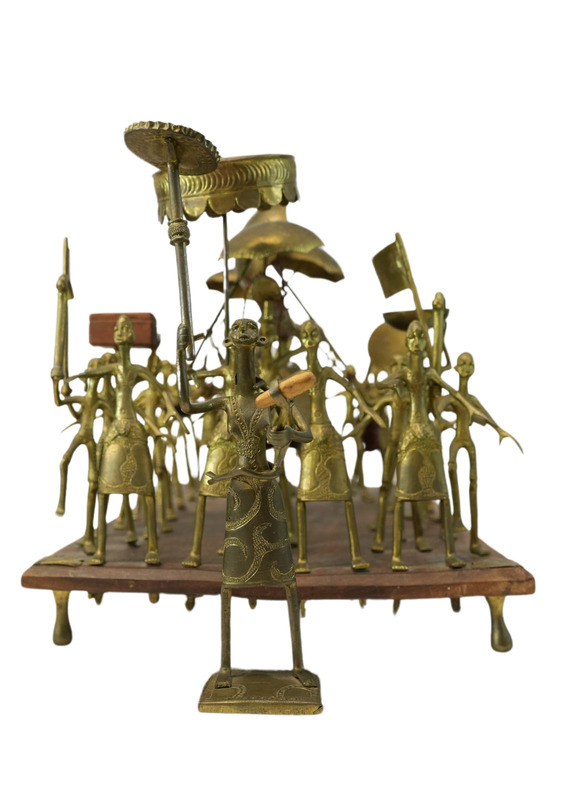
The Kings Procession brass sculpture vividly depicts a ceremonial parade, celebrating the rich traditions and cultural heritage of African royalty. Crafted with intricate detail, it showcases figures adorned in regal attire, emphasizing community and leadership.
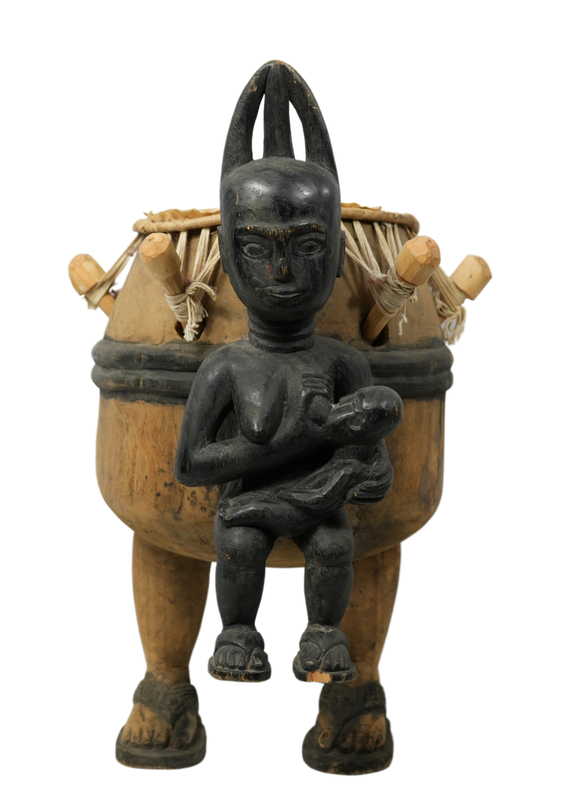
This drum, fastened from wood and animal hide, is reminiscent of an Akan Kettle Drum from Ghana. The Akan are an ethnic group that includes the Fante, Asante, and Akuapem cultures; their culture is most prevalent in present-day Ghana. This type of drum was used for any event that required entertainment (except for court-reserved performances).
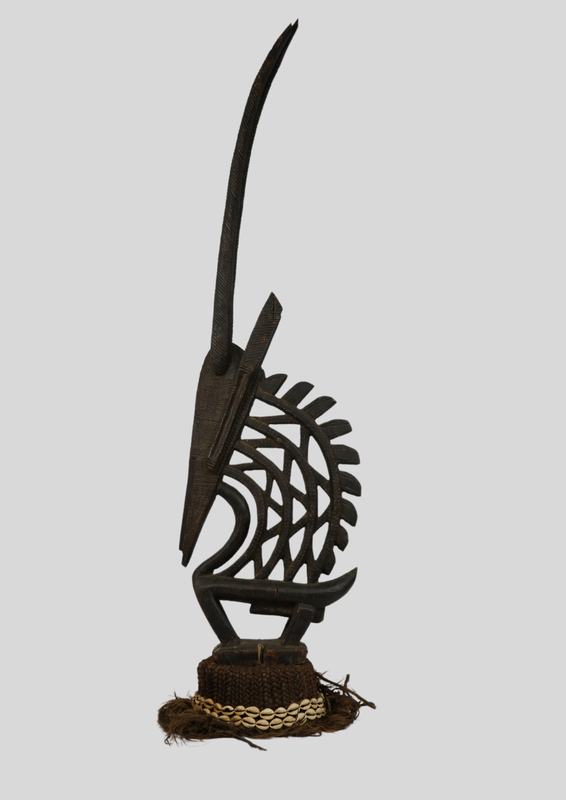
The agricultural society of the Bamana people in West Africa (mainly Mali), also known as Bambara, honors Ci Wara, the mythical being they believe granted them the gift of farming, through wooden carved headdresses. This sculpture combines the features of humans, antelopes, and other native animals for performances celebrating successful farmers.
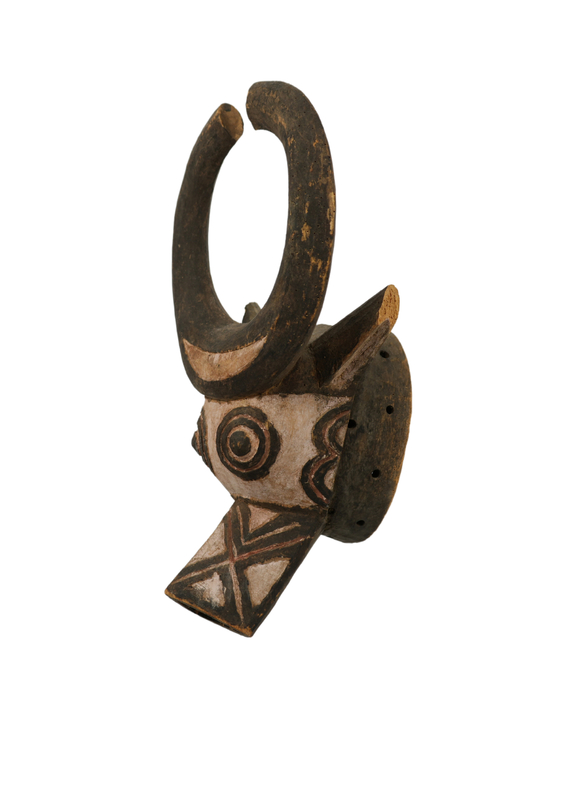
This rare mask could belong to the Gurunsi, Boba, or Bwa ethnic groups in Burkina Faso, one of the oldest agricultural groups in that region. They believed in strictly preserving the spirits, which brought balance to a world humans disturb. Each mask is unique, channeling these spirits for performances, celebrations, and harvest rituals.
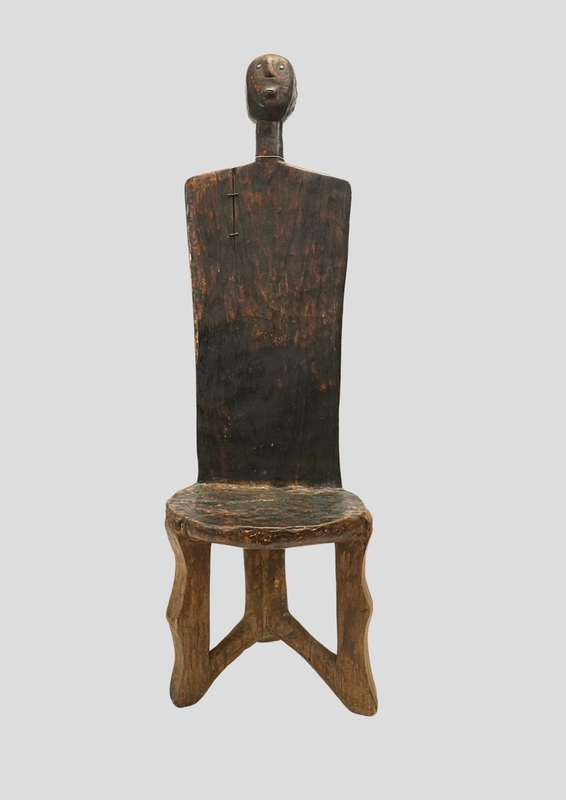
This dark wood carved African chair features intricate facial and head carvings at the top, embodying rich cultural artistry and spiritual significance. Traditionally used in ceremonial contexts, it reflects the craftsmanship and storytelling inherent in African art. Donated by Tallahassee locals Calynne and Louis Hill.
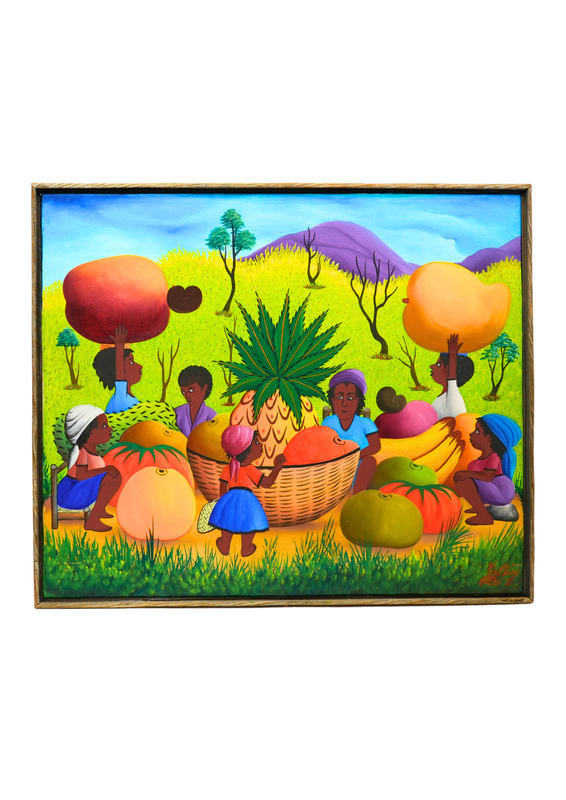
This painting from the Leo Psam Collection is a textbook example of the colorfully vibrant scenes artists create when depicting Caribbean art. The Haitian art showcases a busy market scene with people selling fruit and customers inquiring and purchasing them.
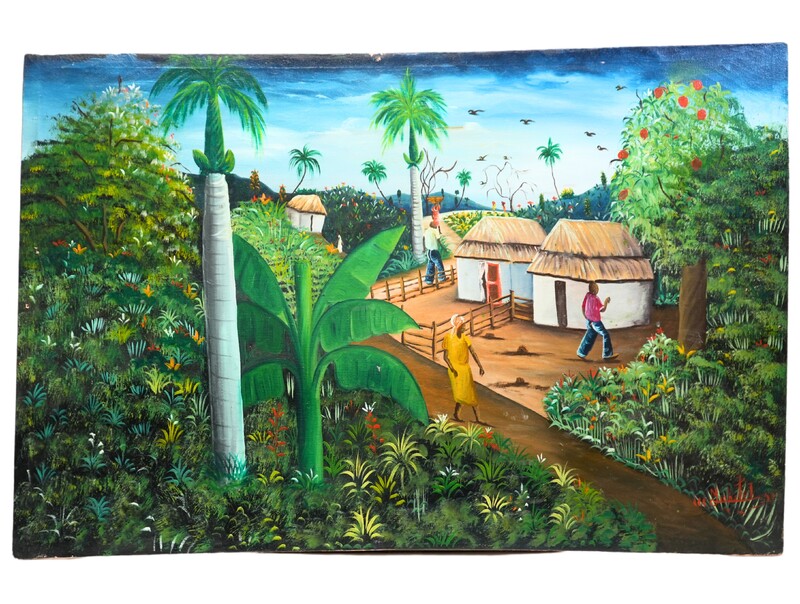
This painting from the FAMU Black Archives/Caribbean Art Collection has limited identification for precise attribution. The vibrantly-painted piece depicts a Haitian village scene and features an unclear inscription in red, cursive font on the lower right corner that could be the artist’s signature.
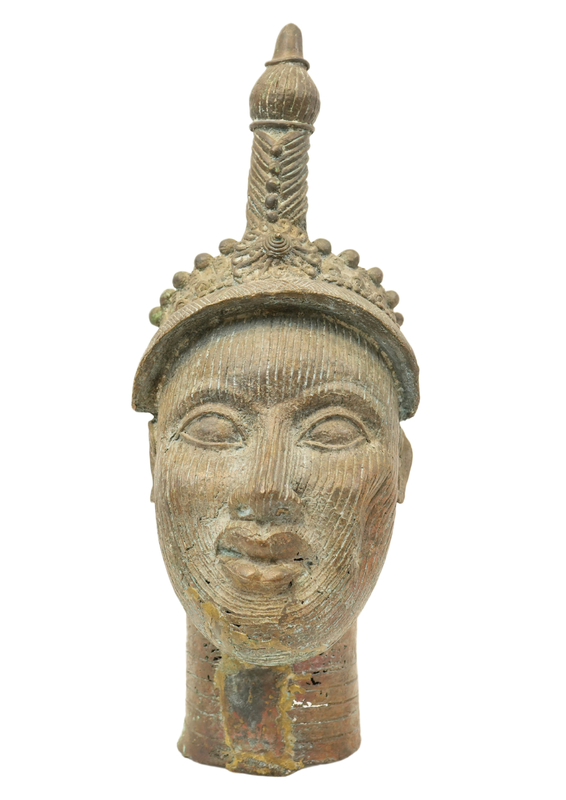
This rare sculpture unearthed in Nigeria belongs to the Yoruba people of that region. It is believed that a single individual or workshop created this copper alloy sculpture between the 12th and 15th centuries to represent a king or highly respected warrior figure.
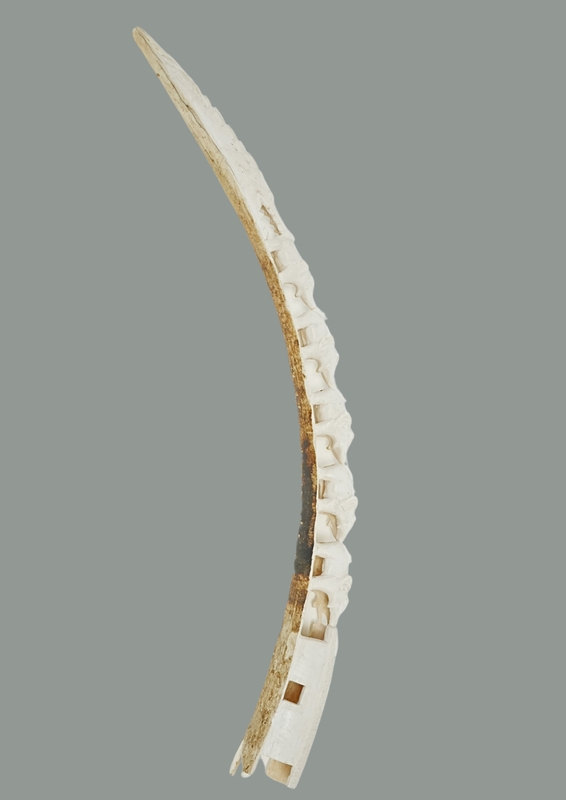
Ivory tusk carvings are exquisite representations of artistry and craftsmanship, often depicting intricate scenes, figures, and cultural symbols. These carvings have deep cultural significance, reflecting social, spiritual, and historical narratives within African societies.
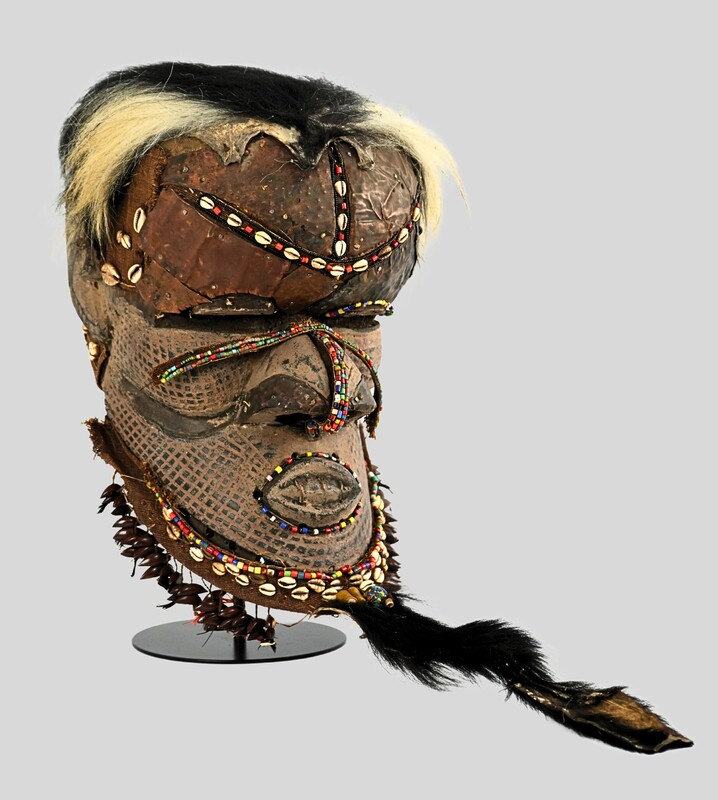
The Kouba mask, originating from the Congo, is a striking cultural artifact known for its intricate carvings and vibrant colors. It was traditionally used in rituals and ceremonies and represents ancestral spirits.
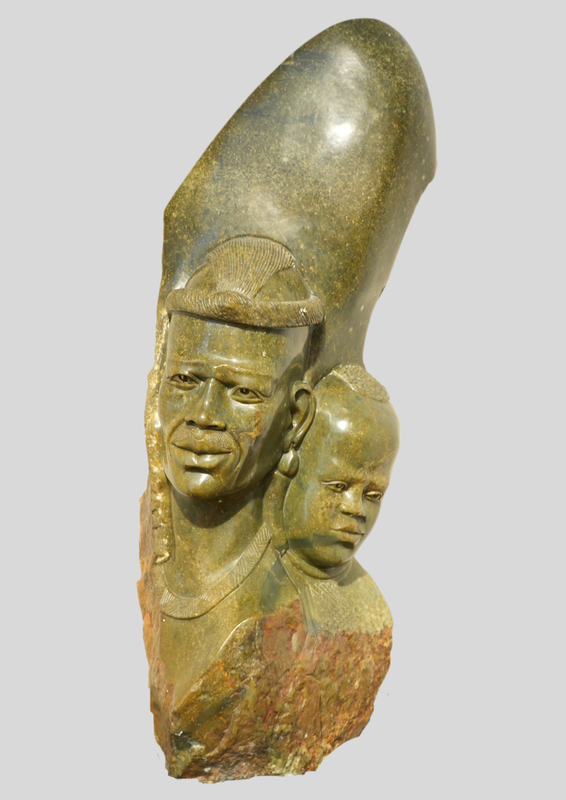
Second-generation sculptor, Joseph Mutasa, made this highly detailed, 220-pound Zimbabwean sculpture from an 800-pound block of opal stone. Showing two male figures, a father and a son, protruding from stone allows the viewer to witness the similarities between them – almost as if to say they are two sides of the same coin or, in this case, stone.
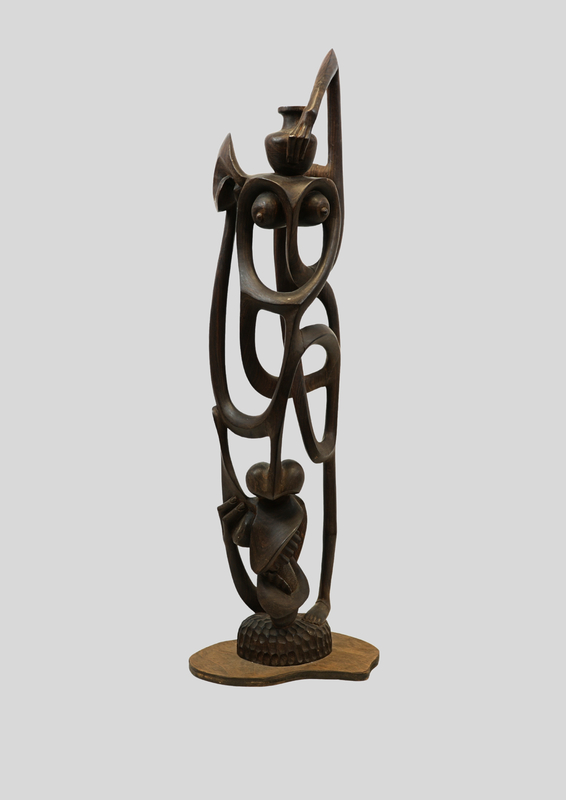
A hand-carved, wooden African Makonde Shetani sculpture likely originating from the Makonde people in Tanzania, northern Mozambique, or Kenya. The Shetani are East African Islamic spirits who are depicted in varying forms, mostly abstract and distorted, and seen as malevolent beings. The word, “shetani” itself is Swahili for “little devil.”
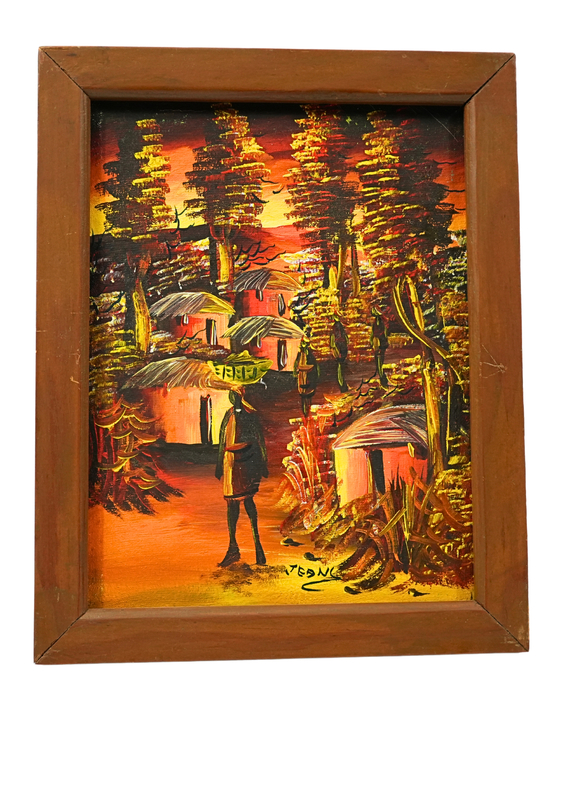
This untitled painting from the FAMU Black Archives/Caribbean Art Collection has limited identification for proper attribution. While it appears to be the same artist from the collection, this piece depicts a village scene with bright orange lighting basking from a setting, or rising, sun – a contrast from the blue paintings seen earlier.
Entrusted to FAMU based on the university's study in agriculture, the Protector of the crops is a spirit deity carved and placed on a farmer's land in Africa as a threat to anyone attempting to trespass. This spirit holds a coiled serpent while protecting a plantain between its feet.
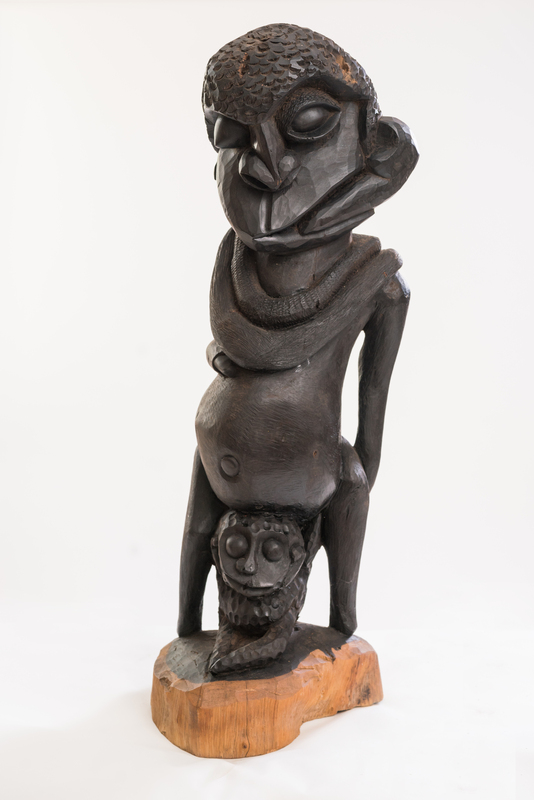
The Protector of the Flocks safeguards sheep from malevolent spirits and trespassers. The spirit is being bitten by the serpent that is wrapped around its neck. This demonstrates its willingness to accept pain and suffering in order to defend and protect. It highlights the resilience of African American agricultural heritage.
Entrusted to FAMU based on the university's studies in agriculture, this deity is an example of the later spirits showing a more human form. The boxer's left arm was lost prior to shipping from Ghana. The human form seems less passive, but is clearly ready to do harm to any trespassers.
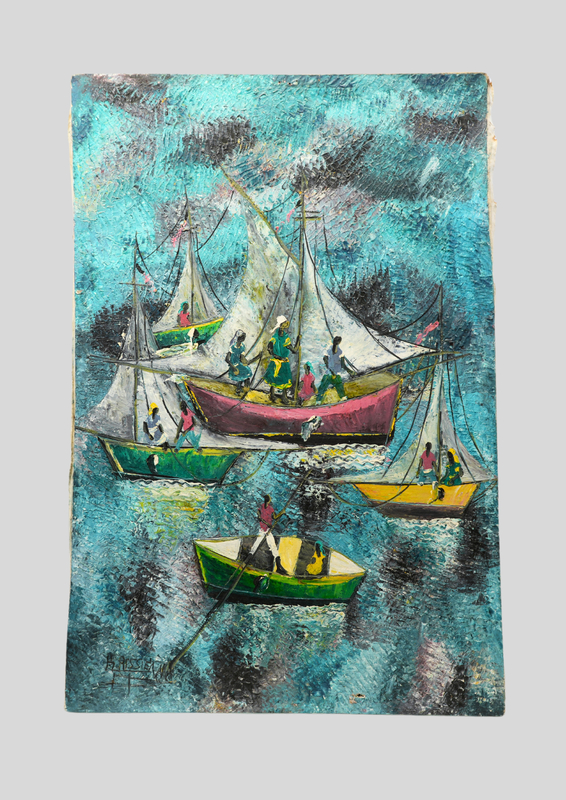
This untitled painting from the FAMU Black Archives/Caribbean Art Collection has limited identifiers for proper attribution but is associated with Dr. James Eaton and Frank Pinder Collections. The piece is of a boating community sailing in the ocean and features an illegible inscription on the lower left corner that could be the artist’s signature.
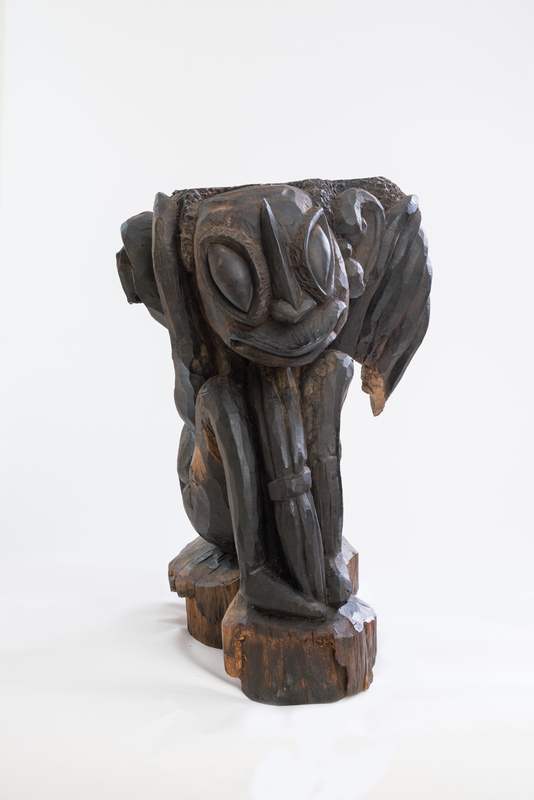
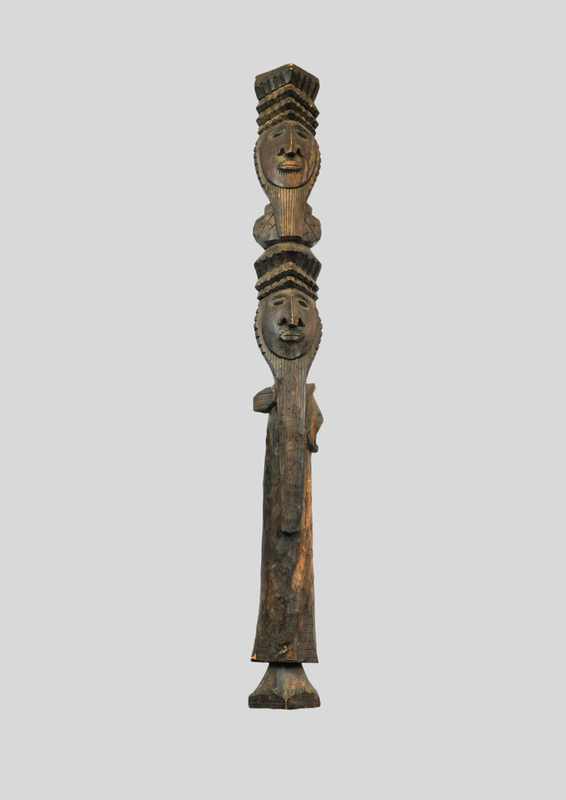
There is limited information on this African artifact. Still, it is confirmed to be a hand-carved wooden replica of a Tiki or totem pole in fair condition due to visible scratches and patina. It features two long-bearded men sitting on top of each other. They could be ancestors, spirits, or essential pillars in the community.
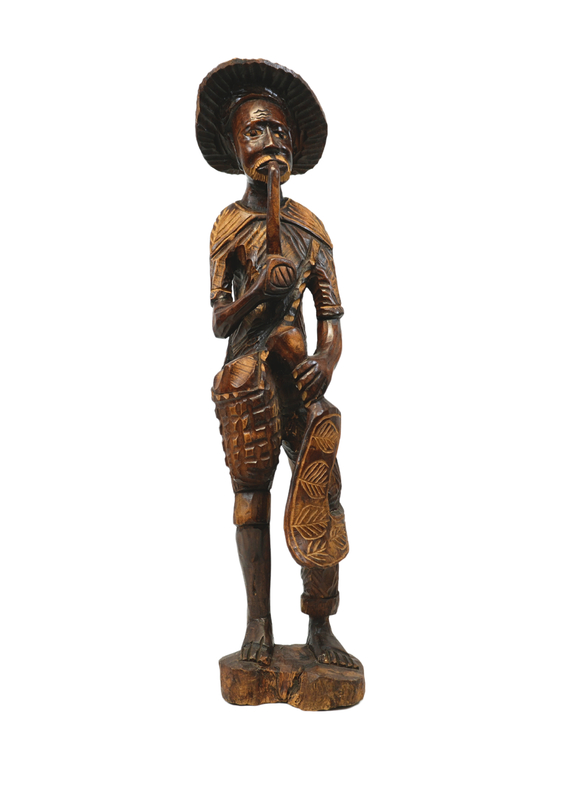
This hand-carved, wooden sculpture depicts a Caribbean or African man holding what appears to be a pipe and sheathed weapon, possibly a machete, ax, or knife. The object he is holding could also be a musical instrument, but similar statues can attribute him to a farmer or worker.
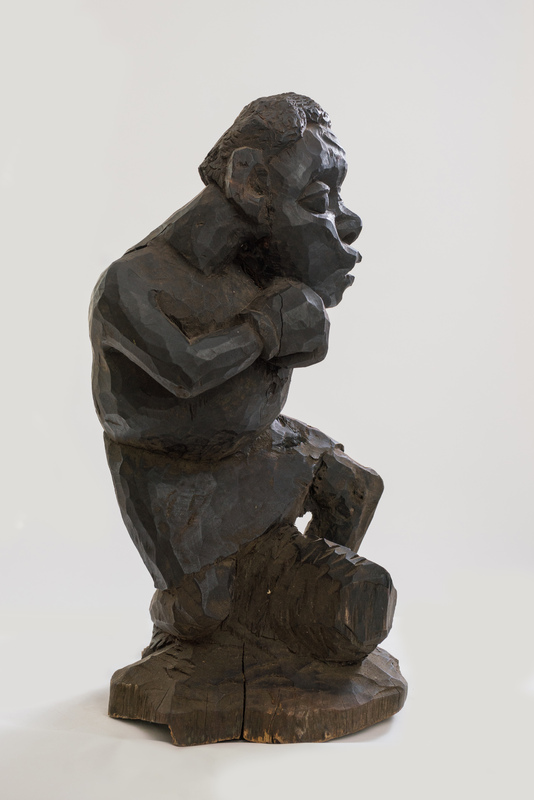
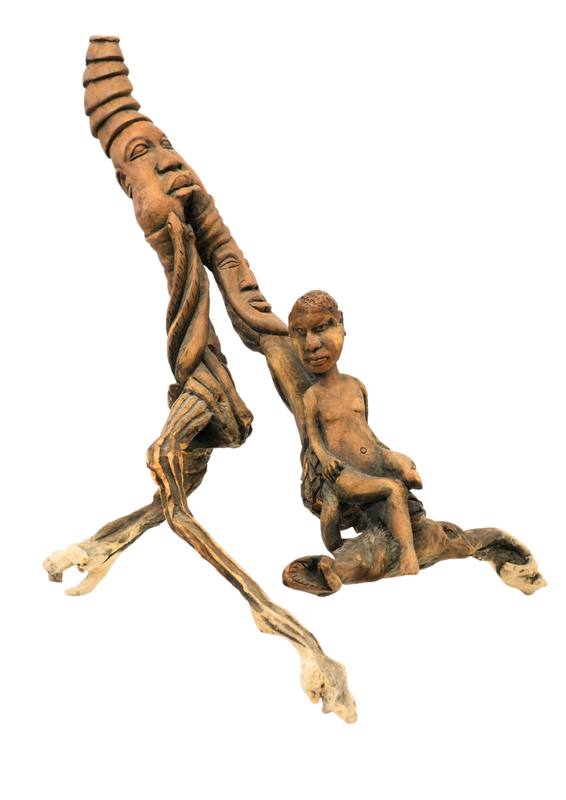
There is limited information on this vintage African artifact, but it is confirmed to be a hand-carved wooden sculpture in fair condition due to a crack on the back leg of the piece. The piece features a small boy sitting on what appears to be a tree branch (or bone marrow) with two human faces on it while a snake wraps around the tree.
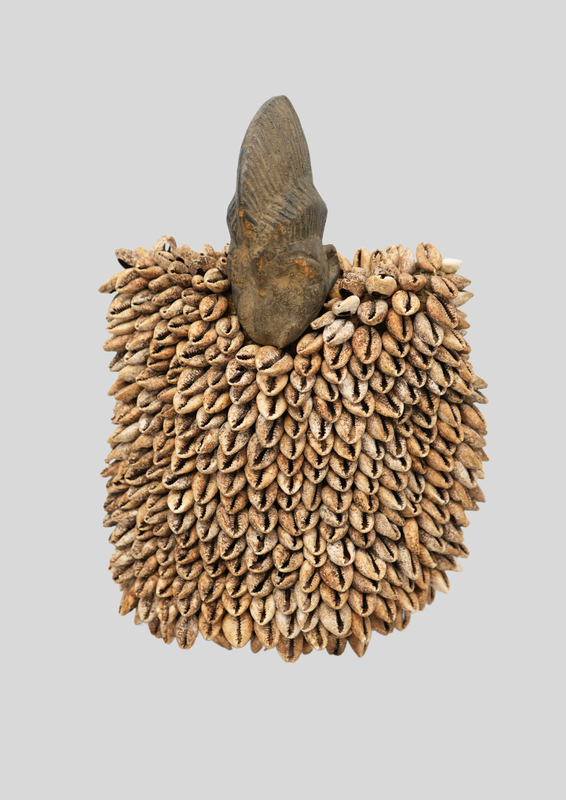
This sculpture is reminiscent of the twin commemorative figure, but its facial features have faded. This figure is cared for as if it were a child; in Yoruba culture, twins are considered powerful spirits who bring riches to the family. The cowrie shell top it wears serves as an offering to Sango, the deity who rules over the twins’ health.
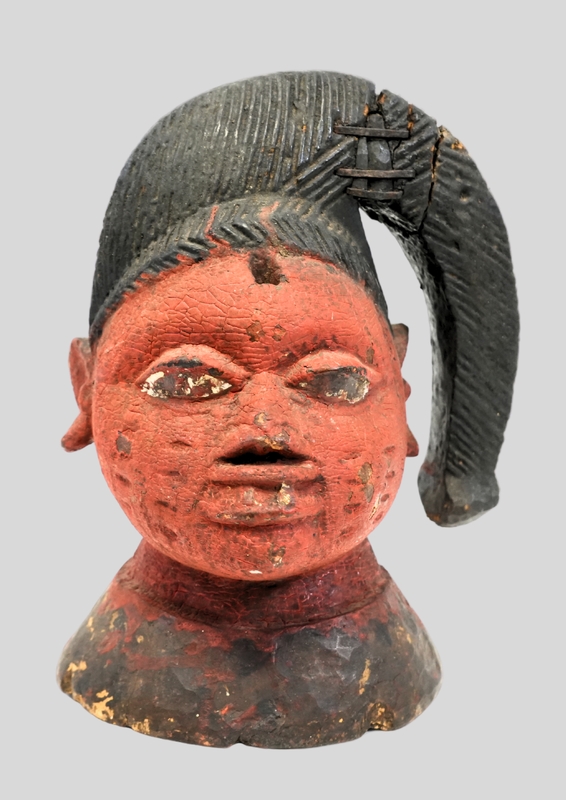
This wooden sculpture has faded paint, but the features – including scarification marks and large ears – are still prominent. The Yoruba people of Nigeria made this mask to honor their ancestors in masquerade ceremonies, known as Odun Egungun (egungun meaning “power concealed”), meant to maintain the spiritual morality of previous generations.
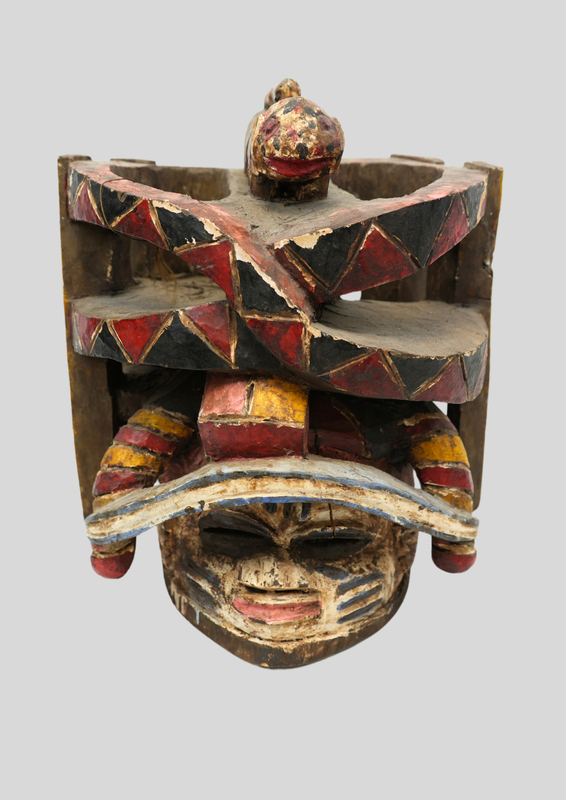
In Nigeria, the Yoruba Gelede performance celebrates women (awon iya wa; “our mothers”), including mothers, grandmothers, living and dead female ancestors, and elderly women. Performers wear the headdress like the one here and have their faces covered by a cloth veil. Each wooden mask is repainted in vibrant colors for each performance.
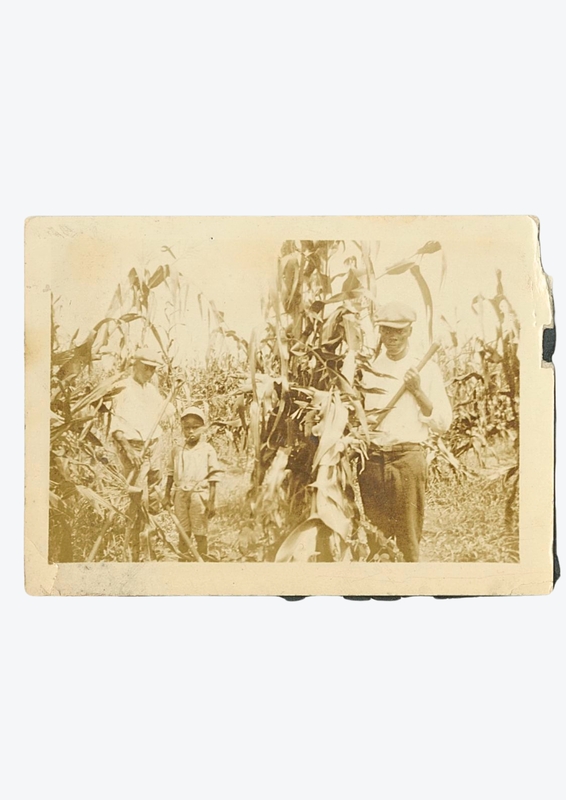
In this rare, yellowing photograph, former FAMU President Benjamin L. Perry, Jr. is seen as a young boy in fields with older relatives. While we cannot confirm if they were sharecroppers, Perry’s father was heavily involved in agriculture; when Perry was an undergrad, his father brought him a farm to operate (though this photo is before that time).