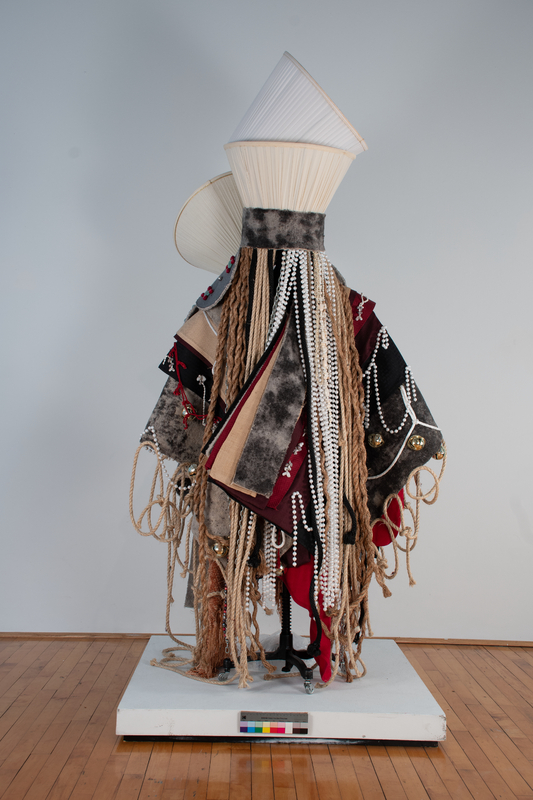
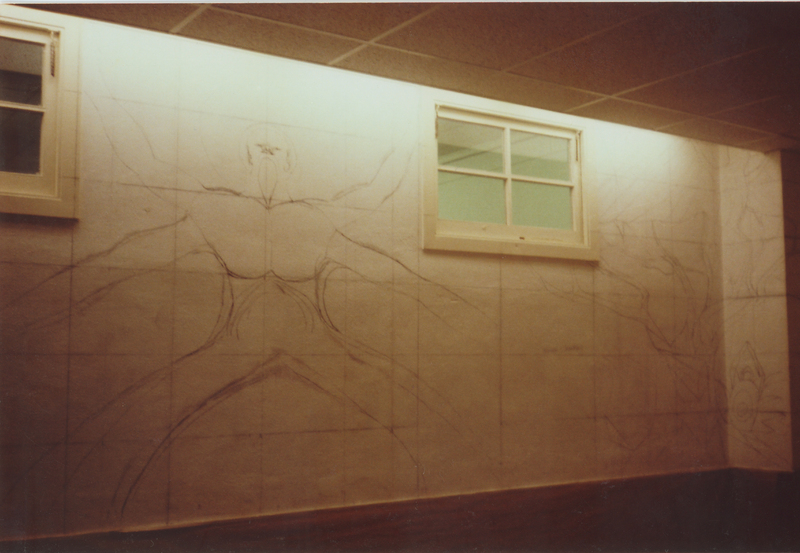
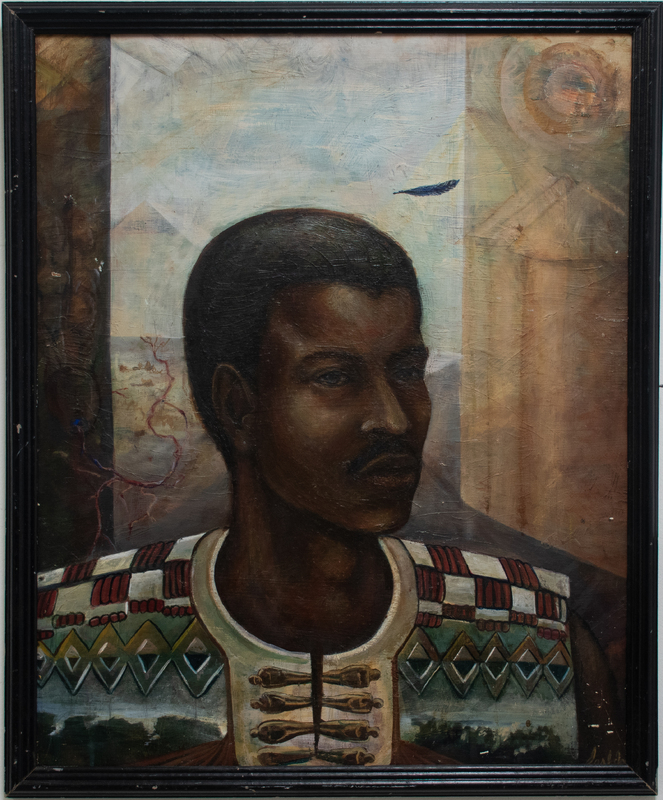
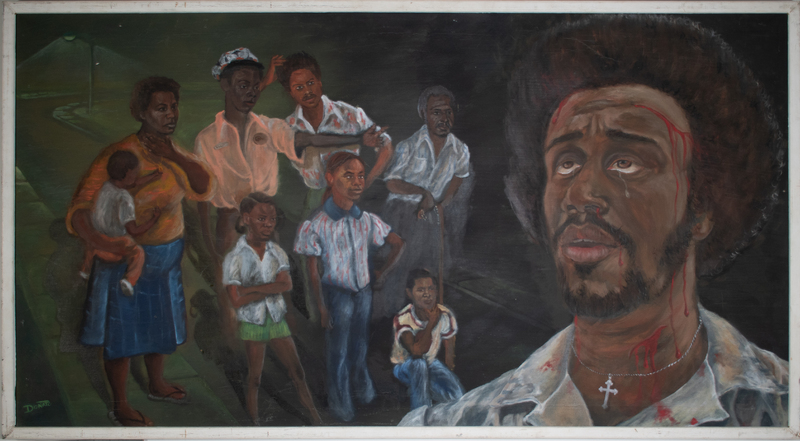
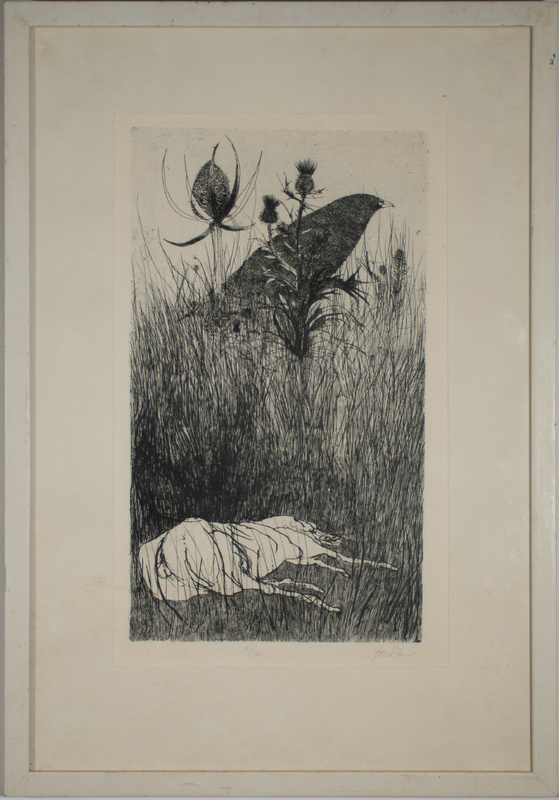
This collection showcases the work of Cameroonian artist Franck Kemkeng Noah, who was an artist-in-residence at Texas Southern University in Spring 2023. Noah's art is multimedia, often using found objects, and explores identity and globalization through a Bamileke lens. During his time at TSU, Noah mentored students and created a painting.
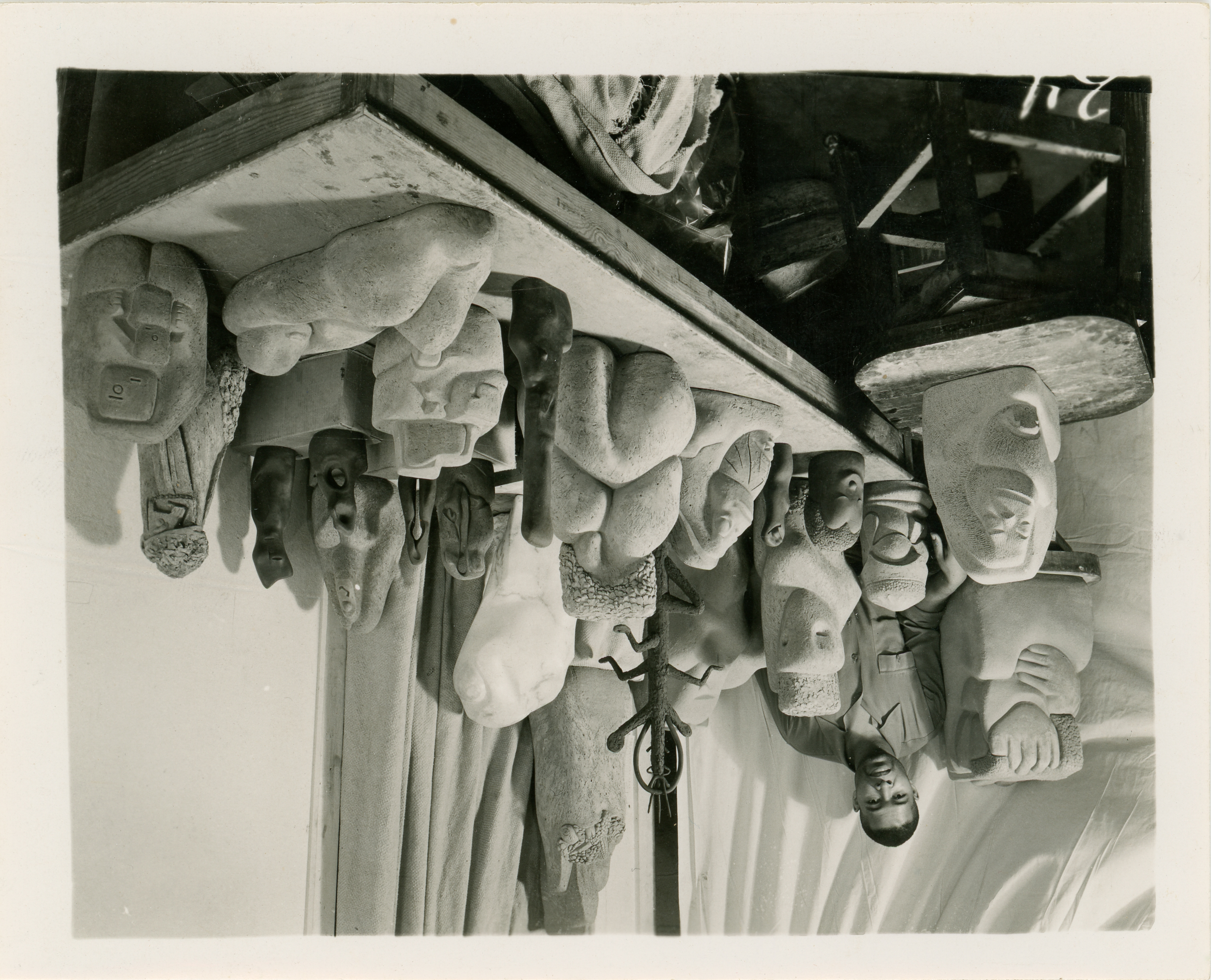
Professor Carroll Harris Simms was a master ceramicist, sculptor, and jeweller. He worked alongside Dr. John T. Biggers to establish Texas Southern University's art department as a hub for Black artists in the South. This collection contains several of his ceramic works.
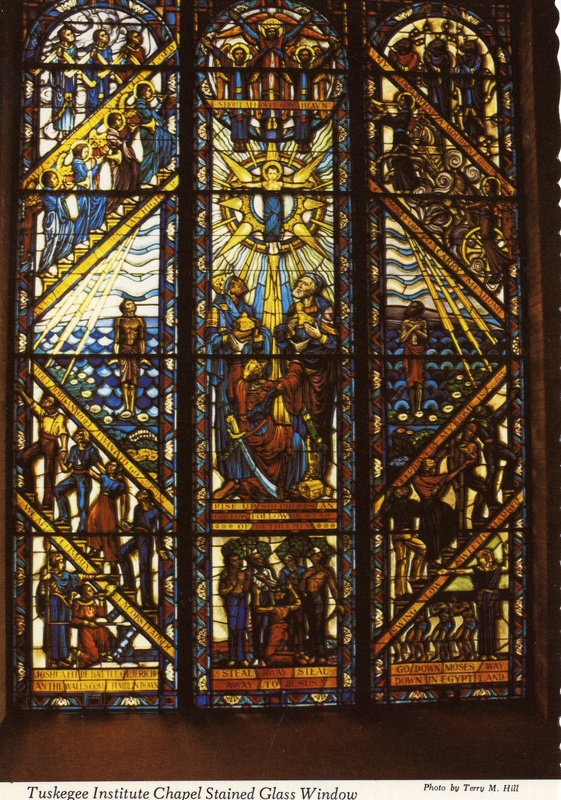
The chapel has been at the heart of Tuskegee University since 1898, serving as both the spiritual center of campus life and a gathering place for the surrounding community. Over the years, it has hosted students in worship and welcomed religious leaders, presidents, activists, and celebrities to its stage. This collection presents photographs, letters, and audio recordings that demonstrate the chapel's central role in university life.
The first five presidents of Tuskegee University—Booker T. Washington, Robert R. Moton, Frederick D. Patterson, Luther H. Foster, and Benjamin F. Payton—each left a lasting mark on the institution’s growth and legacy. Washington built Tuskegee into a model for vocational and industrial education, while Moton expanded its national influence during the Jim Crow era. Patterson, Foster, and Payton modernized the university, broadening academic programs, advancing research, and positioning Tuskegee as a leader in higher education for African Americans. Highlighted in this collection are photographs capturing these influential leaders.
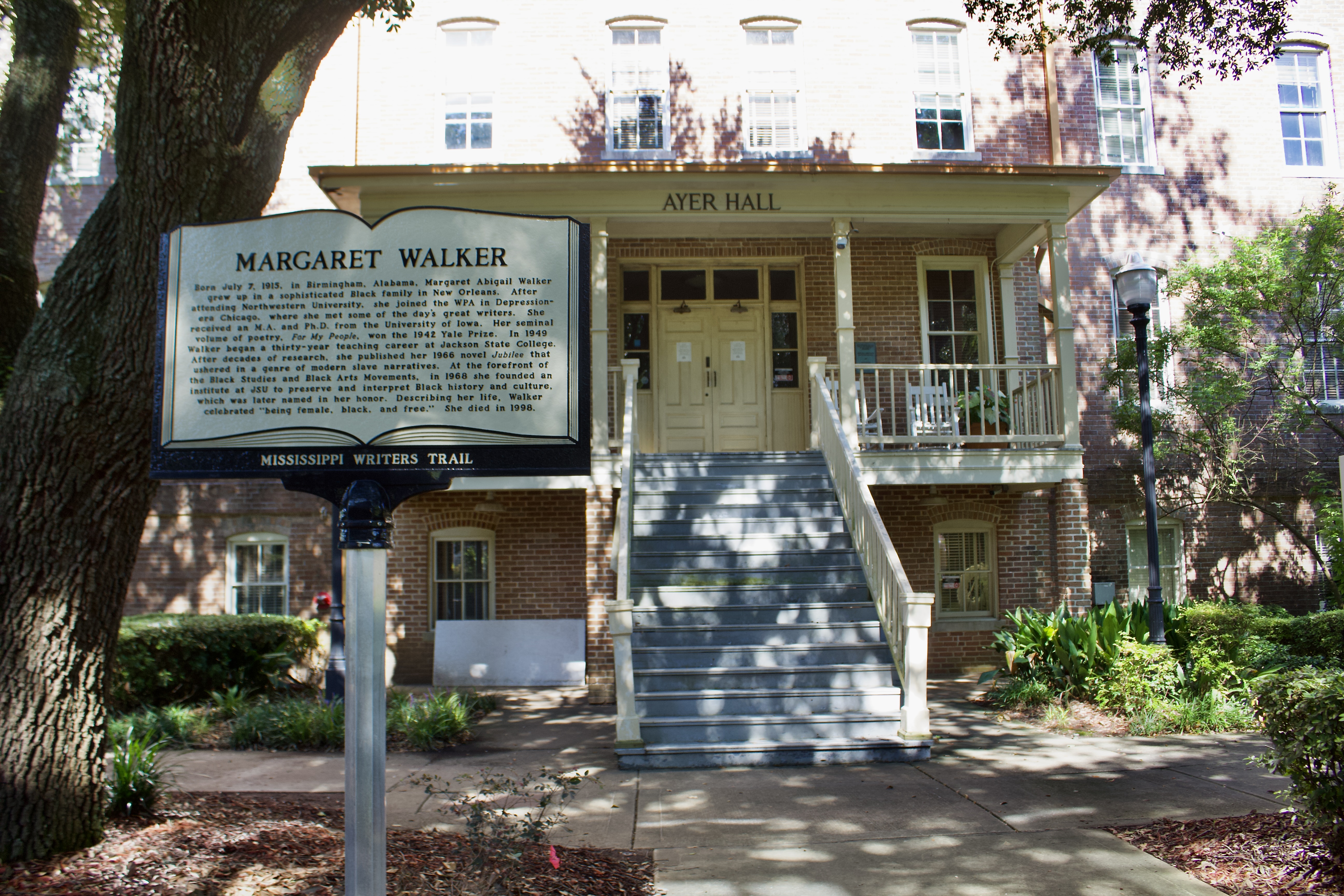
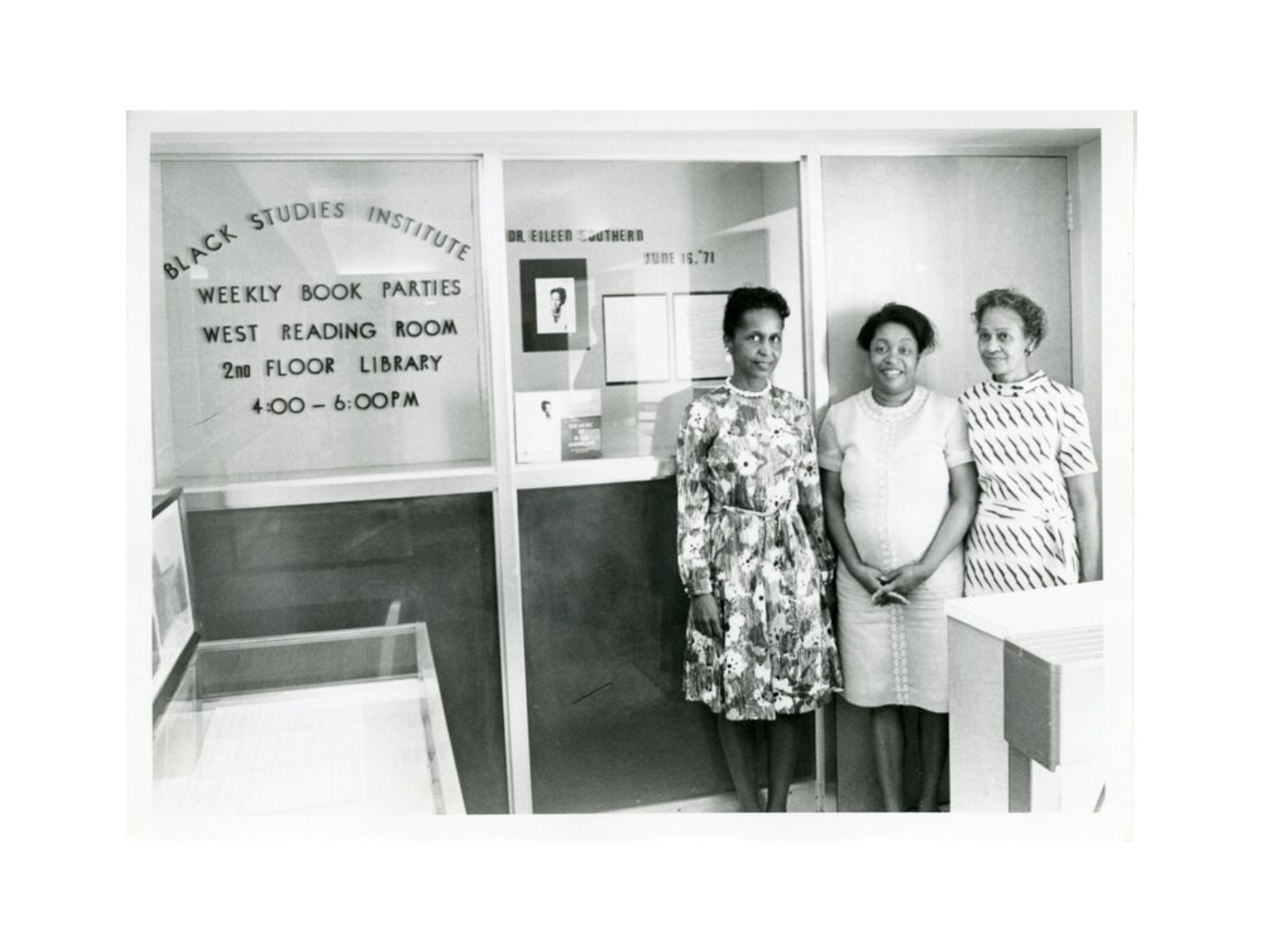
The Margaret Walker Center is an archive and museum dedicated to the preservation, interpretation, and dissemination of African American history and culture. Founded as the Institute for the Study of the History, Life, and Culture of Black People by Margaret Walker in 1968, the Center seeks to honor her academic, artistic, and activist legacy through its archival collections, exhibits, and public programs. Open to the public, the Center houses significant records like the papers of the late Margaret Walker; those of the former U.S. Secretary of Education, Roderick Paige; and an oral history department that includes nearly 1000 interviews. It also offers museum and exhibit spaces that highlight the Center’s collections and the history of Jackson State University.
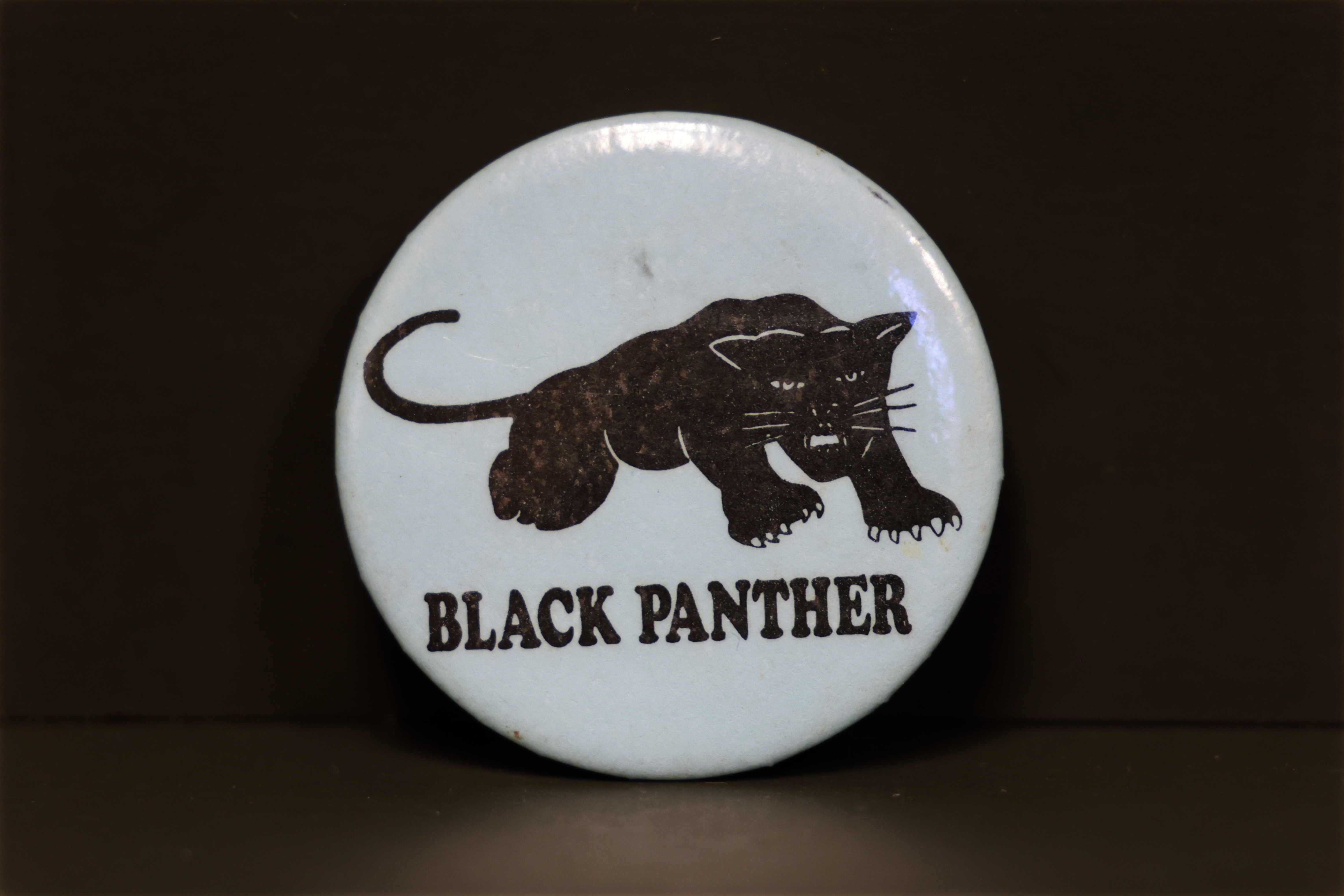
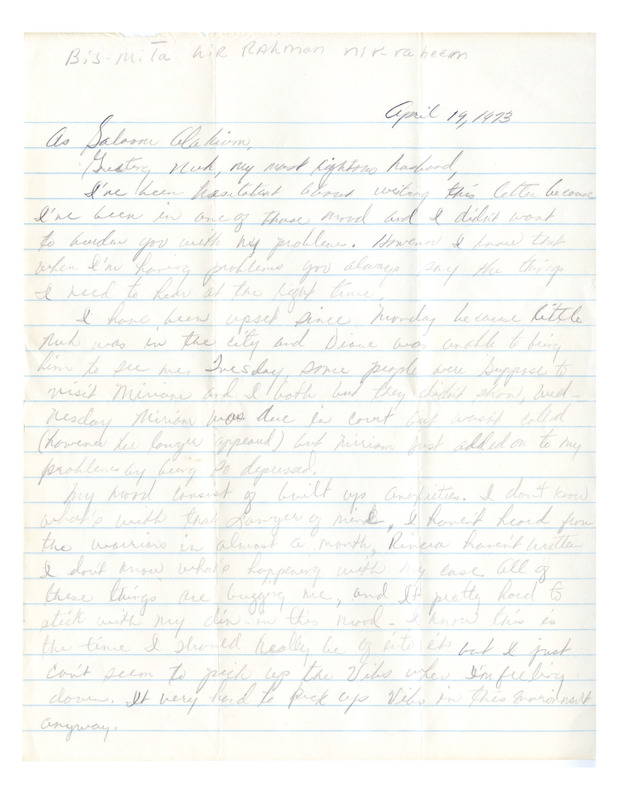
Frankye Adams-Johnson is a former English Professor at Jackson State University and former active member of the Black Panther Party for Self-Defense in New York City, where she served as an officer in the New York State Chapter. This collection, created or collected during her involvement in the Black Panther Party, consists of personal journal notebooks, correspondence, newspaper articles, fliers, meeting documents and her collection of political and movement buttons.
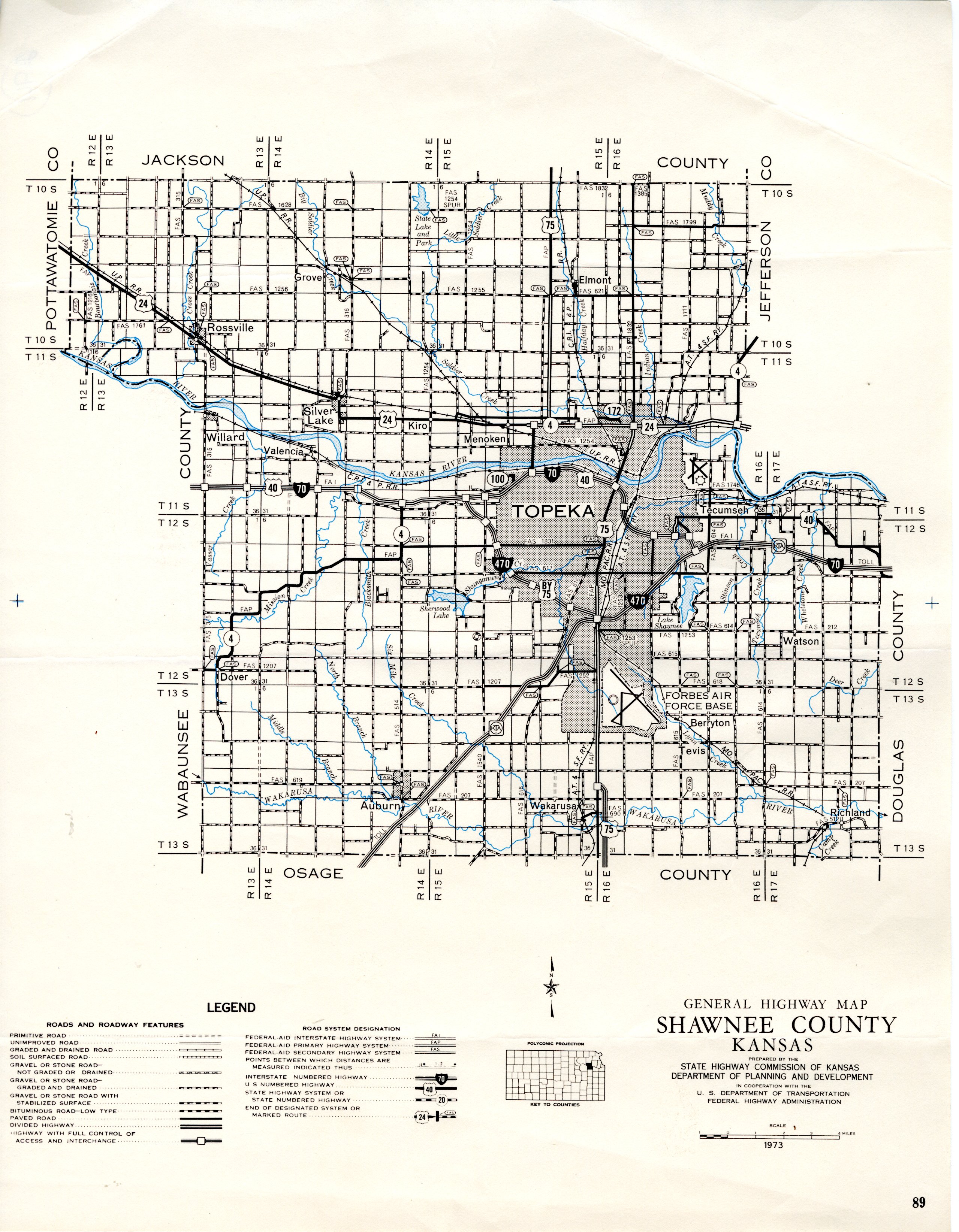
William D. Lamson was an architect/planner and demographic analyst for court cases dealing with school desegregation, voting rights, housing discrimination, and judicial redistricting. The collection consists of case files and maps he used in court as an ACLU expert witness in the Brown III case, a relitigation of Brown v. Topeka Board of Education (1954) that corrected resegregation issues caused by open enrollment school choice in 1992 for public schools in Topeka, Kansas.
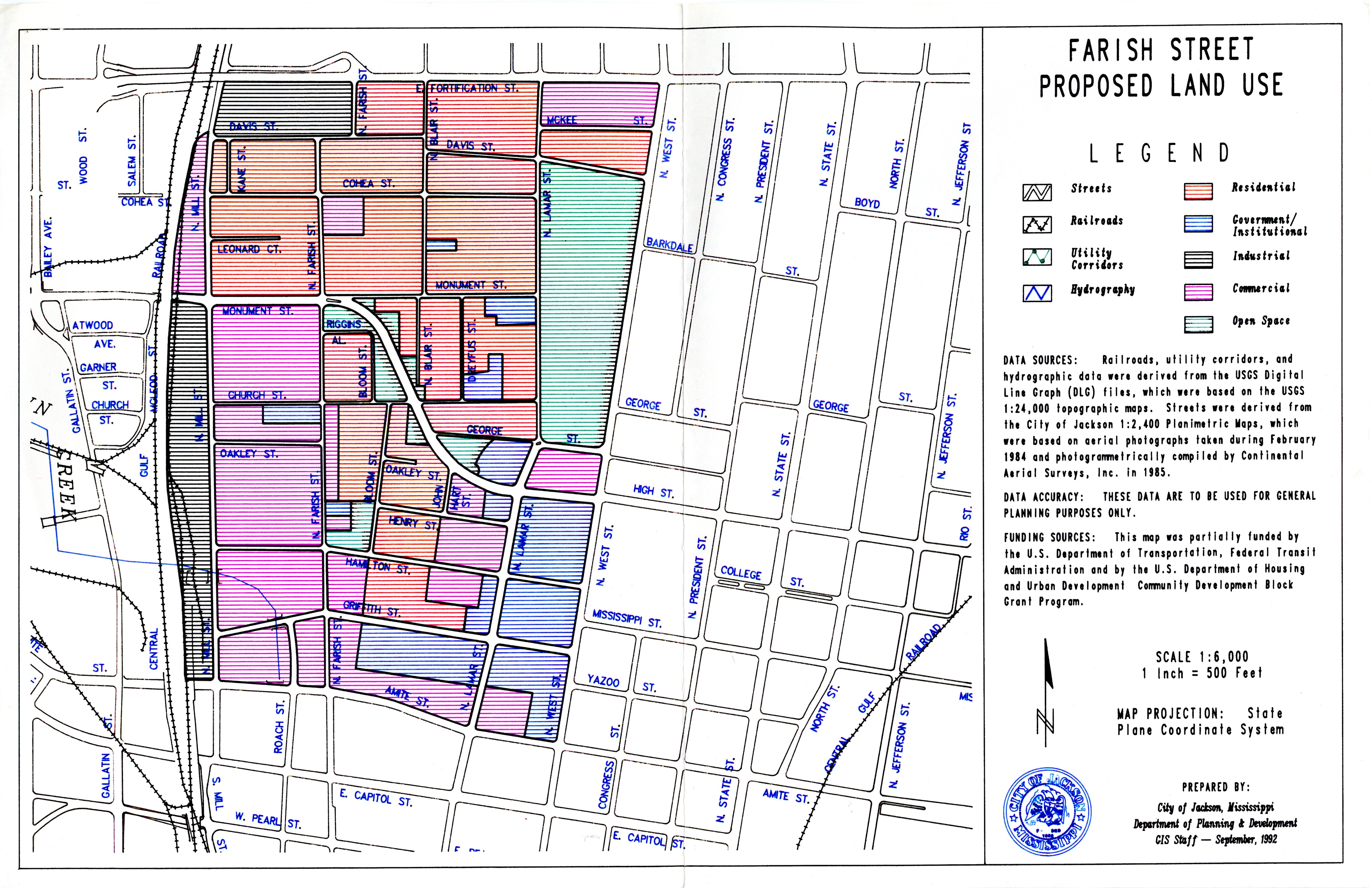
This oral history project documents the history of the Farish Street Historic District of Jackson, one of the oldest Black neighborhoods in the city of Jackson, Mississippi. When Jackson State University, then known as Jackson College, first moved to the city from Natchez, Mississippi, in 1883, its temporary home until 1885 was the basement of Mt. Helm Missionary Baptist Church on Lamar Street in the District. The collection consists of interview transcripts, photographs, and supplementary materials.
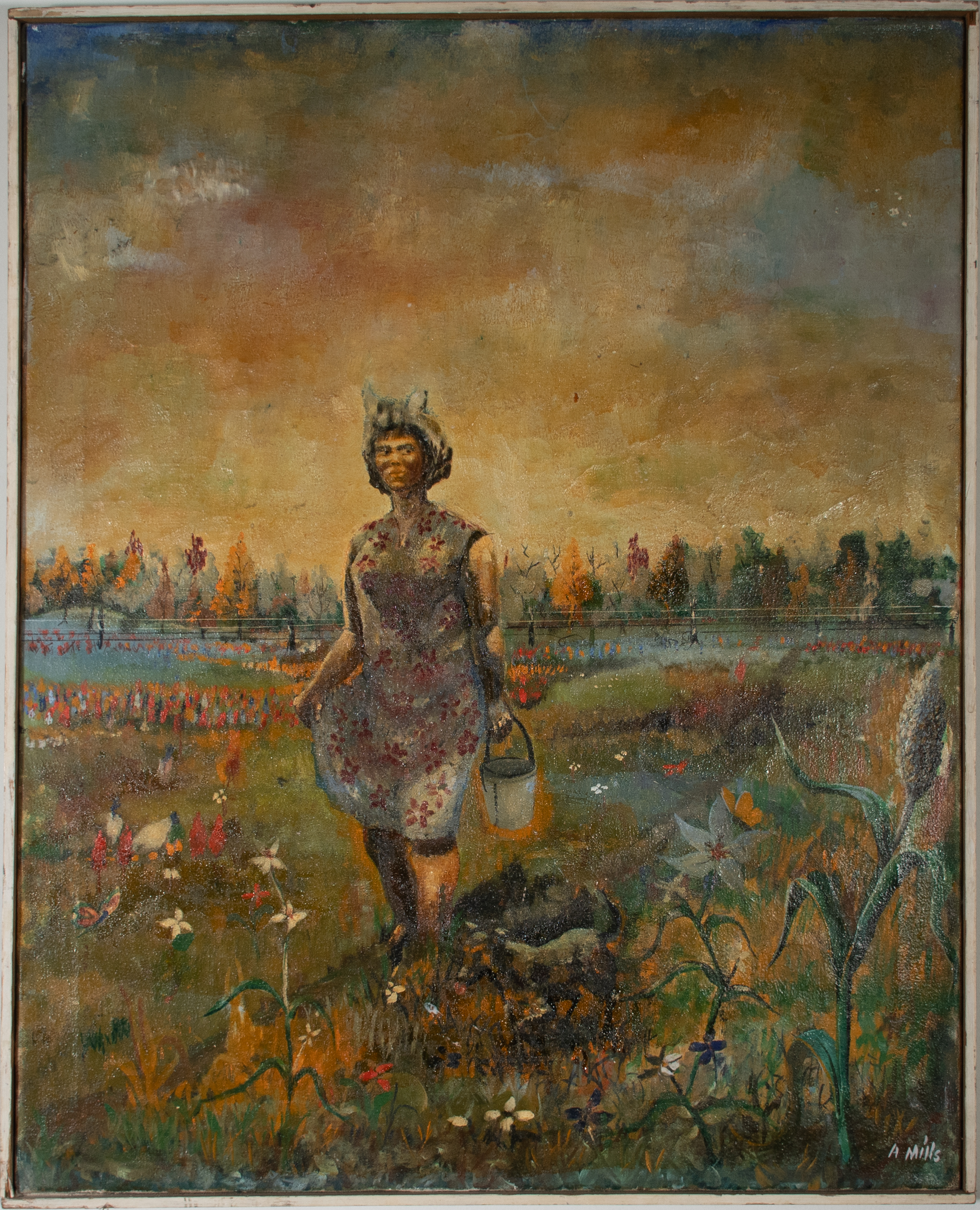
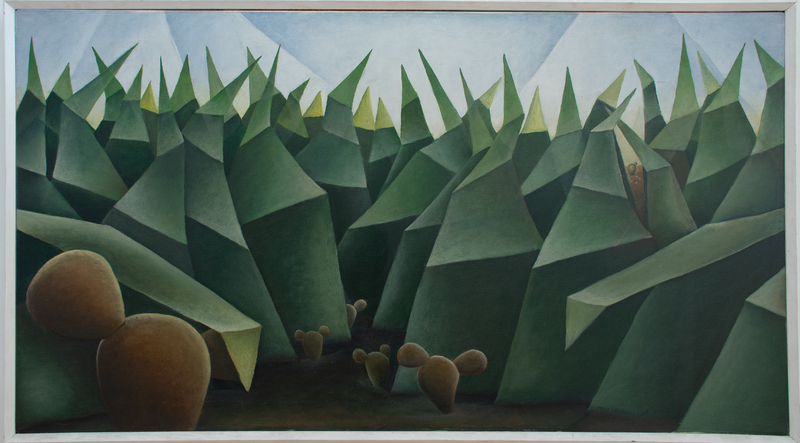
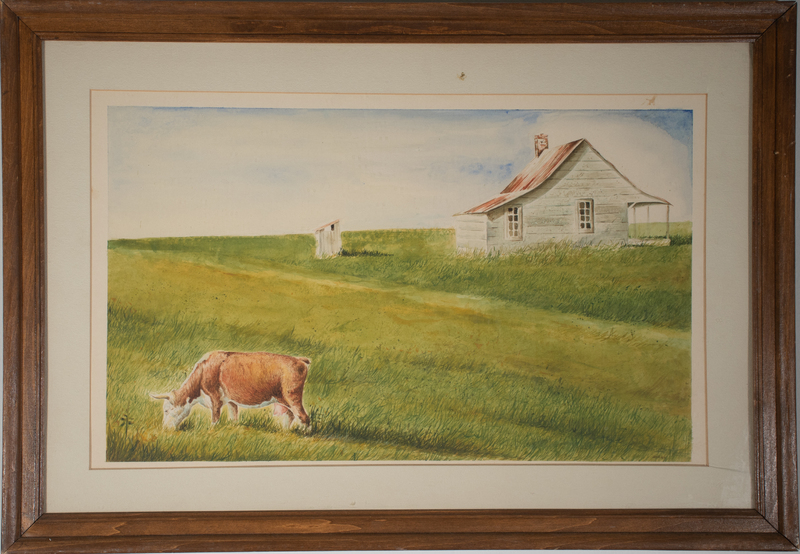
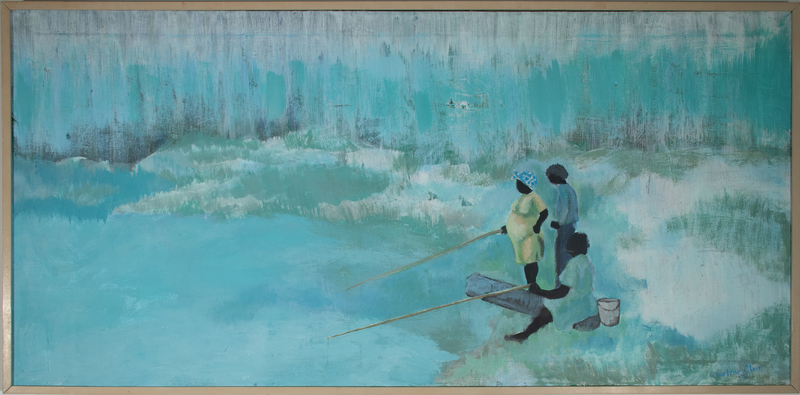
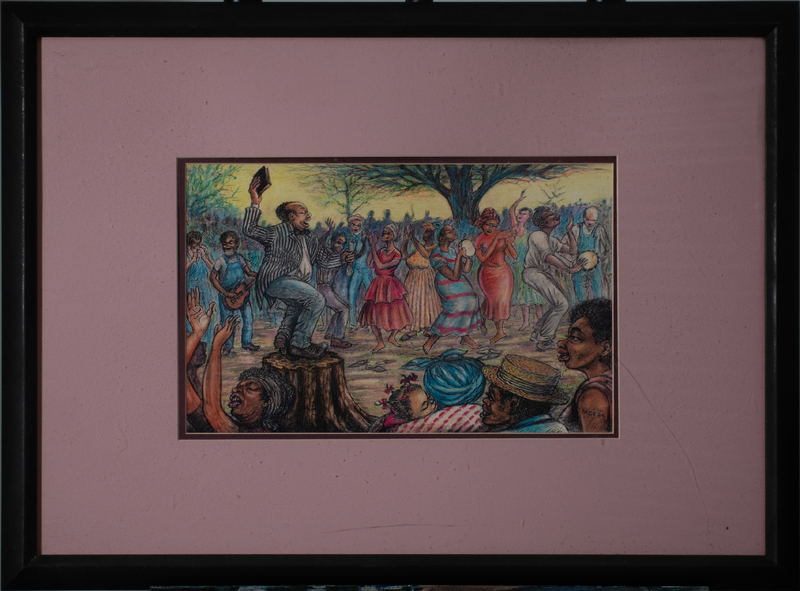
The University Museum at Texas Southern has collected a rich body of artwork by students, faculty, alumni, and outside artists. Dr. John T. Biggers, who founded the art department at Texas Southern University in 1949, established a tradition of collecting a selection of works from every graduating senior art student. Over the years, the collection has grown to include more than a thousand pieces of student artwork. Also included are works donated by alumni of the art program and art faculty members, including iconic artists John Biggers and Carroll Harris Simms. Lastly, there is a small but significant body of work by outside artists that has been donated by various collectors.
The result of two major grants in 2008—one from the Ford Foundation and the other from National Endowment for the Humanities—the digitization project was completed in 2012.
Over 130 of Margaret Walker’s personal journals, dating from the 1930s to the 1990s, were digitized and made available to the general public. In addition to the journals, correspondence, writing notes, and more items were digitized and helped grow the total of the collection available online to the public to 50%.
Correspondence between Frankye Adams-Johnson (Malika) and Albert Washington, aka Nuh Abdul Qaiyum (“Nuh” is the Arabic pronunciation of Noah), who was sentenced to prison in 1975 for a Black Liberation Army (BLA) connected shooting of police officers in New York that took place in 1971. Qaiyum, along with Herman Bell and Anthony Bottom, were sentenced to 25 years to life in federal prison for the murder of two cops. Because of questionable police tactics and shaky evidence in court, the three were considered political prisoners and became known as The New York 3. This item set contains correspondence between Adams-Johnson and Washington during his imprisonment while the two were romantically involved.
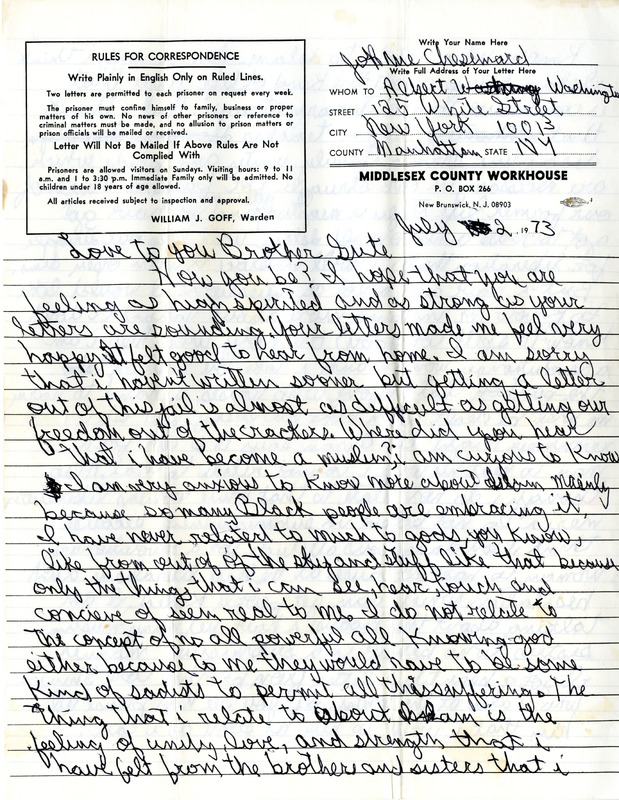
Black Liberation Army member Albert Washington, aka Nuh Abdul Qaiyum (“Nuh” is the Arabic pronunciation of Noah), was imprisoned in 1975 after being convicted with two others in the 1971 killing of two police officers. While imprisoned, Qaiyum exchanged letters with several other political prisoners including Sundiata Acoli, Gunnie Haskins, Assata Shakur (Joanne Chesimard), and others. This item set is Frankye Adams-Johnson’s collection of letters to and from Black imprisoned revolutionaries.
The Atlanta University Annuals, originally known as the Exhibition of Paintings and Drawings by Negro Artists in America, was an annual juried art competition designed for Black diasporic artists, held at Atlanta University from 1942 to 1970. The winning pieces from the Annuals competition were accessioned into the art collection of Atlanta University and comprise the foundation of the CAU Art Museum's permanent collection. Black artists who were creating and being collected between the late 19th and mid-20th centuries are identified as Black Modernists. The art produced during the Modernist period often reflected on the historical and contemporary status of Black people in the United States, while also incorporating Black perspectives from various people around the world. Select artists from the Black Modernist canon in the Atlanta University Annuals introduce the Black Modernist era through award-winning pieces that showcase the diverse themes, styles, and forms with which 20th-century Black artists engaged. The Black Modernism Canon in the CAUAM Permanent Collection provides a list of Black Modernist artists who competed in the Annuals, or whose works have been donated to the CAUAM permanent collection.
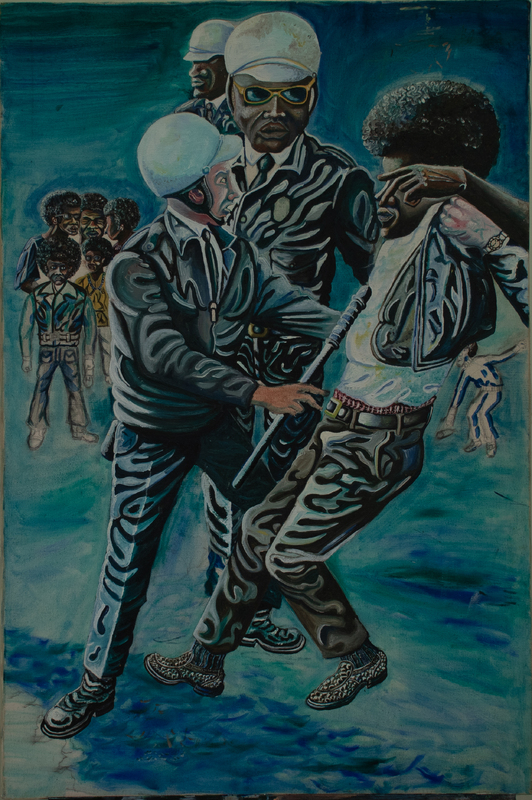
This itemset features artworks from the University Museum at Texas Southern's collections that concern political themes from Civil Rights-era (generally 1960s through 1970s).
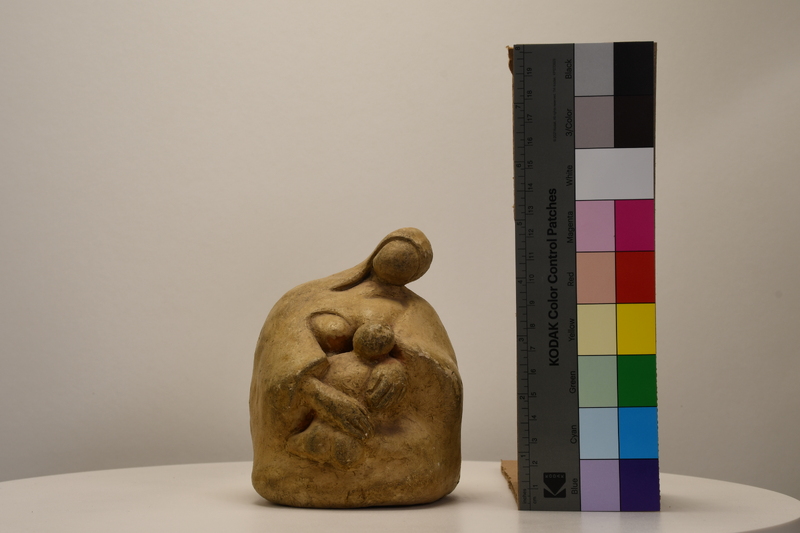
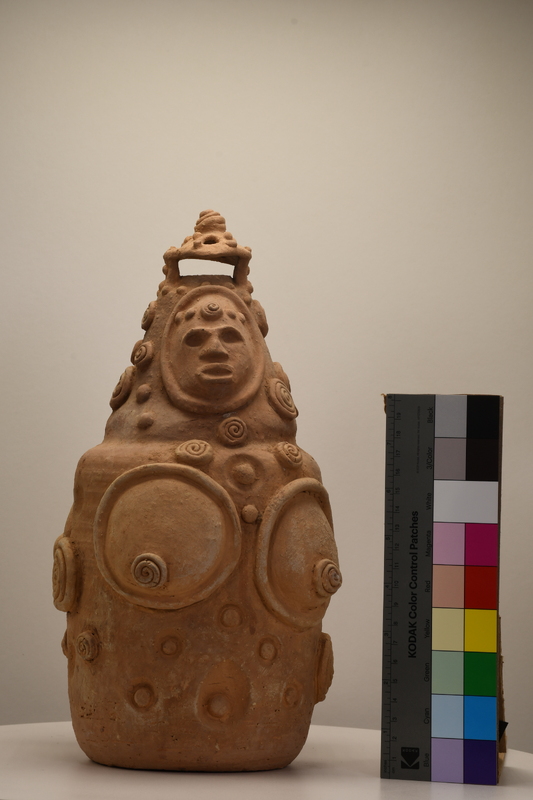
This itemset features terracotta sculptures created by Texas Southern University student artists that relate to the mother and child relationship. These sculptures are part of a larger student terracotta collection, a body of sculptures created by students of Carroll Harris Simms. Inspired by the professor's travels to West Africa, the maquettes, busts, and full-size sculptures feature unique designs and exterior embellishments.
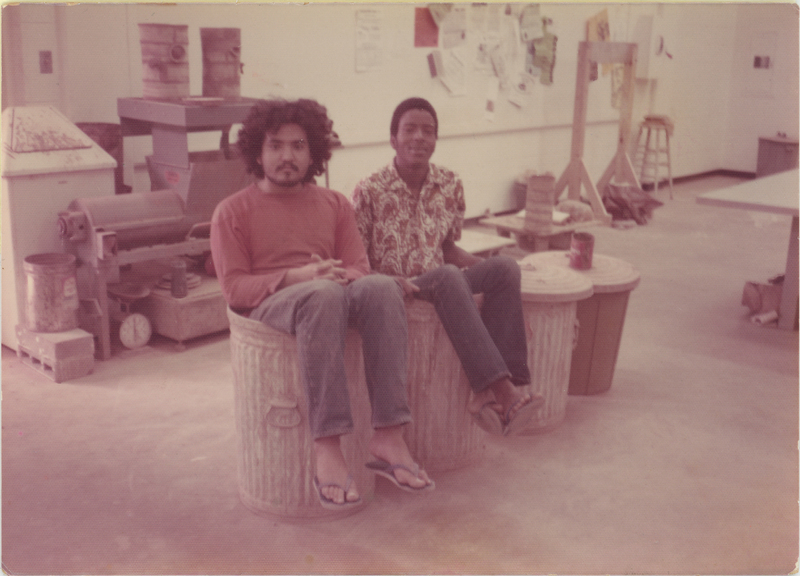
This itemset features objects from the University Museum at Texas Southern's collections that relate to the John T. Biggers Art Center, the fine arts building on Texas Southern's campus. Featured objects are set in or around the building.
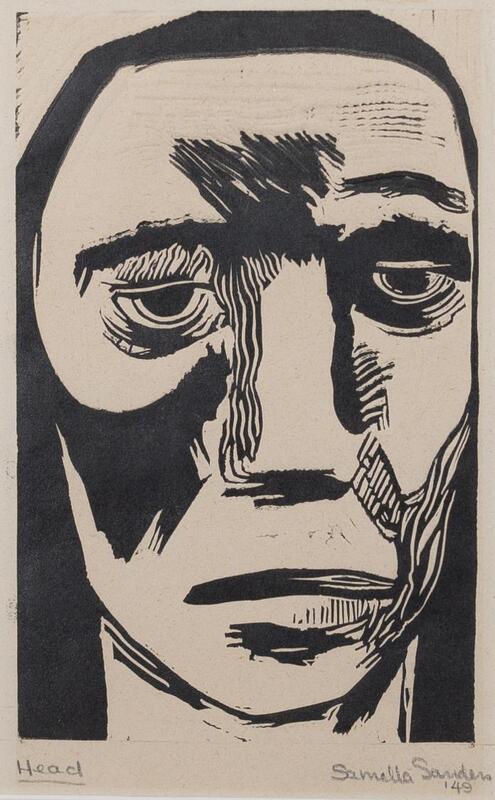
This itemset features 2D self-portraits from the University Museum at Texas Southern's collections. They range in medium, including prints, drawings, and paintings. Portraiture remains a key part of the art curriculum at Texas Southern.
This itemset features artworks from the University Museum at Texas Southern's collections that were created by non-TSU artists. While the majority of the museum's holdings are from Texas Southern students, alumni, and faculty, there are also artworks in the museum's collections that were created by unaffiliated artists that were donated to the museum.
This itemset features artworks from the University Museum at Texas Southern's collections that were created by students in the 1970s using a geometric style. Alumni have recounted how John Biggers taught using broad themes, and geometric/cubist painting was one of those during the 1970s.
This itemset features artworks from the University Museum at Texas Southern's collections that relate to women and the performance of domestic labor, which has long been unpaid, unappreciated, and rendered invisible.
This itemset features terracotta sculptures created by Texas Southern University student artists that are referred to as shrines. These sculptures are part of a larger student terracotta collection, a body of sculptures created by students of Carroll Harris Simms. Inspired by the professor's travels to West Africa, the maquettes, busts, and full-size sculptures feature unique designs and exterior embellishments.