The vintage can of Black Mammy Plastic Roof Cement features a depiction of a Black female figure, reflecting the problematic stereotypes prevalent in mid-20th-century advertising. Often portrayed as a caretaker or domestic figure, this imagery reveals the complexities of racial representation and the commodification of Black identity.
A page of a draft of Margaret Walker’s biography of Richard Wright with edits. She writes about Wright’s Natchez years.. After exhaustive research and extended legal battle, Margaret Walker published her biography of famed novelist Richard Wright. She titled the biography, “Richard Wright Daemonic Genius,” published by Warner Books in 1988.
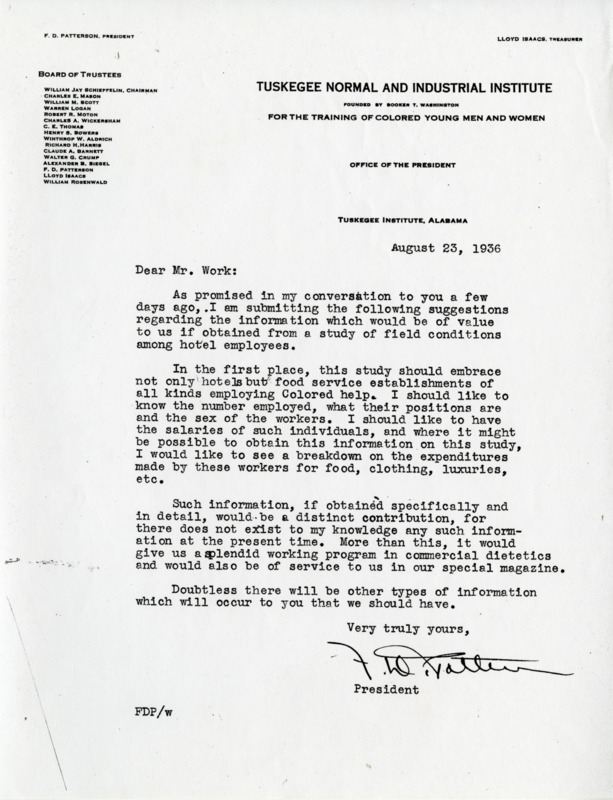
Correspondence regarding a "Study of the Trends and Tendencies in the Occupation of Negroes in the United States" by the Personnel Bureau at Tuskegee. Correspondence also refers to the Department of Labor's "National Works Project for Negro White Collar Workers."
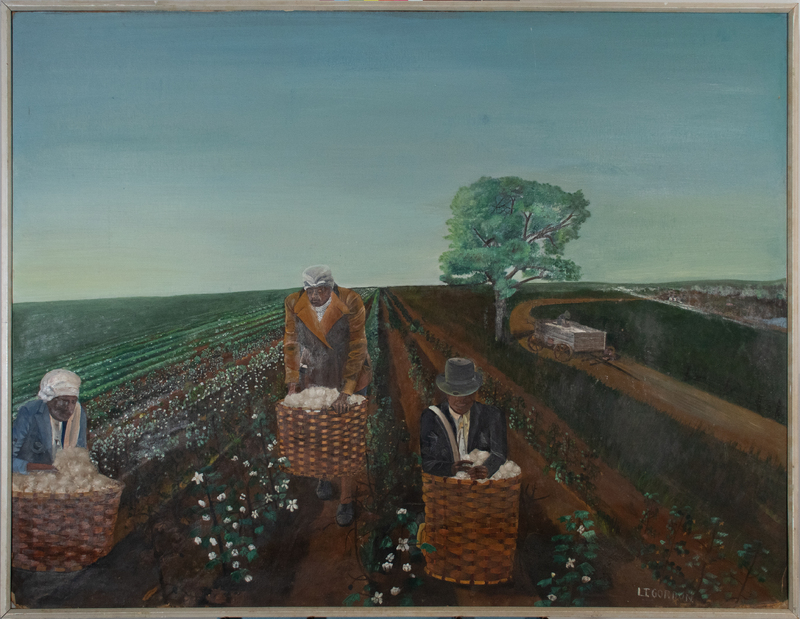
Gordon's painting reflects the work life of cotton harvesters. The three pictured laborers are older and formally dressed as they pick cotton bolls and carry baskets. Many of the cotton plants are shown with white flowers, an early stage in the plant’s development. This suggests Gordon may be familiar with the process of cotton farming and harvesting.
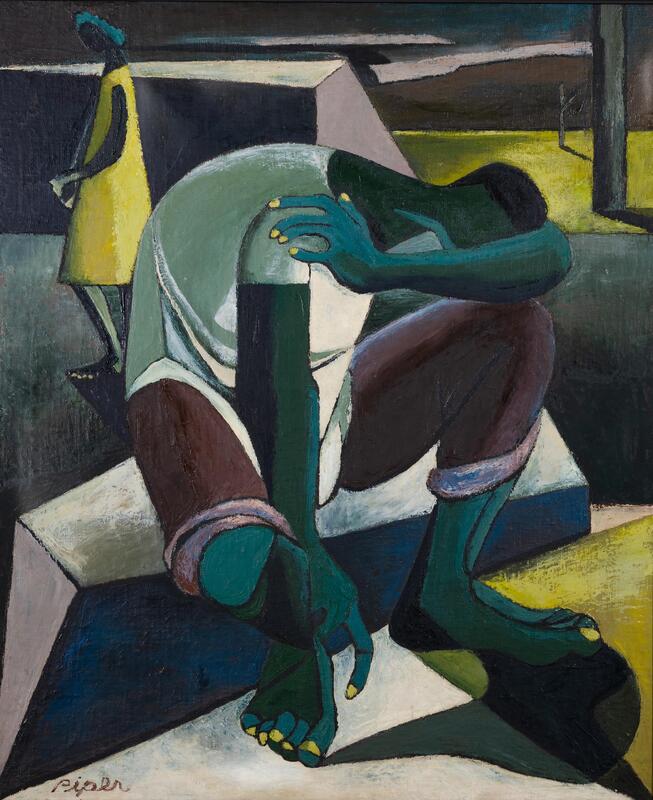
Rose Piper, an African-American artist, used her knowledge of art and geometry to explore the American South. "Grievin’ Hearted," a cubist painting, illustrates the sentiments of African Americans in the South. A man sadly hangs his head on his arm as he sits in the shadows. The girl in the yellow dress symbolizes hope for the future.
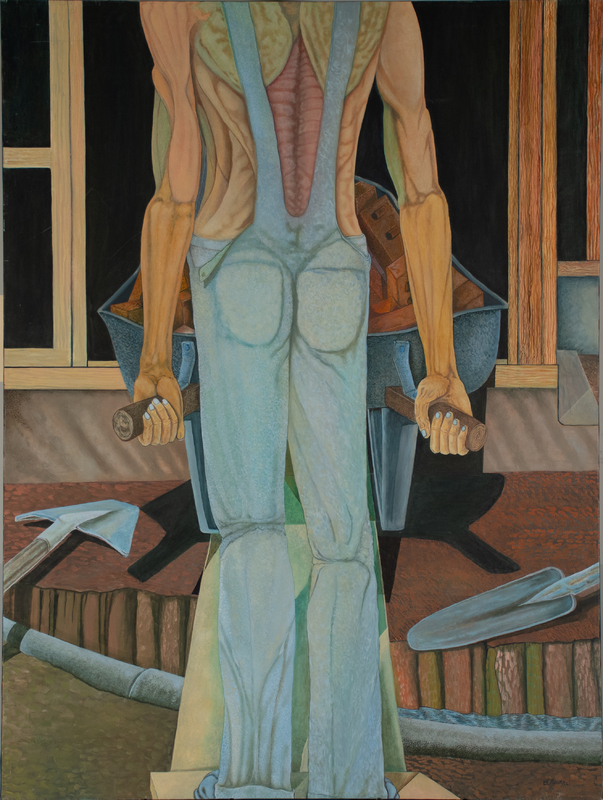
Renfro’s painting displays an image of a working man dressed in overalls from behind. The man is wheeling bricks towards a construction site. His bones and muscles are made visible in the composition, perhaps to highlight the physical demands of his labor. Dr. Biggers taught his students to portray the human form with care and detail, particularly oft-neglected features like hands and feet.
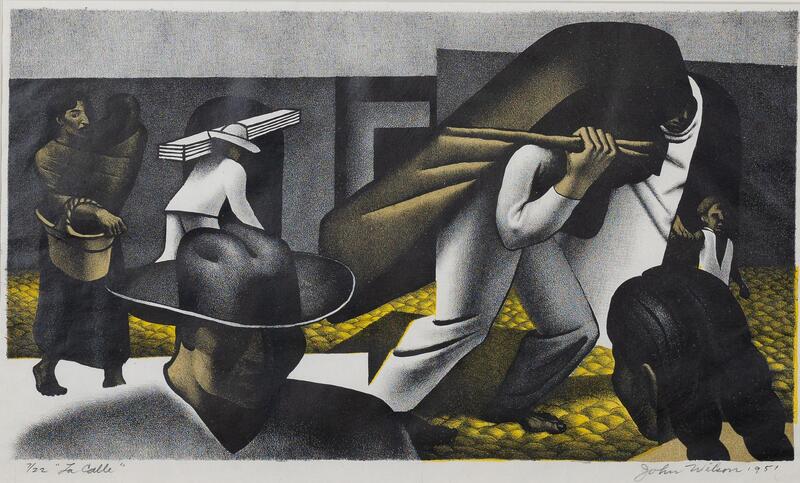
John Woodrow Wilson was a sculptor, painter, printmaker, and educator from Roxbury, MA. La Calle, or The Street, is a print depiction of people traveling a gold cobblestoned street. There are male workers carrying wood and rock slabs, women and their children walking, a woman watching the street, and a man facing the viewer.
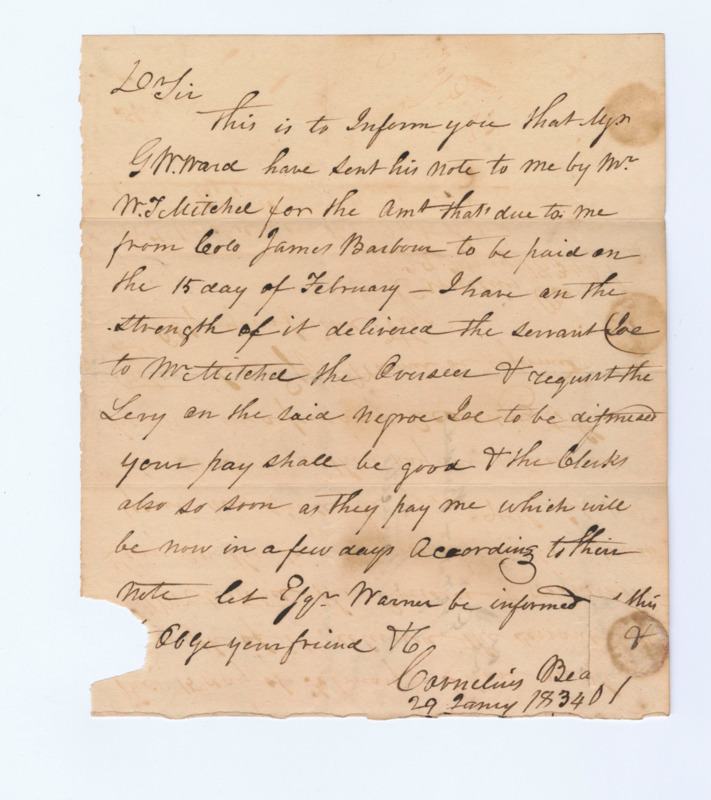
This rare slavery document is a letter from 1834 between W. Ward and Cornelius Beazley regarding the debt due in return for the lending of their slaves' labor.
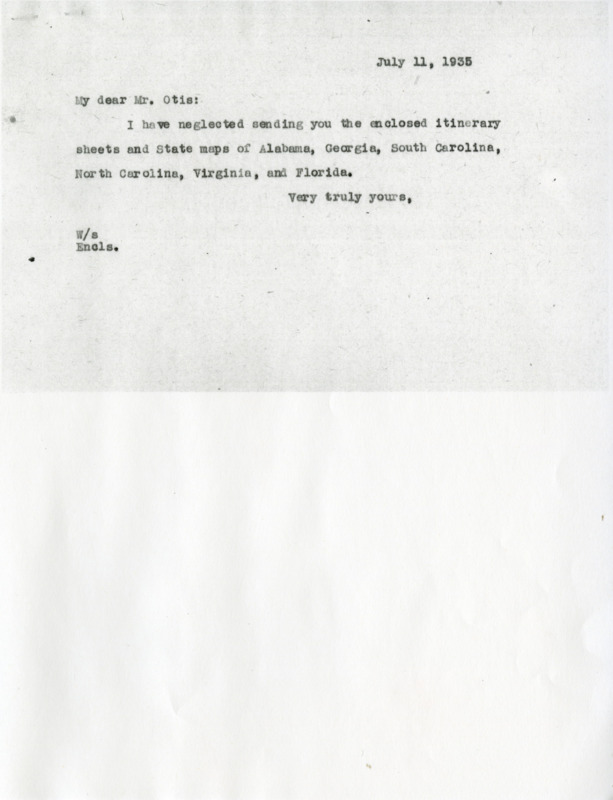
Four letters from Monroe N. Work to "Mr. Otis" regarding a "study of occupations in the Southern areas" in conjunction with the Agriculture Department. Three letters are dated July 1935, one letter is dated November 1935.
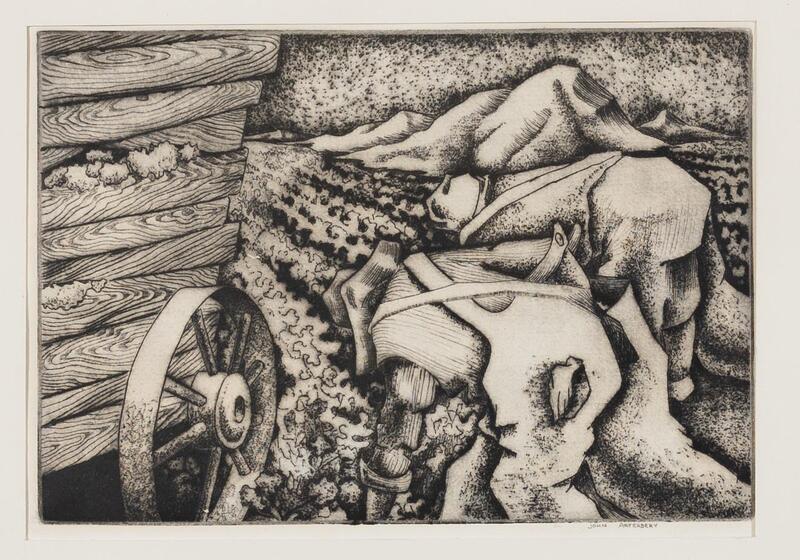
John Arterberry was an artist who worked in the art department at Langston University from Tallahassee, Florida. Of the Soil is a print depicting two farmers working the land. The two workers, dressed in overalls and straw hats, are bent over, picking crops to place in their wagons.
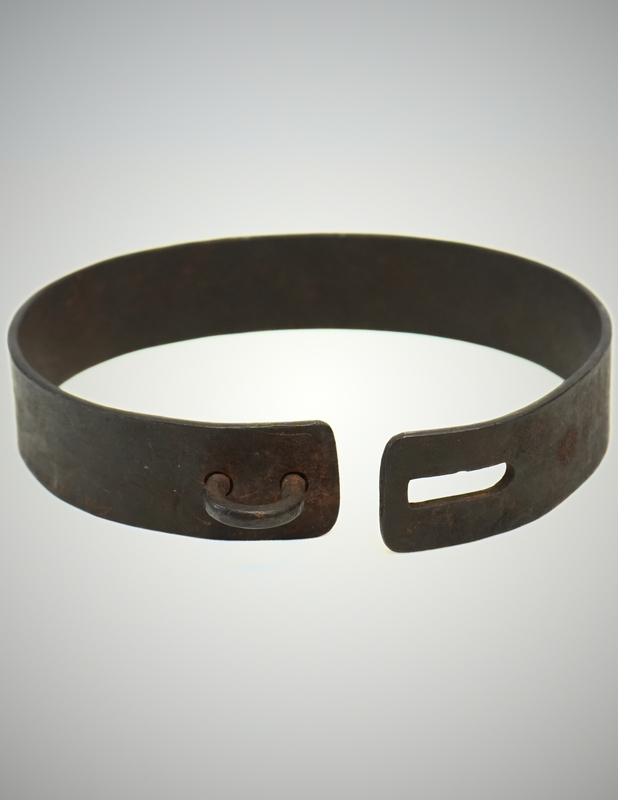
This rare cast iron collar, used to enslave individuals, symbolizes the severe oppression and dehumanization during the enslavement period. Designed to restrain and control, it reflects the brutality faced by those who were enslaved.
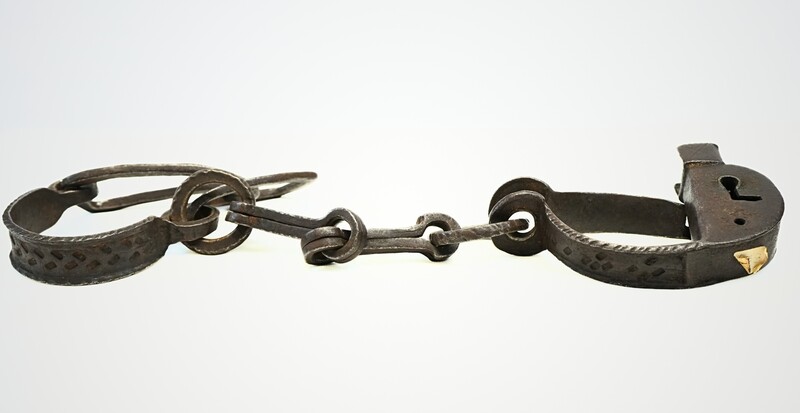
These rare cast iron shackles, used during the enslavement period, serve as haunting artifacts that symbolize the brutal reality of slavery. Designed to restrain and control, they reflect the dehumanization and suffering endured by enslaved individuals.
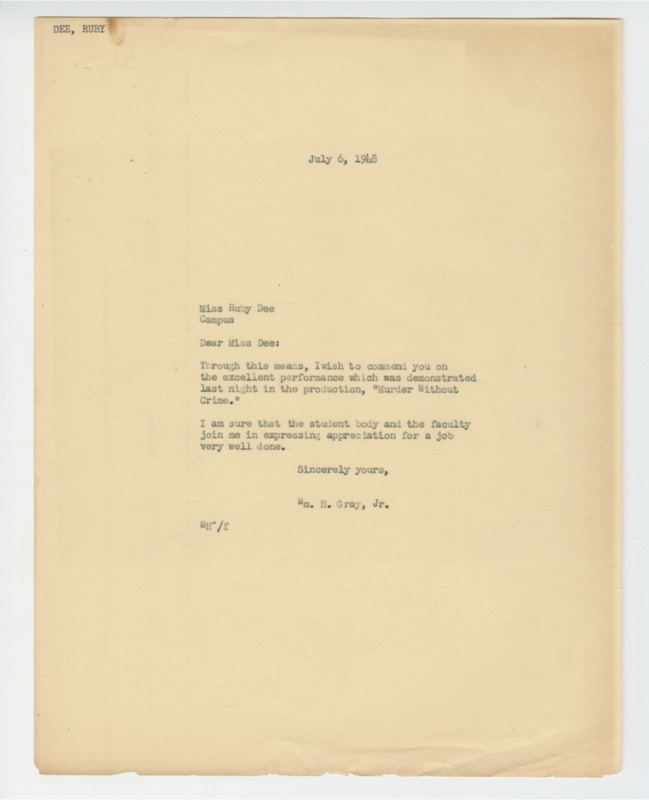
Actress Ruby Dee’s correspondence with President W. H. Gray revealed frustration over delayed payment after her FAMC appearance. Five letters over three months highlighted the issue, with Mr. Wiggins' absence causing delays. Miss Dee expressed disappointment but still hoped to serve FAMC in the future.
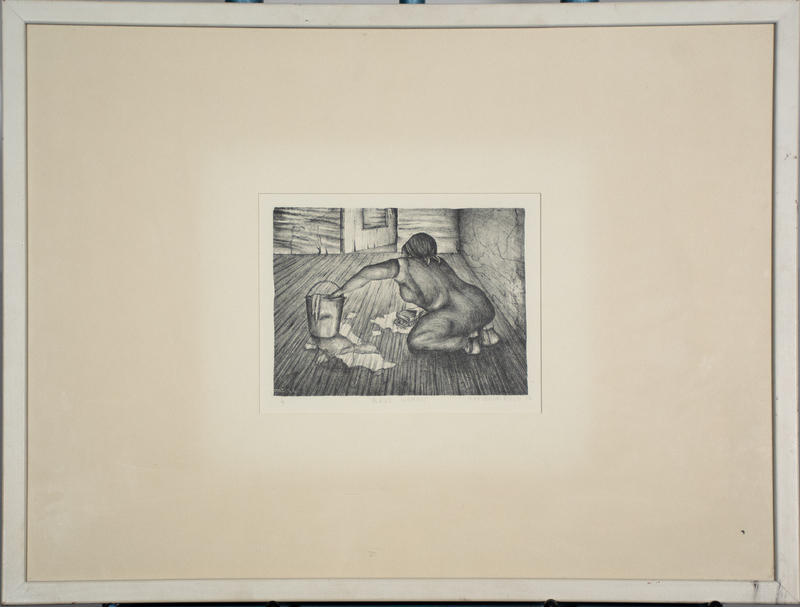
Rison-Isom’s print depicts a woman kneeling to clean wooden floors with a scrubber and bucket. The room appears worn and cracked, indicating age and heavy use. This work highlights the importance of Black women’s labor, which has too often been neglected. In the 19th and 20th centuries, huge numbers of Black women worked as domestic laborers.
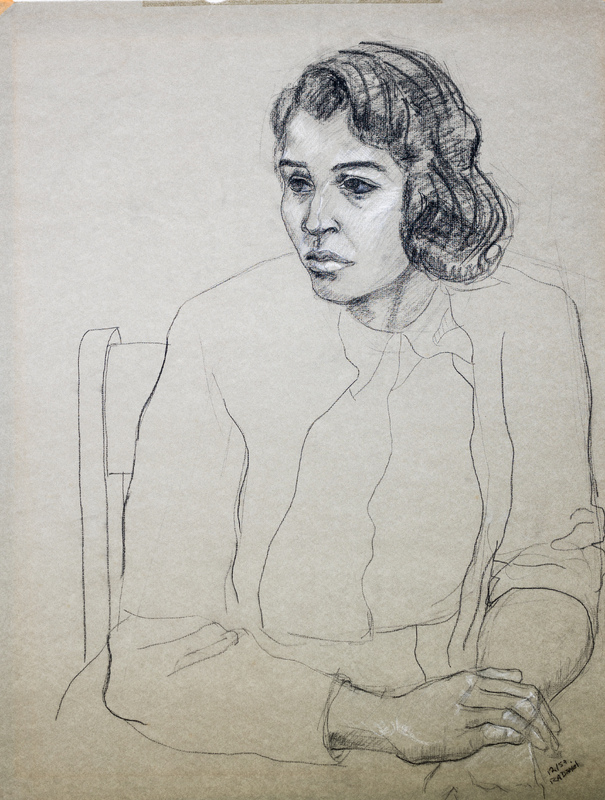
Robert A. Daniel was an artist from Tallahassee, FL. Seated Figure is a portrait of a Black woman sitting in a green chair in front of an ironing board. She seems to be resting from doing domestic labor.
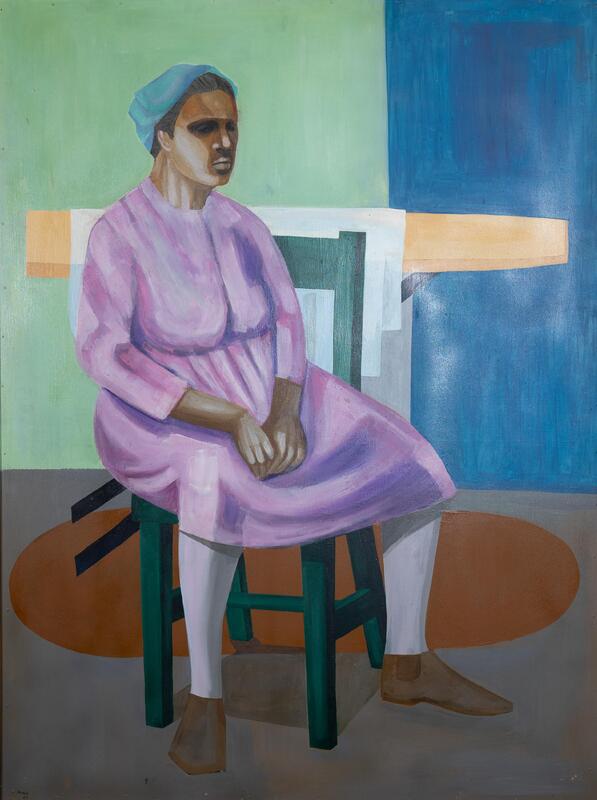
Jack Adams was an artist from Atlanta, GA. Seated Figure depicts a wearied woman resting after domestic duties. She sits in a green chair in front of an ironing board, dressed in a purple dress, blue headdress, stockings, and brown boots.
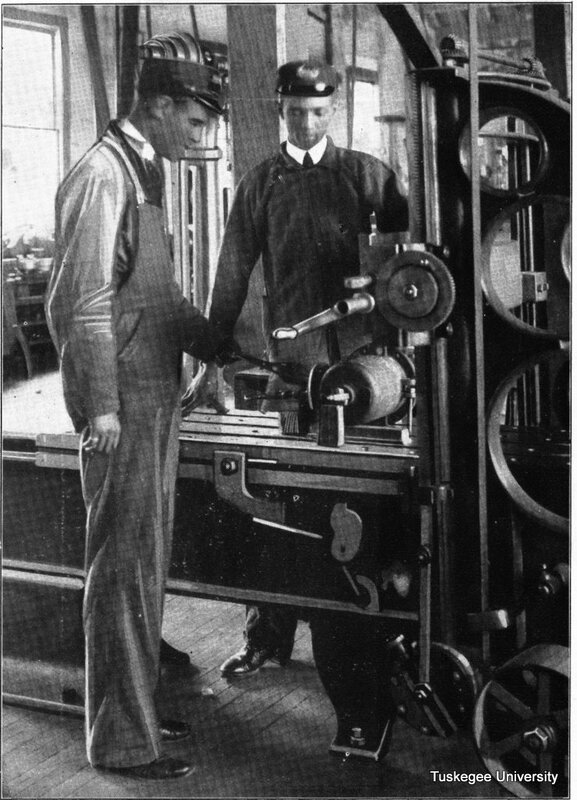
A black-and-white image of two male Tuskegee Institute students operating a planer machine in a metalworking or woodworking class in the early twentieth century.
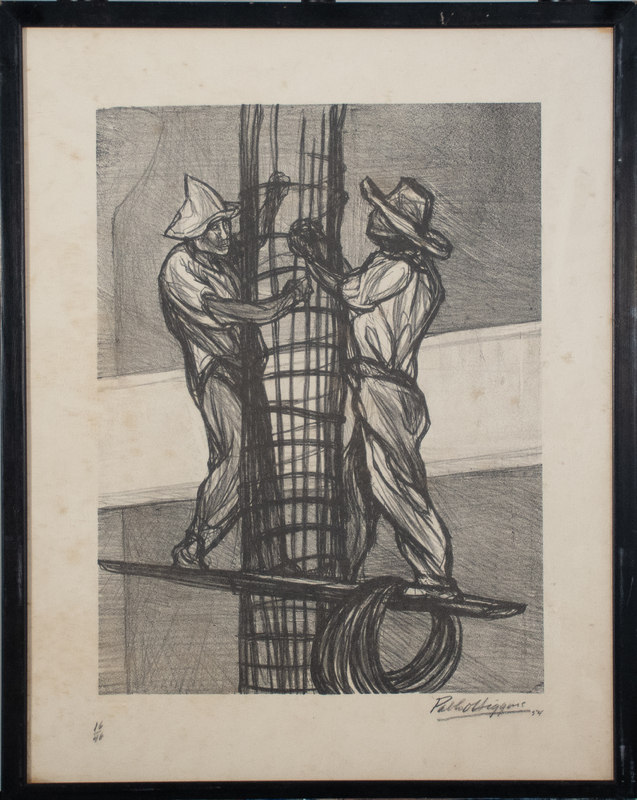
O'Higgins' print shows two men balancing on a board and working on a cylindrical structure. Unlike most of the works held by the University Museum, O’Higgins had no connection to Texas Southern; this piece was donated by a collector. O'Higgins was an established artist in the 20th century and was mentored by Diego Rivera.
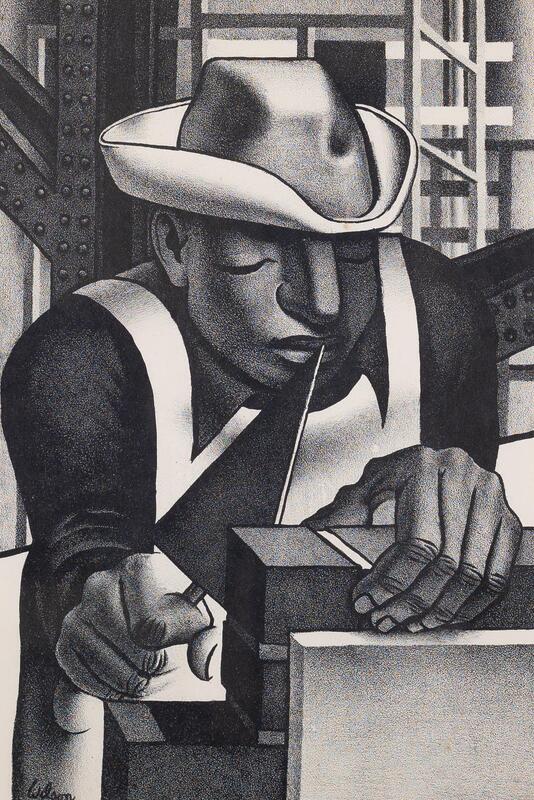
John Woodrow Wilson was a sculptor, painter, printmaker, and educator from Roxbury, MA. Trabajador is a black-and-white depiction of a Black bricklayer working at a construction site. The bricklayer is wearing a ten-gallon hat and overalls and holding bricks as he uses a trowel. There are steel beams in the background.
Frederick D. Jones, Jr., was a mid-twentieth-century artist from South Carolina. Wash Day is an impressionistic painting depicting a Black woman doing laundry. In the piece, a robed woman with a laundry bag on her head is washing linens outside in a neighborhood. In the background, a house and two trees are visible.
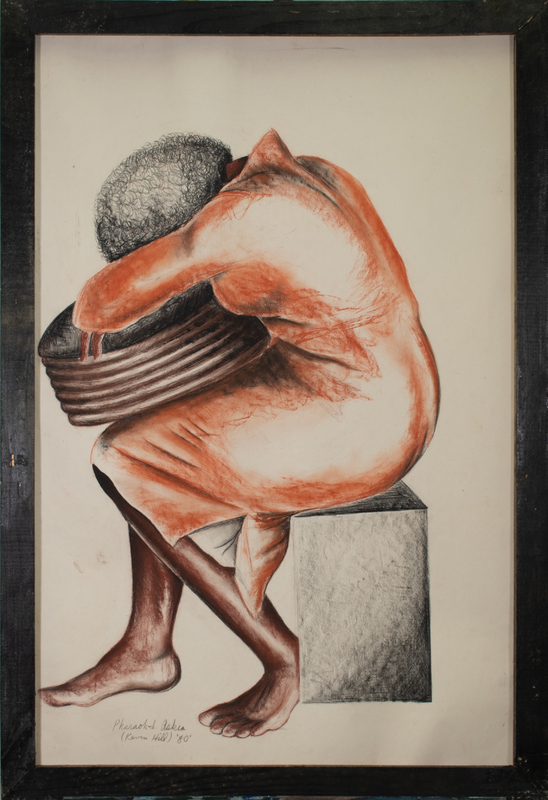
Askia’s drawing depicts a weary woman at work, stooped over a woven basket. As a student, Askia made a series of drawings that highlight Black women and the different types of labor they perform. Feminist thinkers have long argued that unpaid, domestic labor performed by women is often rendered invisible in discussions of their contributions.