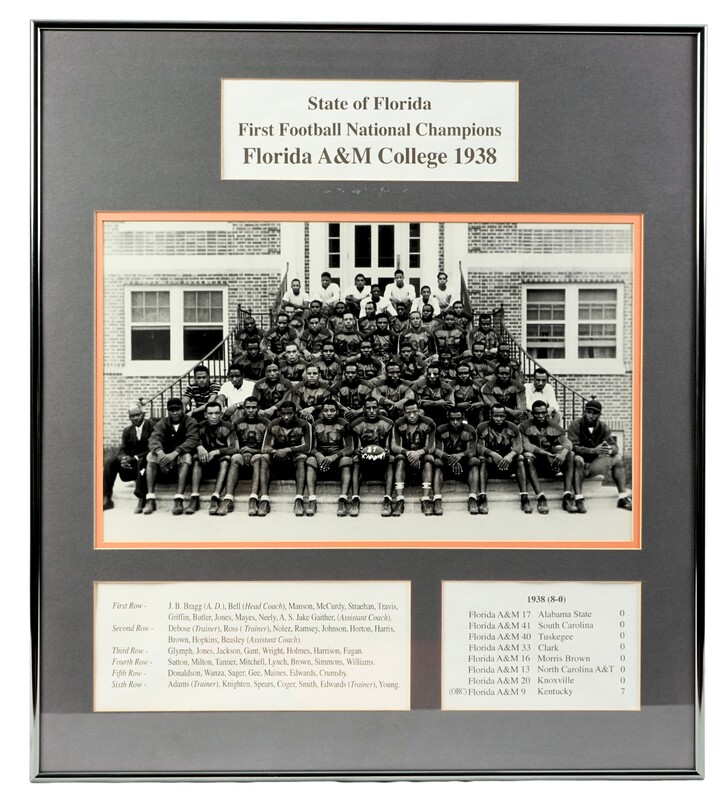
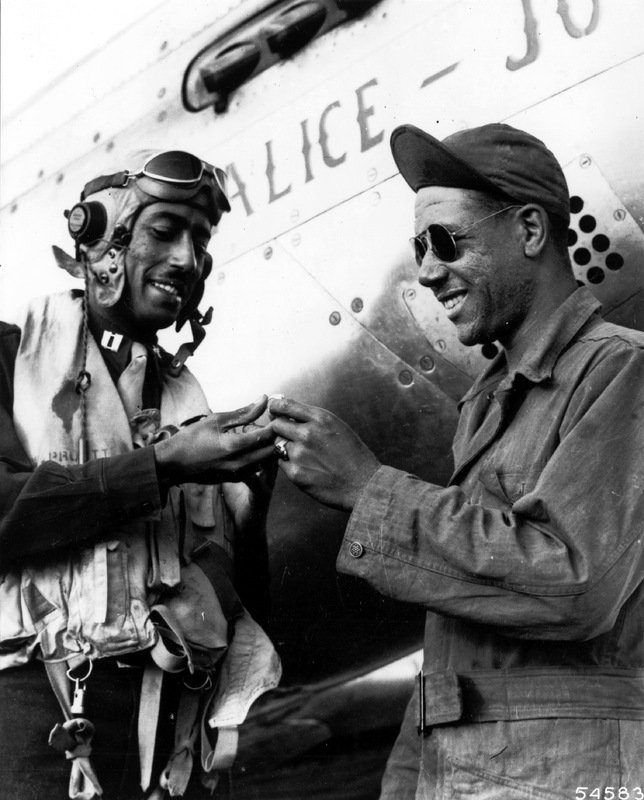
The Florida A&M College (FAMC) Champions Football Team of 1938 embodied the epitome of athletic excellence and teamwork, forging a legacy of triumph that endures to this day. FAMC Coach Alonzo "Jake" Gaither donated it to the Meek-Eaton Black Archives.
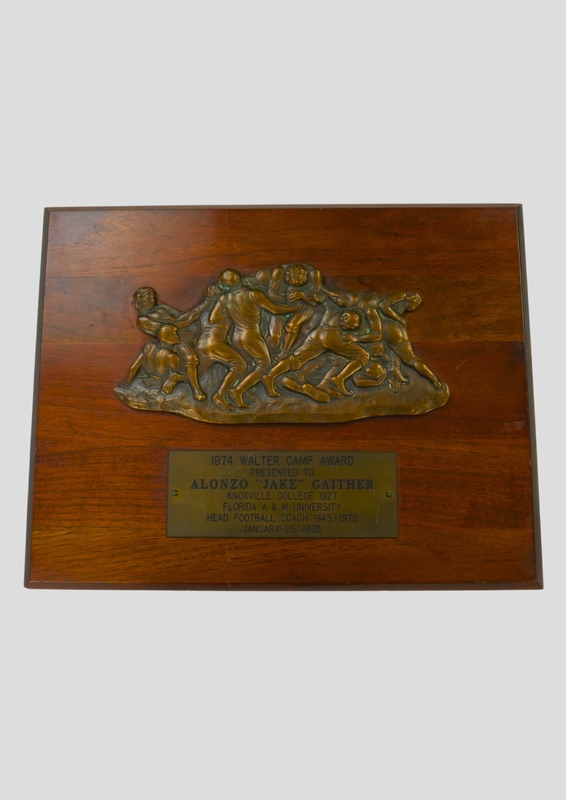
The 1974 Walter Camp Award, presented to legendary coach Jake Gaither, recognized his outstanding contributions to college football and leadership. Gaither was celebrated for his exceptional coaching skills and commitment to student-athlete development, and his influence extended beyond the field.
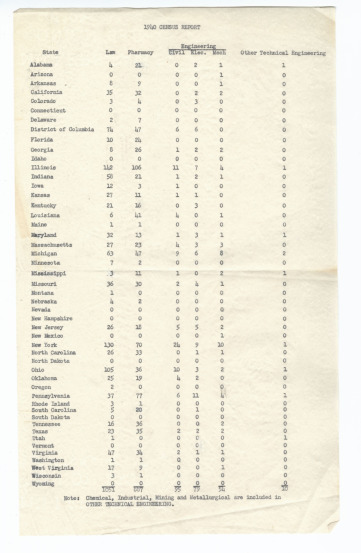
The 1940 Census Report included data on student enrollment in majors like engineering, law, and pharmacy across all 50 states. It also featured financial details of Baker House dining services, including expenses and net profit, along with grants for Negro land-grant colleges, denoting funding support for these institutions.
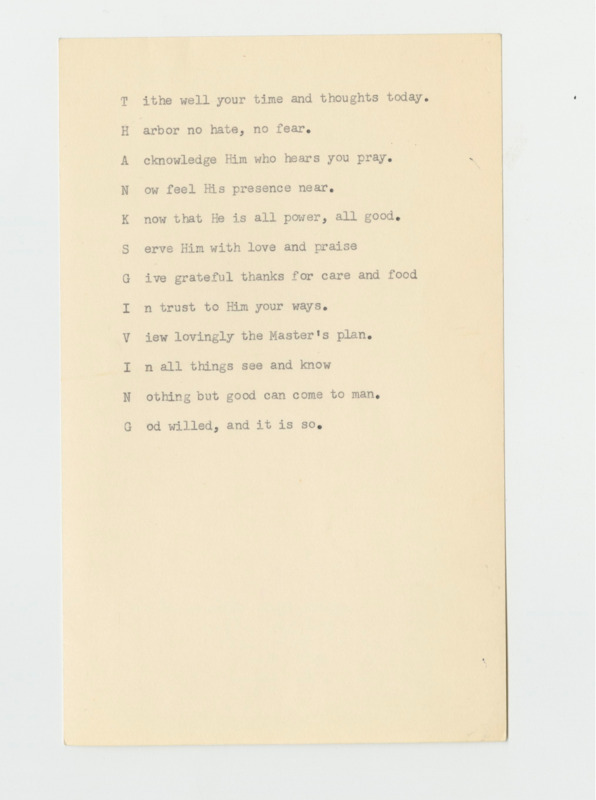
A collection of over 14 clippings featuring personal poems written by President Gore, alongside works by other poets, including some unnamed. While many of the poems have holiday themes, the overall message emphasizes bravery, hope, and faith, capturing a spirit of resilience and inspiration.
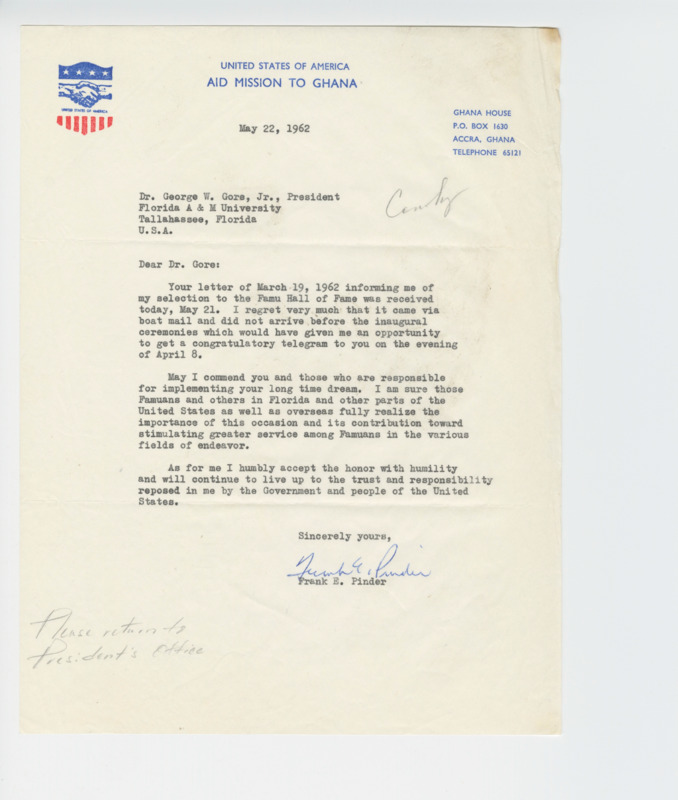
A letter from alumni Frank E. Pinder, based in Accra, Ghana, to President George W. Gore, expressing his gratitude with humility for his selection to the FAMU Hall of Fame. Pinder conveys his deep appreciation for the recognition and acknowledges the university’s impact on his life and career.
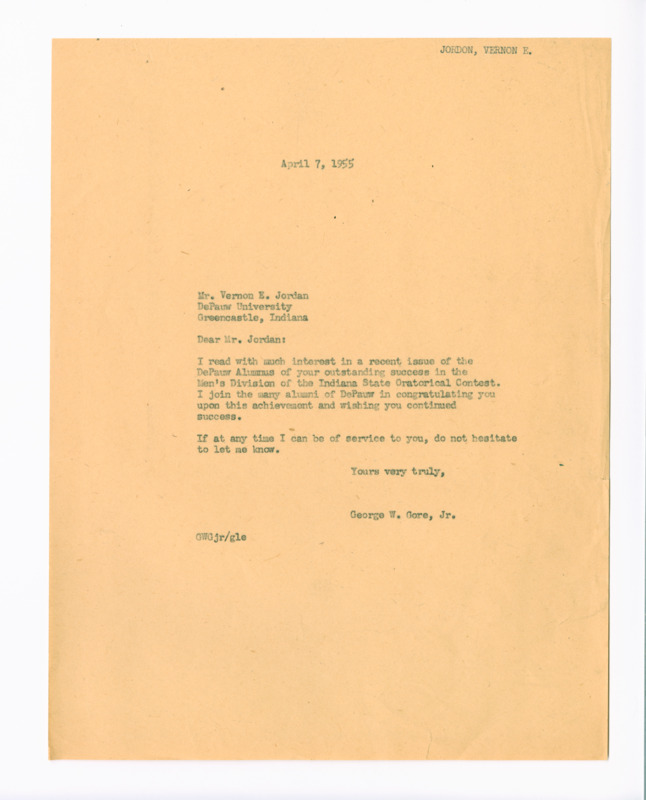
A letter from President George W. Gore to Mr. Vernon E. Jordan extending congratulations on his recent achievements and acknowledging Jordan's dedication and leadership. Gore expresses pride in Jordan’s success and commends his contributions to his field, reinforcing their mutual respect and shared commitment to progress.
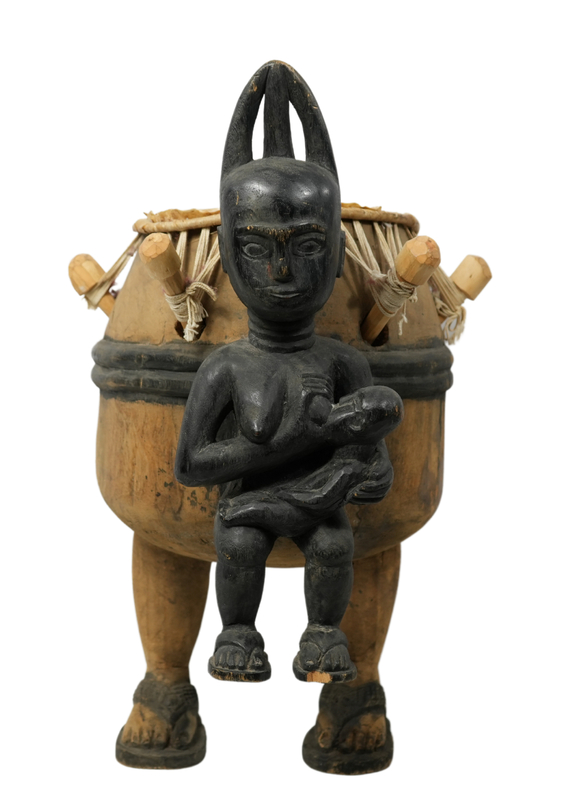
This drum, fastened from wood and animal hide, is reminiscent of an Akan Kettle Drum from Ghana. The Akan are an ethnic group that includes the Fante, Asante, and Akuapem cultures; their culture is most prevalent in present-day Ghana. This type of drum was used for any event that required entertainment (except for court-reserved performances).
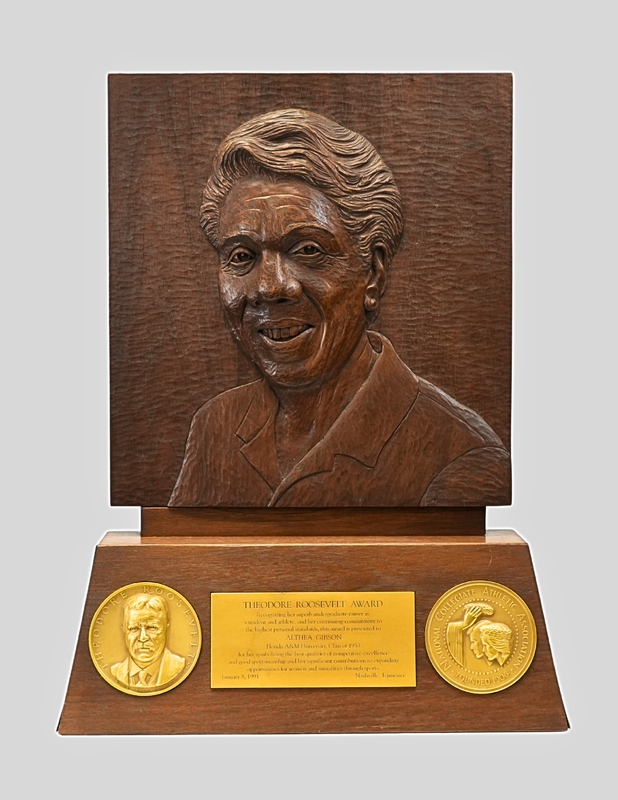
The 1991 Theodore Roosevelt Award, presented to Althea Gibson, honors her groundbreaking achievements in sports and her role as a trailblazer for African Americans in athletics. Recognized for her resilience and excellence, Gibson shattered racial barriers, becoming the first Black player to compete at Wimbledon and the U.S. Nationals.
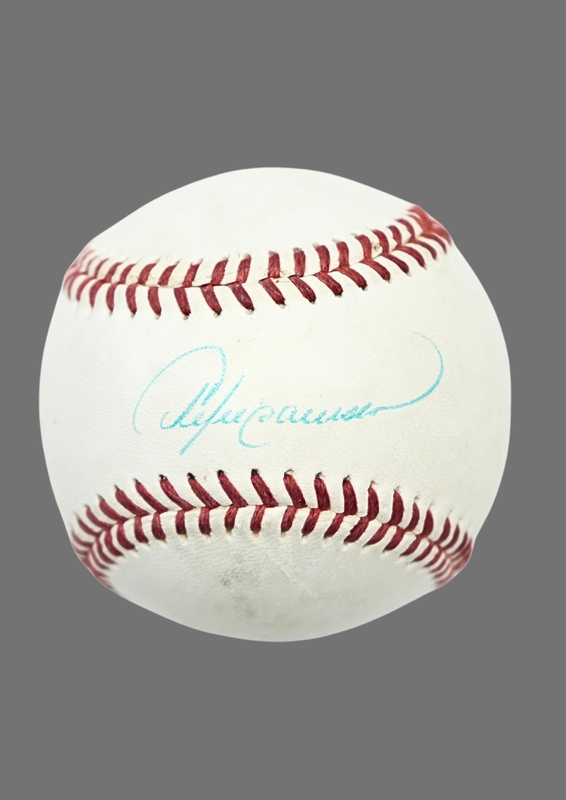
The autographed baseball belonging to Andre Dawson, an alumnus of FAMU and hall of famer. The baseball is s a tangible piece of history, imbued with the memories and moments of Dawson’s journey from college baseball at FAMU to major league baseball's Hall of Fame.
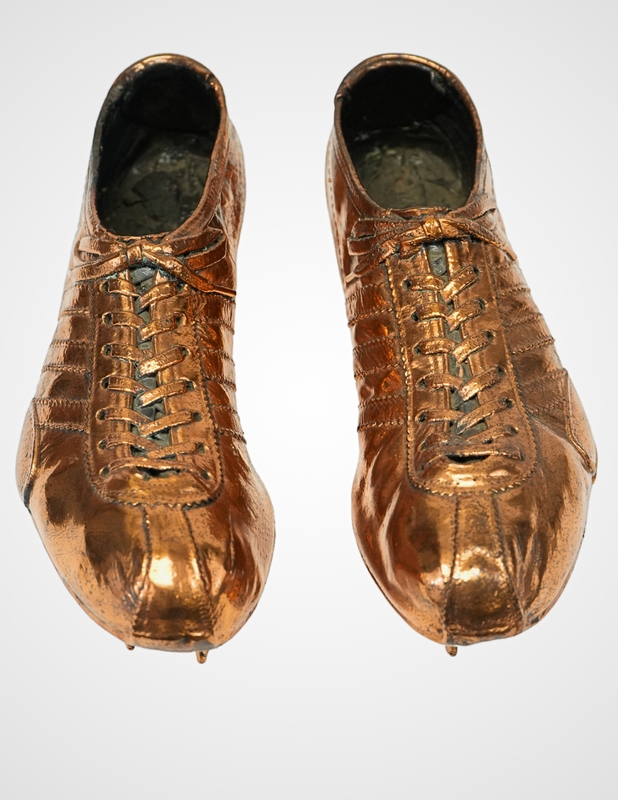
Robert "Bob" Hayes' bronzed track shoes commemorate his exceptional athletic achievements, particularly as a sprinter and Olympic gold medalist. Known as "Bullet," Hayes revolutionized sprinting, winning gold in the 100 meters and helping secure a victory in the 4x100 meter relay at the 1964 Tokyo Olympics.
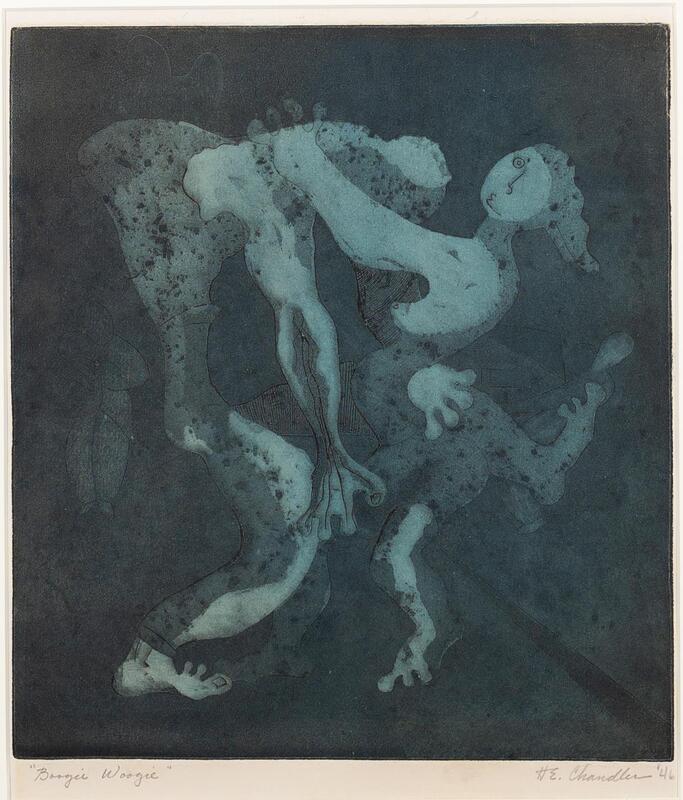
Houston E. Chandler was a sculptor, printmaker, painter, and teacher from Saint Louis, MO. "Boogie Woogie" depicts two abstracted figures dancing the Boogie Woogie, a popular dance in the early 20th century.
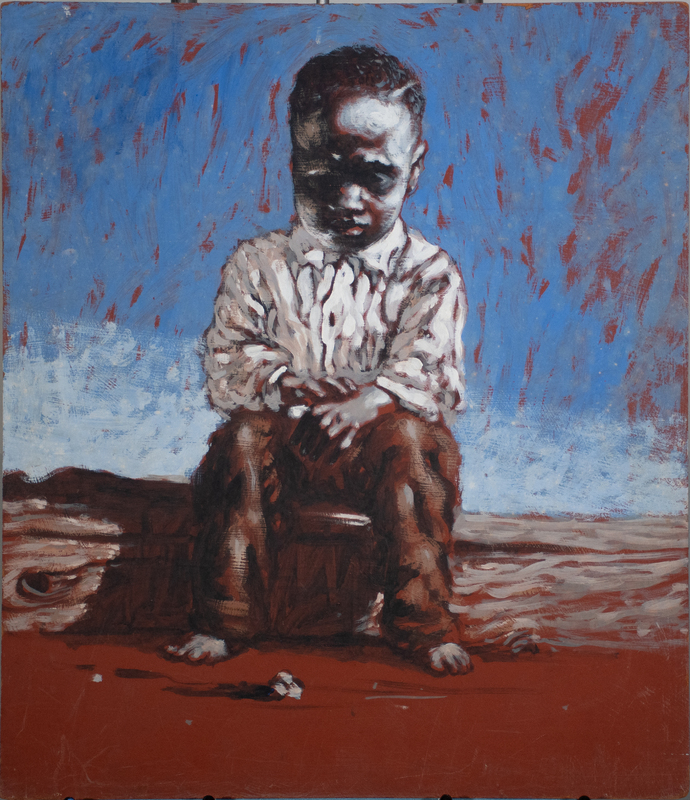
Oliver’s painting depicts a young boy sitting on the stump of a tree. The boy is barefoot and wearing a contemplative expression on his face. Oliver’s style in this painting is very free-form, with quick and abrupt brushstrokes throughout the composition. Oliver is one of the most successful art graduates from TSU, going on to be the only North American artist to design scarves for the fashion house Hermes.
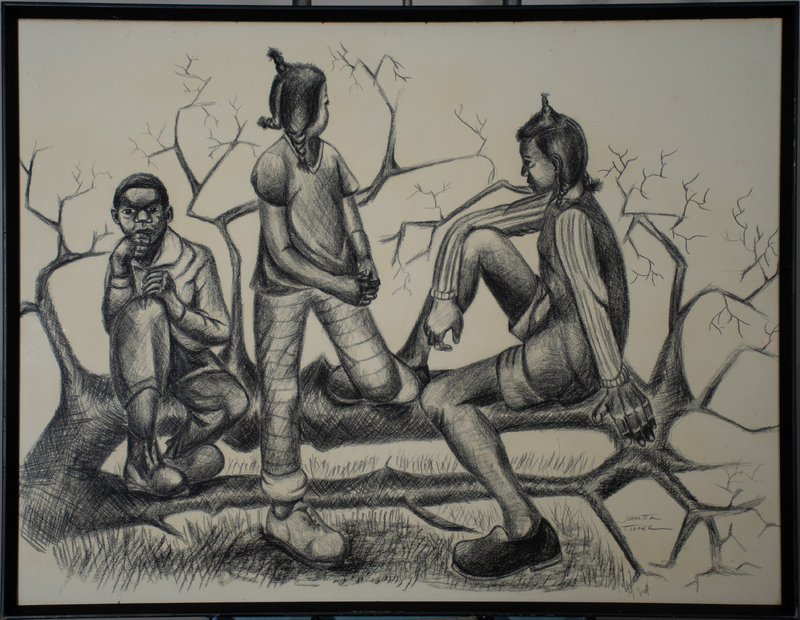
Tinker’s drawing shows three children lounging around a fallen tree. The two girls are depicted with elongated limbs, and the rightmost girl also has oversized hands. Dr. Biggers influenced his students to draw the hands and feet of their subjects in great detail and disproportionately large. This style continues to be taught to and implemented in the works of TSU artists in the 21st century.
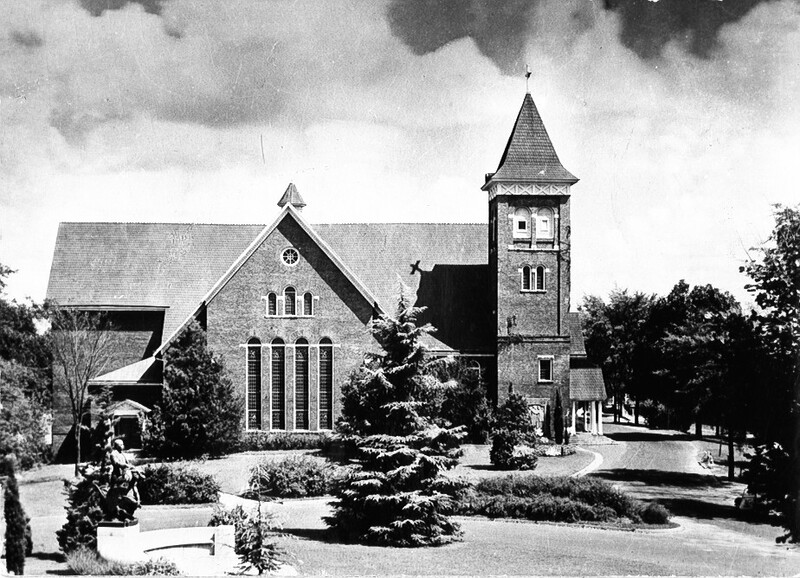
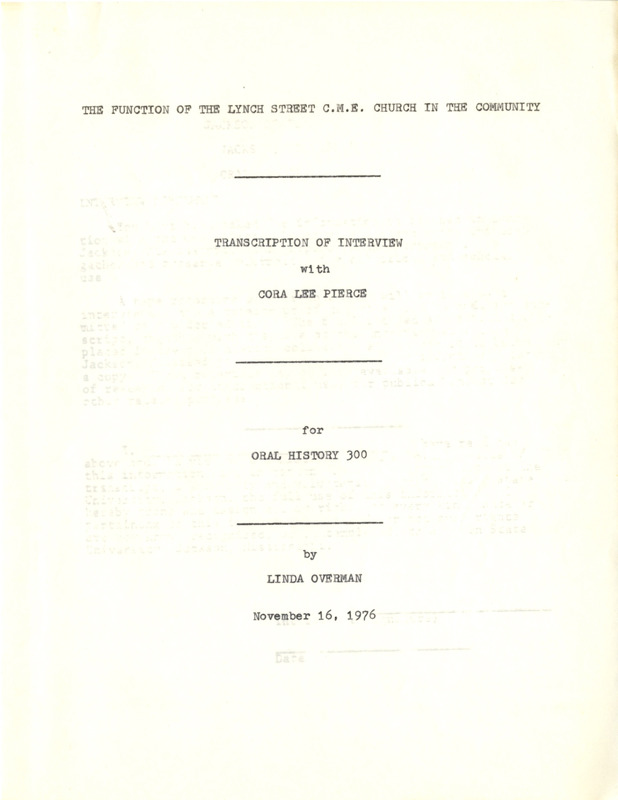
Cora Lee was a native of Bentonia, Mississippi, and lived in Jackson for 49 years. The purpose of the interview was to learn about the function of the Lynch Street C.M.E. Church in the community. Ms. Lee talks about being a member of the church since 1927 and active at the church through its history. The transcript is edited with handwritten notes.
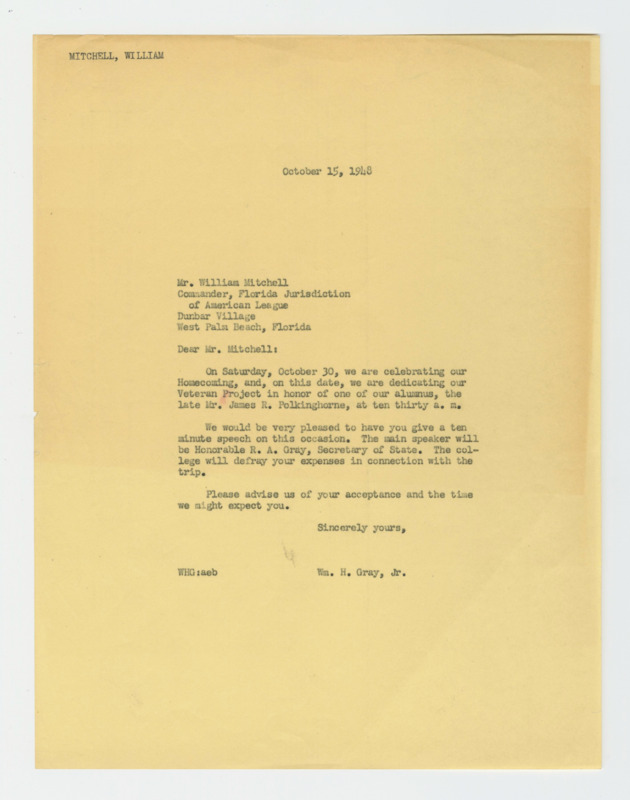
Veterans Village was a housing program created to assist veterans who wished to pursue higher education at Florida A&M College. After First Lieutenant James R. Polkinghorne, Jr., a FAMC student, lost his life in battle in 1948, Veterans Village was dedicated in his honor. These documents detail the process of that feat and the ceremony following.
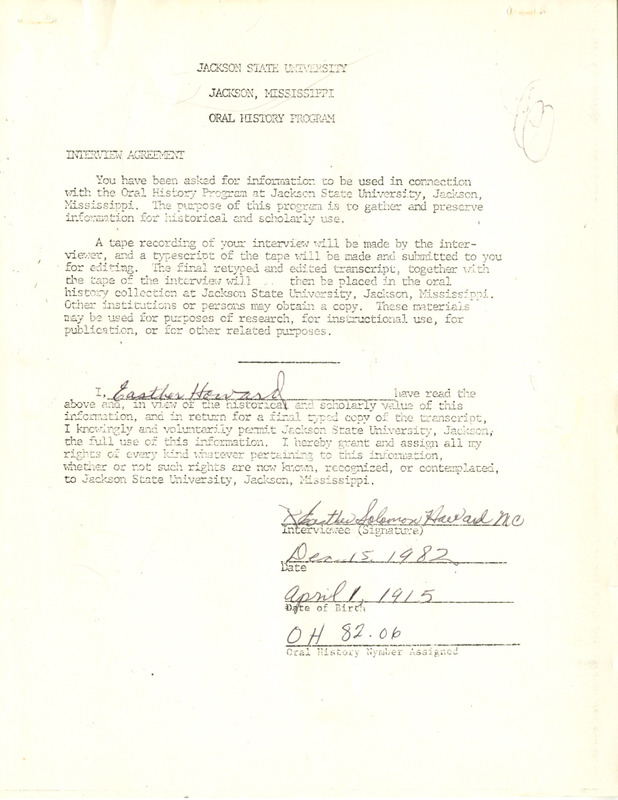
Esther Solomon Howard was born in the Farish Street District in 1915. Ms. Howard talks about her childhood in the Farish Street District, including attending Smith Robertson School, Central Church, and the Young Women’s Christian Association (Y.W.C.A.). She also talks extensively about her husband. The transcript is edited with handwritten notes.
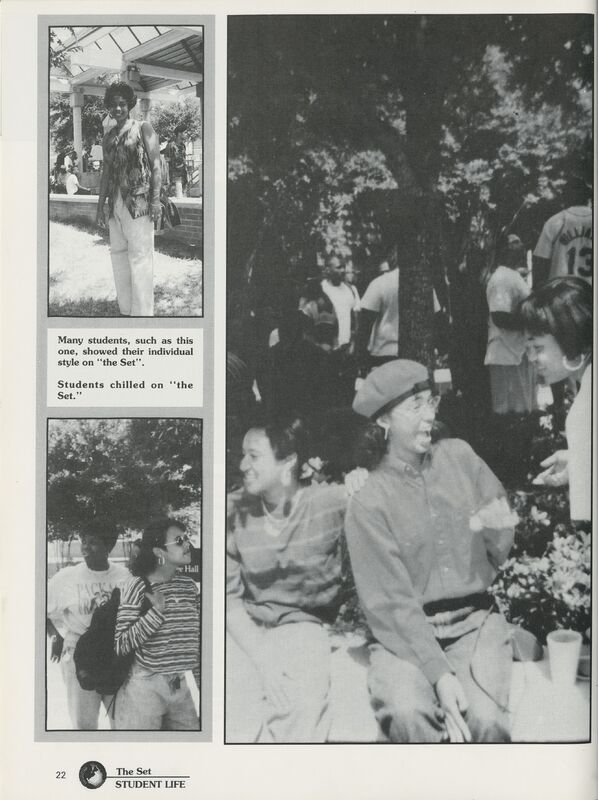
This two-page spread was featured in the 1994 Rattler yearbook, showcasing student life at the time. “The Set” was a location on campus in front of the Student Union where students regularly hung around during downtime. These images also highlight the clothing trends of the early ‘90s with baggy jeans, plaid and patterns, and letterman jackets.
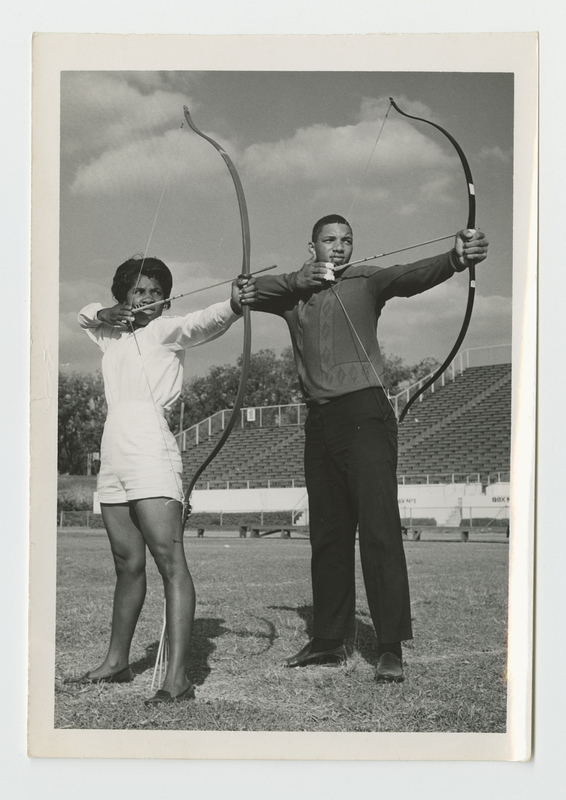
This photograph features two male and female students using a bow and arrow on the field of Bragg Memorial Stadium. Because Florida A&M University does not have an archery club or team, this photograph represents a lost aspect of FAMU student life. It’s unclear when this image was taken or who took it.
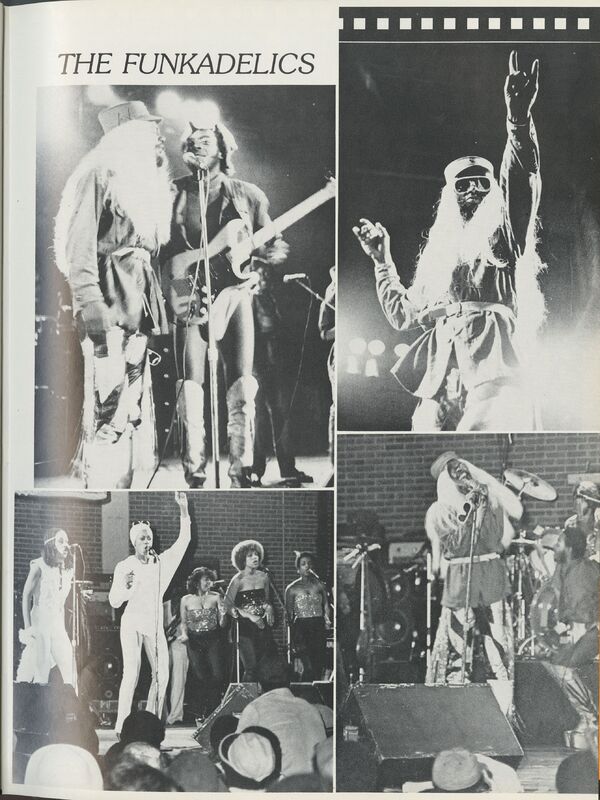
This spread, obtained from the 1979 Rattler Yearbook, shows the Funkadelics visiting Florida A&M University. George Clinton, the frontman of the Parliament-Funkadelic collective, is seen performing on stage. As of 2024, Clinton has been a Tallahassee resident for over thirty years.
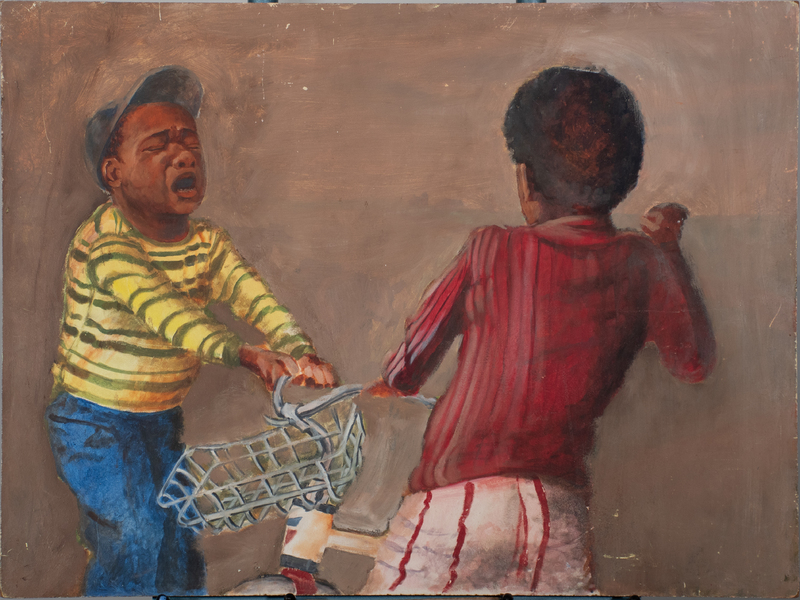
This painting shows children quarreling over a bicycle. The young boy in yellow is painted dramatically wailing, while the other child is portrayed from behind with a raised, balled fist. Dr. John Biggers encouraged Texas Southern student artists to create art based on what they saw. Scenes of children often appear in the permanent collection of TSU.
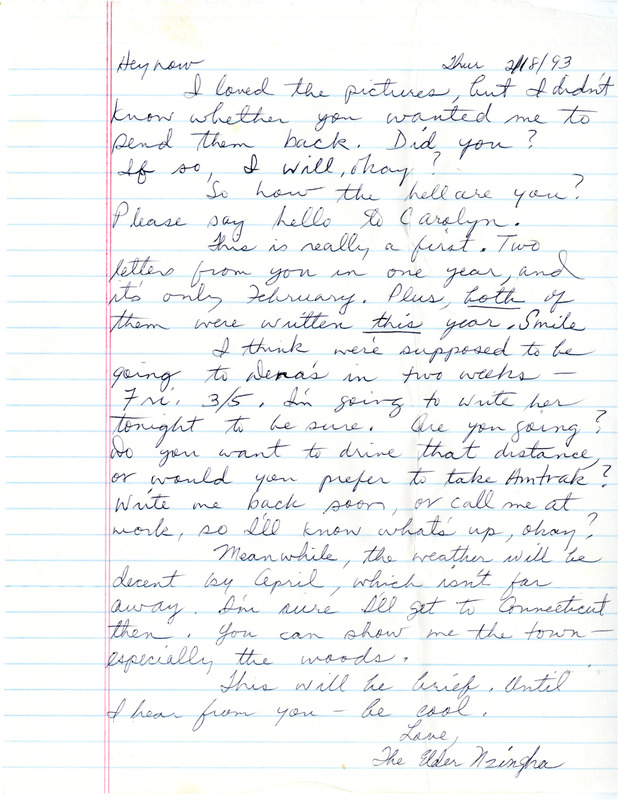
Helen writes her friend Frankye Adams-Johnson (Malika) to ask about some pictures she received from her asking if she wants them back. She also mentions that she will be traveling to Connecticut soon and will need to be shown around town. She signs the letter “The Elder Nzigha.”
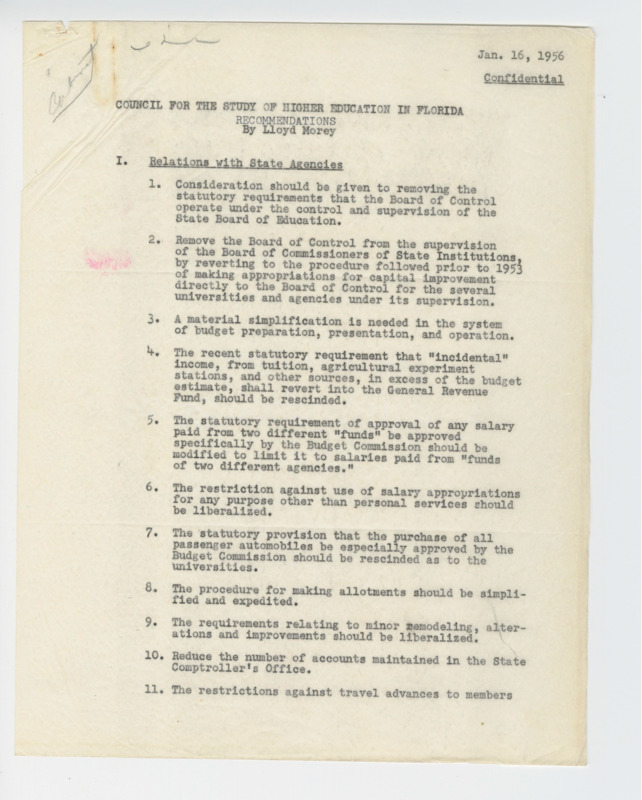
Letters detailing the responsibilities and designated duties of the Vice President of the University were included first, followed by confidential business operation packets outlining the general organizational structure of the university's identified 'weaknesses' and proposed options for improvement.
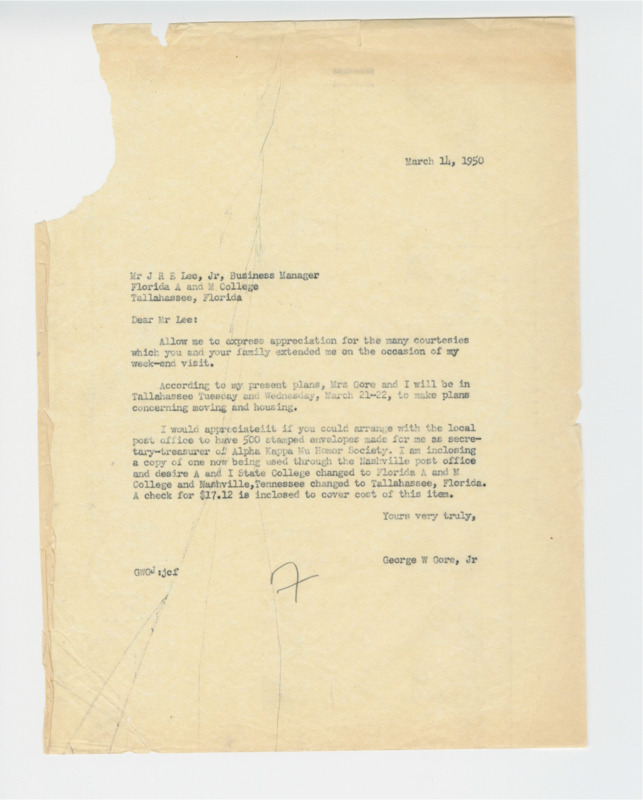
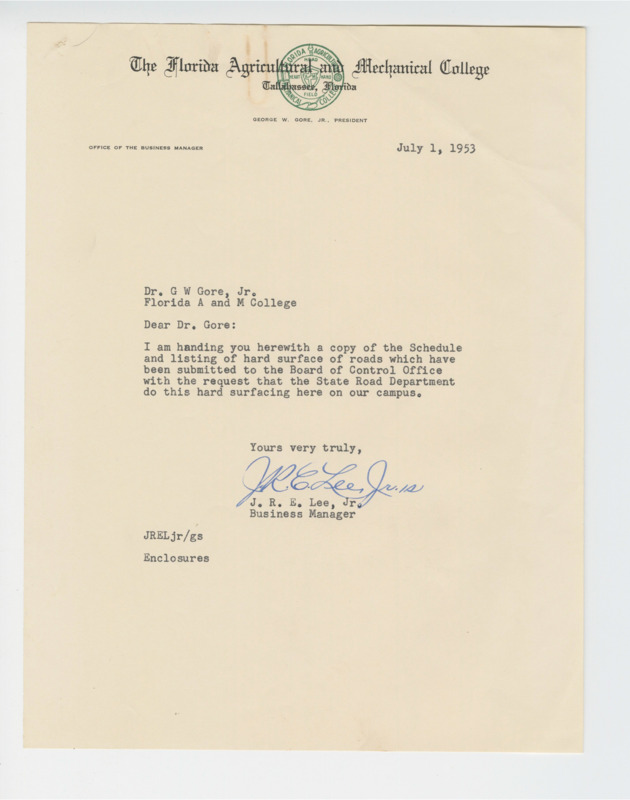
A collection of letters and documents between FAMU officials and former president Dr. J.R.E. Lee Jr. covers key operational matters, financial considerations, and administrative decisions regarding the university's budget, resources, and strategic planning.
These letters provide insights into the challenges faced by FAMC in maintaining and upgrading its facilities, curriculum, and campus services. Despite evolving institutional needs, FAMC maintained a focus on improving the student experience and physical environment.
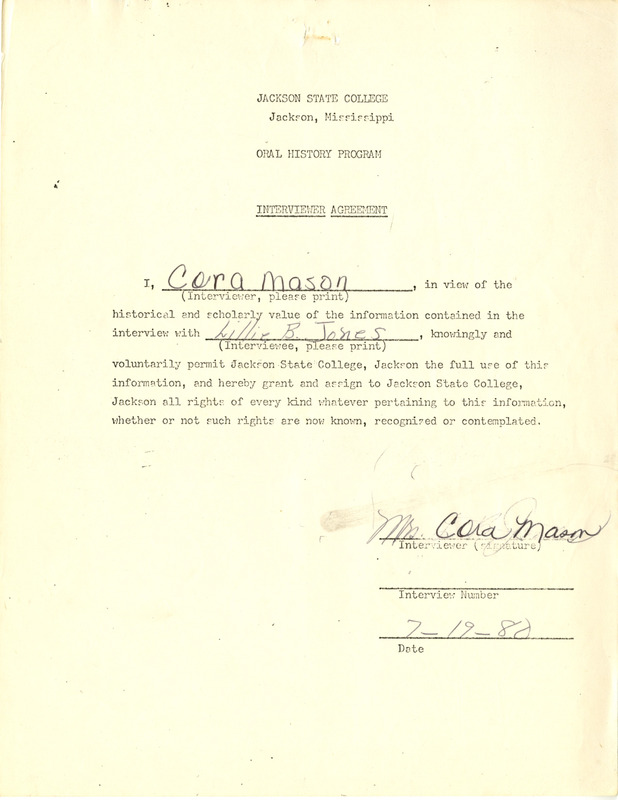
Lillie B. Jones worked at the Farish Street Young Women’s Christian Association (Y.W.C.A.) from the beginning and talks about her experiences there and what the YWCA meant to the community. She also talks about her childhood and young adult days and going through the Great Depression. The transcript is edited heavily with handwritten notes.