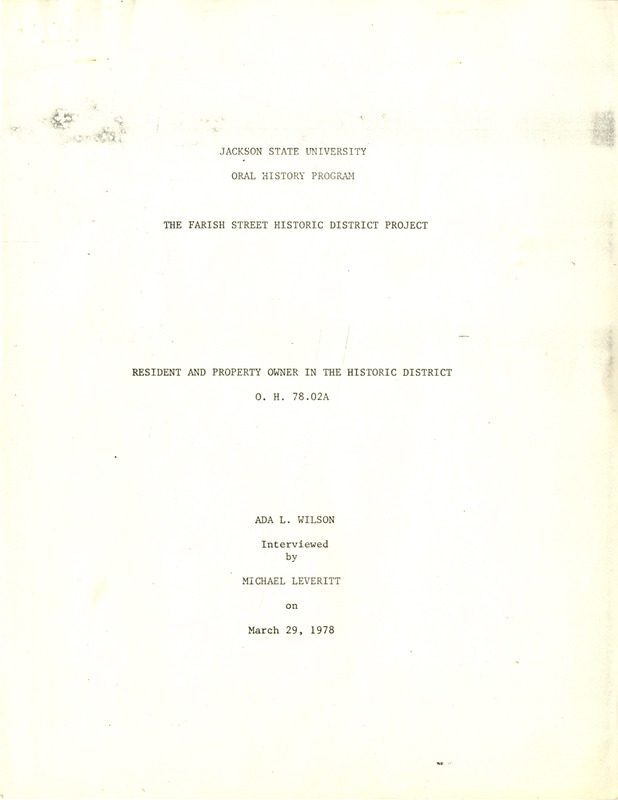
Ada L. Wilson moved to the Farish Street District in 1945 after graduating college and went on to work as a teacher in Jackson Public Schools and Jackson State. She discusses Wilson's Grocery Store, her family’s business in the district. She also talks about her efforts to stop the city from demolishing Smith Robertson School after its closing.
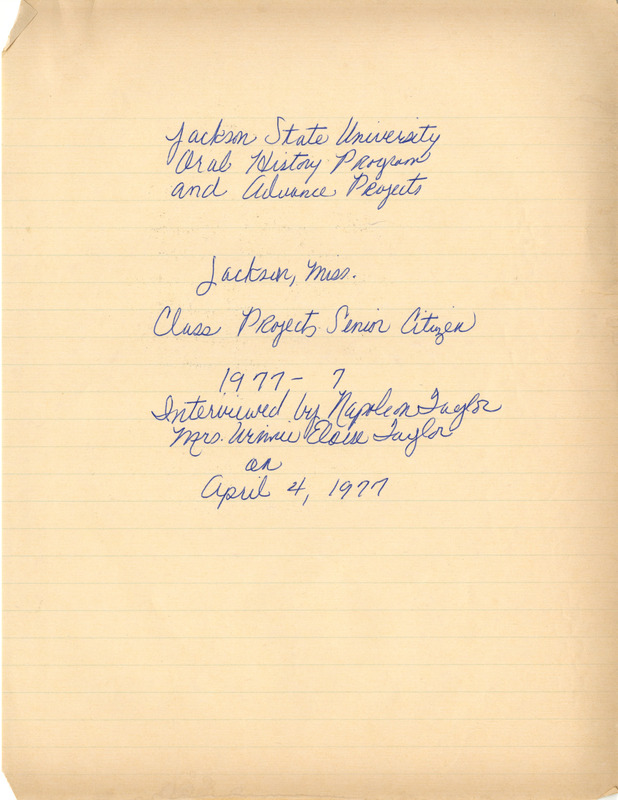
Aerl Cobbs was born in 1900 and lived in Jackson, Mississippi, his whole life. Mr. Cobbs talks about his childhood and the games they played. He remembers some of the great educators in Jackson from his time in various schools in the city. The transcript is handwritten.
Alfred Rhodes was part of the original 8-week Head Start program in Quitman County, Mississippi, as a teacher. He talks about his work as a teacher and his later work out of Tougaloo College to supervise Head Start Centers in 4 counties and going into communities to open new centers.
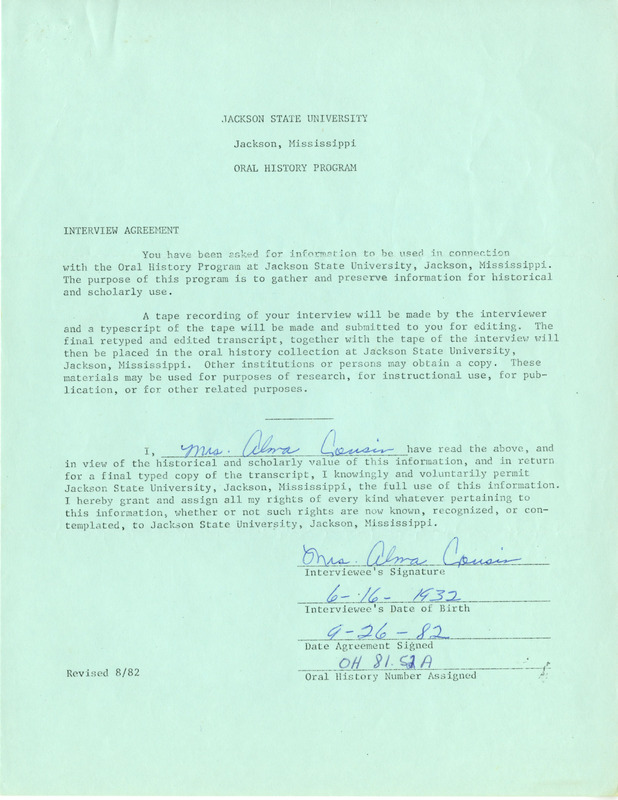
Alma Cousins moved to the Farish Street District in 1953 and previously owned a restaurant in the neighborhood. Ms. Cousins recounts what the district was like back then compared to the present. She talks about businesses and restaurants in the district; the effects of White people moving into the area; and several Black lawyers in the district.
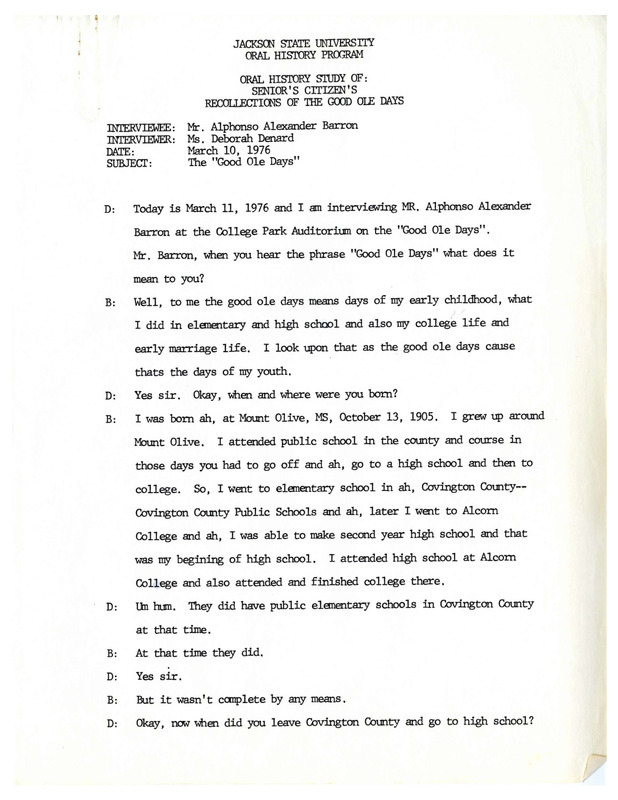
Alphonso Alexander Barron was born in Mt. Olive, Mississippi, in 1905. He talks about what he considers the "good old days," the years from his childhood through the early years of his marriage. He discusses family, his education, his church life, his marriage, his career as an educator, and his experiences living in Jackson, Mississippi.
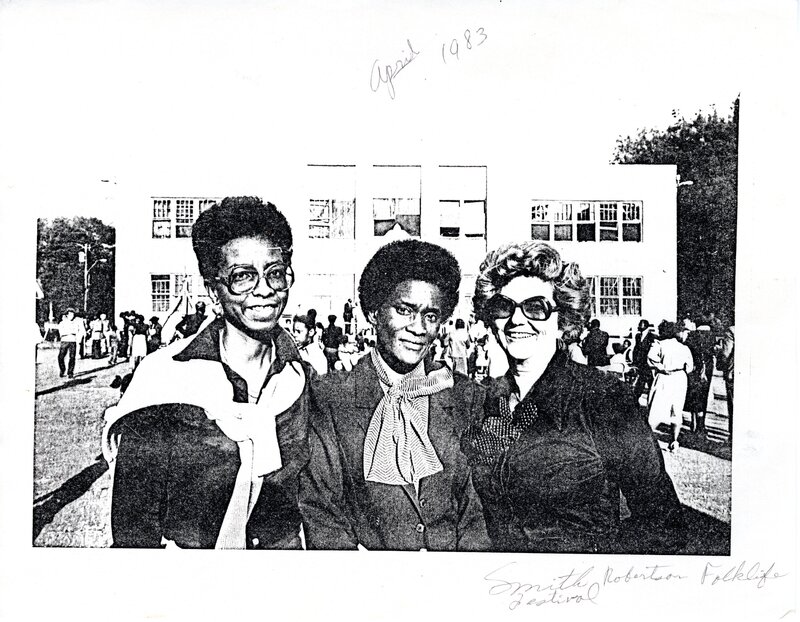
A copy of a photograph of an unknown woman, Dr. Alferdteen Harrison, and Dr. Cora Norman at the Smith Robertson Neighborhood Folklife Festival, April 9-11, 1983. The festival was a one-time grant sponsored event held on the grounds of the Smith Robertson Museum to celebrate the rich history and culture of the Farish Street Historic District.
Anita Dixon became a Head Start student when she was 5 years old in 1968 in Mendenhall, Mississippi. She talks about her experience as a student, saying she learned things that prepared her to be an elementary student.
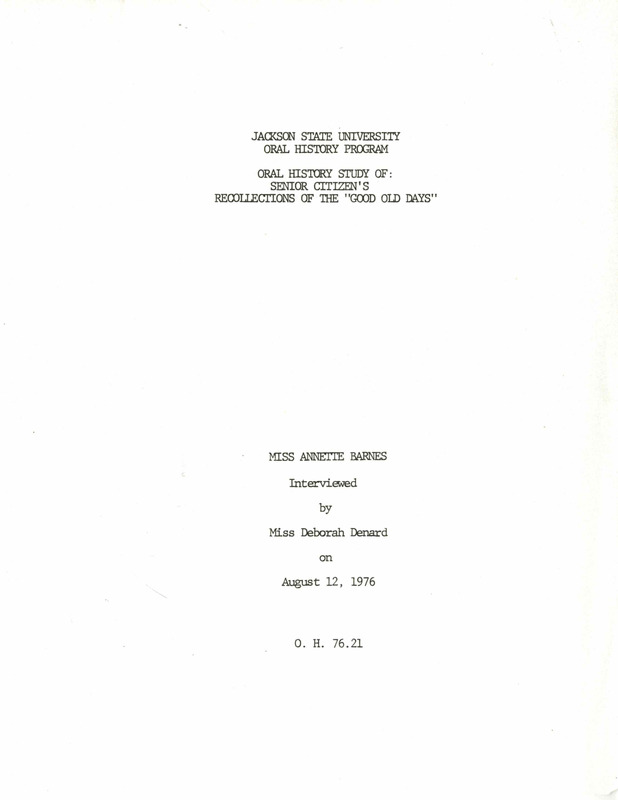
Annette Barnes was born in 1905 in Mount Olive, Mississippi. Her family moved to Jackson in 1909 when her father opened Barnes Drug Store. She talks about her childhood in Jackson being fun but also with responsibilities. She recalls the “Good Old Days'' as the times she can look back on and times were not as hard as they were then thought to be.
Barbara Strauss was a member of the board of directors of the Bethlehem Center in Jackson, Mississippi, a United Methodist Church organization that does work in impoverished communities. She talks about her extensive work in these communities and the Bethlehem Center sponsoring the opening of the first Head Start in Jackson.
Barbara Mason discusses the beginnings of Head Start in Utica, Mississippi, in 1965 and sending her daughter to attend the Head Start Center at St. Mark's Catholic Church. She goes on to talk about working at a Head Start center in Jackson, Mississippi, as a driver for the kids in the program.
Beatrice Martin was born in Rankin County, Mississippi, in 1904 and moved to Jackson two years later. For her, the "Good Old Days" were when she was younger and went to church and played games with her father. She discusses getting married in 1928 and purchasing some land and a home in a part of Jackson that had not yet been fully developed.
Bernard Thornton was born in 1908 in Natchez, Mississippi. He lived 53 of his 68 years in Jackson, Mississippi. The purpose of the interview was to learn information concerning the function of the Lynch Street C.M.E. Church in the community. Mr. Thornton talks about being a member of the church since 1925 and a trustee since 1945.
Betty Gray was born in Jackson, Mississippi, in 1903. She remembers the "Good Old Days" as a child growing up in Jackson when school days, games, and family all made for pleasant times. She also talks about her memories of the Farish Street District as well as Emmett Till and Martin Luther King, Jr. The transcript is edited with handwritten notes.
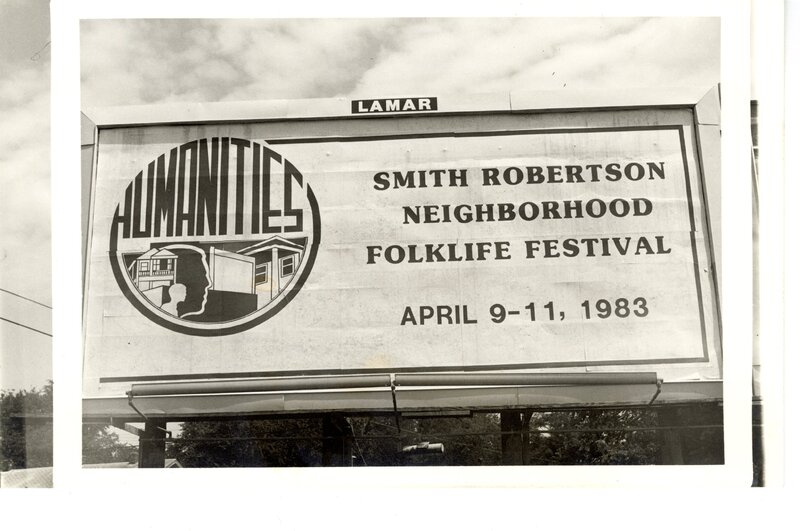
A photograph of a billboard advertising the Smith Robertson Neighborhood Folklife Festival, April 9-11, 1983. The festival was a one-time grant sponsored event held on the grounds of the Smith Robertson Museum to celebrate the rich history and culture of the Farish Street Historic District.
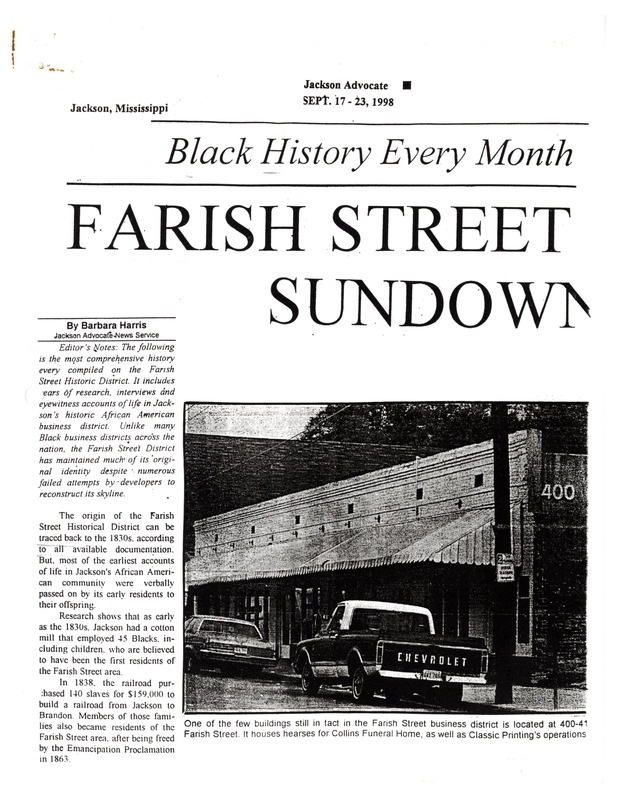
A newspaper article from the Jackson Advocate about the history of the Farish Street Historic District. Some research for the article comes from Jackson State's Farish Street Oral History Collection.
Bob Bullard was born in Jackson, Mississippi, in 1905. Mr. Bullard discusses his earliest recollections of Jackson, Mississippi, forms of entertainment, church life, and school life. He recalls the “Good Old Days” as the days he attended Poindexter Junior High School and worked in his father’s brickyard.
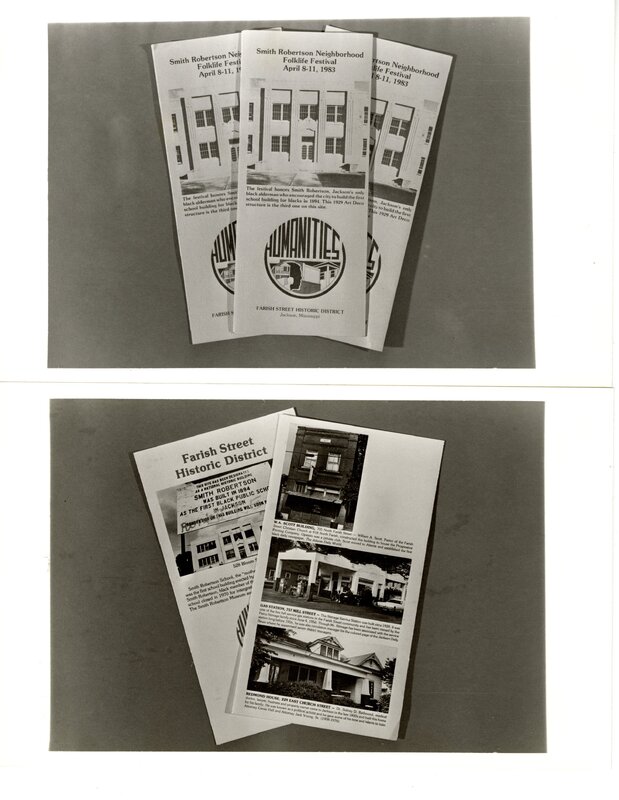
Two photographs of brochures for the Smith Robertson Neighborhood Folklife Festival, April 9-11, 1983. The festival was a one-time grant sponsored event held on the grounds of the Smith Robertson Museum to celebrate the rich history and culture of the Farish Street Historic District.
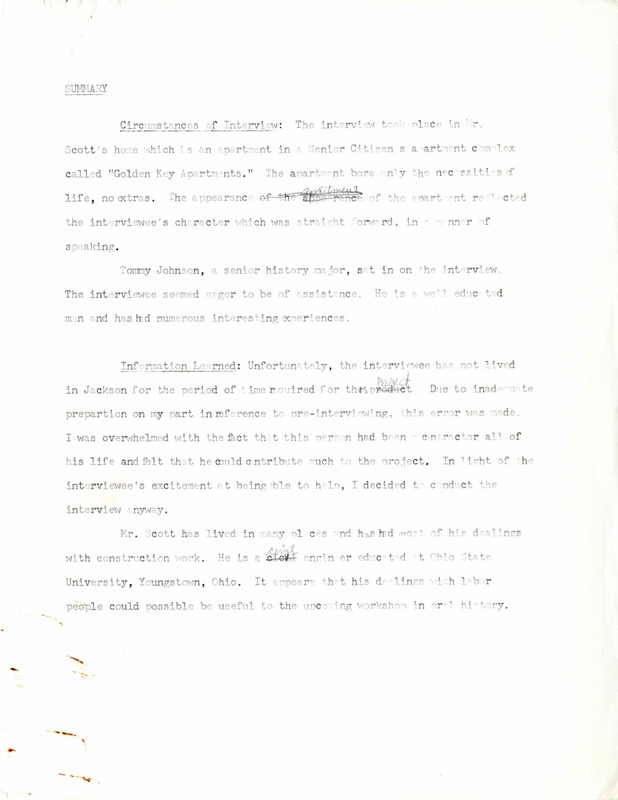
Brown Scott was born in 1912 and came to Jackson in 1951. He recalls the "Good Old Days" as a comparison between the past and present: they were good in the sense that people enjoyed them at the time, but what is good now is quite different. He discusses racial issues he faced in Jackson and being in Europe in the Army for World War II.
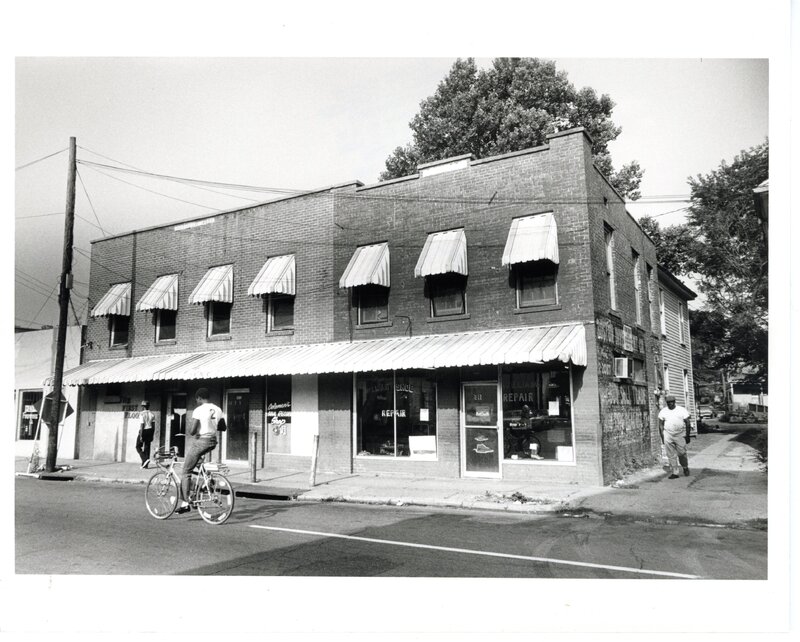
A front-view photograph of businesses on N. Farish Street in the Farish Street Historic District. At the time of the photograph, the businesses were closed and the building was in disrepair.
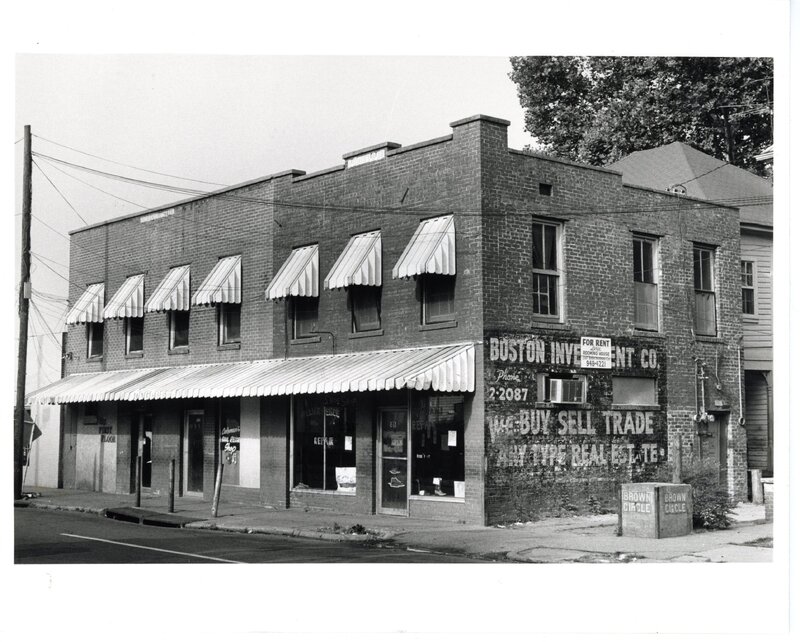
A side-view photograph of businesses on N. Farish Street in the Farish Street Historic District. At the time of the photograph, the businesses were closed and the building was in disrepair.
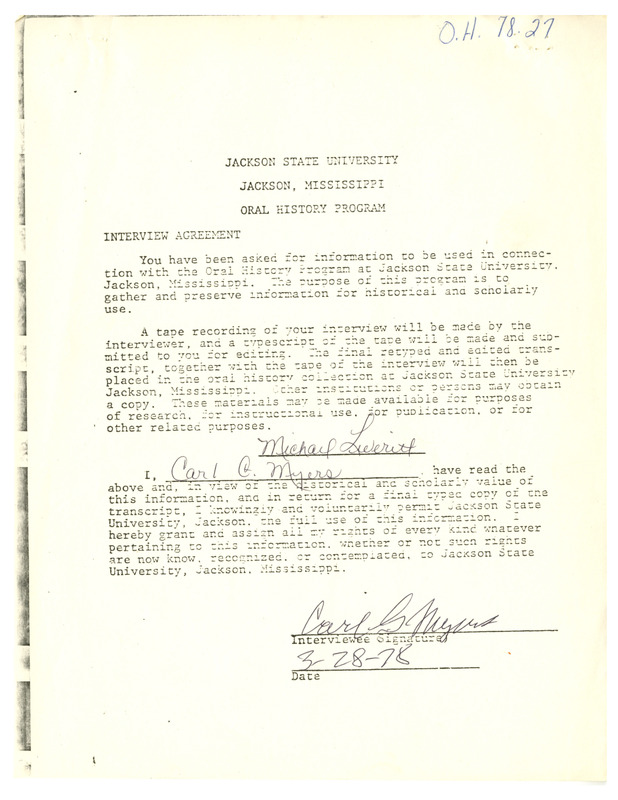
Mr. Myers was the owner of Myers Coffee Company on Farish Street. He talks about his business as well as other businesses in the district and breaks down the different sections of the neighborhood.
Carolyn Parker began working with the Child Development Group of Mississippi (CDGM) in 1966 after years of working clerical jobs for different human rights organizations. She talks about her work in the Civil Rights Movement and the role of community organization in the beginning of Head Start.
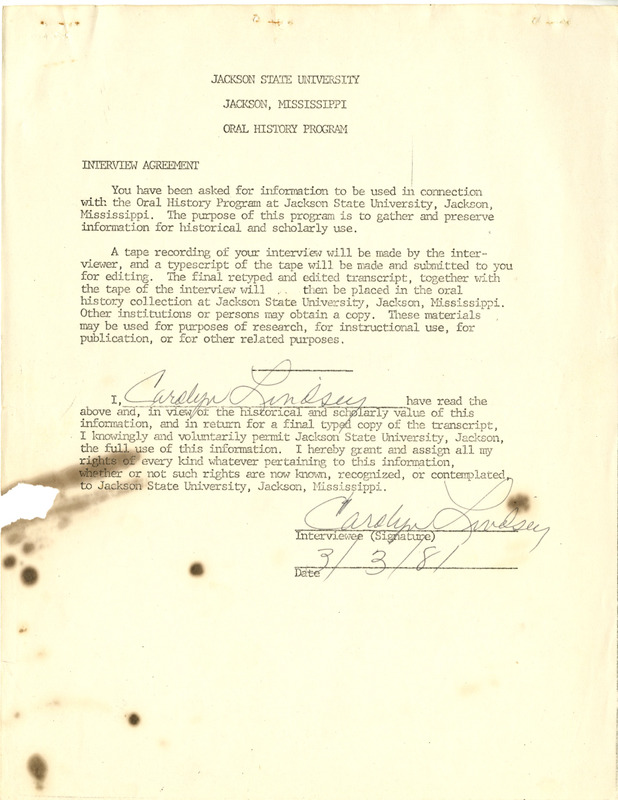
Carolyn Cannon Lindsey attended Smith Robertson School as an elementary student beginning in 1952. At the school she completed 1st, 2nd, 3rd, 5th, and 8th grades. She discusses the segregation of schools during that time. She also recalls some of her teachers and fondest memories of her time as a student there.
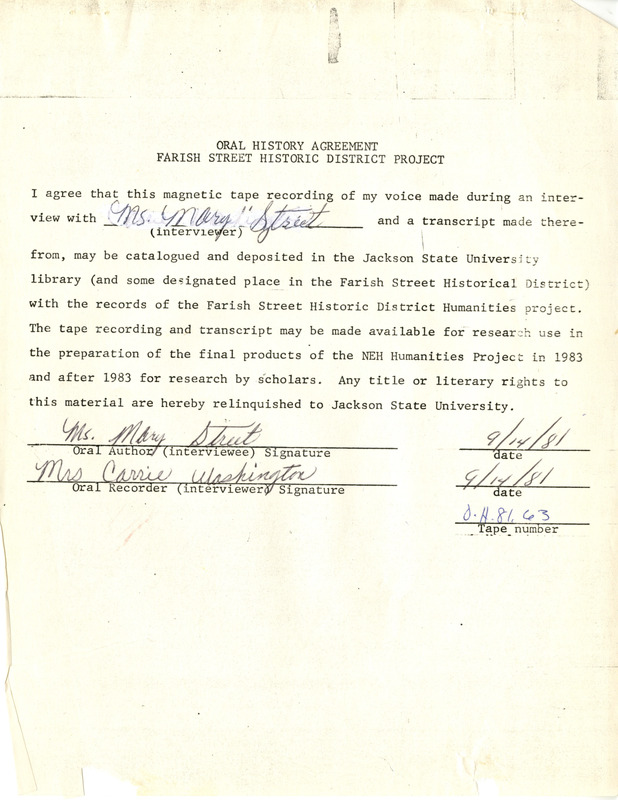
Carrie Washington was born in 1895 and moved to the Farish Street District in 1933 and has lived there since. Ms. Washington talks about her time in the district and her experiences working in the homes of white people. She also talks about businesses and buildings in the district and the Great Mississippi Flood of 1927.
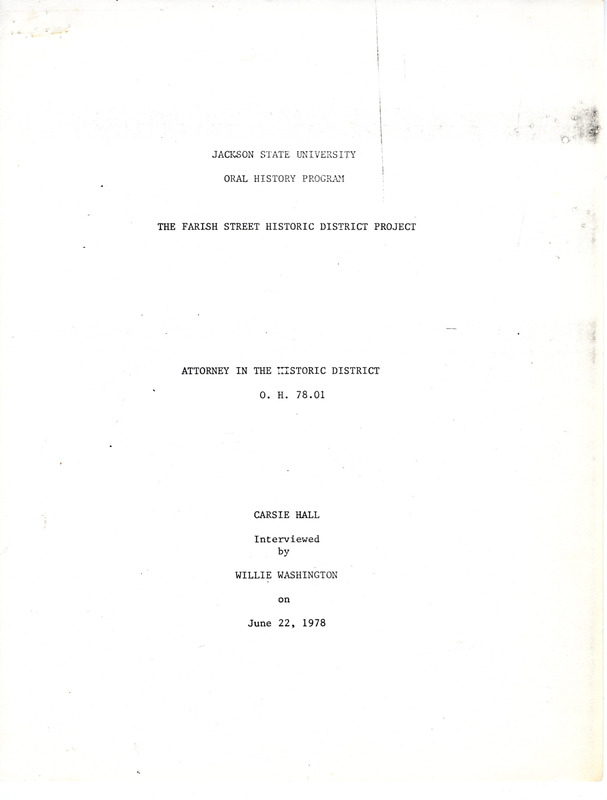
Attorney Carsie Hall moved to Jackson in 1921 to attend Jackson College. He passed the bar exam in 1953 and operated a law firm in the Farish Street District. He talks about a case he worked with the Freedom Marchers during the Civil Rights Movement. He discusses the effect of desegregation on Black businesses and current revitalization efforts.
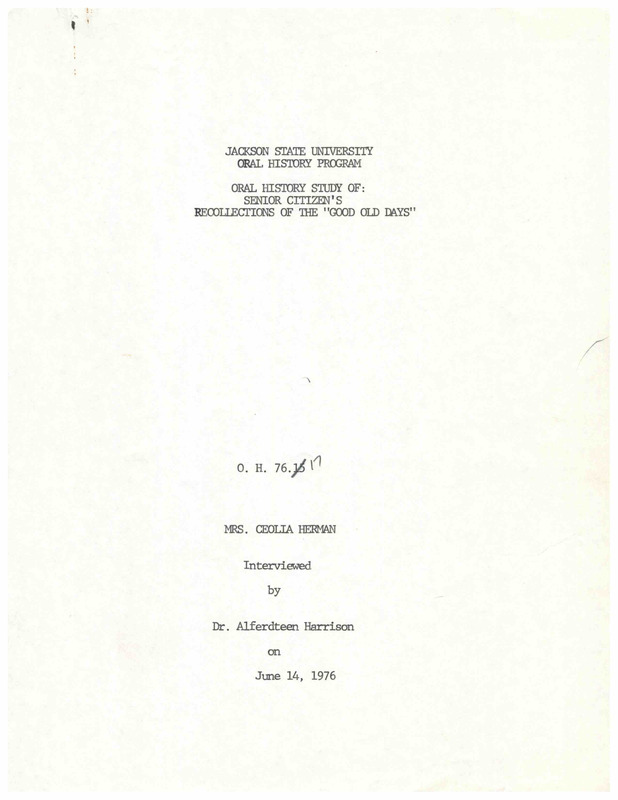
Ceolia Herman was born in McGee, Mississippi, in 1904 and came to Jackson in 1919 to go to high school while living with her sister until getting married and moving to Chicago. She moved back and worked as a nurse and then in a cleaners. She recalls the "Good Old Days" as days when she was younger and didn't have to worry about anything.
A photograph of Christ Temple Church on Lamar Street in the Farish Street Historic District. The denomination, which has over 160 member churches in the U.S., was founded ca. 1896 in Jackson by the Rev. Charles Price Jones. A historical marker was erected in front of the church in 1992 by Mississippi Department of Archives and History.
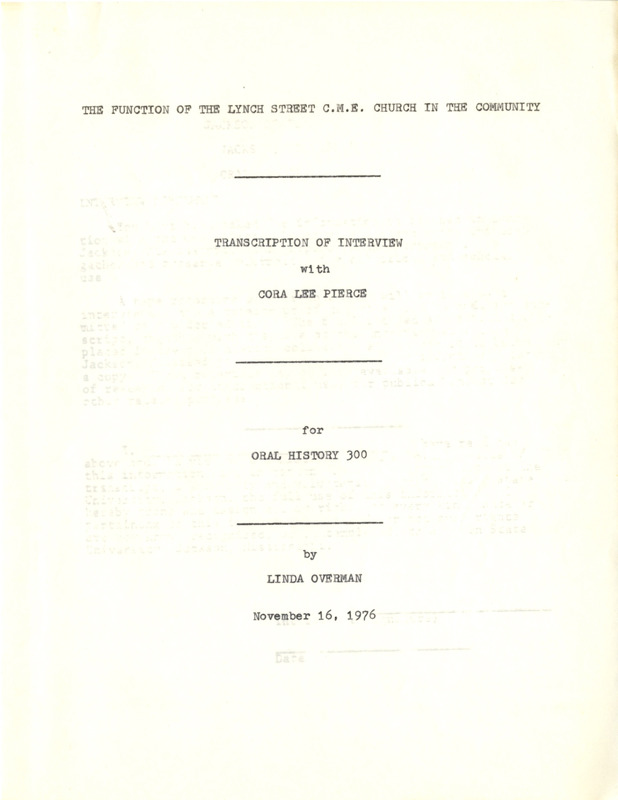
Cora Lee was a native of Bentonia, Mississippi, and lived in Jackson for 49 years. The purpose of the interview was to learn about the function of the Lynch Street C.M.E. Church in the community. Ms. Lee talks about being a member of the church since 1927 and active at the church through its history. The transcript is edited with handwritten notes.
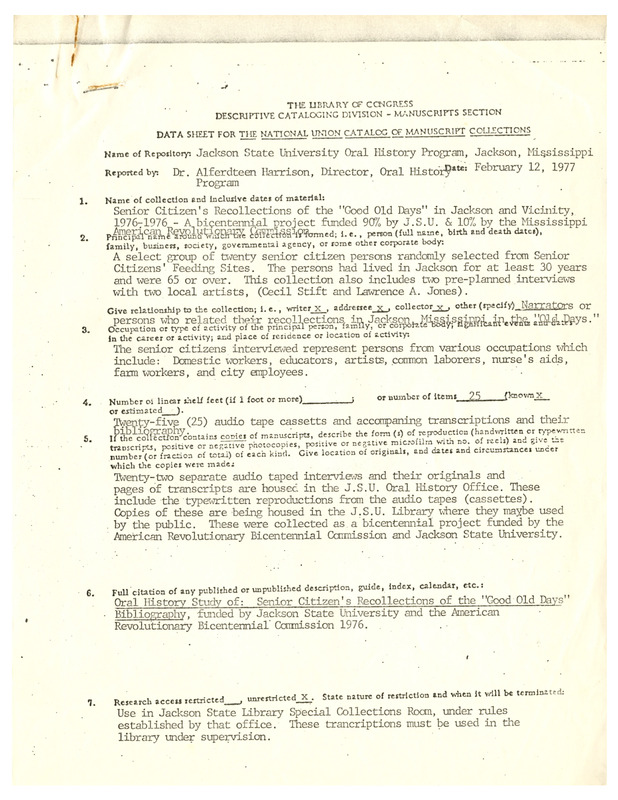
A list of questions to establish the procedures for cataloging the Good Old Days Oral History Project into the Library of Congress. Details include description and scope of the project, the size of the collection, research restrictions, and proper citation.