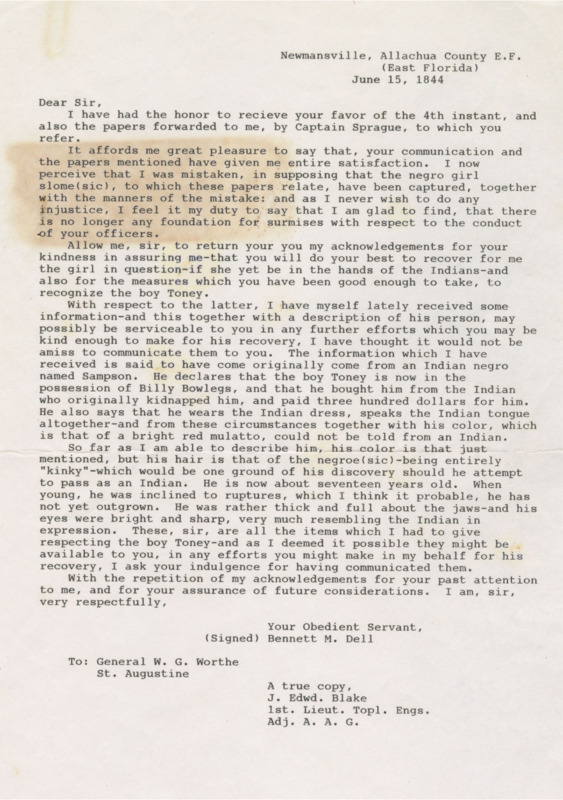
In this 1844 correspondence, Bennett Dell requests the return of enslaved individuals from General W. G. Worthe. The letter reflects the legal and personal disputes over enslaved people, who were considered property under the law. This document highlights the control and commodification of Black lives in pre-Civil War Southern society.
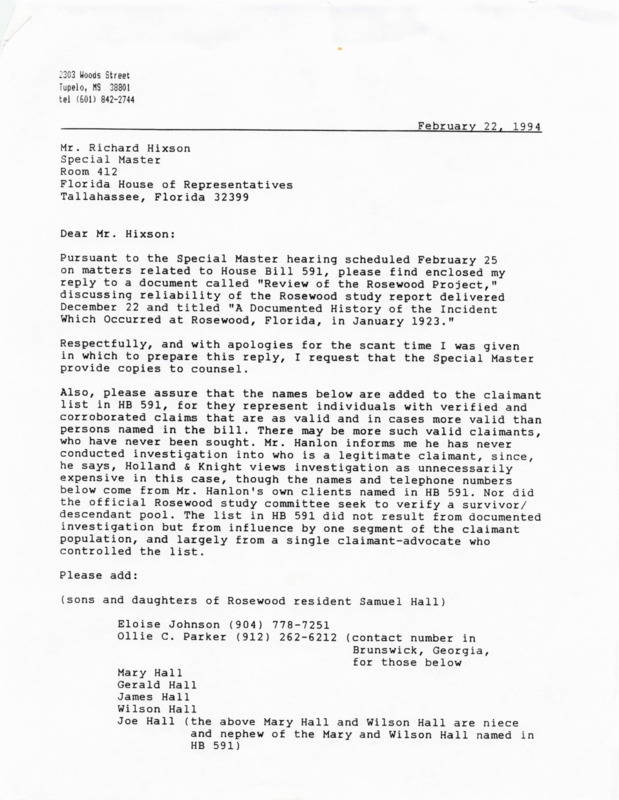
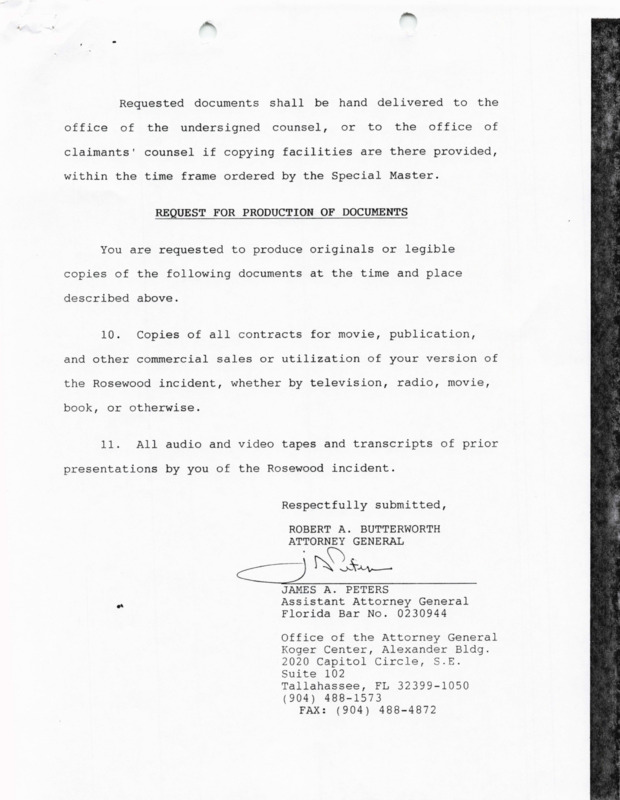
Collection of correspondences related to the Rosewood Massacre investigation, including letters, reports, and communications between state officials, legal representatives, and survivors. These documents offer insight into the ongoing efforts to secure justice and recognition for the victims and their descendants.
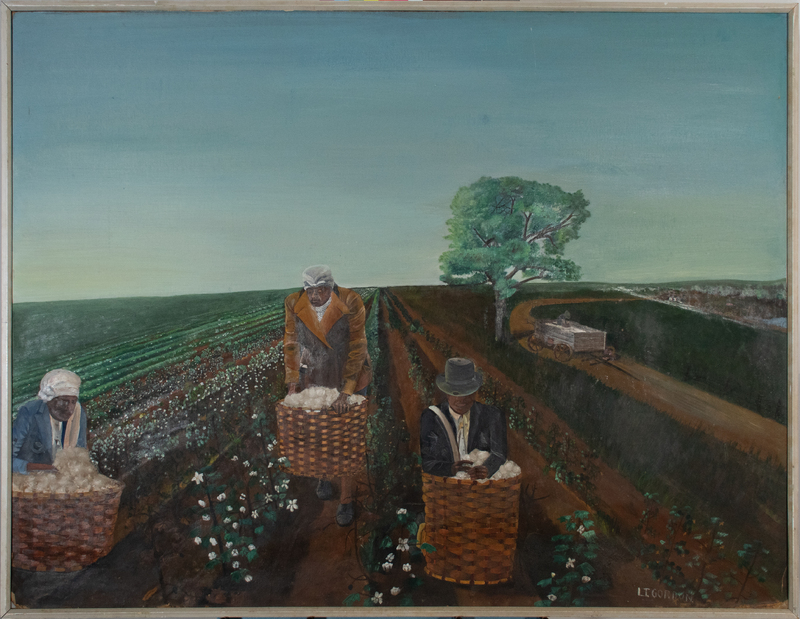
Gordon's painting reflects the work life of cotton harvesters. The three pictured laborers are older and formally dressed as they pick cotton bolls and carry baskets. Many of the cotton plants are shown with white flowers, an early stage in the plant’s development. This suggests Gordon may be familiar with the process of cotton farming and harvesting.
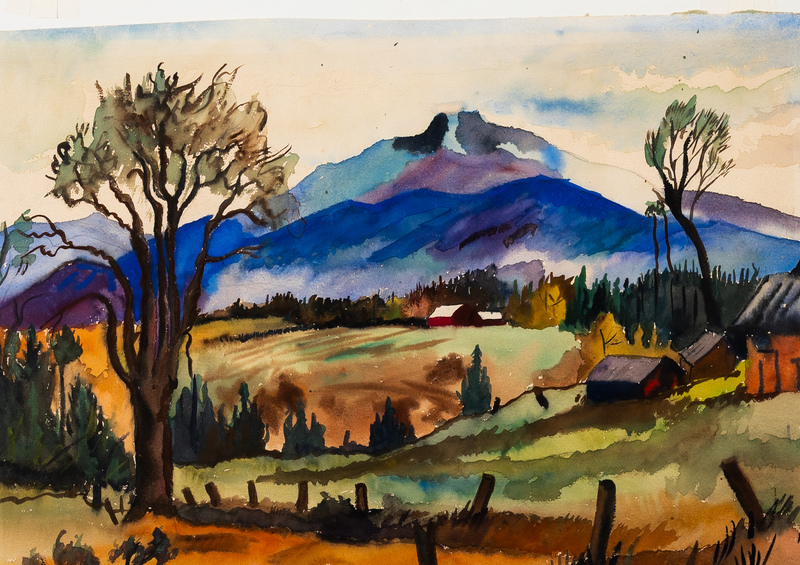
Lewis E. Stephens was an artist and photographer from Hamden, CT. "Country" is a rural landscape painting depicting a residential area beneath a mountain range. In the foreground is an open landscape with a vegetation between residential farms. In the background, Stephens uses cool hues to illustrate the mountains.
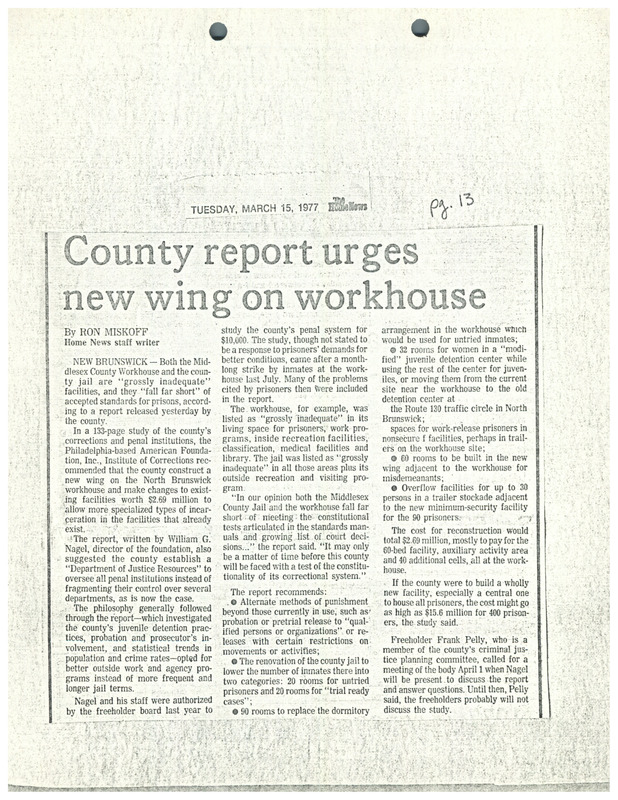
A newspaper article from The Home News about a 133 page report from American Foundation, Inc., Institute of Corrections that recommends a host of changes for the Middlesex County Workhouse and county jail after finding both facilities "fall far short" of standards for prisons.
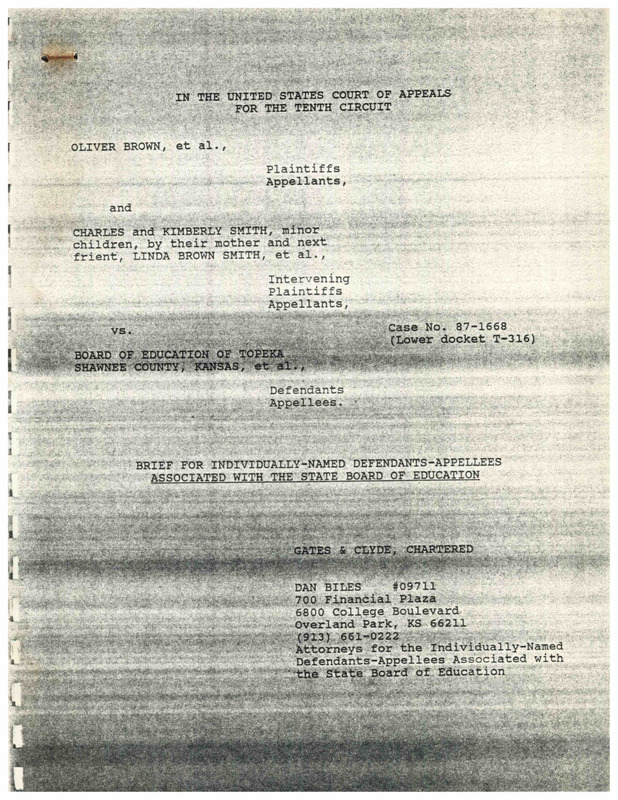
Case Data and Exhibits for Brown III, a relitigation of Brown v. Topeka Board of Education (1954) that corrected resegregation issues caused by open enrollment school choice in 1992. Court brief that upholds the rulings in favor of the individually named members of the State Board of Education of Kansas not being complicit in school segregation.
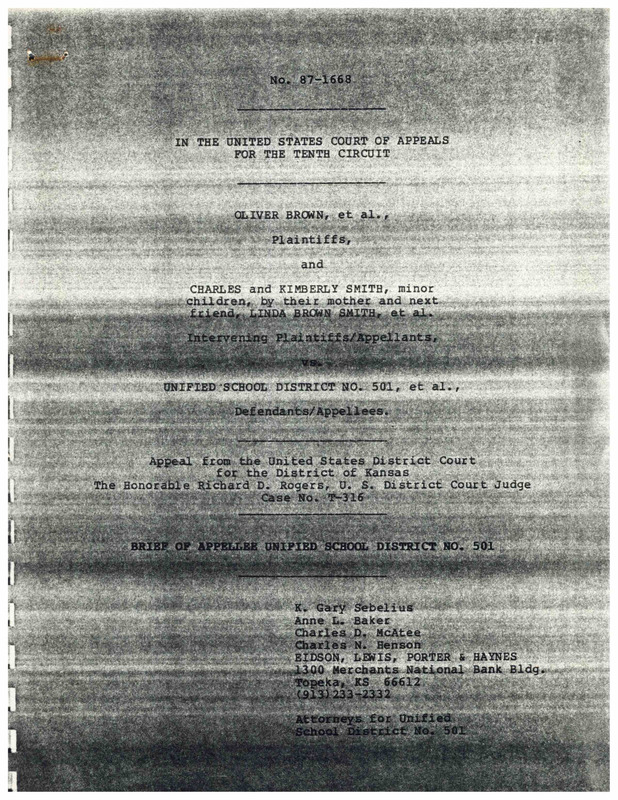
Case Data and Exhibits for Brown III, a relitigation of Brown v. Topeka Board of Education (1954) that corrected resegregation issues caused by open enrollment school choice in 1992. Court brief containing the defense team’s appeal to the circuit court to uphold the district court’s decision that the district is not segregated.
The 1923 court cases related to the Rosewood massacre focused on seeking justice for the survivors and their families. These legal proceedings addressed the damages caused by the violent destruction of the Black community, aiming to secure compensation and acknowledgment for the lasting impact on its residents.
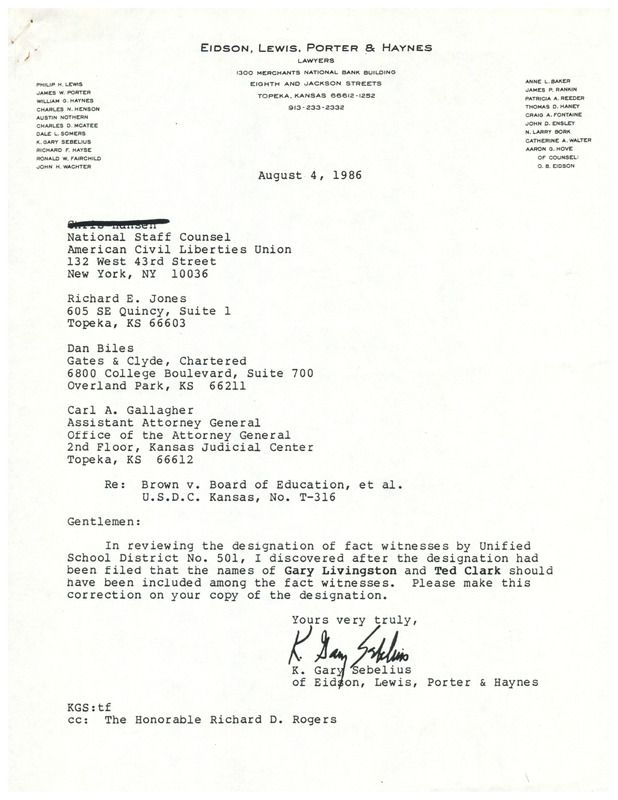
Case Data and Exhibits for Brown III, a relitigation of Brown v. Topeka Board of Education (1954) that corrected resegregation issues caused by open enrollment school choice in 1992. Full list of defense witnesses that can be called during trial. A cover letter from defense attorney K. Gary Sebelius requesting the addition of two more names.
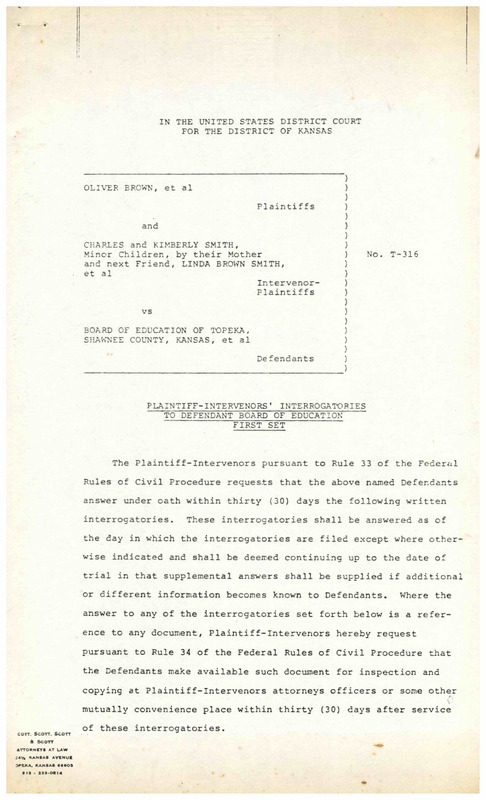
Case Data and Exhibits for Brown III, a relitigation of Brown v. Topeka Board of Education (1954) that corrected resegregation issues caused by open enrollment school choice in 1992. Document to the defendants from plaintiff attorney Charles S. Scott Jr. providing a full list of questions that need to be answered through evidence discovery.
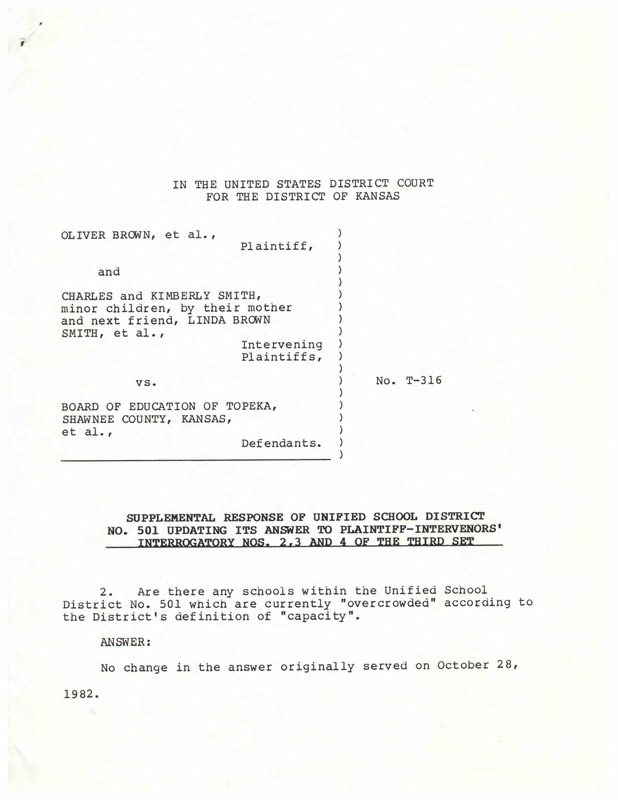
Case Data and Exhibits for Brown III, a relitigation of Brown v. Topeka Board of Education (1954) that corrected resegregation issues caused by open enrollment school choice in 1992. Supplemental response documents from the defense to the plaintiffs concerning overcrowding, vocational training programs, and a request for a full list of teachers.
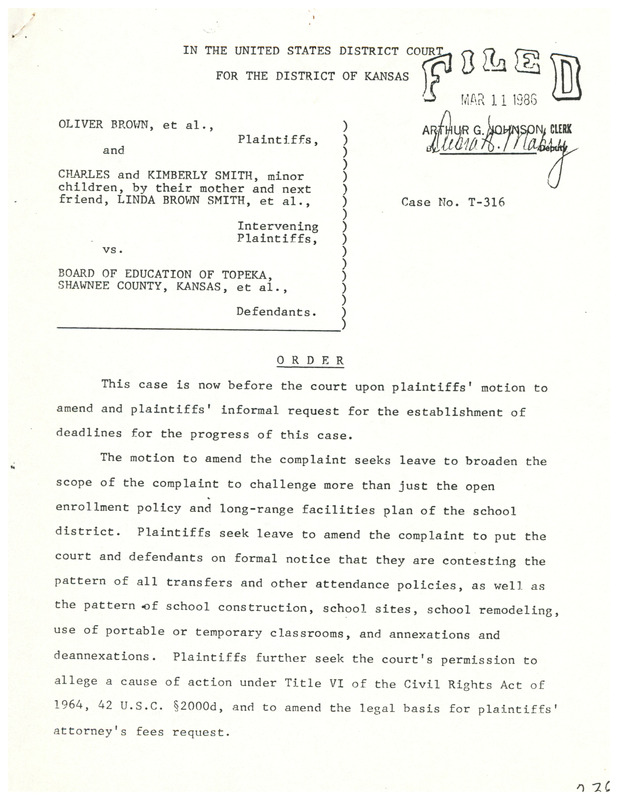
Case Data and Exhibits for Brown III, a relitigation of Brown v. Topeka Board of Education (1954) that corrected resegregation issues caused by open enrollment school choice in 1992. Court order from United States District Judge Richard D. Rogers granting the plaintiff request to increase the scope of the case and alter the trial opening dates.
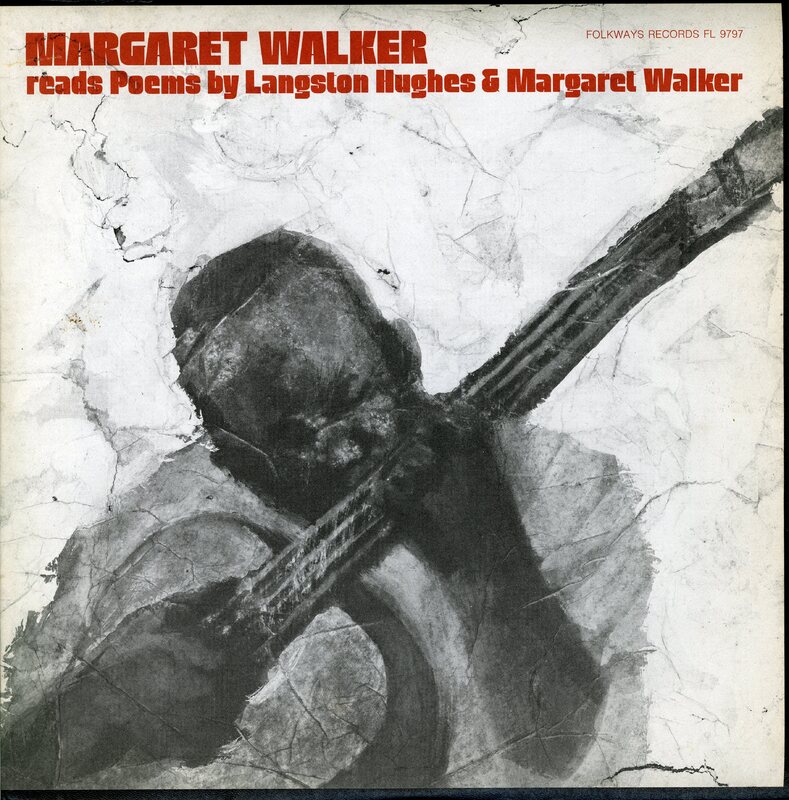
“Margaret Walker Reads Margaret Walker And Langston Hughes” was released on vinyl in 1975 by Folkway Records. On the record, Margaret Walker reads her poems as well as poems by the renowned American poet Langston Hughes.
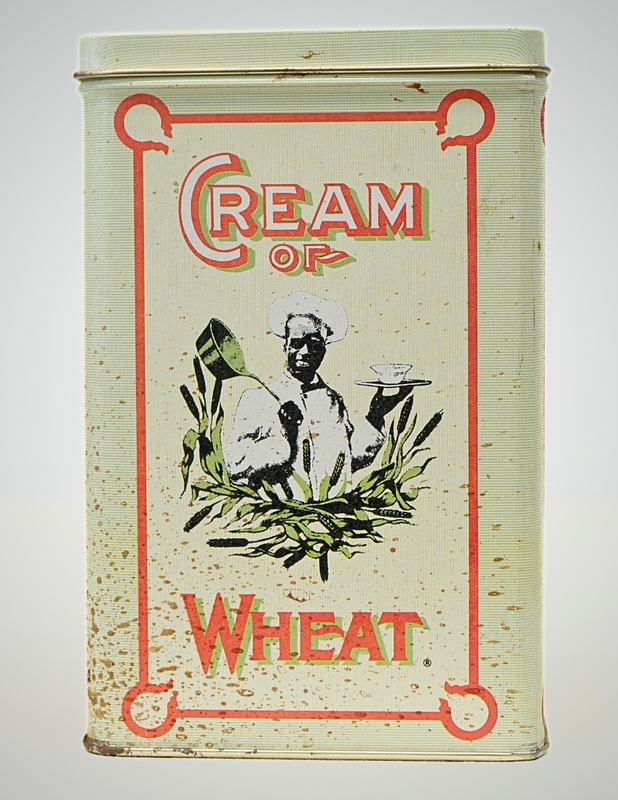
The Black likeness featured on vintage Cream of Wheat cans represents a historic portrayal of African American culture in advertising. Often depicting a smiling chef, this imagery reflects the era's complex relationship with race and representation in the food industry.
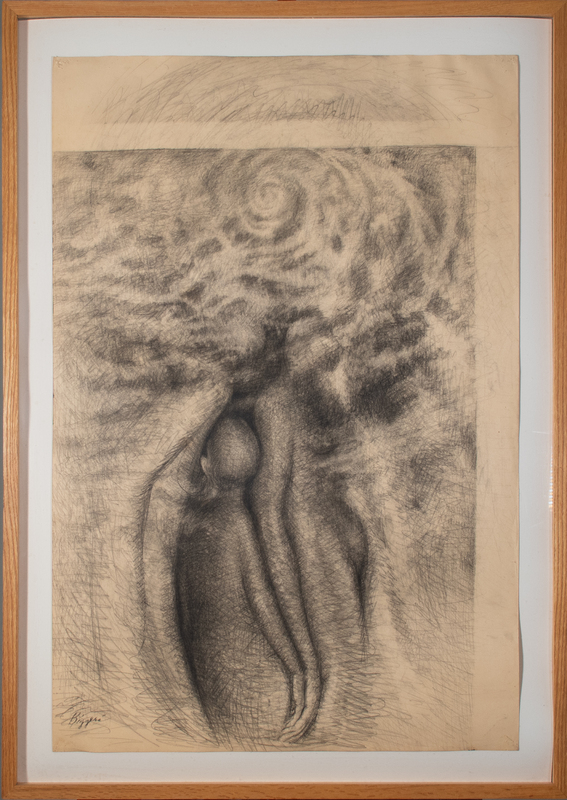
This drawing by Dr. John T. Biggers depicts a family caught up in a wild storm that is swirling around them. Biggers' artwork frequently highlights family dynamics and the centrality of mothers. Biggers appears to have later repurposed this sketch and added additional floral details to create his 1992 print Metamorphosis III.
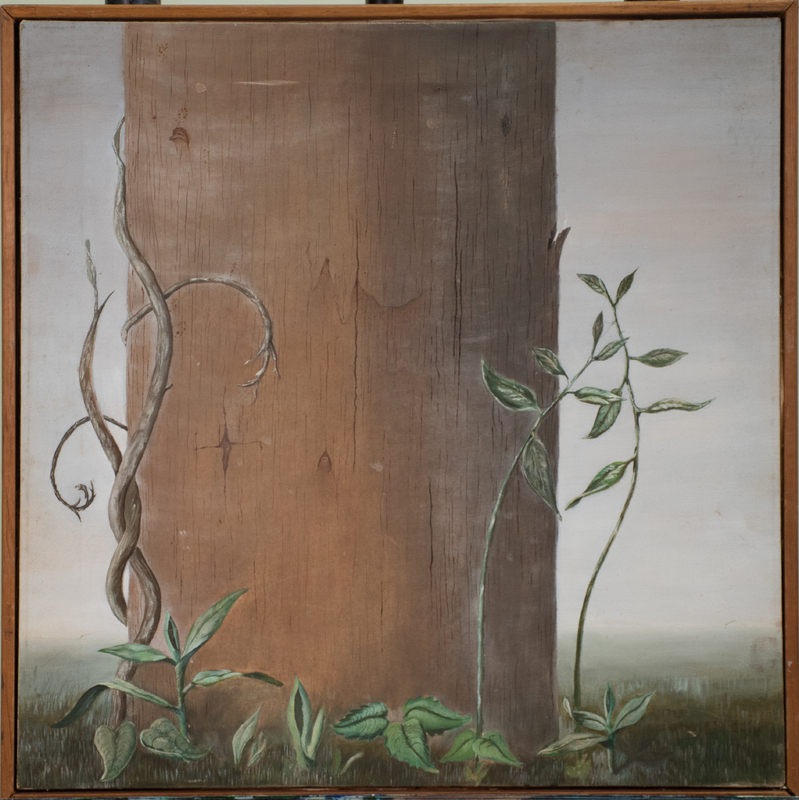
This painting, created by an unknown TSU art student, depicts the base of a tree or wooden telephone pole, with various smaller plants and vines creeping up its structure. Dr. John T. Biggers encouraged students to study the natural world and seek inspiration from it. He instructed students to sit outside for an extended period of time and observe.
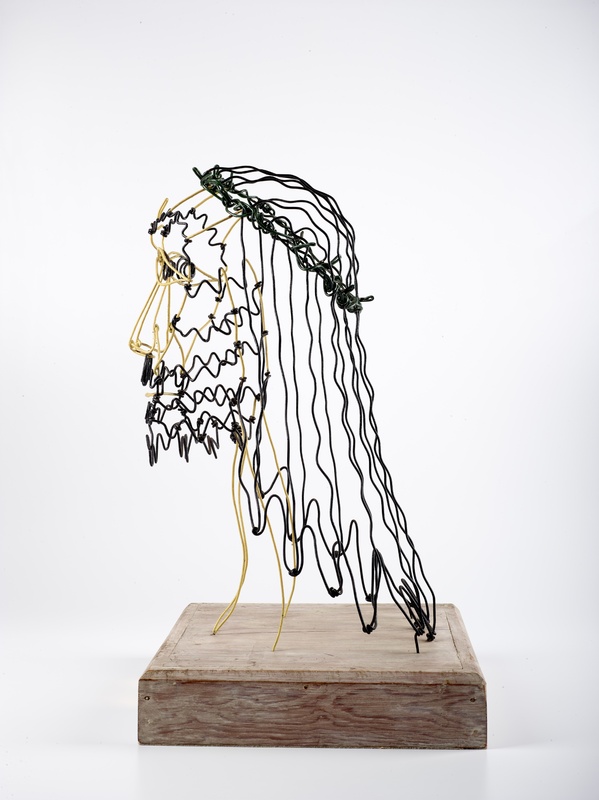
Hayward Oubre was a multimedia artist and educator from New Orleans, LA. During his time competing at the annuals, Oubre developed his artistic practice to include wire to set himself apart from his competition. "Crown of Thorns" is a metal wire framework depiction of Jesus that represents Oubre's skill in wire sculpture.
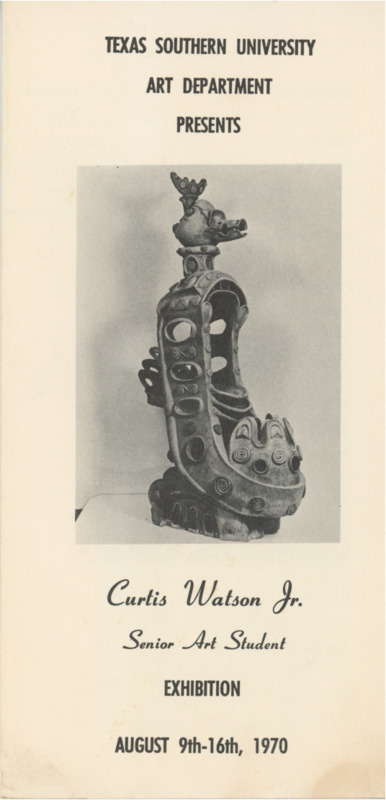
This is a brochure for Watson’s senior art exhibition. The culmination of the Texas Southern art curriculum is a senior exhibition where students showcase artwork created over the course of their undergraduate studies. The brochure features a catalog of the artwork featured in the exhibition, a photo of his terracotta sculpture, and a photo of one of his paintings.
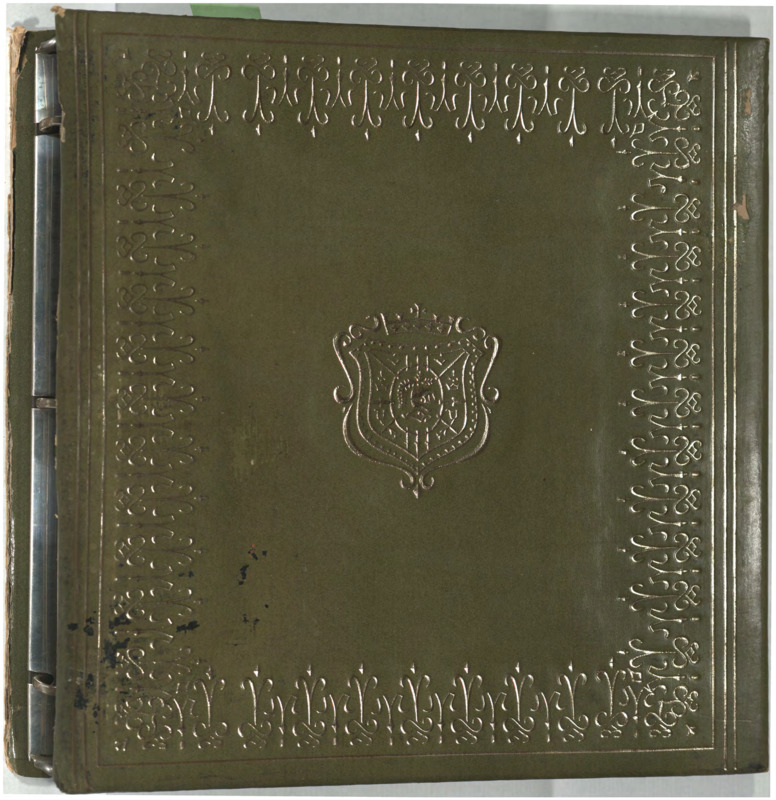
Watson’s senior notebook includes his written philosophy of art, photographs of the artist’s works and his process, and a copy of his senior exhibition brochure. As a part of the Texas Southern art curriculum under Dr. John T. Biggers and Professor Carroll Harris Simms, students would create these notebooks to explain their artistry and showcase the works they created as students.
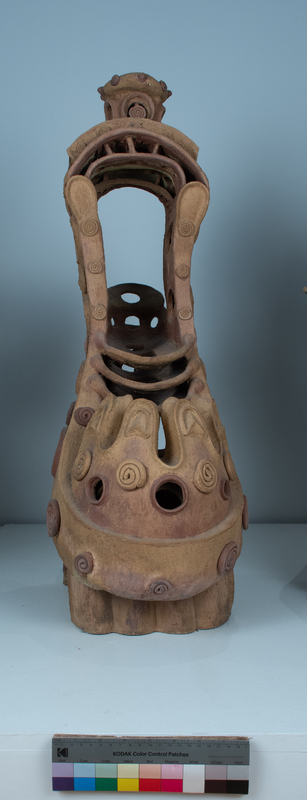
“Shrine,” by Curtis Watson Jr., features a duck-like creature surrounded by various embellishments, including spirals, a commonly used visual motif in the student terracottas. Unfortunately, the head of the figure is missing, leaving only the body in view. The full sculpture can be seen in archival photos shot by Dr. John T. Biggers of the artist at work.
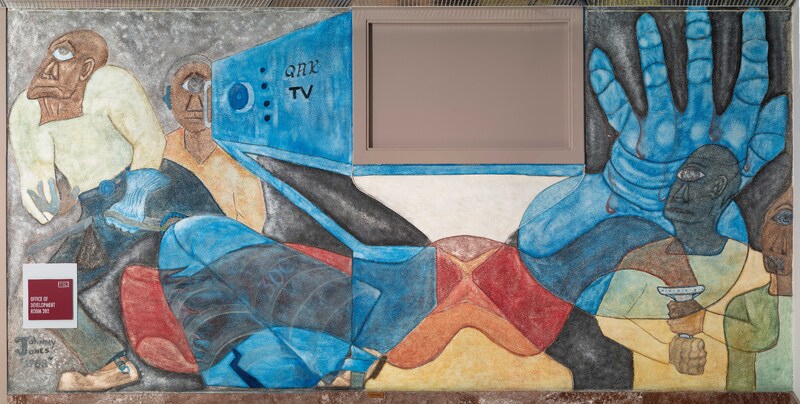
Jones’ surrealistic mural depicts bald, cyclops-like men conducting a television broadcast. Jones incorporated architecture into the design by using a window, since painted over, as the camera’s lens. A man beneath the camera carries a torch with a strong, flowing flame.
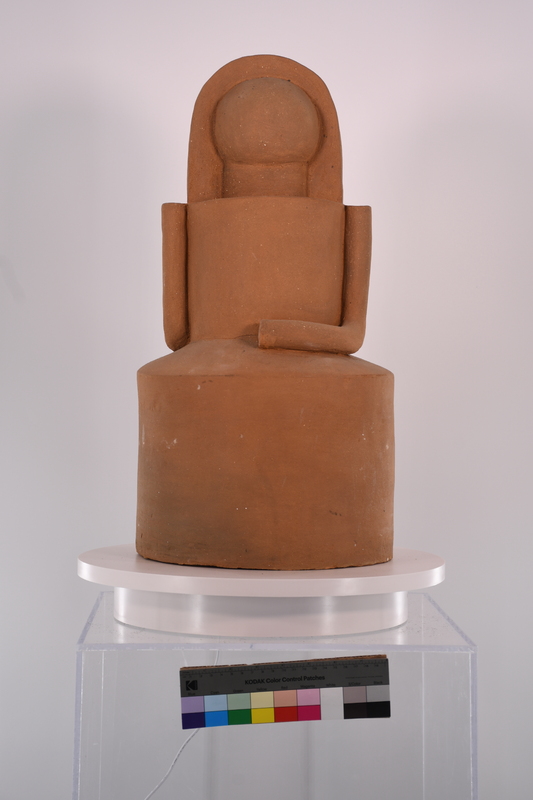
Jafar’s terracotta depicts a mother figure carrying her child on her back. The exterior of the sculpture is smooth and lacking any of the motifs that are normally featured on Texas Southern students’ terracottas, perhaps suggesting the sculpture was left unfinished. The mother and child relationship is one of the most frequently featured themes in the artwork of students of Dr. Biggers and Professor Simms.
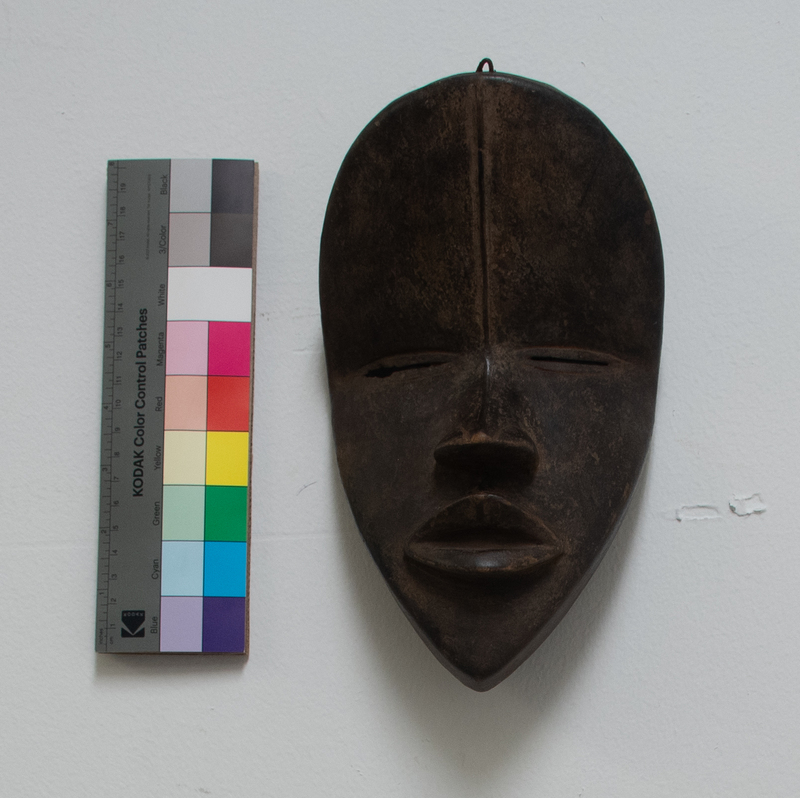
The face mask is from the Dan (Yacouba) ethnic group of Cote D'Ivoire and Liberia and is spiritually meaningful. The mask has simple facial features with small slits for eyes, a broad nose, and protruding lips and may be worn by dancers, athletes, and warriors.
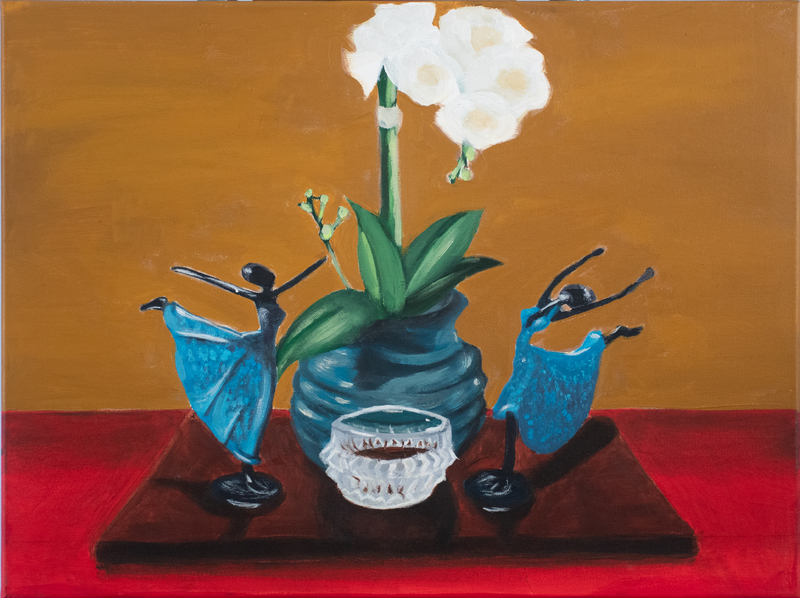
Etienne created her painting, “Dancing Still Life,” as part of a class assignment based on objects within her home. Etienne selected these figures, which her mother collected from the National Museum of African American History & Culture, white orchids in a blue pot, and a glass dish from her grandmother's home. A graduate from Texas Southern University, Etienne emphasizes femininity, movement, and flowers in her art.
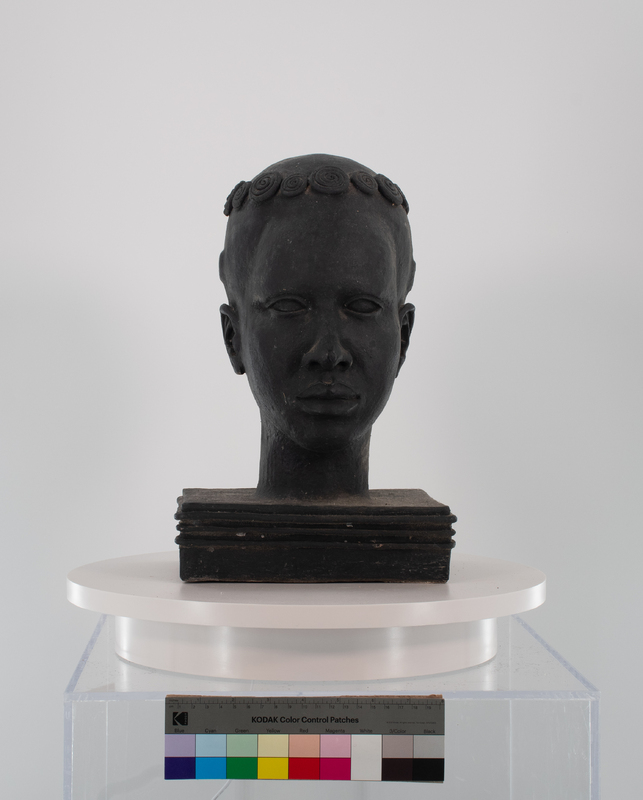
This unknown student’s bust was created during their time as an art student at TSU. Under the instruction of Professor Carroll Harris Simms, artists would create self-portraits embellished with decorations like spirals and accentuated crown pieces, like in this sculpture. These busts are inspired by Nok terracotta sculptures and Ife busts, which Simms saw during his travels to Western Africa. This bust is different from others due to its black ceramic and large rectangular base.
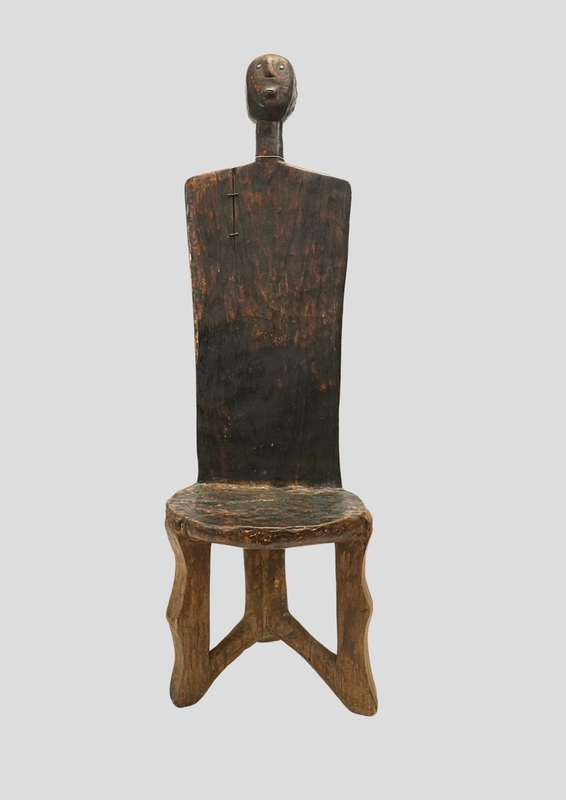
This dark wood carved African chair features intricate facial and head carvings at the top, embodying rich cultural artistry and spiritual significance. Traditionally used in ceremonial contexts, it reflects the craftsmanship and storytelling inherent in African art. Donated by Tallahassee locals Calynne and Louis Hill.
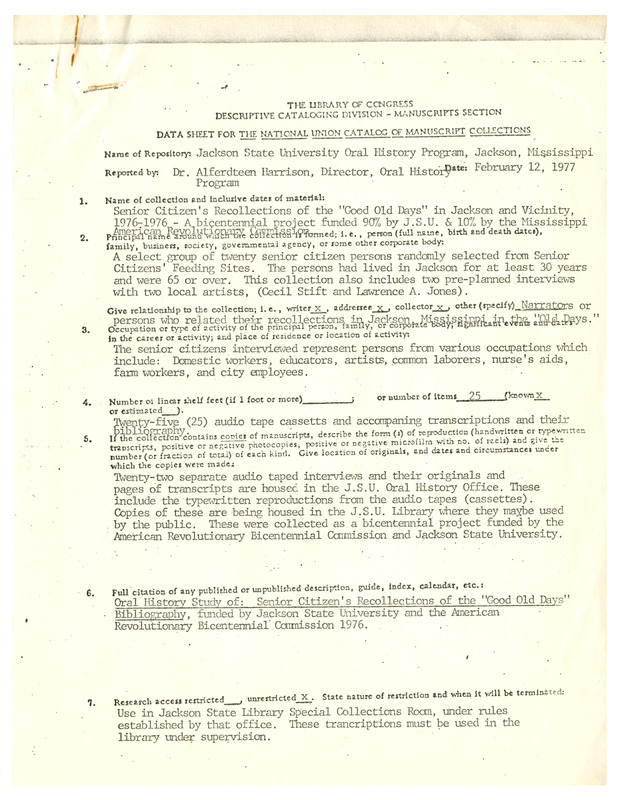
A list of questions to establish the procedures for cataloging the Good Old Days Oral History Project into the Library of Congress. Details include description and scope of the project, the size of the collection, research restrictions, and proper citation.
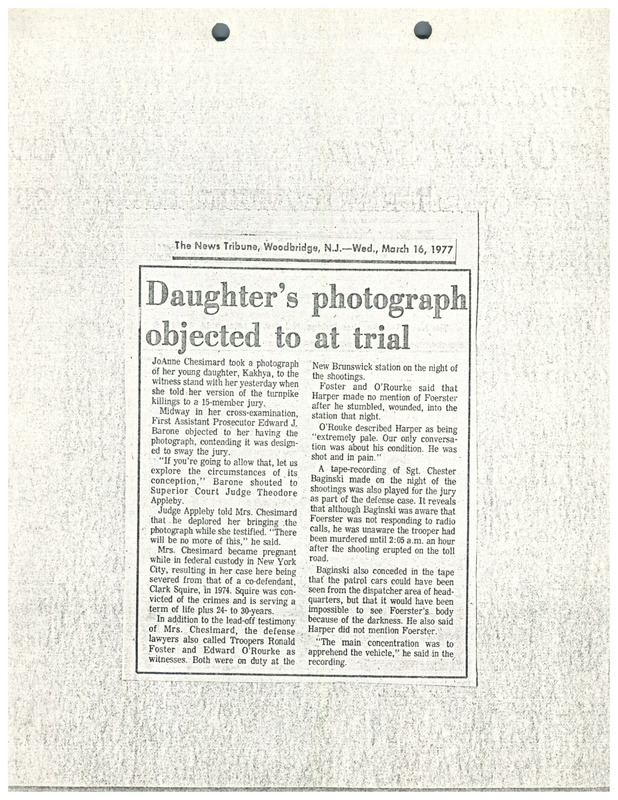
A newspaper article from The News Tribune about testimony in the Assata Shakur (JoAnne Chesimard) trial for the 1973 killing of a state trooper. The prosecution objected to Shakur taking a photograph of her daughter to the stand for her testimony, and the judge upheld the objection on the grounds he felt it might sway the jury.
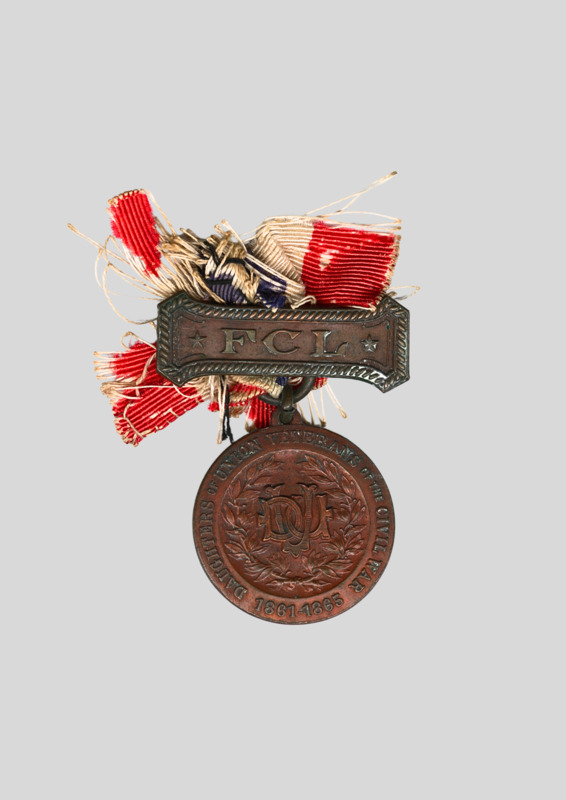
The Daughters of Union Veterans of the Civil War medal (1861-1865) honors female descendants of Union soldiers. This FCL (Fraternity, Charity, Loyalty) medal features symbolic imagery from the Civil War era, representing service and sacrifice.
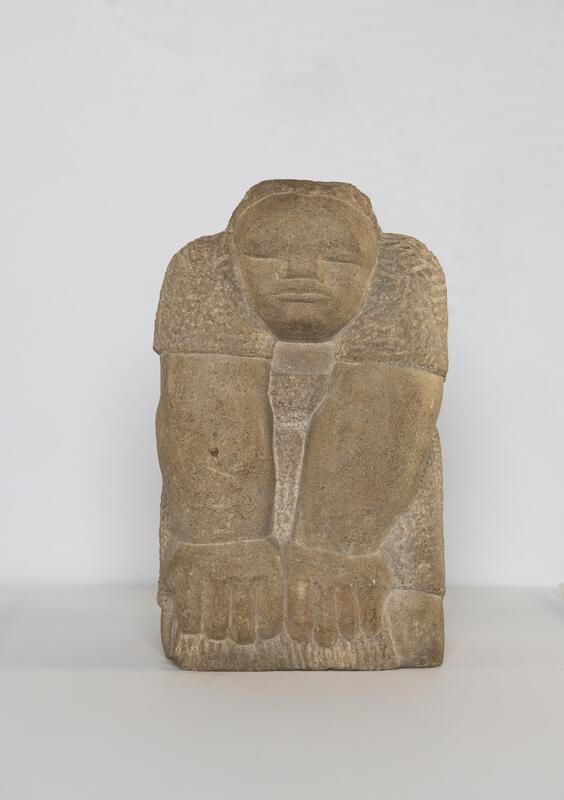
Henry Wilmer Bannarn was an educator, sculptor, painter, and sketch artist best known for his work during the Harlem Renaissance. "Daywork" is a limestone sculpture of a woman doing domestic labor. The female subject appears to be kneading something with raised shoulders.