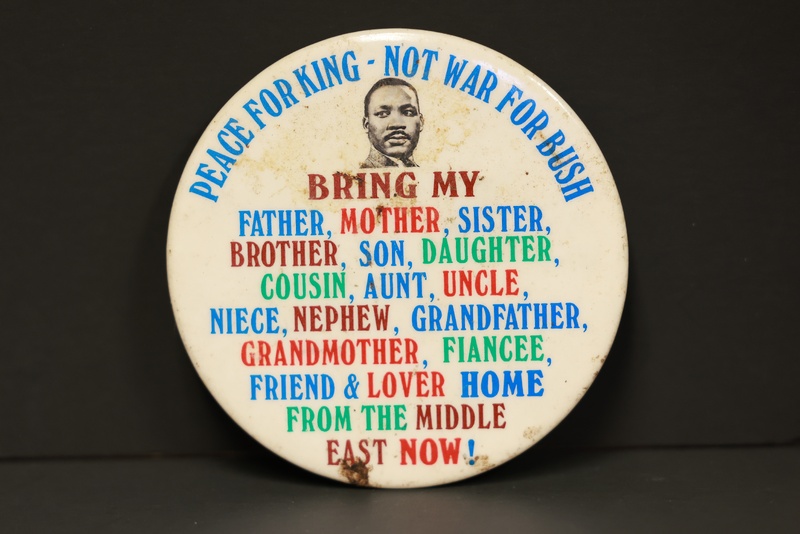
A white button with a picture of Dr. Martin Luther King. The text says "Peace for King-Not War for Bush: Bring my father, mother, sister, brother, daughter, cousin, aunt, uncle, niece, nephew, grandfather, grandmother, fiancee, friend & lover home from the Middle East now!"
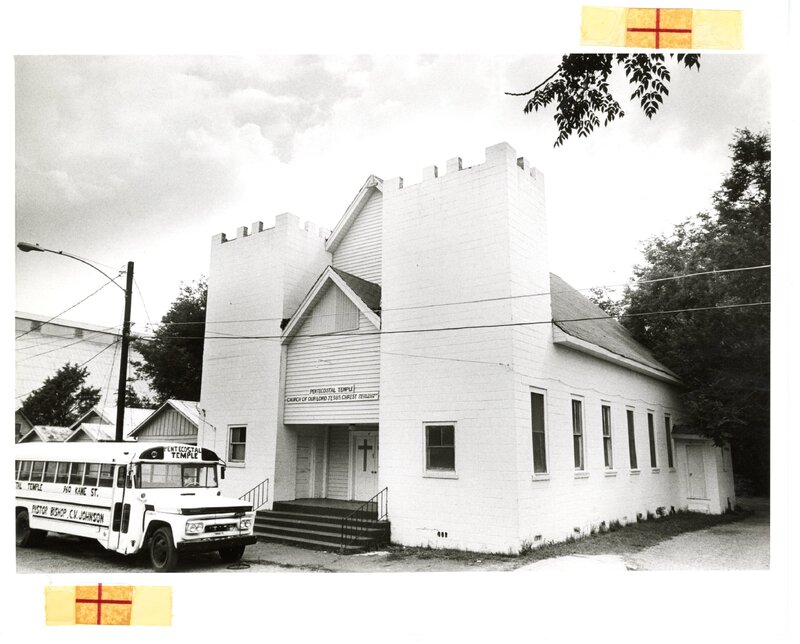
A photograph of the Pentecostal Temple Church of Our Lord Jesus Christ on Kane St. in the Historic Farish Street District. The church bus is parked in front of the entrance. Notation on the photograph indicates the church was built ca. 1935.
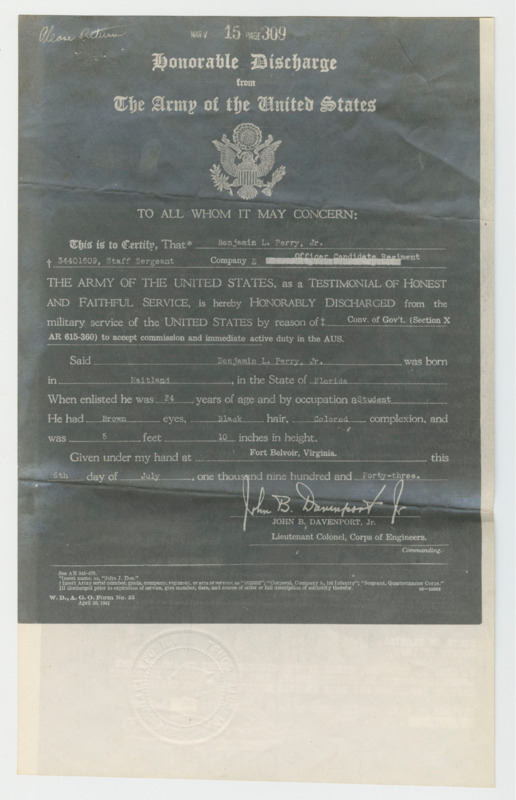
An official enlistment record of Benjamin L. Perry, Jr., a staff sergeant who served for nine months and 26 days under the Corps of Engineers in the 1940s. This document shows the well-rounded experience of the future president of Florida A&M University, clarifying his vaccinations, “excellent” character, marital status, and honorable discharge.
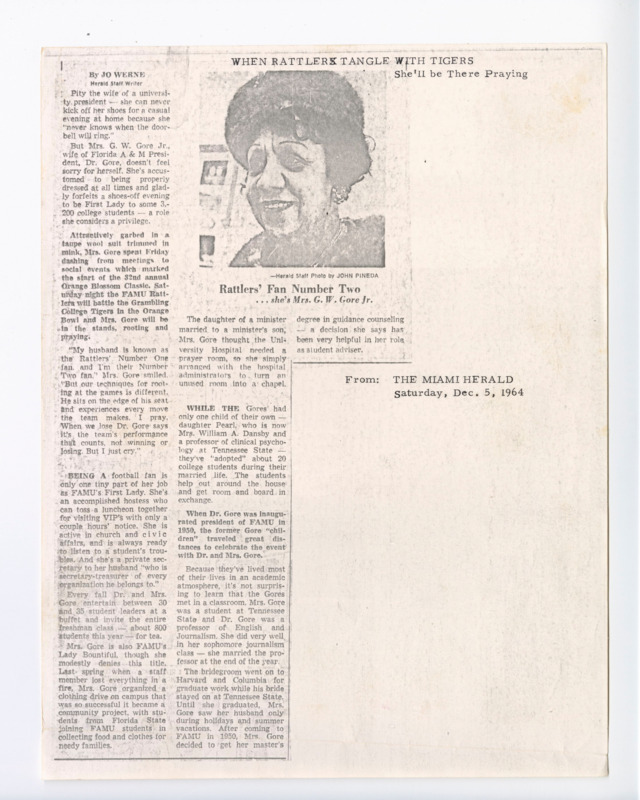
A collection of letters and newspaper clippings about First Lady Pearl Gore, along with personal memorabilia, provides a glimpse into her impactful role at FAMC. These separate pieces highlight her contributions, her connection to the community, and the legacy she helped shape alongside her husband, President George W. Gore.
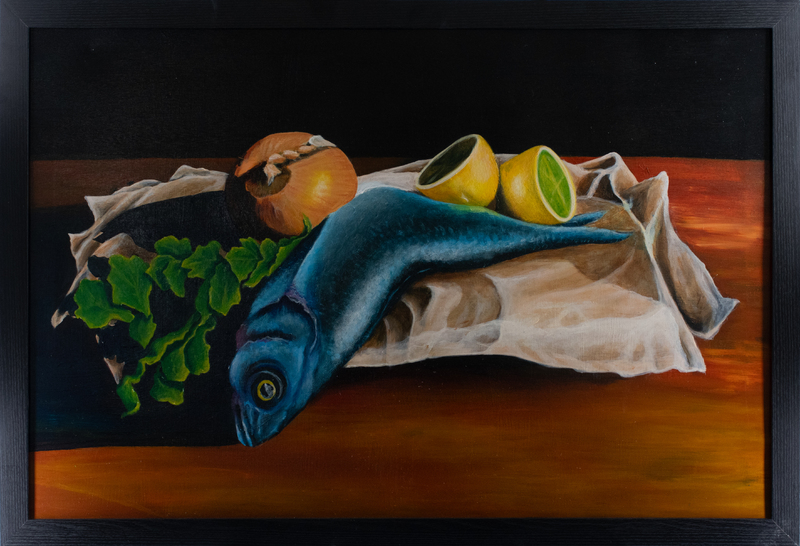
Hinojos' painting, "Pescador de Hombres," draws on Christian themes. The painting references the story of Jesus' miraculous feeding of the multiple with bread and fish, but also a symbolic representation of Christ as the "Bread of Life," a source of spiritual sustenance. Hinojos is a graduate of Texas Southern, accomplished airbrush artist, and founder of the Houston Art Center, an organization that aims to support artists in the Hobby area of Houston.
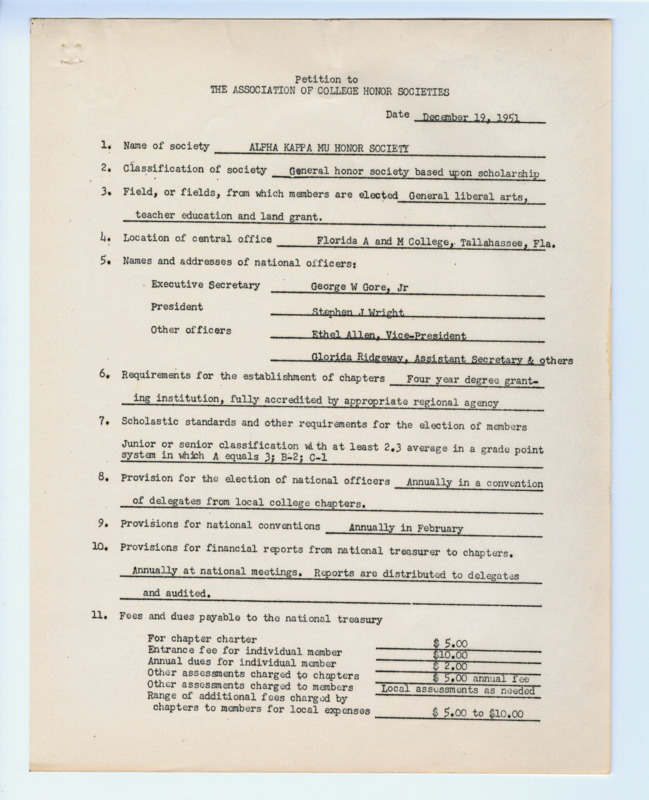
This document shows the origins of the Alpha Kappa Mu Honor Society, a general honor society based upon scholarship created by George W. Gore, Jr. This application was authorized in 1951 at the convention and action of the executive committee.
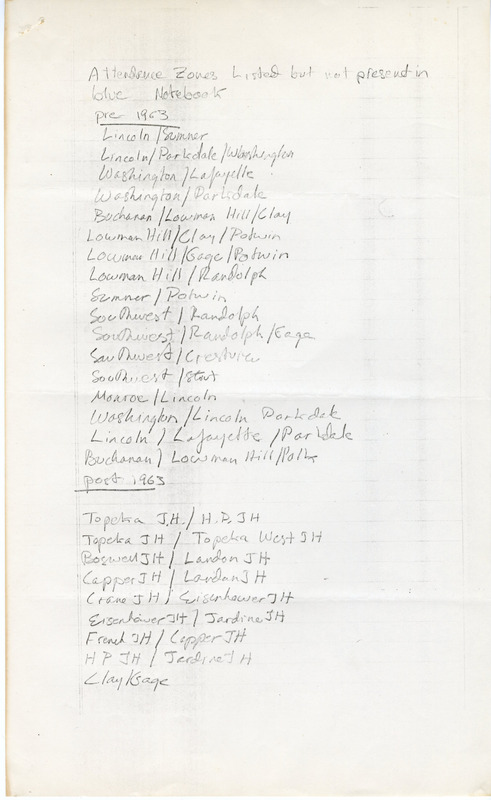
Case Data and Exhibits for Brown III, a relitigation of Brown v. Topeka Board of Education (1954) that corrected resegregation issues caused by open enrollment school choice in 1992. Photocopy of "Attendance Boundaries Listed but not Present in Blue Notebooks" for Topeka, Kansas, by William Lamson with headings for pre-1963 and post-1963.
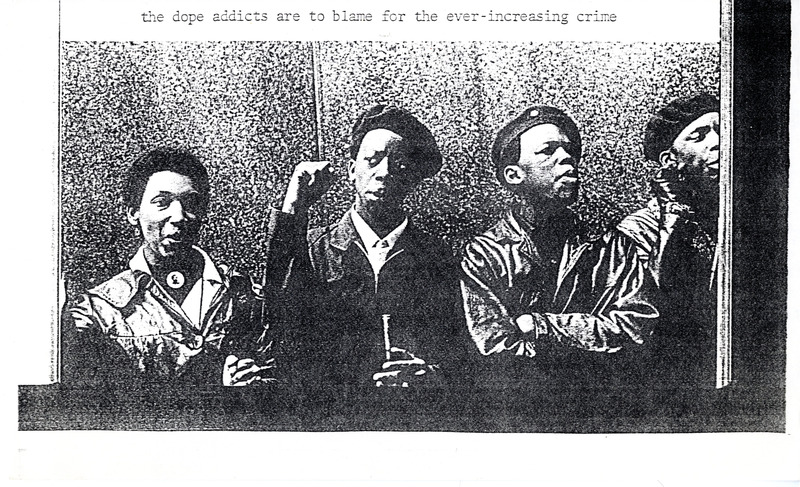
A photocopy of a picture from an unknown publication of four Black Panthers. The text above the picture reads "The dope addicts are to blame for the ever-increasing crime."
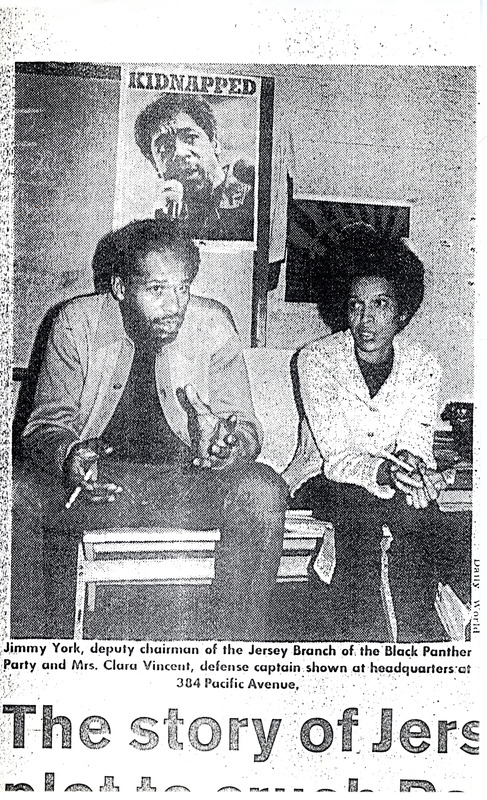
A photocopy of a picture from an issue of Jersey City, New Jersey, newspaper Daily World of Jimmy York, deputy chairman of the Jersey branch of the Black Panther Party, and Clara Vincent, defense captain.
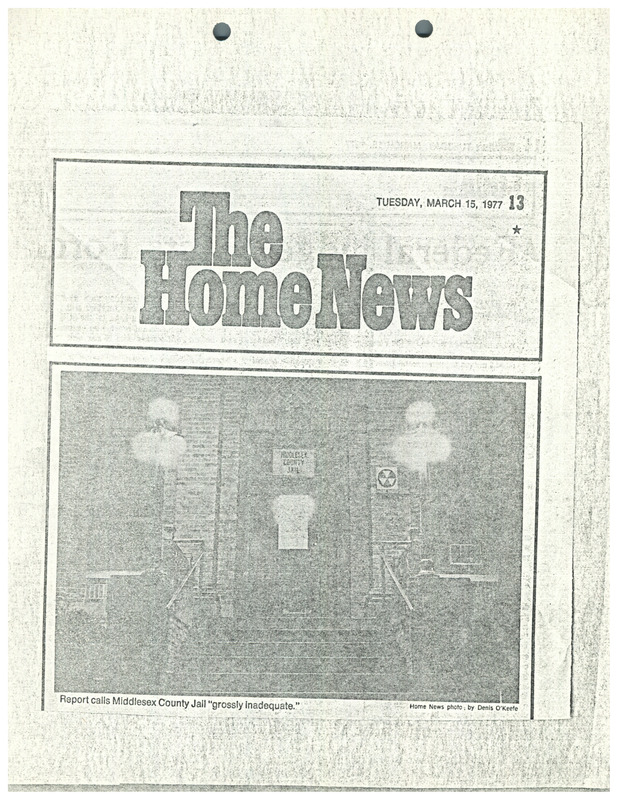
A photograph from the newspaper The Home News of Middlesex County Jail. The jail, where Assata Shakur (JoAnne Chesimard) was staying for her New Jersey trial for the 1973 killing of a state trooper, had been found "grossly inadequate" in a comprehensive report. Shakur was attempting to get transferred from the jail.
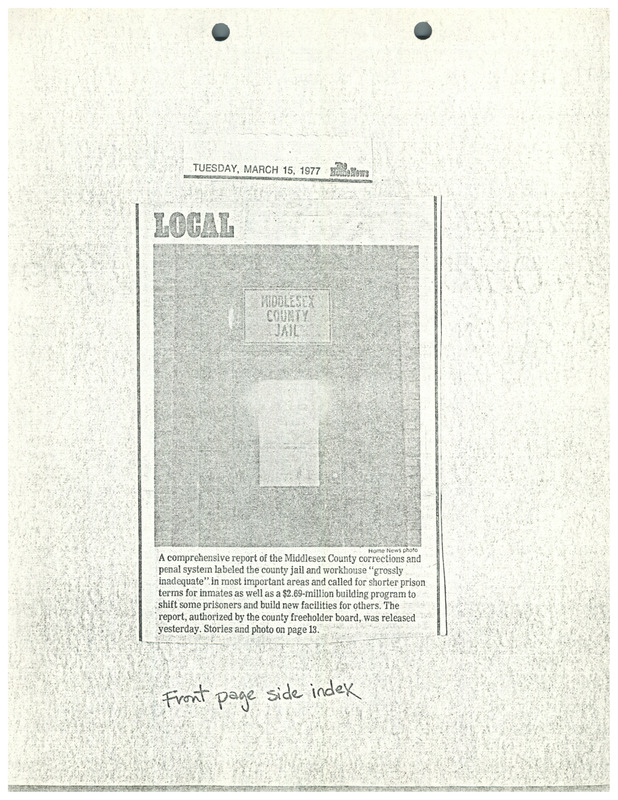
A photograph from the newspaper The Home News of Middlesex County Jail. The jail, where Assata Shakur (JoAnne Chesimard) was staying for her New Jersey trial for the 1973 killing of a state trooper, had been found "grossly inadequate" in a comprehensive report. The report called for shorter terms and millions of dollars in upgrades.
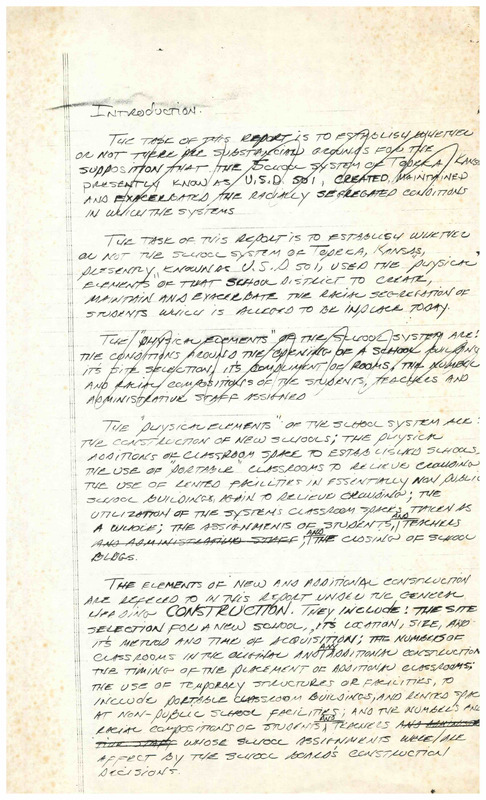
Case Data and Exhibits for Brown III, a relitigation of Brown v. Topeka Board of Education (1954) that corrected resegregation issues caused by open enrollment school choice in 1992. Photocopy of handwritten notes and charts by William Lamson concerning the history of racial segregation in the Topeka Public School District.
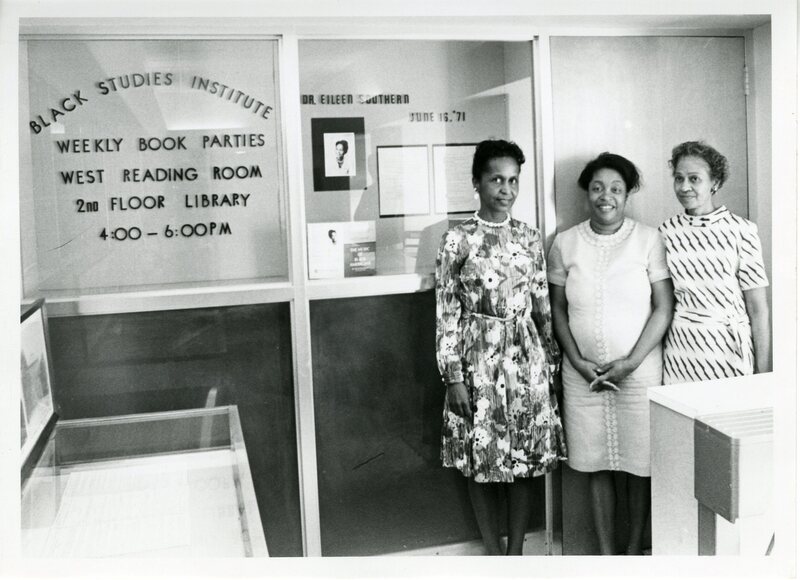
Pictured here with Margaret Walker (middle) and J.S.U. librarian Ernestine Lipscomb (right) is Dr. Eileen Southern (left) who was visiting Jackson State University to do a talk about her new book, “The Music of Black Americans” at the Institute for the Study of the History, Life, and Culture of Black People (now Margaret Walker Center).
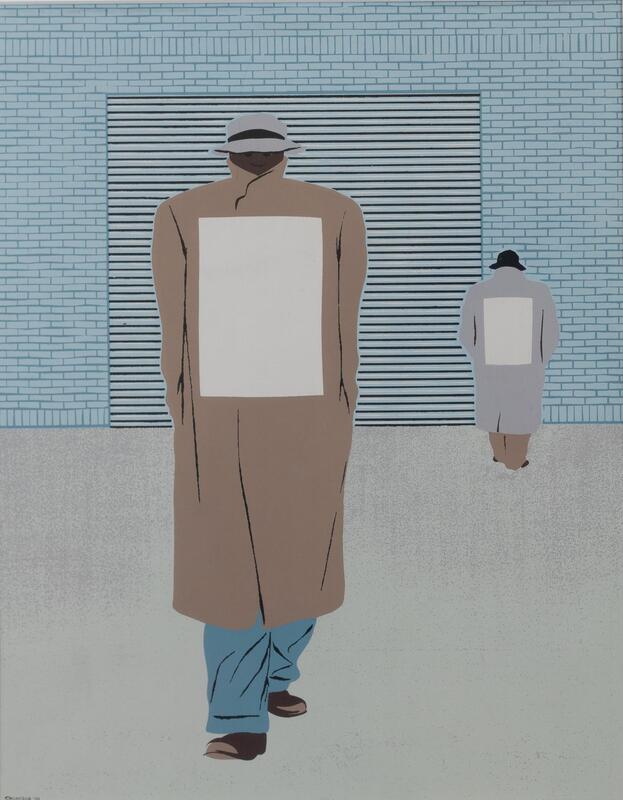
Roy DeCarava was a painter and printmaker before becoming known as a Harlem Renaissance photographer. Pickets depicts two men in winter wear standing in a picket line; they both wear sandwich boards. This lithograph was created in response to the frustration with wages and working conditions after the end of the wartime no-strike pledge.
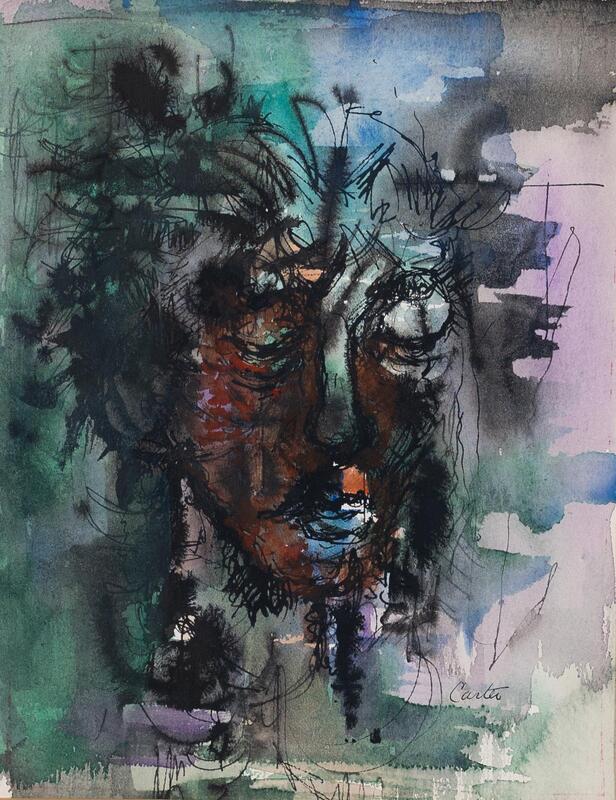
William S. Carter was an abstract, landscape, still-life, and figurative painter from St. Louis, Missouri. Pieta is an interpretation of Michaelangelo's Madonna della Pietà. The gestural ink markings create facial features and show eyes looking downward on top of a pastel-colored backdrop.
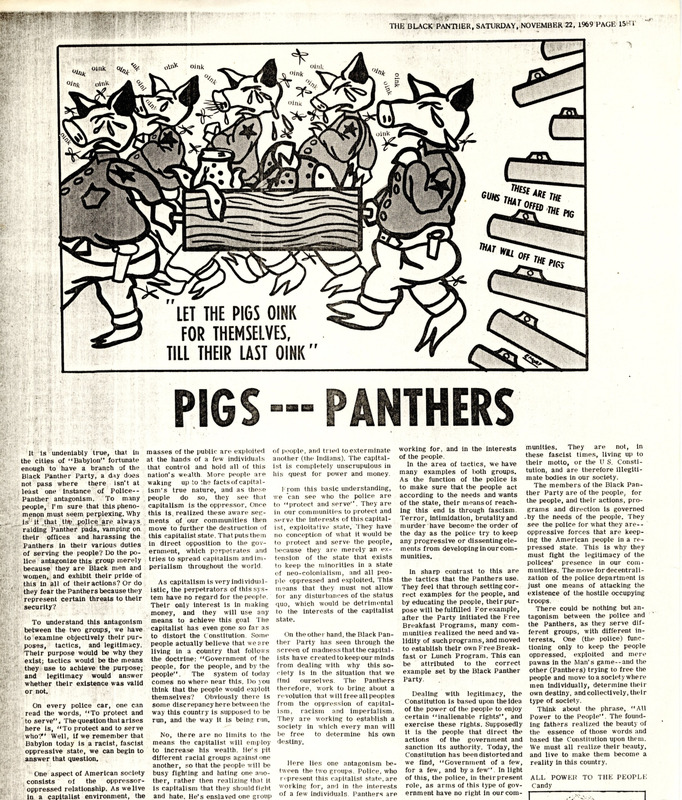
A newspaper article from The Black Panther that examines the relationship between the police and the Black Panther Party through the lens of capitalism. The author, Candy (no last name listed), writes that capitalism in the oppressor and those who fight against capitalism are fighting against the government and the police force that protects it.
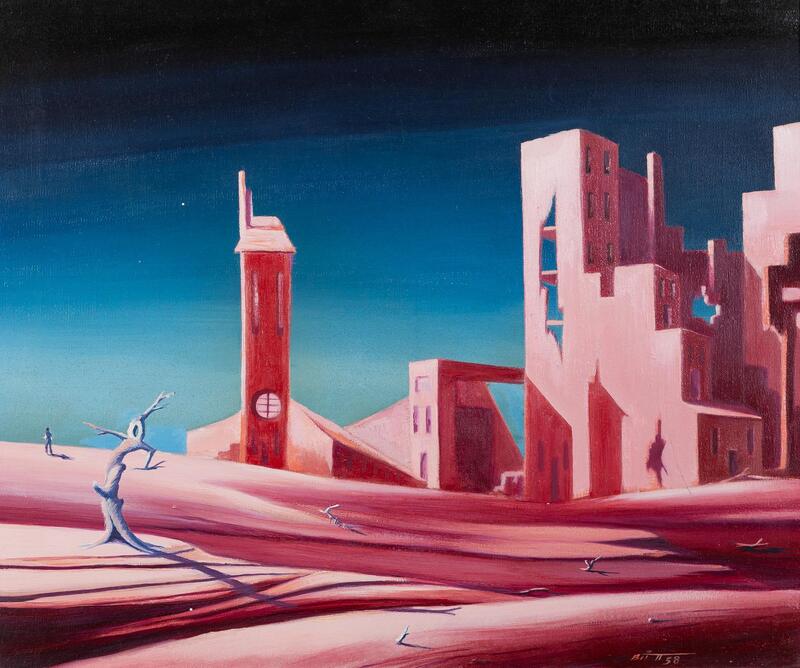
Benjamin Britt was a figurative, surrealist, and abstract painter and art teacher from Winfall, NC. Pink Sand #2 is a surrealist depiction of a post-apocalyptic urbanscape. In the background is a lone figure walking away from a dilapidated pink-tinted city surrounded by pink sand. In the foreground is a warped tree and other organic debris.
Pinkie Johnson was a Head Start student in Hazelhurst, Mississippi, at Parish Elementary School. She recounts her time as a student, including her memories of teachers and activities the students would do. She also talks about her family's involvement in fundraising for Head Start, including cooking items for bake sales.
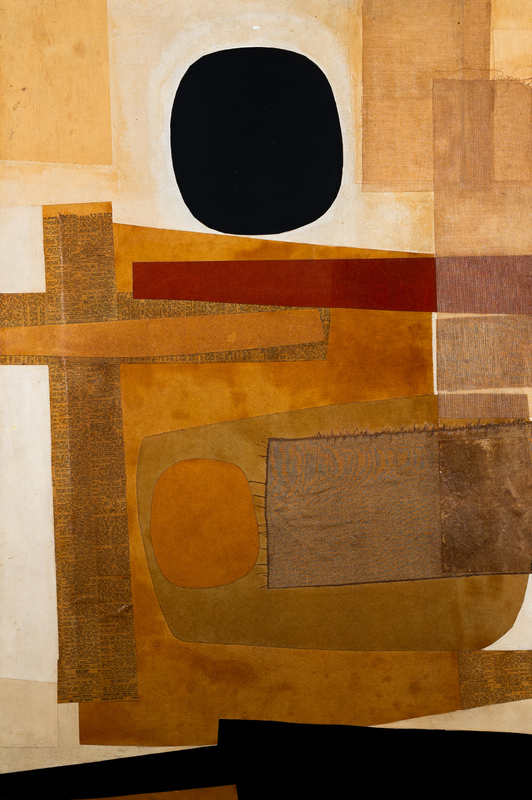
Howard E. Lewis was an Art professor and Korean War veteran from Columbus, OH. Pitiless Sun is an abstract depiction of a desert landscape during an eclipse.
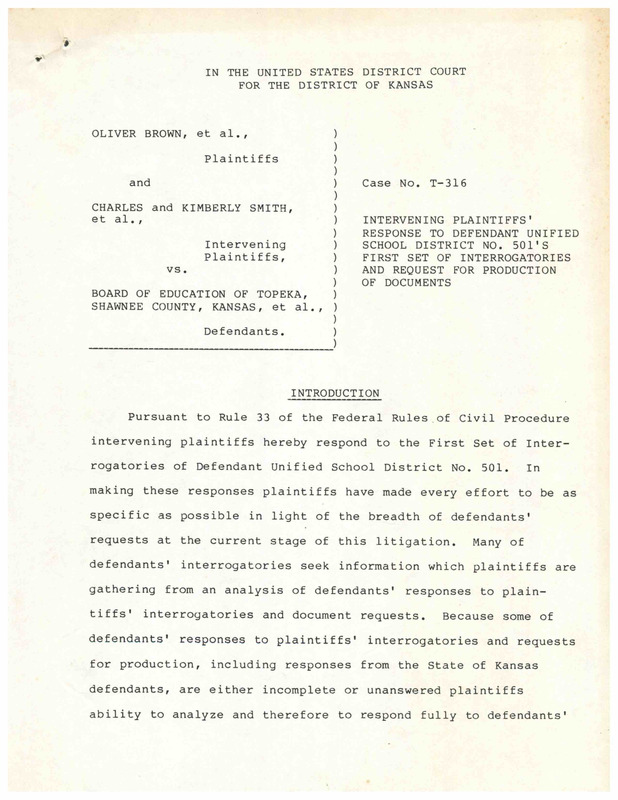
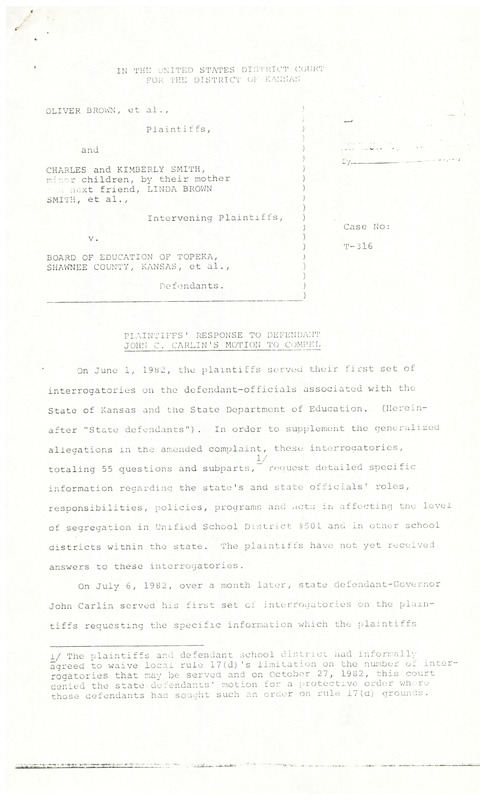
Case Data and Exhibits for Brown III, a relitigation of Brown v. Topeka Board of Education (1954) that corrected resegregation issues caused by open enrollment school choice in 1992. Plaintiff attorney’s response to the defense team’s first set of questions, many of which will need supplemental answers because some answers will be incomplete.
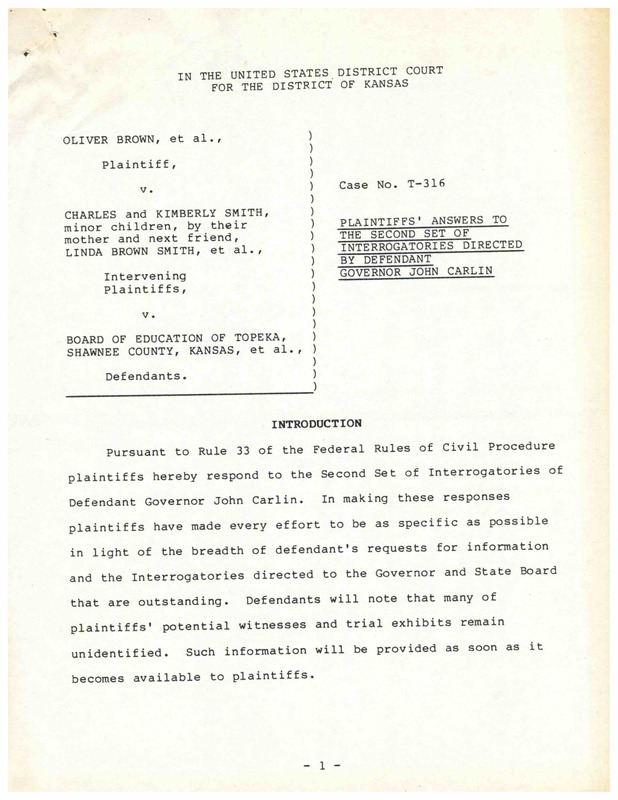
Case Data and Exhibits for Brown III, a relitigation of Brown v. Topeka Board of Education (1954) that corrected resegregation issues caused by open enrollment school choice in 1992. Plaintiff attorney’s response to the defense team’s first set of questions directed by defendant Kansas Governor John Carlin.
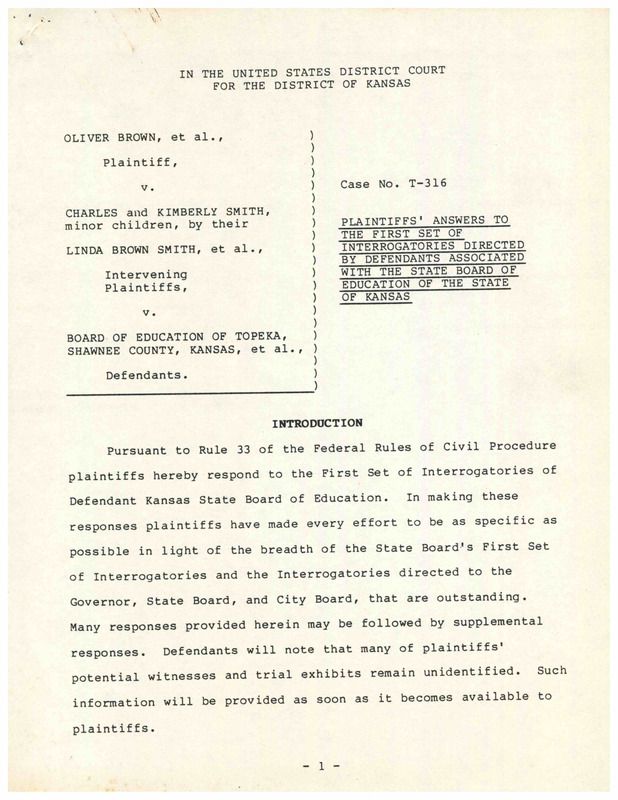
Case Data and Exhibits for Brown III, a relitigation of Brown v. Topeka Board of Education (1954) that corrected resegregation issues caused by open enrollment school choice in 1992. Plaintiff attorney’s response to the defense team’s first set of questions directed from the defendants associated with the Kansas State Board of Education.
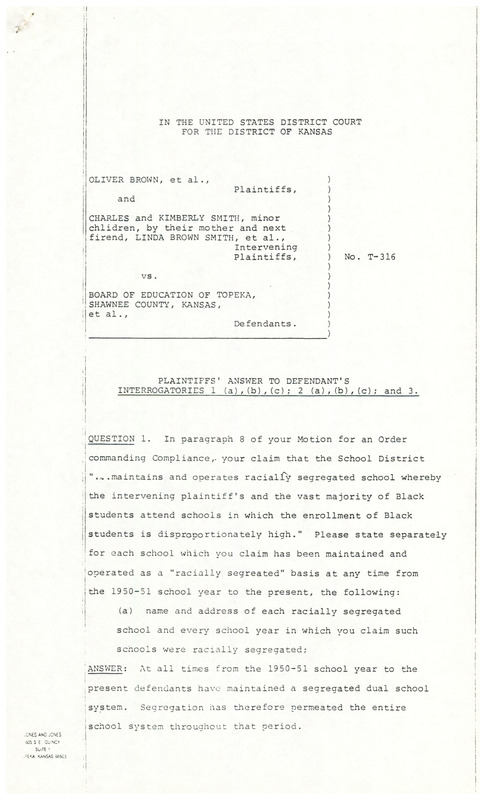
Case Data and Exhibits for Brown III, a relitigation of Brown v. Topeka Board of Education (1954) that corrected resegregation issues caused by open enrollment school choice in 1992. Document from the plaintiff attorneys to the defense in response to questions from the defense about which Topeka schools were segregated since 1950.
Case Data and Exhibits for Brown III, a relitigation of Brown v. Topeka Board of Education (1954) that corrected resegregation issues caused by open enrollment school choice in 1992. Request from the Plaintiff Attorneys to the Topeka Board of Education for documents to be produced for the discovery phase of the case.
Case Data and Exhibits for Brown III, a relitigation of Brown v. Topeka Board of Education (1954) that corrected resegregation issues caused by open enrollment school choice in 1992. Document from the plaintiff attorneys to the defense in response to questions from the defense, which the plaintiffs can’t fully answer because of missing documents.
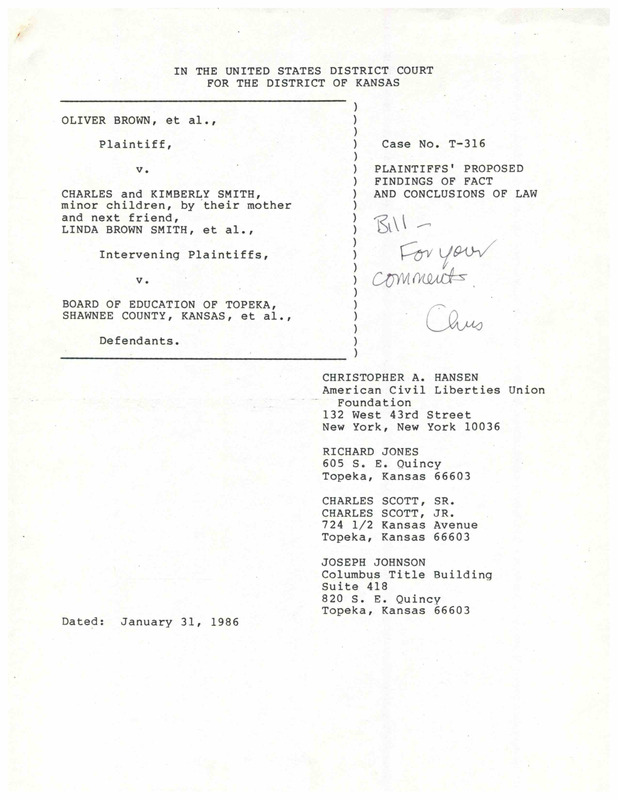
Case Data and Exhibits for Brown III, a relitigation of Brown v. Topeka Board of Education (1954) that corrected resegregation issues caused by open enrollment school choice in 1992. Document containing the plaintiff team’s complete finding of facts. Note on the first page from Chris Hansen of the ACLU requesting comments from William Lamson.
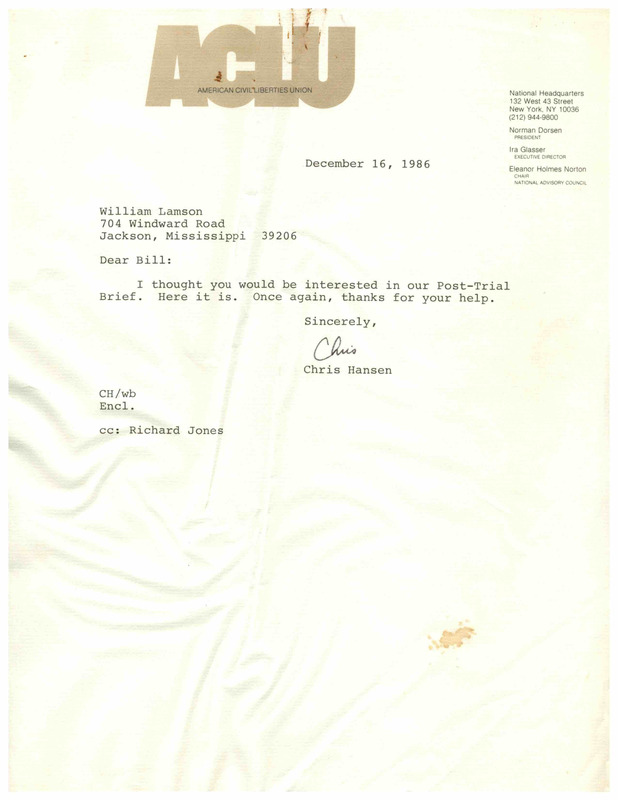
Case Data and Exhibits for Brown III, a relitigation of Brown v. Topeka Board of Education (1954) that corrected resegregation issues caused by open enrollment school choice in 1992. The Plaintiff’s post-trial brief. The plaintiff attorneys conclude that the Topeka schools are still segregated and the school board must submit a desegregation plan.
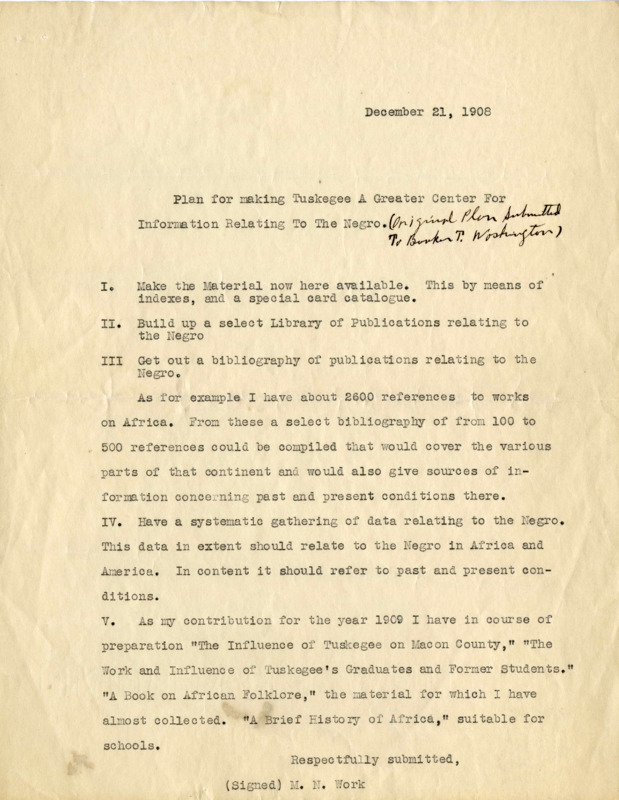
One-page typed document outlining Work's five-step plan, including building a library, releasing a bibliography, and creating a systemic gathering of data. "Original plan submitted to Booker T. Washington," is handwritten on document.