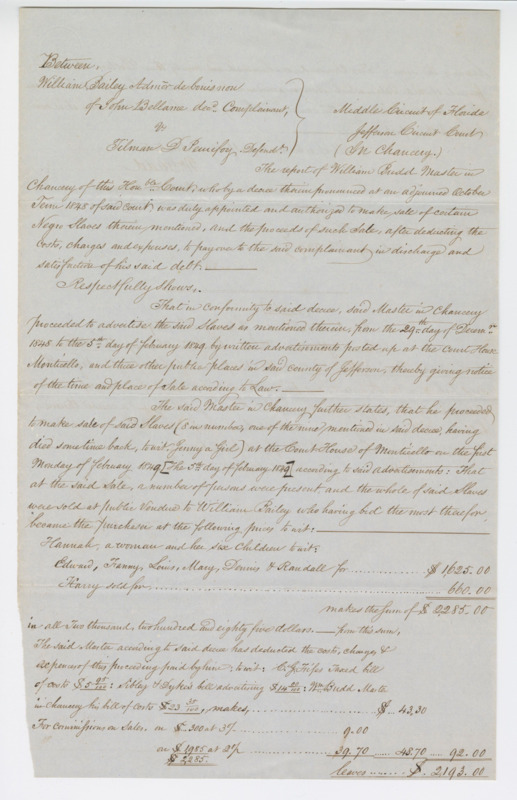
This legal document depicts a Decatur County, Georgia, civil lawsuit presided over by the Honorable Judge Carleton B. Cole and dated October 31, 1836. The writ requests Thomas Bishop’s presence at a meeting on the second Monday in December.
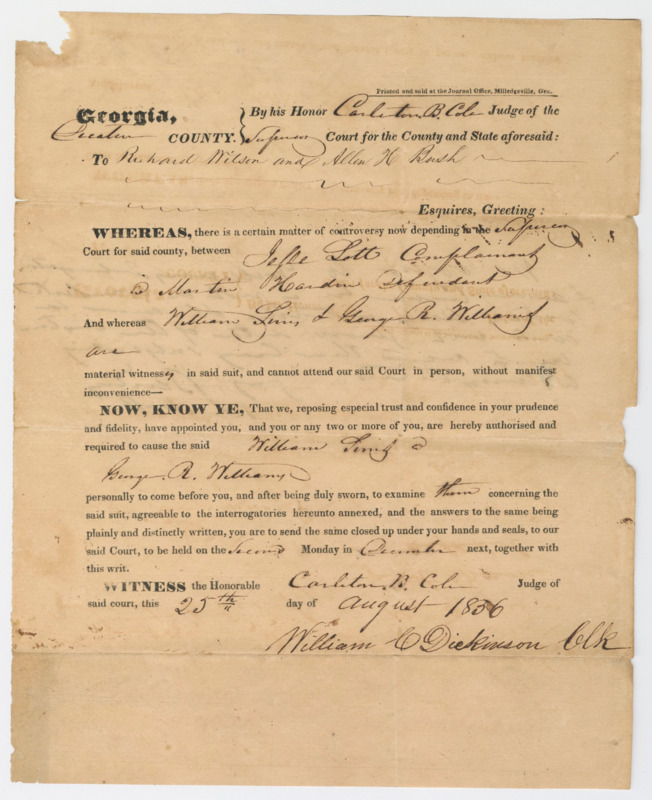
This legal document depicts a Decatur County civil lawsuit between complainant Mr. Lott and defendant Martin Hardin with the Honorable Judge Carleton B. Cole presiding. It is dated August 25, 1836.
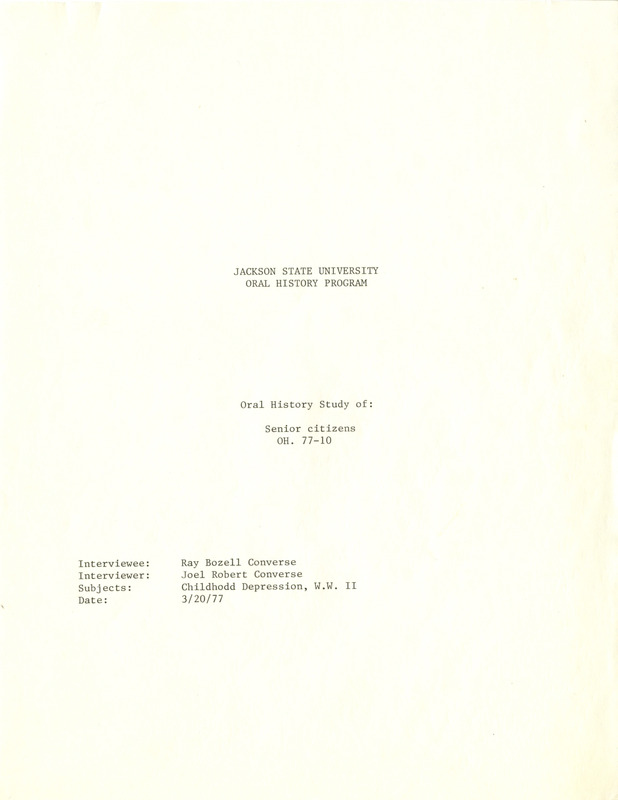
Ray Bozell Converse was born in Isabel, Oklahoma, in 1912. His job with the Department of Agriculture brought him to Jackson in 1942 and 1955. He discusses opening a produce business and the effect of the Great Depression on his family. He also talks about living in Gulfport, Mississippi, during World War II. The transcript is incomplete.
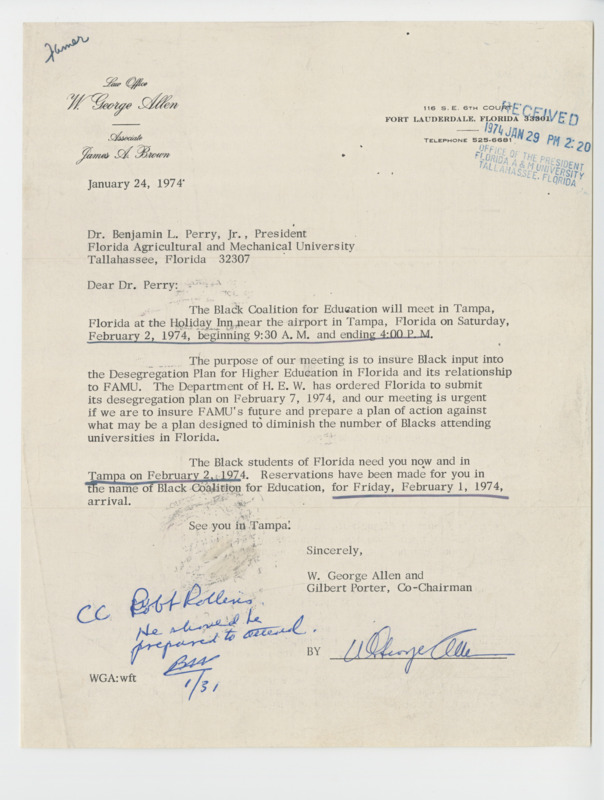
After the Department of H.E.W. ordered Florida to submit its desegregation plan by early February 1974, Chairmans of the Black Coalition for Education, W. George Allen and Gilbert Porter, gathered B. L. Perry and other HBCU leaders to develop a plan. Perry mentions potentially filing ‘a minority report’ and clarifies ‘opinionated’ misinformation.
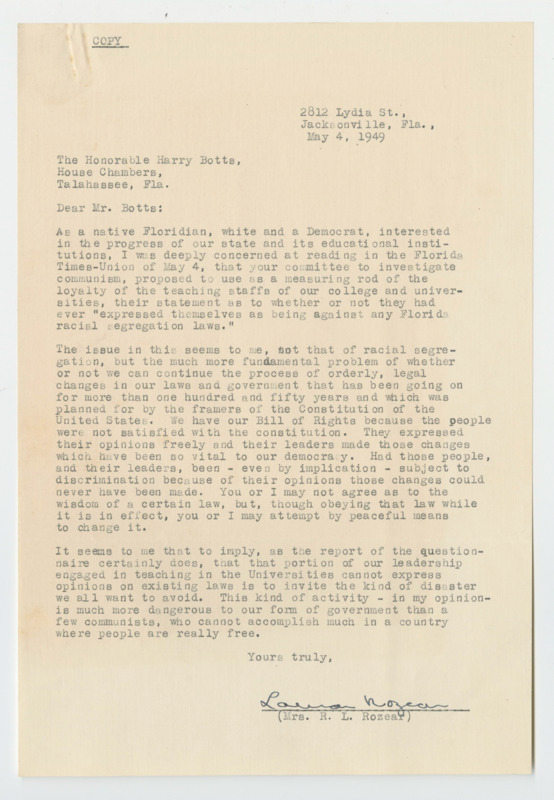
This collection contains correspondences sent in response to a Florida Times-Union article stating that the Florida legislative committee was to investigate communistic activities in higher education and a subsequent questionnaire sent out to Florida A&M faculty and leadership.
Reception lists from 1964-67 document the first and last names of guests attending official events at Florida A&M University. These records highlight the diverse attendees, including faculty, students, and distinguished visitors, reflecting the university's commitment to community engagement and institutional representation during this era.
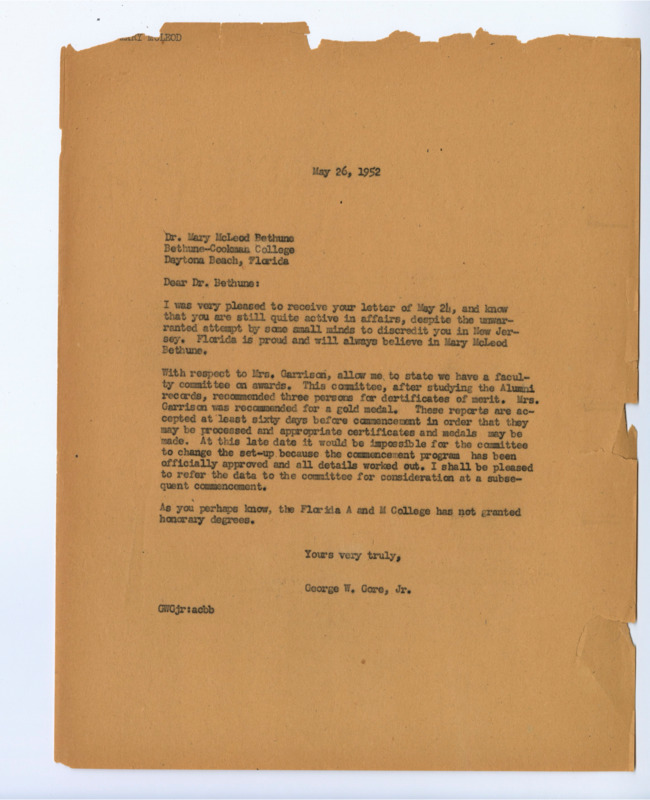
Through correspondence and faculty recommendations, President Gore and Dr. Mary McLeod Bethune worked together to strengthen their respective institutions. Their collaboration focused on exchanging ideas and fostering support, driven by a mutual commitment to educational advancement and the empowerment of their communities.
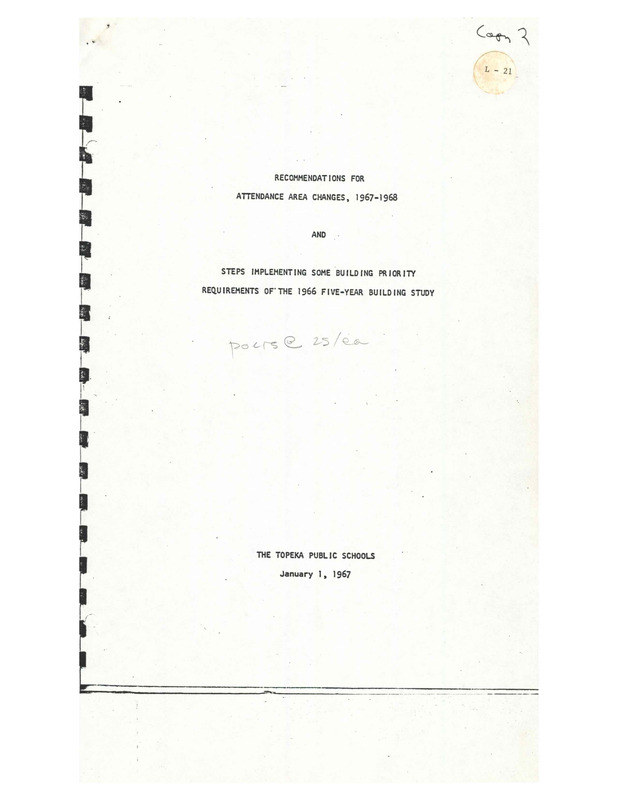
Case Data and Exhibits for Brown III, a relitigation of Brown v. Topeka Board of Education (1954) that corrected resegregation issues caused by open enrollment school choice in 1992. A report prepared in January 1967 by Topeka Public School District leaders concerning attendance area changes in the district and priorities for new buildings.
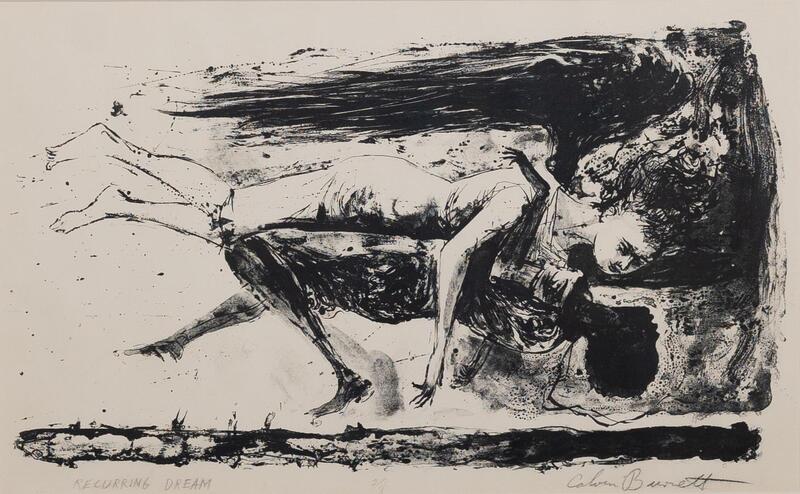
Calvin Burnett was a graphic artist, illustrator, painter, designer, and art teacher from Cambridge, MA. Recurring Dream depicts a girl plagued by supernatural nightmares. The sleeping Black girl rises in the air as a white hag floats above her.
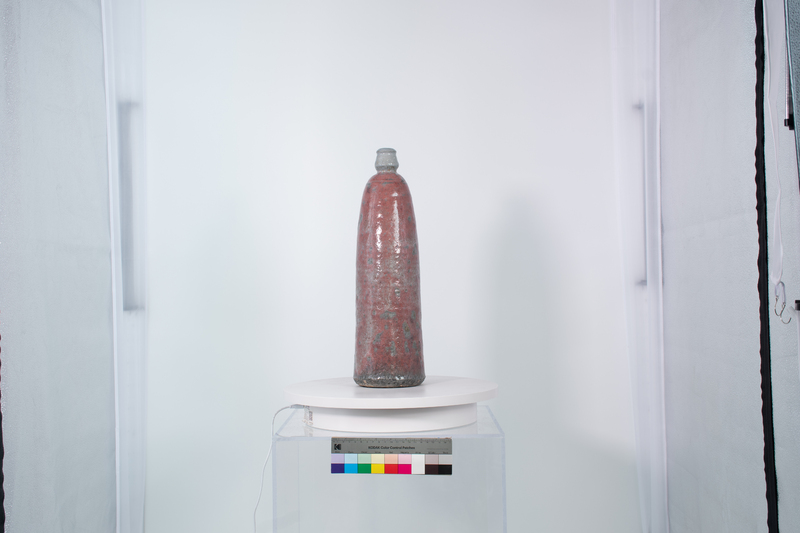
Simms’ ceramic vessel is hollow, with an opening at the top, and has a red and gray glaze. Carroll Harris Simms worked alongside Dr. John T. Biggers to establish the Texas Southern University Art Department. Simms taught sculpture, ceramics, and jewelry-making classes.
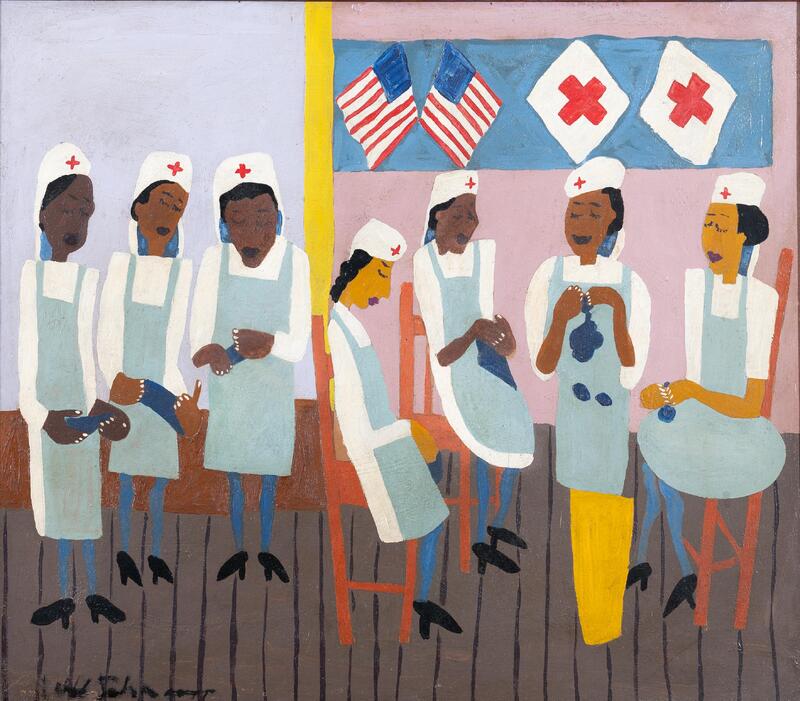
William H. Johnson was a painter from Florence, SC. Red Cross Knitting Center depicts seven Black women in lab coats and aprons. The women are knitting in support of the Red Cross' relief efforts. The Red Cross began knitting campaigns in 1917 during World War I.
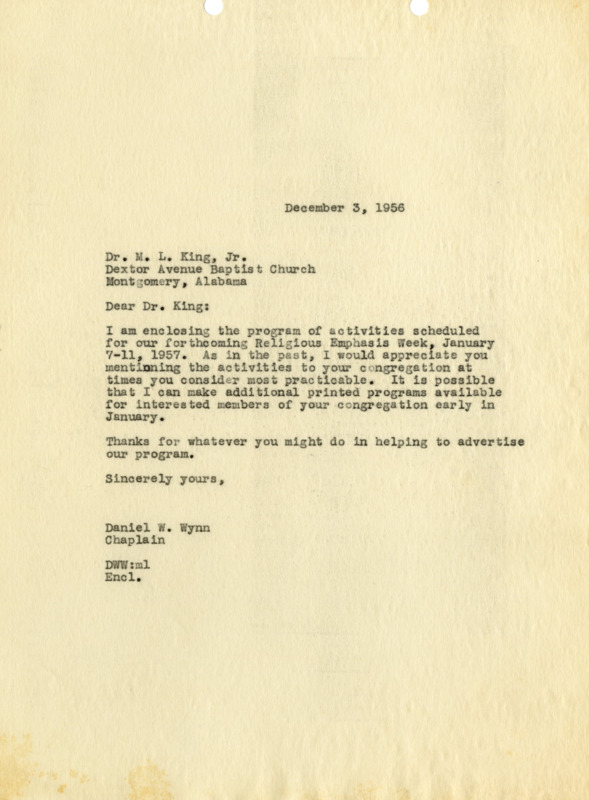
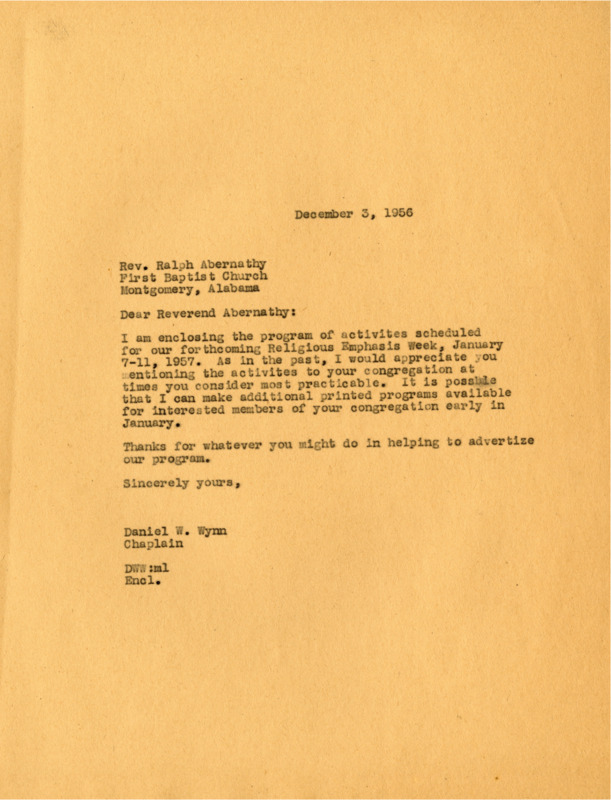
A letter from Chaplain Wynn to Dr. Martin Luther King Jr. about Religious Emphasis Week and programs. He also stated that he is able to print more programs for his interested memers of his congregation in January.
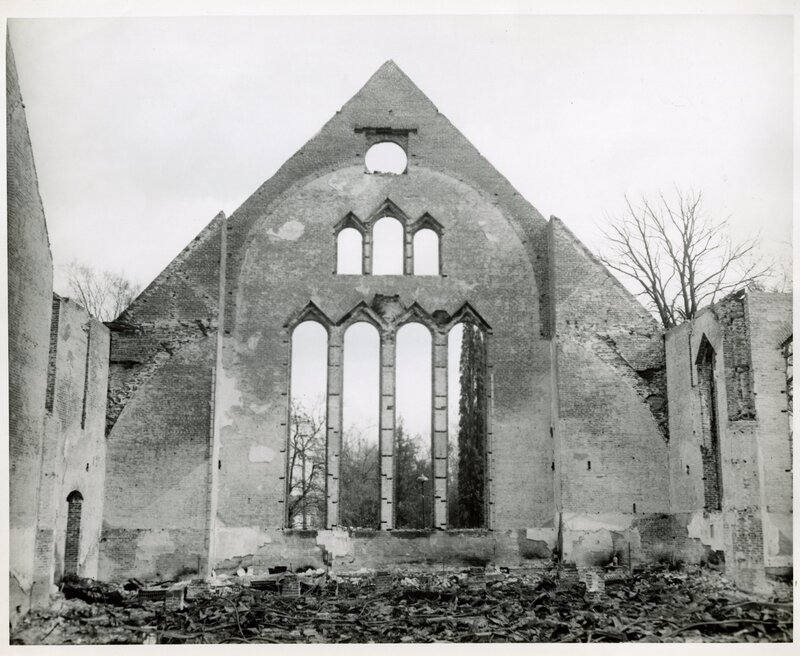
The remnants of the original chapel building that remained after the fire on 01/23/1957. A new chapel was built between 1967 and 1969 by two former Tuskegee University students.
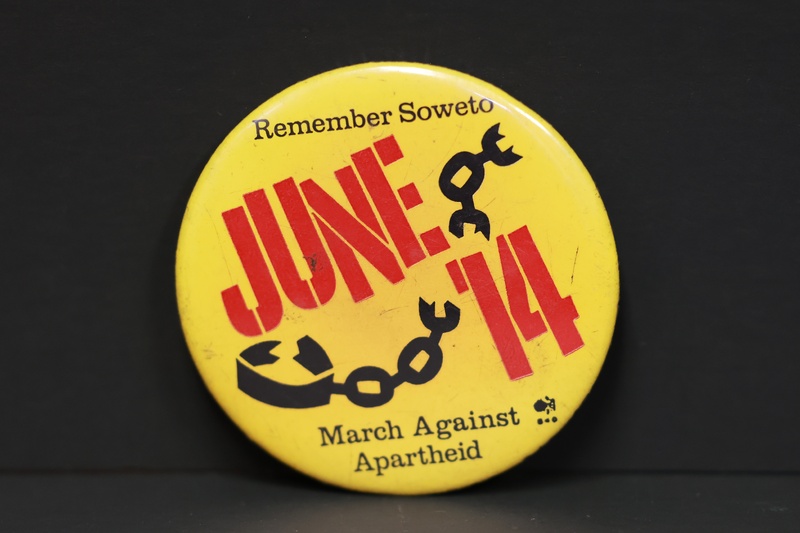
A gold button with a drawing of a broken shackle and chain with the text "Remember Soweto June 14 March Against Apartheid." On June 14, 1986, 40,000 people rallied in Central Park in New York City to call on President Ronald Reagan to impose strict economic sanctions on the government of South Africa as a means to ending apartheid in the country.
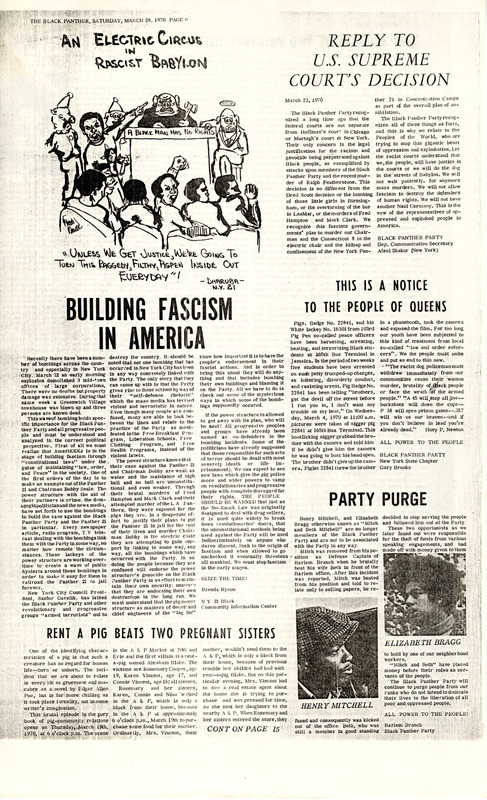
A newspaper article from The Black Panther describing an incident in Philadelphia, Pennsylvania, where two pregnant women suffered injuries after a run-in with a grocery store security guard who was notorious for harassing Black customers. The women were subsequently arrested by the police and calls were made for firing the security guard.
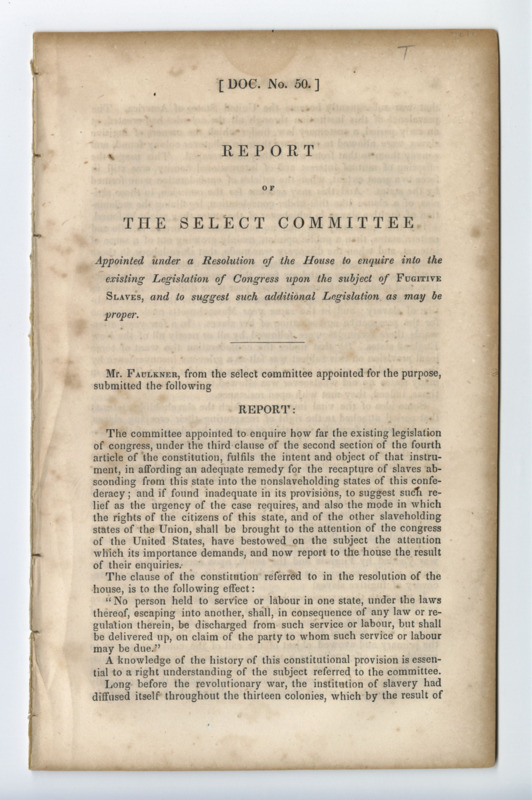
This document is a report of the findings of a committee appointed to interrogate existing legislation regarding the recapture of enslaved persons who would escape from slave states to non-slaveholding states. One of the conclusions of this report was to amend the law “to secure to the slave owners in the south the rights guaranteed to them.”
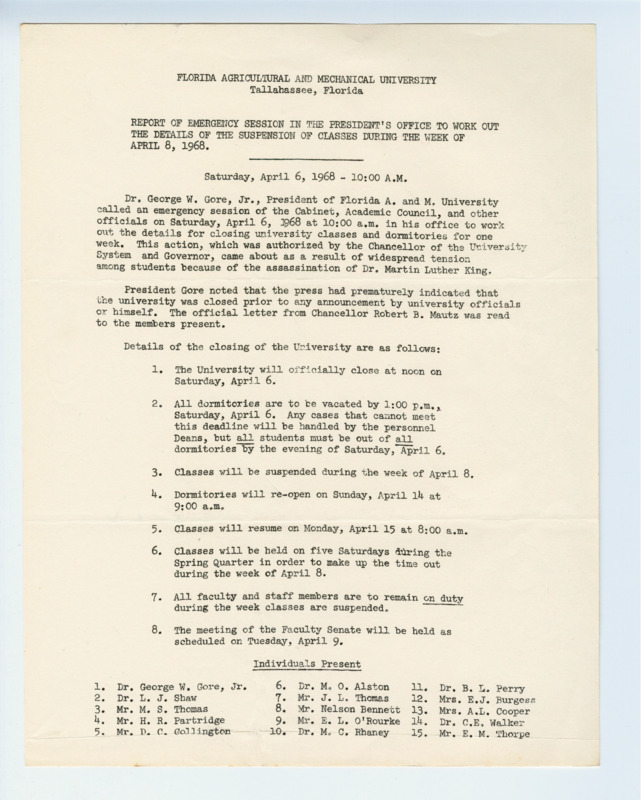
A report outlines an emergency session in the FAMU President’s Office regarding the suspension of classes during the week of April 8, 1968. University officials coordinated the details, ensuring support for students and faculty. Two photographs feature the session's speakers, and another shows the MLK Center for Social Change.
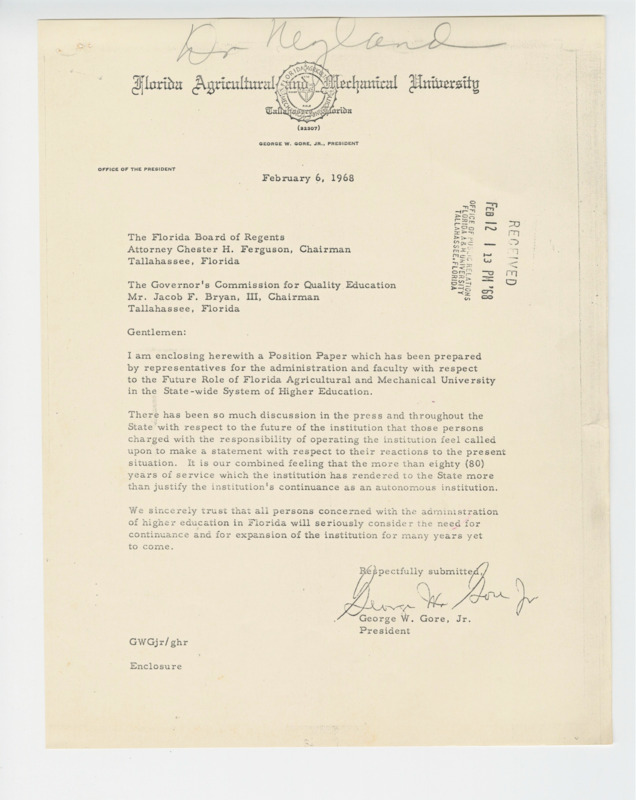
Packet from President Gore to the Commission for Quality Education and the Board of Regents outlining his vision for the university’s future. He emphasizes the importance of both academic excellence and campus life, stressing that the university's reputation depends on the collective efforts of the administration, students, and sports programs.
Sen. Alyce Griffin Clarke served in the Mississippi House of Representatives from 1984-2004. She talks about her work in education before running for office in 1984. She also discusses Robert Clark’s passion for education, the different committees she is involved in, the Institute of Higher Learning, and more.
Rep. Charles Young Sr. served in the Mississippi House of Representatives from 1980 until his death in 2009. He explains how Robert Clark was a mentor for him and those elected before him. While detailing his own campaign strategy for 1980, he talks about the calculated and aggressive nature of Robert Clark’s campaign and the effect it had on him.
Rep. David Gibbs served in the Mississippi House of Representatives from 1992 until his death in 2013. In this interview, Gibbs discusses how he became involved in Mississippi politics. Heavily influenced by his military service, Gibbs explains his campaign strategies and his work with other notable politicians such as Robert Clark and Aaron Henry.
Rep. Leonard Morris served in the Mississippi House of Representatives from 1993 until his death in 2007. He was head of the House Medicaid Committee. In this interview, Rep. Morris explains the nature of the Black Caucus and his time working with Henry Kirksey, Robert Clark, Ed Blackmon, and other notable Black Mississippi politicians.
Rep. Mary Stevens served in the Mississippi House of Representatives from 1981-2012 and was the mayor of West, Mississippi, for eight years. She has close ties to Robert Clark and speaks on her experiences in the Mississippi Legislature, serving on several committees such as Public Health and Appropriations.
Rep. Thomas Lamar Woods served in the Mississippi House of Representatives from 1988–2012. Robert Clark eventually appointed him to the Ways and Means committee. Rep. Woods discusses his district’s makeup, bills he supported with Robert Clark, and Clark’s famous fox hunts.
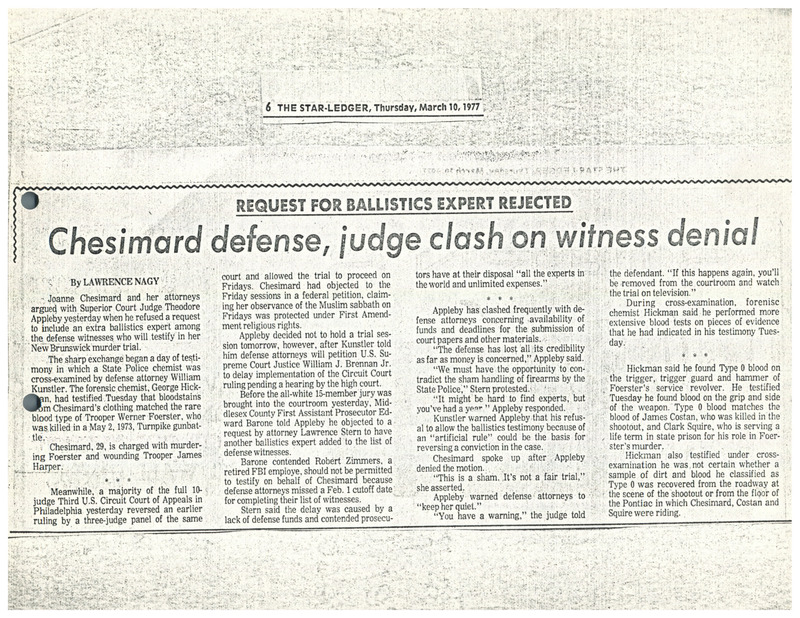
A newspaper article from The Star Ledger about the defense team for Assata Shakur (JoAnne Chesimard), on trial for the 1973 killing of a state trooper, being denied calling an extra ballistics witness by the judge. The prosecution contended the witness was not valid since the defense team missed the cutoff date to add witnesses to their list.
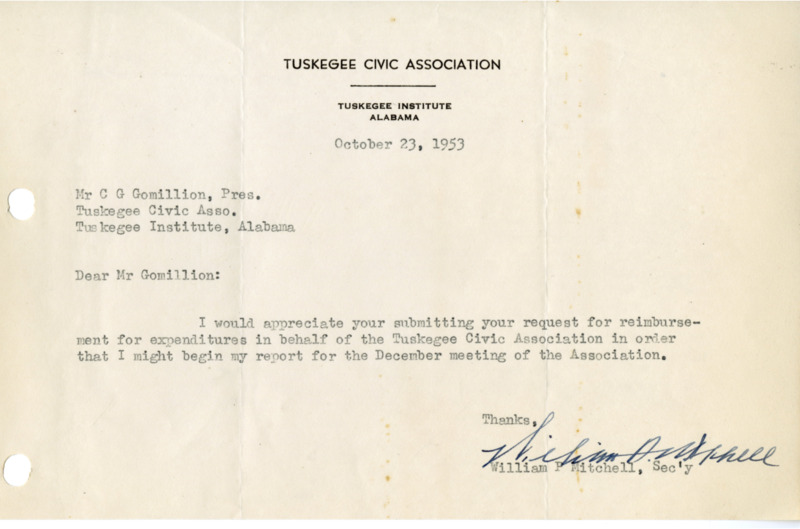
A letter from the Tuskegee Civic Association secretary William P. Mitchell to the president Charles G. Gomillion advising advising him a request for reimbursement.