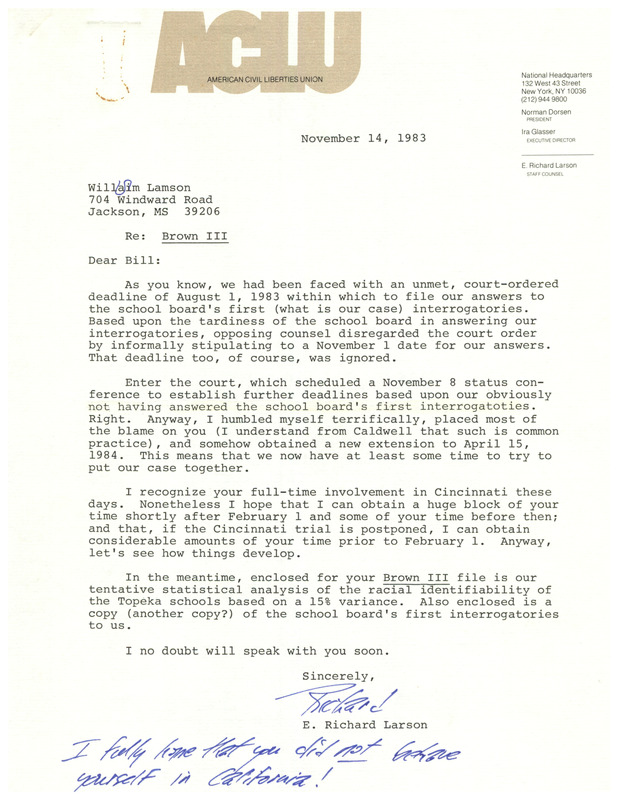
Case Data and Exhibits for Brown III, a relitigation of Brown v. Topeka Board of Education (1954) that corrected resegregation issues caused by open enrollment school choice in 1992. A letter from Richard Larson of the ACLU to William Lamson alerting him that the court has given them an extension to April 15, 1984, to respond to interrogatories.
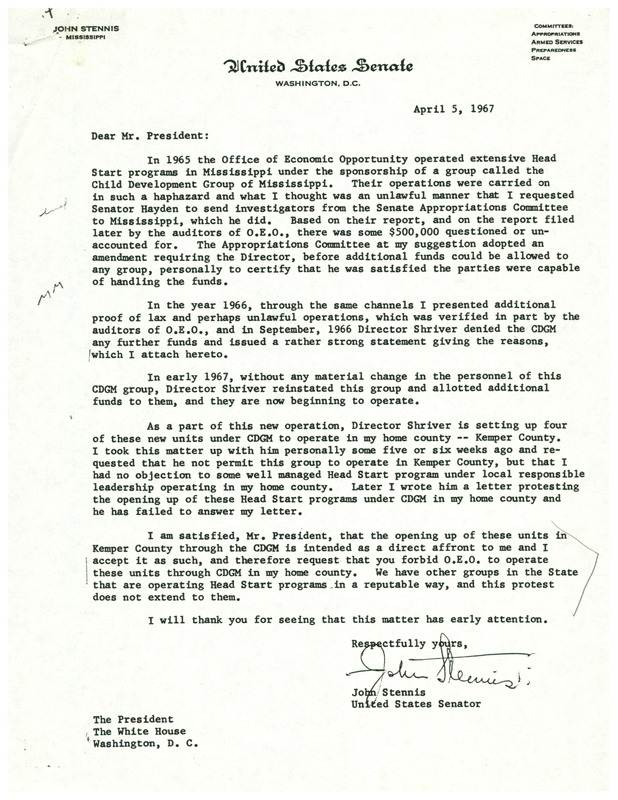
Senator John Stennis writes to President Lyndon Baines Johnson about Head Start in Kemper County, Mississippi. Senator Stennis is requesting that President Johnson forbid the Office of Economic Opportunity (OEO) to operate Head Start units through Child Development Group of Mississippi (CDGM) in his home county.
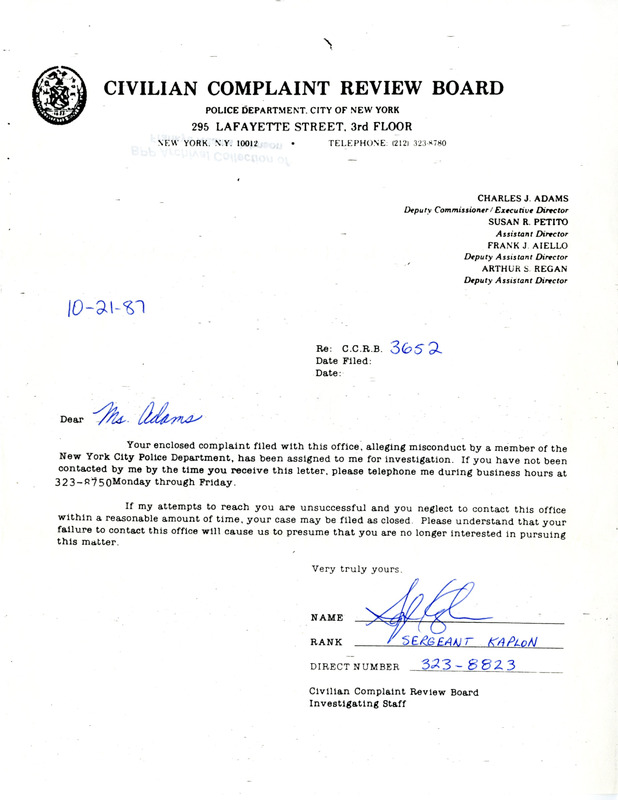
A letter from Sergeant Kaplon of the City of New York Police Department to Frankye Adams-Johnson (Malika) informing her that he will be handling her allegation of misconduct by the police. There is also a copy of the complaint where Frankye Adams-Johnson (Malika) witnessed seeing a police officer assaulting an unknown Black male.
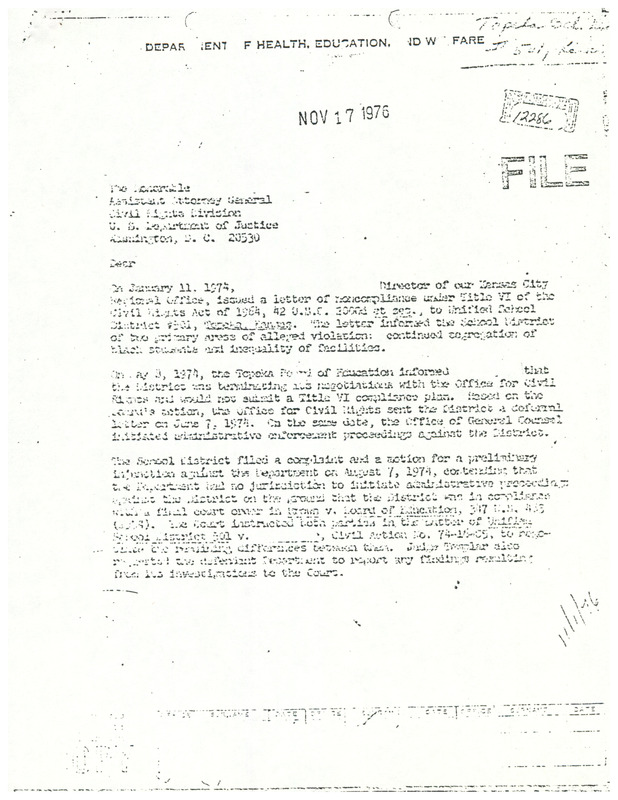
A letter from the Department of Health Education and Welfare (name redacted) to Assistant Attorney General, Civil Rights Division of the U.S. Department of Justice (name redacted) about details involved in the Topeka desegregation case.
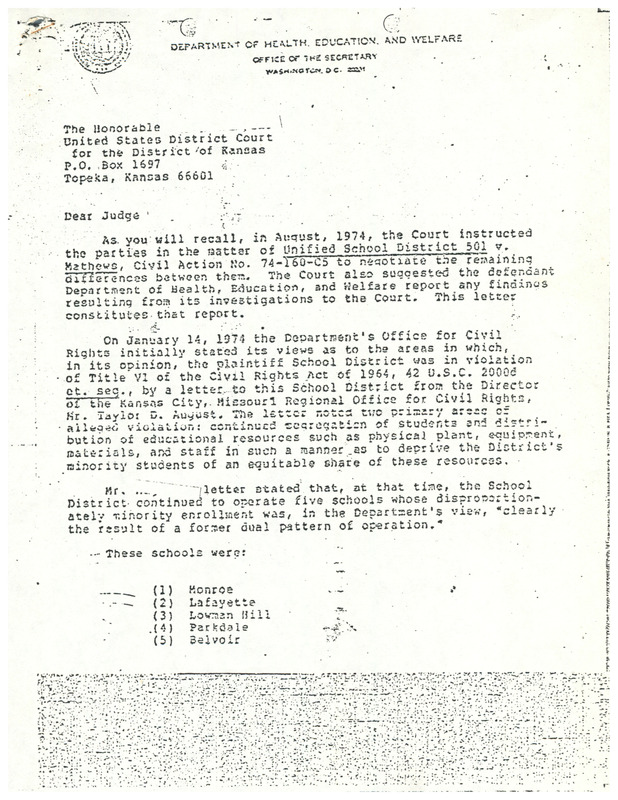
The Director of the Office for Civil Rights in the United States Department of Health, Education, and Welfare (name redacted) writes to U.S. District Court Judge (name redacted) about their concern that the desegregation efforts made by the Topeka School System are not acceptable under the requirements of Title VI in the Civil Rights Act of 1964.
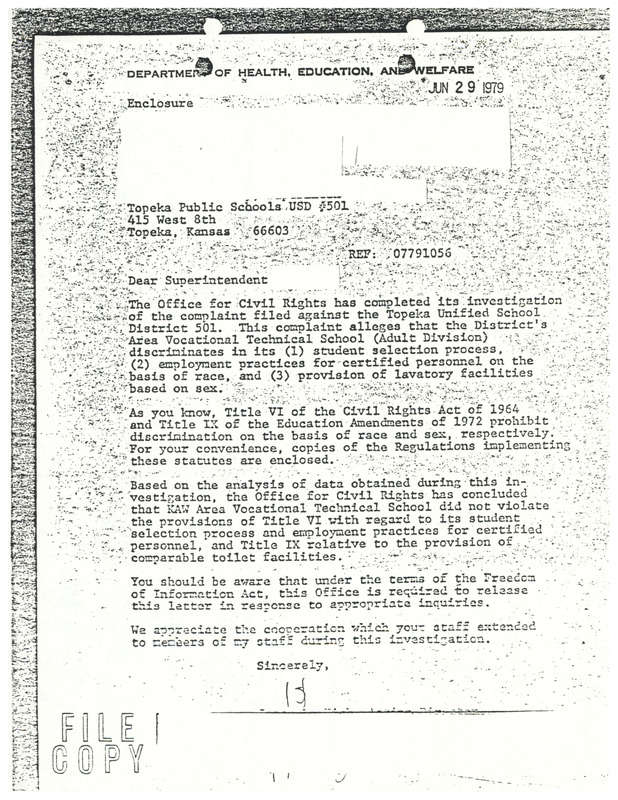
The Office of Civil Rights of the Region VII Department of Health, Education, and Welfare alerts the Topeka Public Schools Superintendent that their analysis shows that the KAW Area Vocational School did not violate the provisions of Title VI of the Civil Rights Act or Title IX of the Education Amendments of 1972. Names have been redacted.
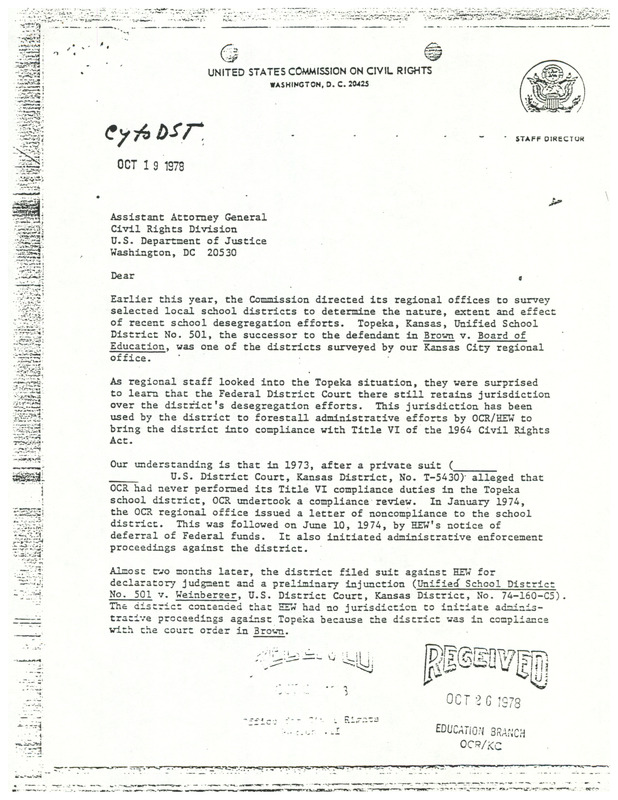
A letter from the Staff Director of the United States Commission on Civil Rights (name redacted) to Assistant Attorney General, Civil Rights Division of the U.S. Department of Justice (name redacted) requesting correspondence on the Topeka desegregation case.
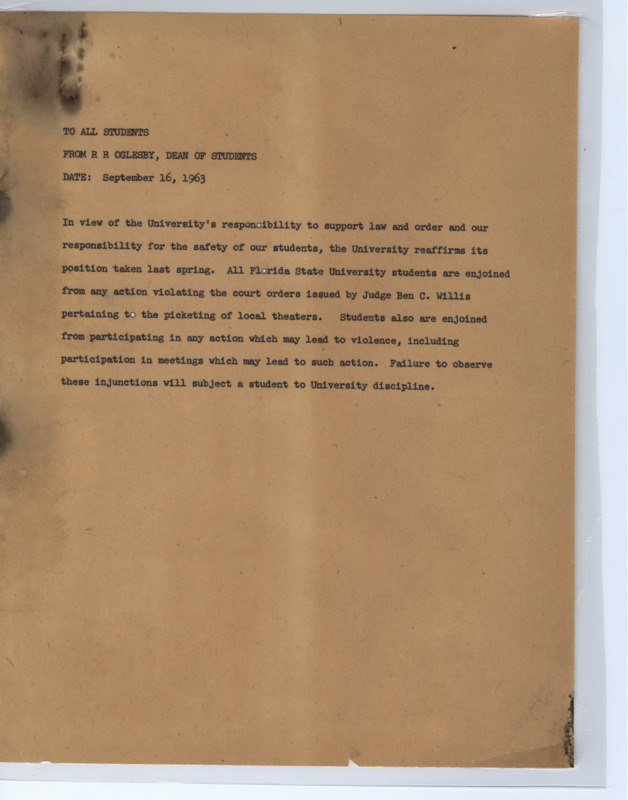
A letter sent on September 16, 1963, from the Dean of Students emphasized the university's responsibility to uphold law and order, as well as its duty to ensure student safety. It warned students to avoid unnecessary actions that could lead to injunctions, reminding them that such behavior would result in disciplinary measures.
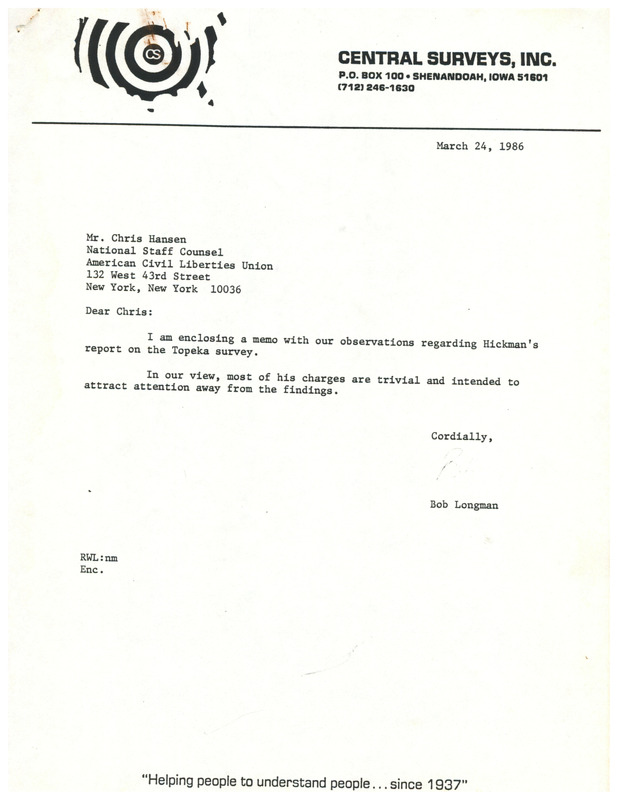
The letter includes a memo with Bob Longman of Central Surveys Inc.'s observations regarding R. Harrison Hickman’s critiques of the Topeka Survey about public schools. Hickman criticized the sampling method, the use of screening questions, and more. Longman calls his critiques “trivial and intended to attract attention away from the findings.”
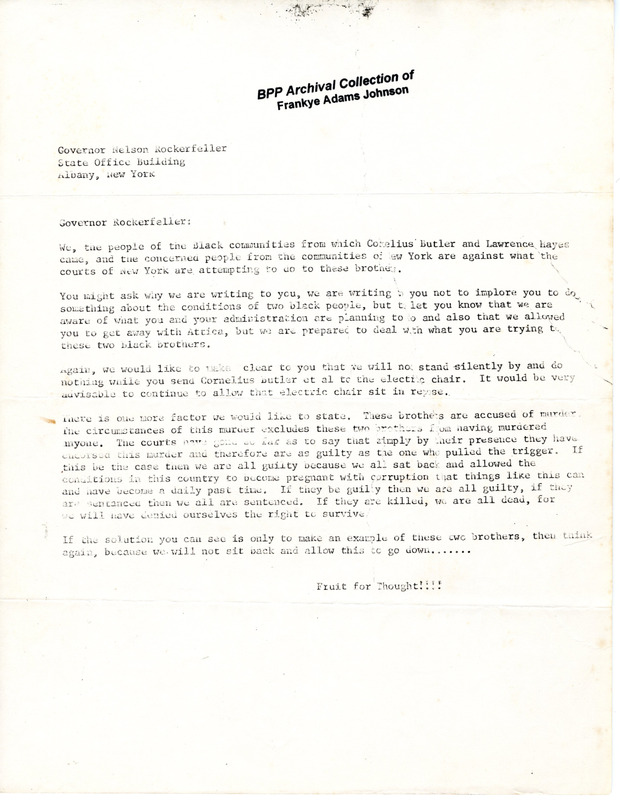
A letter to New York Governor Nelson Rockefeller on behalf of Cornelius Butler and Lawrence Hayes, who were being tried for murder. The men were convicted to the death penalty on April 11, 1972, for their role in the hold-up of a convenience store and the murder of a police officer. Supporters contend that neither of the men fired the shots.
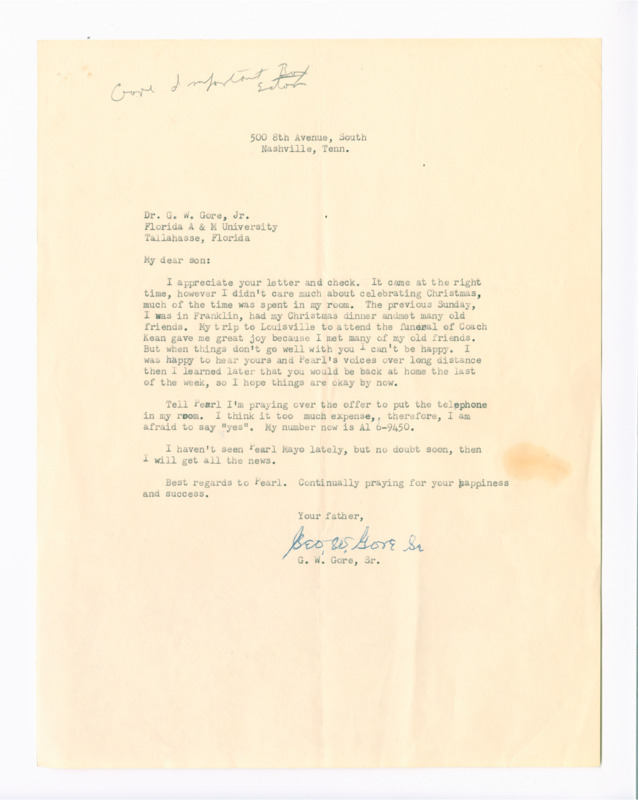
A heartfelt letter to President Gore from his father, written after the holidays, reflects on personal experiences and expresses gratitude. He highlighted the influence of his son’s guidance on his ongoing leadership and dedication to FAMC.
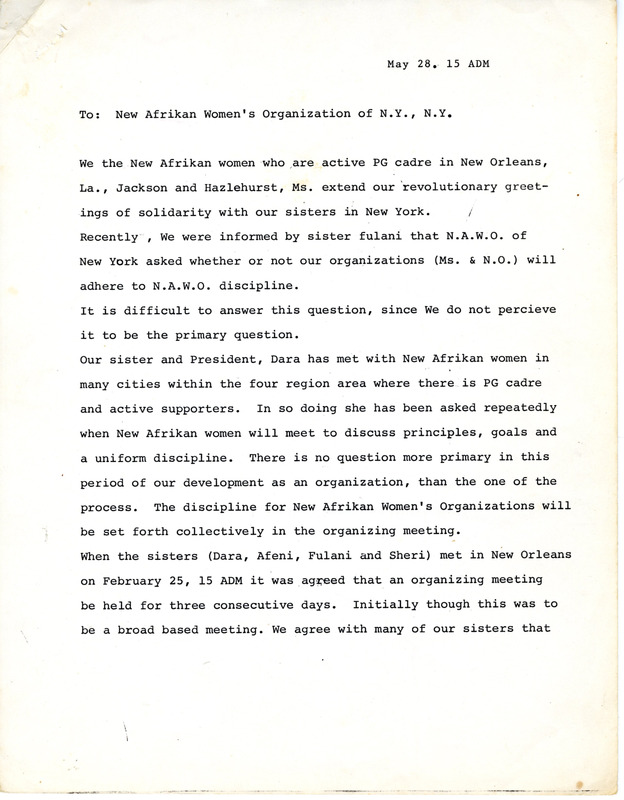
A letter to the New Afrikan Women's Organization (NAWO) of New York from the women in the organization representing New Orleans, Louisiana, and Hazlehurst and Jackson in Mississippi. The letter is dated “May 28, 15 ADM” and signed by NAWO member Fulani Sunni-Ali. She calls for a three day retreat for organizational meetings.
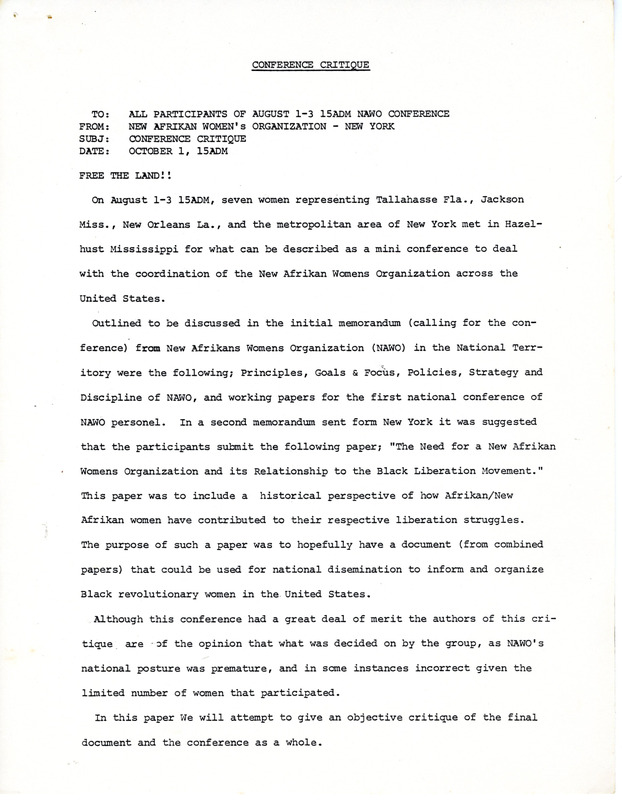
A letter to the participants of the New Afrikan Women's Organization (NAWO) conference on August 1-3 from the NAWO. The letter critiques the final paper that was produced by the conference as well as the conference as a whole, saying NAWO’s national posture was incomplete because of the limited number of women who participated in the conference.
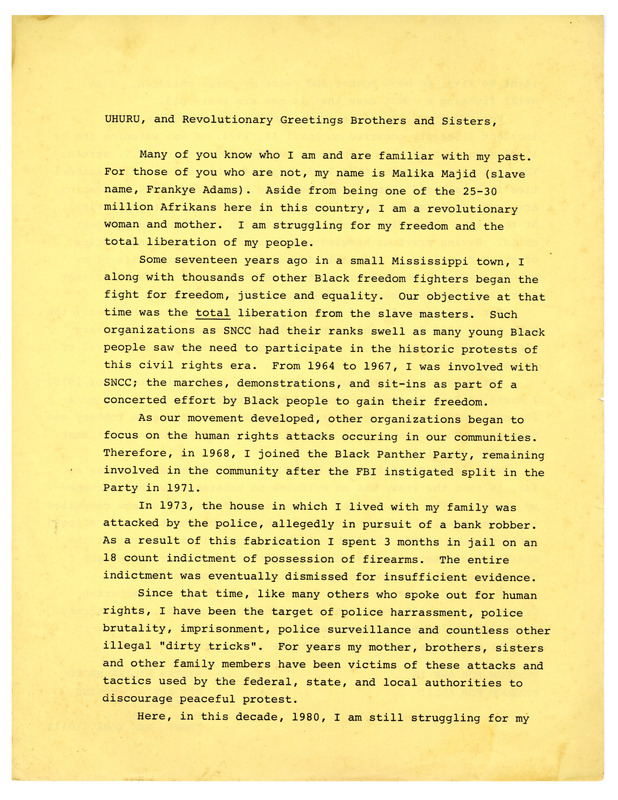
Frankye Adams Johnson (Malika) writes this letter to her supporters outlining the criminal charges she is facing in 1980 stemming from a 1974 arrest. She is asking for any support that may be given to her during this time.
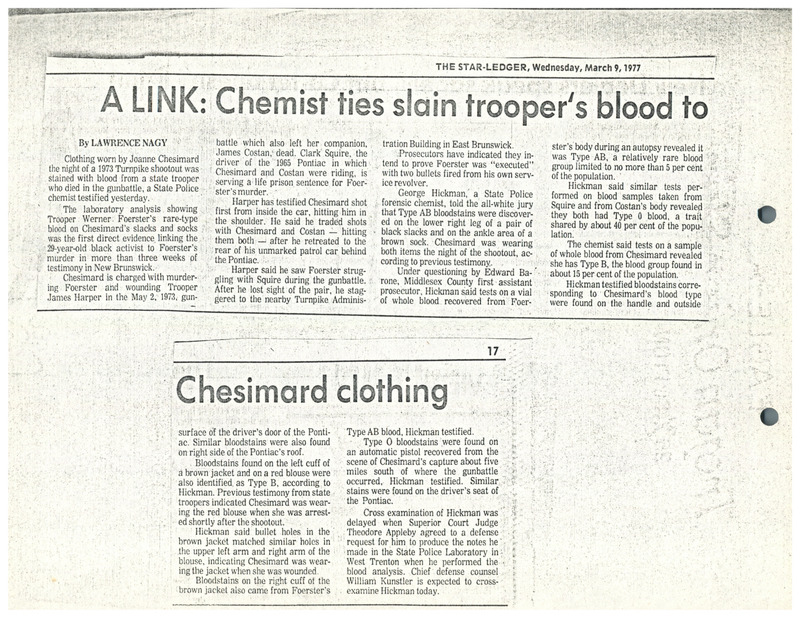
A newspaper article from The Star Ledger about evidence in the trial of Assata Shakur (JoAnne Chesimard) for the 1973 killing of a state trooper. Prosecution witnesses showed that blood found on the clothes of Assata Shakur (JoAnne Chesimard) matched the rare AB blood type of the slain state trooper.
Case Data and Exhibits for Brown III, a relitigation of Brown v. Topeka Board of Education (1954) that corrected resegregation issues caused by open enrollment school choice in 1992. Third set of questions from the plaintiff attorneys to the defense attorneys seeking answers to 62 questions as part of the evidence discovery phase.
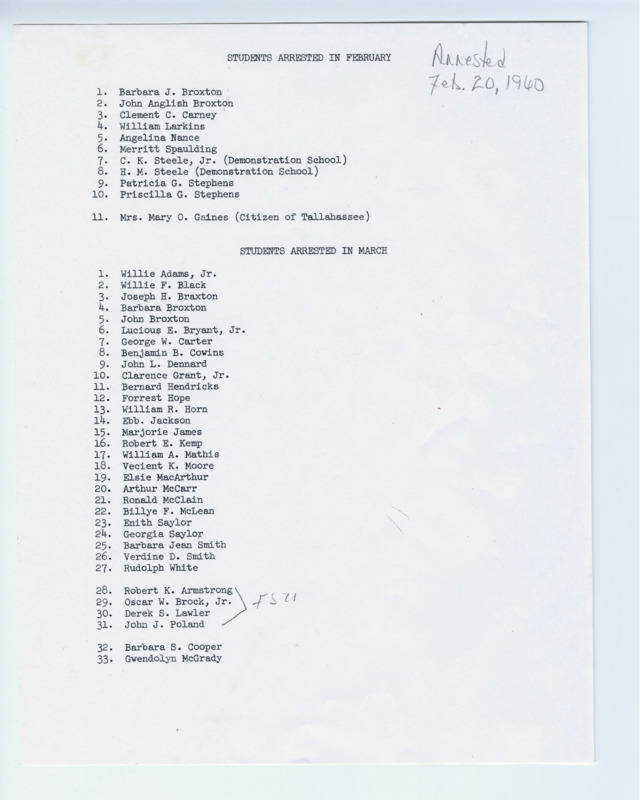
A list from February 1960 records the arrest of 32 individuals, including 30 FAMU students and civil rights leader C. K. Steele. The arrests followed student-led protests advocating for desegregation and civil rights, marking a pivotal moment in the university’s involvement in the broader movement for social justice.
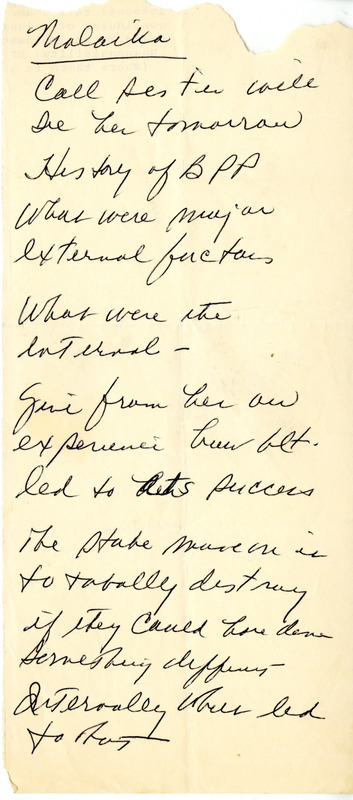
A list of questions about the history of the Black Panther Party written by an unknown author. The questions ask about the internal and external factors that led to their development. There are also questions referring to the success of the Party and doing things differently.
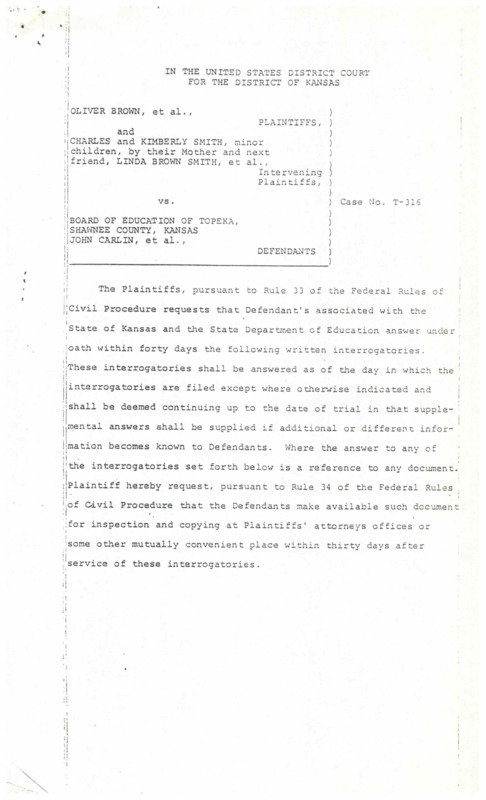
Case Data and Exhibits for Brown III, a relitigation of Brown v. Topeka Board of Education (1954) that corrected resegregation issues caused by open enrollment school choice in 1992. Document from the plaintiff attorneys to the defendants associated with the state of Kansas and the State Department of Education listing questions to be answered.
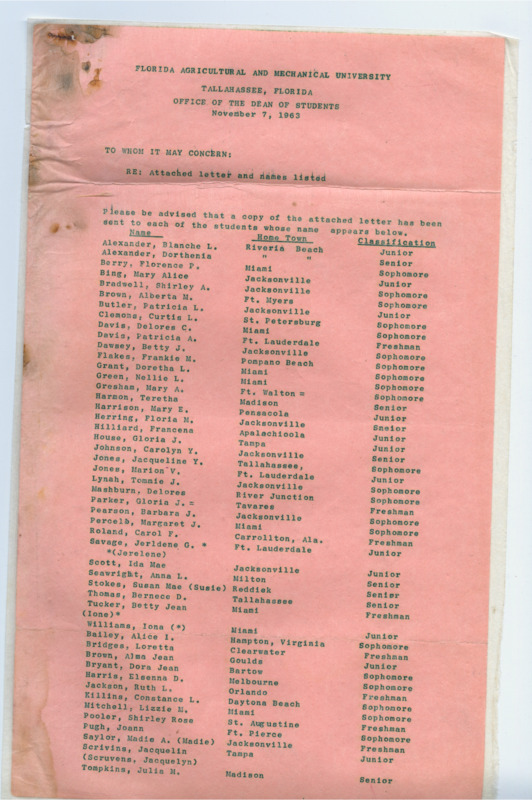
On November 7, 1963, a list was issued naming over 100 students to be reprimanded for breaking the University's code of conduct. The list included each student's hometown and classification, reflecting the administration’s commitment to enforcing order and upholding standards during campus unrest.
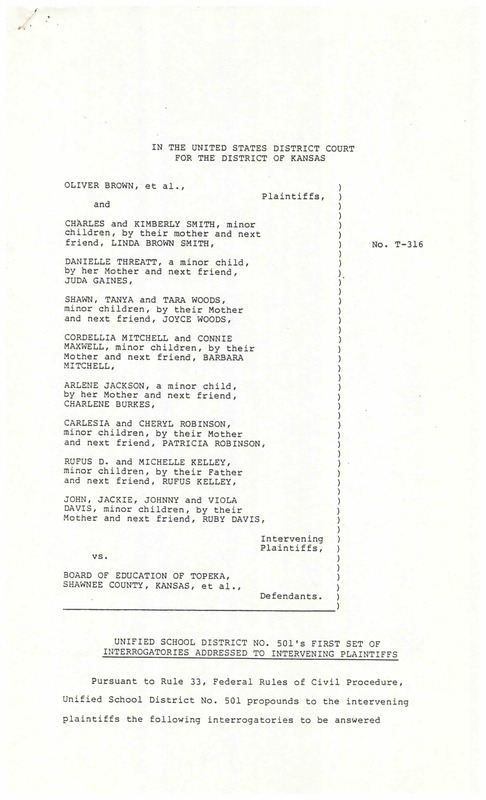
Case Data and Exhibits for Brown III, a relitigation of Brown v. Topeka Board of Education (1954) that corrected resegregation issues caused by open enrollment school choice in 1992. Document to the plaintiffs from the defense requesting answers to questions brought up by the plaintiff’s first set of interrogatories.
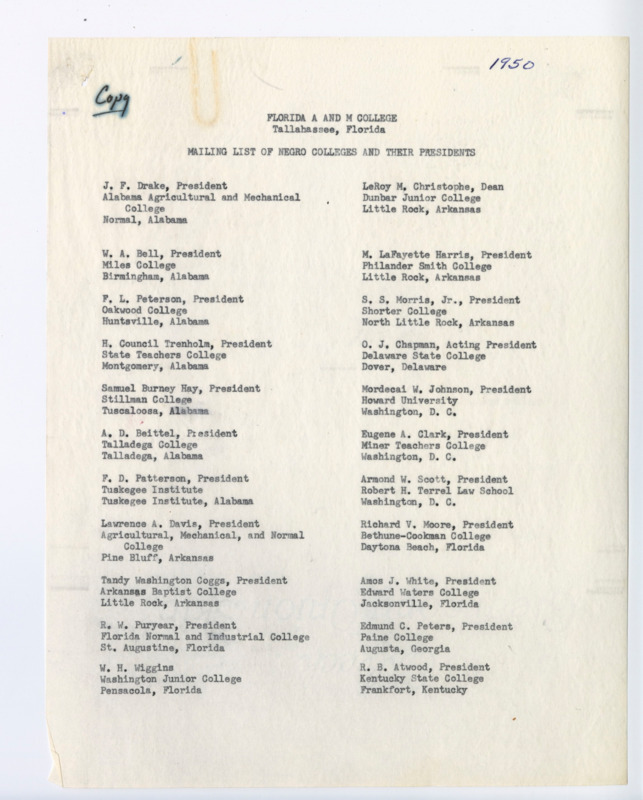
During President George W. Gore's tenure, Florida A&M College compiled a list of the 101 negro colleges and universities with each of their prospective presidents above them. This list also included the locations of each institution.
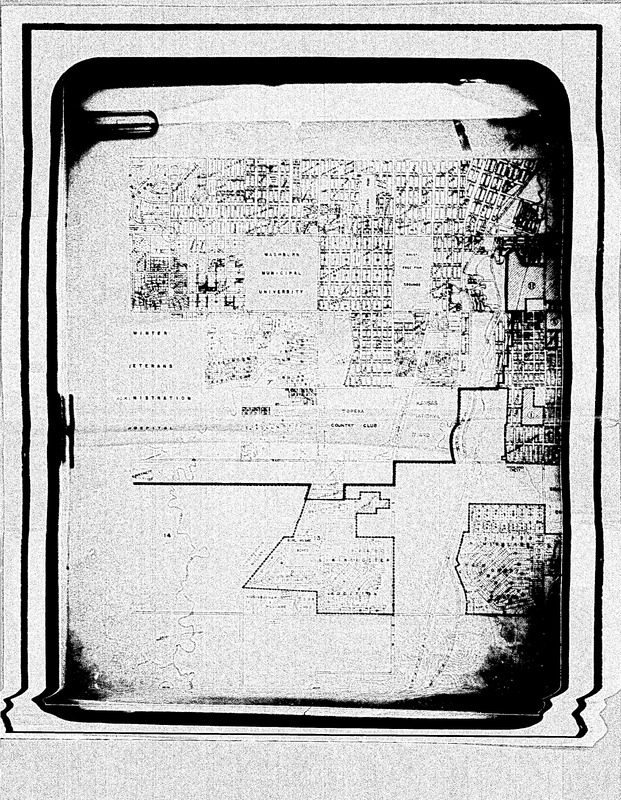
Case Data and Exhibits for Brown III, a relitigation of Brown v. Topeka Board of Education (1954) that corrected resegregation issues caused by open enrollment school choice in 1992. The map shows landmarks and points of interest, such as Washburn Municipal University; Central Park; the Topeka Country Club; and the Kansas National Guard base.
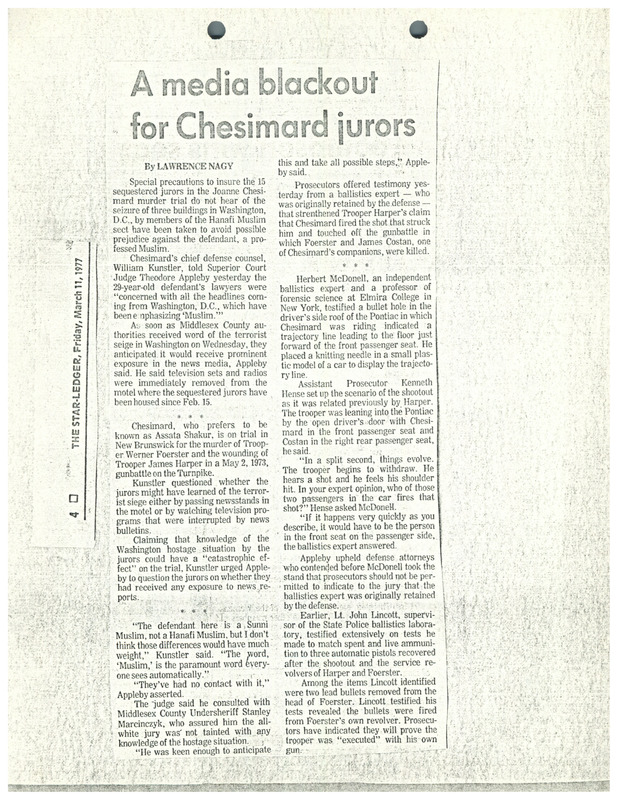
A newspaper article from The Star Ledger about the 15 sequestered jurors in the Assata Shakur (JoAnne Chesimard) trial for the 1973 killing of a state trooper being given a media blackout after the seizure of three buildings in Washington, D.C. by the Hanafi Muslim sect to avoid possible prejudice against Shakur, a professed Muslim.
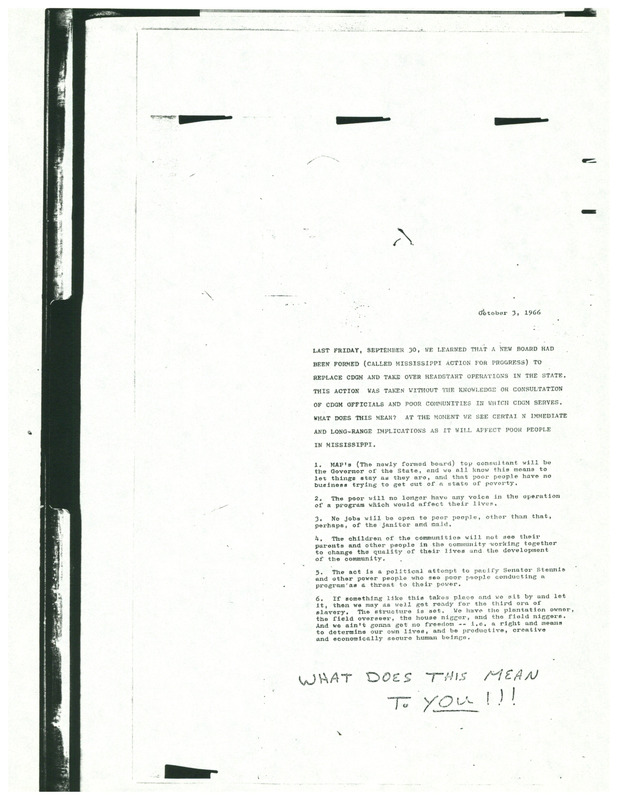
This memo references a new board that was formed called Mississippi Action For Progress (MAP) to replace the Child Development Group of Mississippi (CDGM) and take over Head Start operations in the state. The memo says that this decision was made without any input from CDGM or the people in the communities that Head Start serves.
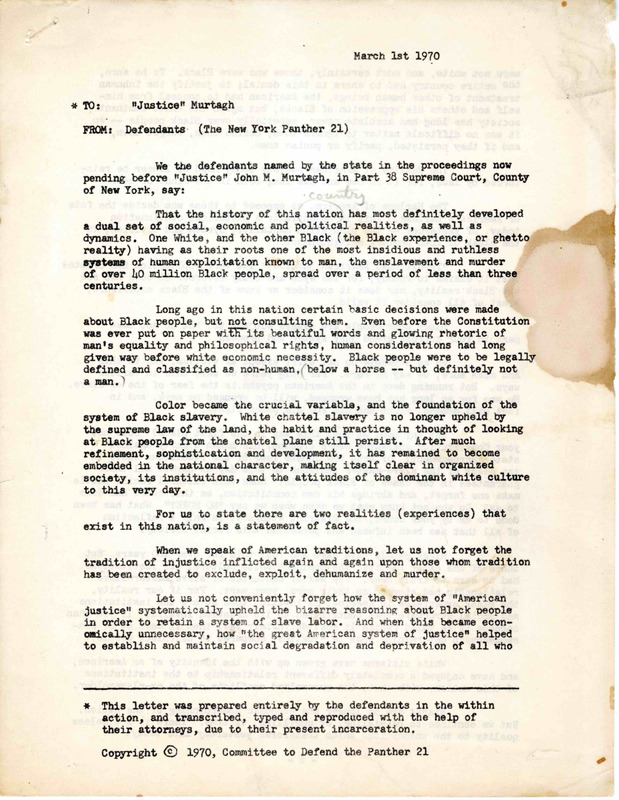
A letter from the Panther 21 to New York State Supreme Court Justice John M. Murtagh. The Panther 21 was a group of Black Panthers who were on trial for alleged bombing attacks against three police stations in New York City in 1969. The letter is an indictment of the American justice system where the 21 Black Panthers find themselves on trial.
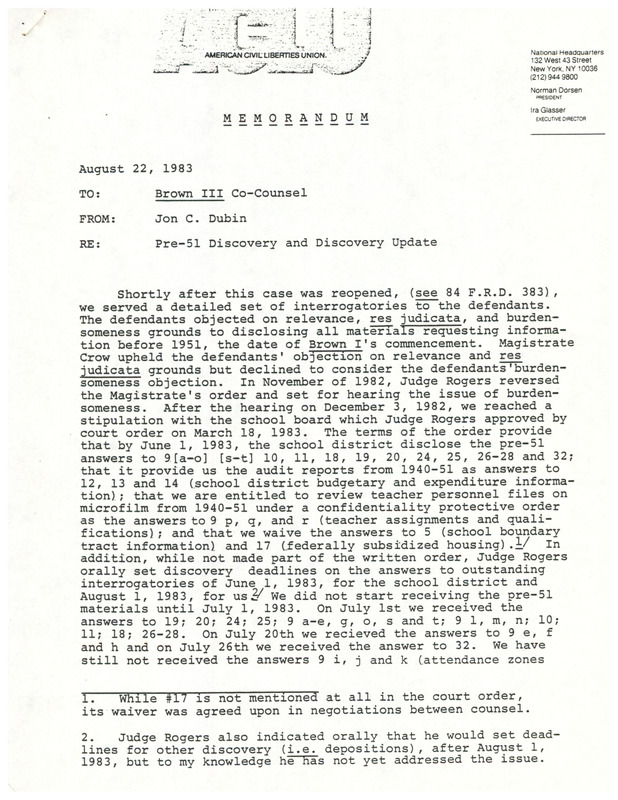
Case Data and Exhibits for Brown III, a relitigation of Brown v. Topeka Board of Education (1954) that corrected resegregation issues caused by open enrollment school choice in 1992. In this memo, CLU Attorney Jon C. Dubin updates other Brown III Co-Counsel on the evidence discovery process and summarizes where the entire process currently stands.
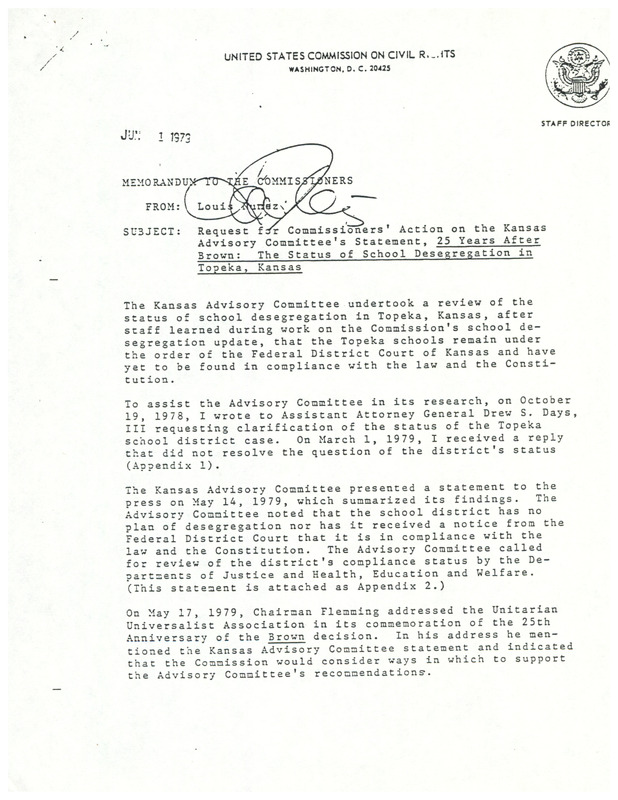
Louis Nunez of the United States Commission on Civil Rights issues a memo requesting commissioners of other federal agencies to take action on the Kansas Advisory Committee's statement. He requests that other commissioners write letters to the Department of Justice in favor of making the Topeka School District comply with desegregation orders.
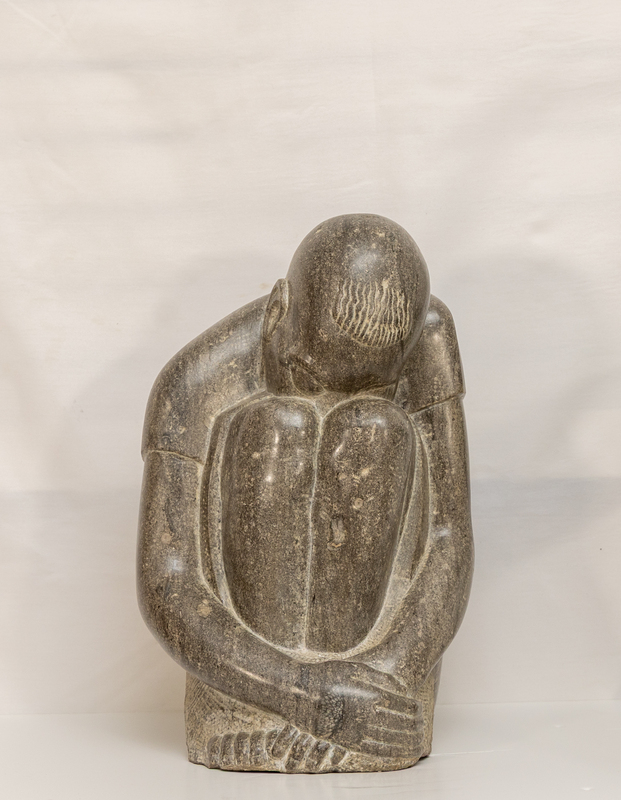
William Artis was a sculptor from Washington, NC. "A Mother's Love" is a limestone sculpture of a mother holding her daughter in her lap. The mother looks down affectionately as she cradles the child's head.
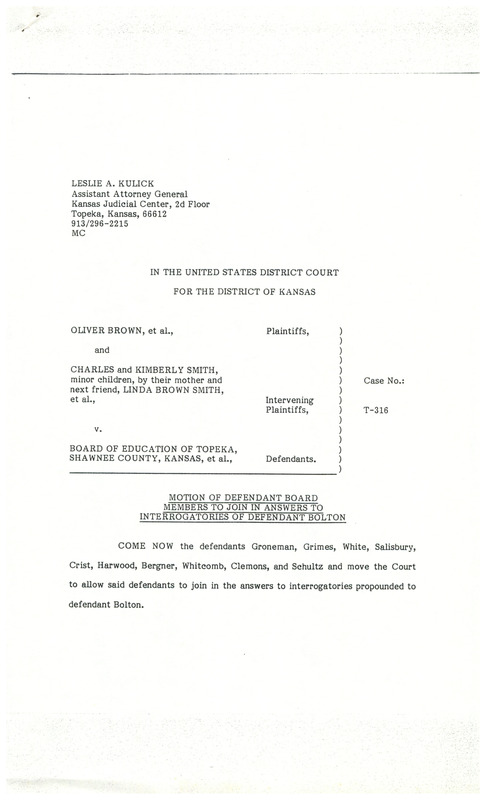
Case Data and Exhibits for Brown III, a relitigation of Brown v. Topeka Board of Education (1954) that corrected resegregation issues caused by open enrollment school choice in 1992. A motion from the defense team requesting that the ten additional defendants listed in the motion be allowed to assist in answering plaintiff interrogatories.