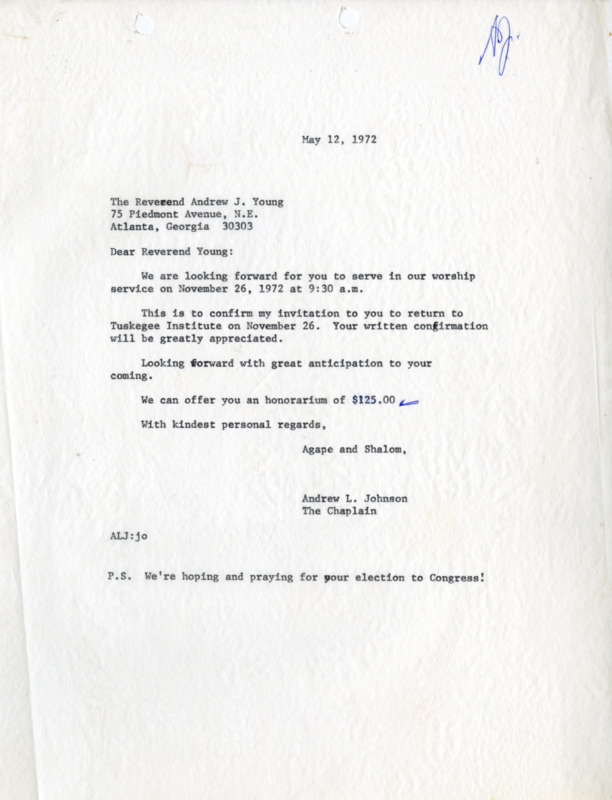
An invitation given from Chaplain Andrew L. Johnson to Reverend Andrew Young inviting him to lead Sunday Worship on 11/16/1972 and provide an honorarium of $125.
Douglas Anderson served in the Mississippi House of Representatives from 1976-1980 and the state Senate from 1980-1992. He was one the first four African Americans elected to the Mississippi Legislature in the 20th century, after Robert Clark in 1967. He details his experiences while on various committees and working with Robert Clark.
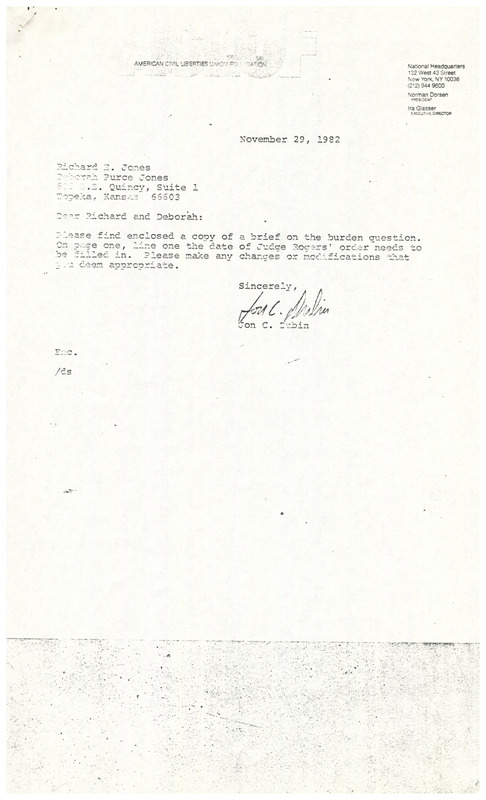
Case Data and Exhibits for Brown III, a relitigation of Brown v. Topeka Board of Education (1954) that corrected resegregation issues caused by open enrollment school choice in 1992. Supplemental memorandum from the plaintiff attorney team to the court in support of the plaintiffs’ prior motion to compel evidence from the defendants.
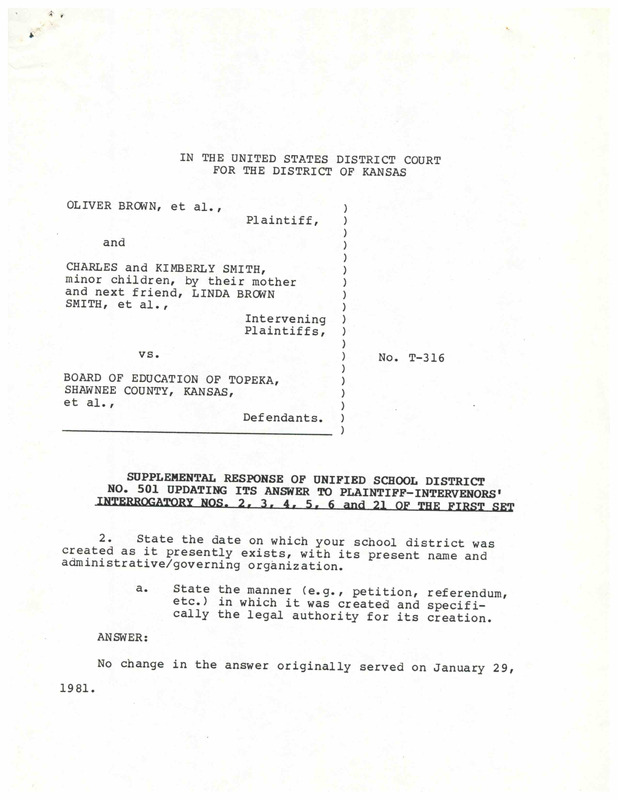
Case Data and Exhibits for Brown III, a relitigation of Brown v. Topeka Board of Education (1954) that corrected resegregation issues caused by open enrollment school choice in 1992. Supplemental document from the defense that updates answers to several questions posed by the plaintiff team. Subjects include school boundary changes and more.
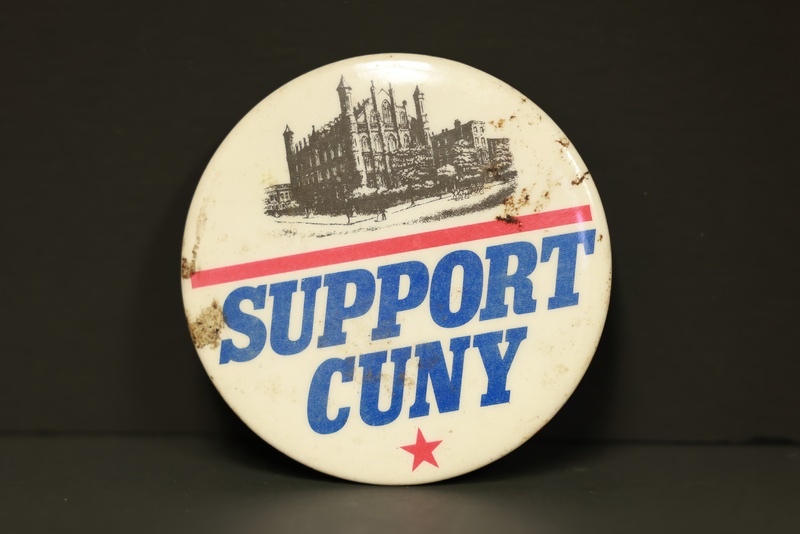
A white button calling for support of CUNY (City University of New York). CUNY was founded in 1960 when several other New York schools were merged into what was initially called the Municipal College System of the City of New York. Throughout the 1960s, CUNY was home to several political and social protests and demonstrations.
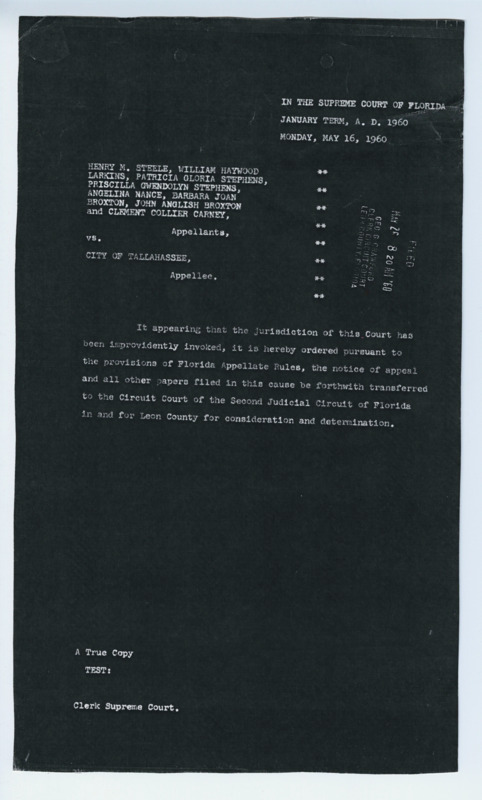
Under President Gore's administration, the Supreme Court of Florida held hearings on May 16, 1960, for six FAMU students charged with disturbing the peace through riots and assembly. The students pleaded not guilty, and the court examined the legality of their actions in the context of campus unrest during this period.
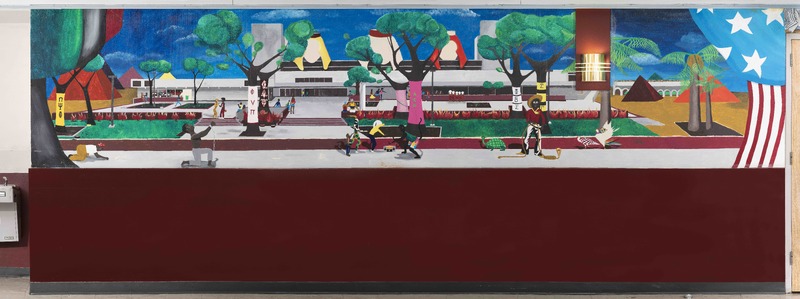
Focusing on the Sterling Student Life Center, the artist captures the lively activities of students and reflects the importance of Black fraternities and sororities in HBCU student life. Realism is paired with the surreal imagery of fantastic figures dancing around the music blasting from a boombox.
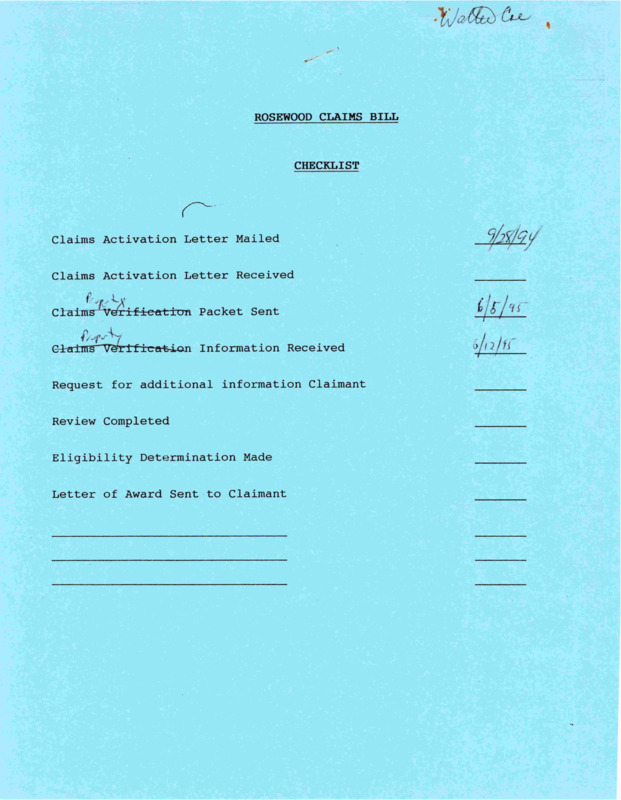
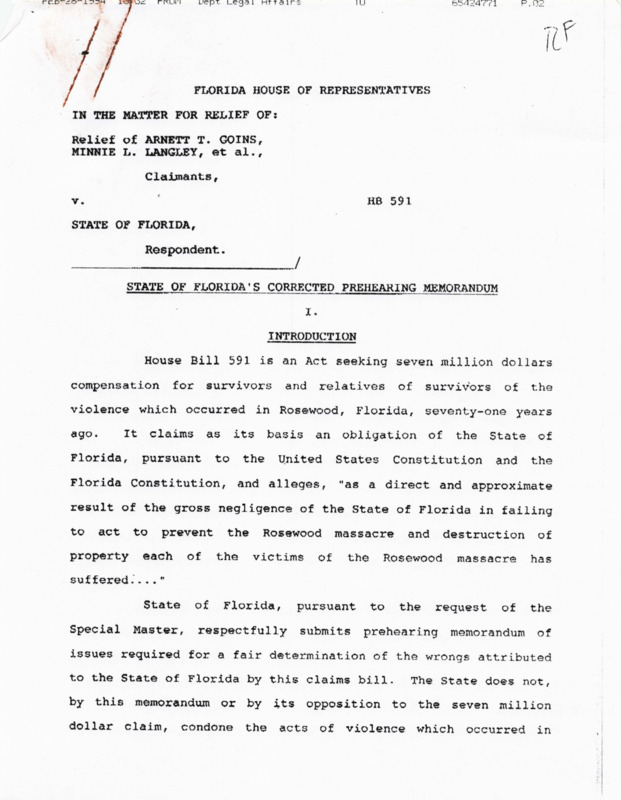
A collection of survivor affidavits from the Rosewood massacre, detailing approved and denied claims, interviews, and chilling accounts of the tragedy, along with reports of the deep community bonds of the all-Black town before its destruction.
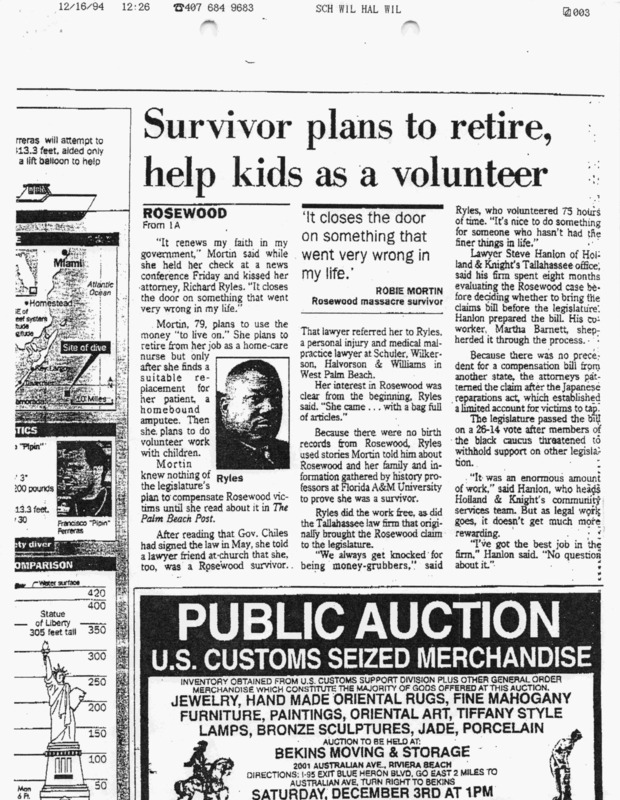
This 1994 newspaper article features a survivor of the Rosewood Massacre who received restitution from the government. Previously knowing nothing about the plan to compensate victims until reading about it in the Palm Beach Post, Robie Mortin, 79, plans to retire from her job as a home-care nurse and go into volunteer work with children.
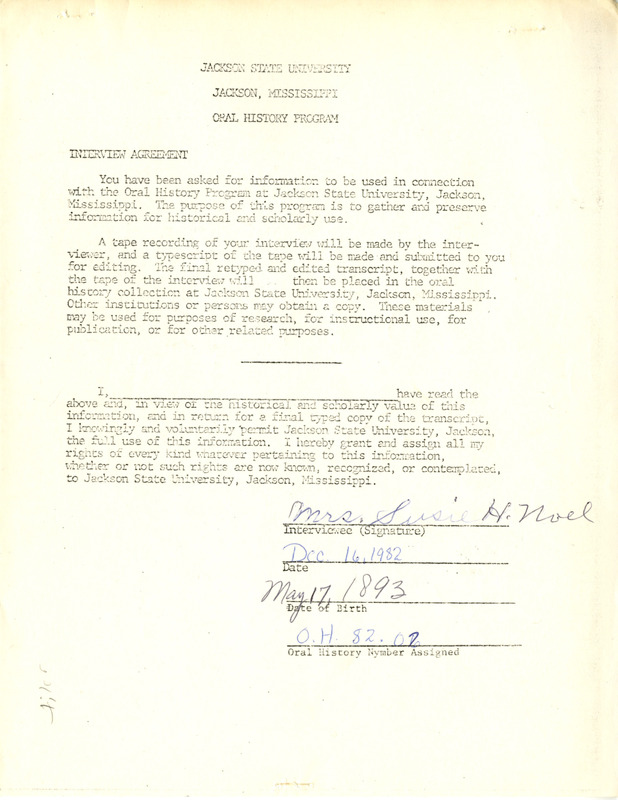
Susie Noel has lived in the Farish Street District since 1922. She talks about her experiences with the NAACP and the violence against Black people in the district during the Civil Rights Movement. She recounts her relationships with some of the Freedom Riders. She also talks about the different businesses and people in the district from the past.
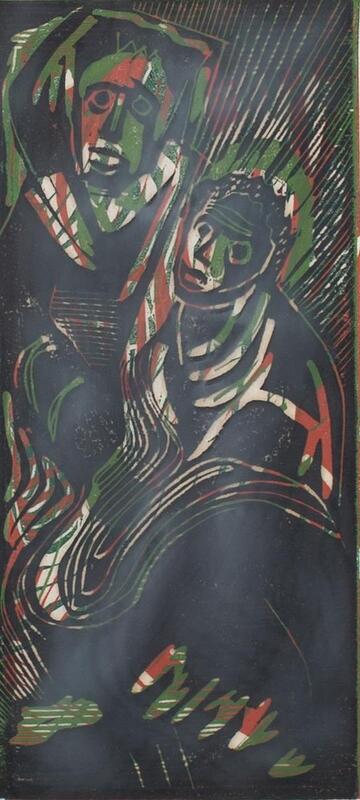
Charles W. Stallings was a painter, printmaker, sculptor, and educator from Gary, IN. Swamp Fever is a print of two swamp creatures. Stallings uses stark black, red, and green lines and shadows to create cartoon-like renditions of swamp creatures with shocked expressions.
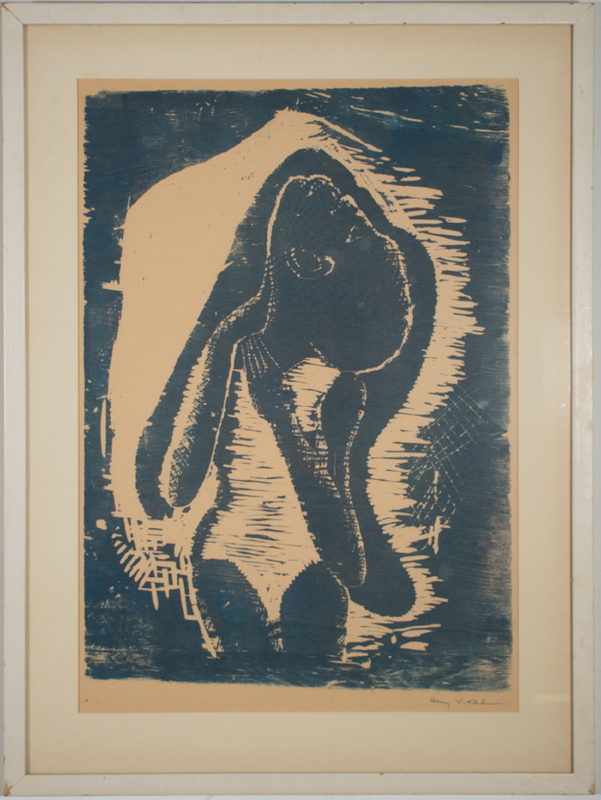
This print by Harry Vital shows a woman in a swimsuit tilting her head upwards. Dr. John T. Biggers taught students the craft of printmaking while he was a professor at Texas Southern University. Vital followed in Biggers' footsteps and became a longtime art professor at TSU.
Sworn statements from Rosewood survivors and descendants detailing personal experiences of the massacre and its aftermath. These statements served as vital evidence for compensation claims and provided insight into the lasting consequences faced by families affected by the tragedy.
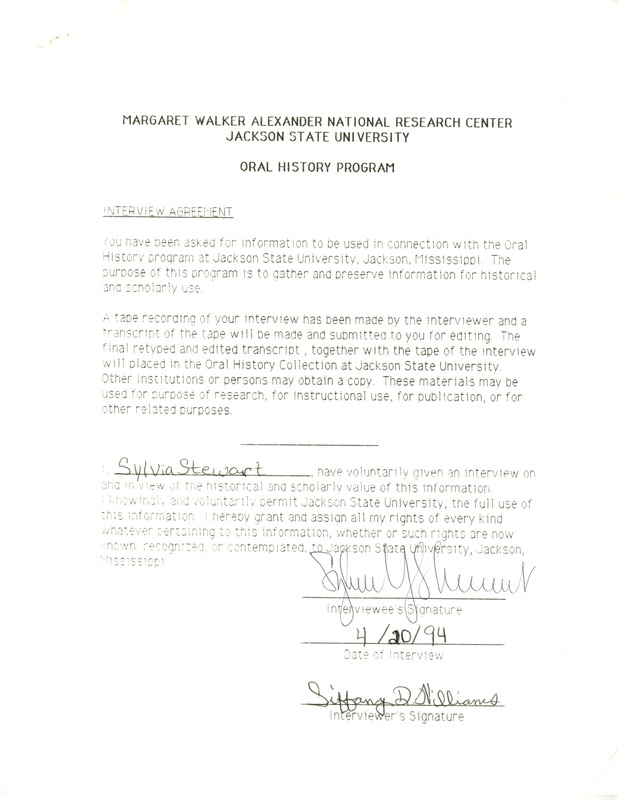
Sylvia Stewart was born in the Farish Street District. Ms. Stewart talks about her experiences growing up in the district during the era of Jim Crow segregation; the business her grandfather and father owned; and her experiences with racism. The transcript is edited with handwritten notes.
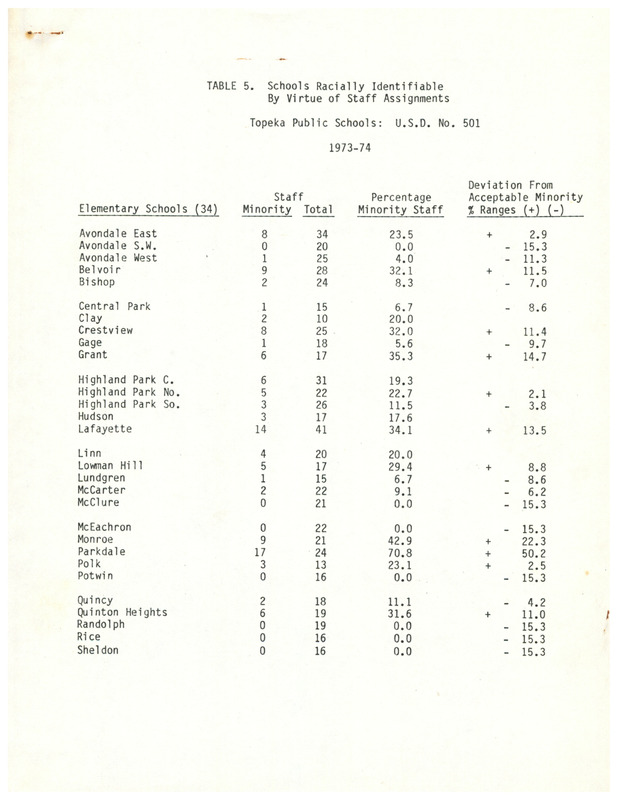
Case Data and Exhibits for Brown III, a relitigation of Brown v. Topeka Board of Education (1954) that corrected resegregation issues caused by open enrollment school choice in 1992. Charts showing Topeka Public Schools that are racially identifiable by virtue of staff assignments and charts showing different job categories of staff members.
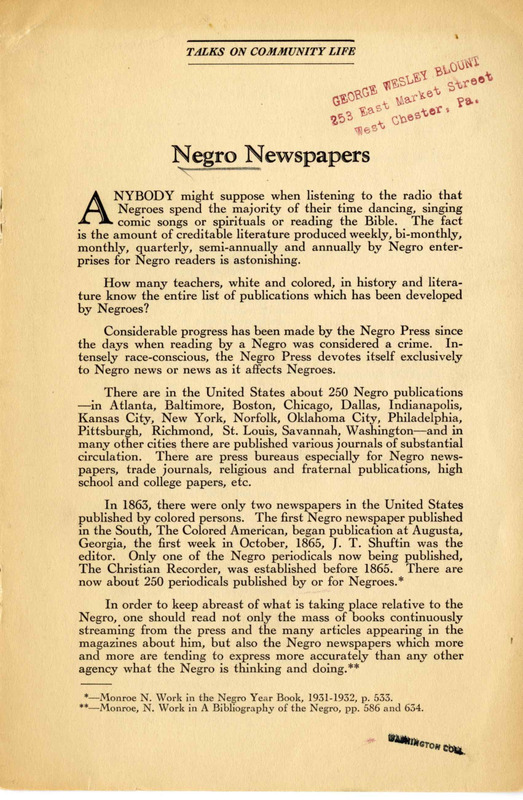
Six page selection from Talks on Community Life, including a list of reference readings and a section on Black newspapers. Contains references to work by Monroe N. Work, Booker T. Washington, and Robert R. Moton. Undated, but latest date listed is 1932.
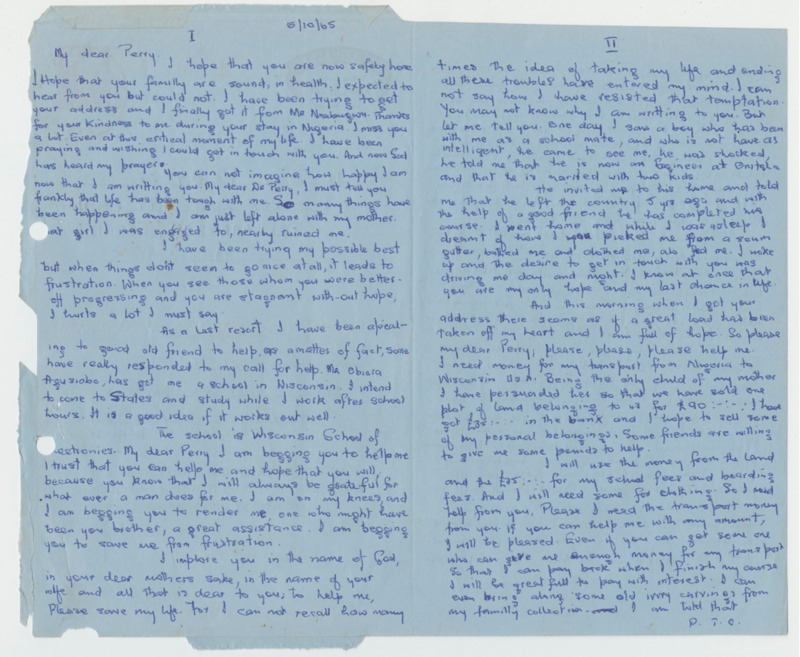
In this letter from Teddy Ik Umunna, a friend at the University of Nigeria, to Dr. B. L. Perry, Jr., Umunna pleads for help improving his quality of life. Reflecting on the dire state of the Nigerian economy, with allusions to bribery, Umunna asks for financial backing to leave Nigeria and enroll in a U.S. degree program in Wisconsin.
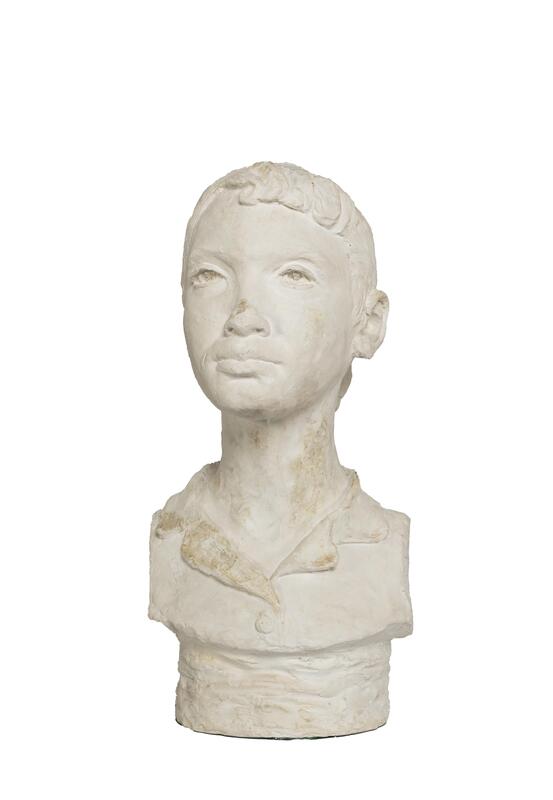
Jewell Woodard Simon was an internationally acclaimed artist, teacher, and poet from Houston, TX. Teen Enigma is a plaster bust of a young girl looking into the distance with her head raised. She is wearing a collared shirt with the top button clasped.
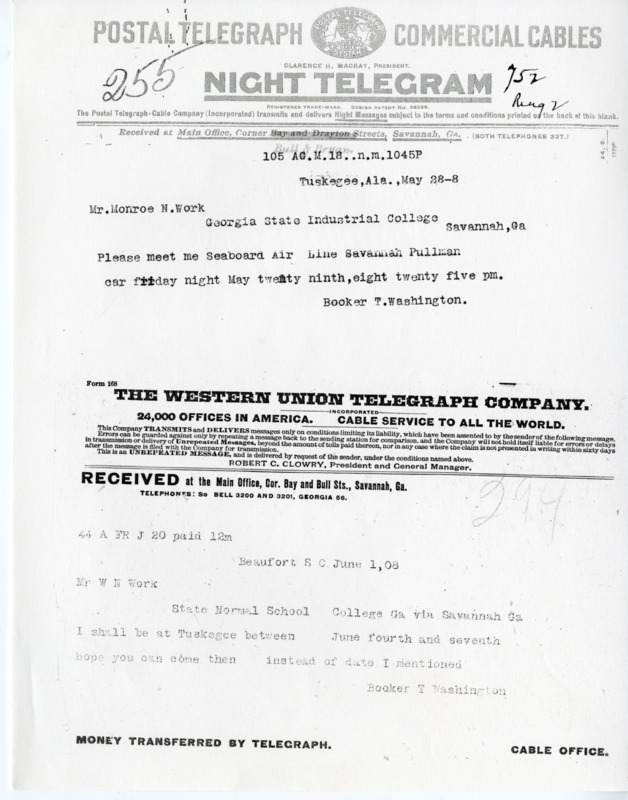
A Western Union telegram sent to Monroe N. Work at the State Normal School College in Georgia from Beaufort, South Carolina. Booker T. Washington states that he will be at Tuskegee between June 4th and 7th and hopes that Work can visit then.
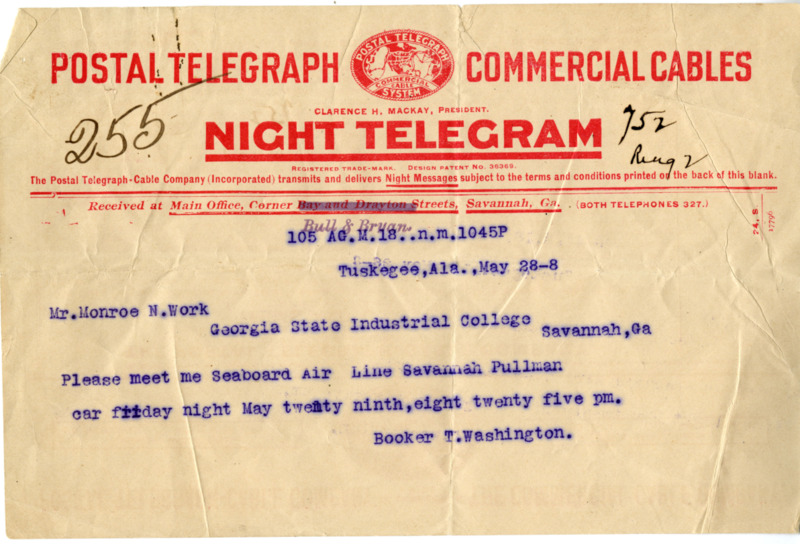
A Postal Telegraph night telegram sent to Monroe N. Work at the Georgia State Industrial College in Savannah, Georgia from Tuskegee, Alabama. Booker T. Washington requests Work to meet him at the Seaboard Air Line Savannah Pullman car Friday night, May 29, at 8:25 pm.
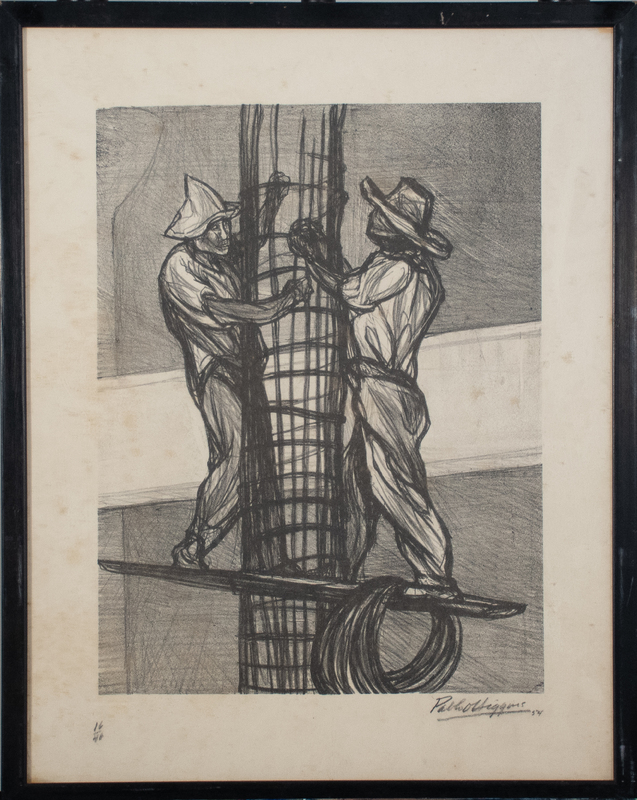
O'Higgins' print shows two men balancing on a board and working on a cylindrical structure. Unlike most of the works held by the University Museum, O’Higgins had no connection to Texas Southern; this piece was donated by a collector. O'Higgins was an established artist in the 20th century and was mentored by Diego Rivera.
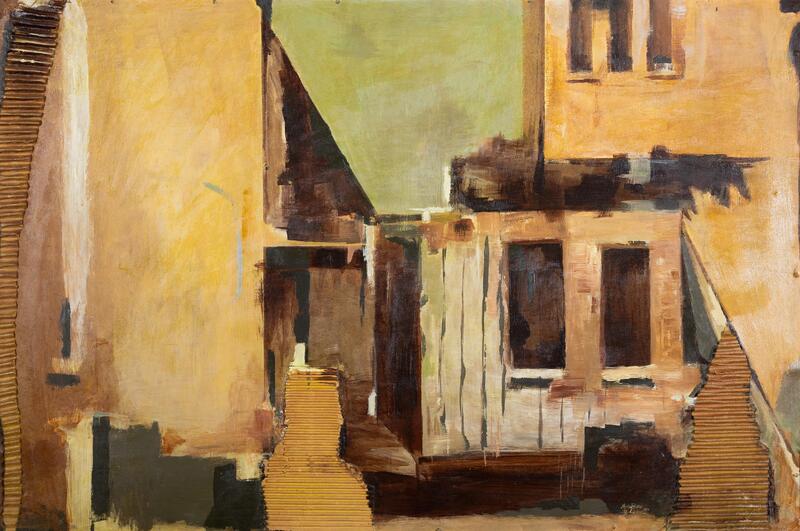
Shirley Bolton was a painter from Athens, GA. Tenement is a multimedia depiction of the entrance to a shared housing space. The dimensional browns of the buildings indicate the age and use of the tenement space. Three cardboard pieces on top of the painted surface add texture and form to the piece.
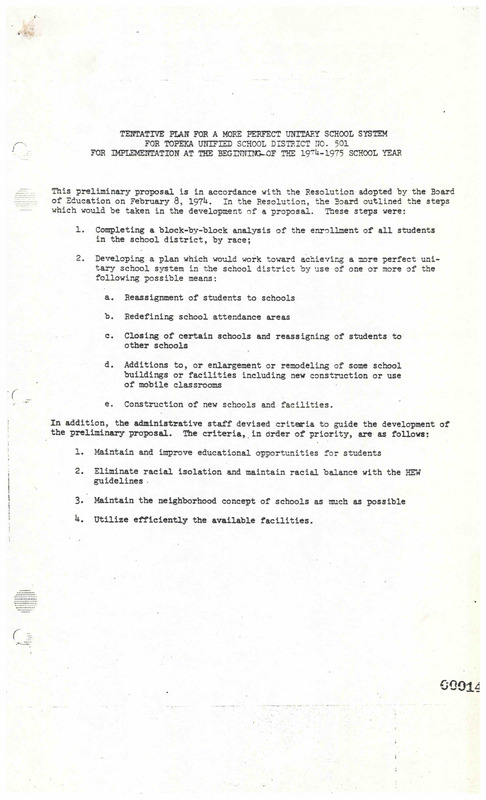
Case Data and Exhibits for Brown III, a relitigation of Brown v. Topeka Board of Education (1954) that corrected resegregation issues caused by open enrollment school choice in 1992. A summary of a preliminary plan presented at a Topeka School Board meeting on April 30, 1974. The plan includes school closures, student reassignment, and more.
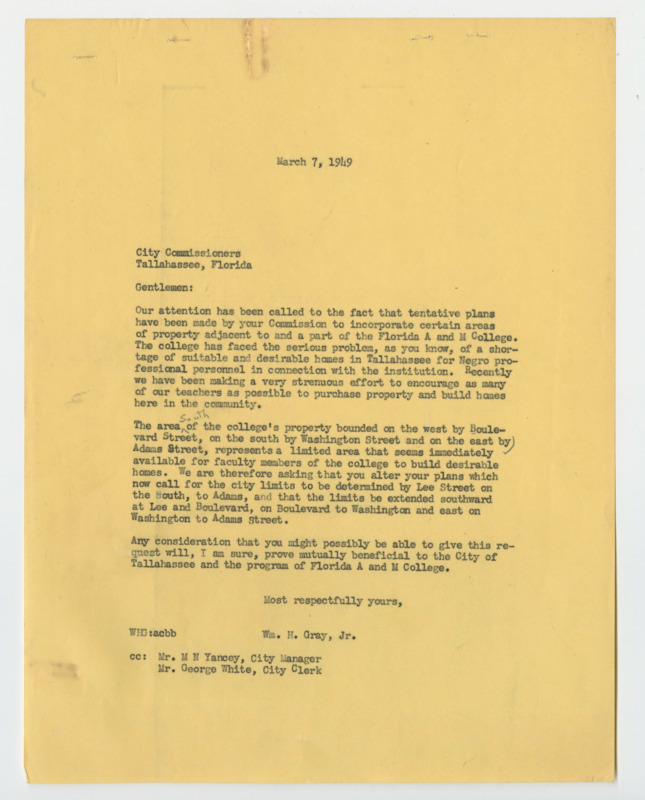
In the late 1940s, the Tallahassee City Commission planned to acquire some land surrounding Florida A&M College, a plan highly opposed by the institution’s president, William H. Gray, Jr. Gray felt it would drive faculty away due to lack of housing. This collection holds correspondence and construction plans.
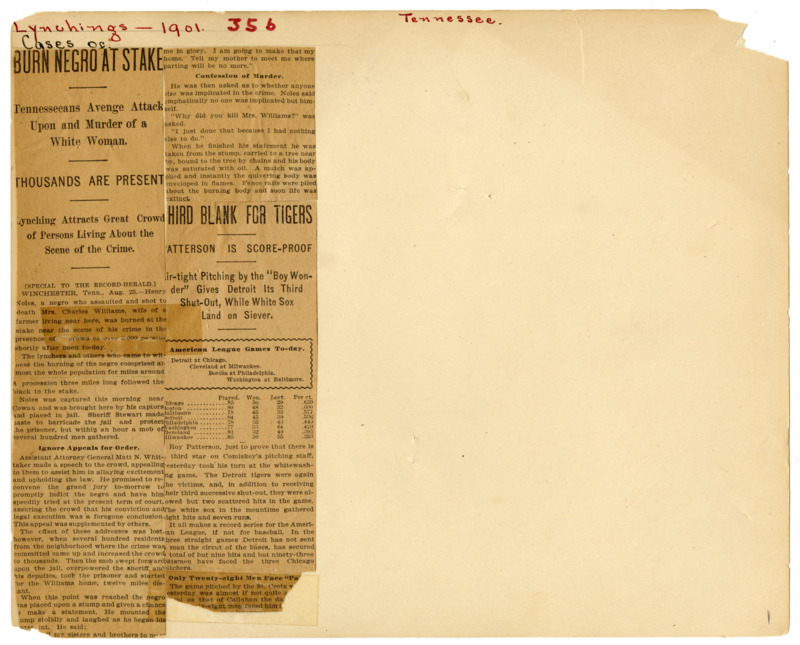
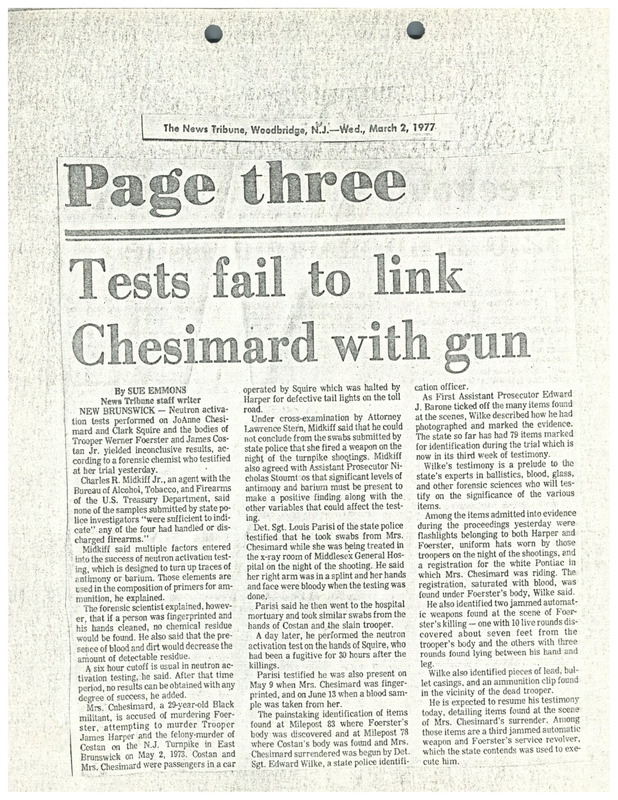
A newspaper article from The News Tribune about forensic tests performed on the bodies of the victims and defendants in the murder trial of Assata Shakur (JoAnne Chesimard) being inconclusive to show that the defendants held or shot the weapons in question. Shakur was on trial for the 1973 killing of a state trooper.
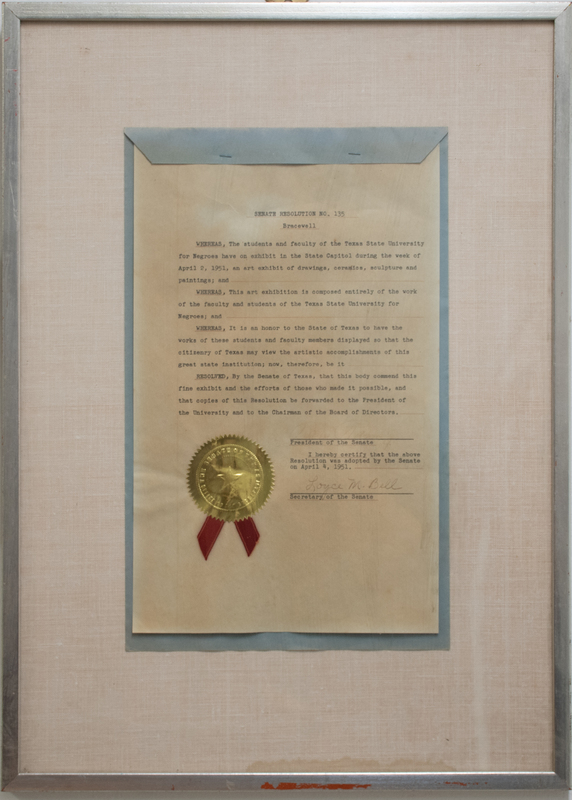
This Texas Senate resolution commends the art students and faculty of Texas State University for Negroes (now Texas Southern University) for their exhibition in the State Capitol in April 1951. It is notable that this exhibition took place years before desegregation.
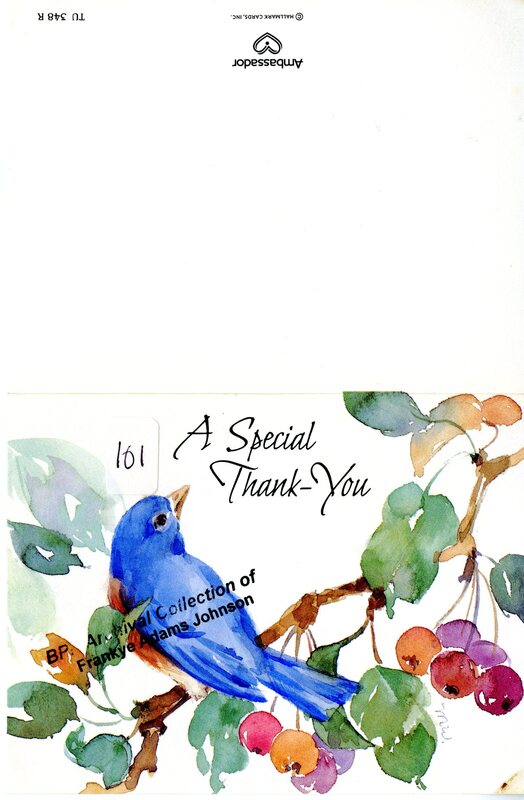
A card from the Jabbar Family to Frankye Adams-Johnson (Malika). This is a thank-you card to Frankye Adams-Johnson for her love and support during their family's time of grieving.
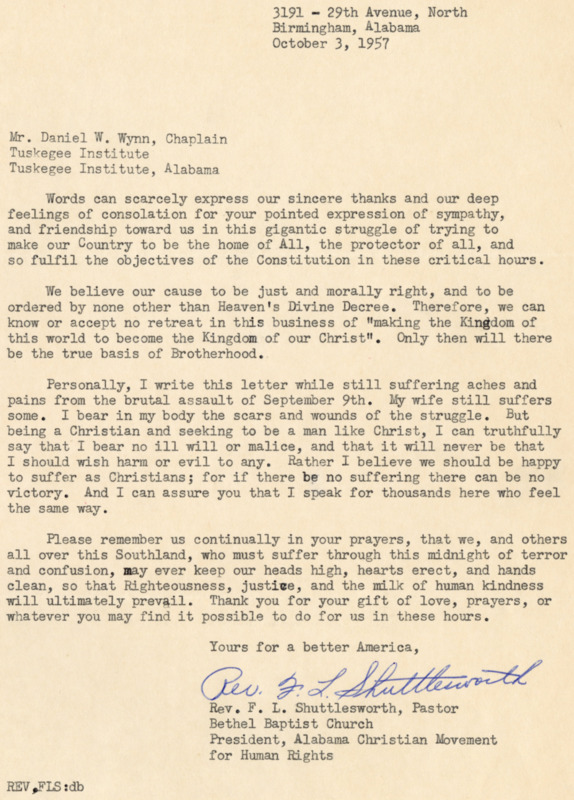
A letter from Rev. Fred L. Shuttlesworth to Chaplain Daniel Wynn, thanking Chaplain Wynn for the prayers and well wishes after Rev. Shuttlesworth and his wife had received physical injuries from participating in the civil rights movement.