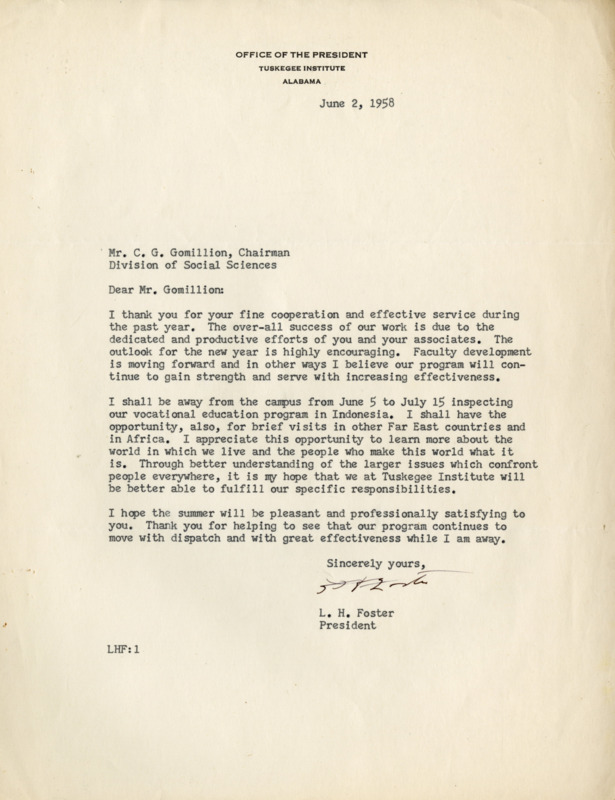
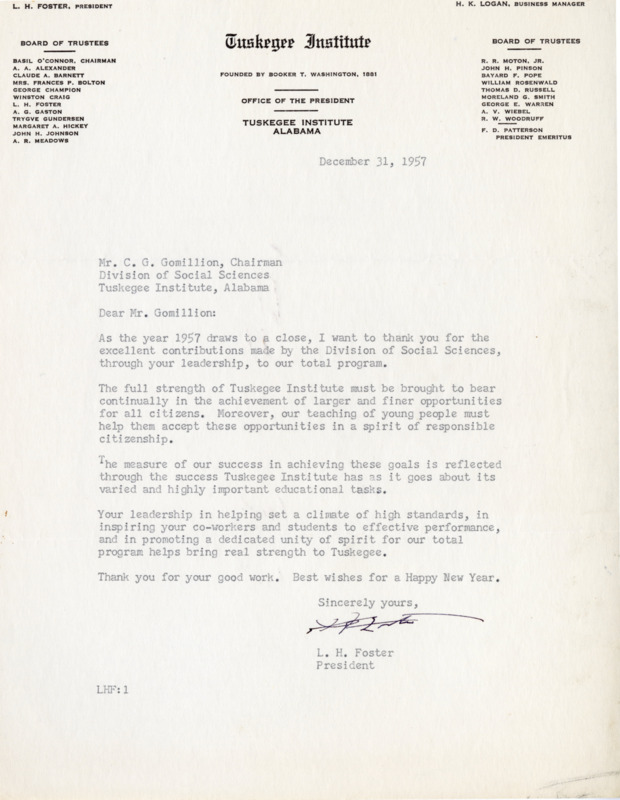
A letter from President Luther H. Foster thanking Charles G. Gomillion for his hard work for the year. In addition, President Foster explained his visits to Indonesia, the far East and Africa for the university.
A letter thanking the 15,000 people of the Harlem community and “New York City’s Afrikan community” who came out on March 13, 1981, to show support for the brothers and sisters in Atlanta. The letter also announces a follow up meeting on March 25 with a potluck following on March 28.
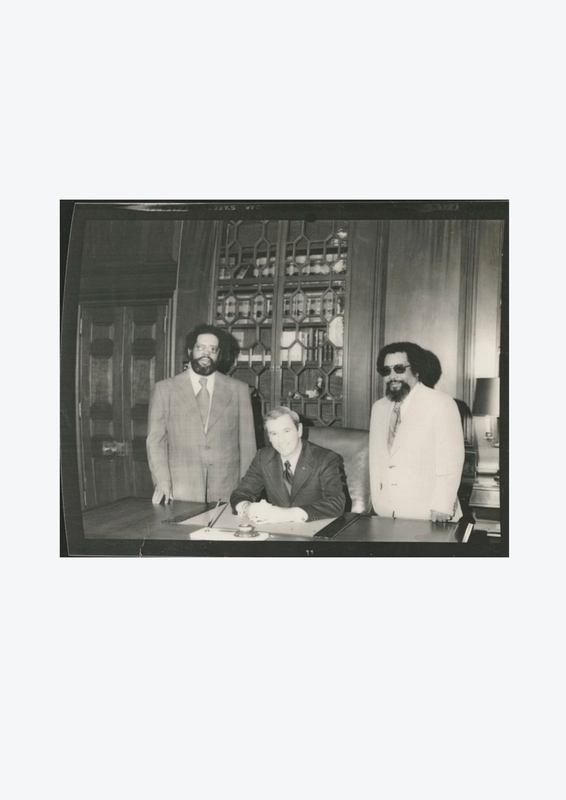
This undated, black-and-white photograph features Julian “Cannonball” and Nathaniel “Nat” Adderley, jazz and blues musicians, and Reubin O’Donovan Askew, the governor of Florida in the 1970s. The Adderley brothers were Florida A&M students and Tallahassee jazz legends, playing saxophone (Cannonball) and cornet (Nat) with Ray Charles and others.
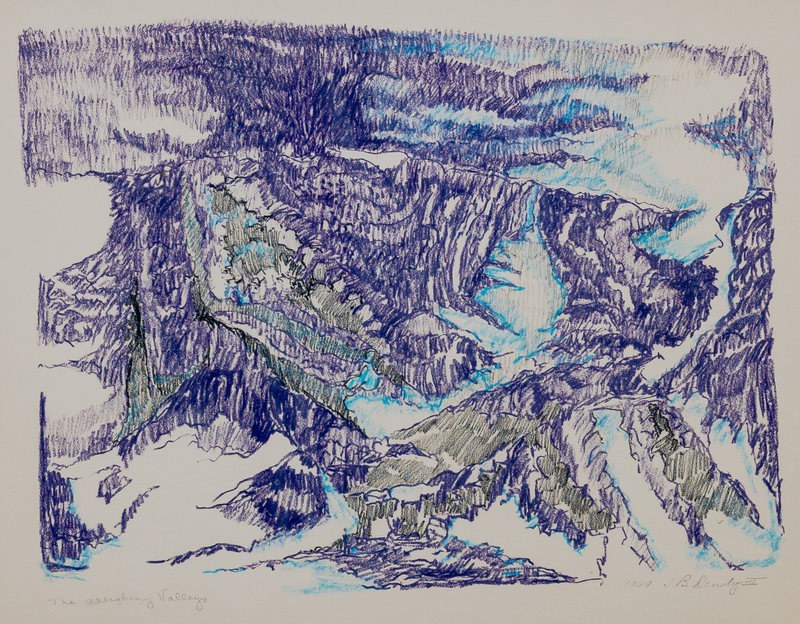
J. Brooks Dendy III was a painter, graphic artist, and educator from Pittsburgh, PA. The Allegheny Valleys depicts an aerial view of a mountain range, valley, and river in Western Pennsylvania.
James Newton was a painter, printmaker, scholar, and professor from Delaware. The American Sixties is an assemblage that symbolizes the political turmoil and militarization that arose in the 1960s after the Civil Rights Movement.
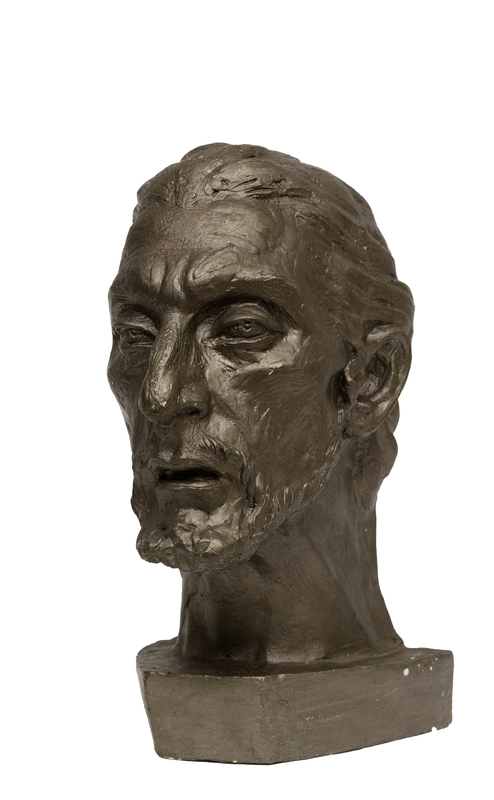
Richmond Barthe was a sculptor from Bay St. Louis, Mississippi. The Angry Christ is an intensely expressive bust of Christ. The bust is incredibly detailed, emphasizing Jesus of Nazareth's Semitic features.
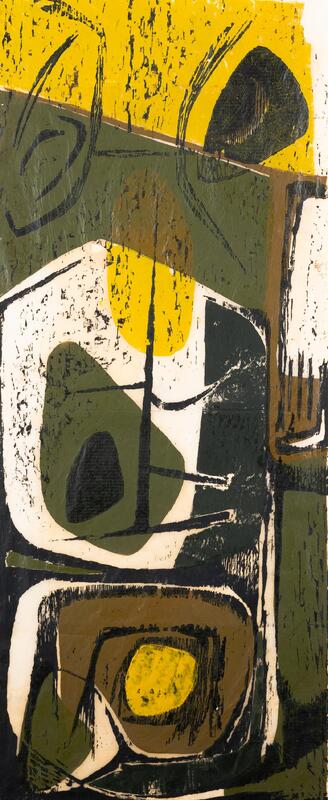
Harper T. Phillips was an artist from Courtland, AL. The Ant is a painting with numerous geometric forms and lines in a vertical composition. Each white, yellow, green, and black shape lay in pocketed areas overlapping black borders and lines.
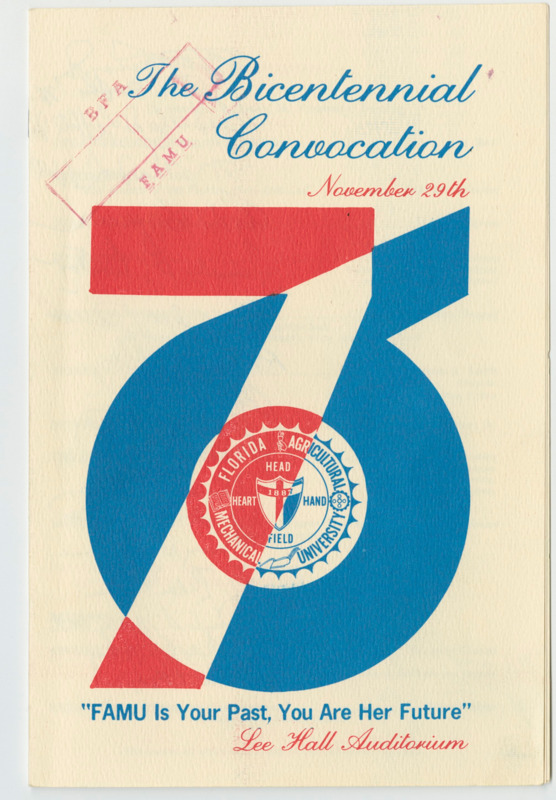
The Bicentennial Convocation program features autographs from notable figures and esteemed alumni, including Dr. LaSalle D. Leffall Jr., commemorating FAMU’s rich history and contributions to education and leadership across generations.
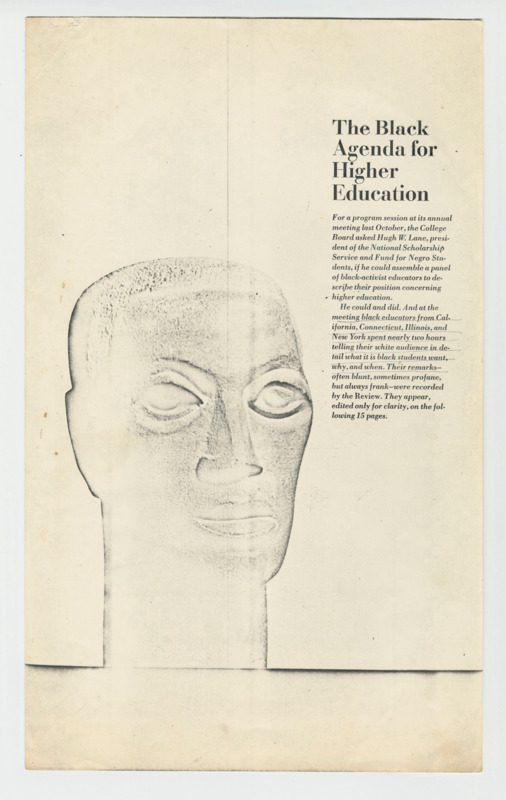
In October 1968, the College Board asked the president of the National Scholarship Service and Fund for Negro Students, Hugh W. Lane, if he could assemble a panel of Black educators to describe their position on higher education. Their comments at the panel were recorded and published in the College Board Review’s Spring 1969 Issue, recorded here.
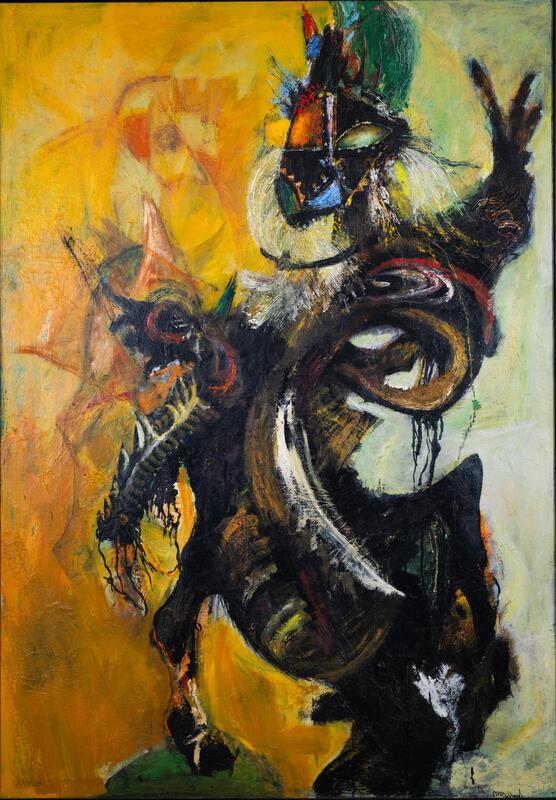
Geraldine McCullough was a renowned painter and sculptor from Kingston, AR. The Black Knight depicts an abstract figure riding a creature like a horse. The figure is primarily black, with a twisted torso, and has masquerade-like attributes. The creature is predominantly black, with both ominous and mythical characteristics.
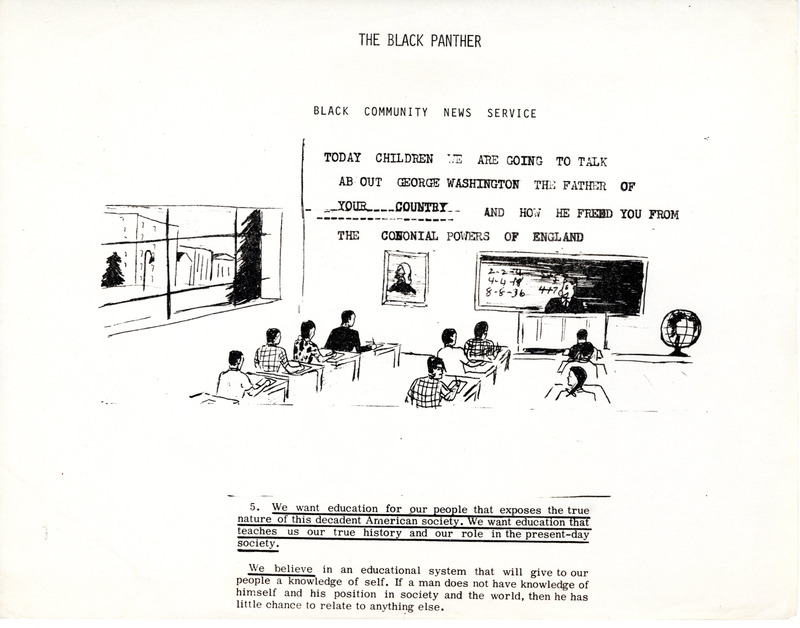
A political cartoon featuring a pig teaching a classroom of children with the quote “Today children we are going to talk about George Washington the father of your country and how he freed you from the colonial powers of England.” The 5th point from the Black Panther Party’s Ten-Point program is printed at the bottom of the page.
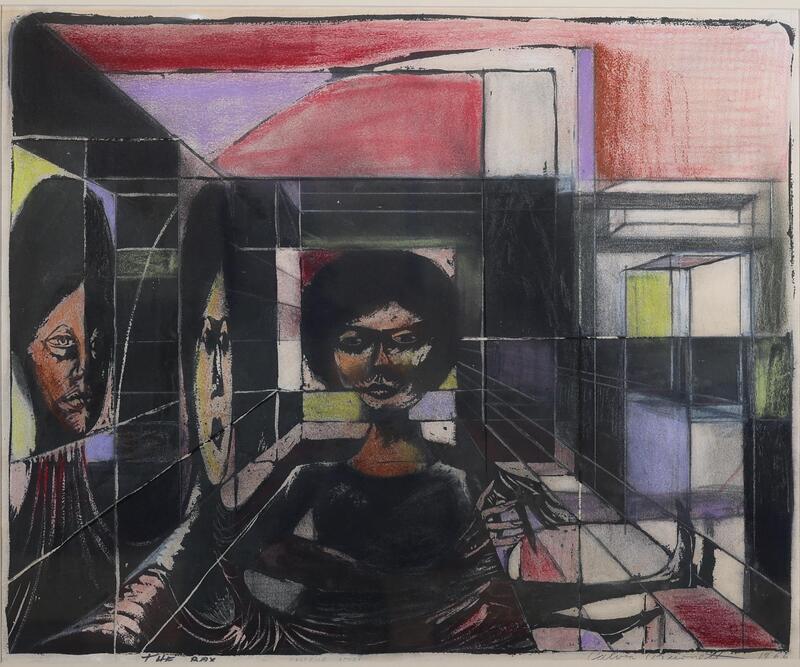
Calvin Burnett was a graphic artist, illustrator, painter, designer, and art teacher from Cambridge, MA. The Box is a surrealist drawing of a Black woman seated in a box. The drawing's geometric complexity and the woman's reflections evoke an uncanny feeling.
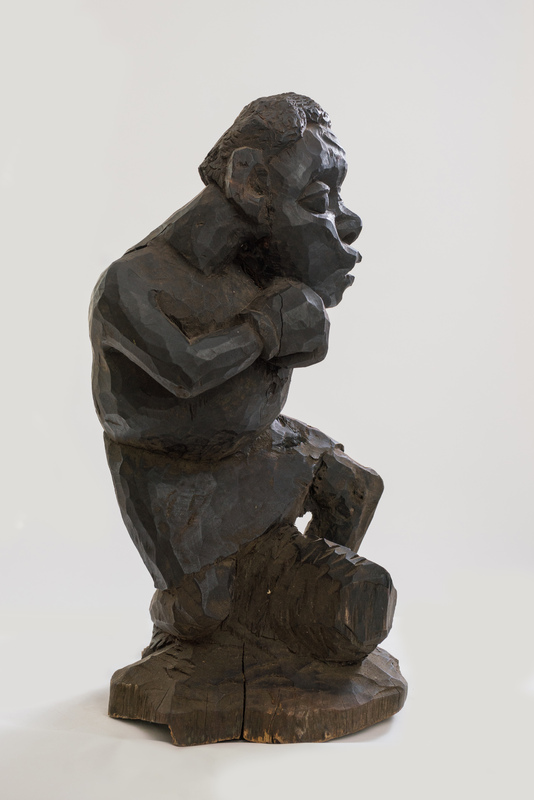
Entrusted to FAMU based on the university's studies in agriculture, this deity is an example of the later spirits showing a more human form. The boxer's left arm was lost prior to shipping from Ghana. The human form seems less passive, but is clearly ready to do harm to any trespassers.
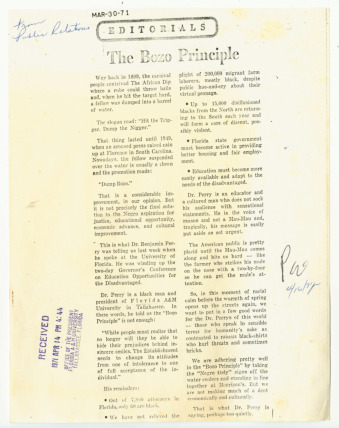
An editorial release from Florida A&M University’s Public Relations Office that discusses a recent speech made by Dr. Benjamin L. Perry, Jr. at the University of Florida, “The Bozo Principle.” Perry essentially uses a metaphor of the origins of a racist carnival game to discuss his vision for the future of marginalized communities.
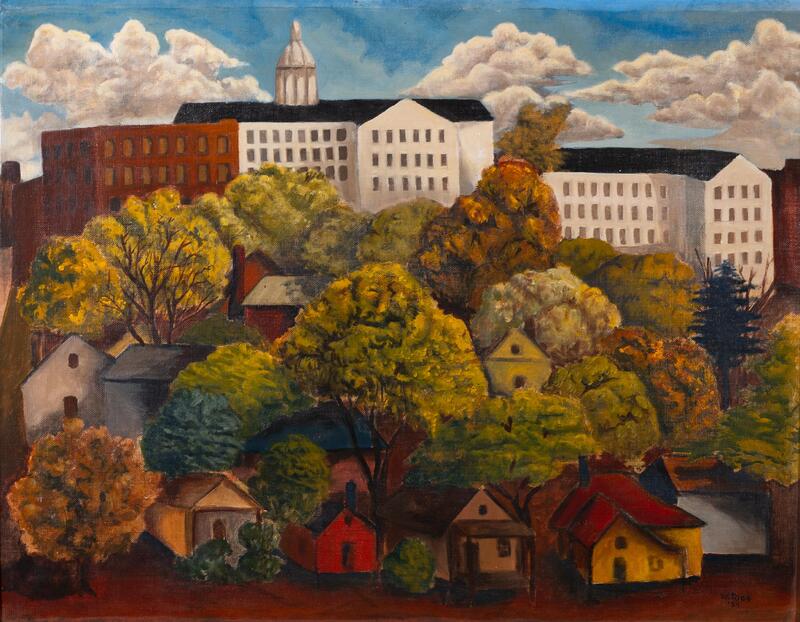
William E. Rice was an artist from Tallahassee, FL. The Capitol is a perspective painting of a residential area beside a Capitol building. In the foreground are several houses with multi-colored trees between them; in the background are larger buildings, including the Capitol, under a cloudy blue sky.
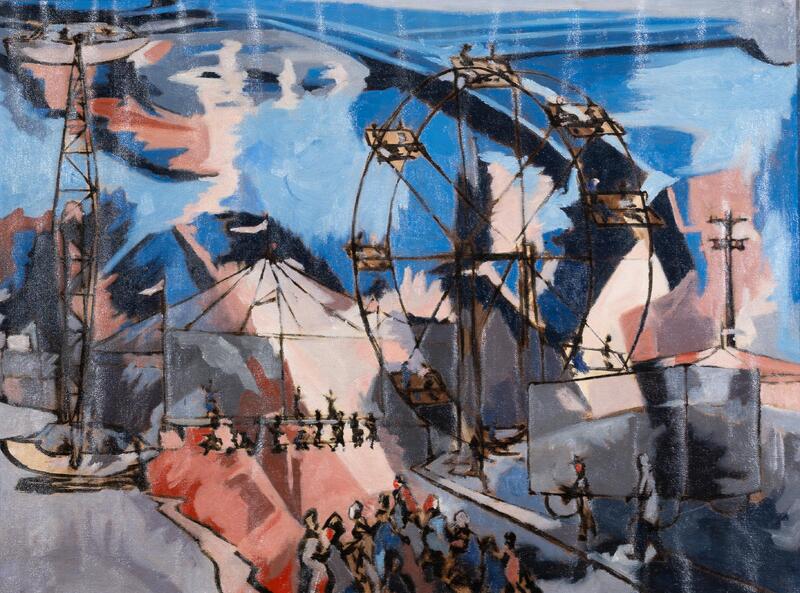
Maurice Strider was an artist and art educator from Lexington, KY. The Carnival shows a carnival landscape with crowds of abstracted human figures walking around and riding a Ferris wheel. The hue composition of blue, pink, and gray is similar to Cubism.
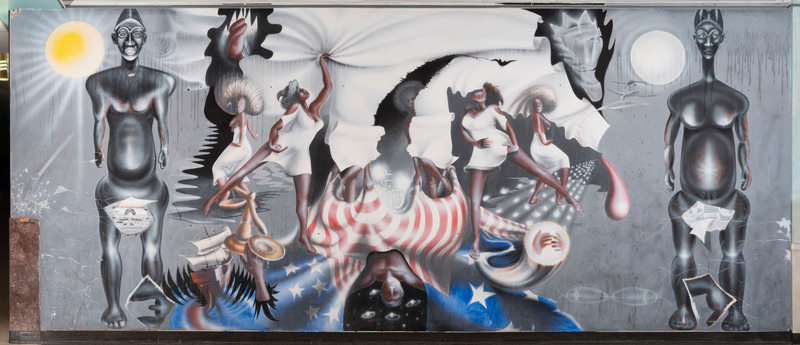
A commentary on the conflict between technology and progress, history and culture, Davis painted this mural in response to the destruction of several Hannah Hall murals to create windows into a new computer lab. Davis’ own mural was later damaged by subsequent construction, as foreseen in its design.
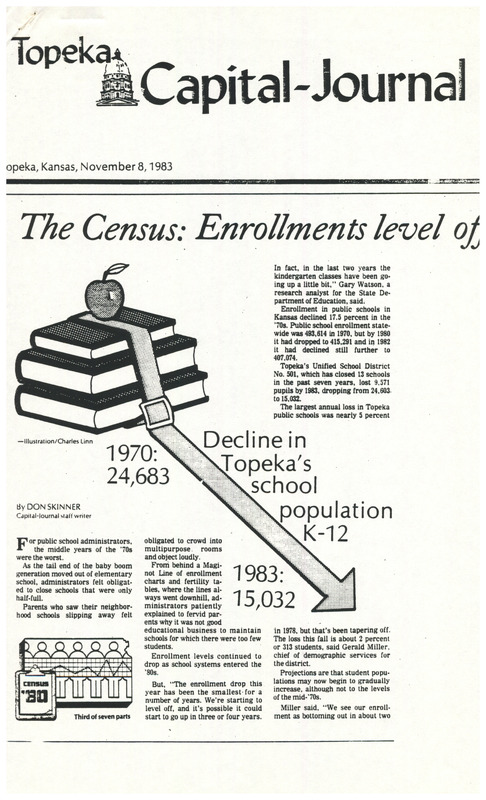
A newspaper article from the Topeka Capital-Journal about the decline in Topeka's K-12 public school population between 1970 and 1983. By 1983, those numbers had started to level out, but there were still recommendations to close 12 to 14 of the district’s 26 public elementary schools based on declining enrollment and building conditions.
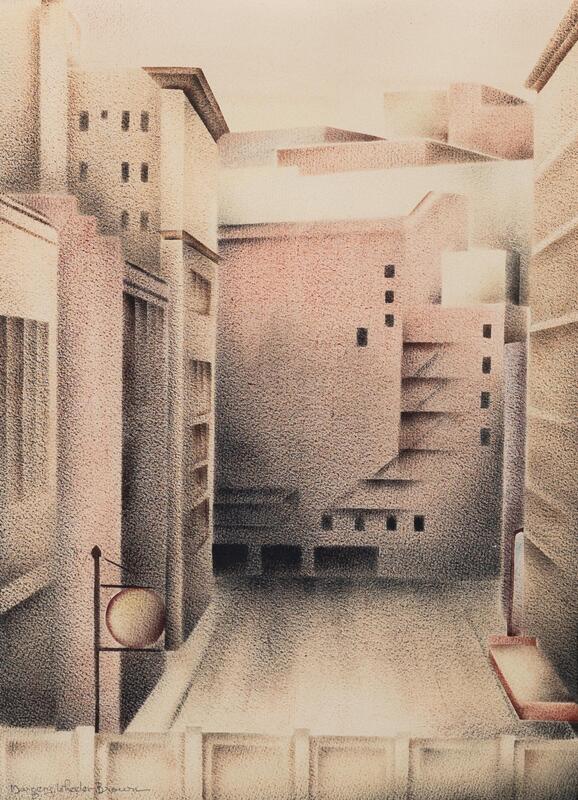
Marjorie W. Brown, born in North Carolina, was an artist who studied art at Spelman College. The City Is A Pattern is a watercolor artwork that shows the linear perspective of a city. Brown uses repeating lines and geometric shapes for buildings, windows, signs, and sidewalks to show a consistent landscape pattern.
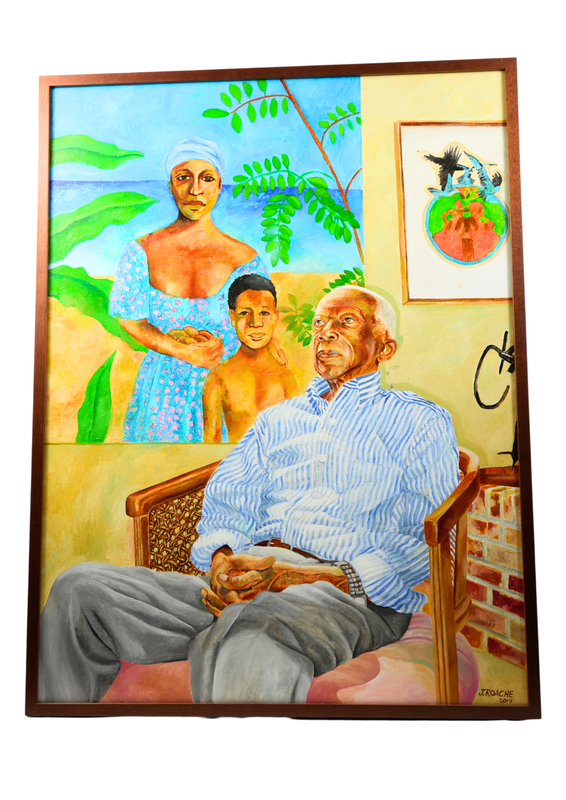
This 2014 painting is of an older man sitting in front of a painting of a woman and a little boy (probably his mother). The portrait was created by Joseph “Joe” Roache, a Florida A&M alum and former professor who has exhibited his oil, acrylic, pencil, and computer artworks in LeMonye Arts, the Mississippi Museum of Art, and more.
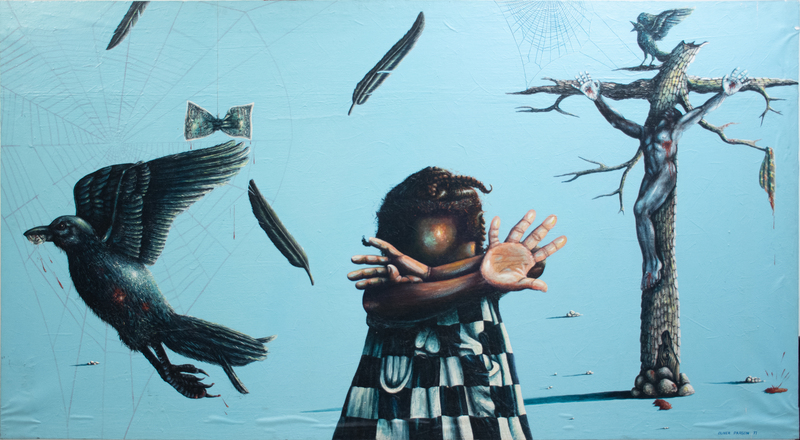
Parson’s painting shows a young girl shielding her face. To the left, a crow holds a coin and a dollar bill is on a fishing line; to the right Jesus is crucified, below a perched crow. The crows may allude to Jim Crow, which made racism law from after the Civil War until the 1960s; crows are also a symbol of death. The dollar bill as bait perhaps suggests the corrupting nature of money.
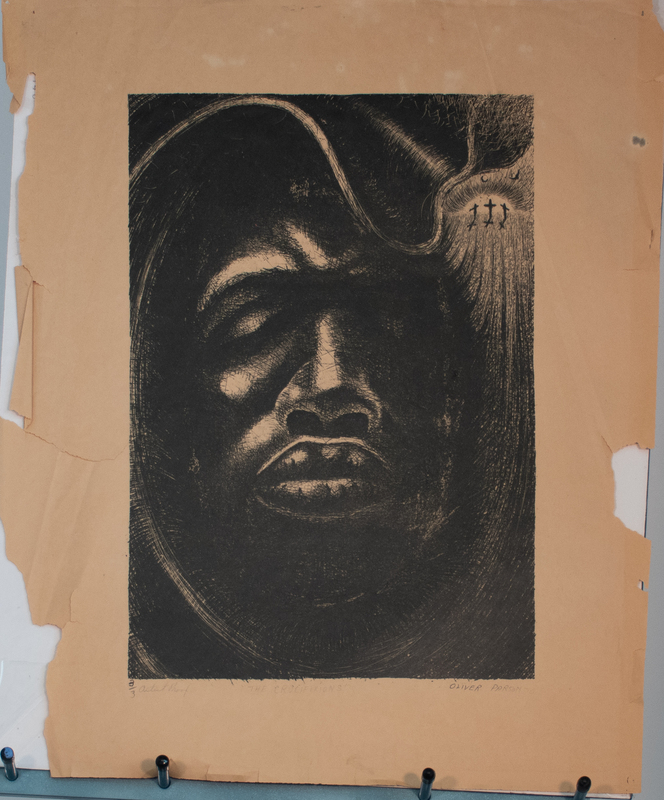
Parson's print shows a face with closed eyes and a solemn expression on its face. In the background, three crosses stand ominously, alluding to the crosses where Jesus, Dismus, and Gestas were crucified. Dark, crosshatched swirls fill the entire composition. Parson and other TSU students learned the crosshatching technique from Dr. Biggers and used it to create smooth, detailed shapes.
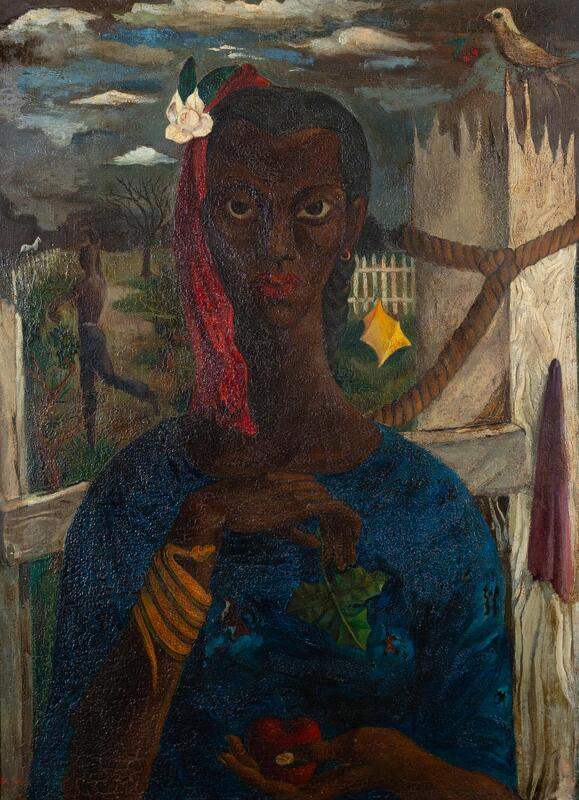
Frederick D. Jones, Jr. was a mid-twentieth-century artist from South Carolina. The Daughter of Eve depicts a woman wearing a ripped blue top, red lipstick, a snake bracelet, a red scarf, and a white magnolia in her hair. She holds a red apple and a green leaf and stares toward the viewer. Behind her is a white horse, a yellow tent, and a man dancing.
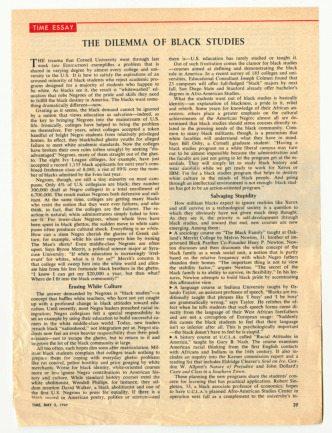
This 1969 essay by TIME offers a snapshot of the state of higher education and its relationship with its Black students. It discusses significant points the Black community clamored for – autonomous Black educational programs, revised Black studies curriculum, etc. — and the general reaction to these calls by critics and supporters alike.
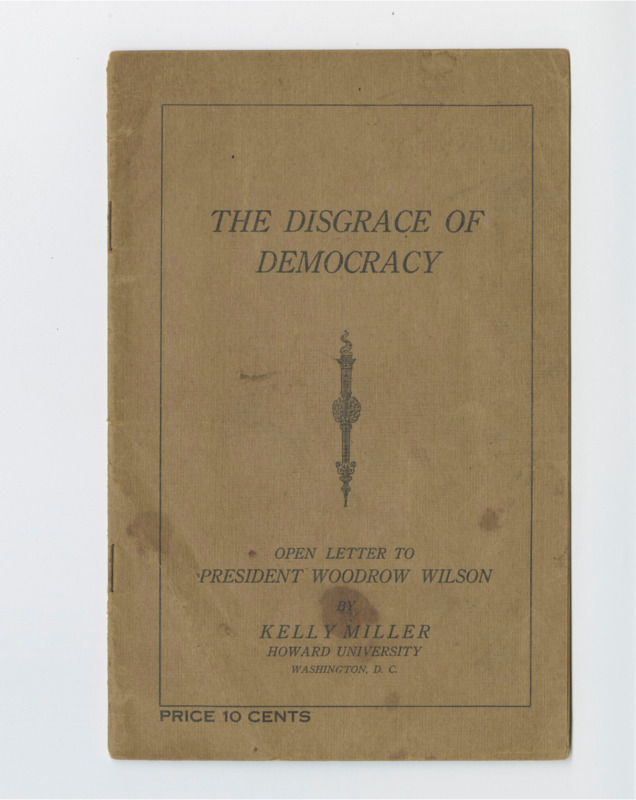
In 1917, Black intellectual, Kelly Miller wrote to President Woodrow Wilson, condemning the unjust treatment of African Americans. Using biblical references, he criticized lynchings, highlighted systemic inequality, and pleaded for relief for the 10 million Black citizens enduring deep distress, emphasizing their innocence and dignity.
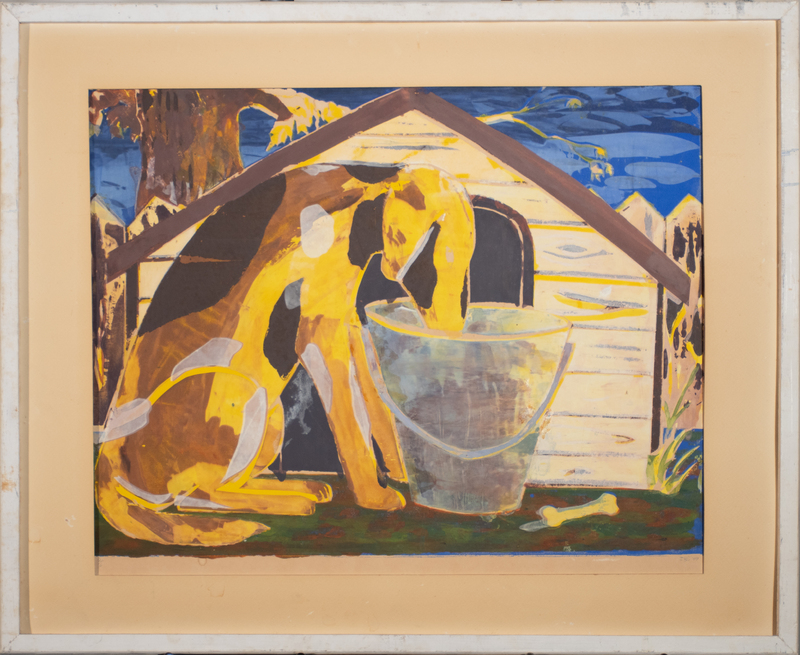
Sampson’s print shows a large, colorful dog drinking from a pail of water. The setting appears rural, with a wooden fence and a large tree in the background. Sampson’s artwork in TSU’s permanent collection often depicts nature and rural homes. More broadly, animals and the natural world are frequent subjects of the artwork of TSU students.
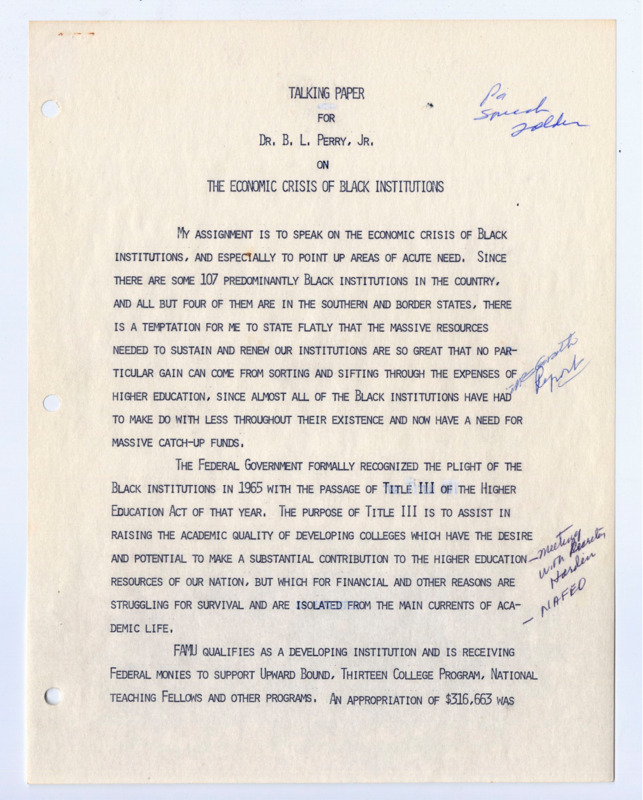
This talking paper was created for Dr. Benjamin L. Perry, Jr for a presentation on the economic crisis of Black institutions. While this speech was meant to represent all historically Black institutions, Perry discussed the plight of all higher education establishments due to a lack of proper financial support and included FAMU as his main example.
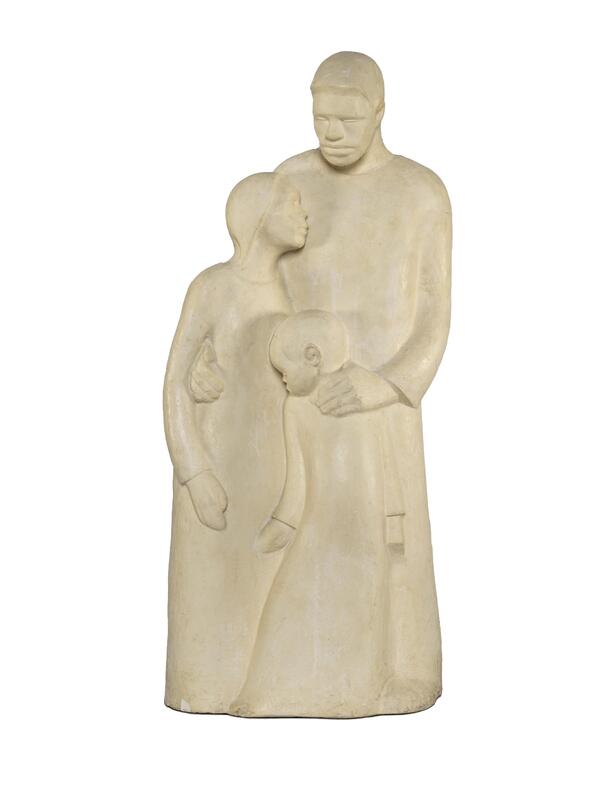
Howard E. Lewis was an Art professor and Korean War veteran from Columbus, OH. The Family is a freestanding Plaster sculpture of a family in an embrace. The father towers over his wife and child, looking down at them as his wife leans into his chest and their son into hers.