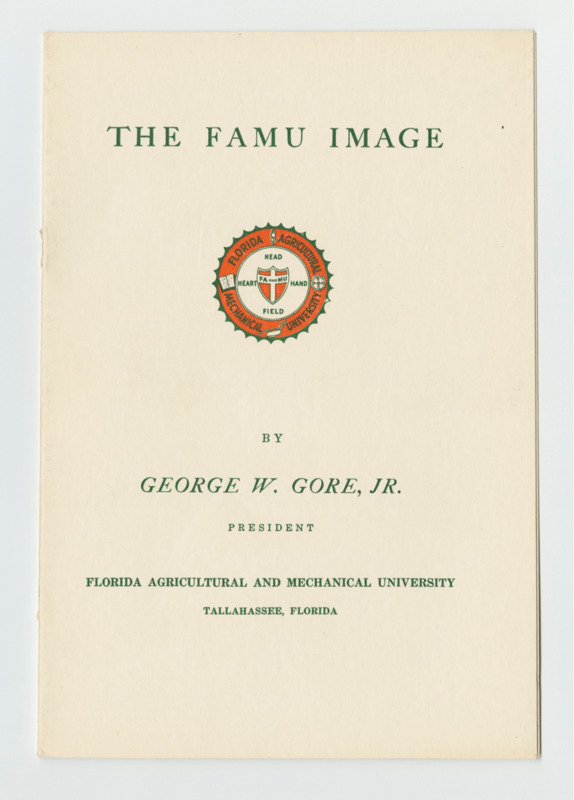
The pamphlet for Florida A&M University’s 75th Opening Convocation features President Gore’s compelling speech on his contributions to the university. Marking the Diamond Anniversary, Gore charts a bold vision for the 1961-62 school year with the inspiring theme, "Go Forward with FAMU."
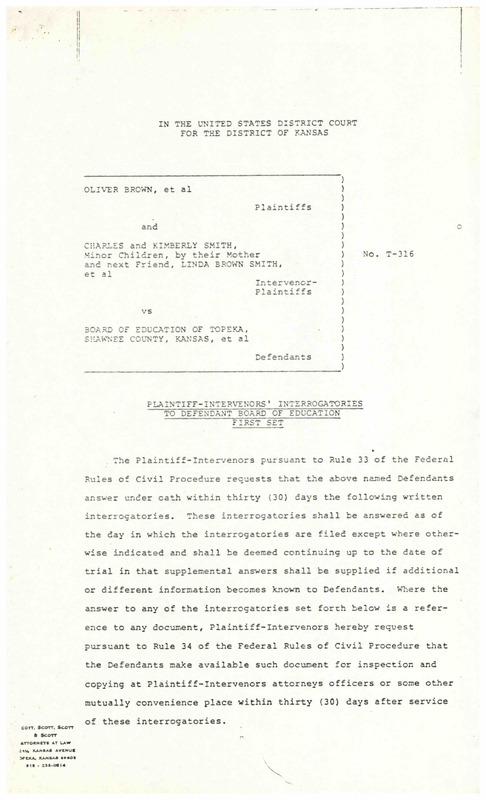
Case Data and Exhibits for Brown III, a relitigation of Brown v. Topeka Board of Education (1954) that corrected resegregation issues caused by open enrollment school choice in 1992. First set of questions from plaintiff attorneys to be answered by defendant attorneys within 30 days as part of evidence discovery.
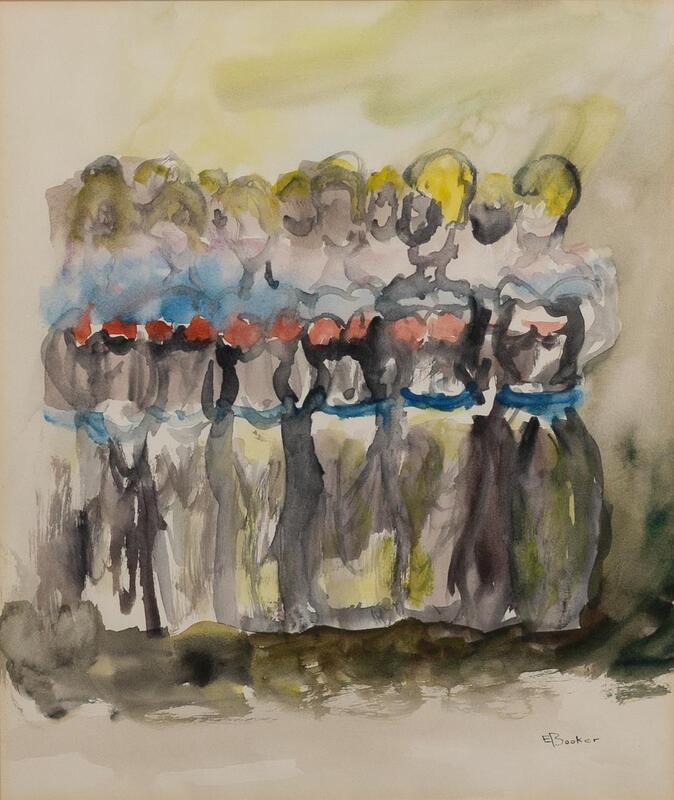
Eva Booker was an artist from Atlanta, GA. The Girls is an abstract depiction of a group of girls with blonde hair, red bikini tops, and low-waisted skirts.
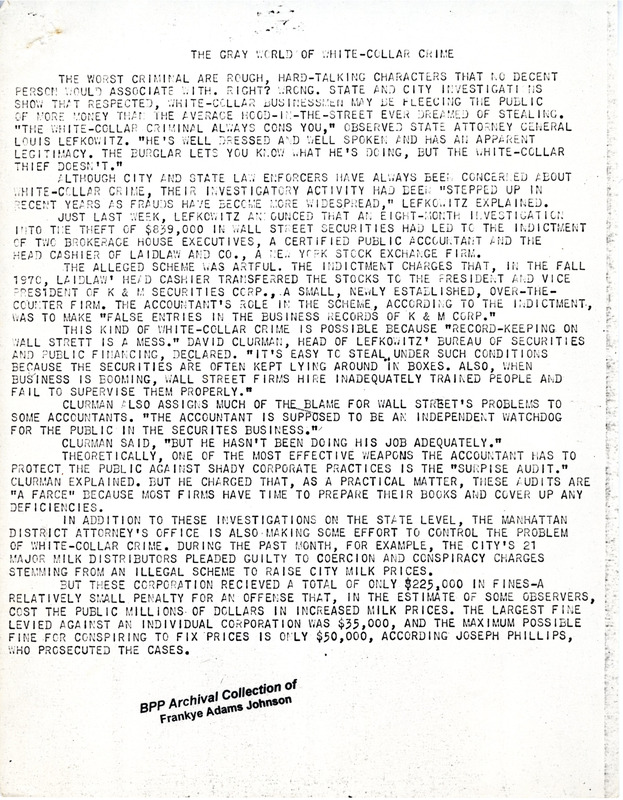
A memo about the real effects of white-collar crime and some ideas about solutions to combat it. The author of the memo gives examples of recent corporate and Wall Street offenses and penalties levied, but argues that not enough is being done. The author states that white-collar crime is perhaps even worse for communities than armed robberies.
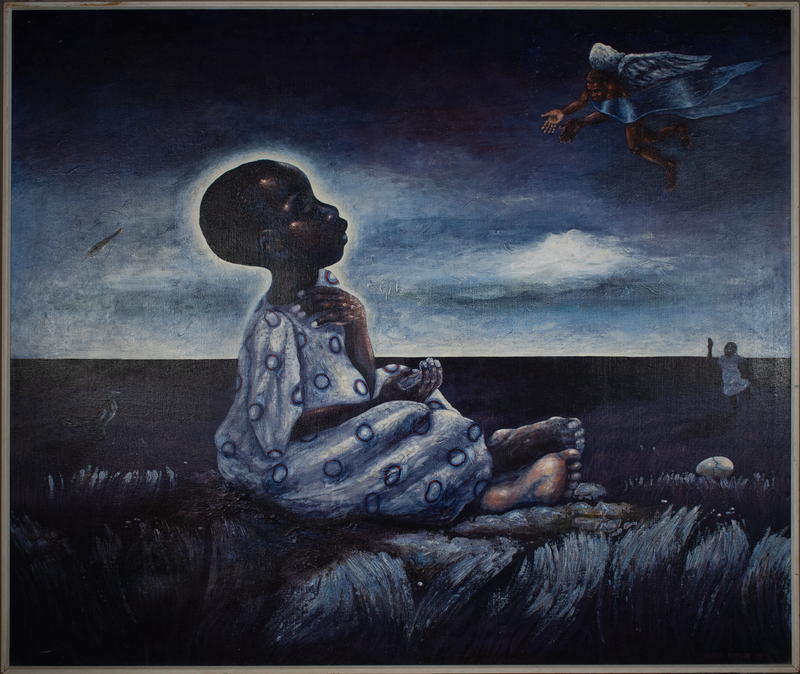
This work, by Oliver Parson, is a calm and dreamlike scene of a child sitting in a prairie, as an angel and a person both race towards him. Both figures may represent salvation; the person aims to rescue him from death, while the angel tries to save him from Earth. A faint glow emanates from the child.
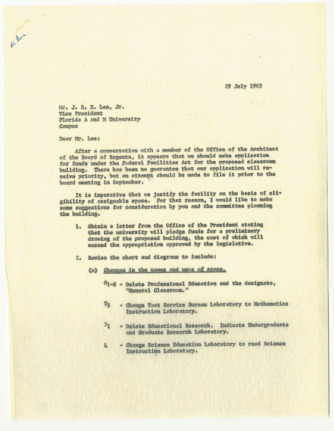
This collection contains letters between B. L. Perry, Jr., George W. Gore, J. R. E. Lee, Jr., and James R. Dungan. These letters discuss the securing of funds for new building construction on Florida A&M University’s campus under the Higher Education Facilities Program, including the Higher Education Facilities Acts of 1963 and 1965.
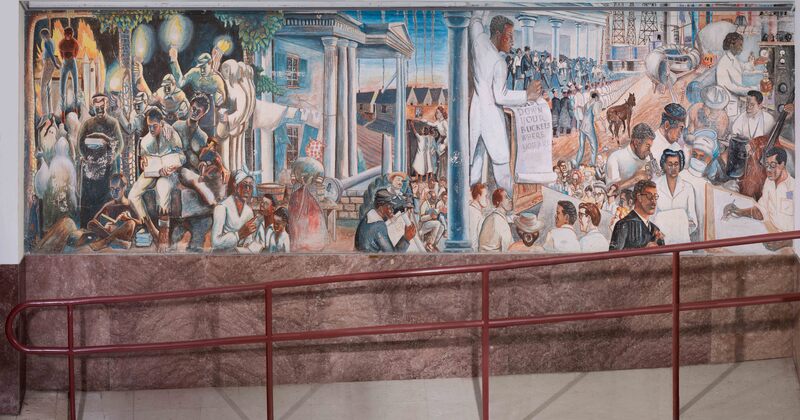
Washington’s mural is a timeline of Black education. On the left, he depicts slavery and lynching above enslaved people secretly reading. In the center, students write “Emancipation Proclamation” and Booker T. Washington delivers his "Atlanta Compromise" speech. The right depicts emerging Black professionals.
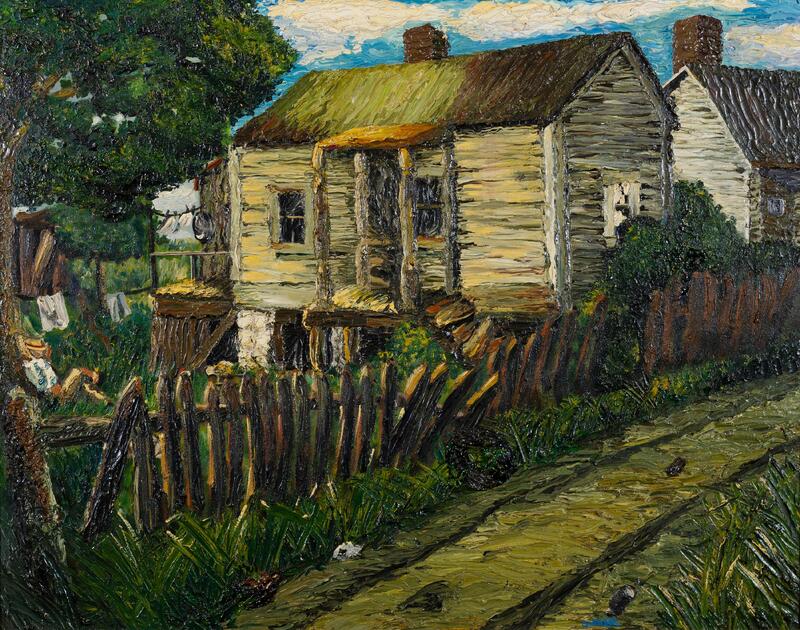
Clarence Laudric Shivers was an artist and career military man who participated in the Tuskegee Program from St. Louis, MO. The House by the Side of the Road depicts a rural home behind a picket fence. This piece conveys rural life as a man lounges on a tree while clothes dry on the line.
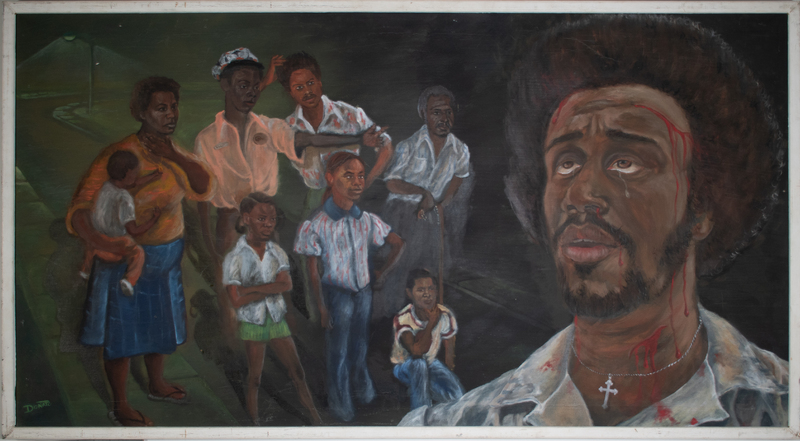
Donato's painting shows a crowd gathering around him after a car crash, but not rendering aid. Donato crafts a scene that blends reality and fiction: he portrays himself bloodied like Jesus on the cross, surrounded by real neighbors of his from Frenchtown, a section of Houston's Fifth Ward, but there was no such car crash.
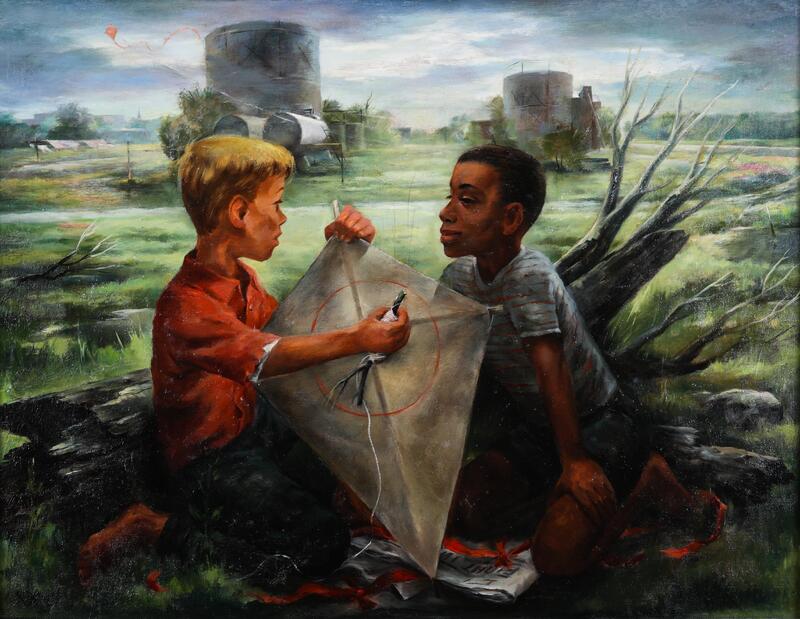
Cecil D Nelson Jr. was a 20th-century painter born in Champaign, IL. The Kitemakers shows two children sitting in a field before a log. A white boy on the left wearing a red shirt holds the kite while looking at a young Black boy on the right wearing a blue shirt. An orange kite flies in the background near two gas tanks and a grain bin.
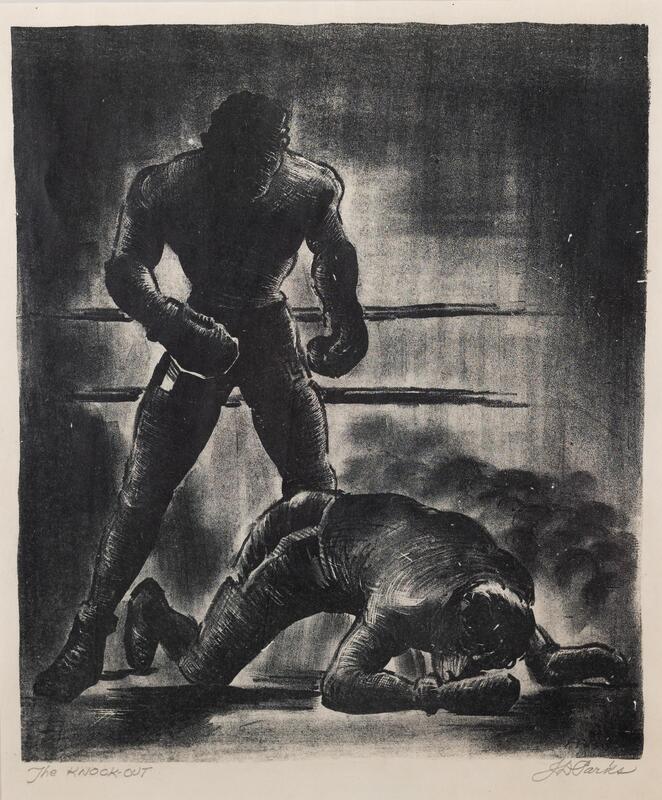
James Dallas Parks, born in St. Louis, Missouri, was a painter, sculptor, printmaker, and art historian. The Knockout depicts the iconic photograph of the Muhammed Ali versus Sonny Liston boxing match. Ali stands in a victor’s stance above Liston as he struggles to rise.
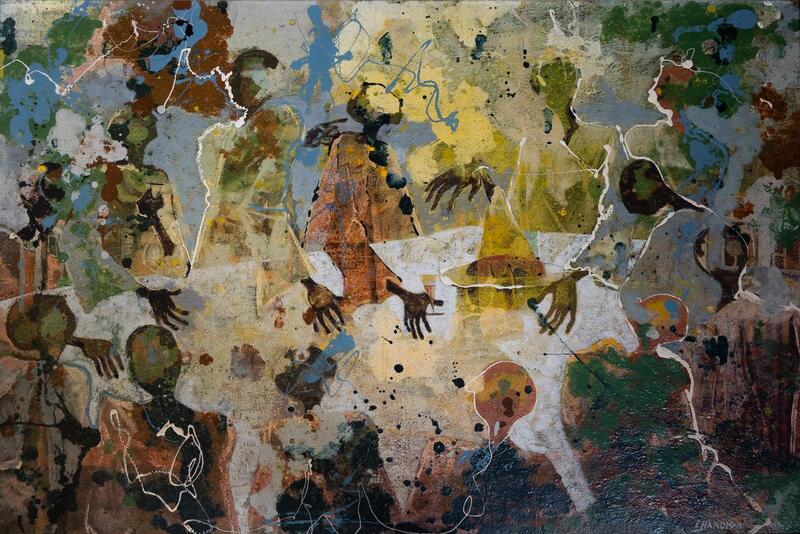
Ernest Hardman was a painter from Detroit, MI. The Last Supper #2 is an abstract depiction of Jesus and His disciples sitting around a table. Unlike The Last Supper, Hardman decenters Jesus and creates a euphony of shape and color that resembles men debating around a table.
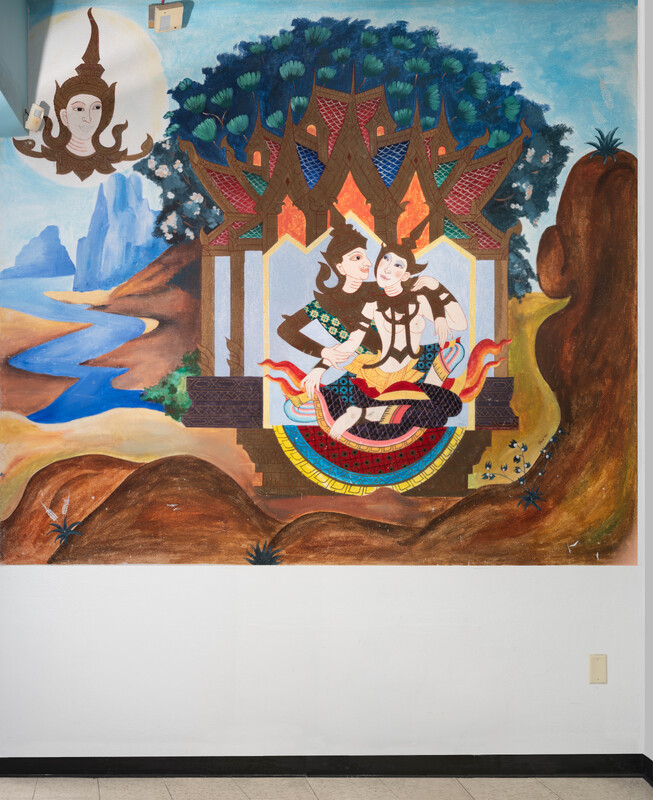
Charoennimuang’s Hannah Hall mural draws inspiration from her birth country, Thailand. In her own words, it “is a Thai style mural-painting that expresses the love of two human beings…surrounded by the beauty of nature…. The man and woman are dressed up in Thai-style like the old days…neatly weaved and knitted in a Thai pattern…made of Thai silk.” The study for this mural included a dragon in the upper right corner that was cut from the final design.
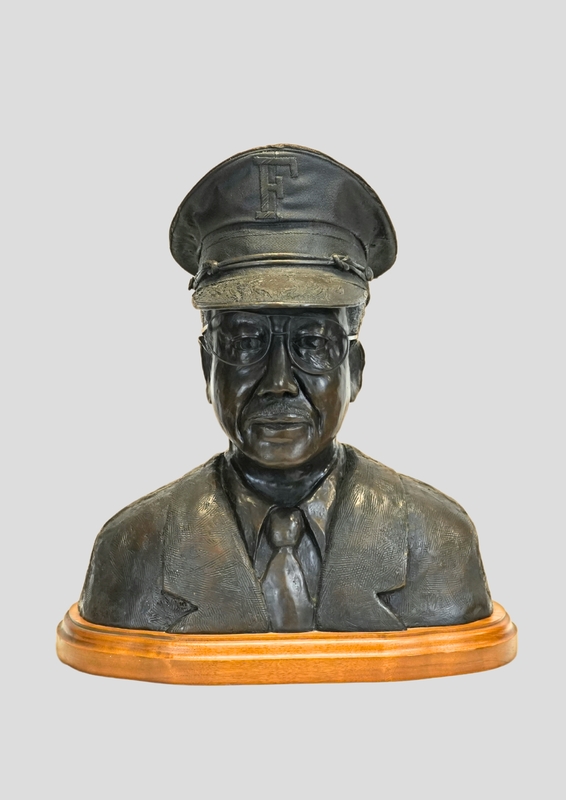
The bronze life-size bust of Dr. William Patrick Foster honors his legacy as a prominent music educator and advocate for African American students at FAMU. Renowned for his commitment to academic excellence, and an innovator of marching bands around the world. Foster is the creator of the FAMU Marching 100.
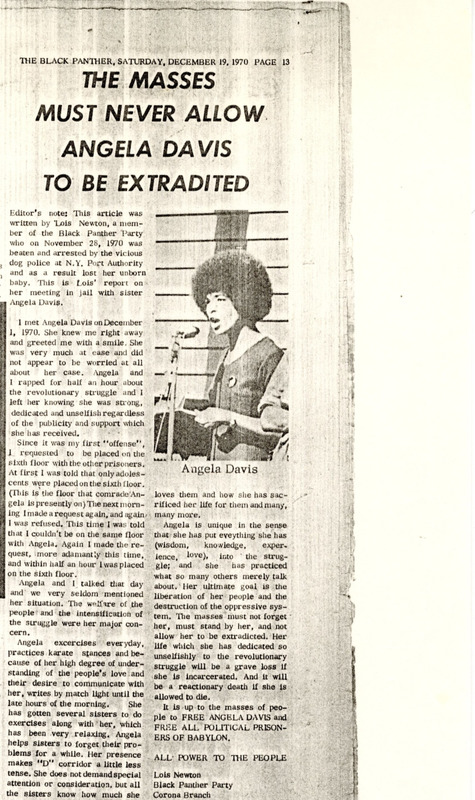
A newspaper article from The Black Panther. Lois Newton, a member of the Black Panther Party, was beaten and arrested by New York police causing the loss of her unborn baby on November 28, 1970. This is her report on her meeting in jail with Angela Davis who was arrested in October 1970 on charges of kidnapping and murder; she was later acquitted.
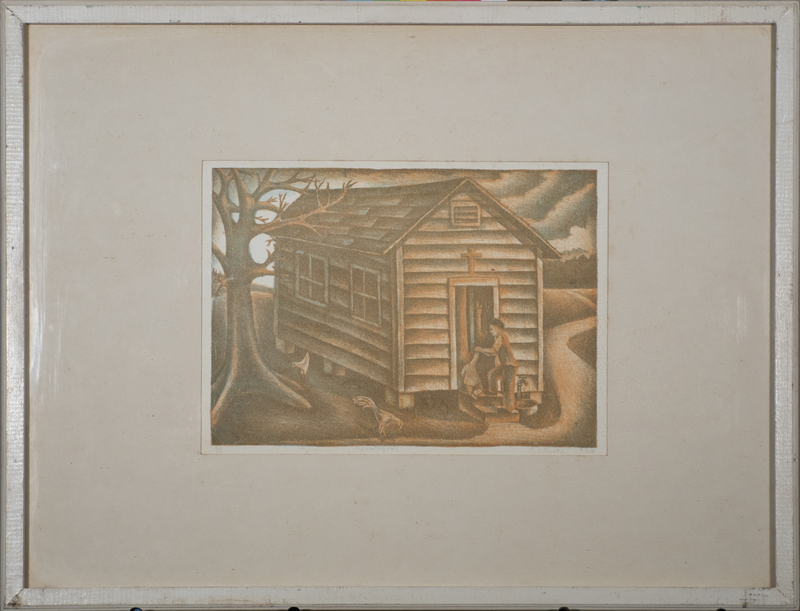
Sifuentes' print depicts the exterior of an old church. An adult and small child are seen entering the church, which lies at the end of a winding path. Chickens are seen pecking at the ground, lending a sense of place to this rural scene. Churches and other religious imagery appear frequently in the artwork of Texas Southern students. Sifuentes later went on to become an art professor at Texas Southern.
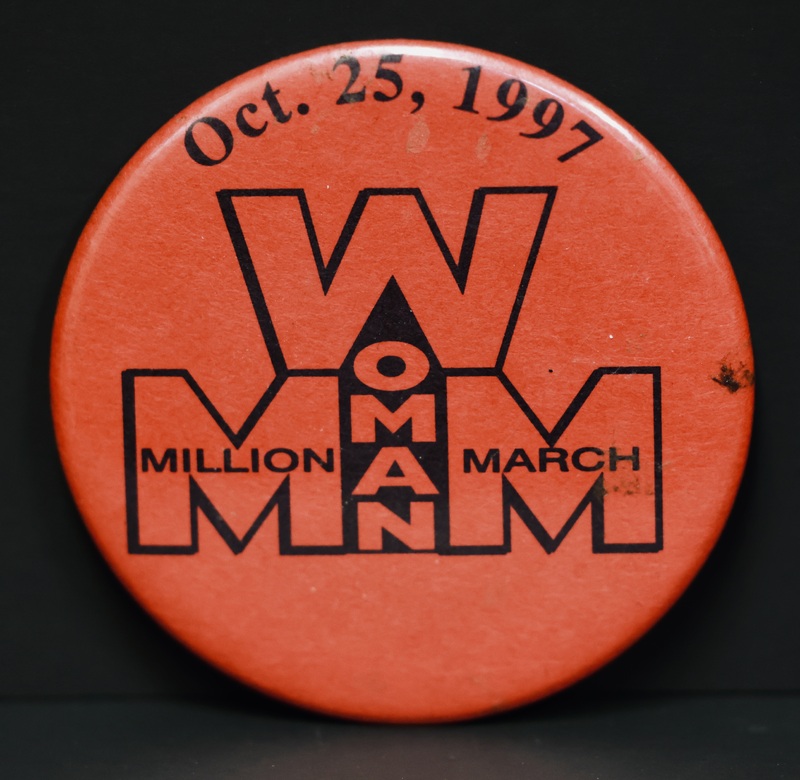
A red button commemorating the Million Woman March on October 25, 1997. The march, which drew over 500,000 attendees to Philadelphia, Pennsylvania, was a grassroots organized event. The 12 point program of the march included demands for support of imprisoned Black women, improvements to social services, an end to homelessness, and more.
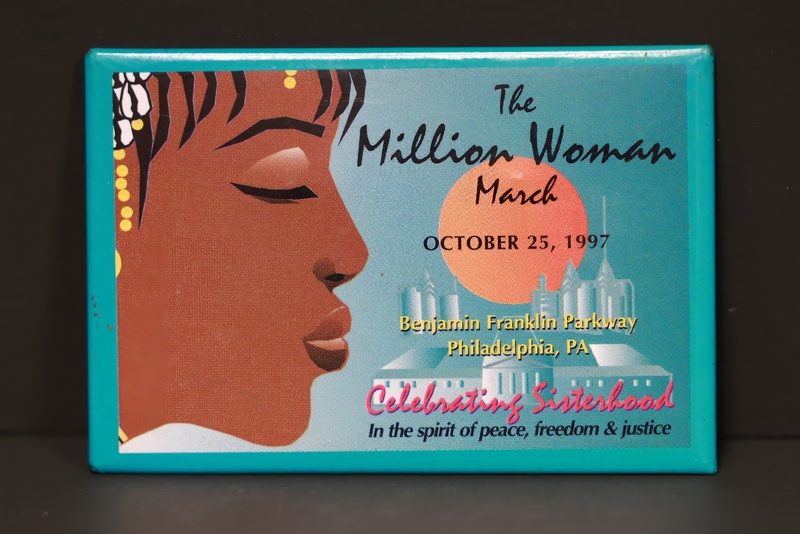
A rectangular teal button commemorating the Million Woman March on October 25, 1997. The text says "Celebrating Sisterhood in the spirit of peace, freedom, and justice." The march, which drew over 500,000 attendees to Philadelphia, Pennsylvania, was a grassroots organized event and included demands for improvements to social services and more.
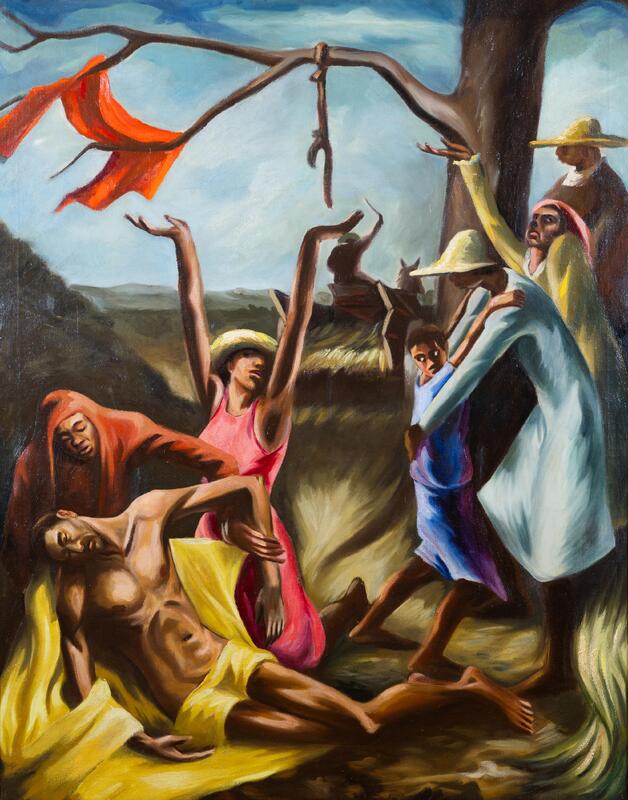
Frederick C. Flemister was an artist from Jackson, GA. The Mourners is an expressionist painting that portrays a group of Black people mourning a lynching victim. It emulates the scene of Jesus’ crucifixion, showing two veiled women holding the victim while three others mourn separately. There is a cut noose hanging from a tree in the background.
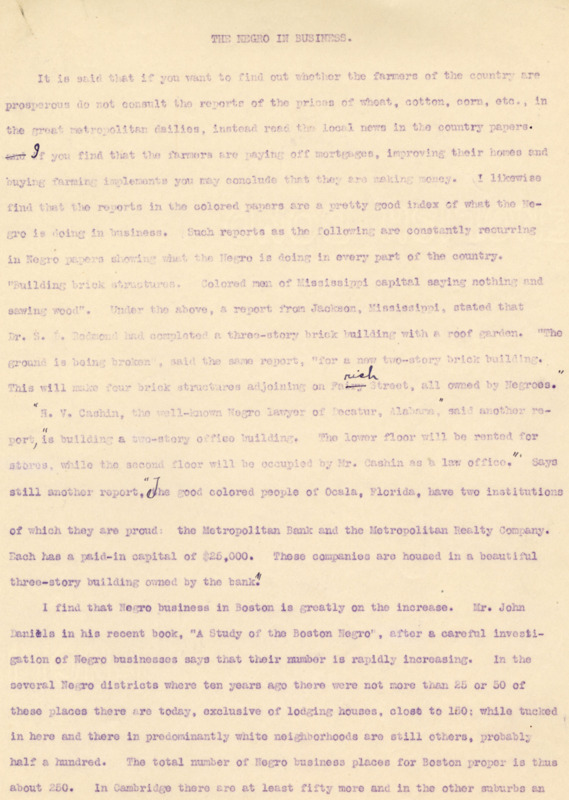
A nine-page article reviewing the state of Black businesses in over 15 states. More than 15 businessowners and industries are mentioned, along with information on business organizations and towns founded by African Americans. Undated, but latest date referenced is April 1914.
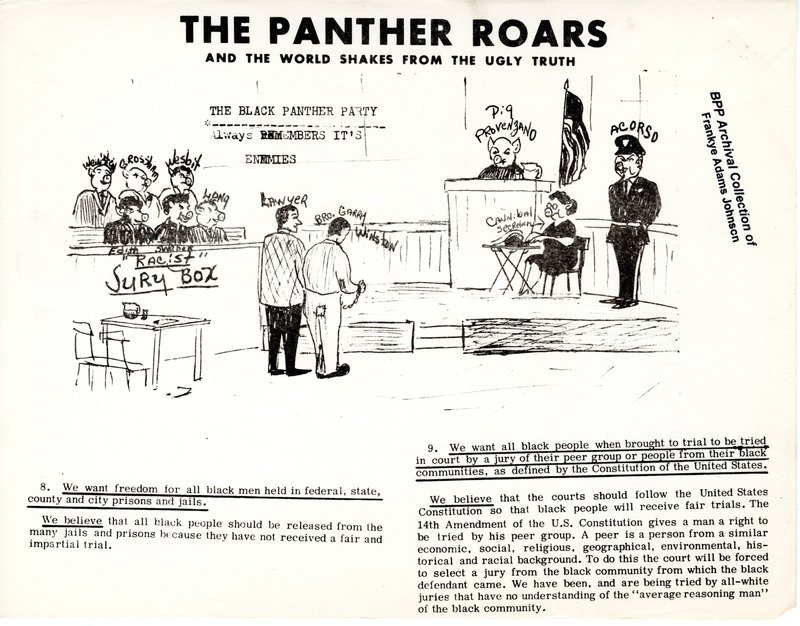
A political cartoon of a courtroom scene with the caption “The Black Panther Party Always Remembers Its Enemies.” The jury, judge, secretary, and bailiff are all depicted as pigs, while the lawyer and defendant are depicted as people. Numbers 8 and 9 from the Black Panther Party Ten Point Program are printed at the bottom of the page.
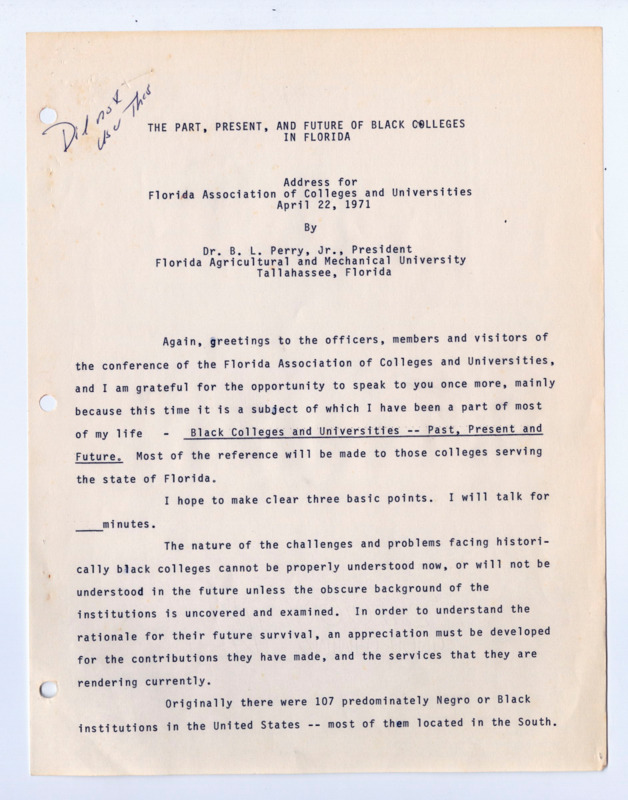
A fierce advocate for education, especially amongst the African American community, this address by Dr. Benjamin L. Perry, Jr. was given to the Florida Association of Colleges and Universities in 1971. He speaks on the development of Black schools and how crucial Black history is to the past, present, and future of Historically Black Colleges.
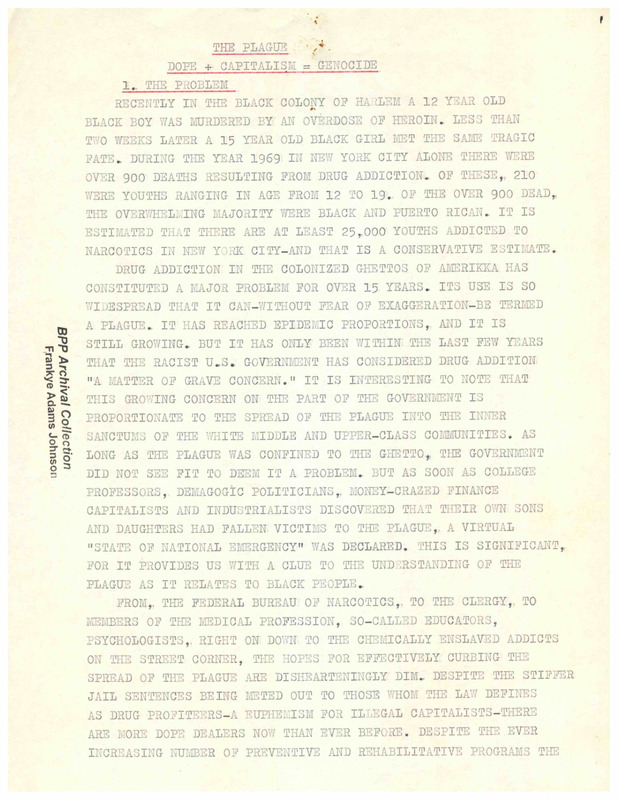
A 1969 essay by Michael “Cetewayo” Tabor about the problem of drugs, specifically heroin, and the effects on people of color. He notes that the Black Panther Party is currently working on plans to combat this “plague.” Tabor was part of a group of Panthers who fled to Algeria in 1971 after skipping a trial concerning a bombing plot.
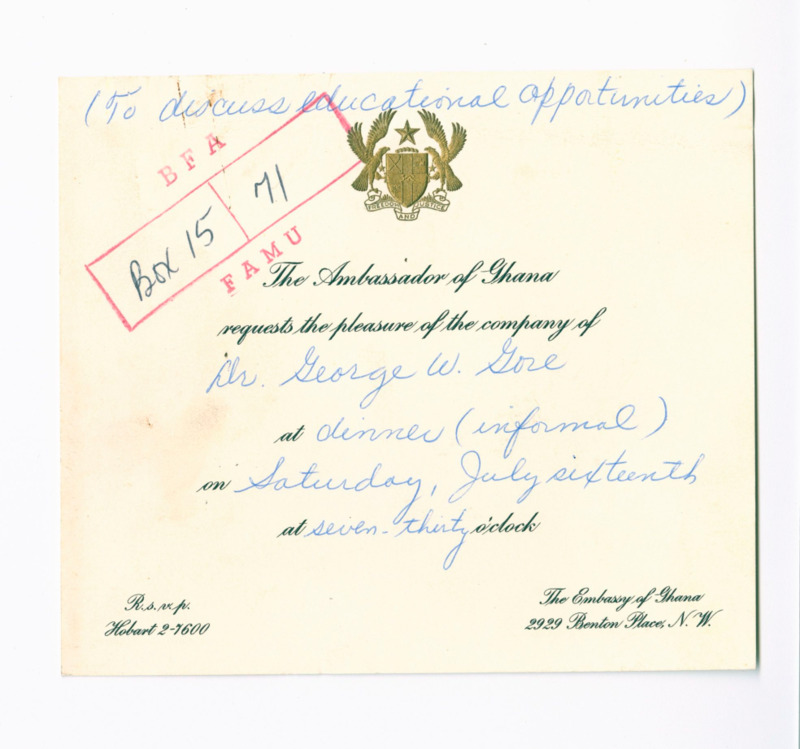
Letters between President Gore and the Embassy of Ghana outline plans to expand Ghanaian student opportunities at FAMU. A follow-up letter details meeting times and locations, and a message of delivery with photos to the Ambassador, showcasing the collaborative efforts to enhance access to higher education.
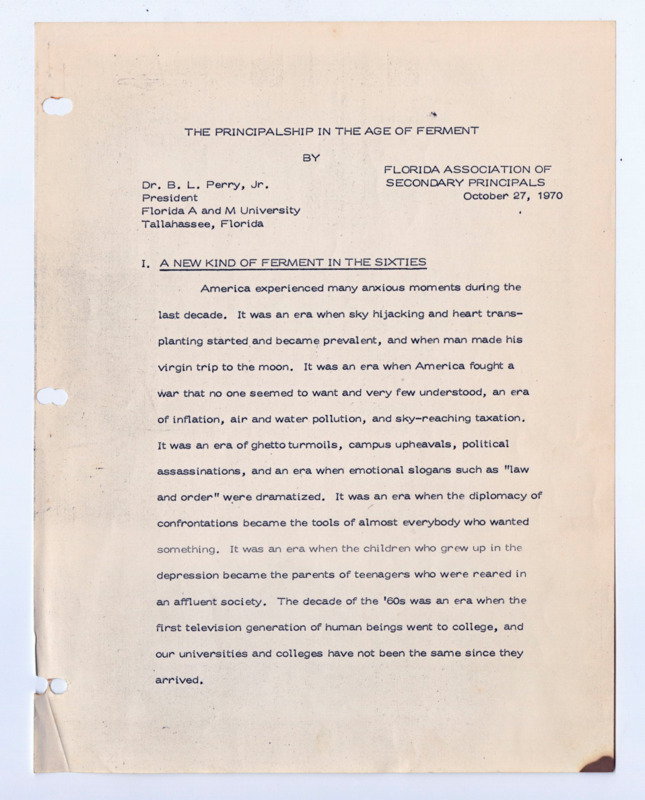
Dr. Benjamin L. Perry, Jr delivered this speech to the Florida Association of Secondary Principals in 1970. In it, Perry offers a historical snapshot of the current events of the time, i.e., the moon landing, civil unrest, and political assassinations, to discuss the future of education amongst its leaders.
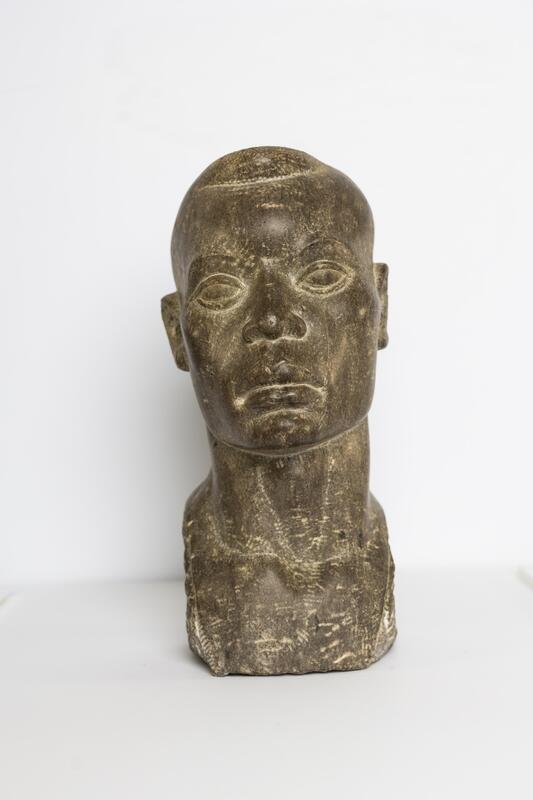
William Artis was a sculptor from Washington, NC. The Pugilist is a limestone sculpture of a Black boxer. Artis chiseled immense detail into the sculpture, capturing the intensity of his expression and hair texture.
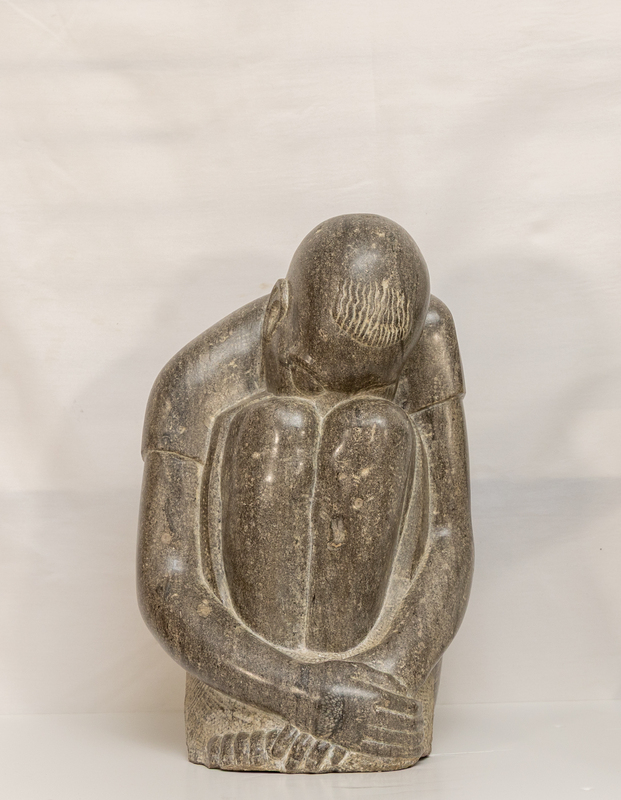
William Artis was a sculptor from Washington, NC. The Quiet One is a limestone sculpture depicting an introverted person. The figure has their head resting on their knees as their hands hold their knees to their chest, displaying a posture of solitude and isolation.
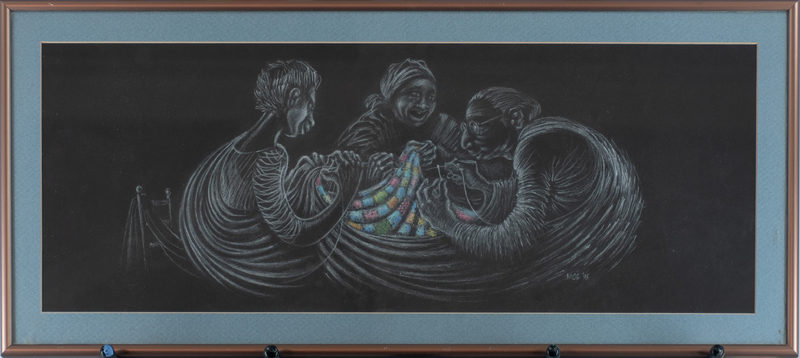
Moe’s drawing shows three elderly women working together to craft a quilt. Quilting is a traditional craft of Southern Black women, and also an important community activity. Moe’s composition is set against black paper and drawn all in white, with the exception of the vibrant colors of the quilt. This shows the richness of the communities and lives embodied in the quilt.
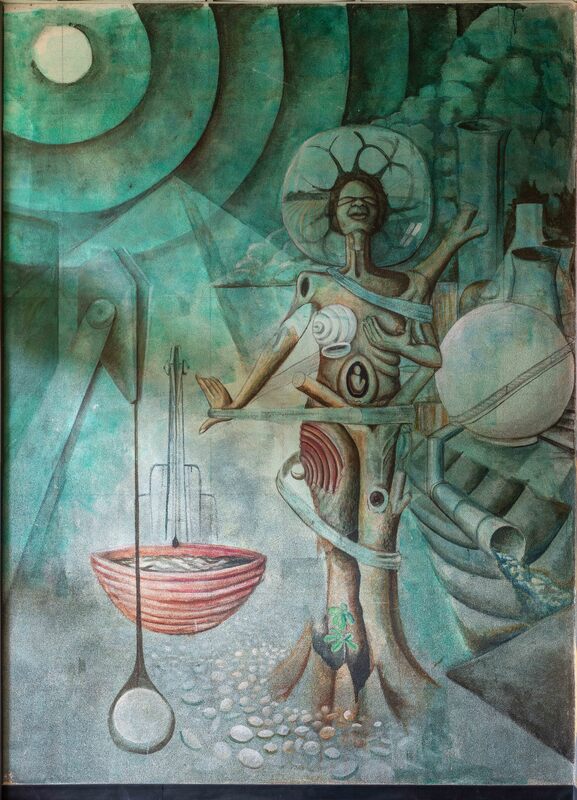
In this mural, Mother Nature is attacked by oil derricks, pollution, and industrialization. Jones painted this work as a response to the rapid expansion of oil drilling throughout Texas. Jones still engages with nature, now creating wood carvings from fallen timber after Galveston storms.
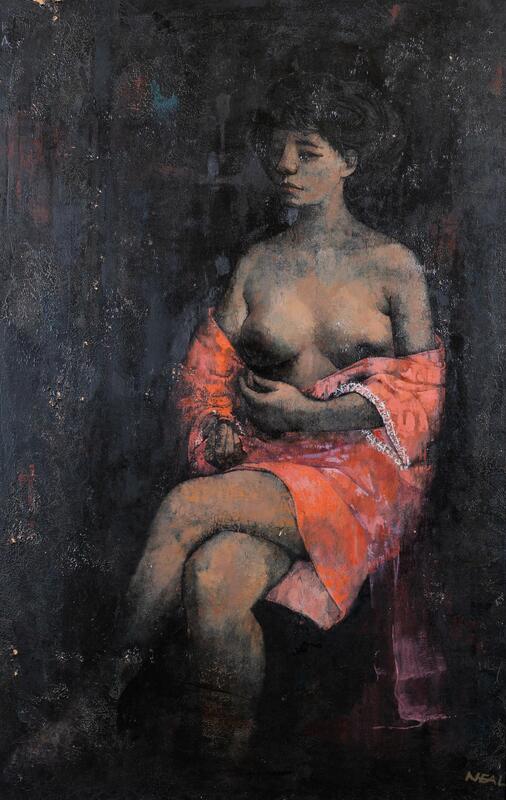
Harold Lloyd Neal was an artist from Detroit, MI. The Red Robe is a portrait of a woman with a red robe hanging off her shoulders. The subject's breasts are visible as she poses, legs crossed, looking away from the viewer.