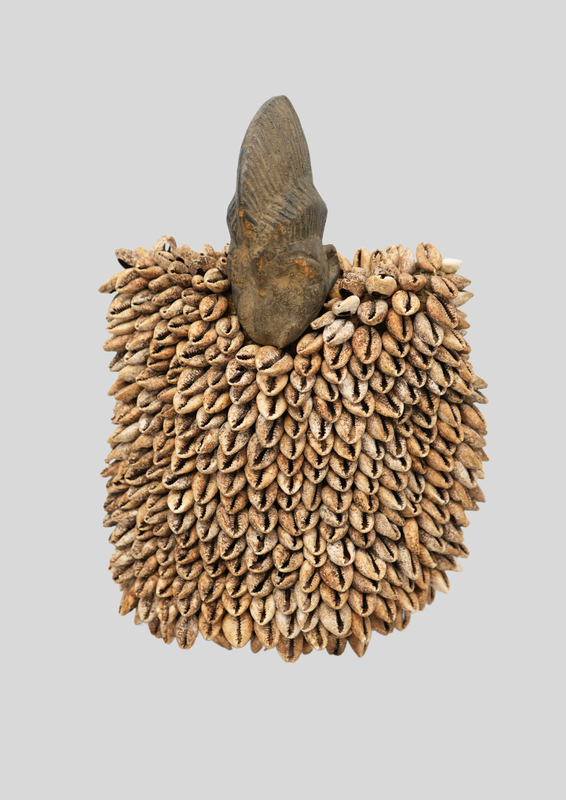
This sculpture is reminiscent of the twin commemorative figure, but its facial features have faded. This figure is cared for as if it were a child; in Yoruba culture, twins are considered powerful spirits who bring riches to the family. The cowrie shell top it wears serves as an offering to Sango, the deity who rules over the twins’ health.
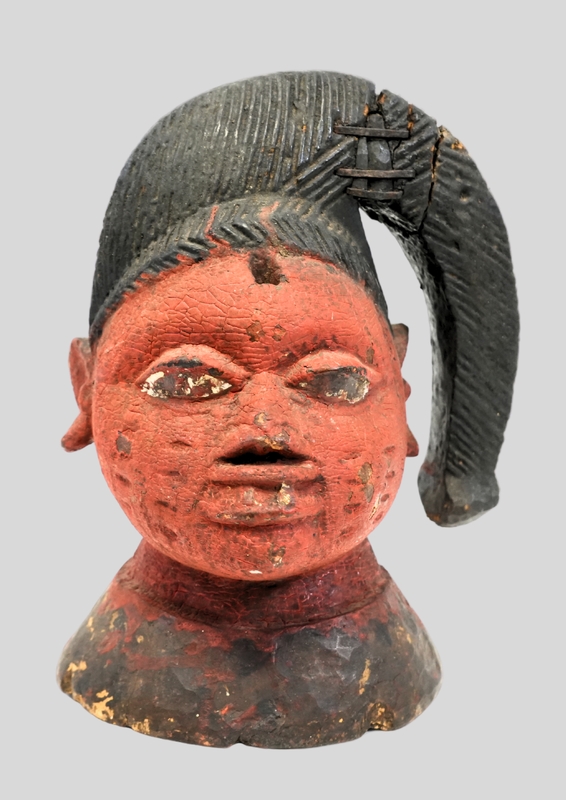
This wooden sculpture has faded paint, but the features – including scarification marks and large ears – are still prominent. The Yoruba people of Nigeria made this mask to honor their ancestors in masquerade ceremonies, known as Odun Egungun (egungun meaning “power concealed”), meant to maintain the spiritual morality of previous generations.
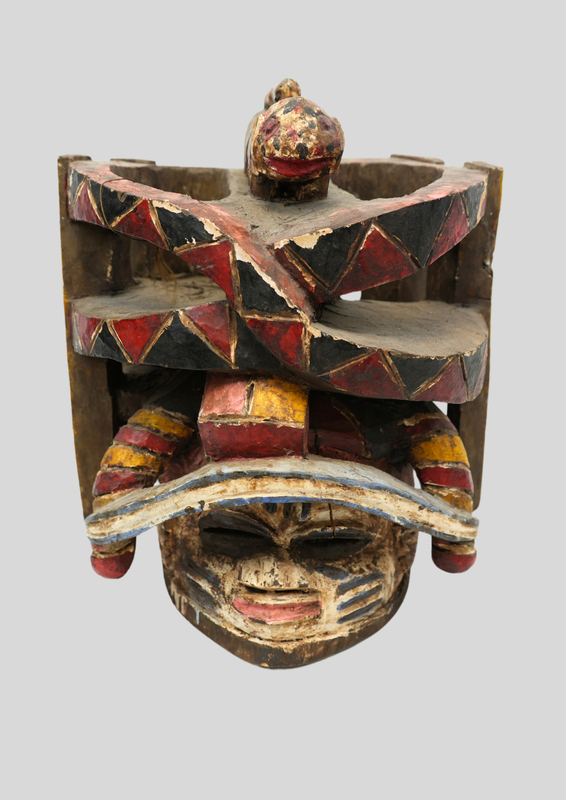
In Nigeria, the Yoruba Gelede performance celebrates women (awon iya wa; “our mothers”), including mothers, grandmothers, living and dead female ancestors, and elderly women. Performers wear the headdress like the one here and have their faces covered by a cloth veil. Each wooden mask is repainted in vibrant colors for each performance.
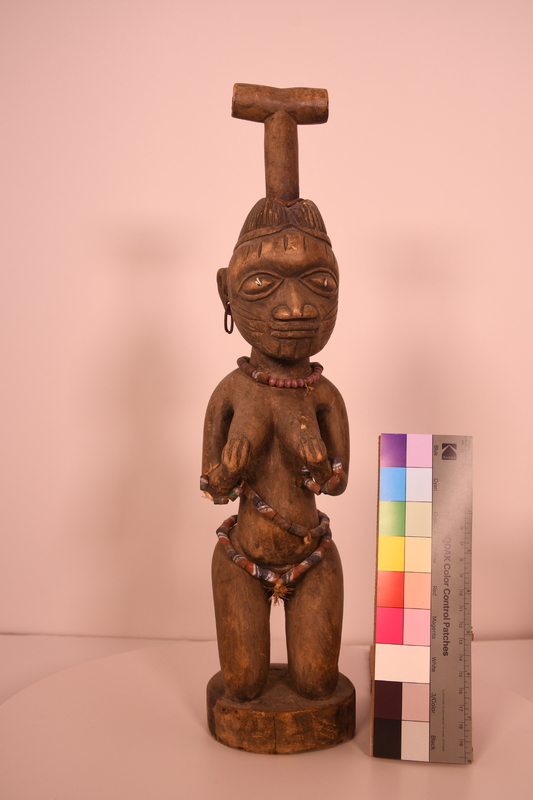
This kneeling, beaded woman is a product of the Yoruba people in West Africa. The woman has scars on her face, braids, and is covering her breasts. The woman's colorful beaded jewelry suggests she has a certain status in society, yet her posture shows humility and servitude.
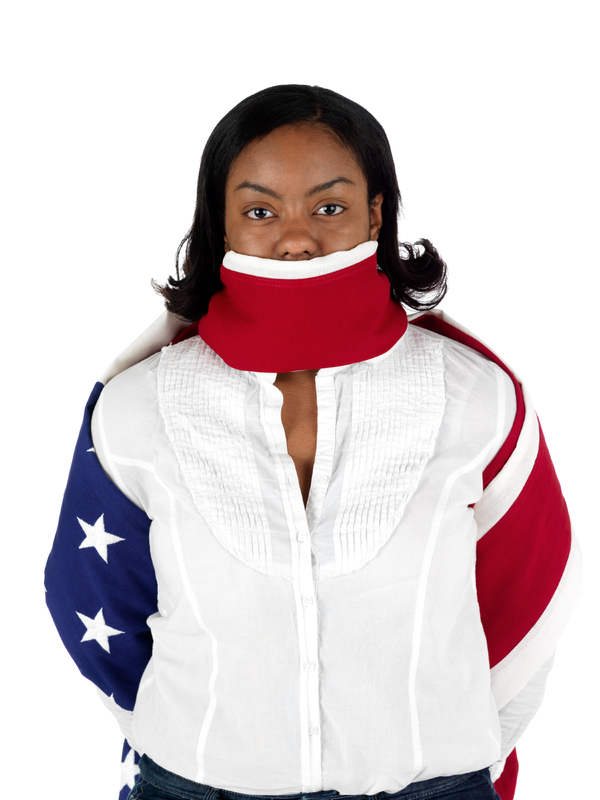
Shelia Pree Bright is a cultural anthropologist and photographer from Waycross, GA. Young Americans Series: Tarrynn Deavens, age 18, African American depicts a young Black woman posing with the American flag binding her arms and mouth. This series is an examination of Generation Y's response to America.
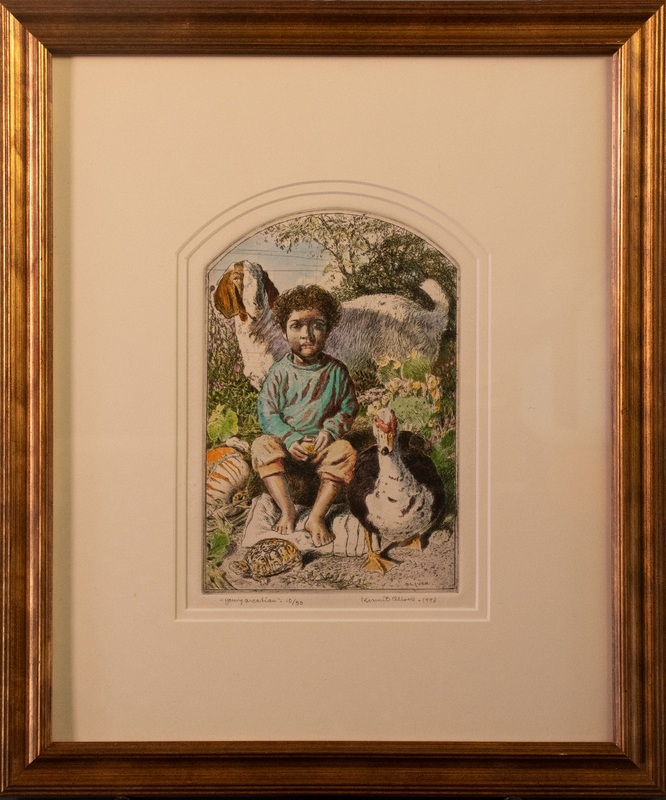
Oliver’s etching shows an idyllic scene, with a young boy surrounded by Texan flora and fauna. These include a muscovy duck, a goat, a turtle, a pumpkin, and more plants. Oliver grew up in Refugio in southeastern Texas, attended TSU, and moved to Waco after his graduation. Texas wildlife is a frequent subject of Oliver’s work, including his Hermes scarves.
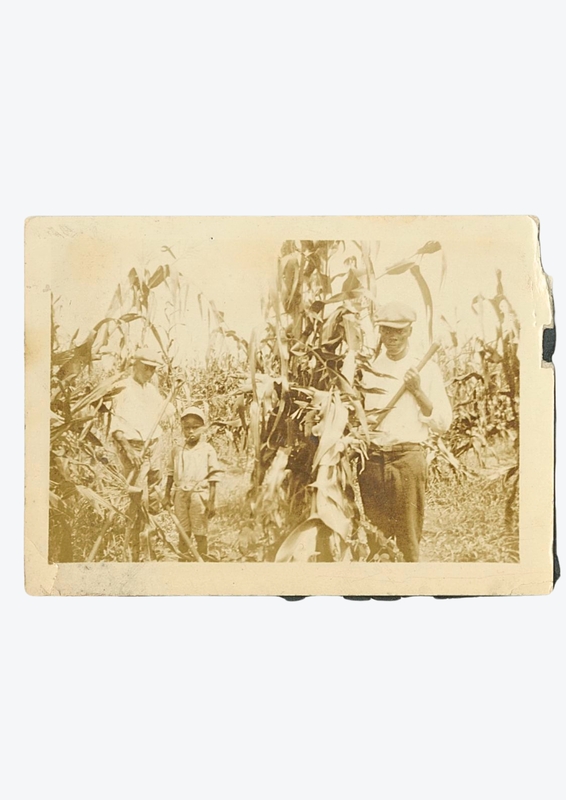
In this rare, yellowing photograph, former FAMU President Benjamin L. Perry, Jr. is seen as a young boy in fields with older relatives. While we cannot confirm if they were sharecroppers, Perry’s father was heavily involved in agriculture; when Perry was an undergrad, his father brought him a farm to operate (though this photo is before that time).
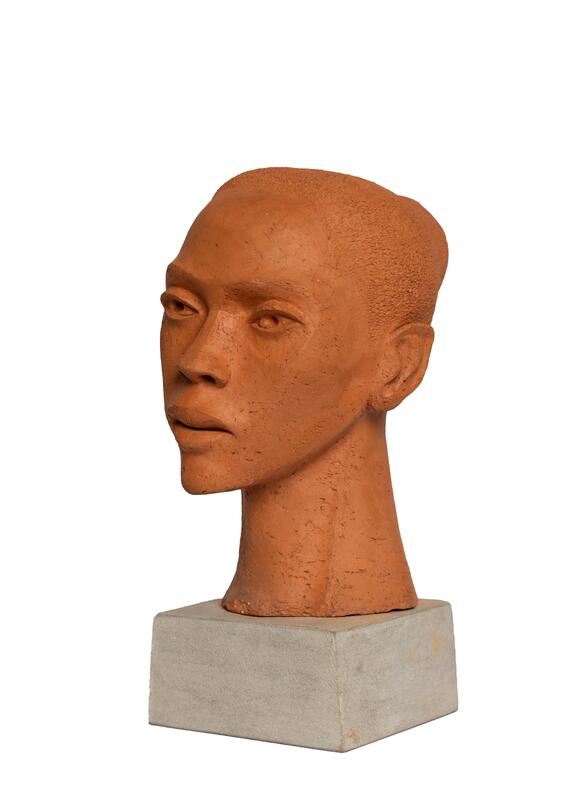
Elizabeth Catlett was an artist and educator from Washington, D.C., who repatriated to Mexico. Young Girl is a Terra-Cotta bust of a Black female. It shows Catlett's sculptural skill with sharp details from the subject's hair texture to her expression.
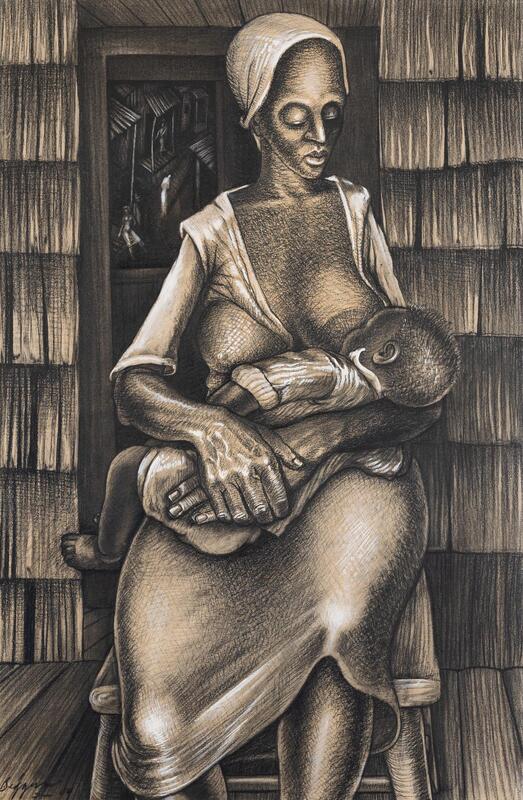
John T. Biggers was an educator, painter, and muralist from Gastonia, NC. Young Mother depicts a woman breastfeeding her baby. The seated woman is wearing a nightgown and kerchief while caring for the baby. The baby wears a onesie as he feeds from his mother. Various people are outside the windows of the wooden homes.
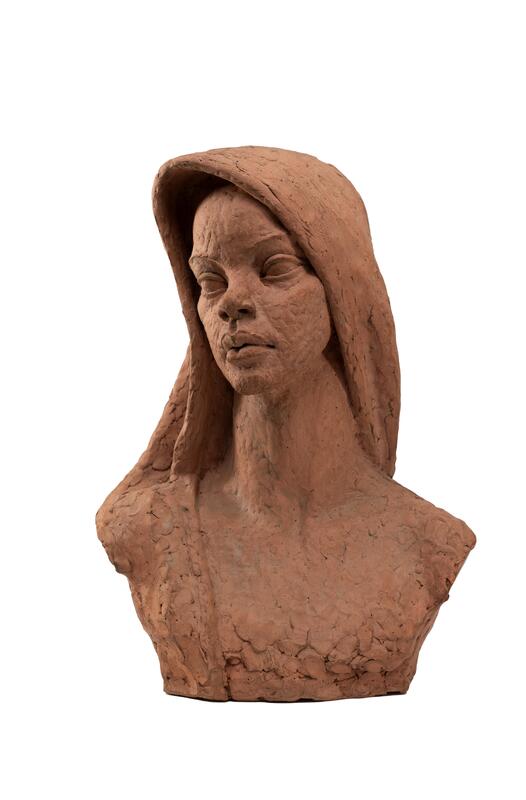
William Artis was a sculptor from Washington, NC. Young Mother is a ceramic sculpture of a hooded woman looking off into the distance away from the viewer.
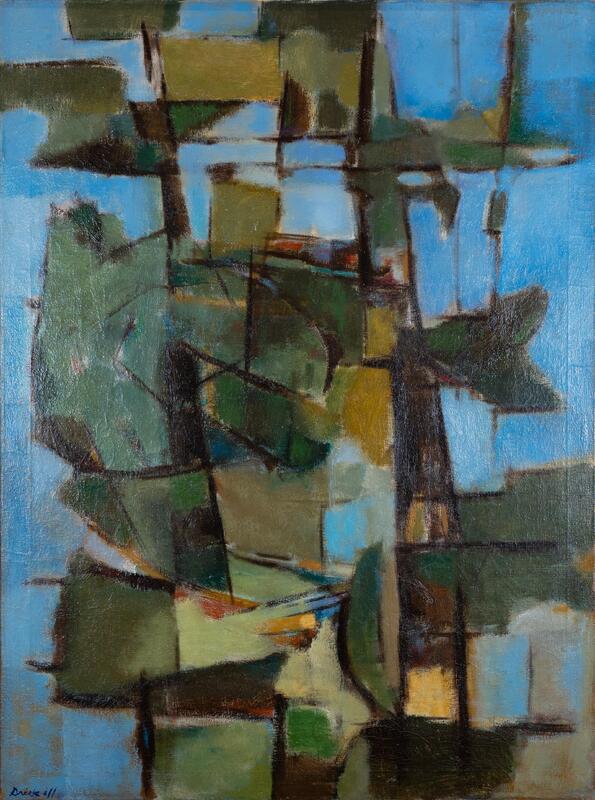
David Driskell was a Black artist, scholar, and curator known for his culmination of African abstract forms and modern aesthetics from Eatonton, GA. Young Pines Growing is an abstraction of a pine tree against a light blue background. The dispersed tree displays a texture similar to stained-glass using dimensional greens.
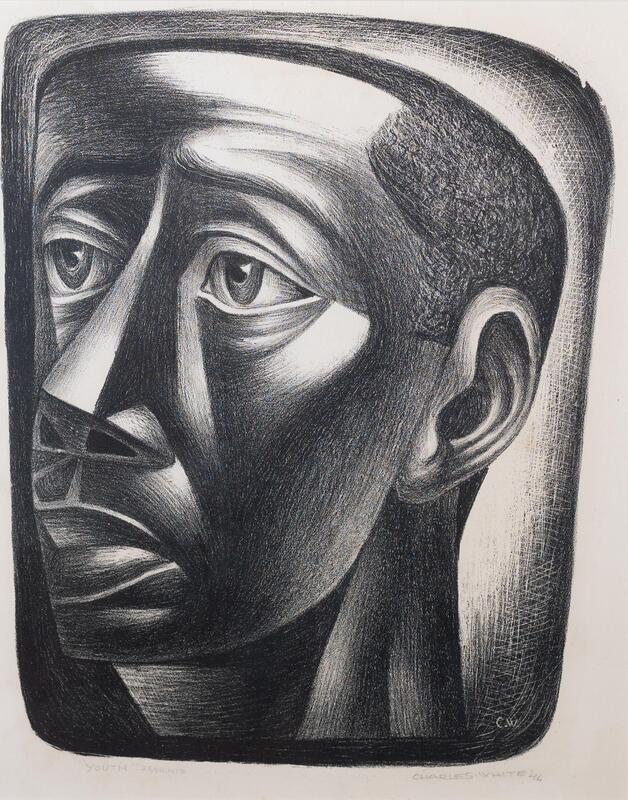
Born in Chicago, Charles White was a painter, printmaker, muralist, and educator known for his stylistic approach to Black subjects. Youth is a lithograph portrait of a young man looking into a far-off distance. Cross-hatching contrasts shadow and light across the young man’s face.
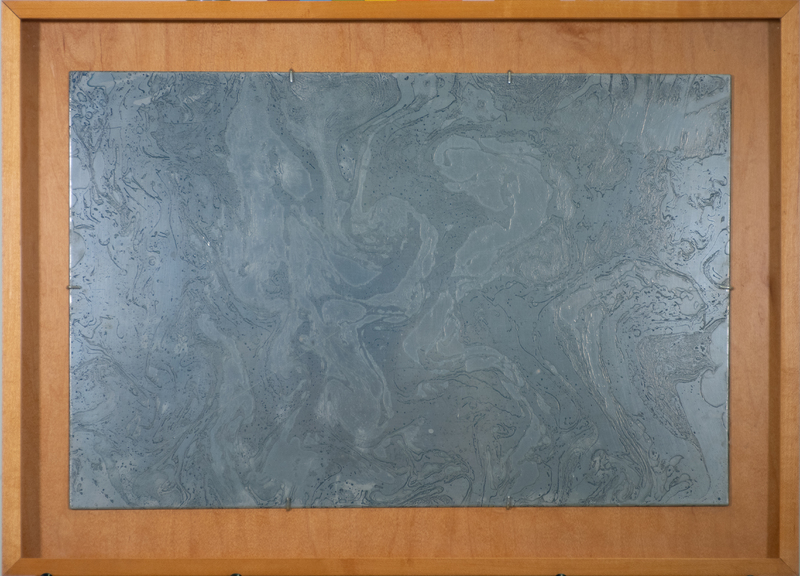
This is a copper etching plate for Long’s piece Roma, which was created during his 1990-91 Prix de Rome fellowship. Featuring one layer of the print, a background resembling poured paint, the full composition is somewhat reminiscent of Da Vinci’s Vitruvian Man. Long rose to prominence as an “outsider artist” without formal training, later becoming one of the co-founders of Project Row Houses.
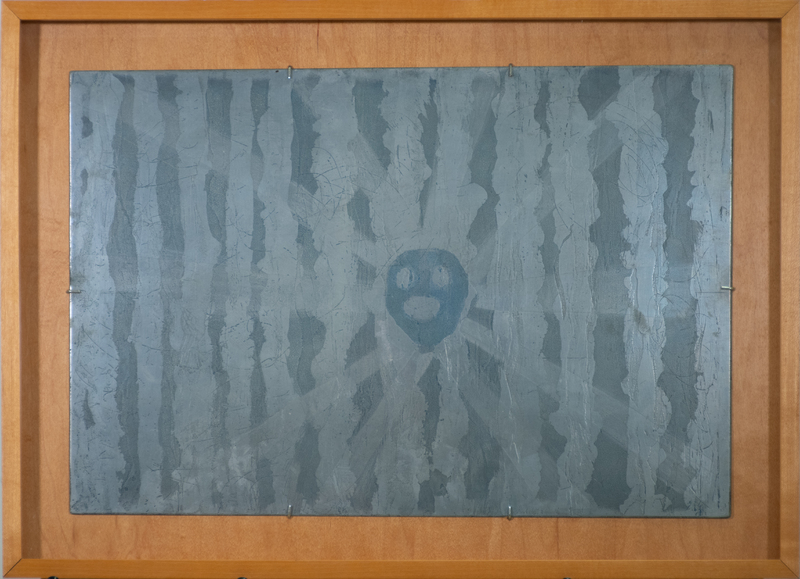
This is a zinc etching plate for one layer of Long’s Post Rome, a man’s face with vertical bars and diagonal rays around it. In the full print, the center of the design is a large, oval-shaped eye. This is a frequently used motif in Long’s artwork, across many different mediums. The vertical and diagonal rays and bars draw attention towards the eye, which features a man’s face where the pupil would be. Long’s print was created during his 1990 Prix de Rome fellowship.
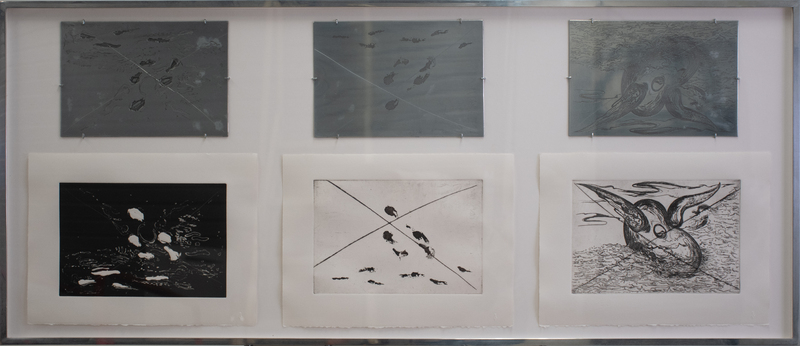
This piece features a set of three etching plates and samples. Together, these three plates form the design for Long’s 1990 print Pre Rome. This piece was created during Long’s Prix de Rome fellowship. Long rose to prominence as an “outsider artist” without formal training, later becoming one of the co-founders of Project Row Houses.
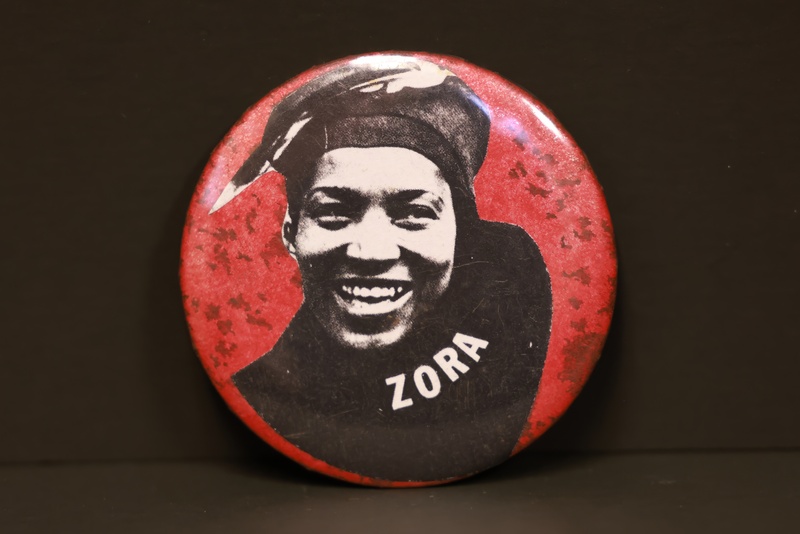
A multi-colored button with a photo of Zora Neale Hurston. The text reads “Zora.” Zora Neale Hurston was an author, filmmaker, and researcher, with a focus on African American and Caribbean folklore. Her most famous novel is “Their Eyes Were Watching God” and she wrote over 50 other works, including novels, short stories, plays, and essays.